Pentixapharm Receives FDA Feedback for Phase 3 Diagnostic Study in Hypertension

Pentixapharm Holding AG

/ Key word(s): Study

Pentixapharm Receives FDA Feedback for Phase 3 Diagnostic Study in Hypertension (news with additional features)

07.01.2026 / 08:00 CET/CEST

The issuer is solely responsible for the content of this announcement.


Pentixapharm Receives FDA Feedback for Phase 3 Diagnostic Study in Hypertension


  • Formal written minutes from the U.S. FDA confirms no major concerns identified for the planned Phase 3 PANDA study of [⁶⁸Ga]Ga-PentixaFor in treatment-resistant hypertension and Primary Aldosteronism
  • Type B pre-IND meeting provided non-binding guidance on key statistical and methodological aspects, enabling refinement of the Phase 3 study design
  • Feedback clarifies evidence requirements relevant to a potential approval pathway, supporting the planned IND submission for the company’s leading CXCR4-directed flagship program


Berlin, Germany, January 07, 2026 – Pentixapharm Holding AG (Frankfurt Prime Standard: PTP), an advanced clinical-stage biotech developing novel radiopharmaceuticals, today announced that it has received the formal written minutes from its recent scientific advice meeting with the U.S. Food and Drug Administration (FDA) for the planned Phase 3 PANDA study of [⁶⁸Ga]Ga-PentixaFor, the company’s leading CXCR4-directed flagship program. The PANDA study will evaluate the radiodiagnostic as a potential new tool to improve the diagnostic pathway for patients with treatment-resistant hypertension and primary aldosteronism (PA). By enabling disease subtyping, PET/CT imaging with [⁶⁸Ga]Ga-PentixaFor has the potential to better guide the most appropriate therapy, supporting more precise and effective treatment decisions.

The FDA’s minutes provide further clarification on several important statistical,  methodological aspects, and criteria for assessing diagnostic performance of the planned Phase 3 study and expand on the preliminary feedback from the meeting,  previously communicated on December 3, 2025.

“The FDA’s formal written feedback provides important clarity on key design and analysis elements of our planned Phase 3 PANDA study with [⁶⁸Ga]Ga-PentixaFor and confirms that no major concerns have been identified,” said Dr. Dirk Pleimes, CEO and CMO of Pentixapharm. “Importantly, the feedback also provides guidance on the evidence requirements toward potential approval, including the role of confirmatory evidence in combination with this single Phase 3 study. This guidance strengthens our preparations for the planned IND submission and further supports the development of a potentially scalable, non-invasive diagnostic tool for patients with primary aldosteronism – the most common cause of secondary hypertension and a condition that remains significantly underdiagnosed.”
 

 About [⁶⁸Ga]Ga-PentixaForin treatment-resistant hypertension and primary aldosteronism

[⁶⁸Ga]Ga-PentixaFor is a novel, potentially first-in-class gallium-68-labeled radiodiagnostic designed to selectively target the chemokine receptor CXCR4 and to visualize its expression using high-resolution PET/CT imaging. Clinical experience with [⁶⁸Ga]Ga-PentixaFor PET/CT is documented in more than 100 scientific publications encompassing over 2,600 patients across multiple indications, including more than 1,600 patients with primary aldosteronism. In published and ongoing studies, the diagnostic has demonstrated reproducible in vivo imaging of CXCR4 expression with a favorable safety profile.

Recent research has shown strong CXCR4 overexpression in aldosterone-producing adrenal tumors, a hallmark of unilateral primary aldosteronism. Primary aldosteronism is a common but historically underdiagnosed cause of secondary hypertension, largely because reliably distinguishing unilateral from bilateral disease remains challenging with current diagnostic tools. Unilateral disease is typically treated by surgical removal of the affected adrenal gland whereas bilateral disease requires life-long medical therapy. By visualizing CXCR4 expression in aldosterone-producing tissue, [⁶⁸Ga]Ga-PentixaFor has the potential to support more reliable subtyping of primary aldosteronism and thereby better guide appropriate treatment decisions.
 

 About Pentixapharm

Pentixapharm is an advanced clinical-stage biotech expanding the boundaries of radiopharmaceuticals. Headquartered in Berlin, Germany, the company develops precision diagnostics and therapeutics in oncology and cardiology to transform patient care. Its clinical pipeline is anchored by CXCR4-targeted PET-CT programs, including a Phase 3-ready candidate for the improved diagnosis of hypertensive patients with primary aldosteronism, which is intended to enable targeted treatment of the underlying causes of hypertension. CXCR4-based developments also include pioneering therapeutic programs in hematological cancers. Furthermore, Pentixapharm is advancing a next-generation antibody platform targeting CD24, an emerging immune-checkpoint marker over-expressed in multiple hard-to-treat cancers. Complemented by CXCR4 and CD24 intellectual property protection and a reliable isotope supply chain, Pentixapharm is poised to deliver meaningful patient benefit and sustainable growth in one of the fastest-growing areas of precision medicine.


Pentixapharm Investor and Media Contact

ir@pentixapharm.com


Additional features:

File: 20260107 – Pentixapharm PR FDA Meeting Minutes EN_Final


07.01.2026 CET/CEST Dissemination of a Corporate News, transmitted by EQS News – a service of EQS Group.
The issuer is solely responsible for the content of this announcement.

The EQS Distribution Services include Regulatory Announcements, Financial/Corporate News and Press Releases.


Language: English
Company: Pentixapharm Holding AG
Robert-Rössle-Straße 10
13125 Berlin
Germany
E-mail: info@pentixapharm.com
Internet: https://www.pentixapharm.com/
ISIN: DE000A40AEG0
WKN: A40AEG
Listed: Regulated Market in Frankfurt (Prime Standard); Regulated Unofficial Market in Berlin, Dusseldorf, Hamburg, Hanover, Munich, Stuttgart, Tradegate Exchange
EQS News ID: 2255670

 
End of News EQS News Service

2255670  07.01.2026 CET/CEST

Newron Pharmaceuticals S.p.A.: EA Pharma, a subsidiary of Eisai, Announces the Initiation of its Phase III Clinical Trial with Evenamide, a Novel Treatment for Schizophrenia, in Japan

Newron Pharmaceuticals S.p.A.

/ Key word(s): Study

Newron Pharmaceuticals S.p.A.: EA Pharma, a subsidiary of Eisai, Announces the Initiation of its Phase III Clinical Trial with Evenamide, a Novel Treatment for Schizophrenia, in Japan

07.01.2026 / 07:00 CET/CEST

The issuer is solely responsible for the content of this announcement.


Newron Pharmaceuticals S.p.A.: EA Pharma, a subsidiary of Eisai, Announces the Initiation of its Phase III Clinical Trial with Evenamide, a Novel Treatment for Schizophrenia, in Japan

Milan, Italy, and Morristown, NJ, USA, January 7, 2026 – Newron Pharmaceuticals S.p.A. (“Newron”) (SIX: NWRN, XETRA: NP5), a biopharmaceutical company focused on the development of novel therapies for patients with diseases of the central and peripheral nervous system, is pleased to note that its partner EA Pharma Co., Ltd. (EAP), has  announced today the initiation of its Phase III clinical trial with evenamide, a novel excessive glutamate release modulator, in Japan.

Stefan Weber, CEO of Newron Pharmaceuticals, commented: “The initiation of EA Pharma’s Phase III study of evenamide in Japan represents an important step in the global development of the program. This milestone, together with Newron’s ongoing global (excluding EAP territories) ENIGMA-TRS Phase III studies reflects continued progress and momentum for evenamide and further supports its potential as a differentiated add-on therapy in schizophrenia.”

The full text of the announcement from EAP is as follows:

EA Pharma Announces Initiation of Phase III Clinical Trial of EA8001, a Novel Treatment for Schizophrenia, in Japan

EA Pharma Co., Ltd. (Head Office, Chuo-ku, Tokyo, Japan; President, Hidenori Yabune; “EA Pharma”) announced today that Phase III clinical trial of EA8001 (non -proprietary name: evenamide), a novel excessive glutamate release modulator, is now ready to begin in Japan (hereinafter the “Trial”).  

EA Pharma initiates the Trial after review by the institutional review board of the clinical site and other related procedures. This Trial is a multicenter randomized double-blind placebo-controlled clinical trial in patients with treatment-resistant schizophrenia who show poor or inadequate response to at least two different types of antipsychotics, evaluating the efficacy, safety and tolerability of EA8001 as an add-on treatment. EA Pharma is striving to quickly contribute to addressing the needs of, and increasing the benefits provided to, patients with schizophrenia, their families and healthcare providers.

Inquiries

EA Pharma Co., Ltd.
Corporate Communication Dept. Mail: contact_ea@ eapharma.co.jp

《More Information》

  1. About schizophrenia

Schizophrenia, which approximately 1% of the Japanese population is affected by, consists of positive symptoms (such as hallucinations and delusions), negative symptoms (such as reduced emotions and avolition), and cognitive impairment (such as memory and decision-making difficulties), and those symptoms may cause difficulty in everyday life and social activities [1]. Current antipsychotics mainly function through the dopamine and/or serotonin pathways, and those antipsychotics are known to show side effects (such as extrapyramidal symptoms, weight gain, and prolactin elevation). Among those patients treated with current antipsychotics, a considerable number of patients become treatment-resistant or poor responsive. Therefore, there is a demand for a drug which can address all those points.

  1. About evenamide

Evenamide is the first new chemical entity that has demonstrated significant benefits in this difficult-to-treat patient population, as seen in the potentially pivotal Phase III study 008A trial [2], as an add-on treatment to second generation anti-psychotics, in 291 poorly responding patients with chronic schizophrenia. The primary endpoint, the Positive and Negative Syndrome Scale (PANSS) [3], and the key secondary endpoint, the Clinical Global Impressions Scale – Severity (CGI-S), were met and showed statistical significance compared to placebo. Importantly, evenamide treatment was associated with statistically significant increase in proportion of patients who experienced “clinically meaningful benefit*” on the outcome variables[4]. 

*Against placebo in the two categories: at least 20% improvement in PANSS, and Score 2 or below in Clinical Global Impression Scale – Corrections (CGI-C)

3. About Alliance between EA Pharma and Newron Pharmaceuticals S.p.A.

EA Pharma obtained the right to develop, manufacture and commercialize evenamide in Japan and other key Asian territories [5] under the license agreement with Newron Pharmaceuticals S.p.A. as of December 2024. 

For more details, please see https://www.eapharma.co.jp/en/investors/news/2024/1213.

  1. About EA Pharma Co., Ltd.

EA Pharma Co., Ltd. is a subsidiary of Eisai Co., Ltd. It was established in April 2016 by integration of the gastrointestinal business unit with more than 60 year’s history of the Eisai Group and the gastrointestinal business unit of the Ajinomoto Group having amino acid as its business core. EA Pharma Co., Ltd., is a specialty pharmaceutical company with a full value chain covering R&D, production & logistics and sales & marketing. 

For further information on EA Pharma Co., Ltd., please visit   https://www.eapharma.co.jp/en/

[1] National Center of Neurology and Psychiatry (https://www.ncnp.go.jp/en/)

[2] A “pivotal phase III trial” is a key clinical trial to collect definitive evidence of efficacy and safety in primary endpoints that can support a regulatory approval. Usually, data collected from multiple confirmatory trials (pivotal trials) are required for a regulatory approval in many countries. 

[3] Positive and Negative Syndrome Scale (PANSS) is widely used in clinical trials of schizophrenia and is considered the “gold standard” for assessment of antipsychotic treatment efficacy (Innvo Clin Neurosci, 2017: https://www.ncbi.nlm.nih.gov/pmc/articles/PMC5788255/)

[4] Efficacy and safety of evenamide, a glutamate modulator, added to a second-generation antipsychotic in inadequately/poorly responding patients with chronic schizophrenia: Results from a randomized, double-blind, placebo-controlled, phase 3, international clinical trial. (Neuropharmacology. 2025: https://pubmed.ncbi.nlm.nih.gov/39708914/)

[5] Brunei, Cambodia, Indonesia, Laos, Malaysia, Myanmar, the Philippines, Singapore, Thailand, Vietnam

About Newron Pharmaceuticals

Newron (SIX: NWRN, XETRA: NP5) is a biopharmaceutical company focused on the development of innovative therapies for patients with diseases of the central and peripheral nervous system. Headquartered in Bresso near Milan, Italy, the Company has a strong track record of advancing neuroscience-based treatments from discovery to market. Newron’s lead compound, evenamide, is a first-in-class glutamate modulator and has the potential to be the first add-on therapy for treatment-resistant schizophrenia (TRS) and for poorly responding patients with schizophrenia. Evenamide is currently developed in the global pivotal ENIGMA-TRS Phase III development program. Clinical trial results to date demonstrate the benefits of this drug candidate in the TRS as well as poorly responding patient population, with significant improvements across key efficacy measures increasing over time, as well as a favorable safety profile, which is uncommon for available antipsychotic medications. Newron has signed development and commercialization agreements for evenamide with EA Pharma (a subsidiary of Eisai) for Japan and other Asian territories, as well as Myung In Pharm for South Korea. Newron’s first marketed product, Xadago®/safinamide has received marketing authorization for the treatment of Parkinson’s disease in the European Union, Switzerland, the UK, the USA, Australia, Canada, Latin America, Israel, the United Arab Emirates, Japan and South Korea. The product is commercialized by Newron’s partner Zambon, with Supernus Pharmaceuticals holding marketing rights in the U.S., and Meiji Seika responsible for development and commercialization in Japan and other key Asian territories. For more information, please visit: www.newron.com

For more information, please contact:

Newron
Stefan Weber – CEO; +39 02 6103 46 26, pr@newron.com

UK/Europe
Simon Conway / Ciara Martin / Natalie Garland-Collins, FTI Consulting; +44 20 3727 1000, SCnewron@fticonsulting.com 

Switzerland
Valentin Handschin, IRF; +41 43 244 81 54, handschin@irf-reputation.ch

Germany/Europe
Anne Hennecke / Maximilian Schur, MC Services; +49 211 52925227, newron@mc-services.eu

USA
Paul Sagan, LaVoieHealthScience; +1 617 865 0041, psagan@lavoiehealthscience.com

Important Notices

This document contains forward-looking statements, including (without limitation) about (1) Newron’s ability to develop and expand its business, successfully complete development of its current product candidates, the timing of commencement of various clinical trials and receipt of data and current and future collaborations for the development and commercialization of its product candidates, (2) the market for drugs to treat CNS diseases and pain conditions, (3) Newron’s financial resources, and (4) assumptions underlying any such statements. In some cases, these statements and assumptions can be identified by the fact that they use words such as “will”, “anticipate”, “estimate”, “expect”, “project”, “intend”, “plan”, “believe”, “target”, and other words and terms of similar meaning. All statements, other than historical facts, contained herein regarding Newron’s strategy, goals, plans, future financial position, projected revenues and costs and prospects are forward-looking statements. By their very nature, such statements and assumptions involve inherent risks and uncertainties, both general and specific, and risks exist that predictions, forecasts, projections and other outcomes described, assumed or implied therein will not be achieved. Future events and actual results could differ materially from those set out in, contemplated by or underlying the forward-looking statements due to a number of important factors. These factors include (without limitation) (1) uncertainties in the discovery, development or marketing of products, including without limitation difficulties in enrolling clinical trials, negative results of clinical trials or research projects or unexpected side effects, (2) delay or inability in obtaining regulatory approvals or bringing products to market, (3) future market acceptance of products, (4) loss of or inability to obtain adequate protection for intellectual property rights, (5) inability to raise additional funds, (6) success of existing and entry into future collaborations and licensing agreements, (7) litigation, (8) loss of key executive or other employees, (9) adverse publicity and news coverage, and (10) competition, regulatory, legislative and judicial developments or changes in market and/or overall economic conditions. Newron may not actually achieve the plans, intentions or expectations disclosed in forward-looking statements and assumptions underlying any such statements may prove wrong. Investors should therefore not place undue reliance on them. There can be no assurance that actual results of Newron’s research programs, development activities, commercialization plans, collaborations and operations will not differ materially from the expectations set out in such forward-looking statements or underlying assumptions. Newron does not undertake any obligation to publicly update or revise forward-looking statements except as may be required by applicable regulations of the SIX Swiss Exchange or the Dusseldorf Stock Exchange where the shares of Newron are listed. This document does not contain or constitute an offer or invitation to purchase or subscribe for any securities of Newron and no part of it shall form the basis of or be relied upon in connection with any contract or commitment whatsoever.


07.01.2026 CET/CEST Dissemination of a Corporate News, transmitted by EQS News – a service of EQS Group.
The issuer is solely responsible for the content of this announcement.

The EQS Distribution Services include Regulatory Announcements, Financial/Corporate News and Press Releases.


Language: English
Company: Newron Pharmaceuticals S.p.A.
via Antonio Meucci 3
20091 Bresso
Italy
Phone: +39 02 610 3461
Fax: +39 02 610 34654
E-mail: pr@newron.com
Internet: www.newron.com
ISIN: IT0004147952
WKN: A0LF18
Listed: Regulated Unofficial Market in Dusseldorf (Primärmarkt); SIX
EQS News ID: 2255678

 
End of News EQS News Service

2255678  07.01.2026 CET/CEST

RoslinCT and BOOST Pharma Announce Strategic Manufacturing Agreement to Advance Cell Therapy for Infants with Osteogenesis Imperfecta

RoslinCT and BOOST Pharma Announce Strategic Manufacturing Agreement to Advance Cell Therapy for Infants with Osteogenesis Imperfecta


RoslinCT and BOOST Pharma Announce Strategic Manufacturing Agreement to Advance Cell Therapy for Infants with Osteogenesis Imperfecta

EDINBURGH, Scotland–(BUSINESS WIRE)–RoslinCT, a global contract development and manufacturing organization (CDMO) specializing in advanced cell therapies, and BOOST Pharma, a clinical-stage biotechnology company developing first-in-class cell therapies for rare paediatric skeletal diseases, today announced a strategic manufacturing partnership to support the development of BOOST Pharma’s cell therapy, BT-101, for the treatment of infants with Osteogenesis Imperfecta (OI), also known as brittle bone disease.


Under the service agreement, BOOST Pharma has transferred its manufacturing process to RoslinCT’s state-of-the-art facilities in Edinburgh, Scotland. The partnership will progress toward GMP manufacturing of starting materials and clinical drug product, supporting Phase III clinical development of BT-101. The therapy is an allogeneic mesenchymal stem cell (MSC) product designed to address the underlying cause of OI at the earliest stages of life.

BOOST Pharma was founded on pioneering science originating from Karolinska Institutet, a world leader in cell therapy research. Its lead program, BT-101, is a novel MSC-based therapy with high bone-forming capability. Preclinical and clinical studies have demonstrated promising results, including improved bone formation, reduced fracture rates, and sustained growth in children with severe forms of OI, with no observed immune response to donor cells.

OI is a rare, inherited genetic disorder characterized by extremely fragile bones, skeletal deformities, pain, and reduced quality of life. There are currently no EMA or FDA approved disease-modifying treatments for OI, and existing interventions are largely palliative. By enabling early intervention, including prenatal or early postnatal treatment, BT-101 has the potential to significantly alter disease progression and long-term outcomes for affected children.

“This partnership with RoslinCT represents a critical milestone as we prepare for late-stage clinical development,” said Lilian Walther Jallow, Co-founder and Chief Development Officer of BOOST Pharma. “We know all too well the challenges associated with the CMC part for cell therapies, so for BOOST, it was of great importance to early prioritize finding a partner that we could work with all the way through to a commercial product. RoslinCT brings deep technical expertise and GMP manufacturing capability that will be essential as we advance BT-101 toward Phase III and, ultimately, toward patients who urgently need new treatment options.”

From RoslinCT’s perspective, the agreement reflects a shared, long-term commitment to patient-focused innovation in rare paediatric diseases.

“At the heart of this partnership are infants and families facing a devastating diagnosis with no curative treatment options,” said Peter Coleman, Chief Executive Officer of RoslinCT. “Supporting the manufacture of a therapy that has the potential to reduce fractures, ease pain, and fundamentally change the life trajectory of children with Osteogenesis Imperfecta is deeply meaningful for our team. We see this as a long-term manufacturing relationship, supporting BOOST Pharma not only through Phase III, but also through commercial manufacturing as this therapy moves closer to becoming a reality for patients.”

RoslinCT will provide end-to-end CDMO support, leveraging its expertise in allogeneic cell therapies, process transfer, and GMP manufacturing to ensure robust, scalable production aligned with BOOST Pharma’s clinical and future commercial goals.

About BOOST Pharma ApS

BOOST Pharma is a clinical-stage biopharmaceutical company focused on the development of novel cell therapy treatments. The company is currently developing a first-in-class therapy to treat Osteogenesis Imperfecta, a severe, inherited rare genetic disease leading to significant physical disability. BOOST Pharma is supported by Industrifonden, Sound Bioventures and Karolinska Development, Sweden.

About Osteogenesis Imperfecta

Osteogenesis Imperfecta (OI), also known as Brittle Bone Disease, is a rare and devastating genetic disease, with currently no approved therapies. OI is characterized by fragile bones and reduced bone mass resulting in bones that break easily, loose joints, and weakened teeth. In severe cases, those with OI may experience hundreds of fractures in a lifetime. In addition, people with OI often suffer muscle weakness, early hearing loss, fatigue, curved bones, scoliosis, respiratory problems, and short stature, leading to significant effects on overall health and quality of life. Current treatment of OI is only supportive, focusing on minimizing fractures and maximizing mobility, but to date there are no FDA or EU approved treatments. OI is estimated to affect 1 in 15,000 people globally.

About RoslinCT

RoslinCT is a leading global CDMO focused on advanced cell therapies. With 22 purpose-built cGMP cell therapy suites across sites in Edinburgh, Scotland, and Hopkinton, Massachusetts, RoslinCT provides process and analytical development, clinical and commercial manufacturing for autologous and allogeneic cell therapies, as well as iPSC cell line development, gene editing, and differentiation services.

Founded in 2005 and built on the scientific heritage of the Roslin Institute – home of the groundbreaking cloning of Dolly the Sheep – RoslinCT has played a pivotal role in advancing innovative cell-based medicines from early development through commercialization, with manufacture of commercial products at both sites.

RoslinCT is a GHO Capital portfolio company.

Learn more at: www.roslinct.com

Contacts

Media

BOOST Pharma
Hans Schambye

Email: Hans.Schambye@boostpharma.com

RoslinCT
Katerina Tsita

Email: Katerina.Tsita@roslinct.com
Tel: +44 (0)7867 494071

Daiichi Sankyo and GENESIS Pharma Enter Exclusive Agreement for VANFLYTA® Commercialization in Central and Eastern Europe

Daiichi Sankyo and GENESIS Pharma Enter Exclusive Agreement for VANFLYTA® Commercialization in Central and Eastern Europe


Daiichi Sankyo and GENESIS Pharma Enter Exclusive Agreement for VANFLYTA® Commercialization in Central and Eastern Europe

  • Exclusive agreement covers 13 Central and Eastern European markets
  • Collaboration will help expand access to VANFLYTA for patients with newly diagnosed FLT3-ITD positive AML

MUNICH–(BUSINESS WIRE)–Daiichi Sankyo (TSE: 4568) and GENESIS Pharma have entered into an exclusive license and supply agreement for the distribution and commercialization of VANFLYTA® (quizartinib) in 13 markets across Central and Eastern Europe for the treatment of adult patients with newly diagnosed FLT3-ITD positive acute myeloid leukemia (AML).


Under the terms of the agreement, Daiichi Sankyo will be responsible for the manufacturing and supply of VANFLYTA while GENESIS Pharma will lead medical affairs, market access and commercialization efforts in Bulgaria, Croatia, Cyprus, Czech Republic, Estonia, Hungary, Latvia, Lithuania, Malta, Poland, Romania, Slovakia and Slovenia. Financial terms of the agreement are not being disclosed.

VANFLYTA was approved in the EU in November 2023 for the treatment of adult patients with newly diagnosed FLT3-ITD positive AML in combination with standard cytarabine and anthracycline induction and standard cytarabine consolidation chemotherapy, and as maintenance monotherapy following consolidation, based on the results from the QuANTUM-First trial.

“This agreement with GENESIS Pharma represents an important step in our ambition to expand access to our innovative targeted medicine across Central and Eastern Europe,” said Markus Kosch, MD, Head, Oncology Business Division Europe and Canada, Daiichi Sankyo. “By combining our scientific expertise with the strong regional footprint of GENESIS Pharma, we aim to accelerate access to VANFLYTA for patients with newly-diagnosed FLT3-ITD positive AML and ultimately help improve outcomes in this high-risk population.”

“This new strategic collaboration marks another significant milestone for our company, reinforcing our long-standing expertise and focus on advancing medicines for difficult-to-treat cancers,” said Constantinos Evripides, Managing Director, GENESIS Pharma. “Daiichi Sankyo has entrusted us with a broad territory across Central and Eastern Europe and we look forward to working together to accelerate access to VANFLYTA across the region.”

About FLT3-ITD Positive Acute Myeloid Leukemia

Almost 487,300 new cases of leukemia were reported globally in 2022, with more than 305,400 deaths.1 AML accounts for 23.1% of total leukemia cases worldwide and is most common in adults.2,3 In Europe, approximately 18,000 people are diagnosed with AML each year and the five-year survival rate is reported at 17% for adult patients.4,5 A number of gene mutations have been identified in AML and FLT3 (FMS-like tyrosine kinase 3) mutations are the most common.6 Approximately 80% of FLT3 mutations are FLT3-ITD mutations, which drive cancer growth and contribute to particularly unfavorable prognosis including increased risk of relapse and shorter overall survival.7,8 FLT3-ITD mutations occur in about 25-30% of all adult patients suffering from AML.7,8

About VANFLYTA

VANFLYTA is an oral, highly potent and selective type II FLT3 inhibitor approved in more than 30 countries/regions in combination with standard cytarabine and anthracycline induction and standard cytarabine consolidation chemotherapy, and as maintenance monotherapy following consolidation, for the treatment of adult patients with newly diagnosed AML that is FLT3-ITD positive based on the results from the QuANTUM-First trial. In the U.S., VANFLYTA is not indicated as maintenance monotherapy following allogeneic hematopoietic stem cell transplantation (HSCT); improvement in overall survival with VANFLYTA in this setting has not been demonstrated.

In Japan, VANFLYTA is also approved for the treatment of patients with relapsed/refractory AML that is FLT3-ITD mutation positive, as detected by an approved test, based on results from the QuANTUM-R trial.

About Daiichi Sankyo

Daiichi Sankyo is an innovative global healthcare company contributing to the sustainable development of society that discovers, develops and delivers new standards of care to enrich the quality of life around the world. With more than 120 years of experience, Daiichi Sankyo leverages its world-class science and technology to create new modalities and innovative medicines for people with cancer, cardiovascular and other diseases with high unmet medical need. For more information, please visit www.daiichi-sankyo.eu.

About GENESIS Pharma

GENESIS Pharma is a regional biopharma company focused on the commercialization of innovative biopharmaceutical products targeting severe and rare diseases in Central and Eastern Europe. Established in 1997, GENESIS Pharma was among the first pharmaceutical companies in Europe to specialize in the marketing, sales and distribution of biopharmaceutical products. GENESIS Pharma maintains a strong portfolio in therapeutic areas with high unmet medical need through long standing strategic alliances with some of the leading global biopharma companies. For more information, please visit www.genesispharma.com and follow us on LinkedIn.


References:

1 Global Cancer Observatory. Population Fact Sheet: World. Updated February 2024.

2 American Cancer Society: Key Statistics for Acute Myeloid Leukemia. Updated January 2023

3 Dong Y, et al. Exp Hematol Oncol. (2020);9:14.

4 Rodriguez-Abreu D, et al. Ann Oncol. (2007);18 Suppl 1:i3-i8

5 Heuser M, et al. Ann Oncol. (2020) 31(6):697-712.

6 Kennedy VE, et al. Front Onc. 23 December 2020;10. Volume 10 – 2020

7 Daver N, et al. Leukemia. (2019) 33:299-312.

8 Patel JP, et al N Engl J Med. (2012) Mar 22;366(12):1079-89.


Contacts

Media:
Simone Jendsch-Dowé

Daiichi Sankyo Europe GmbH

Simone.Jendsch-Dowe@daiichisankyo.com
+49 (89) 78080 (office)

Natalia Karahaliou

GENESIS Pharma

nkarahaliou@genesispharma.com
+30 210 87 71 605

Ionis partner GSK announces positive topline results from B-Well 1 and B-Well 2 Phase 3 studies for bepirovirsen, a potential first-in-class medicine for chronic hepatitis B

Ionis partner GSK announces positive topline results from B-Well 1 and B-Well 2 Phase 3 studies for bepirovirsen, a potential first-in-class medicine for chronic hepatitis B


Ionis partner GSK announces positive topline results from B-Well 1 and B-Well 2 Phase 3 studies for bepirovirsen, a potential first-in-class medicine for chronic hepatitis B

Primary endpoint met in both trials –

Bepirovirsen demonstrated a statistically significant and clinically meaningful functional cure rate –

Chronic hepatitis B (CHB) accounts for ~56% of liver cancer cases and affects more than 250 million people worldwide –

Global regulatory filings planned from Q1 2026 –

CARLSBAD, Calif.–(BUSINESS WIRE)–Ionis Pharmaceuticals, Inc. (Nasdaq: IONS) partner GSK today announced positive results from two pivotal Phase 3 studies, B-Well 1 and B-Well 2, evaluating the safety and efficacy of bepirovirsen, an investigational antisense oligonucleotide (ASO) for the treatment of chronic hepatitis B (CHB). The studies included over 1,800 patients from 29 countries. GSK licensed bepirovirsen from Ionis and the two companies have collaborated on its development.


CHB is a major health challenge affecting over 250 million people worldwide and is the leading cause of liver cancer. The current standard of care, nucleos(t)ide analogues, often requires lifelong therapy and the functional cure rates remain low, typically only 1%. Functional cure for CHB is when the virus can no longer be detected in the blood as measured by the sustained loss of hepatitis B surface antigen (HBsAg), a viral protein that signals ongoing infection, and undetectable hepatitis B virus DNA for at least 24 weeks after a finite course of treatment. Functional cure is associated with significant reduction in the risk of long-term liver complications, including liver cancer, as well as all-cause mortality.

The B-Well studies met their primary endpoint, and bepirovirsen demonstrated a statistically significant and clinically meaningful functional cure rate. Functional cure rates were significantly higher with bepirovirsen plus standard of care compared with standard of care alone. Results were statistically significant across all ranked endpoints, including in patients with baseline surface antigen (HBsAg) ≤1000 IU/ml where an even greater effect was demonstrated. The studies demonstrated an acceptable safety and tolerability profile consistent with what was reported in other studies.

“CHB is one of the most common, persistent viral infections in the world, with currently no approved therapy that can achieve meaningful functional cure. Bepirovirsen is uniquely positioned to effectively treat CHB based on its potential to reduce the replication of hepatitis B virus, suppress hepatitis B surface antigen and stimulate the immune system,” said Brett P. Monia, Ph.D., chief executive officer, Ionis. “Today’s positive results are made possible by the strategic collaboration between Ionis and GSK, and demonstrate that bepirovirsen has the potential to bring hope to the millions of people living with CHB. This is the first of five anticipated Phase 3 readouts from Ionis’ partnered programs this year, underscoring the broad applicability of our technology.”

Full results will be submitted for presentation at an upcoming scientific congress, published in a peer-reviewed journal and used to support regulatory submissions to health authorities worldwide. If approved, bepirovirsen has the potential to become the first finite, six-month therapeutic option for CHB and to serve as a backbone for future sequential treatment strategies.

Bepirovirsen has been recognized by global regulatory authorities for its innovation and potential to address significant unmet need in hepatitis B with Fast Track designation from the US FDA, Breakthrough Therapy designation in China and SENKU designation in Japan.

GSK licensed bepirovirsen from Ionis in 2019 under a collaborative development and licensing agreement. Under the terms of the agreement, Ionis received an upfront payment, license fee and development milestone payments and is eligible to receive an additional $150 million in regulatory and sales milestone payments as well as tiered royalties of 10-12% on net sales of bepirovirsen.

About B-Well 1 and B-Well 2

B-Well 1 (NCT05630807) and B-Well 2 (NCT05630820) trials are global multi-center, randomized, double-blind, placebo-controlled trials conducted in 29 countries. They assessed the efficacy, safety, pharmacokinetic profile, and the durability of functional cure in nucleos(t)ide analogue (NA)-treated participants with chronic hepatitis B and baseline surface antigen (HBsAg) ≤3000 IU/ml. The primary endpoint assessed the proportion of participants achieving functional cure in patients with baseline surface antigen (HBsAg) ≤3000 IU/ml. A key secondary endpoint evaluated functional cure in participants with baseline HBsAg ≤1000 IU/ml. Functional cure is defined as hepatitis B surface antigen (HBsAg) loss and undetectable HBV DNA for at least 24 weeks after a finite course of treatment.

About Chronic Hepatitis B (CHB)

Hepatitis B is a viral infection that can cause both acute and chronic liver disease. Chronic hepatitis B occurs when the immune system is unable to clear the virus, resulting in long-lasting infection that affects more than 250 million people worldwide. The disease causes approximately 1.1 million deaths each year, and accounts for approximately 56% of liver cancer cases globally. Many patients often require lifelong antiviral therapy for viral suppression; making functional cure a critical goal in disease management.

About Bepirovirsen

Bepirovirsen is an investigational antisense oligonucleotide (ASO) designed to recognize and orchestrate the destruction of the genetic components (i.e. RNA) of the hepatitis B virus that can lead to chronic disease, potentially allowing a person’s immune system to regain control. Bepirovirsen inhibits the replication of viral DNA in the body, suppresses the level of hepatitis B surface antigen (HBsAg) in the blood, and stimulates the immune system to increase the chances of a durable and sustained response.

About Ionis Pharmaceuticals, Inc.

For three decades, Ionis has invented medicines that bring better futures to people with serious diseases. Ionis has marketed medicines and a leading pipeline in neurology, cardiometabolic and other areas of high patient need. As the pioneer in RNA-targeted medicines, Ionis continues to drive innovation in RNA therapies in addition to advancing new approaches in gene editing. A deep understanding of disease biology and industry-leading technology propels our work, coupled with a passion and urgency to deliver life-changing advances for patients. To learn more about Ionis, visit Ionis.com and follow us on X (Twitter), LinkedIn and Instagram.

Forward-looking Statements

This press release includes forward-looking statements regarding Ionis’ business and the therapeutic and commercial potential of bepirovirsen, our commercial medicines, additional medicines in development and technologies. Any statement describing Ionis’ goals, expectations, financial or other projections, intentions or beliefs is a forward-looking statement and should be considered an at-risk statement. Such statements are subject to certain risks and uncertainties including those inherent in the process of discovering, developing and commercializing medicines that are safe and effective for use as human therapeutics, and in the endeavor of building a business around such medicines. Ionis’ forward-looking statements also involve assumptions that, if they never materialize or prove correct, could cause its results to differ materially from those expressed or implied by such forward-looking statements. Although Ionis’ forward-looking statements reflect the good faith judgment of its management, these statements are based only on facts and factors currently known by Ionis. Except as required by law, we undertake no obligation to update any forward-looking statements for any reason. As a result, you are cautioned not to rely on these forward-looking statements. These and other risks concerning Ionis’ programs are described in additional detail in Ionis’ annual report on Form 10-K for the year ended December 31, 2024, and most recent Form 10-Q, which are on file with the Securities and Exchange Commission. Copies of these and other documents are available from the Company. In this press release, unless the context requires otherwise, “Ionis,” “Company,” “we,” “our” and “us” all refer to Ionis Pharmaceuticals and its subsidiaries.

Ionis Pharmaceuticals® is a trademark of Ionis Pharmaceuticals, Inc.

Contacts

Ionis Investor Contact:

D. Wade Walke, Ph.D.

IR@ionis.com
760-603-2331

Ionis Media Contact:
Hayley Soffer

media@ionis.com
760-603-4679

Number of Shares and Voting Rights of Innate Pharma as of December 31, 2025

Number of Shares and Voting Rights of Innate Pharma as of December 31, 2025


Number of Shares and Voting Rights of Innate Pharma as of December 31, 2025

MARSEILLE, France–(BUSINESS WIRE)–#immunotherapy–Regulatory News:


Pursuant to the article L. 233-8 II of the French “Code de Commerce” and the article 223-16 of the French stock-market authorities (Autorité des Marchés Financiers, or “AMF”) General Regulation, Innate Pharma SA (Euronext Paris: IPH; Nasdaq: IPHA) (“Innate” or the “Company”) releases its total number of shares outstanding as well as its voting rights as of December 31, 2025:

Total number of shares outstanding:

93,719,323 ordinary shares


6,324 Preferred Shares 2016

7,581 Preferred Shares 2017

Total number of theoretical voting rights (1):

Total number of exercisable voting rights (2):

94,484,443

94,465,868

(1) The total number of theoretical voting rights (or “gross” voting rights) is used as the basis for calculating the crossing of shareholding thresholds. In accordance with Article 223-11 of the AMF General Regulation, this number is calculated on the basis of all shares to which voting rights are attached, including shares whose voting rights have been suspended. The total number of theoretical voting rights includes voting rights attached to AGAP 2016, i.e. 130 voting rights for the AGAP 2016-1 and 111 voting rights for the AGAP 2016-2. No voting rights attached to AGAP 2017.

(2) The total number of exercisable voting rights (or “net” voting rights) is calculated without taking into account the shares held in treasury by the Company, with suspended voting rights. It is released so as to ensure that the market is adequately informed, in accordance with the recommendation made by the AMF on July 17, 2007.

About Innate Pharma

Innate Pharma S.A. is a global, clinical-stage biotechnology company developing immunotherapies for cancer patients. Leveraging its expertise on antibody-engineering and innovative target identification, Innate Pharma is developing innovative and differentiated next-generation antibody therapeutics.

Innate Pharma is advancing a portfolio of differentiated potential first and/or best-in-class assets, focused on areas of high unmet medical need, including IPH4502, a differentiated Nectin-4 ADC developed in solid tumors, lacutamab, an anti-KIR3DL2 antibody developed in cutaneous T cell lymphomas and peripheral T cell lymphomas, and monalizumab, an anti-NKG2A antibody developed in collaboration with AstraZeneca in non-small cell lung cancer.

Innate Pharma has established collaborations with leading biopharmaceutical companies, including Sanofi and AstraZeneca, as well as renowned academic and research institutions, to advance innovation in immuno-oncology.

Headquartered in Marseille, France with a US office in Rockville, MD, Innate Pharma is listed on Euronext Paris and Nasdaq in the US.

Learn more about Innate Pharma at www.innate-pharma.com and follow us on LinkedIn and X.

Information about Innate Pharma shares

ISIN code
Ticker code
LEI

FR0010331421

Euronext: IPH Nasdaq: IPHA

9695002Y8420ZB8HJE29

Disclaimer on forward-looking information and risk factors

This press release contains certain forward-looking statements, including those within the meaning of applicable securities laws, including the Private Securities Litigation Reform Act of 1995. The use of certain words, including “anticipate,” “believe,” “can,” “could,” “estimate,” “expect,” “may,” “might,” “potential,” “intend,” “should,” “will,” or the negative of these and similar expressions, is intended to identify forward-looking statements. Although the Company believes its expectations are based on reasonable assumptions, these forward-looking statements are subject to numerous risks and uncertainties, which could cause actual results to differ materially from those anticipated. These risks and uncertainties include, among other things, the uncertainties inherent in research and development, including related to safety, progression of and results from its ongoing and planned clinical trials and preclinical studies, review and approvals by regulatory authorities of its product candidates, the Company’s reliance on third parties to manufacture its product candidates, the Company’s commercialization efforts and the Company’s continued ability to raise capital to fund its development. For an additional discussion of risks and uncertainties, which could cause the Company’s actual results, financial condition, performance or achievements to differ from those contained in the forward-looking statements, please refer to the Risk Factors (“Facteurs de Risque”) section of the Universal Registration Document filed with the French Financial Markets Authority (“AMF”), which is available on the AMF website http://www.amf-france.org or on Innate Pharma’s website, and public filings and reports filed with the U.S. Securities and Exchange Commission (“SEC”), including the Company’s Annual Report on Form 20-F for the year ended December 31, 2024, and subsequent filings and reports filed with the AMF or SEC, or otherwise made public by the Company. References to the Company’s website and the AMF website are included for information only and the content contained therein, or that can be accessed through them, are not incorporated by reference into, and do not constitute a part of, this press release.

In light of the significant uncertainties in these forward-looking statements, you should not regard these statements as a representation or warranty by the Company or any other person that the Company will achieve its objectives and plans in any specified time frame or at all. The Company undertakes no obligation to publicly update any forward-looking statements, whether as a result of new information, future events or otherwise, except as required by law.

This press release and the information contained herein do not constitute an offer to sell or a solicitation of an offer to buy or subscribe to shares in Innate Pharma in any country.

Contacts

For additional information, please contact:

Innate Pharma

Stéphanie Cornen

stephanie.cornen@innate-pharma.fr

Investor Relations
investors@innate-pharma.fr

Medias
communication@innate-pharma.com

Praxis Precision Medicines, Inc. Announces Pricing of $575 Million Public Offering

Praxis Precision Medicines, Inc. Announces Pricing of $575 Million Public Offering


Praxis Precision Medicines, Inc. Announces Pricing of $575 Million Public Offering

BOSTON, Jan. 06, 2026 (GLOBE NEWSWIRE) — Praxis Precision Medicines, Inc. (NASDAQ: PRAX), a clinical-stage biopharmaceutical company translating genetic insights into the development of therapies for central nervous system (CNS) disorders characterized by neuronal excitation-inhibition imbalance, today announced the pricing of its underwritten public offering of 2,212,000 shares of its common stock at a public offering price per share of $260.00. The gross proceeds from the offering are expected to be approximately $575 million, before deducting underwriting discounts and commissions and estimated offering expenses payable by Praxis. All shares in the offering are being offered by Praxis. In addition, Praxis has granted the underwriters a 30-day option to purchase up to 331,800 additional shares of common stock at the public offering price, less underwriting discounts and commissions. The offering is expected to close on or about January 8, 2026, subject to market conditions and the satisfaction of customary closing conditions.

Piper Sandler, TD Cowen, Guggenheim Securities and Truist Securities are acting as joint book-running managers for the offering. LifeSci Capital, Baird and Oppenheimer & Co. are acting as lead managers for the offering. H.C. Wainwright & Co. and Needham & Company are acting as co-managers for the offering.

The offering is being made pursuant to a shelf registration statement on Form S-3ASR, including a base prospectus, that was filed by Praxis with the Securities and Exchange Commission (SEC) and automatically became effective upon filing on December 23, 2024. A preliminary prospectus supplement related to the offering was filed with the SEC on January 6, 2026. The final prospectus supplement related to the offering will be filed with the SEC and will be available on the SEC’s website at www.sec.gov. Copies of the final prospectus supplement and the accompanying base prospectus relating to the offering, when available, may be obtained from: Piper Sandler & Co., 350 North 5th Street, Suite 1000, Minneapolis, MN 55401, Attention: Prospectus Department, by telephone at (800) 747-3924, or by email at prospectus@psc.com; TD Securities (USA) LLC, c/o Broadridge Financial Solutions, 1155 Long Island Avenue, Edgewood, NY 11717 or by email at TDManualrequest@broadridge.com; Guggenheim Securities, LLC, Attention: Equity Syndicate Department, 330 Madison Avenue, 8th Floor, New York, NY 10017, by telephone at (212) 518-9544, or by email at GSEquityProspectusDelivery@guggenheimpartners.com; or Truist Securities, Inc., Attention: Equity Capital Markets, 740 Battery Ave SE, Atlanta, Georgia 30339, by telephone at (800) 685-4786 or by email at truistsecurities.prospectus@truist.com. The final terms of the offering will be disclosed in a final prospectus supplement to be filed with the SEC.

This press release shall not constitute an offer to sell or the solicitation of an offer to buy, nor shall there be any sale of these securities in any state or jurisdiction in which such an offer, solicitation or sale would be unlawful prior to registration or qualification under the securities laws of any such state or jurisdiction.

Forward-Looking Statements

This press release contains forward-looking statements within the meaning of The Private Securities Litigation Reform Act of 1995 and other federal securities laws, including express or implied statements regarding Praxis’ future expectations, plans and prospects, including, without limitation, statements regarding the timing of the completion, and anticipated gross proceeds, of the offering, as well as other statements containing the words “anticipate,” “believe,” “continue,” “could,” “endeavor,” “estimate,” “expect,” “anticipate,” “intend,” “may,” “might,” “plan,” “potential,” “predict,” “project,” “seek,” “should,” “target,” “will” or “would” and similar expressions that constitute forward-looking statements under the Private Securities Litigation Reform Act of 1995.

The express or implied forward-looking statements included in this press release are only predictions and are subject to a number of risks, uncertainties and assumptions, including, without limitation, risks related to market conditions and other risks described in Praxis’ Annual Report on Form 10-K for the year ended December 31, 2024, its Quarterly Report on Form 10-Q for the quarter ended June 30, 2025 and other filings made with the SEC. Although Praxis’ forward-looking statements reflect the good faith judgment of its management, these statements are based only on information and factors currently known by Praxis. As a result, you are cautioned not to rely on these forward-looking statements. Any forward-looking statement made in this press release speaks only as of the date on which it is made. Praxis undertakes no obligation to publicly update or revise any forward-looking statement, whether as a result of new information, future developments or otherwise.

CONTACT: Investor Contact:
Praxis Precision Medicines
investors@praxismedicines.com
857-702-9452

Media Contact:
Dan Ferry
LifeSci Advisors
Daniel@lifesciadvisors.com
617-430-7576

Crinetics Pharmaceuticals Announces Pricing of Public Offering of Common Stock

Crinetics Pharmaceuticals Announces Pricing of Public Offering of Common Stock


Crinetics Pharmaceuticals Announces Pricing of Public Offering of Common Stock

SAN DIEGO, Jan. 06, 2026 (GLOBE NEWSWIRE) — Crinetics Pharmaceuticals, Inc. (Nasdaq: CRNX) (“Crinetics”), a pharmaceutical company focused on the discovery, development and commercialization of novel therapeutics for endocrine diseases and endocrine-related tumors, announced today the pricing of an underwritten public offering of 7,620,000 shares of its common stock at a price to the public of $45.95 per share. All of the shares to be sold in the offering are to be sold by Crinetics. The gross proceeds to Crinetics from the offering, before deducting the underwriting discounts and commissions and other offering expenses, are expected to be approximately $350 million. In addition, Crinetics has granted the underwriters a 30-day option to purchase up to an additional 1,143,000 shares of common stock. The offering is expected to close on or about January 8, 2026, subject to the satisfaction of customary closing conditions.

Crinetics intends to use the net proceeds from the offering, together with its cash, cash equivalents and investment securities, to fund its commercial activities in connection with the launch of PALSONIFY™, research and development of its product candidates, other research programs and other general corporate purposes, which may include, among other things, capital expenditures or working capital. Crinetics may also use a portion of the remaining net proceeds, together with its existing cash, cash equivalents and investment securities, to in-license, acquire, or invest in complementary businesses, technologies, products or assets; however, it has no current commitments or obligations to do so.

Leerink Partners, J.P. Morgan, Evercore ISI, Piper Sandler and Cantor are acting as joint bookrunning managers for the offering. Baird is acting as lead manager for the offering.

The securities described above are being offered by Crinetics pursuant to a shelf registration statement that became automatically effective upon its filing with the Securities and Exchange Commission (“SEC”). A preliminary prospectus supplement relating to this offering has been filed with the SEC, and a final prospectus supplement relating to this offering will be filed with the SEC. The offering may be made only by means of a prospectus supplement and accompanying prospectus. When available, copies of the final prospectus supplement and the accompanying prospectus relating to this offering may be obtained from: Leerink Partners LLC, Attention: Syndicate Department, 53 State Street, 40th Floor, Boston, MA 02109, by telephone at (800) 808-7525, ext. 6105, or by email at syndicate@leerink.com; or J.P. Morgan Securities LLC, Attention: c/o Broadridge Financial Solutions, 1155 Long Island Avenue, Edgewood, NY 11717, or by email at prospectus-eq_fi@jpmchase.com and postsalemanualrequests@broadridge.com. Electronic copies of the final prospectus supplement and accompanying prospectus will also be available on the website of the SEC at www.sec.gov.

This press release shall not constitute an offer to sell or the solicitation of an offer to buy, nor shall there be any sale of these securities in any jurisdiction in which such offer, solicitation or sale would be unlawful prior to the registration or qualification under the securities laws of any such jurisdiction.

About Crinetics Pharmaceuticals

Crinetics Pharmaceuticals is a global pharmaceutical company committed to transforming the treatment of endocrine diseases and endocrine-related tumors through science rooted in patient needs. Crinetics is focused on discovering, developing, and commercializing novel therapies, with a core expertise in targeting G-protein coupled receptors (GPCRs) with small molecules that have specifically tailored pharmacology and properties.

Crinetics’ lead product, PALSONIFY™ (paltusotine), is the first once-daily, oral treatment approved by the U.S. Food and Drug Administration (“FDA”) for the treatment of adults with acromegaly who had an inadequate response to surgery and/or for whom surgery is not an option. Paltusotine is also in clinical development for carcinoid syndrome associated with neuroendocrine tumors. Crinetics’ deep pipeline of 10+ disclosed programs includes late-stage investigational candidate atumelnant, which is currently in late-stage development for congenital adrenal hyperplasia and ACTH-dependent Cushing’s syndrome, and CRN09682, a nonpeptide drug conjugate candidate that is being developed to treat SST2 expressing neuroendocrine tumors and other SST2 expressing solid tumors. Additional discovery programs address a variety of endocrine conditions such as neuroendocrine tumors, Graves’ disease (including Graves’ hyperthyroidism and Graves’ orbitopathy, or thyroid eye disease), polycystic kidney disease, hyperparathyroidism, diabetes, obesity, and GPCR-targeted oncology indications.

Forward-Looking Statements

This press release contains forward-looking statements within the meaning of Section 27A of the Securities Act of 1933, as amended, and Section 21E of the Securities Exchange Act of 1934, as amended. All statements other than statements of historical facts contained in this press release are forward-looking statements, including statements regarding Crinetics’ expectations of market conditions and the satisfaction of customary closing conditions related to the public offering, and the expected closing of the offering and the anticipated use of proceeds therefrom. In some cases, you can identify forward-looking statements by terms such as “may,” “will,” “should,” “expect,” “plan,” “anticipate,” “could,” “intend,” “target,” “project,” “contemplates,” “believes,” “estimates,” “predicts,” “potential,” “upcoming” or “continue” or the negative of these terms or other similar expressions. These forward-looking statements speak only as of the date of this press release and are subject to a number of risks, uncertainties and assumptions, including the risks and uncertainties associated with market conditions and the satisfaction of customary closing conditions related to the public offering, the risks and uncertainties inherent in Crinetics’ business, including the risks and uncertainties described in the company’s periodic filings with the SEC. The events and circumstances reflected in the company’s forward-looking statements may not be achieved or occur and actual results could differ materially from those projected in the forward-looking statements. Additional information on risks facing Crinetics can be found under the heading “Risk Factors” in Crinetics’ periodic filings with the SEC, including its annual report on Form 10-K for the year ended December 31, 2024 and quarterly report on Form 10-Q for the quarter ended September 30, 2025, and in the preliminary prospectus supplement related to the offering filed with the SEC. You are cautioned not to place undue reliance on these forward-looking statements, which speak only as of the date hereof. Except as required by applicable law, Crinetics does not plan to publicly update or revise any forward-looking statements contained herein, whether as a result of any new information, future events, changed circumstances or otherwise.

Contacts:

Investors:
Gayathri Diwakar
Head of Investor Relations
gdiwakar@crinetics.com
(858) 345-6340

Media:
Natalie Badillo
Head of Corporate Communications
nbadillo@crinetics.com
(858) 345-6075 

Best Peptides for Weight Loss 2026: Oral Wegovy Launch Expands GLP-1 Format Options as Telehealth Platforms Compare FDA-Approved vs Compounded Semaglutide Access

Best Peptides for Weight Loss 2026: Oral Wegovy Launch Expands GLP-1 Format Options as Telehealth Platforms Compare FDA-Approved vs Compounded Semaglutide Access


Best Peptides for Weight Loss 2026: Oral Wegovy Launch Expands GLP-1 Format Options as Telehealth Platforms Compare FDA-Approved vs Compounded Semaglutide Access

Following Oral Wegovy Introduction, Consumer Analysis Examines Injectable vs Oral Semaglutide Pricing, Compounded Tirzepatide Access Through Direct Meds, and Three-Entity Telehealth Platform Structure

HOUSTON, TX, Jan. 06, 2026 (GLOBE NEWSWIRE) — Disclaimer: This article is for informational purposes only. It is not medical advice. Medical decisions about prescription weight-management treatments are appropriately made with a qualified clinician who can evaluate individual risks and eligibility. If you purchase through links in this article, a commission may be earned at no additional cost to you.

Brand/Affiliation Notice: Direct Meds is a telehealth platform operated by Direct Meds, LLC and is not affiliated with, endorsed by, or sponsored by Novo Nordisk (Ozempic®/Wegovy®) or Eli Lilly (Mounjaro®/Zepbound®). References to brand-name medications are included for educational context only.

Reports published January 5-6, 2026 describe Novo Nordisk’s introduction of an oral Wegovy (oral semaglutide) option for chronic weight management, expanding format considerations beyond weekly injections. Reported cash-pay ranges are commonly described in the $149-$299 per-month range, though pricing and coverage vary by plan, dose, and pharmacy. Current availability and out-of-pocket cost are confirmed through official manufacturer resources and local pharmacy networks. This development arrives as the search term “best peptides for weight loss” often increases during post-holiday wellness planning, reflecting consumer research interest in prescription GLP-1 medications as part of medically supervised weight management. This consumer analysis examines the current GLP-1 weight loss medication landscape, comparing FDA-approved options in injectable and oral formats with compounded alternatives available through telehealth services, using Direct Meds as a representative case study based on publicly available platform information.
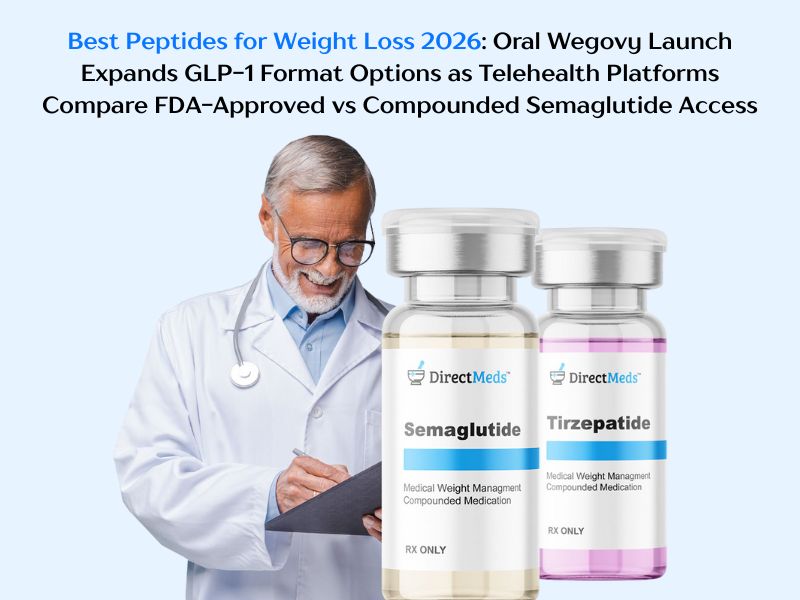
Best Peptides for Weight Loss 2026 Oral Wegovy Launch Expands GLP-1 Format Options as Telehealth Platforms Compare FDA-Approved vs Compounded Semaglutide Access

Breaking Development: Wegovy Oral Pill Now Available, Highlighting Format Options and Cost Considerations in GLP-1 Market

Recent manufacturer announcements describe the availability of oral Wegovy through U.S. pharmacy distribution channels. According to company materials, this represents an FDA-approved oral GLP-1 option for weight management, offering an alternative to injectable formats for patients with needle aversion.

According to manufacturer disclosures, reported pricing ranges vary by pharmacy, insurance coverage, and dose. Cash-pay pricing has been described in ranges between $149-$299 per month in some materials, with insured patients potentially paying lower amounts when coverage applies. The oral and injectable formats differ in administration schedules as outlined in prescribing information.

According to company phase III clinical trial data, patients using oral Wegovy lost approximately 14% of their body weight when combined with reduced-calorie diet and exercise. Patients who remained on treatment lost about 17% of their body weight compared to approximately 3% for placebo recipients. These outcomes are described by the company as similar to results observed with injectable Wegovy in separate clinical trials.

This development arrives during peak New Year resolution season when the search term “best peptides for weight loss” often shows a noticeable uptick during post-holiday wellness planning periods, reflecting heightened consumer research activity. For consumers researching their options, understanding the regulatory status, pricing structures, format differences, and access pathways across these categories helps inform medical decisions made in consultation with healthcare providers. Readers reviewing telehealth-based GLP-1 access pathways can reference current platform information through the official Direct Meds page.

What People Are Actually Searching for When They Research “Best Peptides for Weight Loss”

When people search “best peptides for weight loss” in January 2026, they’re typically at a specific point in their research journey. They’ve seen advertisements for GLP-1 medications on social media platforms, heard about weight loss results from friends or family members, read celebrity coverage, or seen news about medications like Ozempic and Wegovy. Now they’re looking to understand their options for accessing these prescription weight loss peptides and whether the medications could work for their specific situation.

The phrase “peptides for weight loss” in this consumer research context primarily refers to GLP-1 receptor agonists—a class of medications that includes semaglutide and tirzepatide. These compounds work by mimicking natural hormones that regulate appetite and blood sugar. Clinical research has documented significant weight loss outcomes in controlled trial settings using FDA-approved versions of these medications.

According to a study published in the New England Journal of Medicine examining semaglutide, participants receiving once-weekly semaglutide alongside lifestyle intervention experienced a mean weight loss of 14.9% from baseline over 68 weeks, compared with 2.4% for placebo plus lifestyle intervention. Another major trial examining tirzepatide demonstrated weight reductions ranging from 16% to 22.5% over 72 weeks, depending on dosage strength administered.

These outcomes reflect FDA-reviewed products studied under controlled trial conditions; compounded formulations have not been evaluated as FDA-approved finished products in the same way. The FDA notes that compounded drugs are not FDA-approved, meaning the agency does not review compounded versions for safety, effectiveness, or quality before they are marketed or dispensed.

These results reflect outcomes from FDA-approved branded medications studied under controlled research conditions with carefully selected participants who met specific inclusion criteria. The compounded versions available through telehealth platforms have not undergone the same FDA approval process. Individual results vary significantly based on numerous factors including baseline weight, metabolic health, consistency of medication use, concurrent lifestyle modifications, and other health variables.

Based on search behavior patterns and consumer research inquiries, people searching for “best peptides for weight loss” are typically looking for answers to these questions:

Legitimacy and Safety: Is this medication actually safe and effective, or is it another weight loss fad? What are the real side effects? Are compounded versions as safe as branded medications? How do I know if a telehealth platform is legitimate?

Cost and Access: Why does Wegovy cost over $1,000 per month without insurance? Are there more affordable alternatives? Will my insurance cover weight loss medications? Can I really get a prescription online without an in-person doctor visit? What’s the catch with cheaper options? For readers comparing FDA-approved versus compounded GLP-1 access pathways, pricing structure and regulatory framework differences become central decision factors.

Format and Administration: Do I have to give myself injections? How often? Is the new oral Wegovy pill as effective as injections? What if I’m afraid of needles? How difficult is self-injection?

Medical Appropriateness: Will this work for someone my age? Will it work with my medical conditions like prediabetes, PCOS, thyroid issues, or menopause? Do I qualify for a prescription? What if my doctor won’t prescribe it? Can I use this while taking other medications?

Results and Timeline: How much weight can I realistically expect to lose? How long does it take to see results? What happens when I stop taking it? Will I gain all the weight back? Do I have to stay on it forever?

Side Effects Management: How bad is the nausea really? Can I manage the side effects? What if the side effects are too severe? Are there strategies to reduce gastrointestinal issues?

This comprehensive analysis addresses these consumer questions by examining the current landscape of GLP-1 weight loss medications, comparing regulatory frameworks, pricing structures, format options, and access pathways. The goal is to provide accurate, well-sourced information that helps readers make informed decisions in consultation with their healthcare providers.

Understanding the GLP-1 Weight Loss Medication Landscape: FDA-Approved, Oral Formats, and Compounded Alternatives

When people research “best peptides for weight loss,” they’re encountering a market with multiple medication categories that differ significantly in regulatory status, pricing, administration format, and access pathways. Understanding these distinctions helps consumers evaluate options and have informed conversations with healthcare providers.

FDA-Approved Branded GLP-1 Medications

Semaglutide (Injectable): Ozempic is FDA-approved primarily for type 2 diabetes treatment. The FDA requires that medications demonstrate safety and effectiveness for their approved indications through extensive clinical trials. Ozempic is sometimes prescribed off-label for weight management by healthcare providers, though this is not its primary FDA-approved indication.

Wegovy is FDA-approved specifically for chronic weight management in adults with obesity or overweight with at least one weight-related condition such as high blood pressure, type 2 diabetes, or high cholesterol. According to the STEP clinical trial program, participants experienced mean weight loss of approximately 15% over 68 weeks when the medication was combined with lifestyle modifications. The branded injectable version is administered once weekly via subcutaneous injection.

Semaglutide (Oral – New as of January 2026): Recent manufacturer announcements describe oral Wegovy availability through U.S. pharmacy distribution channels. This represents the first FDA-approved oral GLP-1 medication for weight management. According to the company’s phase III clinical trial data, patients using oral Wegovy lost approximately 14% of their body weight when combined with reduced-calorie diet and exercise, with those remaining on treatment losing about 17% compared to approximately 3% for placebo recipients.

The oral format requires daily administration according to prescribing information. According to Novo Nordisk, the oral medication does not require refrigeration unlike the injectable version, potentially offering logistical advantages for some patients. Side effects reported in clinical trials are described by the company as similar to those observed with injectable formats, including nausea, diarrhea, and vomiting.

Tirzepatide (Injectable): Mounjaro is FDA-approved for type 2 diabetes treatment. Tirzepatide activates both GLP-1 and GIP receptors, representing a dual mechanism that research suggests may produce greater weight loss than GLP-1 activation alone.

Zepbound is FDA-approved specifically for chronic weight management in adults with obesity or overweight with weight-related medical conditions. According to the SURMOUNT clinical trial program, participants experienced weight reductions ranging from 16% to 22.5% over 72 weeks depending on dosage strength. Zepbound is administered once weekly via subcutaneous injection.

A 2021 study published in the New England Journal of Medicine compared tirzepatide directly to semaglutide in patients with type 2 diabetes. The trial found that patients receiving tirzepatide experienced greater average weight reductions than those receiving semaglutide in that study, though individual outcomes varied.

Pricing for FDA-Approved Branded Medications:

According to publicly available pricing information and recent company disclosures:

Injectable Wegovy typically costs approximately $300 per month without insurance coverage, though some sources report higher retail pricing around $1,300-$1,500 monthly at certain pharmacies. Novo Nordisk reports that patients with insurance coverage typically pay $25 or less monthly when the medication is covered by their plan.

Oral Wegovy costs between $149-$299 per month without insurance according to Novo Nordisk’s January 2026 announcement. With insurance coverage, patients can expect $25 or less monthly when covered.

Injectable Zepbound pricing falls in similar ranges to Wegovy. Eli Lilly offers savings programs for eligible patients, though eligibility requirements and savings amounts vary by program and patient circumstances.

Insurance coverage for weight loss medications varies significantly by plan, with many plans not covering medications prescribed specifically for weight management. Some patients with documented metabolic conditions may have better coverage prospects, but this varies by insurer and specific policy terms.

Compounded GLP-1 Formulations Through Telehealth Platforms

Compounded medications represent a different category from FDA-approved branded medications. According to FDA guidance, compounded medications are prepared by licensed pharmacies based on individual prescriptions using FDA-approved active ingredients, but the finished compounded products themselves are not FDA-approved and have not undergone the same regulatory review for safety, effectiveness, and quality that approved drugs receive. The FDA notes that compounded drugs are not FDA-approved, meaning the agency does not review compounded versions for safety, effectiveness, or quality before they are marketed or dispensed.

503A Compounding Pharmacy Framework: Compounded GLP-1 medications available through telehealth platforms are prepared by licensed 503A compounding pharmacies operating under federal and state compounding regulations. These pharmacies prepare medications on a patient-by-patient basis according to prescriptions written by licensed healthcare providers. The active ingredients used in compounding are sourced from FDA-registered facilities, but the finished compounded product has not undergone FDA approval as a complete medication.

Compounded Semaglutide and Tirzepatide Availability: According to disclosures from telehealth platforms operating in this category, some platforms advertise compounded versions of semaglutide and tirzepatide in both injectable and oral formats. Pricing for compounded versions is typically significantly lower than FDA-approved branded medications. The FDA notes that compounded drugs are not FDA-approved, meaning the agency does not review compounded versions for safety, effectiveness, or quality before they are marketed or dispensed. Availability of compounded GLP-1 formulations can change based on pharmacy sourcing, state rules, and evolving regulatory posture.

On the Direct Meds offer page accessed in early January 2026, the platform displays compounded semaglutide at $197 per month based on platform-displayed pricing at the time of review, and compounded tirzepatide at $397 per month based on platform-displayed pricing at the time of review. The company states this pricing includes medication, independent provider consultations, shipping, and injection supplies. Direct Meds also advertises an oral sublingual semaglutide option for patients who prefer non-injectable formats. Pricing, eligibility, and included services can change, so verification of the latest terms directly on the official Direct Meds pages is recommended before making a purchase decision. Readers evaluating Direct Meds GLP-1 medication access and platform structure can reference additional operational details and patient qualification processes.

Other telehealth platforms operating in this category advertise similar compounded GLP-1 pricing ranges, though specific pricing, included services, and additional fees vary by platform. Some platforms charge separate consultation fees, access fees, or membership fees beyond medication costs, while others like Direct Meds state they do not charge separate access or membership fees according to company disclosures.

Important Distinction for Consumers: The primary difference between FDA-approved branded medications and compounded versions is the regulatory oversight framework. FDA-approved medications have undergone extensive clinical trials demonstrating safety and effectiveness for specific indications, with ongoing FDA oversight of manufacturing quality. Compounded medications are prepared under state and federal compounding regulations but have not undergone the same FDA approval process as finished products.

This distinction reflects differences in regulatory review and evidence standards between FDA-approved and compounded medications. The evidence base differs from FDA-approved products that have undergone extensive clinical trial review. Some patients prefer FDA-approved branded medications due to the more extensive clinical trial data and FDA oversight. Others prioritize cost accessibility when branded medications are financially prohibitive, particularly when insurance does not cover weight loss prescriptions.

How Telehealth Platforms Structure GLP-1 Weight Loss Services: The Three-Entity Model

Before examining specific platform offerings, understanding how telehealth weight loss services structure their operations helps consumers set realistic expectations about what they’re actually signing up for and what these platforms can and cannot guarantee.

Most telehealth weight loss services involve three separate entities working together:

The Telehealth Platform (such as Direct Meds) functions as the technology company facilitating connections between patients and healthcare providers. According to platform terms of use, the platform itself is not a healthcare provider. The platform provides the technology infrastructure, customer service, and coordination that enables the telehealth experience. The platform cannot make medical decisions or guarantee that any individual will receive a prescription.

Licensed Medical Providers are independent healthcare professionals who review patient information and determine whether prescriptions are medically appropriate. These providers make clinical decisions based on the health information patients submit through online forms and questionnaires. The platform cannot override a provider’s medical judgment or guarantee prescription approval, as that determination rests entirely with the evaluating clinician based on individual patient factors.

Partner Pharmacies fulfill prescriptions written by the medical providers. In the case of compounded GLP-1 medications, prescriptions are fulfilled by licensed U.S. 503A compounding pharmacies, depending on the patient’s state of residence. Other platforms work with different pharmacy partners.

This three-entity structure is common across telehealth platforms and ensures appropriate separation between the technology platform, clinical decision-making, and medication dispensing. This separation is important for regulatory compliance and patient safety, as it maintains independence between the commercial platform and the medical providers making prescription decisions.

For consumers, this structure means several important things:

Completing an online health questionnaire and submitting payment information does not guarantee you will receive a prescription. The independent medical provider reviews your information and makes that determination based on medical appropriateness.

The telehealth platform facilitates the process but cannot override medical judgment if a provider determines a prescription is not appropriate for your specific health profile.

If a prescription is not approved, according to Direct Meds and similar platforms, any card authorization typically falls off and no charge occurs, since the service being purchased is the medical evaluation and medication if prescribed.

The quality and safety of compounded medications depends on the specific pharmacy partner the platform works with, making it important to verify that platforms work with licensed, properly regulated compounding pharmacies.

Injectable vs Oral GLP-1 Medications: Comparing Administration Formats and Effectiveness

With the January 2026 availability of oral Wegovy, consumers now have format options within both FDA-approved and compounded GLP-1 categories. Understanding the practical differences between injectable and oral administration helps match medication format to individual preferences and lifestyle factors.

Injectable GLP-1 Medications: Injectable semaglutide and tirzepatide are administered once weekly via subcutaneous injection according to prescribing information and clinician guidance.

Prescribing information describes clinician-guided dosing progression based on individual patient response. Gradual dose escalation under clinician supervision is described in prescribing information to support tolerability.

The once-weekly injection schedule offers convenience for many patients, though some people report needle aversion when considering injectable formats even with small needles. Injectable medications require refrigeration until use according to most product guidelines, which can present logistical challenges for travel or situations without reliable refrigeration access.

Oral GLP-1 Medications: According to Novo Nordisk’s disclosures about oral Wegovy, the oral format requires daily administration according to prescribing information. This timing requirement adds a daily routine consideration that some patients may find more burdensome than weekly injections, while others may find daily pills more familiar and comfortable than self-injection.

Novo Nordisk reports that oral Wegovy does not require refrigeration, potentially offering advantages for patients who travel frequently or lack consistent refrigeration access. The company’s clinical trial data indicates weight loss outcomes with oral Wegovy are similar to those observed with injectable Wegovy in separate trials, though direct head-to-head comparison studies have not been conducted.

For patients considering compounded oral semaglutide options through telehealth platforms, according to Direct Meds website information, the platform offers sublingual administration formats that differ from FDA-approved oral tablets. Some telehealth platforms offer alternative oral delivery formats; however, these formulations have not undergone FDA review as finished products, and evidence standards differ from FDA-approved medications.

Effectiveness Considerations: Clinical trial data for FDA-approved medications shows both injectable and oral formats can produce significant weight loss when combined with lifestyle modifications. Injectable semaglutide demonstrated approximately 15% mean weight loss over 68 weeks in the STEP trials. Oral Wegovy demonstrated approximately 14-17% weight loss in Novo Nordisk’s phase III trials. Injectable tirzepatide demonstrated 16-22.5% weight loss over 72 weeks in the SURMOUNT trials.

These are average outcomes in controlled settings. Individual results vary significantly based on baseline weight, metabolic factors, consistency of use, lifestyle modifications, and numerous other variables. Neither injectable nor oral formats guarantee specific weight loss amounts for any individual patient.

For compounded versions available through telehealth platforms, clinical trial data comparable to FDA-approved medications is not available, as compounded products have not undergone the same research and approval process. The FDA notes that compounded drugs are not FDA-approved, meaning the agency does not review compounded versions for safety, effectiveness, or quality before they are marketed or dispensed. The active ingredients are sourced from FDA-registered facilities, though finished formulations and delivery mechanisms differ.

Self-Assessment Framework: Which GLP-1 Approach Might Align With Your Situation

Rather than focusing on individual experiences which reflect self-selected cases rather than typical outcomes, it’s more useful to consider whether different GLP-1 medication approaches align with your specific situation, preferences, and priorities.

FDA-Approved Branded Medications May Align Well With People Who:

Prioritize extensive clinical trial data and FDA oversight: If knowing that your specific medication formulation has undergone full FDA review for safety and effectiveness is important to you, and you’re willing to pay premium pricing or have insurance coverage that makes branded medications financially accessible, this path may fit your preferences. The STEP and SURMOUNT clinical trials represent some of the most extensive weight loss medication research available.

Have insurance coverage for weight loss medications: If your health plan covers FDA-approved weight loss medications like Wegovy or Zepbound, and your out-of-pocket costs with insurance are lower than self-pay compounded options, branded medications may be your most cost-effective choice. Insurance coverage details are verified with your specific plan, as policies vary significantly.

Prefer working through traditional healthcare channels: If you value in-person doctor relationships, prefer having weight loss medication prescribed by your existing primary care physician, and want your weight management integrated into your overall medical care, pursuing branded medications through traditional channels may be more comfortable than telehealth platforms.

Want the newest FDA-approved oral format: If you have needle aversion and specifically want the FDA-approved oral Wegovy that became available in January 2026, this is currently the only FDA-approved oral GLP-1 option for weight management. Eli Lilly has an oral medication under FDA review expected in 2026, but Novo Nordisk’s oral Wegovy is currently the only approved oral option.

Compounded GLP-1 Through Telehealth May Align Well With People Who:

Are looking for lower-cost alternatives to branded medications: According to publicly available pricing information, branded Wegovy can cost $300-$1,500 per month depending on pharmacy and insurance status, while compounded versions available through telehealth platforms like Direct Meds are advertised at $197-$397 per month according to current promotional pricing. For patients without insurance coverage for weight loss medications, this price difference may be significant and may determine whether ongoing treatment is financially sustainable.

Prefer telehealth convenience over in-person appointments: If you’re comfortable providing health information through online forms and having a clinician review your case remotely rather than meeting face-to-face, the telehealth model may fit your preferences. Some people appreciate the ability to complete the process from home without scheduling in-person visits, while others prefer in-person medical evaluation.

Understand the regulatory distinction between FDA-approved and compounded: If you’ve researched the difference between FDA-approved finished products and medications prepared by compounding pharmacies under state and federal compounding guidelines, and you’re comfortable with compounded formulations prepared by licensed pharmacies, the telehealth compounded model may be appropriate. This requires understanding that compounded medications have not undergone the same FDA approval process as branded versions.

Are prepared to combine medication with lifestyle modifications: GLP-1 medications work best when combined with dietary changes and increased physical activity, regardless of whether you choose branded or compounded versions. If you understand that the medication reduces appetite and improves satiety but you still make daily decisions about food choices and activity levels, you’re more likely to see meaningful results. The medication is a tool that makes lifestyle changes easier, not a replacement for behavior change.

Live in states where telehealth platforms operate: According to Direct Meds disclosures, the platform currently does not serve residents of Mississippi or Louisiana where telehealth prescription of weight loss medications is restricted by state law. The company is working on options for California. Other platforms have different geographic restrictions. State eligibility is verified before beginning the evaluation process.

Other Approaches May Be Preferable For People Who:

Have complex medical histories requiring comprehensive in-person evaluation: If you have multiple chronic conditions, take numerous medications that could interact with GLP-1s, have a history of pancreatitis or gallbladder disease, or have medical circumstances that warrant detailed in-person assessment, traditional in-person care with specialists may be more appropriate than telehealth evaluation based on online questionnaires.

Prefer ongoing in-person medical supervision and support: Some patients value the ability to meet regularly with a healthcare provider face-to-face to discuss progress, side effects, dosage adjustments, and challenges. In-person medical weight loss programs often include nutritional counseling, behavioral support, and more frequent provider interaction than typical telehealth platforms offer. If this level of support is important to you, in-person programs may better meet your needs despite higher costs.

Are not prepared for potential gastrointestinal side effects: GLP-1 medications commonly cause nausea, vomiting, diarrhea, and constipation, particularly during dose escalation periods. These side effects are commonly reported in clinical trials and prescribing information. Most people find these effects decrease as their body adjusts, but some experience persistent symptoms. More serious but less common risks include pancreatitis, gallbladder problems, and low blood sugar when combined with certain diabetes medications. Medical appropriateness for GLP-1 medications depends on individual tolerance for potential side effects and willingness to work with clinicians on dosage adjustments if needed.

Are seeking medication to avoid lifestyle changes: If you’re hoping prescription weight loss medication will produce results without any dietary modifications or activity changes, outcomes are likely to disappoint. Clinical trials that demonstrated significant weight loss included structured dietary counseling and exercise recommendations as part of the protocol. The medications work by reducing appetite and improving satiety, making it easier to eat less, but patients who view them as solutions requiring zero behavior change typically experience less significant outcomes than trial data suggests.

Questions to Consider Before Choosing Any GLP-1 Approach:

Do you understand the difference between FDA-approved branded medications and compounded versions available through telehealth, and which regulatory framework matters most to you?

Are you comfortable with telehealth evaluation based on online questionnaires, or do you strongly prefer in-person medical assessment with a provider you can meet face-to-face?

Have you researched the potential side effects of GLP-1 medications including common gastrointestinal issues and rare but serious risks, and are you prepared to manage them if they occur?

Are you ready to make dietary and lifestyle changes alongside medication use, understanding that GLP-1s make behavior change easier but don’t replace the need for healthier choices?

Does the pricing structure make sense for your budget on an ongoing basis, recognizing that GLP-1 medications typically require continuous use to maintain weight loss?

Differences in administration frequency between oral and injectable formats are commonly considered when evaluating treatment preferences.

Your answers to these questions help determine which approach to prescription weight loss peptides, if any, makes sense for your specific situation.

How the Oral Wegovy Launch Highlights Broader Market Access Challenges

The January 5, 2026 availability of oral Wegovy represents more than just a format option—it highlights the ongoing tension between pharmaceutical innovation and consumer affordability that characterizes the GLP-1 weight loss market. While Novo Nordisk’s oral pill addresses needle aversion and eliminates refrigeration requirements, pricing between $149-$299 monthly without insurance still represents a significant financial barrier for many consumers seeking medically supervised weight loss options.

This pricing reality helps explain the parallel growth of compounded GLP-1 telehealth platforms. According to recent industry analyses examining telehealth weight loss services, compounded semaglutide pricing through platforms typically ranges from $197-$397 monthly including provider consultations and supplies.

The oral Wegovy launch does not fundamentally change the calculus for most consumers: FDA-approved medications offer extensive clinical trial data and full regulatory oversight but at premium pricing, while compounded versions use the same active ingredients but differ in regulatory review and finished-product approval. The existence of both pathways—branded pharmaceuticals through traditional channels and compounded medications through telehealth platforms—reflects the market’s attempt to balance clinical rigor with financial accessibility.

Practical Considerations: What to Expect From GLP-1 Weight Loss Medications

Based on information from FDA prescribing information for branded medications, company disclosures from telehealth platforms, and general medical knowledge about GLP-1 medication use, here’s what patients can typically expect:

Common Side Effects and Management: According to FDA prescribing information for branded GLP-1 medications, the most common side effects include nausea, vomiting, diarrhea, constipation, and abdominal discomfort. These effects are typically most pronounced during dose escalation periods when increasing from one dose level to the next, and may decrease as the body adjusts to each new dose level.

Prescribing information describes gastrointestinal adverse reactions as common, particularly during dose escalation, and clinicians typically individualize titration based on tolerability and patient history.

More serious but less common risks include pancreatitis, gallbladder problems including gallstones, kidney issues including acute kidney failure in patients who experience severe vomiting or diarrhea, changes in vision, low blood sugar especially when combined with other diabetes medications, and increased heart rate. The FDA also requires warnings about potential thyroid tumors based on animal studies. GLP-1 medications are not recommended for patients with personal or family history of medullary thyroid carcinoma or Multiple Endocrine Neoplasia syndrome type 2.

Weight Loss Timeline Expectations: According to clinical trial data from FDA-approved medications, patients typically begin seeing gradual weight loss within the first few weeks of treatment, with results becoming more significant over several months. The major clinical trials measured outcomes at 68-72 weeks. Clinical trials showed that weight loss is typically fastest in the first 16-20 weeks, then continues at a slower pace, with some patients reaching a plateau where additional loss becomes minimal.

Individual timelines vary significantly based on starting weight, dosage progression, baseline metabolic health, lifestyle factors including diet and exercise consistency, sleep quality, stress levels, other medications, and genetic factors. Compounded versions available through telehealth may follow similar patterns based on the same active ingredients, but individual results vary widely and are not guaranteed to match clinical trial averages from branded medication studies.

Long-Term Use and Maintenance Considerations: Clinical research shows that most people who stop GLP-1 medications regain some weight over time. This occurs because the medication’s mechanism of reducing appetite and improving satiety is active only while taking the medication. When the medication is discontinued, appetite regulation returns toward baseline levels, and without the medication’s effects, maintaining the same caloric restriction becomes more difficult.

The amount of weight regained varies significantly among individuals. Some people regain most of the weight lost, while others maintain more of their loss through sustained lifestyle changes. For this reason, many patients and providers view GLP-1 medications as long-term or indefinite treatments rather than short-term interventions, particularly for patients with significant weight to lose or metabolic conditions.

The cost implications of long-term use matter significantly. At $197-$397 per month for compounded versions through platforms like Direct Meds, annual costs range from approximately $2,364 to $4,764. At $149-$299 per month for oral Wegovy without insurance, annual costs range from approximately $1,788 to $3,588. At $300+ per month for branded injectable medications without insurance, annual costs exceed $3,600. These long-term costs are often considered during discussions with healthcare providers.

Insurance and Payment Considerations: According to Direct Meds and similar telehealth platforms, many insurance plans do not cover compounded medications obtained through telehealth services. Some HSA/FSA plans may reimburse qualifying weight loss medication expenses, but this varies by plan and specific plan rules are verified before assuming reimbursement eligibility.

For FDA-approved branded medications, insurance coverage varies widely. Some plans cover weight loss medications when prescribed for specific metabolic conditions but not for weight management alone. Other plans exclude weight loss medications entirely from coverage. Novo Nordisk and Eli Lilly offer savings programs for branded medications, but eligibility requirements and savings amounts vary and are verified directly with the manufacturers.

Geographic Service Availability: According to Direct Meds website information current as of January 2026, the platform provides services to most US states but does not currently serve residents of Mississippi or Louisiana, where telehealth prescription of weight loss medications is restricted by state law. The company states it is working on options for California and encourages California residents to contact customer service for updates on availability. Other telehealth platforms have different geographic restrictions based on state regulations and provider licensing.

Contact Information

Before ordering or if you have questions about the evaluation process, medication options, or pricing details, according to the Direct Meds website, the company offers customer support:

Phone: 888-696-7176

Hours: Standard business hours (current hours are verified directly with the company)

Email: Available through the official website contact form

Readers comparing compounded GLP-1 access models can reference additional platform information via the official Direct Meds contact and service page.

Frequently Asked Questions About Peptides for Weight Loss

Which peptide is most effective for weight loss according to clinical research?

According to clinical trial data from FDA-approved medications, tirzepatide has demonstrated higher average weight loss outcomes in certain clinical trials, with the SURMOUNT trials showing 16-22.5% weight reduction over 72 weeks. Semaglutide demonstrated approximately 15% mean weight loss in the STEP trials over 68 weeks. Both require combination with lifestyle modifications for optimal results. These are average outcomes in controlled settings—individual results vary significantly.

What is the difference between oral and injectable GLP-1 medications?

Injectable formats like Wegovy and Zepbound are administered once weekly via subcutaneous injection. According to Novo Nordisk’s January 2026 announcement, oral Wegovy requires daily administration according to prescribing information. Clinical trial data suggests similar average weight loss outcomes between formats, though administration frequency and lifestyle fit differ significantly. Some people prefer weekly injections to avoid daily medication routines, while others prefer daily pills to avoid needles.

How much does oral Wegovy cost compared to injectable versions?

According to Novo Nordisk, oral Wegovy costs $149-$299 monthly without insurance, compared to approximately $300 monthly for injectable Wegovy at some pharmacies though retail pricing varies. With insurance coverage, patients typically pay $25 or less monthly when the medication is covered by their plan. Many insurance plans do not cover weight loss medications, making the price difference without insurance coverage significant for many consumers.

Are compounded GLP-1 medications as safe as FDA-approved versions?

Compounded medications prepared by licensed 503A pharmacies operate under state and federal compounding regulations, but differ from FDA-approved finished products in regulatory review and evidence standards. However, compounded products have not undergone the same FDA review process as finished FDA-approved medications. The FDA notes that compounded drugs are not FDA-approved, meaning the agency does not review compounded versions for safety, effectiveness, or quality before they are marketed or dispensed. The oversight frameworks differ—FDA-approved medications have extensive clinical trial data and ongoing FDA manufacturing oversight, while compounded medications are prepared under state and federal compounding regulations but without the same finished product approval. Consumers understanding this distinction when weighing options is important.

How long do you need to stay on GLP-1 medications to maintain weight loss?

Clinical research shows that most people regain some weight after discontinuing GLP-1 medications because the appetite-suppressing effects are active only while taking the medication. Many patients and providers view these as long-term treatments rather than short-term interventions. The duration of use is determined by a healthcare provider based on individual factors including weight loss goals, metabolic health, financial sustainability, and personal preferences. Some people stay on these medications indefinitely, while others use them for specific periods.

What are the most common side effects of GLP-1 weight loss medications?

According to FDA prescribing information, the most common side effects include nausea, vomiting, diarrhea, and constipation, particularly during dose escalation. These side effects are commonly reported in clinical trials and prescribing information, particularly during dose escalation. Most people find these effects decrease as their body adjusts, but some experience persistent symptoms. More serious but less common risks include pancreatitis, gallbladder problems, and low blood sugar when combined with certain diabetes medications. Discussing potential side effects thoroughly with a healthcare provider is important for anyone considering these medications.

Can I use GLP-1 medications if I have PCOS, thyroid issues, or prediabetes?

Many people with these conditions use GLP-1 medications successfully, but medical appropriateness depends on your complete health profile. Independent licensed providers evaluate specific situations including all medical conditions, current medications, and health history to determine if prescription is appropriate. Initiation and dosing decisions for GLP-1 medications are determined through individualized clinical evaluation with complete medical history disclosure.

Do telehealth platforms guarantee I’ll receive a prescription?

No. According to telehealth platform disclosures including those from Direct Meds, independent medical providers make prescription decisions based on medical appropriateness after reviewing your submitted health information. The platform facilitates the connection but cannot override provider judgment or guarantee prescription approval. The evaluating clinician determines whether the medication is medically appropriate for your specific situation. If a prescription is not approved, card authorizations typically fall off with no charge.

What states cannot access GLP-1 medications through telehealth platforms?

Service availability varies by platform based on state regulations and provider licensing. According to Direct Meds disclosures, that platform does not currently serve Mississippi or Louisiana where telehealth weight loss prescriptions are restricted by state law, and is working on California availability. Other platforms have different geographic limitations. State eligibility is verified before beginning evaluation.

How does the new oral Wegovy compare to compounded oral semaglutide options?

Oral Wegovy is an FDA-approved finished product that has undergone full regulatory review with extensive clinical trial data demonstrating safety and effectiveness. Compounded oral semaglutide formulations available through telehealth platforms have not undergone the same FDA approval process as finished products. The FDA notes that compounded drugs are not FDA-approved, meaning the agency does not review compounded versions for safety, effectiveness, or quality before they are marketed or dispensed. Novo Nordisk’s oral format is a swallowed tablet, while some compounded options use sublingual administration formats that differ from FDA-approved oral tablets and have not undergone FDA review as finished products. The regulatory framework, clinical evidence, and pricing differ significantly—oral Wegovy costs $149-$299 monthly per company disclosures, while compounded oral options through platforms like Direct Meds cost approximately $197 monthly according to current promotional pricing.

Conclusion: 2026 Evaluation Criteria for GLP-1 Weight-Management Access

Novo Nordisk’s recent launch of oral Wegovy represents a meaningful development in the GLP-1 weight loss medication market, providing an FDA-approved oral alternative for patients with needle aversion while highlighting the ongoing evolution of format options and pricing structures across this medication category. For people researching “best peptides for weight loss” during peak New Year resolution season, understanding the full landscape of available options helps inform medical decisions made in consultation with healthcare providers.

Consumers comparing GLP-1 options often weigh: FDA-approved medications like injectable Wegovy and Zepbound, and now oral Wegovy, offer the most extensive clinical trial data, full FDA regulatory oversight, and established safety profiles. The STEP and SURMOUNT trials represent some of the most rigorous weight loss medication research available, with tens of thousands of participants studied over 68-72 weeks. For patients who prioritize this level of clinical evidence and regulatory oversight, and who have insurance coverage that makes branded medications financially accessible, these represent the most extensively studied options in the GLP-1 category.

The new oral Wegovy option addresses a real barrier for patients with needle aversion, though it requires daily administration according to prescribing information rather than once-weekly dosing. According to Novo Nordisk’s disclosures, pricing for oral Wegovy without insurance ranges from $149-$299 monthly, potentially lower than injectable Wegovy at some pharmacies but still representing a significant ongoing expense for most patients without insurance coverage.

Consumers also consider compounded alternatives when: For patients who prefer telehealth convenience, are looking for lower-cost alternatives to branded medications, understand the distinction between FDA-approved and compounded formulations, and are prepared to combine medication with lifestyle modifications, platforms like Direct Meds represent one option in this category. The pricing transparency with clear monthly costs and no separate membership or access fees according to company disclosures addresses one common frustration consumers express about some telehealth services charging layered fees beyond medication costs.

The availability of both injectable and oral compounded semaglutide formats provides flexibility for patients with different administration preferences. The three-entity structure that separates the technology platform from independent prescribing clinicians and licensed compounding pharmacies follows standard telehealth industry practice for appropriate separation of roles.

Critical Considerations That Apply Regardless of Which Path You Choose: Compounded medications are not FDA-approved finished products and have not undergone the same regulatory review as branded GLP-1 medications. The FDA notes that compounded drugs are not FDA-approved, meaning the agency does not review compounded versions for safety, effectiveness, or quality before they are marketed or dispensed. For some patients, this distinction matters significantly. Others prioritize cost accessibility over FDA-approved designation, particularly when branded medications would be financially prohibitive without insurance coverage.

Telehealth evaluation differs fundamentally from in-person medical assessment. The evaluation relies entirely on information patients provide through online forms, without the benefit of in-person examination, laboratory testing, or the relationship continuity that comes with seeing the same provider regularly over time. For patients with complex medical histories or those who value in-person medical relationships, traditional care channels may be more appropriate despite higher costs.

Individual weight loss outcomes with GLP-1 medications vary significantly regardless of whether you choose branded or compounded versions. While clinical trials show impressive average results, averages include both patients who experience substantial weight loss and those who see more modest changes. There is no way to predict how any specific individual will respond before trying the medication. Genetic factors, metabolic health, lifestyle consistency, and numerous other variables influence individual outcomes.

The question of long-term sustainability matters for any GLP-1 approach. Clinical research shows that most people regain weight after stopping these medications. This means many patients face a choice between indefinite medication use with its ongoing financial costs and health considerations, or accepting that some or most weight may return after discontinuation. This trade-off exists whether using branded or compounded medications.

Important Regulatory Context: Prescription telehealth weight loss services have experienced rapid growth and have attracted increased regulatory scrutiny from federal and state agencies. The FDA has issued communications regarding distinctions between FDA-approved and compounded GLP-1 medications. State medical boards are reviewing telehealth prescribing practices to ensure evaluations meet appropriate standards of care. This regulatory attention reflects the balance between expanding medication access through telehealth and ensuring patient safety through adequate oversight.

Regulatory guidance highlights the role of platform compliance standing, pharmacy licensure status, and provider credentials when evaluating GLP-1 access pathways. This recommendation applies to Direct Meds and all other options in this market segment.

The Bottom Line

The search for “best peptides for weight loss” reflects genuine interest in medically supervised weight management options, particularly during January 2026 when New Year resolutions drive heightened consumer research. Recent availability of oral Wegovy adds another dimension to a market that now includes multiple FDA-approved medications in injectable and oral formats, off-label use of diabetes formulations, and compounded versions through telehealth platforms at various price points. The most appropriate option varies based on individual medical history, financial considerations, care preferences, and clinician evaluation. Readers comparing telehealth versus traditional care access can reference additional platform information via the official Direct Meds service page.

Disclaimers

Content and Medical Disclaimer:This article is for informational purposes only and is not a substitute for professional medical advice, diagnosis, or treatment. The descriptions of potential benefits are not guarantees and are not a substitute for an individualized medical evaluation. Compounded GLP-1 medications require evaluation by a licensed clinician. The information provided here does not replace the professional judgment of your healthcare provider.

Professional Medical Disclaimer: This article is educational and does not constitute medical advice. Prescription weight loss medications are not substitutes for prescribed medical treatment. Medical decisions about prescription treatments are appropriately made through consultation with qualified clinicians. Changes to medications or prescribed treatments occur under physician guidance.

Compounded Medication Notice: Direct Meds offers compounded prescription medications prepared by licensed pharmacies based on individual prescriptions. Compounded medications are not reviewed or approved by the FDA as finished products. They are prepared using active ingredients sourced from FDA-registered facilities under the direction of a prescribing clinician.

FDA-Approved vs. Compounded Distinction: FDA-approved semaglutide (Wegovy) and tirzepatide (Zepbound) are finished products that have undergone full FDA review for safety, effectiveness, and quality for weight management indications. Compounded formulations of these medications available through telehealth platforms have not undergone this same FDA approval process. The evaluating clinician determines whether compounded options are appropriate based on individual health factors.

Results May Vary: Individual results will vary based on factors including age, baseline weight, metabolic health, genetic factors, consistency of medication use, dietary choices, physical activity levels, sleep quality, stress levels, current medications, and other individual variables. While clinical trials show significant average weight loss with GLP-1 medications, results are not guaranteed and some patients experience more modest outcomes.

FTC Affiliate Disclosure: This article contains affiliate links. If you purchase through these links, a commission may be earned at no additional cost to you. This compensation does not influence the accuracy, neutrality, or integrity of the information presented. All opinions and descriptions are based on published research and publicly available information.

Pricing Disclaimer: All prices, discounts, and promotional offers mentioned were accurate at the time of publication (January 2026) but are subject to change without notice. Current pricing and terms are verified on the official Direct Meds website before making purchase decisions.

Publisher Responsibility: The publisher of this article has made every effort to ensure accuracy at the time of publication. We do not accept responsibility for errors, omissions, or outcomes resulting from the use of the information provided. Readers are encouraged to verify all details directly with Direct Meds and their healthcare provider before making decisions.

Insurance Coverage Note: Many direct-to-consumer prescription weight loss medications are not covered by traditional insurance plans, but coverage policies vary. Benefits verification with individual insurers is recommended. Some HSA/FSA plans may reimburse qualifying expenses; specific plan rules determine eligibility.

Regulatory Scrutiny Acknowledgment: Prescription telehealth weight loss services have been under increased regulatory scrutiny in recent years. Public regulatory communications emphasize the importance of reviewing platform compliance standing, pharmacy licensure status, and provider credentials when evaluating telehealth services.

Brand/Affiliation Notice: Direct Meds is a telehealth platform operated by Direct Meds, LLC and is not affiliated with, endorsed by, or sponsored by Novo Nordisk (manufacturer of Ozempic® and Wegovy®) or Eli Lilly (manufacturer of Mounjaro® and Zepbound®). Any references to brand-name medications in this article serve educational context only and do not represent official partnerships, endorsements, or verified licenses from these pharmaceutical companies.

CONTACT: Phone: US Toll Free (888) 696-7176
Email: help@direct-meds.com
9am to 9pm EST daily

Ascentage Pharma Announces IND Clearance by the U.S. Food and Drug Administration for BTK Degrader APG-3288

Ascentage Pharma Announces IND Clearance by the U.S. Food and Drug Administration for BTK Degrader APG-3288


Ascentage Pharma Announces IND Clearance by the U.S. Food and Drug Administration for BTK Degrader APG-3288

  • Novel next-generation Bruton tyrosine kinase (BTK)-targeted protein degrader APG-3288 has received investigational new drug (IND) clearance from the U.S. FDA, marking another major expansion to the company’s global innovative pipeline.
  • Ascentage Pharma will conduct a global Phase I study evaluating APG-3288 in patients with relapsed/refractory B-cell malignancies.

ROCKVILLE, Md. and SUZHOU, China, Jan. 06, 2026 (GLOBE NEWSWIRE) — Ascentage Pharma Group International (NASDAQ: AAPG; HKEX: 6855), a global, commercial stage, integrated biopharmaceutical company engaged in the discovery, development and commercialization of novel, differentiated therapies to address unmet medical needs in cancer, announced that its novel next-generation BTK-targeted protein degrader, APG-3288, has received the IND clearance from the U.S. Food and Drug Administration (FDA) and is poised to enter a clinical study in patients with relapsed/refractory B-cell malignancies. This clearance officially opens the chapter on Ascentage Pharma’s clinical development in the field of targeted degradation and marks another major expansion to the company’s global innovative pipeline.

This is a global, multicenter, open-label Phase I study designed to evaluate the safety, tolerability, pharmacokinetic (PK) profile, and preliminary efficacy of APG-3288 in patients with relapsed/refractory hematologic malignancies.

BTK is a key kinase in the B-cell receptor (BCR) signaling pathway and plays a central role in the activation, proliferation, and survival of B-cells. Aberrant BTK activation is closely associated with the initiation and progression of multiple B-cell malignancies such as B-cell lymphoma (including diffuse large B-cell lymphoma, mantle cell lymphoma, and follicular lymphoma), chronic lymphocytic leukemia (CLL), and Waldenström’s macroglobulinemia (WM)1. Beyond oncology indications, BTK also plays a critical role in both BCR- and Fc receptor-mediated signal transduction in innate immune cells. As a result, the aberrant activation of BTK has been implicated in the pathogenesis of various autoimmune and inflammatory diseases2. BTK inhibitors have drastically improved treatment outcomes for patients with B-cell malignancies. However, BTK mutations and remodeling of signaling pathways often lead to acquired resistance during prolonged treatment. There remains an urgent clinical need for new drugs promising novel mechanisms of action3.

APG-3288 is the first novel, highly potent and selective BTK degrader developed utilizing Ascentage Pharma’s proprietary proteolysis-targeting chimera (PROTAC) technology platform. This candidate induces the formation of a ternary complex consisting of the BTK target, the PROTAC, and the Cereblon E3 ubiquitin ligase, leading to proteasome-mediated degradation of the BTK target. Unlike conventional BTK inhibitors, APG-3288 is designed to act through degradation rather than inhibition, inducing rapid, potent, highly selective, and sustained degradation of both wild-type BTK and multiple BTK mutants associated with resistance to existing BTK inhibitors. Critically, this approach blocks the BCR-BTK signaling axis at its source, thereby overcoming resistance to BTK inhibitors and potentially providing a novel and differentiated therapeutic strategy for BTK-targeted treatment4.

In preclinical studies, compared to other BTK degraders in development, APG-3288 demonstrated more potent BTK degradation, higher selectivity, and more favorable PK properties that highlighted the drug’s potential5.

Yifan Zhai, M.D., Ph.D., Chief Medical Officer of Ascentage Pharma, said, “Compared to existing conventional BTK inhibitors, Ascentage Pharma’s BTK degraders developed with our PROTAC technology can achieve complete degradation of target protein and are enabled by a molecular mechanism that can induce stronger efficacy. APG-3288 represents a strategic clinical stage candidate in the field of BTK-targeted therapies. Its high selectivity, potency, and consistent PK/PD profiles across multiple BTK-resistant models fully validate our differentiated design capabilities of PROTAC-based therapeutic candidates. This FDA clearance marks a major milestone for the development of APG-3288 and strategic pipeline expansion that underscores our persistent innovation in the field of hematologic malignancies. It also lays a strong foundation for our future exploration of the combinatory potential between APG-3288 and our existing proprietary small-molecule agents. We plan to accelerate the global clinical development of APG-3288 and actively explore the therapeutic potential of protein degraders in hematologic malignancies and other BTK-driven diseases, with the goal of bringing more new treatment options to patients as soon as possible.”

*APG-3288 is currently under investigation and has not been approved by the U.S. FDA

References:
[1]. Pal Singh, S., F. Dammeijer, and R.W. Hendriks, Role of Bruton’s tyrosine kinase in B cells and malignancies. Molecular Cancer, 2018. 17(1).
[2]. Mirre De Bondt, Janne Renders, Sofie Struyf, Niels Hellings, Inhibitors of Bruton’s tyrosine kinase as emerging therapeutic strategy in autoimmune diseases Autoimmunity Reviews, Volume 23, Issue 5, 2024.
[3]. Wang, E., et al., Mechanisms of Resistance to Noncovalent Bruton’s Tyrosine Kinase Inhibitors. New England Journal of Medicine, 2022. 386(8): p. 735-743.
[4]. Zhang, D., et al., NRX-0492 degrades wild-type and C481 mutant BTK and demonstrates in vivo activity in CLL patient-derived xenografts. Blood, 2023. 141(13): p. 1584-1596.
[5]. Wu, Y., et al., Translational modelling to predict human pharmacokinetics and pharmacodynamics of a Bruton’s tyrosine kinase‐targeted protein degrader BGB‐16673. British Journal of Pharmacology, 2024. 181(24): p. 4973-4987.

About Ascentage Pharma
Ascentage Pharma Group International (NASDAQ: AAPG; HKEX: 6855) (“Ascentage Pharma” or the “Company”) is a global, commercial stage, integrated biopharmaceutical company engaged in the discovery, development and commercialization of novel, differentiated therapies to address unmet medical needs in cancer. The Company has built a rich pipeline of innovative drug products and candidates that includes inhibitors targeting key proteins in the apoptotic pathway, such as Bcl-2 and MDM2-p53, as well as next-generation kinase inhibitors.

The lead asset, Olverembatinib, is the first novel third-generation BCR-ABL1 inhibitor approved in China for the treatment of patients with CML in chronic phase (CML-CP) with T315I mutations, CML in accelerated phase (CML-AP) with T315I mutations, and CML-CP that is resistant or intolerant to first and second-generation TKIs. All indications are covered by the China National Reimbursement Drug List (NRDL). The Company is currently conducting an FDA-cleared, global registrational Phase III trial, or POLARIS-2, of Olverembatinib for CML, as well as global registrational Phase III trials for patients with newly diagnosed Ph+ ALL and SDH-deficient GIST patients.

The Company’s second approved product, Lisaftoclax, is a novel Bcl-2 inhibitor for the treatment of various hematologic malignancies. Lisaftoclax is being commercialized in China following National Medical Products Administration (NMPA) approval for the treatment of adult patients with chronic lymphocytic leukemia/small lymphocytic lymphoma (CLL/SLL) who have previously received at least one systemic therapy including BTK inhibitors. The Company is currently conducting four global registrational Phase III trials: the FDA-cleared GLORA study of Lisaftoclax in combination with BTK inhibitors in patients with CLL/SLL previously treated with BTK inhibitors for more than 12 months with suboptimal response; the GLORA-2 study in patients with newly diagnosed CLL/SLL; the GLORA-3 study in newly diagnosed, elderly and unfit patients with acute myeloid leukemia (AML); and the GLORA-4 study in patients with newly diagnosed higher-risk myelodysplastic syndrome (HR MDS), a study that was simultaneously cleared by the U.S. FDA, the EMA of the EU, and China CDE.

Leveraging its robust R&D capabilities, Ascentage Pharma has built a portfolio of global intellectual property rights and entered into global partnerships and other relationships with numerous leading biotechnology and pharmaceutical companies, such as Takeda, AstraZeneca, Merck, Pfizer, and Innovent, in addition to research and development relationships with leading research institutions, such as Dana-Farber Cancer Institute, Mayo Clinic, National Cancer Institute and the University of Michigan. For more information, visit https://ascentage.com/.

Forward-Looking Statements
This press release includes forward-looking statements within the meaning of the Private Securities Litigation Reform Act of 1995 and Section 27A of the Securities Act of 1933, as amended, and Section 21E of the Securities Exchange Act of 1934, as amended. All statements, other than statements of historical facts, contained in this press release may be forward-looking statements, including statements that express Ascentage Pharma’s opinions, expectations, beliefs, plans, objectives, assumptions or projections regarding future events or future results of operations or financial condition.

These forward-looking statements are subject to a number of risks and uncertainties as discussed in Ascentage Pharma’s filings with the SEC, including those set forth in the sections titled “Risk factors” and “Special note regarding forward-looking statements and industry data” in its Registration Statement on Form F-1, as amended, filed with the SEC on January 21, 2025, and the Form 20-F filed with the SEC on April 16, 2025, the sections headed “Forward-looking Statements” and “Risk Factors” in the prospectus of the Company for its Hong Kong initial public offering dated October 16, 2019, and other filings with the SEC and/or The Stock Exchange of Hong Kong Limited we made or make from time to time that may cause actual results, levels of activity, performance or achievements to be materially different from the information expressed or implied by these forward-looking statements. The forward-looking statements contained in this presentation do not constitute profit forecast by the Company’s management.

As a result of these factors, you should not rely on these forward-looking statements as predictions of future events. The forward-looking statements contained in this press release are based on Ascentage Pharma’s current expectations and beliefs concerning future developments and their potential effects and speak only as of the date of such statements. Ascentage Pharma does not undertake any obligation to update or revise any forward-looking statements, whether as a result of new information, future events or otherwise.

Contacts

Investor Relations:
Stella Yang
Ascentage Pharma
Stella.Yang@ascentage.com
+1 (301) 792-6286

Stephanie Carrington
ICR Healthcare
AscentageIR@icrhealthcare.com
+1 (646) 277-1282

Media Relations:
Sean Leous
ICR Healthcare
AscentagePR@icrhealthcare.com
+1 (646) 866-4012