Easy Environmental Solutions Announces Availability Of EasyFEN Liquid Microbial Production System

Easy Environmental Solutions Announces Availability Of EasyFEN Liquid Microbial Production System


Easy Environmental Solutions Announces Availability Of EasyFEN Liquid Microbial Production System

Company prepares for shipment of first EasyFEN™ system to Africa as part of global deployment strategy

MANKATO, Minn., Dec. 30, 2025 (GLOBE NEWSWIRE) — Easy Environmental Solutions, Inc. (OTC: EZES) today announced the completed construction and availability of the EasyFEN Liquid Microbial Production System, with the first system to be shipped and deployed to East Africa. Subsequent units are in process for deployment into Central America, Europe, West Africa, and the United States.  

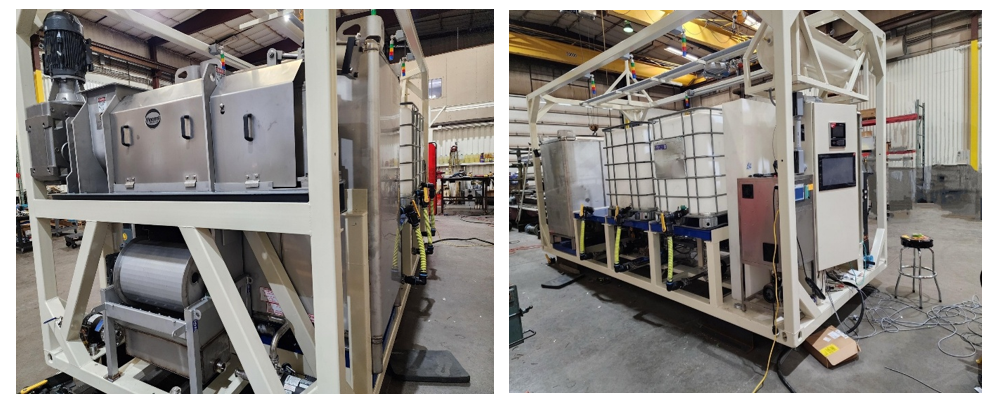
EasyFEN Liquid Microbial Production System

The patent pending technology of the EasyFEN™ system will extract juices from local biomass and seed it with proprietary microbials to produce Terreplenish, a 100% organic soil amendment designed to restore soil health and enhance agricultural productivity. Each EasyFEN™system will process up to 17,500 tons of green biomass, food waste, and crop residue each year. This biomass and food waste will be transformed into as much as 2.7 million gallons of Terreplenish…enough to treat up to 1.35 million acres (546,000 hectares) of farmland every year…and which University of Missouri research calculates to be enough to feed 16 million people per year…over 43,000 per day.

The fully automated system will be remotely monitored for consistent performance and quality control…allowing for regional deployment and utilization of green waste and food waste from local communities.

EasyFEN™ System

By converting food and crop waste rather than allowing decomposition in field and landfills, each system prevents methane emissions equivalent to removing approximately 30,000 cars from the road per year.

“Throughout the world, the need for reliable, locally controlled production systems to feed millions of people is immediate,” said Mark Gaalswyk, Founder & CEO of Easy Environmental. “With the EasyFEN, regions can produce nutrient-rich liquid microbial solutions themselves, using their own crop waste streams. We believe this model can be scaled across the world exponentially, and we are committed to advancing it.”

“Real food security begins when a nation can nourish its own soil,” added Bakry Osman, Director of Africa Operations for Easy Environmental. “The EasyFEN puts that power back in the hands of the countries we serve — producing nutrient-rich liquid microbial fertilizers locally, reliably, and at scale. This isn’t just a new input. It’s a new foundation for agricultural independence in the 21st century.”

More than just a technological breakthrough, the EasyFEN™system represents the powerful intersection of humanitarian impact and economic opportunity. As the world faces severe food insecurity, countries are in critical need of sustainable agricultural solutions in order to prevent millions from suffering and dying from starvation. By aligning the mission to end world hunger and reduce greenhouse gas emissions with a fully sustainable, high-return investment model, Easy FEN technology drives sustainable agriculture, food security, and economic growth worldwide, offering hope and lasting change to those who need it most.

About Easy Environmental Solutions, Inc.

Easy Environmental Solutions, Inc. (OTC: EZES), formerly Digital Utilities Ventures, Inc., is an innovative company developing modular technologies to solve major world problems. With a strong goal for sustainability and efficiency, EZES aims to provide solutions for various industries through its unique approach to manufacturing and technology development.

Forward-Looking Statements

This press release contains discussions that may constitute ‘forward-looking’ statements. Often these statements contain the words “believe,” “estimate,” “project,” “expect” or similar expressions. These statements are made in reliance on the safe harbor provisions of the Private Securities Litigation Reform Act of 1995. Forward-looking statements inherently involve risks and uncertainties that could cause actual results to differ materially from the forward-looking statements.

Factors that would cause or contribute to such differences include, but are not limited to, acceptance of the Company’s current and future products and services in the marketplace, the ability of the Company to develop effective new products and receive regulatory approvals of such products, competitive factors, dependence upon third-party vendors, and other risks detailed in the Company’s periodic reports filed with OTC Markets. By making these forward-looking statements, the Company undertakes no obligation to update these statements for revisions or changes after the date of this release.

Contact:

Mark K. Gaalswyk, CEO – Mark@easyenviro.com
Nick Vincent, Sales Operations Manager – nickvincent@easyenviro.com
Bill Bliler – Director, Business Development – billbliler@easyenviro.com

www.easyenergysystems.com
www.easyenergyfinance.com
www.easyenviro.com
Phone: 952-400-6045
Email: info@easyenviro.com

Photos accompanying this announcement are available at:
https://www.globenewswire.com/NewsRoom/AttachmentNg/afd61793-4ff0-4f5c-8c11-9c6b4c99224b
https://www.globenewswire.com/NewsRoom/AttachmentNg/8ce1dd5e-3b19-4f06-ace8-2e503db7c8f8

Palisade Bio Announces Granting of Japanese Patent Covering Composition of Matter for Lead Product Candidate, PALI-2108

Palisade Bio Announces Granting of Japanese Patent Covering Composition of Matter for Lead Product Candidate, PALI-2108


Palisade Bio Announces Granting of Japanese Patent Covering Composition of Matter for Lead Product Candidate, PALI-2108

PALI-2108 is the first and only PDE4 inhibitor in development targeting
the terminal ileum and colon for treatment of ulcerative colitis (UC) and fibrostenotic Crohn’s disease (FSCD) to address significant unmet medical needs

Ongoing development of PALI-2108 across FSCD and UC, with Phase 2 IND submission planned for H1 2026

Carlsbad, CA, Dec. 30, 2025 (GLOBE NEWSWIRE) — Palisade Bio, Inc. (Nasdaq: PALI) (“Palisade” or the “Company”), a clinical-stage biopharmaceutical company developing next-generation, once-daily, oral PDE4 inhibitor prodrugs designed for targeted delivery to the terminal ileum and colon, today announced that the Japan Patent Office (JPO) has granted a key patent covering PALI-2108, the Company’s lead, gut-microbiota-activated PDE4 B/D inhibitor being advanced for fibrostenotic Crohn’s disease (FSCD) and moderate to severe ulcerative colitis (UC).

The patent, titled “Gut Microbiota-Activated PDE4 Inhibitor Prodrug,” provides composition-of-matter protection for PALI-2108 in Japan. The base patent term extends into 2041 and is eligible for patent term extension based on regulatory review timelines. This issuance expands Palisade Bio’s growing global intellectual property estate supporting PALI-2108 and its broader platform of locally activated PDE4 inhibitor prodrugs.

“Securing this Japanese patent for PALI-2108 is an important milestone as we continue to strengthen the IP foundation for our IBD portfolio,” said J.D. Finley, Chief Executive Officer of Palisade Bio. “Japan represents one of the world’s largest and most commercially significant markets for inflammatory bowel disease, and patients with UC and FSCD continue to face limited targeted treatment options. This patent not only reinforces the global reach of our technology but also supports the long-term opportunity of PALI-2108 as a differentiated, locally-acting therapy. We believe PALI-2108 has the potential to meaningfully improve outcomes for IBD patients in Japan and worldwide.”

PALI-2108 has recently completed a Phase 1a SAD/MAD and FE, followed by a Phase 1b cohort study in UC and is currently being evaluated in an ongoing Phase 1b cohort study in FSCD. Data from these studies are expected to support Phase 2 Investigational New Drug (IND) submissions to the U.S. Food and Drug Administration (FDA) in the first half of 2026.

About PALI-2108

PALI-2108 is an orally administered, prodrug engineered for local delivery of phosphodiesterase-4 (PDE4) inhibition to the terminal ileum and colon. The prodrug molecule is gut-restricted and pharmacologically inactive until it reaches the lower intestine, where it is cleaved by bacterial enzymes to release its active PDE4 inhibitor metabolite directly at the site of inflammation and fibrosis. This targeted and slow-release design prevents absorption through the upper gut, achieves sustained local exposure and a longer half-life that enables once-daily dosing, and is engineered to produce a blunted peak plasma concentration to improve the overall therapeutic index. Together, these properties are intended to maximize anti-inflammatory and anti-fibrotic effects while minimizing systemic exposure and reducing class-related tolerability issues, such as nausea and headache, that have limited systemic PDE4 inhibitors.

About Palisade Bio

Palisade Bio, Inc. (Nasdaq: PALI) (“Palisade” or the “Company”) is a clinical-stage biopharmaceutical company advancing a next generation of, once daily, oral PDE4 inhibitor prodrugs designed to improve pharmacology, tolerability and convenience for patients with inflammatory and fibrotic diseases. Through its differentiated prodrug platform and precision pharmacology strategy, Palisade Bio is committed to transforming proven PDE4 biology into better, safer oral therapies for patients living with chronic inflammatory and fibrotic diseases.

The Company’s lead program, PALI-2108, is a locally-bioactivated PDE4 inhibitor prodrug being developed for moderate-to-severe Ulcerative Colitis (UC) and Fibrostenotic Crohn’s Disease (FSCD), two diseases with limited non-immunosuppressive therapy options. In a recently reported Phase 1b trial, PALI-2108 achieved a 100% clinical response in the UC cohort, with no serious adverse events, favorable tolerability and pharmacokinetics consistent with sustained localized activation, low systemic exposure, and controlled release within the GI tract.

Palisade Bio is now advancing towards a Phase 2 clinical study in UC designed to evaluate clinical remission, response and pharmacodynamic biomarkers over 12 weeks, with an extension phase assessing maintenance of remission. In addition, the Company is preparing to initiate studies in FSCD to further characterize PALI-2108’s safety, pharmacology and therapeutic benefit across inflammatory bowel disease indications. For more information, please go to www.palisadebio.com.

Forward Looking Statements

Any statements contained in this communication that are not statements of historical fact may be deemed to be forward-looking statements for purposes of the safe harbor provisions of the Private Securities Litigation Reform Act of 1995. Forward-looking statements include but are not limited to: statements regarding the timing and results of clinical trials, the potential mechanisms of action and therapeutic benefits of PALI-2108, and plans for regulatory submissions. These forward-looking statements are based on the Company’s current expectations. Forward-looking statements involve risks and uncertainties. Important factors that could cause actual results to differ materially from those reflected in the Company’s forward-looking statements include, among others, the timing of enrollment, commencement and completion of the Company’s clinical trials; the Company’s reliance on PALI-2108, and its early stage of clinical development; the risk that prior results, such as signals of safety, activity, dosing or durability of effect, observed from preclinical or clinical trials, will not be replicated or will not continue in ongoing or future studies or clinical trials involving the Company’s product candidates in clinical trials focused on the same or different indications; and other factors that are described in the “Risk Factors” and “Management’s Discussion and Analysis of Financial Condition and Results of Operations” sections of the Company’s Annual Report on Form 10-K for the fiscal year ended December 31, 2024, filed with the Securities and Exchange Commission (“SEC”) on March 24, 2025, and the Quarterly Reports on Form 10-Q or other SEC filings that are filed thereafter. Investors are cautioned not to put undue reliance on these forward-looking statements. These forward-looking statements speak only as of the date hereof, and the Company expressly disclaims any obligation or undertaking to release publicly any updates or revisions to any forward-looking statements contained herein to reflect any change in the Company’s expectations with regard thereto or any change in events, conditions or circumstances on which any such statements are based.

Investor Relations Contact

JTC Team, LLC
Jenene Thomas
908-824-0775
PALI@jtcir.com

Silo Pharma Executes Letter of Intent with Allucent to Support Phase 1 Clinical Development of SPC-15

Silo Pharma Executes Letter of Intent with Allucent to Support Phase 1 Clinical Development of SPC-15


Silo Pharma Executes Letter of Intent with Allucent to Support Phase 1 Clinical Development of SPC-15

Planned SAD and MAD Studies Mark Key Clinical Inflection Point for Intranasal PTSD and Anxiety

SARASOTA, FL, Dec. 30, 2025 (GLOBE NEWSWIRE) — Silo Pharma, Inc. (Nasdaq: SILO) (“Silo” or the “Company”), a diversified developmental stage biopharmaceutical and cryptocurrency treasury company focused on developing novel formulations and drug delivery systems for traditional therapeutics and psychedelic treatments, today announced it has entered into a non-binding Letter of Intent (“LOI”) with Allucent (US) LLC (“Allucent”), a global clinical research organization (CRO), to provide clinical research services for two planned Phase 1 studies evaluating its SPC-15 nasal spray in healthy subjects: an Open-Label, Single Ascending Dose (SAD) study and an Open-Label, Multiple Ascending Dose (MAD) study.

Allucent and Silo intend to negotiate a Master Services Agreement and project-specific Work Order to cover a comprehensive scope of activities across clinical operations, pharmacovigilance, data management, biostatistics, clinical pharmacology modeling & simulation, and medical writing to support execution and reporting of the Phase 1 program. The LOI also outlines proposed payment conditions, including an upfront amount for direct service fees and pass-through costs that would be reconciled against final project invoices.

“This letter of intent with Allucent could lead to a meaningful step forward in advancing SPC-15 into Phase 1 clinical development,” said Eric Weisblum, Chief Executive Officer of Silo Pharma. “Their global CRO expertise and integrated clinical capabilities appear to align well with our goal of efficiently generating high-quality safety and pharmacokinetic data. We believe this collaboration will allow us to execute our SAD and MAD studies with rigor and speed. Advancing SPC-15 remains a key priority as we strive to build long-term value across our pipeline.”

About SPC-15

SPC-15 is an investigational intranasal serotonin 5-HT4 receptor agonist being developed by Silo Pharma for stress-induced psychiatric conditions, primarily Post-Traumatic Stress Disorder (PTSD) and anxiety, using a special soft mist nasal spray delivery system for fast brain action. It’s in preclinical stages, partnering with Columbia University, and aims for an accelerated FDA approval pathway (505(b)(2)) by leveraging biomarkers and novel delivery

About Silo Pharma

Silo Pharma is a diversified developmental-stage biopharmaceutical and cryptocurrency treasury company. Its therapeutic focus is on addressing underserved conditions, including stress-induced psychiatric disorders, chronic pain, and central nervous system (CNS) diseases. The Company’s portfolio includes innovative programs such as SPC-15 for PTSD, SP-26 for fibromyalgia and chronic pain, and preclinical assets targeting Alzheimer’s disease and multiple sclerosis. Silo’s research is conducted in collaboration with leading universities and laboratories. silopharma.com

Forward-Looking-Statements

This news release contains “forward-looking statements” within the meaning of the “safe harbor” provisions of the Private Securities Litigation Reform Act of 1995. These statements are identified using words “could”, “believe”, “anticipate”, “intend”, “estimate”, “expect”, “may”, “continue”, “predict”, “potential”, and similar expressions that are intended to identify forward-looking statements. Such statements involve known and unknown risks, uncertainties, and other factors that could cause the actual results of the Company to differ materially from the results expressed or implied by such statements, including statements pertaining to the intended use of proceeds from the offering, changes to anticipated sources of revenues, future economic and competitive conditions, difficulties in developing the Company’s technology platforms, retaining and expanding the Company’s customer base, fluctuations in consumer spending on the Company’s products and other factors. Accordingly, although the Company believes that the expectations reflected in such forward-looking statements are reasonable, there can be no assurance that such expectations will prove to be correct. The Company disclaims any obligations to publicly update or release any revisions to the forward-looking information contained in this press release, whether as a result of new information, future events, or otherwise, after the date of this press release or to reflect the occurrence of unanticipated events except as required by law.

Contact

800-705-0120
investors@silopharma.com

The New England Journal of Medicine Publishes Phase 1/2 Study of Denali Therapeutics’ Tividenofusp Alfa (DNL310) for Hunter Syndrome (MPS II)

The New England Journal of Medicine Publishes Phase 1/2 Study of Denali Therapeutics’ Tividenofusp Alfa (DNL310) for Hunter Syndrome (MPS II)


The New England Journal of Medicine Publishes Phase 1/2 Study of Denali Therapeutics’ Tividenofusp Alfa (DNL310) for Hunter Syndrome (MPS II)

  • Tividenofusp alfa treatment showed reduction and normalization in key disease biomarkers, stabilization or improvement in clinical endpoints including adaptive behavior, cognition and hearing, and normalization of liver volume 
  • Most common treatment-related adverse events were infusion-related reactions, which decreased with continued use
  • Tividenofusp alfa is an investigational, next-generation enzyme replacement therapy engineered to cross the blood-brain barrier
  • Biologics License Application for tividenofusp alfa is under FDA Priority Review, with Prescription Drug User Fee Act (PDUFA) date of April 5, 2026

SOUTH SAN FRANCISCO, Calif., Dec. 30, 2025 (GLOBE NEWSWIRE) — Denali Therapeutics Inc. (Nasdaq: DNLI) today announced the publication of results from the open-label Phase 1/2 clinical trial of its investigational, next-generation enzyme replacement therapy (ERT), tividenofusp alfa (DNL310), for the treatment of Hunter syndrome (mucopolysaccharidosis type II, or MPS II) in the January 1, 2026 issue of The New England Journal of Medicine. The U.S. Food and Drug Administration (FDA) is conducting a Priority Review of the Biologics License Application (BLA) for tividenofusp alfa, which is supported by these data and for which Denali is seeking accelerated approval. A decision by the FDA on the tividenofusp alfa BLA is expected by April 5, 2026.

MPS II is a life-limiting lysosomal storage disease caused by a deficiency in the iduronate 2-sulfatase (IDS) enzyme, which is needed to break down complex sugars called glycosaminoglycans (GAGs). In individuals with MPS II, GAGs build up in cells throughout the body, including the brain, resulting in progressive damage to organs and tissues starting at a young age. MPS II occurs along a spectrum of disease severity, with approximately two-thirds of individuals developing progressive neurocognitive decline (neuronopathic MPS II). Current therapies do not cross the blood-brain barrier and therefore lack the potential to address the impact of the disease on cognitive abilities and behavior.

“There is an urgent need for new treatment options to address the full spectrum of Hunter syndrome, which can include severe cognitive and motor deficits such as losing the ability to hear, speak and walk,” said Joseph Muenzer, M.D., Ph.D., lead investigator of the Phase 1/2 study, Director of the Muenzer MPS Research and Treatment Center and the Bryson Distinguished Professor in Pediatric Genetics at the University of North Carolina at Chapel Hill. “The Phase 1/2 data demonstrate that treatment with the brain-penetrant enzyme replacement therapy tividenofusp alfa substantially reduced central nervous system and peripheral biomarkers of substrate accumulation and neuronal injury, with the potential for improving clinical outcomes in MPS II. This novel treatment could have a profound impact for individuals and families living with this devastating disease.”

Tividenofusp alfa is composed of IDS fused to Denali’s TransportVehicle™ platform and is engineered to cross the blood-brain barrier, aiming to treat neurological manifestations of MPS II in addition to physical symptoms. The FDA has granted Rare Pediatric Disease Designation and Breakthrough Therapy Designation to tividenofusp alfa.

“Our investigational treatment, tividenofusp alfa, has the potential to become the first FDA-approved enzyme replacement therapy designed to treat the whole body, including the brain. We are excited by the clinical trial data showing that after treatment with tividenofusp alfa, the majority of participants had normalization of heparan sulfate levels in both cerebrospinal fluid and urine to levels in the range observed in children unaffected by this disease,” said Peter Chin, M.D., Acting Chief Medical Officer and Head of Development of Denali Therapeutics. “We are deeply thankful to the individuals and families, clinical investigators and their teams contributing to the efforts to improve treatment options for the MPS community. We are committed to advancing and preparing for potential availability of tividenofusp alfa for individuals with Hunter syndrome.”

“These data further validate our TransportVehicle as a platform with the potential to establish a new class of medicines that leverage natural transport mechanisms, such as the transferrin receptor (TfR), to enable and enhance delivery of biotherapeutics throughout the body, including the brain,” said Ryan Watts, Ph.D., Chief Executive Officer of Denali Therapeutics. “Tividenofusp alfa would be the first FDA-approved TfR-enabled medicine specifically designed to cross the blood-brain barrier. In addition to evaluating our TransportVehicle to enable enzyme replacement across lysosomal storage disorders and neurodegenerative diseases, we are pursuing the potential of the platform to deliver antibodies and oligonucleotides for diseases that impact the brain.”

Tividenofusp Alfa Phase 1/2 Trial Results

The primary objective of the Phase 1/2 study was safety and tolerability, and secondary objectives evaluated central nervous system and peripheral effects of tividenofusp alfa by measuring the GAG heparan sulfate (HS) in cerebrospinal fluid (CSF) and urine, adaptive behavior and liver volume. The study evaluated treatment in 47 ERT-naïve (n=15) and previously treated (n=32) study participants (aged 0.3–13 [median, 5] years), ranging from less severe to severe disease variants. Safety and tolerability data were consistent with previously reported results from this Phase 1/2 trial. The most common treatment-related adverse events were infusion-related reactions, which decreased in incidence with continued use. Results from key secondary endpoints are:  

  • Mean CSF levels of HS, the primary substrate found in high levels in the brain of individuals with MPS II, were reduced from baseline by 91% (95% CI, 90% to 92%; N=44) at Week 24 and maintained through Week 153 (92%; 95% CI, 90% to 93%; N=16). At Week 24, 93% of study participants reached levels within the range of children without MPS II.
  • Mean urine HS levels were reduced by 88% (95% CI, 85% to 90%; N=40) from baseline at Week 24 and maintained through Week 153 (91%; 95% CI, 87% to 94%; N=10). At Week 24, 58% of participants reached levels in the range of children without MPS II.
  • Serum neurofilament light (NfL) chain levels, a well-established biomarker of neuronal injury and an exploratory endpoint of the study, were reduced by 21% (95% CI, 5% to 35%; N=34) from baseline at Week 49. At Week 153, NfL was reduced by 76% (95% CI, 68% to 82%; N=13), and 85% of participants reached levels within the range of children without MPS II.
  • Clinical results included normalization in liver volume after 24 weeks, improvement in hearing thresholds across tested frequencies, and skill gains in most participants on measures of adaptive behavior and cognition.

About Tividenofusp Alfa

Tividenofusp alfa (DNL310) is composed of the iduronate 2-sulfatase (IDS) enzyme fused to Denali’s proprietary TransportVehicle™ (TV) platform, designed to deliver IDS into the brain and the body, with the goal of addressing behavioral, cognitive and physical symptoms of Hunter syndrome (MPS II). In addition to Rare Pediatric Disease Designation and Breakthrough Therapy Designation, the U.S. Food and Drug Administration has granted Fast Track and Orphan Drug designations to tividenofusp alfa for development in the treatment of MPS II. The European Medicines Agency has granted Priority Medicines designation to tividenofusp alfa.

Denali is conducting the Phase 2/3 COMPASS study in participants with MPS II in North America, South America and Europe to support global approval. Participants are randomized 2:1 to receive either tividenofusp alfa or idursulfase, respectively. More information about the COMPASS study can be found here.

Tividenofusp alfa is an investigational therapeutic and has not been approved for use by any Health Authority.

About Hunter Syndrome (MPS II)

Hunter syndrome, also known as MPS II, is a rare genetic lysosomal storage disease caused by mutations in the iduronate-2-sulfatase (IDS) gene. This results in a deficiency of the IDS enzyme, which is responsible for breaking down glycosaminoglycans (GAGs) such as heparan sulfate and dermatan sulfate. The accumulation of GAGs leads to progressive damage in multiple organs and tissues, including the brain. Symptoms of Hunter syndrome include developmental delays, cognitive decline, behavioral abnormalities and physical complications such as joint stiffness, hearing loss and organ dysfunction. Current standard-of-care enzyme replacement therapies do not cross the blood-brain barrier and therefore do not address the neurological symptoms of the disease. There is a significant unmet need for therapies that address both the central nervous system (CNS) and peripheral manifestations of Hunter syndrome.

About the Denali TransportVehicle Platform

The blood-brain barrier (BBB) is essential in maintaining the brain’s microenvironment and protecting it from harmful substances and pathogens circulating in the bloodstream. Historically, the BBB has posed significant challenges to drug development for central nervous system diseases by preventing most drugs from reaching the brain in therapeutically relevant concentrations. Denali’s TransportVehicle (TV) platform is a proprietary technology designed to effectively deliver large therapeutic molecules such as antibodies, enzymes and oligonucleotides throughout the whole body, including the brain, by crossing the BBB after intravenous administration. The TV platform is based on engineered Fc domains that bind to specific natural transport receptors, such as transferrin receptor and CD98 heavy chain amino acid transporter, which are expressed at the BBB and deliver the TV and its therapeutic cargo to the brain through receptor-mediated transcytosis. In animal models, antibodies and enzymes engineered with the TV platform demonstrate more than 10- to 30-fold greater brain exposure than similar antibodies and enzymes without this technology. Oligonucleotides engineered with the TV platform demonstrate more than a 1,000-fold greater brain exposure in primates than systemically delivered oligonucleotides without this technology. Improved exposure and broad distribution in the brain may increase therapeutic efficacy by enabling widespread achievement of therapeutically relevant concentrations of product candidates. The TV platform has been clinically validated and three TV-enabled programs are currently in clinical development.

About Denali Therapeutics

Denali Therapeutics is a biotechnology company pioneering a new class of biotherapeutics designed to cross the blood-brain barrier using its proprietary TransportVehicle™ platform. With a clinically validated delivery platform and a growing portfolio of therapeutic candidates across all stages of development, Denali Therapeutics is advancing toward its goal of delivering effective medicines to transform the lives of people living with neurodegenerative, lysosomal storage and other serious diseases.

Cautionary Note Regarding Forward-Looking Statements

This press release contains forward-looking statements within the meaning of the Private Securities Litigation Reform Act of 1995. Forward-looking statements expressed or implied in this press release include, but are not limited to, plans, timelines and expectations related to tividenofusp alfa and Denali’s TransportVehicle platform; expectations regarding the treatment impact, efficacy and safety of tividenofusp alfa; the timing of the PDUFA action date and expectations regarding the adequacy of the Phase 1/2 or the Phase 2/3 COMPASS trial results to support regulatory review and achieving approvals from the FDA, EMA or other global regulatory agencies; plans to conduct development and commercialization activities, including the size of the potential market, the number of patients likely to be treated with tividenofusp alfa and the timing and likelihood of commercial launch; expectations for ongoing communications with the FDA; and statements made by Denali’s Acting Chief Medical Officer and Head of Development and Chief Executive Officer. Actual results may differ materially from those expressed or implied by these forward-looking statements due to a variety of risks and uncertainties. These include, but are not limited to, uncertainties related to the FDA’s policies and accelerated approval program, including risks that the PDUFA action date may be extended, the FDA may ultimately determine not to approve tividenofusp alfa or the BLA in its present form or at all, and the FDA may not grant Denali a Priority Review Voucher upon approval of the BLA; risks arising from adverse economic conditions and their impact on Denali’s business and operations; the possibility of events or changes that could lead to the termination of Denali’s collaboration agreements; challenges associated with Denali’s transition to a late-stage clinical drug development and commercial company; the ability of Denali and its collaborators to complete the development and, if approved, the commercialization of product candidates; difficulties in patient enrollment for ongoing and future clinical trials; whether the current ongoing trials have been powered sufficiently to demonstrate approvability to regulatory agencies; reliance on third-party manufacturers and suppliers for clinical trial materials; dependence on the successful development of Denali’s blood-brain barrier platform technology and related programs; potential delays or failures in meeting expected clinical trial timelines; the risk that promising preclinical profiles may not be replicated in clinical settings; discrepancies between preclinical, early-stage or preliminary clinical results and outcomes from later-stage trials; the occurrence of significant adverse events or other undesirable side effects; and the uncertainty surrounding regulatory approvals required for commercialization in the U.S., Europe or other international jurisdictions; Denali’s ability to advance a pipeline of product candidates or develop commercially successful products; developments relating to Denali’s competitors and its industry, including competing product candidates and therapies; Denali’s ability to obtain, maintain or protect intellectual property rights related to its product candidates; implementation of Denali’s strategic plans for its business, product candidates and blood-brain barrier platform technology; Denali’s ability to obtain additional capital to finance its operations, as needed; Denali’s ability to accurately forecast future financial results in the current environment; and other risks and uncertainties, including those described in Denali’s most recent Annual and Quarterly Reports on Forms 10-K and 10-Q filed with the Securities and Exchange Commission (SEC) on February 27, 2025 and November 6, 2025, respectively, and Denali’s future reports to be filed with the SEC. Denali’s product candidates are investigational, and their safety and efficacy profiles have not yet been established. No Denali product candidates have been approved by any Health Authority for any use. Denali does not undertake any obligation to update or revise any forward-looking statements, to conform these statements to actual results or to make changes in Denali’s expectations, except as required by law.

Investor Contact:
Laura Hansen, Ph.D.
hansen@dnli.com

Media Contact:
Erin Patton
epatton@dnli.com

Glucotrack, Inc. Announces Pricing of $4.0 Million Private Placement Priced At-the-Market Under Nasdaq Rules with a Single Institutional Investor

Glucotrack, Inc. Announces Pricing of $4.0 Million Private Placement Priced At-the-Market Under Nasdaq Rules with a Single Institutional Investor


Glucotrack, Inc. Announces Pricing of $4.0 Million Private Placement Priced At-the-Market Under Nasdaq Rules with a Single Institutional Investor

Rutherford, NJ., Dec. 30, 2025 (GLOBE NEWSWIRE) — Glucotrack, Inc. (Nasdaq: GCTK) (the “Company”), a medical technology company focused on the design, development, and commercialization of novel technologies for people with diabetes, today announced that it has entered into a securities purchase agreement with a single institutional investor for the purchase and sale of 1,033,591 shares of common stock (or common stock equivalents in lieu thereof) and warrants to purchase up to 2,067,182 shares of common stock at an effective combined price of $3.87 per share and common warrant for aggregate gross proceeds of approximately $4.0 million, before deducting placement agent fees and other offering expenses. The warrants will have an exercise price of $3.87 per share, will not be exercisable until receipt of shareholder approval and will expire five years from the initial exercise date.

The closing of the offering is expected to occur on or about December 31, 2025, subject to the satisfaction of customary closing conditions. The Company expects to use the net proceeds from the offering for working capital and general corporate purposes.

Curvature Securities LLC is acting as the sole placement agent in connection with the offering.

The offer and sale of the foregoing securities is being made in reliance on an exemption from the registration requirement under Section 4(a)(2) of the Securities Act of 1933, as amended (the “Securities Act”), and/or Regulation D promulgated thereunder, and applicable state securities laws, and the securities have not been and will not initially be registered under the Securities Act, or applicable state securities laws. Accordingly, the securities may not be offered or sold in the United States except pursuant to an effective registration statement or an applicable exemption from the registration requirements of the Securities Act and such applicable state securities laws. Pursuant to the terms of a registration rights agreement entered into with the investor, the Company agreed to file a registration statement with the U.S. Securities and Exchange Commission (the “SEC”) covering the resale of the shares of common stock issued or underlying pre-funded or common warrants issued to the institutional investor no later than 15 calendar days after the closing of the offering and to use commercially reasonable efforts to have the registration statement declared effective within 45 days following the closing of the offering.

This press release shall not constitute an offer to sell or a solicitation of an offer to buy these securities, nor shall there be any sale of these securities in any state or other jurisdiction in which such offer, solicitation or sale would be unlawful prior to the registration or qualification under the securities laws of any such state or other jurisdiction.

About Glucotrack, Inc.

Glucotrack, Inc. (NASDAQ: GCTK) is focused on the design, development, and commercialization of novel technologies for people with diabetes. The Company is currently developing a long-term implantable continuous blood glucose monitoring system for people living with diabetes.

Glucotrack’s Continuous Blood Glucose Monitor (CBGM) is a long-term, implantable system that continually measures blood glucose levels with a sensor longevity of 3 years, no on-body wearable component and with minimal calibration. The Glucotrack CBGM is an Investigational Device and is limited by federal (or United States) law to investigational use.

For more information, please visit http://www.glucotrack.com. Information on the Company’s website does not constitute a part of and is not incorporated by reference into this press release.

Forward-Looking Statements

This press release contains forward-looking statements within the meaning of the Private Securities Litigation Reform Act of 1995. Statements contained in this news release that are not statements of historical fact may be deemed to be forward-looking statements. Without limiting the generality of the foregoing, words such as “anticipate”, “believe”, “expect”, “plan” and “will” are intended to identify forward-looking statements, including, without limitation, statements relating to: the Company’s ability to consummate the closing of the offering when intended and the intended use of proceeds, the Company’s ability to satisfy closing conditions for the offering, the filing of a registration statement with the Securities and Exchange Commission registering the resale of the shares of common stock issued or underlying pre-funded or common warrants issued to the institutional investor in connection with the offering. Such forward-looking statements are based on the beliefs of management, as well as assumptions made by, and information currently available to, management. These statements relate only to events as of the date on which the statements are made, and Glucotrack undertakes no obligation to publicly update any forward-looking statements, whether as a result of new information, future events or otherwise, except as required by law. All of the forward-looking statements made in this press release are qualified by these cautionary statements, and there can be no assurance that the actual results anticipated by Glucotrack will be realized or, even if substantially realized, that they will have the expected consequences to or effects on us or our business or operations. Readers are cautioned that certain important factors may affect Glucotrack’s actual results and could cause such results to differ materially from any forward-looking statements that may be made in this news release. Factors that may affect Glucotrack’s results include, but are not limited to, the ability of Glucotrack to raise additional capital to finance its operations (whether through public or private equity offerings, debt financings, strategic collaborations or otherwise); risks relating to the receipt (and timing) of regulatory approvals (including U.S. Food and Drug Administration approval); risks relating to enrollment of patients in, and the conduct of, clinical trials; risks relating to Glucotrack’s future distribution agreements; risks relating to its ability to hire and retain qualified personnel, including sales and distribution personnel; and the additional risk factors described in Glucotrack’s filings with the U.S. Securities and Exchange Commission (the “SEC”), including its Annual Report on Form 10-K for the year ended December 31, 2024 as filed with the SEC on March 31, 2025.

Investor Relations:
investors@glucotrack.com

Media:
GlucotrackPR@icrinc.com

Cogent Biosciences Announces Submission of New Drug Application for Bezuclastinib in NonAdvanced Systemic Mastocytosis

Cogent Biosciences Announces Submission of New Drug Application for Bezuclastinib in NonAdvanced Systemic Mastocytosis


Cogent Biosciences Announces Submission of New Drug Application for Bezuclastinib in NonAdvanced Systemic Mastocytosis

WALTHAM, Mass. and BOULDER, Colo., Dec. 30, 2025 (GLOBE NEWSWIRE) — Cogent Biosciences, Inc. (Nasdaq: COGT), a biotechnology company focused on developing precision therapies for genetically defined diseases, today announced it has submitted its New Drug Application (NDA) to the U.S. Food and Drug Administration (FDA) for bezuclastinib in NonAdvanced Systemic Mastocytosis (NonAdvSM). The submission is based on positive clinical data from the SUMMIT pivotal trial and follows the Breakthrough Therapy Designation for bezuclastinib in patients with SSM and patients with NonAdvSM who have received prior avapritinib.

“This NDA is the first of three planned submissions for bezuclastinib based on positive clinical data from three pivotal trials completed in 2025 for patients with systemic mastocytosis and GIST. Building on the exceptional results from the SUMMIT trial, this filing moves us closer to delivering an important disease-modifying therapy to patients with NonAdvSM,” said Andrew Robbins, Cogent’s President and Chief Executive Officer. “We extend our deep appreciation to the patients, families, clinicians, collaborators, and our Cogent team, who all helped make this possible.” 

As reported first in July 2025, and more recently at the ASH annual meeting, the SUMMIT trial of bezuclastinib in patients with NonAdvSM achieved statistical significance across all primary and key secondary endpoints. 

Bezuclastinib demonstrated clear clinical benefit across all symptom domains, including significant improvements across 11 individual patient reported symptoms as well as the most severe symptom at baseline. Reductions in objective measures of disease, including serum tryptase, correlated with improvements in symptom severity, representing the first time this relationship has been demonstrated in patients with NonAdvSM. 

Updated data from the SUMMIT trial through 48 weeks showcased a clear and continued deepening of symptomatic improvement over time, supporting the potential for sustained clinical benefit with longer duration of therapy. Across the SUMMIT trial, bezuclastinib demonstrated a favorable safety and tolerability profile, supporting its potential for chronic use in patients with NonAdvSM. 

Bezuclastinib was granted Breakthrough Therapy Designation by the FDA in October 2025, reflecting the agency’s recognition of its potential to address a significant unmet medical need. 

NDA submissions for bezuclastinib in Gastrointestinal Stromal Tumors (GIST) and Advanced Systemic Mastocytosis (AdvSM) are on-track for the first half of 2026 based on the strength of clinical results from the PEAK and APEX clinical trials as reported in Q4 2025. 

About Cogent Biosciences, Inc.
Cogent Biosciences is a biotechnology company focused on developing precision therapies for genetically defined diseases. The most advanced clinical program, bezuclastinib, is a selective tyrosine kinase inhibitor that is designed to potently inhibit the KIT D816V mutation as well as other mutations in KIT exon 17. KIT D816V is responsible for driving systemic mastocytosis, a serious disease caused by unchecked proliferation of mast cells. Exon 17 mutations are also found in patients with advanced gastrointestinal stromal tumors (GIST), a type of cancer with strong dependence on oncogenic KIT signaling. The company also has an ongoing Phase 1 study of its novel internally discovered FGFR2/3 inhibitor. In addition, the Cogent Research Team is developing a portfolio of novel targeted therapies to help patients fighting serious, genetically driven diseases targeting mutations in ErbB2, PI3Ka, KRAS and JAK2. Cogent Biosciences is based in Waltham, MA and Boulder, CO. Visit our website for more information at www.cogentbio.com. Follow Cogent Biosciences on social media: X (formerly known as Twitter) and LinkedIn. Information that may be important to investors will be routinely posted on our website and X.

Forward-Looking Statements
This press release contains forward-looking statements within the meaning of the Private Securities Litigation Reform Act of 1995, including, but not limited to, statements regarding: the company’s plan to deliver an important disease-modifying therapy to patients with NonAdvSM; the potential for bezuclastinib to deliver sustained clinical benefit with longer duration of therapy for patients with NonAdvSM; the potential for bezuclastinib’s chronic use in patients with NonAdvSM; the potential for bezuclastinib to address a significant unmet medical need and the company’s plans to submit two more NDAs for bezuclastinib in GIST and AdvSM in the first half of 2026. The use of words such as, but not limited to, “anticipate,” “believe,” “continue,” “could,” “estimate,” “expect,” “intend,” “may,” “might,” “plan,” “potential,” “predict,” “project,” “should,” “target,” “will,” or “would” and similar words expressions are intended to identify forward-looking statements. Forward-looking statements are neither historical facts nor assurances of future performance. Instead, they are based on our current beliefs, expectations and assumptions regarding the future of our business, future plans and strategies, our clinical results, the rate of enrollment in our clinical trials and other future conditions. New risks and uncertainties may emerge from time to time, and it is not possible to predict all risks and uncertainties. No representations or warranties (expressed or implied) are made about the accuracy of any such forward-looking statements. We may not actually achieve the forecasts or milestones disclosed in our forward-looking statements, and you should not place undue reliance on our forward-looking statements. Such forward-looking statements are subject to a number of material risks and uncertainties including but not limited to those set forth under the caption “Risk Factors” in Cogent’s most recent Quarterly Report on Form 10-Q filed with the SEC. Any forward-looking statement speaks only as of the date on which it was made. Neither we, nor our affiliates, advisors or representatives, undertake any obligation to publicly update or revise any forward-looking statement, whether as result of new information, future events or otherwise, except as required by law. These forward-looking statements should not be relied upon as representing our views as of any date subsequent to the date hereof.

Contact:

Christi Waarich
Senior Director, Investor Relations
christi.waarich@cogentbio.com
617-830-1653

Prenetics Announces Update to Capital Allocation Strategy; Ceases Bitcoin Purchases to Focus on IM8

Prenetics Announces Update to Capital Allocation Strategy; Ceases Bitcoin Purchases to Focus on IM8


Prenetics Announces Update to Capital Allocation Strategy; Ceases Bitcoin Purchases to Focus on IM8

Company’s Capital and Strategic Focus Now Exclusively Focused on IM8

IM8 FY 2026 Revenue Projected to Reach $180 – $200 Million

CHARLOTTE, N.C., Dec. 30, 2025 (GLOBE NEWSWIRE) — Prenetics Global Limited (NASDAQ: PRE) (“Prenetics” or the “Company”), a leading health sciences company, and parent of the IM8 premium health and longevity brand, today announced a strategic realignment to fully capitalize on the rapid growth of its consumer health brand, IM8. Prenetics ceased its daily Bitcoin purchasing activity as of December 4, 2025, and following approval by its Board of Directors, Prenetics announced that it will no longer pursue future acquisitions of Bitcoin. This decision allows Prenetics to dedicate its resources and attention exclusively to the significant market opportunity presented by IM8.

This strategic move comes at a time of unprecedented success in the consumer wellness sector with IM8, the fastest-growing supplement brand in industry history, which achieved over $100 million in annualized recurring revenue (“ARR”) in 11 months since launch.

Danny Yeung, CEO and Co-Founder of Prenetics, commented, “The phenomenal success of IM8 has exceeded all expectations and scaled much faster than our original expectations. Our Board and management team unanimously agreed that the most promising path to creating significant, sustainable shareholder value is to devote our undivided attention to this once-in-a-generation opportunity clearly visible in IM8. We are incredibly excited about the future of IM8 and are confident that by focusing our efforts, we can propel its growth to even greater heights. Operating from a position of strength, we are making disciplined strategic decisions that reflect our experience as operators and our commitment to maximizing long-term shareholder value.”

The Company retains a robust financial position, with a strong balance sheet that includes over $70 million in cash and cash equivalents, 510 BTC and zero debt. This financial stability provides a solid foundation for the Company’s focused expansion of IM8.

Following Board approval, Prenetics will maintain its existing Bitcoin holdings of 510 BTC as a treasury reserve asset. Prenetics has committed to not allocate any existing capital or new capital for the purpose of acquiring additional Bitcoin. Capital allocation will be directed exclusively toward the growth, operations, and strategic expansion of IM8, including product innovation, brand building, talent acquisition, working capital, and international expansion.

Prenetics believes this decision strengthens strategic clarity, reinforces disciplined governance, and aligns the Company fully with shareholder priorities as it continues to scale IM8 globally.

About Prenetics
Prenetics (NASDAQ: PRE) is a leading health sciences company redefining the future of health and longevity through IM8 — its flagship consumer brand co-founded with David Beckham and championed by World No. 1 and four-time Grand Slam winner Aryna Sabalenka. IM8 has achieved the fastest growth trajectory in supplement industry history, reaching $100 million+ in ARR within 11 months of launch, outpacing even leading AI startups.

About IM8
IM8 is the pinnacle of premium core nutrition, born from a collaboration between David Beckham as a co-founding partner, and an elite team of scientists spanning medical professionals, academia and space science. Combining cutting-edge science with nature’s most potent ingredients, IM8 delivers a holistic, science-backed approach to health, empowering you to live your most vibrant life. IM8’s flagship product, Daily Ultimate Essentials is an all-in-one powder supplement engineered to replace 16 different supplements in a delicious drink and is NSF Certified for Sport, non-GMO, vegan, free from common allergens, and contains no artificial flavors, colors or sweeteners. IM8 is a subsidiary of Prenetics (NASDAQ: PRE), a leading global health sciences company dedicated to advancing consumer health. To learn more about IM8, please visit www.IM8health.com.

Investor Relations Contact
investors@prenetics.com
PRE@mzgroup.us

Angela Cheung
Investor Relations / Corporate Finance
angela.hm.cheung@prenetics.com

Forward-Looking Statements
This press release contains forward-looking statements. These statements are made under the “safe harbor” provisions of the U.S. Private Securities Litigation Reform Act of 1995. Statements that are not historical facts, including statements about the Company’s goals, targets, projections, outlooks, beliefs, expectations, strategy, plans, objectives of management for future operations of the Company, and growth opportunities are forward-looking statements. Our guidance reflects management’s current estimates and assumptions as of the date of this release, is subject to significant risks and uncertainties, and is not a guarantee of future performance. Actual results may differ materially. In some cases, forward-looking statements can be identified by words or phrases such as “may,” “will,” “expect,” “anticipate,” “target,” “aim,” “estimate,” “intend,” “plan,” “believe,” “potential,” “continue,” “is/are likely to,” “guidance,” “outlook,” “forecast,” or other similar expressions. Forward-looking statements are based upon estimates and forecasts and reflect the views, assumptions, expectations, and opinions of the Company, which involve inherent risks and uncertainties, and therefore they should not be relied upon as being necessarily indicative of future results. A number of factors could cause actual results to differ materially from those contained in any forward-looking statement, including but not limited to: future alpha-generating activities involving the Company’s Bitcoin holdings could expose it to additional risks; the Company’s purchase of Bitcoin subjects it to risks related to extreme volatility and speculative nature of Bitcoin; the Company may not be able to maintain and enhance its IM8 business and brand if it suffers negative publicity or fails to maintain a strong base of engaged customers and content creators, or otherwise fails to meet customers’ expectations; the Company’s ability to further develop and grow its business, including new products and services; and its ability to identify and execute on M&A opportunities. In addition to the foregoing factors, you should also carefully consider the other risks and uncertainties described in the “Risk Factors” section of the Company’s most recent registration statement and the prospectus therein, and the other documents filed by the Company from time to time with the U.S. Securities and Exchange Commission. Unless otherwise specified, all information provided in this press release is as of the date of this press release, and the Company does not undertake any duty to update such information, except as required under applicable law.

Collegium Announces the Closing of $980 Million Syndicated Credit Facility

Collegium Announces the Closing of $980 Million Syndicated Credit Facility


Collegium Announces the Closing of $980 Million Syndicated Credit Facility

Five-Year Financing with Favorable Terms that Significantly Reduce Interest Rate

STOUGHTON, Mass., Dec. 30, 2025 (GLOBE NEWSWIRE) — Collegium Pharmaceutical, Inc. (Nasdaq: COLL), today announced the closing of its inaugural syndicated credit facility. The new aggregate $980 million credit facility will mature in 2030 and consists of a $580 million initial Term Loan, $300 million Delayed Draw Term Loan, and $100 million revolving credit facility (collectively the “Credit Facility”). The initial Term Loan was used to repay approximately $581 million of principal representing the entire remaining balance of the Company’s previous $646 million term loan secured from funds managed by Pharmakon Advisors, LP. The Delayed Draw Term Loan and revolving credit facility, both of which were undrawn at the time of closing, are expected to be used for general corporate purposes, including to partially fund future business development opportunities.

“We are pleased to have successfully closed our inaugural syndicated credit facility which significantly improves our debt terms and underscores the strength of our financial outlook,” said Colleen Tupper, Chief Financial Officer of Collegium. “This additional capital also provides us with flexibility to further drive long-term value as we continue to evaluate opportunities to expand and diversify our product portfolio through business development.”

Loans under the Credit Facility will bear interest at an annual rate equal to the term Secured Overnight Financing Rate (SOFR) plus a spread based on the Company’s First Lien Net Leverage Ratio (as defined in the Credit Agreement) ranging from 2.75% to 3.75%. The interest rate upon closing was SOFR plus 2.75%. The reduced rate on the new Credit Facility is expected to result in meaningful annualized interest savings. Truist Bank acted as administrative agent. Truist Securities, Inc., Citizens Bank, N.A., MUFG Bank, Ltd., Fifth Third Bank, National Association, The Huntington National Bank, and U.S. Bank National Association served as joint bookrunners and joint lead arrangers for the syndicate of banks and Flagstar Bank, N.A., PNC Bank, National Association and Synovus Bank served as co-documentation agents.

About Collegium Pharmaceutical, Inc.

Collegium is building a leading, diversified biopharmaceutical company committed to improving the lives of people living with serious medical conditions. The Company has a leading portfolio of responsible pain management medications and a rapidly growing neuropsychiatry business driven by Jornay PM®, a differentiated treatment for ADHD. Collegium’s strategy includes growing its commercial portfolio, with Jornay PM as the lead growth driver, and deploying capital in a disciplined manner. Collegium’s headquarters are located in Stoughton, Massachusetts. For more information, please visit the Company’s website at www.collegiumpharma.com.

Forward-Looking Statements

This press release contains forward-looking statements within the meaning of The Private Securities Litigation Reform Act of 1995. We may, in some cases, use terms such as “predicts,” “forecasts,” “believes,” “potential,” “proposed,” “continue,” “estimates,” “anticipates,” “expects,” “plans,” “intends,” “may,” “could,” “might,” “should” or other words that convey uncertainty of future events or outcomes to identify these forward-looking statements. Examples of forward-looking statements contained in this press release include, among others, statements regarding the expected benefits of the new credit facility, including anticipated interest savings, statements related to the intended use of proceeds from the credit facility, statements regarding our capital structure, financial position, and future financial performance, and other statements that are not historical facts. Such statements are subject to numerous important factors, risks and uncertainties that may cause actual events or results, performance, or achievements to differ materially from the company’s current expectations, including risks relating to, among others: unknown liabilities; risks related to future opportunities and plans for our products, including uncertainty of the expected financial performance of such products; our ability to commercialize and grow sales of our products; our ability to manage our relationships with licensors; the success of competing products that are or become available; our ability to maintain regulatory approval of our products, and any related restrictions, limitations, and/or warnings in the label of our products; the size of the markets for our products, and our ability to service those markets; our ability to obtain reimbursement and third-party payor contracts for our products; the rate and degree of market acceptance of our products; the costs of commercialization activities, including marketing, sales and distribution; changing market conditions for our products; the outcome of any patent infringement or other litigation that may be brought by or against us; the outcome of any governmental investigation related to our business; our ability to secure adequate supplies of active pharmaceutical ingredient for each of our products and manufacture adequate supplies of commercially saleable inventory; our ability to obtain funding for our operations and business development; regulatory developments in the U.S.; our expectations regarding our ability to obtain and maintain sufficient intellectual property protection for our products; our ability to comply with stringent U.S. and foreign government regulation in the manufacture of pharmaceutical products, including U.S. Drug Enforcement Agency compliance; our customer concentration; and the accuracy of our estimates regarding expenses, revenue, capital requirements and need for additional financing. These and other risks are described under the heading “Risk Factors” in our Annual Reports on Form 10-K and Quarterly Reports on Form 10-Q and other filings with the SEC. Any forward-looking statements that we make in this press release speak only as of the date of this press release. We assume no obligation to update our forward-looking statements whether as a result of new information, future events or otherwise, after the date of this press release.

Investor Contacts:
Ian Karp
Head of Investor Relations
ir@collegiumpharma.com

Danielle Jesse
Director, Investor Relations
ir@collegiumpharma.com

Uni-Bio Science Joins Forces with WMU NERC and Ouhai District Government to Build Growth Factor Innovation Ecosystem and Accelerate Regenerative Medicine Strategy Layout

EQS Newswire / 30/12/2025 / 17:36 UTC+8

[Hong Kong, December 30th, 2025] Uni-Bio Science Group Limited (“Uni-Bio Science Group”, “Uni-Bio” or “the Group”) is pleased to announce the official signing of a tripartite strategic cooperation agreement in Wenzhou, Zhejiang, with the National Engineering Research Center for Cell Growth Factor Drugs and Protein Formulations of Wenzhou Medical University (“WMU NERC”) and the People’s Government of Ouhai District, Wenzhou. The parties also explored the subsequent co-establishment of the “Uni-Bio – WMU Joint Innovation Laboratory for Translational Medicine.”  This collaboration marks a key step for Uni-Bio in deeply integrating with a national-level research platform and a regional industrial ecosystem. Through a synergistic “government-university-enterprise” model, the three parties will focus on the core regenerative medicine field of growth factors to establish an end-to-end innovation system spanning basic research, clinical translation, and industrial application. This represents a milestone for the Group in consolidating its R&D pipeline and accelerating its strategic execution.

updated image
Photo: Strategic cooperation signing ceremony group photo

Focusing on Growth Factor Frontiers, Unleashing “1+1>2” Clinical and Market Potential

Growth factors are key signaling molecules that regulate cell proliferation, migration, and tissue repair, representing some of the most transformative bioactive substances in regenerative medicine. Both EGF (Epidermal Growth Factor) and FGF (Fibroblast Growth Factor) have demonstrated significant efficacy across major indications, including wound healing, ophthalmic diseases, and metabolic disorders, underscoring their substantial market potential.

Uni-Bio possesses deep expertise in the EGF field, with its flagship products GeneTime® and GeneSoft® achieving large-scale production and nationwide commercial coverage. Concurrently, under the leadership of Academician Li Xiaokun, the WMU NERC has been a global pioneer in FGF drug R&D, having successfully translated several Class I New Drugs – including Recombinant Human Basic Fibroblast Growth Factor – and has accumulated substantial clinical data and authoritative expert consensus in trauma and metabolic diseases.

Building on this foundation, the three parties will initiate collaborative research on combined EGF/FGF therapies for key areas, including burns, dermatology, and ophthalmology. The goal is to unlock powerful therapeutic synergies, develop superior combination products and advance delivery systems, set new treatment benchmarks, and establish a leadership position in shaping this multi-billion Yuan sector.


Empowered by Academician Leadership & Platform, Creating a Fast Track from R&D to Production

The WMU NERC is an independent legal entity established by Wenzhou Medical University based on the national-level platform, the National Engineering Research Center for Cell Growth Factor Drugs and Protein Preparations. It undertakes downstream functions including engineering technology research and development, transformation of scientific and technological achievements, and technical services. In synergistic collaboration with the National Key Laboratory for Macromolecular Drugs and Large-Scale Preparation, which focuses on upstream basic research, the Center has built a next-generation growth factor drug pipeline targeting multiple systems such as metabolism and dermatology. Through the ongoing research of Academician Li Xiaokun’s team, the Center has achieved internationally leading breakthroughs in key technologies, including long-acting Modification, targeted delivery, and aerosol inhalation.

The planned “Uni-Bio – WMU Joint Innovation Laboratory for Translational Medicine” will conduct in-depth research into the synergistic mechanisms of Epidermal Growth Factor (EGF) and Fibroblast Growth Factor (FGF) in regulating metabolic homeostasis, improving insulin sensitivity, and promoting tissue repair. It aims to develop novel compound formulations and drug delivery systems targeting conditions such as endocrine diseases represented by non-alcoholic steatohepatitis (NASH), respiratory diseases represented by asthma, as well as bone tissue repair. These diseases affect a large global patient population, yet there remains a significant unmet clinical need for innovative therapies. Through this collaboration, it is expected to address treatment gaps in multiple specific indications, further unlocking clinical and commercial value in the broad chronic disease market.

The “Government-University-Enterprise ” Trinity, Systematically Strengthening Full-Chain Capabilities

This collaboration extends beyond technological synergy to ecosystem co-development. The People’s Government of Ouhai District, Wenzhou, is a key facilitator and supporter of this strategic cooperation, committed to building a first-class biomedical industry ecosystem. Its core platform, the “China Gene Valley,” will provide comprehensive spatial support and specialized policy assistance for the cooperative projects across all stages – from R&D and pilot-scale testing to industrialization.

For Uni-Bio, this tripartite cooperation delivers threefold empowerment:

  • R&D Front: Direct access to the National Engineering Research Center’s source innovation and core technologies, elevating the starting point of R&D.
  • Clinical Front: Collaboration with Wenzhou Medical University’s affiliated hospital network to accelerate clinical validation and indication expansion.
  • Commercialization Front: Leveraging the advanced manufacturing capabilities and regional policy benefits of the China Gene Valley to ensure efficient project implementation and facilitate market access.


This strategic partnership is a crucial step in the Group’s pursuit of its vision “To Be the Global Leader in Regenerative Medicine, Redefining How Science Restores and Extends Human Life” Moving forward, the Group will continue to deepen collaborations with national scientific institutions and local governments, driving the translation of more cutting-edge research into clinical and market value. This will further consolidate and enhance its comprehensive competitiveness and leadership in regenerative medicine.


End


About Uni-Bio Science:

Uni-Bio Science Group Limited is an innovative biopharmaceutical enterprise listed on the Main Board of The Stock Exchange of Hong Kong Limited in 2001(Stock Code: 00690.HK). The Group is committed to powering the advancement of regenerative medicine with next-generation synthetic biology and complex peptide innovation. Focusing on four core research areas—muscular-skeletal regeneration, skin regeneration, ocular regeneration, and ENT regeneration—the Group has built a diversified product pipeline encompassing innovative biologics, high-value generic drugs, and medical aesthetics. The Group operates GMP-compliant production bases in Beijing, Dongguan, and Shenzhen, with fully integrated capabilities spanning R&D, manufacturing, and commercial sales. Uni-Bio Science Group is dedicated to becoming a global leader in regenerative medicine, redefining how science restores and extends human life.

About the National Engineering Research Center for Cell Growth Factor Drugs and Protein Formulations of Wenzhou Medical University:

The WMU NERC is an independent legal entity established by Wenzhou Medical University based on the national-level platform, the National Engineering Research Center for Cell Growth Factor Drugs and Protein Preparations. It undertakes downstream functions including engineering technology research and development, transformation of scientific and technological achievements, and technical services. Under the leadership of Chinese Academy of Engineering Academician Li Xiaokun, the Center has long been engaged in foundational research and novel drug discovery for cell growth factor drugs, holding a globally leading position. It brings together top-tier scientific teams, undertakes major national science and technology projects, and has successfully developed a series of innovative FGF drugs with independent intellectual property rights. Through synergistic collaboration with the National Key Laboratory for Macromolecular Drugs and Large‑Scale Preparation, the Center forms a complete innovation chain from source discovery and key technological breakthroughs to industrial translation. As the important R&D engine of the China Gene Valley, it continuously promotes the incubation and translation of several original new drug candidates, including a long-acting FGF21 variant.

About the People’s Government of Ouhai District, Wenzhou:

The People’s Government of Ouhai District, Wenzhou, is a key facilitator and supporter of this strategic cooperation, committed to building a first-class biomedical industry ecosystem. Its core platform, the “China Gene Valley,” will provide comprehensive spatial support and specialized policy assistance for the cooperative projects across all stages – from R&D and pilot-scale testing to industrialization. Through specialized industrial policies, “full-cycle escort” services, and clinical resource coordination, Ouhai District empowers the implementation and growth of innovation projects, serving as a vital driver for regional biomedical industry innovation and development.

30/12/2025 Dissemination of a Financial Press Release, transmitted by EQS News.
The issuer is solely responsible for the content of this announcement.

Media archive at www.todayir.com

Best Zepbound Alternative for 2026? FDA Regulatory Timeline Reshapes Telehealth Tirzepatide Access as SkinnyRx Platform Lists Compounded Options

Best Zepbound Alternative for 2026? FDA Regulatory Timeline Reshapes Telehealth Tirzepatide Access as SkinnyRx Platform Lists Compounded Options


Best Zepbound Alternative for 2026? FDA Regulatory Timeline Reshapes Telehealth Tirzepatide Access as SkinnyRx Platform Lists Compounded Options

Industry analysis examines published SURMOUNT clinical trial data, evolving FDA compounding guidance, and telehealth access pathways using SkinnyRx as a platform reference based on publicly available disclosures.

Sacramento, Dec. 29, 2025 (GLOBE NEWSWIRE) — The term “best” reflects common consumer search behavior and is used for informational and exploratory purposes only. It does not imply endorsement, ranking, or superiority of any product, provider, or platform. This article examines publicly available information to help readers evaluate weight-management access pathways independently.

SkinnyRx is referenced in this report only as an example of how some telehealth access pathways are described in public company materials; it is not presented as a ranked or recommended provider.

Disclaimer: This article is for informational purposes only. It is not medical advice. Prescription treatment requires evaluation by a licensed clinician. If you purchase through links in this article, a commission may be earned at no additional cost to you.
Best Zepbound Alternative for 2026 FDA Regulatory Timeline Reshapes Telehealth Tirzepatide Access as SkinnyRx Platform Lists Compounded Options

Why Searches for “Best Zepbound Alternative” Are Surging in 2026

The week between Christmas and New Year is often cited as a high-intent period for weight-loss searches. According to a December 2025 YouGov survey, exercising more topped Americans’ New Year’s resolutions for 2026, with 25% of respondents listing it as their primary goal. A separate Statista survey found that approximately 48% of respondents ranked fitness goals as their highest priority heading into the new year.

These survey figures reflect population-level interest trends and are provided for context rather than to predict individual behavior or outcomes.

This timing coincides with evolving access pathways for weight management medications. According to the Gallup Health and Well-Being Index from October 2025, the U.S. adult obesity rate declined to 37%, down from a record high of 39.9% in 2022. In Gallup’s reporting, self-reported GLP-1 use for weight loss increased to 12.4% from 5.8% in February 2024.

For individuals researching tirzepatide options after seeing advertisements or hearing about GLP-1 medications from friends, family, or news coverage, this analysis examines what published clinical evidence shows, how different access pathways are structured, and how to evaluate whether these medications may be appropriate for individual circumstances.

What People Actually Mean When They Search “Best Zepbound Alternative”

When someone searches for Zepbound alternative information, they typically have specific questions that advertisements do not answer:

About Cost: How much does brand-name Zepbound cost? What are the alternatives? Why is there such a price difference between branded and compounded options?

About Effectiveness: What does published clinical evidence show about tirzepatide? How does it compare to semaglutide? What weight loss results did trials demonstrate?

About Safety: What are the documented side effects? Who should not take these medications? What is the difference between compounded and FDA-approved products?

About Access: Where can these medications be obtained? What does telehealth access involve? How quickly can someone start treatment?

About Legitimacy: What regulatory oversight exists? How do telehealth platforms operate? How do I verify a platform structure?

This analysis addresses each of these questions using publicly available regulatory updates, published clinical research, and company disclosures. No single option is universally appropriate. The right choice depends on individual medical circumstances, financial capacity, and regulatory comfort level, as determined through consultation with a licensed healthcare provider.

Understanding Zepbound and Tirzepatide: What Published Clinical Evidence Shows

Zepbound, manufactured by Eli Lilly, contains the active ingredient tirzepatide, a dual GIP/GLP-1 receptor agonist approved by the FDA in November 2023 for chronic weight management.

SURMOUNT-1 Trial Results (Published in New England Journal of Medicine):

According to the SURMOUNT-1 clinical trial enrolling 2,539 participants, tirzepatide achieved the following mean weight reductions at 72 weeks:

5 mg dose: 16.0% mean weight loss (approximately 35 lbs or 16 kg)

10 mg dose: 21.4% mean weight loss (approximately 49 lbs or 22 kg)

15 mg dose: 22.5% mean weight loss (approximately 52 lbs or 24 kg)

Placebo: 2.4% mean weight loss (approximately 5 lbs or 2 kg)

According to the trial data, 89% to 96% of participants taking tirzepatide at the 10 mg and 15 mg doses achieved at least 5% body weight reduction, compared to 28% of those taking placebo. Notably, 50% to 57% of participants on the higher doses achieved 20% or greater body weight reduction.

How Tirzepatide Works (According to Published Research):

According to the New England Journal of Medicine publication, tirzepatide is a once-weekly subcutaneous injectable peptide engineered from the native GIP sequence, with agonist activity at both the GIP and GLP-1 receptors. The dual-receptor mechanism is believed to allow for greater weight reduction than GLP-1 receptor activation alone.

Important Clinical Trial Context:

These trials were conducted under controlled conditions with medical supervision, dietary guidance, and exercise recommendations. Results were achieved in specific patient populations with obesity (BMI 30+) or overweight (BMI 27+) with at least one weight-related comorbidity. Individual results vary significantly based on adherence, lifestyle factors, medical history, and biological response. Clinical trial results should not be used to predict individual outcomes.

FDA Regulatory Timeline: Why Compounding Rules Changed

Understanding the regulatory timeline provides essential context for anyone researching access pathways.

FDA-Approved Branded Medications (Zepbound, Mounjaro):

These are finished products that have undergone FDA review for safety, efficacy, and manufacturing quality. Zepbound is FDA-approved for chronic weight management in adults with obesity (BMI 30+) or overweight (BMI 27+) with at least one weight-related condition.

Compounded Tirzepatide:

According to the FDA, compounded medications are prepared by licensed pharmacies under the direction of prescribing clinicians. They are not FDA-approved as finished products. While the active pharmaceutical ingredients may be the same, compounded products have not undergone FDA review for safety, efficacy, or quality as finished formulations.

Regulatory Timeline (According to FDA Announcements):

October 2, 2024: FDA indicated tirzepatide shortage resolved (later superseded)

December 19, 2024: FDA issued a declaratory order reaffirming shortage resolution

February 18, 2025: 503A enforcement discretion ended

March 19, 2025: 503B enforcement discretion ended

Industry Context:

Some reporting has described ongoing disputes about how certain compounded tirzepatide formulations are marketed following shortage-related enforcement discretion changes. In public statements cited by news outlets, Eli Lilly has argued that some continued mass compounding is inconsistent with applicable rules, while other stakeholders have pointed to patient-specific compounding rationales. Because enforcement priorities and litigation can affect how policies are applied in practice, readers should verify the most current FDA communications and discuss options with a licensed clinician.

Individuals considering compounded options should understand that these products have not been evaluated by the FDA as finished products. This distinction should be discussed with healthcare providers when evaluating options.

Access Pathways Explained: Brand-Name vs Telehealth vs Compounded

Patients researching tirzepatide have multiple access pathways to evaluate with their healthcare providers:

FDA-Approved Brand-Name (Zepbound via LillyDirect or Pharmacy):

According to publicly available manufacturer and pharmacy-channel disclosures, standard autoinjector pens may exceed $1,000 per month without insurance, while LillyDirect single-dose vials have been listed starting around $349 per month for the 2.5 mg dose. Costs vary by dose, location, and eligibility.

Compounded Tirzepatide via Telehealth Platforms:

According to publicly available disclosures, compounded GLP-1 programs on telehealth platforms may be listed starting in the $199–$299 per month range depending on formulation, while FDA-approved brand-name tirzepatide may exceed $1,000 per month without insurance. Pricing varies by dose, formulation, eligibility, and pharmacy fulfillment terms and is subject to change.

Context on Patient Access Decisions:

According to the KFF Health Tracking Poll, about half of adults who have taken GLP-1 drugs reported difficulty affording the cost. With insurance coverage varying significantly and Medicare historically not covering weight loss medications, many patients explore cash-pay alternatives through various access pathways.

SkinnyRx Platform Overview (Three-Entity Telehealth Model)

To illustrate how telehealth access pathways are structured, this analysis uses SkinnyRx as a platform reference based on publicly available disclosures.

Platform Overview (According to Company Disclosures):

According to SkinnyRx’s terms of use and website, the platform is operated by Lean Rx, Inc., headquartered in Sacramento, California.

Contact Information:

  • Phone: 1 (888) 979-9580
  • Email: support@skinnyrx.com
  • Address: 2108 N ST STE N, Sacramento, CA 95816

Three-Entity Structure (According to Company Terms of Service):

According to the company’s published terms, “Lean Rx, Inc. is not a healthcare provider.” SkinnyRx operates as a telehealth platform that facilitates connections between patients and healthcare providers through three distinct entities:

The Platform (SkinnyRx / Lean Rx, Inc.): According to company disclosures, the platform provides technology infrastructure, customer service, and coordination that enables the telehealth experience. The company is not a healthcare provider.

Licensed Medical Providers: According to company disclosures, independent medical providers review patient information and determine whether prescriptions are appropriate. The platform states that providers are licensed clinicians practicing within their licensed jurisdictions. Prescribing decisions are made by independent licensed clinicians, and the platform cannot guarantee prescription approval.

Partner Pharmacies: According to company disclosures, medications are filled by state-licensed pharmacies; compounding activity may also be subject to federal standards depending on the facility type (503A or 503B), as described in public regulatory guidance.

Readers can View the current compounded tirzepatide offer (official SkinnyRx page) and then consult with a licensed clinician to determine whether evaluation may be appropriate.

Cost Context for 2026

The following information is based on manufacturer announcements and platform disclosures as of December 2025. All pricing is subject to change.

Pricing is included here only to illustrate how some telehealth programs describe access costs publicly; readers should verify current pricing and terms on the official source because availability and program structure can change.

According to publicly available disclosures, compounded GLP-1 programs on telehealth platforms may be listed starting in the $199–$299 per month range depending on formulation, while FDA-approved brand-name tirzepatide may exceed $1,000 per month without insurance. Pricing varies by dose, formulation, eligibility, and pharmacy fulfillment terms and is subject to change.

According to SkinnyRx’s publicly available website disclosures:

  • Compounded Injectable Tirzepatide: Starting at $299 per month
  • Compounded Tirzepatide Tablets: Starting at $299 per month
  • Compounded Injectable Semaglutide: Starting at $199 per month
  • Compounded Sublingual Semaglutide: Starting at $199 per month
  • Compounded Semaglutide Tablets: Starting at $249 per month

According to company disclosures, the platform describes support availability and payment options, and readers are encouraged to verify current program terms directly on the official source because offerings can change.

Safety, Side Effects, and Who Should Not Use GLP-1s

Understanding potential side effects helps set realistic expectations.

Most Common Side Effects (According to SURMOUNT-1 Trial Data):

According to prescribing information and clinical trial data, the most commonly reported side effects are gastrointestinal: nausea, diarrhea, constipation, vomiting, and decreased appetite. These effects are typically transient and most common during dose escalation phases.

According to SURMOUNT-1 trial data, adverse events caused treatment discontinuation in 4.3%, 7.1%, and 6.2% of participants receiving 5 mg, 10 mg, and 15 mg tirzepatide doses, respectively.

Serious Risks (According to FDA Prescribing Information):

Prescribing information includes boxed warnings about:

Thyroid C-cell tumors: In rodent studies, tirzepatide caused thyroid tumors. It is unknown whether tirzepatide causes these in humans.

Pancreatitis: Cases of acute pancreatitis have been reported.

Gallbladder disease: Cholelithiasis and cholecystitis have been reported.

Kidney problems: Acute kidney injury has been reported.

Severe allergic reactions: Serious hypersensitivity reactions have been reported.

Contraindications (According to FDA Prescribing Information):

GLP-1 medications are contraindicated in patients with personal or family history of medullary thyroid carcinoma, Multiple Endocrine Neoplasia syndrome type 2, or known hypersensitivity to tirzepatide.

According to SkinnyRx’s published disclosures, “We do not recommend anyone planning to get pregnant or already pregnant to take GLP-1 medication.”

How Clinicians Evaluate Eligibility

Rather than relying on testimonials, the following framework reflects how licensed clinicians typically evaluate candidates for GLP-1 medications.

Clinicians May Consider GLP-1 Medications For Patients Who:

  • Have struggled with sustained weight management despite lifestyle efforts
  • Meet BMI criteria for clinical intervention (BMI 30+ or BMI 27+ with weight-related comorbidity)
  • Are prepared for medication-supported approaches under medical supervision
  • Can commit to long-term treatment protocols and lifestyle modifications

Clinicians Typically Do Not Recommend GLP-1 Medications For Patients Who:

  • Have contraindications including personal or family history of medullary thyroid carcinoma or MEN2
  • Are pregnant, planning pregnancy, or nursing
  • Have certain medical conditions requiring specialized evaluation (history of pancreatitis, severe gastrointestinal disease)
  • Have known hypersensitivity to tirzepatide or product components

All eligibility determinations are made by licensed clinicians following individual medical review. Completing an evaluation does not guarantee prescription approval.

Tirzepatide vs. Semaglutide: Published Clinical Comparisons

For patients evaluating GLP-1 options, understanding published clinical data provides important context.

Mechanism Difference:

Tirzepatide (Zepbound/Mounjaro): Dual GIP/GLP-1 receptor agonist

Semaglutide (Wegovy/Ozempic): GLP-1 receptor agonist only

Published Clinical Trial Data (Separate Studies):

Tirzepatide (SURMOUNT-1): 16.0% to 22.5% mean weight loss at 72 weeks depending on dose

Semaglutide (STEP trials): Approximately 15% mean weight loss at 68 weeks

These trials were conducted separately with different patient populations and protocols. Results vary by individual, and the appropriate choice depends on individual health factors, side effect tolerance, cost considerations, and clinician recommendations.

Injectable vs. Oral Formulations:

Injectable GLP-1 medications have been more extensively studied in large-scale weight-management trials, while oral or tablet formulations may be considered by clinicians based on patient preference, tolerability, and individual circumstances.

According to company disclosures, SkinnyRx offers both compounded tirzepatide and compounded semaglutide in multiple formulations, allowing clinicians to determine which option may be most appropriate for individual patients.

Realistic Expectations: What GLP-1s Can and Cannot Do

As weight loss season begins, maintaining realistic expectations serves patients better than overpromising.

What Published Research Suggests GLP-1 Medications May Support:

  • Appetite regulation through hormonal mechanisms
  • Weight reduction when combined with lifestyle modifications and medical supervision
  • Metabolic improvements in some individuals

What No Medication Can Guarantee:

  • Specific weight loss amounts for any individual
  • Results identical to clinical trial averages
  • Weight maintenance without ongoing effort and lifestyle modifications
  • Elimination of the need for healthy diet and physical activity

What Remains Essential Regardless of Medication:

  • Medical evaluation and ongoing supervision by licensed providers
  • Lifestyle modifications including reduced-calorie diet and increased physical activity
  • Realistic timeline expectations (clinical trials evaluated outcomes over 72 weeks)
  • Understanding of potential side effects and risks
  • Individual results vary significantly based on adherence, lifestyle factors, medical history, and biological response.

Frequently Asked Questions

What is the difference between Zepbound and compounded tirzepatide?

Zepbound is the FDA-approved brand-name medication manufactured by Eli Lilly. Compounded tirzepatide contains the same active ingredient but is prepared by licensed compounding pharmacies. According to the FDA, compounded medications are not FDA-approved as finished products.

How much weight can I expect to lose?

According to the SURMOUNT-1 clinical trial, participants achieved mean weight reductions of 16% to 22.5% over 72 weeks. However, these are population averages. Individual results vary significantly. No specific outcome can be predicted or guaranteed.

What happens if I stop taking the medication?

According to published research, stopping treatment has been shown to result in weight regain. Patients should discuss maintenance strategies with their healthcare provider.

How do telehealth platforms work?

According to company disclosures, telehealth platforms like SkinnyRx operate as technology platforms that facilitate connections between patients and independent licensed clinicians. Prescribing decisions are made by independent licensed clinicians following individual medical review.

Readers can View the current compounded tirzepatide offer (official SkinnyRx page) and then consult with a licensed clinician to determine whether evaluation may be appropriate.

Summary for Readers Evaluating Zepbound Alternatives

The search for Zepbound alternative information reflects a desire for effective, accessible solutions during peak weight loss motivation season. Based on the evidence examined in this analysis:

The regulatory landscape has evolved significantly. The FDA declared the tirzepatide shortage resolved in December 2024, changing the compounding landscape. Some platforms continue offering compounded formulations, though this remains subject to regulatory scrutiny.

Access pathways have diversified. From FDA-approved branded Zepbound to compounded alternatives through telehealth platforms, patients have multiple pathways to evaluate with their healthcare providers.

Individual circumstances determine appropriateness. No single option is universally appropriate. Medical history, contraindications, financial capacity, and personal preferences all factor into treatment selection, which should be made in consultation with licensed clinicians.

Clinical oversight remains essential. Regardless of pathway, tirzepatide medications require evaluation and monitoring by licensed healthcare providers.

For those interested in exploring telehealth access pathways, readers can View the current compounded tirzepatide offer (official SkinnyRx page) and then consult with a licensed clinician to determine whether evaluation may be appropriate for their specific circumstances.

Disclaimers

Affiliate Disclosure: If you purchase services or medications through links in this article, a commission may be earned at no additional cost to you. Always confirm you are using the official source to reduce the risk of counterfeit or unauthorized offers.

Medical Disclaimer: This content is for informational purposes only and is not a substitute for professional medical advice. Compounded medications are not FDA-approved as finished products. Always consult a qualified healthcare professional before making changes to your treatment plan.

Clinical Trial Context: Weight loss percentages and other outcomes referenced in this article are derived from published clinical trials (SURMOUNT-1) conducted under controlled conditions with specific patient populations. These results represent population averages and are not predictive of individual outcomes.

Product & Pricing Disclaimer: Product availability, customer experiences, and pricing may vary. Always confirm the latest details directly with the official brand before making a purchase decision.

Platform Disclaimer: SkinnyRx (operated by Lean Rx, Inc.) operates as a telehealth platform and is not a healthcare provider. Prescribing decisions are made solely by independent licensed clinicians. Completion of an evaluation does not guarantee prescription approval.

Regulatory Acknowledgment: The telehealth weight management industry has experienced increased regulatory scrutiny. Patients should review the most current information about any platform’s compliance and regulatory standing before proceeding.

Publisher Responsibility Disclaimer: The publisher of this article has made every effort to ensure accuracy at the time of publication. We do not accept responsibility for errors, omissions, or outcomes resulting from the use of the information provided. Readers are encouraged to verify all details directly with providers and their healthcare professionals before making decisions.

Data Sources Referenced

FDA and Regulatory Sources: FDA October 2, 2024 and December 19, 2024 tirzepatide shortage determinations; FDA compounding enforcement discretion timelines (February 18, 2025 for 503A; March 19, 2025 for 503B)

Published Clinical Data: SURMOUNT-1 trial published in New England Journal of Medicine (Jastreboff et al., 2022)

Independent Surveys: Gallup Health and Well-Being Index (October 2025); YouGov survey (December 2025); Statista survey (December 2025); KFF Health Tracking Poll

Industry Coverage: NPR, Advisory Board reporting on compounding regulations

Company Disclosures: SkinnyRx official website for platform terms, pricing, and service structure

Related Coverage:

SkinnyRx: Best GLP-1 Vendor for 2026? Platform Review and Industry Analysis

Contact:

SkinnyRx

Phone: 1 (888) 979-9580

Email: support@skinnyrx.com

Address: 2108 N ST STE N, Sacramento, CA 95816

Source: Industry analysis based on FDA announcements, published clinical data from SURMOUNT trials (New England Journal of Medicine), company disclosures, and independent surveys including Gallup, YouGov, Statista, and KFF Health Tracking Poll.

CONTACT: Phone: 1 (888) 979-9580
Email: support@skinnyrx.com