Dyne Therapeutics Announces Upcoming Presentations Across Neuromuscular Pipeline at 2026 MDA Clinical & Scientific Conference

Dyne Therapeutics Announces Upcoming Presentations Across Neuromuscular Pipeline at 2026 MDA Clinical & Scientific Conference


Dyne Therapeutics Announces Upcoming Presentations Across Neuromuscular Pipeline at 2026 MDA Clinical & Scientific Conference

– Late-breaking poster to feature new positive cardiopulmonary function results from the DELIVER trial of z-rostudirsen in DMD –

– Oral presentation on Phase 3 trial design for z-basivarsen in DM1 –

– Five total presentations across three neuromuscular diseases demonstrate strength of Dyne’s pipeline based on clinically-validated FORCE™ platform –

WALTHAM, Mass., Feb. 22, 2026 (GLOBE NEWSWIRE) — Dyne Therapeutics, Inc. (Nasdaq: DYN), a clinical-stage company focused on delivering functional improvement for people living with genetically driven neuromuscular diseases, today announced that five presentations, including three oral presentations, highlighting the company’s Duchenne muscular dystrophy (DMD), myotonic dystrophy type 1 (DM1) and Pompe disease programs will be presented at the 2026 Muscular Dystrophy Association (MDA) Clinical & Scientific Conference being held March 8-11, 2026, in Orlando, FL, and virtually.

“Late last year, we presented positive topline results for the DELIVER trial in DMD demonstrating unprecedented breadth and durability of functional improvement across upper limb, lower limb, trunk and pulmonary muscle groups. We are excited to build on those results with the presentation of new long-term data showing potential preservation of cardiopulmonary function,” said John Cox, president and chief executive officer of Dyne. “These clinical data provide further validation of our FORCE™ platform and its potential to be best-in-class in delivering a therapeutic payload across relevant tissues to drive functional improvement for patients with neuromuscular diseases. This same platform is being used across our other pipeline programs, and we are excited to also be presenting the design of a robust Phase 3 trial of z-basivarsen in DM1, which we believe will be field defining, as well as additional preclinical data for our program in Pompe disease.”

Dyne’s posters and presentations at the 2026 MDA Clinical & Scientific Conference will include:

  • New analyses of the results of the DELIVER clinical trial of zeleciment rostudirsen (z-rostudirsen, also known as DYNE-251) in exon 51 skip amenable DMD.
  • The design of a Phase 3 clinical trial assessing zeleciment basivarsen (z-basivarsen, also known as DYNE-101) in DM1.
  • New preclinical data for DYNE-401, Dyne’s product candidate being developed for individuals living with Pompe disease demonstrating the potential to deliver functional improvement with infrequent dosing.

Oral Presentations:

Abstract Title: Zeleciment rostudirsen significantly increased dystrophin protein levels and led to functional improvement in clinical measures in the DELIVER trial
Presentation Date and Time: Wednesday, March 11, 12:45 p.m. ET
Presenter: Kevin Flanigan M.D., Director, Center for Gene Therapy, Abigail Wexner Research Institute of Nationwide Children’s Hospital in Columbus, Ohio and a Principal Investigator for the DELIVER Trial

Abstract Title: A global Phase 3 trial assessing the efficacy and safety of z-basivarsen in myotonic dystrophy type 1
Presentation Date and Time: Wednesday, March 11, 9:30 a.m. ET
Presenter: Doug Kerr M.D., Ph.D., MBA, Chief Medical Officer, Dyne Therapeutics

Abstract Title: DYNE-401 demonstrates potential to address Pompe disease with low and infrequent dosing
Presentation Date and Time: Wednesday, March 11, 11:15 a.m. ET
Presenter: Tyler Picariello Ph.D., Director, Research, Dyne Therapeutics

Each oral presentation has a corresponding poster presentation which will be available during the poster sessions on Tuesday, March 10 in the conference exhibit hall.

Poster Presentations:

Late-breaking: Zeleciment rostudirsen led to trends in long-term improvement in clinical outcomes including cardiopulmonary function: Additional data from DELIVER

Encore: Zeleciment basivarsen targets the underlying cause of DM1 to enable functional improvement in the Phase 1/2 ACHIEVE trial

    • These results were previously presented at the 30th Annual International Congress of the World Muscle Society (WMS) in October 2025.

The poster presentations above will be available during the poster sessions on Tuesday, March 10 and Monday, March 9, respectively, in the conference exhibit hall.

Additionally, a symposium titled “Functional improvement: Moving beyond dystrophin in DMD” will be held on March 9 at 7:00 a.m. ET.

All poster presentations will be available in the Scientific Publications & Presentations section of Dyne’s website on Sunday, March 8 at 6:00 pm ET. Slides from the oral presentations and the Dyne symposium will be available on Dyne’s website at the commencement of each presentation.

About Dyne Therapeutics

Dyne Therapeutics is focused on delivering functional improvement for people living with genetically driven neuromuscular diseases. We are developing therapeutics that target muscle and the central nervous system (CNS) to address the root cause of disease. The company is advancing clinical programs for Duchenne muscular dystrophy (DMD) and myotonic dystrophy type 1 (DM1) as well as a preclinical programs for facioscapulohumeral muscular dystrophy (FSHD) and Pompe disease. At Dyne, we are on a mission to deliver functional improvement for individuals, families and communities. Learn more at https://www.dyne-tx.com/, and follow us on X, LinkedIn and Facebook.

Forward-Looking Statements

This press release contains forward-looking statements that involve substantial risks and uncertainties. All statements, other than statements of historical facts, contained in this press release, including statements regarding Dyne’s strategy, future operations, prospects and plans, objectives of management, the potential of the FORCETM platform, and the therapeutic potential of zeleciment rostudirsen (z-rostudirsen, also known as DYNE-251), zeleciment basivarsen (z-basivarsen, also known as DYNE-101) and DYNE-401, constitute forward-looking statements within the meaning of The Private Securities Litigation Reform Act of 1995. The words “anticipate,” “believe,” “continue,” “could,” “estimate,” “expect,” “intend,” “may,” “might,” “objective,” “ongoing,” “plan,” “predict,” “project,” “potential,” “should,” “will,” or “would,” or the negative of these terms, or other comparable terminology are intended to identify forward-looking statements, although not all forward-looking statements contain these identifying words. Dyne may not actually achieve the plans, intentions or expectations disclosed in these forward-looking statements, and you should not place undue reliance on these forward-looking statements. Actual results or events could differ materially from the plans, intentions and expectations disclosed in these forward-looking statements as a result of various important factors, including: uncertainties inherent in the identification and development of product candidates, including the initiation and completion of preclinical studies and clinical trials; uncertainties as to the availability and timing of results from preclinical studies and clinical trials; the timing of and Dyne’s ability to enroll patients in clinical trials; whether results from preclinical studies and initial data from early clinical trials will be predictive of the final results of the clinical trials or future trials or longer-term performance than is measured in the clinical trial; uncertainties as to the FDA’s and other regulatory authorities’ interpretation of the data from Dyne’s clinical trials and acceptance of Dyne’s clinical programs and the regulatory approval process, including the availability of accelerated approval pathways; whether Dyne’s cash resources will be sufficient to fund its foreseeable and unforeseeable operating expenses and capital expenditure requirements; as well as the risks and uncertainties identified in Dyne’s filings with the Securities and Exchange Commission (SEC), including the Company’s most recent Form 10-Q and in subsequent filings Dyne may make with the SEC. In addition, the forward-looking statements included in this press release represent Dyne’s views as of the date of this press release. Dyne anticipates that subsequent events and developments will cause its views to change. However, while Dyne may elect to update these forward-looking statements at some point in the future, it specifically disclaims any obligation to do so. These forward-looking statements should not be relied upon as representing Dyne’s views as of any date subsequent to the date of this press release.

Contacts:

Investors
Mia Tobias
ir@dyne-tx.com  
781-317-0353

Media
Stacy Nartker
snartker@dyne-tx.com
781-317-1938

Gyder Surgical announces first commercial surgical cases in the United States performed by Dr. Paul M. Lombardi, M.D., at the Tri-County Orthopedics’ Joint Replacement Institute outpatient center

Gyder Surgical announces first commercial surgical cases in the United States performed by Dr. Paul M. Lombardi, M.D., at the Tri-County Orthopedics’ Joint Replacement Institute outpatient center


Gyder Surgical announces first commercial surgical cases in the United States performed by Dr. Paul M. Lombardi, M.D., at the Tri-County Orthopedics’ Joint Replacement Institute outpatient center

The GYDER® Navigation System is the world’s first commercially available pin-less & image-less computer assisted technology for real time guidance during Total Hip Arthroplasty using the Anterior Approach

PALO ALTO, Calif. and MULGRAVE, Australia, Feb. 22, 2026 (GLOBE NEWSWIRE) — Gyder Surgical, a MedTech company specializing in intuitive, non-invasive orthopedic navigation solutions, today announced the successful completion of the first commercial surgeries in the United States using the GYDER® Hip Navigation System. The surgeries were performed in Feb 2026, by Dr. Paul M. Lombardi, M.D., a fellowship trained orthopedic surgeon and a well-recognized leader in joint replacement surgeries at the Tri-County Orthopedics’  Joint Replacement Institute outpatient center in New Jersey.

The GYDER® System’s patented technology offers surgeons real-time guidance for accurate acetabular cup placement without invasive metallic pins or reliance on CT or X-ray imaging, reducing risks such as pelvic pain, fracture, bursitis, and retained metal fragments. Developed by Gyder Surgical, the system streamlines procedures while enhancing patient safety and outcomes.

Hip replacement surgeries in U.S. outpatient centers have increased significantly over the past decade. The GYDER® Hip Navigation System’s quick calibration and registration make it ideal for ambulatory surgery centers, enabling easy integration into existing workflows with minimal disruption. Studies have shown that enhanced cup placement accuracy helps reduce potential post-surgical complications, improving patient outcomes and lowering healthcare costs.

Dr. Lombardi expressed excitement about the GYDER® Hip Navigation System, “After using the GYDER® Hip Navigation System in my ASC, my impression is that it is incredibly accurate without the use of pins or X-ray and adds minimal additional time to the procedure, while seamlessly entering into the surgical flow of the operation.”

“The first commercial use of the GYDER® Hip System in the United States marks a significant milestone in delivering accessible orthopedic navigation technology to meet rising patient demand, especially in outpatient centers. The GYDER® Hip System streamlines procedures without requiring major changes to surgical practice.” — Sujit Dike, CEO, Gyder Surgical.

The GYDER® Hip System has previously received US FDA 510(k) clearance and is commercially available in both the United States and Australia. Additionally, it has been utilized successfully in surgical procedures conducted in Australia and India.

About Gyder Surgical

Gyder Surgical is a leading medical technology company focused on advancing orthopedic care with innovative, non-invasive navigation solutions. Committed to making precise surgery accessible in all healthcare settings, Gyder Surgical’s flagship GYDER® Hip Navigation System provides surgeons with real-time, pin-less, and image-less guidance for optimal acetabular cup placement during hip replacement procedures. Designed for seamless integration into surgical workflows, Gyder Surgical is setting new standards in patient outcomes and surgical excellence.

Website:  https://www.gydersurgical.com

LinkedIn: https://www.linkedin.com/company/gyder-surgical/

CONTACT: For media inquiries or further information,  please contact: pr@gydersurgical.com

MoonLake Announces Positive Topline Results from its Phase 2 Clinical Trial of Sonelokimab in Axial Spondyloarthritis and Reports 2025 Financial Results

MoonLake Announces Positive Topline Results from its Phase 2 Clinical Trial of Sonelokimab in Axial Spondyloarthritis and Reports 2025 Financial Results


MoonLake Announces Positive Topline Results from its Phase 2 Clinical Trial of Sonelokimab in Axial Spondyloarthritis and Reports 2025 Financial Results

  • In the Phase 2 S-OLARIS clinical trial in axial spondyloarthritis (axSpA), sonelokimab (SLK) demonstrated clinically meaningful benefit with 80+% of patients achieving ASAS40 by Week 12
  • Consistently, other clinical and imaging scores also showed improvements of 80+% by week 12 for patients treated with SLK, including ASDAS-CRP and SPARCC MRI
  • axSpA is a disease driven by inflammation leading to irreversible ossification (via osteoblast activity) and ultimately to irreversible restriction of mobility – objective PET/MRI imaging data further showed a significant reduction in inflammation and osteoblast activity deep in affected joints, already by week 12, suggesting potential for disease modification in axSpA for SLK
  • As a biomarker-controlled trial, S-OLARIS data showed SLK reduced the levels of key inflammatory mediators in axSpA, in peripheral blood and biopsy samples from patients – the safety profile of SLK was similar to other trials and no new signals were detected
  • MoonLake ended the fourth quarter with $394 million in cash, cash equivalents and short-term marketable debt securities which, together with funds from its latest equity raise (gross proceeds of $75 million), are expected to provide a cash runway into the second half of 2027
  • The Company also announced the amendment of its debt facility with Hercules Capital, with a concurrent drawdown of $25 million, and up to $400 million in non-dilutive funds remaining available to support future funding needs
  • An Investor Day webcast has been confirmed for February 23, 2026, 8.00 – 9.30 am EST (2:00 – 3.30pm CET), including an open Q&A session

ZUG, Switzerland, February 22, 2026 – MoonLake Immunotherapeutics (NASDAQ:MLTX) (“MoonLake” or the “Company”), a clinical-stage biotechnology company focused on creating next-level therapies for inflammatory diseases, today announces topline results from the S-OLARIS Phase 2 trial of SLK in patients with radiographic and non-radiographic axSpA and announces its financial results for the fourth quarter and year ended December 31, 2025. An Investor Day webcast has been confirmed for February 23, 2026, 8.00 – 9.30 am EST (2:00 – 3.30pm CET), including an open Q&A session.

Topline Phase 2 S-OLARIS clinical trial results of SLK in axSpA
In the Phase 2 S-OLARIS trial in axSpA, SLK demonstrated clinically meaningful and statistically significant benefit. 81% of patients treated with SLK (n=26, mNRI), achieved an Assessment of Spondyloarthritis International Society 40 (ASAS40) response at Week 12. ASAS40 measures an improvement of at least 40% and an absolute improvement of ≥2 units on a 0-10 numerical rating scale from baseline in at least three of the four key domains (Patient Global Assessment of disease activity, total back pain, physical function, inflammation), with no worsening in the remaining domain and has been the primary endpoint for the latest approved therapies. More than 80% of patients also achieved a ‘clinically important improvement’ as per ASDAS-CRP score by Week 12 (mNRI). The clinical improvement, in patients treated with SLK, was confirmed by SPARCC MRI scores in the sacroiliac joint (SIJ), measuring inflammation and injury inside the bone, at week 12. This suggests rapid onset of action for SLK and IL-17A and F inhibitory activity in deep, difficult-to-access tissues. Importantly, PET imaging with an 18F-NaF tracer collected as part of the clinical trial showed significant reduction of inflammation and osteoblast activity in sacroiliac joints affected by axSpA, a key driver of irreversible ossification in the disease. Objective peripheral blood and tissue biomarker analyses conducted to control for the effect of SLK, showed rapid and sustained effects of the treatment with SLK in inhibiting key immune pathways known to drive inflammation and ossification in affected patients. The safety profile of SLK in the S-OLARIS trial was consistent with previous trials with no new safety signals detected.

Data from this clinical trial further strengthens the potential of SLK in treating a wide array of inflammatory diseases and represents the fifth indication with positive data, in Phase 2 and Phase 3 clinical trials, for the IL-17A and F Nanobody®.

Prof. Kristian Reich, Founder and Chief Scientific Officer at MoonLake Immunotherapeutics, said: “The data from our S-OLARIS trial marks a critical step in providing an effective treatment for patients with this devastating disease. The complementary data from clinical outcomes, MRI and PET imaging as well as peripheral blood and tissue biomarkers confirm our hypothesis of SLKs ability to access deeper tissue, which is essential to optimally control this chronic rheumatological condition and prevent irreversible mobility restriction. In our view, the impact of SLK on clinical parameters and key disease pathways observed in S-OLARIS already within the first 12 weeks of treatment highlight the potential of the drug to elevate clinical outcomes and to achieve disease modification in axSpA. With millions of patients affected by this devastating condition and limited impact of current therapies in improving relevant disease mechanisms, SLK has the potential to change the treatment paradigm in axSpA.”

Prof. Xenofon Baraliakos, Head of Rheumatology at the Rheumazentrum Ruhrgebiet Herne & President of the European Alliance of Associations for Rheumatology (EULAR) said:
“Completing the S-OLARIS trial has been a remarkable milestone for the axSpA and broader Rheumatology community. The combination of clinical, imaging, and biomarker data presents one of the clearest demonstrations to date of how targeting IL-17A and IL-17F with a Nanobody® can meaningfully reduce inflammation in the axial structures. The consistency and speed of response we observed in patients underline the significant potential of sonelokimab to address the unmet needs in this burdensome disease. It has been an honour for our team to contribute to advancing a therapy that could profoundly impact patient lives.”

Financial results for the fourth quarter and year ended December 31, 2025
As of December 31, 2025, MoonLake held cash, cash equivalents and short-term marketable debt securities of $394.0 million. Research and development expenses for the quarter ended December 31, 2025, were $56.0 million, compared to $60.6 million in the previous quarter. General and administrative expenses for the quarter ended December 31, 2025 were $9.2 million, compared to the $10.8 million incurred in the previous quarter. The Company expects its cash, cash equivalents and short-term marketable debt securities to be sufficient to fund its operating expenses and capital expenditure requirements into the second half of 2027. In addition, the Company announced the amendment of its debt facility with Hercules Capital, with a concurrent drawdown of $25 million, and up to $400 million in non-dilutive funds remaining available to support future funding needs. The Company expects to file its full annual report on Form 10-K with the U.S. Securities and Exchange Commission on February 25, 2026.

Investor Day, February 23, 2026
The Company will hold an Investor Day for investors and analysts on February 23, 2026. The webcast will start at 8.00 – 9.30 am EST (2:00 – 3.30pm CET), including an open Q&A session. A recording will be made available post event. Webcast Access: https://edge.media-server.com/mmc/p/ke4wbinp

In this session, MoonLake’s CEO, Jorge Santos da Silva, CSO, Kristian Reich, and CFO, Matthias Bodenstedt, will present the axSpA S-OLARIS data. In addition, the team will discuss the outcomes of the recent Type B FDA Meeting for hidradenitis suppurativa (HS) and next steps regarding label strategy and BLA submission. An interim analysis of the continued response to SLK beyond week 16 from the HS VELA Phase 3 clinical trials in adult patients with HS will also be shared, as will interim data from the VELA‑TEEN clinical trial in adolescent HS. Finally, management will share an update on its financial position and outline key 2026 catalysts, including upcoming data releases from the Phase 3 IZAR trials in Psoriatic Arthritis (PsA), the market opportunity and planned Phase 3 program in palmo-plantar pustulosis (PPP), among other expected milestones.

Important upcoming anticipated milestones for MoonLake:  

  • Q2 2026: 52-week data of the VELA-1 and VELA-2 trials in HS
  • Mid 2026: Primary endpoint readout of the Phase 3 IZAR-1 trial in PsA
  • Mid 2026: Primary endpoint readout of Phase 3 VELA-TEEN trial in adolescent HS
  • H2 2026: Submission of a BLA for HS
  • H2 2026: Primary endpoint readout of the Phase 3 IZAR-2 trial in PsA

-Ends-

MoonLake Immunotherapeutics
MoonLake Immunotherapeutics is a clinical-stage biopharmaceutical company unlocking the potential of sonelokimab, a novel investigational Nanobody® for the treatment of inflammatory disease, to revolutionize outcomes for patients. Sonelokimab inhibits IL-17A and IL-17F by inhibiting the IL-17A/A, IL-17A/F, and IL-17F/F dimers that drive inflammation. The Company’s focus is on inflammatory diseases with a major unmet need, including hidradenitis suppurativa, psoriatic arthritis, axial spondyloarthritis and palmoplantar pustulosis – conditions affecting millions of people worldwide with a large need for improved treatment options. MoonLake was founded in 2021 and is headquartered in Zug, Switzerland. Further information is available at www.moonlaketx.com.

About Nanobodies®
Nanobodies® represent a new generation of antibody-derived targeted therapies. They consist of one or more domains based on the small antigen-binding variable regions of heavy-chain-only antibodies (VHH). Nanobodies® have a number of potential advantages over traditional antibodies, including their small size, enhanced tissue penetration, resistance to temperature changes, ease of manufacturing, and their ability to be designed into multivalent therapeutic molecules with bespoke target combinations.

The terms Nanobody® and Nanobodies® are trademarks of Ablynx, a Sanofi company.

About Sonelokimab
Sonelokimab (M1095) is an investigational ~40 kDa humanized Nanobody® consisting of three VHHs covalently linked by flexible glycine-serine spacers. With two domains, sonelokimab selectively binds with high affinity to IL-17A and IL-17F, thereby inhibiting the IL-17A/A, IL-17A/F, and IL-17F/F dimers. A third central domain binds to human albumin, facilitating further enrichment of sonelokimab at sites of inflammatory edema.

Sonelokimab is being assessed in two lead indications, hidradenitis suppurativa (HS) and psoriatic arthritis (PsA), and the Company is pursuing other indications in dermatology and rheumatology, including adolescent HS, palmoplantar pustulosis (PPP) and axial spondyloarthritis (axSpA).

For adults with HS, sonelokimab is being assessed in two identical Phase 3 trials, the VELA-1 and VELA-2 trials, using the higher clinical response level of HS Clinical Response (HiSCR) 75 as the primary endpoint, which defines a response as an at least 75% reduction in abscess and inflammatory nodule count, with no increase from baseline in abscess or draining tunnel count. In September 2025, the primary endpoint data from the VELA-1 and VELA-2 clinical trials were announced. In the combined VELA program, patients treated with SLK experienced a clinically meaningful and statistically significant improvement across all primary and key secondary endpoints using both pre-specified strategies (p<0.001). In VELA-1, SLK achieved statistical significance for all primary and key secondary endpoints using both pre-specified strategies (HiSCR75, delta to placebo of 17%, p<0.001). In VELA-2, intercurrent events in the higher-than-expected placebo arm precluded the study from achieving statistical significance in the week 16 primary endpoint using the composite strategy (HiSCR75, delta to placebo of 9%, p=0.053). From week 16, all patients are expected to continue to receive the 120mg dose of SLK through to 48 weeks, with a last assessment planned at week 52, followed by an open-label extension for up to two years. The safety profile of sonelokimab in the VELA trials was consistent with previous trials with no new safety signals detected.

Sonelokimab is currently undergoing evaluation in the VELA-TEEN Phase 3 trial, which is the first clinical study specifically focused on adolescent patients with moderate-to-severe HS.

For PsA, sonelokimab is being assessed in the Phase 3 trials, IZAR-1 and IZAR-2, following the announcement in March 2024 of the full dataset from the global Phase 2 ARGO trial (M1095-PSA-201) evaluating the efficacy and safety of the Nanobody® sonelokimab over 24 weeks in patients with active PsA. Significant improvements were observed across all key outcomes, including approximately 60% of patients treated with sonelokimab achieving an American College of Rheumatology (ACR) 50 response and Minimal Disease Activity (MDA) at week 24. This followed the positive top-line results in November 2023, where the trial met its primary endpoint with a statistically significant greater proportion of patients treated with either sonelokimab 60mg or 120mg (with induction) achieving an ACR50 response compared to those on placebo at week 12. All key secondary endpoints in the trial were met for the 60mg and 120mg doses with induction. The safety profile of sonelokimab in the ARGO trial was consistent with previous trials with no new safety signals detected.

Sonelokimab is also being assessed in PPP, a debilitating inflammatory skin condition affecting a significant number of patients, including in the completed Phase 2 LEDA program. In the Phase 2 LEDA clinical trial in PPP, SLK demonstrated clinically meaningful and statistically significant benefit. Patients treated with SLK achieved a mean percent change from baseline in the Palmoplantar Pustular Psoriasis Area and Severity Index (PPPASI) of 64% at week 16, and 39% of patients achieved a ≥75% reduction in the PPPASI (PPPASI75), suggesting that SLK could provide clinically meaningful improvements in this disease for which there are currently no approved therapies. The safety profile of SLK in the LEDA trial was consistent with previous trials with no new safety signals detected. 

Additionally, Sonelokimab is being assessed in the ongoing Phase 2 S-OLARIS and P-OLARIS trials for active axSpA and PsA, respectively. Both trials feature an innovative design complementing traditional clinical outcomes with cellular imaging techniques.

Sonelokimab has also been assessed in a randomized, placebo-controlled third-party Phase 2b trial (NCT03384745) in 313 patients with moderate-to-severe plaque-type psoriasis. High threshold clinical responses (Investigator’s Global Assessment Score 0 or 1, and Psoriasis Area and Severity Index 90/100) were observed in patients with moderate-to-severe plaque-type psoriasis. Sonelokimab generally presented a safety profile similar to the active control, secukinumab (Papp KA, et al. Lancet. 2021; 397:1564-1575).

In an earlier third-party Phase 1 trial in patients with moderate-to-severe plaque-type psoriasis, sonelokimab decreased (to normal skin levels) the cutaneous gene expression of pro-inflammatory cytokines and chemokines (Svecova D. J Am Acad Dermatol. 2019;81:196–203).

About the VELA program
The Phase 3 VELA program has enrolled over 800 patients across VELA-1 and VELA-2. Both global, randomized, double-blind, and placebo-controlled trials are identical in design evaluating the efficacy and safety of the Nanobody® sonelokimab, administered subcutaneously, in adult patients with active moderate-to-severe hidradenitis suppurativa. Similar to the design of the landmark Phase 2 MIRA trial, the primary endpoint is the percentage of participants achieving Hidradenitis Suppurativa Clinical Response (HiSCR) 75, defined as a ≥75% reduction in total abscess and inflammatory nodule (AN) count with no increase in abscess or draining tunnel count relative to baseline. The trials also evaluate a number of secondary endpoints, including the proportion of patients achieving HiSCR50, the change from baseline in International Hidradenitis Suppurativa Severity Score System (IHS4), the proportion of patients achieving a Dermatology Life Quality Index (DLQI) total reduction of ≥4, the proportion of patients achieving at least 50% reduction from baseline in Numerical Rating Scale (NRS50) in the Patient’s Global Assessment of Skin Pain (PGA Skin Pain) and complete resolution of Draining Tunnels (DT100). The VELA protocols and statistical analysis plans were prepared in accordance with regulatory agency advice and include two analysis strategies. The composite strategy for the VELA trials (also referred to as the primary estimand) is the primary statistical analysis. The protocol specifies the treatment policy strategy as the alternative method of handling intercurrent events to test the robustness of the VELA data. The trials compare a single 120mg dose of sonelokimab to placebo with HiSCR75 reading out at week 16. Results of the week 16 data were announced in September 2025. Further details are available under NCT06411899 and NCT06411379 at www.clinicaltrials.gov.

About the MIRA trial
The MIRA trial (M1095-HS-201) is a global, randomized, double-blind, placebo-controlled Phase 2 trial to evaluate the efficacy and safety of the Nanobody® sonelokimab, administered subcutaneously, in the treatment of adult patients with active moderate-to-severe hidradenitis suppurativa. The trial recruited 234 patients, with the aim to evaluate two different doses of sonelokimab (120mg and 240mg) with placebo control and adalimumab as an active reference arm. The primary endpoint of the trial is the percentage of participants achieving Hidradenitis Suppurativa Clinical Response 75 (HiSCR75), defined as a ≥75% reduction in total abscess and inflammatory nodule (AN) count with no increase in abscess or draining tunnel count relative to baseline. The trial also evaluated a number of secondary endpoints, including the proportion of patients achieving HiSCR50, the change from baseline in International Hidradenitis Suppurativa Severity Score System (IHS4), the proportion of patients achieving a Dermatology Life Quality Index (DLQI) total score of ≤5, and the proportion of patients achieving at least 30% reduction from baseline in Numerical Rating Scale (NRS30) in the Patient’s Global Assessment of Skin Pain (PGA Skin Pain). Further details are available under NCT05322473 at www.clinicaltrials.gov.

About the VELA-TEEN trial
The Phase 3 VELA-TEEN trial is an open-label, single-arm trial designed to evaluate sonelokimab 120mg administered subcutaneously once every two weeks (Q2W) until week six and once every four weeks (Q4W) from week eight onwards. The trial aims to enroll 30-35 adolescents, aged 12-17, with moderate-to-severe hidradenitis suppurativa, from U.S. sites experienced in clinical trials and pediatric dermatology. The primary trial phase will be 24 weeks with a primary endpoint evaluating the pharmacokinetics, safety, and tolerability of sonelokimab. VELA-TEEN will also evaluate several secondary endpoints, including the proportion of patients achieving the higher clinical response measure of the Hidradenitis Suppurativa Clinical Response Score (HiSCR) 75, in addition to HiSCR50. Other outcomes are the change from baseline in the International Hidradenitis Suppurativa Severity Score System (IHS4), which includes the quantitative measure of draining tunnels, and the proportion of patients achieving a meaningful reduction of the Children’s Dermatology Life Quality Index (CDLQI) and the Patients Global Assessment of Skin Pain (PGA Skin Pain). Further details are available under NCT06768671 at www.clinicaltrials.gov.

About Hidradenitis Suppurativa
Hidradenitis suppurativa (HS) is a severely debilitating chronic skin condition resulting in irreversible tissue destruction. HS manifests as painful inflammatory skin lesions, typically around the armpits, groin, and buttocks. Over time, uncontrolled and inadequately treated inflammation can result in irreversible tissue destruction and scarring. The disease affects an estimated 2% of the population, with three times more females affected than males. Real-world data in the United States indicates that at least 2 million unique patients have been diagnosed with and treated for HS between 2016 and 2023 alone, highlighting a significant unmet need and impact on healthcare systems, and a market opportunity projected to reach $15bn by 2035. Onset typically occurs in early adulthood and HS has a profound negative impact on quality of life, with a higher morbidity than other dermatologic conditions. There is increasing scientific evidence to support IL-17A- and IL-17F-mediated inflammation as a key driver of the pathogenesis of HS, with other identified risk factors including genetics, cigarette smoking, and obesity.

About the IZAR Program

IZAR-1 (NCT06641076) and IZAR-2 (NCT06641089) are global, randomized, double-blind, placebo-controlled Phase 3 trials designed to evaluate the efficacy and safety of sonelokimab compared with placebo in a total of approximately 1,500 adults with active psoriatic arthritis (PsA), with a primary endpoint of superiority to placebo in American College of Rheumatology (ACR) 50 response at Week 16. IZAR-1 is expected to enroll biologic-naïve patients and include an evaluation of radiographic progression, while IZAR-2 is expected to enroll patients with an inadequate response to tumor necrosis factor-α inhibitors (TNF-IR) — reflecting patients commonly seen in clinical practice — and is the first PsA trial to include a risankizumab active reference arm. Both trials will also assess a range of secondary endpoints reflecting the multiple disease manifestations characteristic of PsA. These include skin and nail outcomes, multidomain outcomes, and patient-reported outcome measures such as pain and quality of life assessments. Further details are available under NCT06641076 and NCT06641089 at www.clinicaltrials.gov.

About Psoriatic Arthritis
Psoriatic arthritis (PsA) is a chronic, progressive and complex inflammatory disease that manifests across multiple domains, leading to substantial functional impairment and decreased quality of life. The clinical features of PsA are diverse, comprising both musculoskeletal (peripheral arthritis, spondylitis, dactylitis, and enthesitis) and non-musculoskeletal (skin and nail disease) domains. PsA occurs in up to 30% of patients with psoriasis, most commonly those aged between 30 and 60 years. Although the exact mechanism of disease is not fully understood, evidence suggests that activation of the IL-17 pathway plays an important role in the disease pathophysiology.

About the S-OLARIS trial
The S-OLARIS trial (M1095-axSpA-201) is a Phase 2 trial designed to evaluate the efficacy and safety of sonelokimab 60mg administered subcutaneously in adult patients with active axial spondyloarthritis (axSpA). The trial recruited 26 patients. The primary endpoint is the change from baseline (CfB) in 18F-NaF SUVmax signals at week 12 in the sacroiliac joints and spine as detected by PET. Throughout the trial, several other endpoints will be assessed including established clinical disease activity outcomes (e.g., ASAS), scores related to physical function, spinal mobility, and enthesitis as well as patient reported outcomes. The trial also features an innovative exploratory peripheral blood and tissue biomarker program.

The trial design has been informed by previous successful studies of sonelokimab, including the landmark Phase 2 ARGO trial in psoriatic arthritis, which identified the optimal dosing and demonstrated the potential of sonelokimab to target deep tissue inflammation effectively. Further details are available under EUCT number 2024-513498-36-00 at https://euclinicaltrials.eu.

About Axial Spondyloarthritis
Axial Spondyloarthritis (axSpA) typically impacts young people, with diagnosis based on chronic inflammatory back pain lasting more than three months with onset under 45 years of age. Advanced disease can lead to progressive and pathologic bone formation and joint fusion, severely limiting spinal mobility. Global reported prevalence of axSpA ranges from 0.5% to 1.5%. AxSpA can be categorized by disease progression into two subtypes: non-radiographic axSpA and ankylosing spondylitis (AS), also known as radiographic axSpA, which is diagnosed based on radiographic evidence of structural changes to the sacroiliac joints. Patients with axSpA experience fatigue, persistent morning stiffness, and pain that worsens at night and can disrupt sleep. Many patients also face the burden of comorbidities such as psoriatic arthritis and psoriasis. Studies have found elevated IL-17 levels in the blood and synovial fluid of patients with axSpA, and IL-17A and IL-17F are both thought to be key contributors to pathogenesis across the spondyloarthropathies.

About the LEDA Trial
The LEDA trial (M1095-PPP-201) is a Phase 2 trial designed to evaluate the efficacy and safety of sonelokimab 120mg administered subcutaneously in adult patients with palmoplantar pustulosis (PPP). The trial recruited 32 patients. The primary endpoint of the trial is percent change from baseline in Palmoplantar Psoriasis Area and Severity Index (ppPASI) with important secondary endpoints including ppPASI75 (at least 75% improvement in the ppPASI). The LEDA trial features an innovative translational research program using peripheral blood and tissue biomarkers as trial controls.

The trial design has been informed by previous successful studies of sonelokimab, including the landmark Phase 2 MIRA trial in hidradenitis suppurativa, which identified the optimal dosing and demonstrated the potential of sonelokimab to target deep tissue inflammation effectively. Further details are available under EUCT number 2024-513305-32-00 at https://euclinicaltrials.eu.

About Palmoplantar Pustulosis
Palmoplantar Pustulosis (PPP) is characterized by the development of blister-like pustules within erythematous, scaly plaques on the palms and the soles of the feet. PPP typically develops in adulthood, more frequently impacts females. Patients frequently experience significant pain, burning, and itching sensations on the palms and soles of the feet which can be debilitating and impair their ability to work, sleep, or perform other activities of daily living. Currently, the treatment of PPP is challenging with a significant unmet need for novel therapies to reduce the symptom burden for patients. Evidence suggests that activation of the IL-17 pathway has an important role in disease pathophysiology.

Cautionary Statement Regarding Forward Looking Statements
This press release contains certain “forward-looking statements” within the meaning of the U.S. Private Securities Litigation Reform Act of 1995. Forward-looking statements include, but are not limited to, statements regarding MoonLake’s expectations, hopes, beliefs, intentions or strategies regarding the future including, without limitation, statements regarding: the efficacy and safety of sonelokimab for the treatment of axSpA; potential market opportunities for sonelokimab; the anticipated usage of cash and the expected timing of when MoonLake’s operating cash would be fully spent; and upcoming anticipated corporate milestones. In addition, any statements that refer to projections, forecasts, or other characterizations of future events or circumstances, including any underlying assumptions, are forward looking statements. The words “anticipate,” “believe,” “continue,” “could,” “estimate,” “expect,” “intend,” “may,” “might,” “plan,” “possible,” “potential,” “predict,” “project,” “should,” “would” and similar expressions may identify forward-looking statements, but the absence of these words does not mean that statement is not forward looking.

Forward-looking statements are based on current expectations and assumptions that, while considered reasonable by MoonLake and its management, as the case may be, are inherently uncertain. New risks and uncertainties may emerge from time to time, and it is not possible to predict all risks and uncertainties. Actual results could differ materially from those anticipated in such forward-looking statements as a result of various risks and uncertainties, which include, without limitation, risks and uncertainties associated with MoonLake’s business in general and limited operating history; difficulty enrolling patients in clinical trials; state and federal healthcare reform measures that could result in reduced demand for MoonLake’s product candidates; reliance on third parties to conduct and support its preclinical studies and clinical trials; and the other risks described in or incorporated by reference into MoonLake’s Annual Report on Form 10-K for the year ended December 31, 2024 and subsequent filings with the Securities and Exchange Commission.

Nothing in this press release should be regarded as a representation by any person that the forward-looking statements set forth herein will be achieved or that any of the contemplated results of such forward-looking statements will be achieved. You should not place undue reliance on forward-looking statements in this press release, which speak only as of the date they are made and are qualified in their entirety by reference to the cautionary statements herein. MoonLake does not undertake or accept any duty to release publicly any updates or revisions to any forward-looking statements to reflect any change in its expectations or in the events, conditions or circumstances on which any such statement is based.

Contacts:

MoonLake Immunotherapeutics Media & Investors Relations
ir@moonlaketx.com

ICR Healthcare
Mary-Jane Elliott, Sarah Elton-Farr, Ashley Tapp
Tel: +44 (0) 20 3709 5700
MoonLake@ICRHealthcare.com


Sixth Annual Neuroscience and Yoga Conference Announced by NeuroYogaNYC

Sixth Annual Neuroscience and Yoga Conference Announced by NeuroYogaNYC


Sixth Annual Neuroscience and Yoga Conference Announced by NeuroYogaNYC

A Global Online Event to Explore Yoga’s Impact on Migraine, Child Development, Neurodiversity, Brain Longevity and Healthy Brain Aging, and more

New York, NY, Feb. 22, 2026 (GLOBE NEWSWIRE) — NeuroYogaNYC, a leader in integrating yoga with scientific research, is thrilled to announce its sixth annual Neuroscience and Yoga Conference, scheduled for March 19-22, 2026. This educational event will gather tens of thousands of learners from around the globe, offering a unique opportunity to transcend misinformation and gain insights from renowned MDs and PhDs on how yoga influences the brain.

Sixth Annual Neuroscience and Yoga Conference Announced by NeuroYogaNYC

Join us online – accessible regardless of your time zone or schedule

The conference will delve into three pivotal topics: Yoga + Migraine and Headache, Yoga + Schools and Neurodiversity, and Yoga + Brain Longevity. These sessions aim to equip participants with evidence-based knowledge to enhance their practice, teaching, and advocacy for yoga in various settings. No pre-requisites or scientific background is required to attend.

“Our mission is to replace misinformation, which is ubiquitous on social media, with rigorous, accessible knowledge,” said Jonathan Rosenthal, MD, founder of NeuroYogaNYC. “This conference is a testament to our commitment to helping more people benefit from yoga in healthcare and daily life.”

Attendees will have the chance to engage with leading experts, participate in interactive workshops, and explore the latest research findings. The event promises to be a transformative experience for educators, clinicians, and yoga practitioners alike, fostering a deeper understanding of yoga’s role in promoting brain health and overall well-being.

NeuroYogaNYC continues to pioneer the integration of yoga and science, offering educational programs and conducting groundbreaking research on yoga’s effects on the brain and health. By hosting this annual conference, the organization reaffirms its dedication to advancing the field and empowering individuals with the knowledge to practice, teach, and advocate for yoga effectively. 

For more information about the Neuroscience and Yoga Conference and to register, please visit the official website.

Sixth Annual Neuroscience and Yoga Conference Announced by NeuroYogaNYC

Group of attendees of the 2025 Neuroscience and Yoga Conference

About NeuroYogaNYC

NeuroYogaNYC is reimagining yoga through science. We run educational programs for teachers and clinicians, conduct research on yoga’s effects on the brain and health, and design evidence-based clinical programs. Our goal is to replace misinformation with rigorous, accessible knowledge and help more people benefit from yoga in healthcare and daily life.

Press Inquiries

Jonathan Rosenthal, MD
Founder, NeuroYogaNYC and the Neuroscience and Yoga conference
jonathan [at] neuroyoganyc.com
https://www.neuroyoganyc.com/press

Thermobalancing therapy emerges as drug-free option for BPH, chronic prostatitis, back pain and kidney stones

Thermobalancing therapy emerges as drug-free option for BPH, chronic prostatitis, back pain and kidney stones


Thermobalancing therapy emerges as drug-free option for BPH, chronic prostatitis, back pain and kidney stones

The advantages of Thermobalancing therapy with Dr Allen’s Devices, a new revolutionary medical technology for benign prostatic hyperplasia (BPH), kidney stones and other health conditions, have been widely discussed at leading healthcare conferences around the world, including Birmingham, Berlin, Basel, Hefei, London, etc.

Oxford, UK, Feb. 21, 2026 (GLOBE NEWSWIRE) — Therapeutic Dr Allen’s Devices are designed to treat different chronic health conditions, including kidney stones (known as nephrolithiasis), prostate enlargement (commonly known as BPH), chronic prostatitis or chronic pelvic pain syndrome, low back pain and sciatica, knee pain, and cardiovascular diseases, and to support brain health.

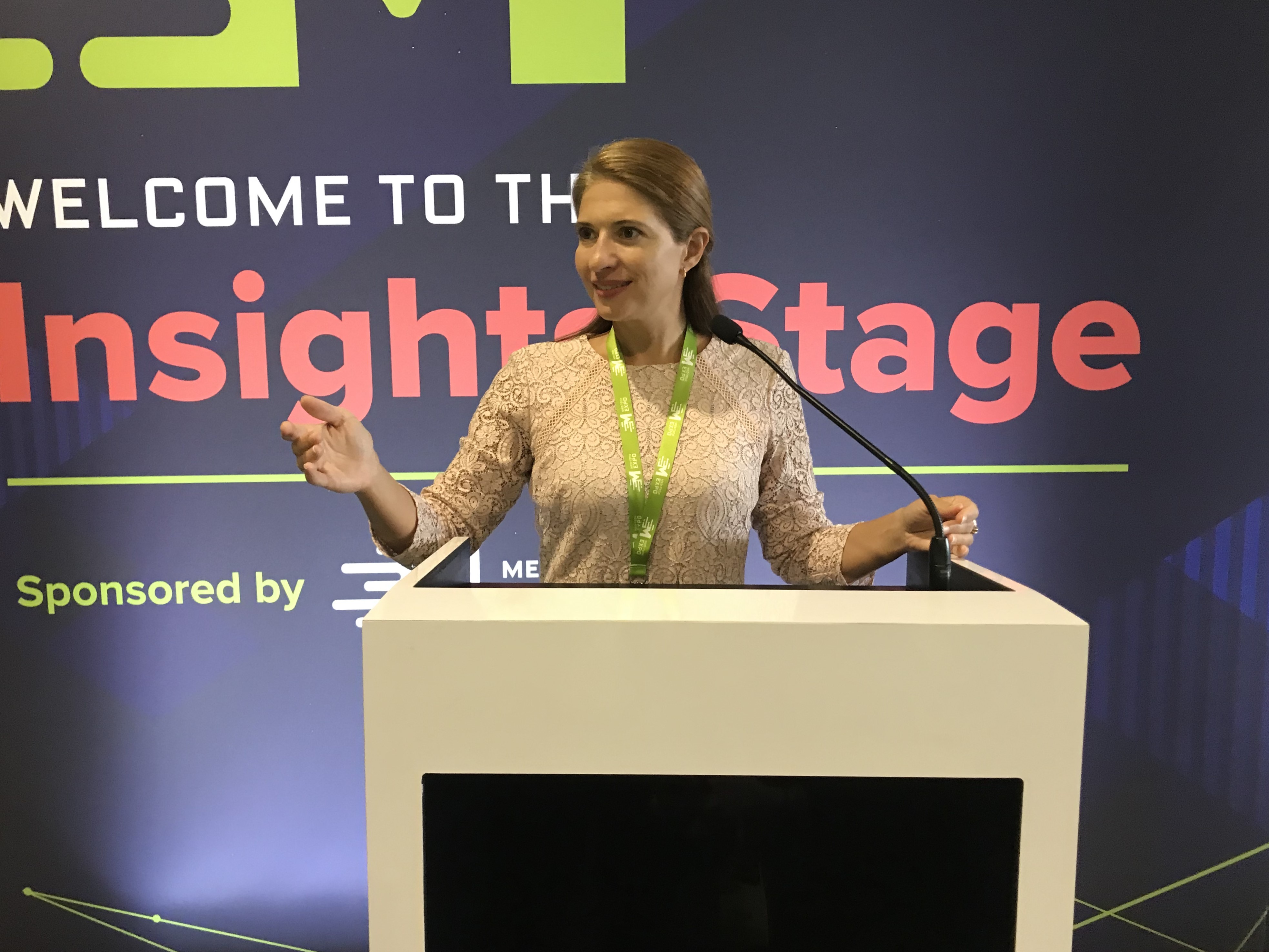
Fine Treatment Co-Founder Ariana Adjani at Medtech Innovation Expo, Birmingham | Oliver Hall/Fine Treatment

The key defining features of Thermobalancing therapy are its high treatment efficacy and no side effects. Moreover, Dr Allen’s Devices cost a fraction of what other treatments end up costing individuals and healthcare systems.

Thermobalancing therapy: US-patented non-invasive treatment

Thermobalancing therapy is essentially a new type of treatment, as it treats chronic non-cancerous diseases by uniquely targeting capillaries, an approach entirely different to what has been previously done in the Western and Eastern medicine. Invented by Dr Simon Allen and Ariana Adjani, this therapy treats the cause of chronic pain and chronic diseases, while standard treatments aim at mainly relieving the symptoms.

  1. Thermobalancing therapy has many advantages over pain medications, which alter the way the brain and nervous system respond to pain and have serious side effects.
  2. Thermobalancing therapy has multiple advantages over drug therapy, which mainly aims at reducing symptoms rather than at addressing the underlying cause and requires long-term use, leading to cumulative undesired side effects.
  3. Thermobalancing therapy has undisputed advantages over surgery, which primarily aims to reduce symptoms by removing a part of an organ or the whole organ, typically damaging its original condition and leading to complications and new health problems in the future.
  4. Thermobalancing therapy has significant advantages over acupuncture and other similar procedures, which stimulate sensory nerves and may relieve pain and other unpleasant symptoms, but only for a limited time.

Remarkably, Thermobalancing therapy with Dr Allen’s Device is the world’s first and only treatment able to reduce the size of the enlarged prostate gland in case of BPH; it is also world’s first and only therapy dissolving kidney stones at home.

CONTACT: Alex Day
Customer Service Manager
Fine Treatment, Oxford, United Kingdom 
Tel.: +447958878300
Email: info@finetreatment.com
www.finetreatment.com

Abivax Presents First Evidence of Anti-Fibrotic Activity for Obefazimod Alongside New Clinical Efficacy and Safety Analyses in Inflammatory Bowel Disease at ECCO 2026

Abivax Presents First Evidence of Anti-Fibrotic Activity for Obefazimod Alongside New Clinical Efficacy and Safety Analyses in Inflammatory Bowel Disease at ECCO 2026


Abivax Presents First Evidence of Anti-Fibrotic Activity for Obefazimod Alongside New Clinical Efficacy and Safety Analyses in Inflammatory Bowel Disease at ECCO 2026

Abivax Presents First Evidence of Anti-Fibrotic Activity for Obefazimod Alongside New Clinical Efficacy and Safety Analyses in Inflammatory Bowel Disease at ECCO 2026

  • 22 abstracts presented at European Crohn’s and Colitis Organization’s (ECCO) 21st Annual Congress illustrate the depth and breadth of data supporting obefazimod’s potential in inflammatory bowel disease
  • Anti-fibrotic effects of obefazimod were observed in both a preclinical human fibroblast model and in an in vivo animal model, suggesting potential to address a major unmet need in Crohn’s disease
  • A pooled analysis of safety data from ABTECT-1 and ABTECT-2 induction trials demonstrates a favorable safety profile with rates of serious treatment emergent adverse events and study discontinuation similar to placebo
  • Symptomatic response of obefazimod was observed as early as week 1 (first time point evaluated) with symptomatic remission observed at week 2 (nominally significant p-value <0.05) in a pooled analysis of ABTECT-1 and ABTECT-2
  • Biomarker data from ABTECT-1 and ABTECT-2 induction trials indicate upregulation of miR-124 and reduction of key inflammatory cytokines (IL-17A and IL-6) toward homeostatic levels

PARIS, France – February 21, 2026 – 12:00 PM CET – Abivax SA (Euronext Paris: FR0012333284 – ABVX / Nasdaq: ABVX) (“Abivax” or the “Company”), a clinical-stage biotechnology company focused on developing therapeutics that harness the body’s natural regulatory mechanisms to stabilize the immune response in patients with chronic inflammatory diseases, today announced novel preclinical and clinical data for obefazimod as part of the presentations at The European Crohn’s and Colitis Organization’s (ECCO) 21st Annual Congress. These data further expand the evidence base supporting development of obefazimod for inflammatory bowel disease, highlighting its anti-fibrotic potential in Crohn’s disease (CD), a favorable safety and tolerability profile, rapid onset of symptomatic relief, and additional evidence supporting its mechanism of action in restoring immune balance through upregulation of miR-124.

Marc de Garidel, MBA, Chief Executive Officer of Abivax, commented: “The robust data presented at ECCO this week reinforce obefazimod’s unique and differentiated profile. The anti-fibrotic findings, taken together with the additional clinical efficacy, safety, and biomarker data presented, strengthen our confidence in obefazimod’s potential across UC and CD. As we look toward the upcoming Phase 3 maintenance trial readout in Q2 2026 and the Phase 2b ENHANCE-CD trial readout in Q4 2026, we remain focused on translating this data into real-world benefits for patients with IBD.”

Fabio Cataldi, MD, Chief Medical Officer of Abivax, added: “The emerging preclinical evidence of anti-fibrotic activity is particularly compelling, as fibrosis remains an area of profound unmet need. Combined with the favorable safety and tolerability profile of obefazimod, we believe this growing evidence base positions obefazimod as a compelling oral therapy with the potential to address multiple dimensions of disease not yet fully managed by current therapies.”

HIGHLIGHTED PRESENTATIONS:

The 22 abstracts presented at ECCO 2026, including subgroup analyses from the Phase 3 ABTECT induction trials illustrating obefazimod’s clinical activity across a wide range of patient subpopulations, can be accessed at: https://www.abivax.com/publications/congress-publications

  • Obefazimod shows first evidence of anti-fibrotic activity in preclinical models of inflammatory bowel disease (Danese S et al. OP30, ECCO 2026)
    • In an in vitro human fibroblast model, obefazimod led to a ~50% reduction in a biomarker of active fibrosis (Pro-C3) (p < 0.0001) and a ~30% reduction in a fibroblast activation marker (⍺SMA) (p < 0.0001)
    • In an in vivo animal model, obefazimod exhibited dual anti-inflammatory and anti-fibrotic effects leading to rapid improvement in markers of disease activity
      • Obefazimod demonstrated anti-inflammatory effects when initiated as a fibrosis preventative (day 5) or fibrosis treatment (day 20):
        • ~25% (p<0.0001) and ~50% (p<0.0001) reduction in Disease Activity Index, with late (day 20) and early (day 5) treatment, respectively
        • ~35% (p<0.0001) and ~65% (p<0.0001) reduction in histologic ulceration and inflammation scores, with late and early treatment, respectively
      • Obefazimod demonstrated anti-fibrotic effects when initiated as a fibrosis preventative (day 5) or fibrosis treatment (day 20):
        • ~45% (p<0.0001) and ~55% (p<0.0001) reduction in Collagen Deposition (fibrosis marker), with late and early treatment, respectively
        • ~40% (p<0.0001) and ~50% (p<0.0001) reduction in ⍺SMA (fibroblast activation marker), with late and early treatment, respectively
  • ~60% (p<0.0001) and ~90% (p<0.0001) reduction in histologic Fibrosis Score, with late and early treatment, respectively
  • Integrated summary of safety of obefazimod in Phase 3 ABTECT induction trials (Seidler U et al. P0712, ECCO 2026)
    • Of the 1,272 patients randomized and treated with Obe-50mg, Obe-25mg, or placebo (PBO), the overall rates of serious treatment emergent adverse events (TEAEs) was comparable across all groups (Obe-50mg: 3.1%; Obe-25mg: 2.2%; PBO: 3.2%)
    • TEAEs leading to study discontinuation occurred at similar rates across all groups (Obe-50mg, 4.7%; Obe-25mg, 1.9%; PBO, 4.1%)
    • Headaches were one of the most frequent TEAEs and were reported to be mild, transient, and short in duration (median: 2-3 days) and rarely leading to discontinuation (0-1.1%)
  • Early symptomatic improvements with obefazimod in patients with moderately to severely active ulcerative colitis (Armuzzi A et al. P0923, ECCO 2026)
    • A greater proportion of patients receiving obefazimod (50mg or 25mg) versus PBO achieved symptomatic response from week 1 and symptomatic remission from week 2 increasing through week 8
    • In a pooled analysis of the Phase 3 ABTECT-1 and ABTECT-2 induction trials, both Obe-50mg and Obe-25mg produced reductions in rectal bleeding subscores and stool frequency subscores versus PBO starting from week 1 and reaching a nominally significant difference by week 2 (p-value <0.05)
    • Improvement in symptoms consistently increased through week 8
  • Obefazimod enhances miR-124 expression in blood and colon tissue and reduces the key inflammatory cytokines IL-17A and IL-6 in serum of patients with moderately to severely active ulcerative colitis (Siegmund B et al. P0868, ECCO 2026)
    • In both Phase 3 ABTECT induction trials, Obe-25mg and Obe-50mg significantly enhanced expression of miR-124 in blood (unadjusted p < 0.0001 vs. PBO) and in rectal and sigmoidal tissue (unadjusted p < 0.0001 vs. PBO) at week 8
    • At week 8, Obe-25mg and Obe-50mg significantly reduced IL-17A levels in serum (unadjusted p < 0.0001 vs. PBO); Obe-25mg (p=0.0150 vs. PBO) and Obe-50mg (p=0.0039 vs. PBO) decreased IL-6 levels in serum
    • miR-124 mechanism of action allows for partial reduction of inflammatory cytokines IL-17 and IL-6 toward homeostatic levels without completely blocking these pathways

Professor Silvio Danese, Director of the Gastroenterology and Digestive Endoscopy Unit of the IRCCS San Raffaele Hospital, added: “For patients living with inflammatory bowel disease, long-term disease control and preservation of bowel function are critical. Seeing data that address not only clinical response and safety, but also biological activity and fibrosis, is encouraging. If these findings continue to translate clinically, they may represent a meaningful advancement for patients who currently have limited options.”

About Abivax

Abivax is a clinical-stage biotechnology company focused on developing therapeutics that harness the body’s natural regulatory mechanisms to stabilize the immune response in patients with chronic inflammatory diseases. Based in France and the United States, Abivax’s lead drug candidate, obefazimod (ABX464), is in Phase 3 clinical trials for the treatment of moderately to severely active ulcerative colitis.

Contact:

Patrick Malloy
SVP, Investor Relations
Abivax SA
patrick.malloy@abivax.com
+1 847 987 4878

Media Contacts:

LifeSci Communications
Jon Pappas
SVP, Head of Media Relations
LSC_ABIVAX@lifescicomms.com

FORWARD-LOOKING STATEMENTS

This press release contains forward-looking statements, forecasts and estimates, including those relating to the Company’s business. Words such as “anticipate,” “expect,” “potential” and variations of such words and similar expressions are intended to identify forward-looking statements. These forward-looking statements include statements concerning the potential therapeutic benefit of obefazimod and the expected availability and timing of results from the Phase 3 maintenance trial and Phase 2b ENHANCE-CD trial of obefazimod. Although Abivax’s management believes that the expectations reflected in such forward-looking statements are reasonable, investors are cautioned that forward-looking information and statements are subject to various risks, contingencies and uncertainties, many of which are difficult to predict and generally beyond the control of Abivax, that could cause actual results and developments to differ materially from those expressed in, or implied or projected by, the forward-looking information and statements. A description of these risks, contingencies and uncertainties can be found in the documents filed by the Company with the French Autorité des Marchés Financiers pursuant to its legal obligations including its universal registration document (Document d’Enregistrement Universel) and in its Annual Report on Form 20-F filed with the U.S. Securities and Exchange Commission on March 24, 2025 under the caption “Risk Factors.” These risks, contingencies and uncertainties include, among other things, the uncertainties inherent in research and development, future clinical data and analysis, decisions by regulatory authorities, such as the FDA or the EMA, regarding whether and when to approve any drug candidate, as well as their decisions regarding labelling and other matters that could affect the availability or commercial potential of such product candidates, and the availability of funding sufficient for the Company’s foreseeable and unforeseeable operating expenses and capital expenditure requirements. Special consideration should be given to the potential hurdles of clinical and pharmaceutical development, including further assessment by the Company and regulatory agencies and IRBs/ethics committees following the assessment of preclinical, pharmacokinetic, carcinogenicity, toxicity, CMC and clinical data. Furthermore, these forward-looking statements, forecasts and estimates are made only as of the date of this press release. Readers are cautioned not to place undue reliance on these forward-looking statements. Abivax disclaims any obligation to update these forward-looking statements, forecasts or estimates to reflect any subsequent changes that the Company becomes aware of, except as required by law. Information about pharmaceutical products (including products currently in development) that is included in this press release is not intended to constitute an advertisement. This press release is for information purposes only, and the information contained herein does not constitute either an offer to sell or the solicitation of an offer to purchase or subscribe for securities of the Company in any jurisdiction. Similarly, it does not give and should not be treated as giving investment advice. It has no connection with the investment objectives, financial situation or specific needs of any recipient. It should not be regarded by recipients as a substitute for exercise of their own judgment. All opinions expressed herein are subject to change without notice. The distribution of this document may be restricted by law in certain jurisdictions. Persons into whose possession this document comes are required to inform themselves about and to observe any such restrictions.

Attachment

Rakovina Therapeutics Announces Upsized Financing Up to $2.0 Million

Rakovina Therapeutics Announces Upsized Financing Up to $2.0 Million


Rakovina Therapeutics Announces Upsized Financing Up to $2.0 Million

Proposed $1.0 Million Convertible Debenture and Warrant Financing and 
Concurrent Common Share Private Placement Up to $1.0 Million
Intended to Support Near-Term Operations

VANCOUVER, British Columbia, Feb. 20, 2026 (GLOBE NEWSWIRE) — Rakovina Therapeutics Inc. (TSX-V: RKV)(FSE: 7JO0) (“Rakovina” or the “Company”), a biopharmaceutical company advancing innovative cancer therapies through AI-powered drug discovery, is pleased to announce that its previously announced financing has been upsized up to approximately $2 million.

On January 27th, the Company announced that it has reached an agreement in principle with an existing investor to invest an additional $1.0 million in the Company by way of a non-brokered private placement (the “Debenture Private Placement”) of an unsecured convertible debenture and two million common share purchase warrants. The Company anticipates that key terms of the convertible debenture would include:

  • a maturity date of January 28, 2029;
  • a conversion price of $0.20 per common share; and
  • an interest rate of 12% per annum payable semi-annually in cash.

Each warrant would be exercisable at $0.20 per common share until January 28, 2029, subject to customary adjustments. A subsequent news release will be issued in connection with the Debenture Private Placement once financing terms have been finalized.

Concurrently with the Debenture Private Placement, the Company proposes to offer up to 8,333,334 common shares at a price of $0.12 per share for additional gross proceeds of up to approximately $1.0 million by way of a non-brokered private placement (the “Common Share Private Placement” and, together with the Debenture Private Placement, the “Private Placements”). As consideration for services provided in connection with the Common Share Private Placement, the Company may pay a finder’s fee to certain eligible finders who introduce subscribers to the financing.

The terms of the Private Placements, as announced in the Company’s news release dated January 27, 2026, otherwise remain unchanged.

The Company intends to use the aggregate gross proceeds of the Private Placements to provide near-term working capital to support ongoing corporate activities and strategic initiatives while the Company continues to evaluate longer-term financing alternatives.

Closing of the Private Placements is subject to the Company obtaining all necessary corporate and regulatory approvals, including approval of the TSX Venture Exchange, and entry into definitive subscription agreements. Pursuant to applicable Canadian securities laws, all securities issued in connection with the Private Placements will be subject to a statutory hold period of four months plus a day from the date of issuance.

About Rakovina Therapeutics Inc.

Rakovina Therapeutics is a biopharmaceutical research company focused on the development of innovative cancer treatments. Our work is based on unique technologies for targeting the DNA-damage response powered by Artificial Intelligence (AI) using the proprietary Deep-Docking™ and Enki™ platforms. By using AI, we can review and optimize drug candidates at a much greater pace than ever before.

The Company has established a pipeline of distinctive DNA-damage response inhibitors with the goal of advancing one or more drug candidates into human clinical trials in collaboration with pharmaceutical partners. Further information may be found at www.rakovinatherapeutics.com.

Neither TSX Venture Exchange nor its Regulation Services Provider (as that term is defined in the policies of the TSXV) accepts responsibility for the adequacy or accuracy of this release.

Notice Regarding Rakovina Therapeutics Forward-Looking Statements:

This release includes forward-looking statements regarding the Company and its respective business within the meaning of applicable Canadian securities laws, which may include, but is not limited to, statements with respect to the Company’s objective, goals or future plans regarding its cancer treatments or the proposed business plan of the Company, receipt of all requisite regulatory approvals, including the approval of the TSX Venture Exchange. Often, but not always, forward-looking statements can be identified by the use of words such as “plans,” “is expected,” “expects,” “scheduled,” “intends,” “contemplates,” “anticipates,” “believes,” “proposes” or variations (including negative variations) of such words and phrases, or state that certain actions, events, or results “may,” “could,” “would,” “might,” or “will” be taken, occur, or be achieved. Such statements are based on the current expectations of the management of the Company. The forward-looking events and circumstances discussed in this release may not occur by certain specified dates or at all and could differ materially as a result of known and unknown risk factors and uncertainties affecting the Company, including risks regarding the biopharmaceutical industry, economic factors, regulatory factors, the equity markets generally, and risks associated with growth and competition.

Although Rakovina has attempted to identify important factors that could cause actual actions, events, or results to differ materially from those described in forward-looking statements, there may be other factors that cause actions, events, or results to differ from those anticipated, estimated, or intended. No forward-looking statement can be guaranteed. Except as required by applicable securities laws, forward-looking statements speak only as of the date on which they are made, and the Company undertakes no obligation to publicly update or revise any forward-looking statement, whether as a result of new information, future events, or otherwise. The reader is referred to the Company’s most recent filings on SEDAR+ for a more complete discussion of all applicable risk factors and their potential effects, copies of which may be accessed through Rakovina’s profile page at www.sedar.com.

For Further Information Contact:

Investor Relations
Rakovina Therapeutics Inc.
IR@rakovinatherapeutics.com

Psyence BioMed Announces Exercise of Put Option by PsyLabs and Strategic Equity Investment

Psyence BioMed Announces Exercise of Put Option by PsyLabs and Strategic Equity Investment


Psyence BioMed Announces Exercise of Put Option by PsyLabs and Strategic Equity Investment

NEW YORK, Feb. 20, 2026 (GLOBE NEWSWIRE) — Psyence Biomedical Ltd. (Nasdaq: PBM) (“Psyence BioMed” or the “Company”), a biopharmaceutical company advancing nature-derived psilocybin and ibogaine therapies for unmet mental health needs, today announced that Psyence Labs Ltd., a leading developer and manufacturer of pharmaceutical-grade psychedelic compounds (“PsyLabs“) has exercised its rights under a previously disclosed put option agreement (the “Put Option Agreement“), pursuant to which Psyence BioMed will make an equity investment in PsyLabs at a fair market value determined in accordance with the terms of the Put Option Agreement.

The Put Option Agreement was previously disclosed by Psyence BioMed and forms part of the broader strategic and commercial relationship between the two vertically integrated companies, including licensing and supply arrangements relating to pharmaceutical-grade psychedelic compounds.

Transaction Overview

Pursuant to the exercise of the Put Option Agreement, Psyence BioMed will acquire equity securities of PsyLabs at a price reflecting fair market value determined in accordance with the valuation methodology set out in the Put Option Agreement, in exchange for common shares in Psyence BioMed (“Share-for-Share Exchange“). The investment is expected to strengthen strategic alignment between the parties, and the transaction, as a whole, is expected to support Psyence BioMed’s long-term supply strategy as its clinical and commercialization programs advance.  

The closing of the investment and the Share-for-Share Exchange is subject to customary closing conditions set out in the Put Option Agreement, including the approval of the Board of Psyence BioMed, which has been obtained, the delivery by PsyLabs of documentation evidencing its fair market value, confirmation from PsyLabs that its representations and warranties remain true and that no material adverse event has taken place affecting PsyLabs or its business. The Company expects to consummate the Share-for-Share Exchange on or about February 25, 2026.

In connection with the Share-for-Share Exchange, PsyLabs will issue to the Company 2,900 PsyLabs Shares, representing an aggregate value of US$5,000,000 (“Subscription Amount“), based on a fair market valuation of PsyLabs of US$1,724 per share, and the Company will issue to PsyLabs 1,146,159 common shares of the Company (the “PBM Shares“), calculated by dividing the Subscription Amount by the 30-day VWAP of the Company’s common shares of US$4,36 per share for the period ending immediately prior to the agreed closing date.

No cash consideration will be exchanged in connection with the Share-for-Share Exchange. Following the issuance of the PBM Shares, PsyLabs will beneficially own approximately 49.98% of the Company’s issued and outstanding common shares (based on 1,147,148 common shares outstanding prior to the issuance).

Strategic Context

The exercise of the Put Option reflects the continued evolution of the strategic relationship between the parties, and the Company believes that the transaction supports its long-term objective of securing access to high-quality, pharmaceutical-grade manufacturing capabilities while maintaining capital allocation discipline as its development programs progress.

Governance

As previously disclosed, certain executives of the Company provide consulting services to PsyLabs, and certain individuals are also members of the board of directors of subsidiaries of PsyLabs for purposes of safeguarding the Company’s investment into the PsyLabs group. Collectively, these individuals beneficially own less than 13% of PsyLabs’ outstanding equity securities. Accordingly, in connection with the Put Option Agreement and the exercise thereof, a Special Committee of independent and disinterested directors of Psyence BioMed have reviewed and ratified the transaction. The Special Committee considered, among other things, the commercial rationale for the transaction and an independent third-party valuation of PsyLabs.

About PsyLabs

PsyLabs is a psychedelic Active Pharmaceutical Ingredient (API) development company, federally licensed to cultivate, extract, and export psilocybin mushrooms and other psychedelic compounds including psilocin, mescaline, ibogaine, and dimethyltryptamine (DMT) to legal medical and research markets. The company has successfully exported psilocybin products to Canada, the UK, Portugal, and Slovenia, and supplies purified extracts to its UK-based CMO partner.

PsyLabs operates from an ISO 22000-certified facility audited by the British Standards Institution, ensuring the highest standards of safety and traceability. With a focus on natural compound purification, regulatory support, and global distribution, PsyLabs is expanding its product pipeline to include ibogaine and other next-generation psychedelics.

www.psylabs.life

About Psyence BioMed 

Psyence Biomedical Ltd. (Nasdaq: PBM) is one of the few multi-asset, vertically integrated biopharmaceutical companies specializing in psychedelic-based therapeutics. It is the first life sciences biotechnology company focused on developing nature-derived (non-synthetic) psilocybin and ibogaine-based psychedelic medicine to be listed on Nasdaq. We are dedicated to addressing unmet mental health needs. We are committed to an evidence-based approach in developing safe, effective, and FDA-approved nature-derived psychedelic treatments for a broad range of mental health disorders. 

Learn more at www.psyencebiomed.com and on LinkedIn.

Contact Information for Psyence Biomedical Ltd. 
Email: ir@psyencebiomed.com   
Media Inquiries: media@psyencebiomed.com  
General Information: info@psyencebiomed.com  

Investor Contact: 
Michael Kydd 
Investor Relations Advisor 
michael@psyencebiomed.com  

Forward Looking Statements 

This communication contains “forward-looking statements” within the meaning of the Private Securities Litigation Reform Act of 1995. Forward-looking statements include statements regarding the anticipated closing of the Share-for-Share Exchange, the expected timing of closing, the issuance of common shares of the Company to PsyLabs, the anticipated ownership percentage of PsyLabs following closing, the strategic rationale for the transaction, anticipated supply and manufacturing benefits, and the Company’s future development and commercialization plans. Forward-looking statements are typically identified by words such as “expects,” “anticipates,” “believes,” “intends,” “plans,” “will,” “may,” “should,” “could,” or similar expressions.

These statements are based on current assumptions and expectations, including assumptions that all closing conditions under the Put Option Agreement will be satisfied or waived, that required corporate approvals will remain effective, that no material adverse change will occur with respect to PsyLabs, that the Company will remain in compliance with applicable Nasdaq listing requirements, and that the strategic relationship between the parties will continue as currently contemplated. These assumptions are inherently uncertain and may prove to be incorrect.

There can be no assurance that the Share-for-Share Exchange will be consummated on the expected timeline or at all. The issuance of 1,146,159 common shares represents a significant percentage of the Company’s outstanding equity and is expected to result in substantial dilution to existing shareholders. Following closing, PsyLabs is expected to beneficially own approximately 49.98% of the Company’s outstanding common shares, which may significantly influence the outcome of matters submitted to shareholders and could impact the Company’s governance and control dynamics.

Actual results could differ materially from those expressed or implied by these forward-looking statements due to various risks and uncertainties, including, without limitation: (i) risks that one or more closing conditions are not satisfied; (ii) risks relating to stockholder dilution and potential changes in control or influence; (iii) risks associated with related-party transactions and corporate governance matters; (iv) the Company’s ability to maintain compliance with Nasdaq listing standards; (v) volatility in the market price of the Company’s common shares; (vi) regulatory, legal or stock exchange review of the transaction and related notifications; (vii) changes in market, economic or industry conditions; and (viii) risks relating to the Company’s clinical development programs, supply chain arrangements and commercialization strategy.

Additional risks and uncertainties are described in the “Risk Factors” section of the Company’s final prospectus (File No. 333-298285) filed with the Securities and Exchange Commission (the “SEC”) on November 3, 2025, and in the Company’s other filings with the SEC. These filings identify additional factors that could cause actual results to differ materially from those described in forward-looking statements.

Forward-looking statements speak only as of the date of this communication. Except as required by law, the Company undertakes no obligation to update or revise any forward-looking statements.

The Company does not make any medical, treatment or health benefit claims regarding its product candidates. Regulatory authorities have not approved or evaluated claims regarding psilocybin, ibogaine or other psychedelic compounds. The safety and efficacy of such compounds have not been established through approved clinical trials, and there can be no assurance that regulatory approvals necessary for commercialization will be obtained.

aTyr Pharma Announces Inducement Grants Under Nasdaq Listing Rule 5635(c)(4)

aTyr Pharma Announces Inducement Grants Under Nasdaq Listing Rule 5635(c)(4)


aTyr Pharma Announces Inducement Grants Under Nasdaq Listing Rule 5635(c)(4)

SAN DIEGO, Feb. 20, 2026 (GLOBE NEWSWIRE) — aTyr Pharma, Inc. (Nasdaq: ATYR) (“aTyr” or “the Company”), a clinical stage biotechnology company engaged in the discovery and development of first-in-class medicines from its proprietary tRNA synthetase platform, today announced that the Compensation Committee of aTyr’s Board of Directors has granted two employees nonstatutory stock options to purchase an aggregate of 12,200 shares of aTyr’s common stock, each with an exercise price of $0.98 per share, which is equal to the closing price of aTyr’s common stock on the Nasdaq Capital Market on February 17, 2026, the effective date of the grants. These stock awards were granted as an inducement material to the new employees entering into employment with aTyr in accordance with Nasdaq Listing Rule 5635(c)(4) and were made pursuant to the aTyr Pharma, Inc. 2022 Inducement Plan.

Each option vests over a period of four years, with 25% of the shares vesting on the one-year anniversary of the applicable vesting commencement date and the remaining 75% vesting in equal monthly installments over three years, subject to the applicable employee’s continued employment with aTyr through each vesting date. The options are subject to the terms and conditions of the aTyr Pharma, Inc. 2022 Inducement Plan and the terms and conditions of an award agreement covering the grant.

About aTyr

aTyr is a clinical stage biotechnology company leveraging evolutionary intelligence to translate tRNA synthetase biology into new therapies for fibrosis and inflammation. tRNA synthetases are ancient, essential proteins that have evolved novel domains that regulate diverse pathways extracellularly in humans. aTyr’s discovery platform is focused on unlocking hidden therapeutic intervention points by uncovering signaling pathways driven by its proprietary library of domains derived from all 20 tRNA synthetases. aTyr’s lead therapeutic candidate is efzofitimod, a novel biologic immunomodulator in clinical development for the treatment of interstitial lung disease, a group of immune-mediated disorders that can cause inflammation and progressive fibrosis, or scarring, of the lungs. For more information, please visit www.atyrpharma.com.

Contact:
Ashlee Dunston
Sr. Director, Investor Relations and Public Affairs
adunston@atyrpharma.com

aTyr Pharma Announces Inducement Grants Under Nasdaq Listing Rule 5635(c)(4)

aTyr Pharma Announces Inducement Grants Under Nasdaq Listing Rule 5635(c)(4)


aTyr Pharma Announces Inducement Grants Under Nasdaq Listing Rule 5635(c)(4)

SAN DIEGO, Feb. 20, 2026 (GLOBE NEWSWIRE) — aTyr Pharma, Inc. (Nasdaq: ATYR) (“aTyr” or “the Company”), a clinical stage biotechnology company engaged in the discovery and development of first-in-class medicines from its proprietary tRNA synthetase platform, today announced that the Compensation Committee of aTyr’s Board of Directors has granted two employees nonstatutory stock options to purchase an aggregate of 12,200 shares of aTyr’s common stock, each with an exercise price of $0.98 per share, which is equal to the closing price of aTyr’s common stock on the Nasdaq Capital Market on February 17, 2026, the effective date of the grants. These stock awards were granted as an inducement material to the new employees entering into employment with aTyr in accordance with Nasdaq Listing Rule 5635(c)(4) and were made pursuant to the aTyr Pharma, Inc. 2022 Inducement Plan.

Each option vests over a period of four years, with 25% of the shares vesting on the one-year anniversary of the applicable vesting commencement date and the remaining 75% vesting in equal monthly installments over three years, subject to the applicable employee’s continued employment with aTyr through each vesting date. The options are subject to the terms and conditions of the aTyr Pharma, Inc. 2022 Inducement Plan and the terms and conditions of an award agreement covering the grant.

About aTyr

aTyr is a clinical stage biotechnology company leveraging evolutionary intelligence to translate tRNA synthetase biology into new therapies for fibrosis and inflammation. tRNA synthetases are ancient, essential proteins that have evolved novel domains that regulate diverse pathways extracellularly in humans. aTyr’s discovery platform is focused on unlocking hidden therapeutic intervention points by uncovering signaling pathways driven by its proprietary library of domains derived from all 20 tRNA synthetases. aTyr’s lead therapeutic candidate is efzofitimod, a novel biologic immunomodulator in clinical development for the treatment of interstitial lung disease, a group of immune-mediated disorders that can cause inflammation and progressive fibrosis, or scarring, of the lungs. For more information, please visit www.atyrpharma.com.

Contact:
Ashlee Dunston
Sr. Director, Investor Relations and Public Affairs
adunston@atyrpharma.com