Innate Pharma Announces Nectin-4 Antibody Drug Conjugate Investor and Analyst Event in New York

Innate Pharma Announces Nectin-4 Antibody Drug Conjugate Investor and Analyst Event in New York


Innate Pharma Announces Nectin-4 Antibody Drug Conjugate Investor and Analyst Event in New York

  • Innate Pharma to highlight IPH4502, its lead Nectin-4 Antibody Drug Conjugate (ADC) program at clinical stage

MARSEILLE, France–(BUSINESS WIRE)–Regulatory News:

Innate Pharma SA (Euronext Paris: IPH; Nasdaq: IPHA) (“Innate” or the “Company”) will host an event for institutional investors and analysts dedicated to its Antibody-Drug Conjugate (ADC) strategy, and particularly Nectin-4, the target of its lead antibody-drug candidate program, IPH4502. The event will be held in New York in a hybrid format on Wednesday, February 5, 2025, from 10:00 a.m. to 12:00 p.m. EDT.

“As we just updated our strategy with a focus on our ANKET® platform and ADC programs, this meeting will be an opportunity to share the latest scientific and clinical advancements related to Nectin-4 and its potential in cancer treatment,” said Jonathan Dickinson, Chief Executive Officer of Innate Pharma

Event details:

For those who are unable to attend in person, a live webcast and replay will be on Innate Pharma’s website at: https://www.innate-pharma.com.

About IPH4502

IPH4502 is a novel and differentiated topoisomerase I inhibitor ADC designed to precisely target Nectin-4, a cell adhesion molecule that is overexpressed in several types of solid tumors, including urothelial carcinoma, where Nectin-4 expression is highest, breast cancer, non-small cell lung cancer and gastro-intestinal cancer.

In non-clinical models, IPH45 is well tolerated and shows anti-tumor activity in vitro and in vivo.

In September 2024, the U.S Food and Drug Administration (FDA) has cleared its investigational new drug (IND) application to initiate a Phase 1 clinical study of IPH4502.

About Innate Pharma

Innate Pharma S.A. is a global, clinical-stage biotechnology company developing immunotherapies for cancer patients. Its innovative approach aims to harness the innate immune system through three therapeutic approaches: multi-specific NK Cell Engagers via its ANKET® (Antibody-based NK cell Engager Therapeutics) proprietary platform and Antibody Drug Conjugates (ADC) and monoclonal antibodies (mAbs).

Innate’s portfolio includes several ANKET® drug candidates to address multiple tumor types as well as IPH4502, a differentiated ADC in development in solid tumors. In addition, anti-KIR3DL2 mAb lacutamab is developed in advanced form of cutaneous T cell lymphomas and peripheral T cell lymphomas, and anti-NKG2A mAb monalizumab is developed with AstraZeneca in non-small cell lung cancer.

Innate Pharma is a trusted partner to biopharmaceutical companies such as Sanofi and AstraZeneca, as well as leading research institutions, to accelerate innovation, research and development for the benefit of patients.

Headquartered in Marseille, France with a US office in Rockville, MD, Innate Pharma is listed on Euronext Paris and Nasdaq in the US.

Learn more about Innate Pharma at www.innate-pharma.com and follow us on LinkedIn and X.

Information about Innate Pharma shares

ISIN code
Ticker code
LEI

FR0010331421

Euronext: IPH Nasdaq: IPHA

9695002Y8420ZB8HJE29

Disclaimer on forward-looking information and risk factors

This press release contains certain forward-looking statements, including those within the meaning of applicable securities laws, including the Private Securities Litigation Reform Act of 1995. The use of certain words, including “anticipate,” “believe,” “can,” “could,” “estimate,” “expect,” “may,” “might,” “potential,” “expect” “should,” “will,” or the negative of these and similar expressions, is intended to identify forward-looking statements. Although the Company believes its expectations are based on reasonable assumptions, these forward-looking statements are subject to numerous risks and uncertainties, which could cause actual results to differ materially from those anticipated. These risks and uncertainties include, among other things, the uncertainties inherent in research and development, including related to safety, progression of and results from its ongoing and planned clinical trials and preclinical studies, review and approvals by regulatory authorities of its product candidates, the Company’s reliance on third parties to manufacture its product candidates, the Company’s commercialization efforts and the Company’s continued ability to raise capital to fund its development. For an additional discussion of risks and uncertainties, which could cause the Company’s actual results, financial condition, performance or achievements to differ from those contained in the forward-looking statements, please refer to the Risk Factors (“Facteurs de Risque”) section of the Universal Registration Document filed with the French Financial Markets Authority (“AMF”), which is available on the AMF website http://www.amf-france.org or on Innate Pharma’s website, and public filings and reports filed with the U.S. Securities and Exchange Commission (“SEC”), including the Company’s Annual Report on Form 20-F for the year ended December 31, 2023, and subsequent filings and reports filed with the AMF or SEC, or otherwise made public by the Company. References to the Company’s website and the AMF website are included for information only and the content contained therein, or that can be accessed through them, are not incorporated by reference into, and do not constitute a part of, this press release.

In light of the significant uncertainties in these forward-looking statements, you should not regard these statements as a representation or warranty by the Company or any other person that the Company will achieve its objectives and plans in any specified time frame or at all. The Company undertakes no obligation to publicly update any forward-looking statements, whether as a result of new information, future events or otherwise, except as required by law.

This press release and the information contained herein do not constitute an offer to sell or a solicitation of an offer to buy or subscribe to shares in Innate Pharma in any country.

Contacts

Investors

Innate Pharma

Henry Wheeler

Tel.: +33 (0)4 84 90 32 88

Henry.wheeler@innate-pharma.fr

Media Relations

NewCap

Arthur Rouillé

Tel.: +33 (0)1 44 71 00 15

innate@newcap.eu

 

Aseptic Filling Machine Market Global Forecasts to 2035, with Key Player Profiles for AST, Bausch+Strobel, Dara Pharma, Groninger, IMA Group, Marchesini, OPTIMA, Syntegon and Tofflon – ResearchAndMarkets.com

Aseptic Filling Machine Market Global Forecasts to 2035, with Key Player Profiles for AST, Bausch+Strobel, Dara Pharma, Groninger, IMA Group, Marchesini, OPTIMA, Syntegon and Tofflon – ResearchAndMarkets.com


Aseptic Filling Machine Market Global Forecasts to 2035, with Key Player Profiles for AST, Bausch+Strobel, Dara Pharma, Groninger, IMA Group, Marchesini, OPTIMA, Syntegon and Tofflon – ResearchAndMarkets.com

DUBLIN–(BUSINESS WIRE)–The “Aseptic Filling Machine Market Industry Trends and Global Forecasts to 2035, by Type of Compatible Primary Container (Vials, Syringes, Cartridges, Ampoules, Capsules, and Other Containers), Scale of Operation, System Throughput, End-user and Key Geographical Regions” report has been added to ResearchAndMarkets.com’s offering.


The global aseptic filling machine market is estimated to grow from USD 1.3 billion in 2024 to USD 3.4 billion by 2035, at a CAGR of 8.7% during the forecast period to 2035.

Pharmaceutical fill-finish manufacturing is a crucial element of drug production. However, several issues arise in the current drug filling process, including contamination risks, inaccuracies in dose dispensing, and labeling problems. Industry experts estimate that approximately 80% of product recalls stem from packaging-related issues. Additionally, manual interventions in filling lines pose threats to product integrity, as they increase contamination risks due to contact with workers and are often inefficient.

Over the years, pharmaceutical equipment manufacturers have introduced more cost-effective, reliable and efficient machinery, incorporating isolators and restricted access barrier systems (RABS) into their proprietary aseptic fill-finish lines. Many of these systems are intended to minimize human involvement, thereby lowering the risk of operator-related contamination. Moreover, using filling lines where equipment components are individually isolated can lead to substantial cost savings; developers can avoid investing in large, high-end cleanrooms for these filling lines. At present, over 230 isolator-based filling and closing systems are available in the market, and equipment developers are still engaged in further improvement efforts.

As several biologics are currently under development, the opportunity for aseptic fill / finish equipment developers is anticipated to expand further. Moreover, rise in a number of injectable drugs and pipeline candidates is driving the demand for aseptic filling machines.

ASEPTIC FILLING MACHINE MARKET: KEY INSIGHTS

The report delves into the current state of the aseptic filling machine market and identifies potential growth opportunities within the industry.

Some key findings from the report include:

  • Presently, over 230 isolator based aseptic filling machines are available in the market; majority of these isolator based aseptic filling machines use vials as compatible primary container.
  • 78% of isolator based aseptic filling systems can perform both filling and closing operations for liquid / powder formulations, followed by the systems capable of performing only filling operations (15%).
  • The current market landscape of isolator based aseptic filling machines developers is fragmented, featuring the presence of both new entrants and established players; majority of these players are based in Europe.
  • Leading manufacturers are revolutionizing pharmaceutical production by integrating advanced automation, real-time monitoring, and automated cleaning in aseptic filling systems.
  • Stakeholders are actively upgrading their existing capabilities to further enhance their respective fill / finish capabilities and comply to the evolving industry benchmarks.
  • From automation to sustainability, several recent mega trends are shaping the isolator-based aseptic filling machine industry, thereby driving innovation and efficiency in manufacturing processes.
  • In terms of recent developments, the market had witnessed a substantial partnership activity and a number of conferences related to aseptic pharmaceutical packaging were organized across the globe.
  • The isolator based aseptic filling machines market is likely to grow at a CAGR of 8.7%, till 2035; presently, majority of the market share is occupied by vials amongst the various compatible primary containers.
  • The isolator based aseptic filling machines market is anticipated to be primarily driven by the rising need for alternate sterilization methods; Europe is expected to capture larger share (40%) of the market by 2035.

ASEPTIC FILLING MACHINE MARKET: KEY SEGMENTS

Cartridge Segment is the Fastest Growing Segment in the Aseptic Filling Machine Market

Based on type of primary containers, the market is segmented into vials, syringes, cartridges, ampoules, capsules, and other containers. It is worth highlighting that the majority of current aseptic filling machine market is captured by pharmaceutical vials. This trend is likely to remain the same in the coming decade. It is worth mentioning that vials offer various advantages, such as the ability to pre-sterilize the containers through various terminal sterilization techniques and minimal risk of breakage during handling and transportation and ease of filling as compared to other primary packaging containers.

By Scale of Operation, Commercial Scale is Likely to Dominate the Aseptic Filling Machine Market During the Forecast Period

Based on scales of operation, the market is segmented into clinical and commercial scale. It is worth highlighting that revenues generated from isolator based aseptic filling machines operating at commercial scale will be the primary driver of the overall market.

High System Throughputs is Expected to Capture the Highest Share in the Aseptic Filling Machine Market During the Forecast Period

Based on type of system throughput, the market is segmented into low, medium and high system throughputs. At present, the largest market share is captured by high throughput aseptic filling machines. This can be attributed to the fact that both in-house manufacturers and contract manufacturing organizations will use the high throughput isolator based filling machines for commercial scale manufacturing.

Currently, the Pharma / Biotech Companies Hold the Maximum Share of the Aseptic Filling Machines Market

Based on the end-users, the market is segmented into pharma / biotech companies and contract service providers. It is worth highlighting that, currently, pharma / biotech companies hold the largest share of isolator based aseptic filling machines market.

Europe Accounts for the Largest Share of the Market

Based on key geographical regions, the market is segmented into North America, Europe, Asia-Pacific and Rest of the World. At present, Europe captures the maximum share of the market opportunity, and this trend is unlikely to change in the coming years. It is worth highlighting that over the years, the market in Asia-Pacific and Rest of the World is expected to grow at a higher CAGR.

Key Players in the Aseptic Filling Machine Market include:

  • AST
  • Bausch+Strobel
  • Dara Pharma
  • Groninger
  • IMA Group
  • Marchesini
  • OPTIMA
  • Syntegon
  • Tofflon

ASEPTIC FILLING MACHINE MARKET: RESEARCH COVERAGE

  • The report features an in-depth analysis of the aseptic filling machine market, focusing on key market segments, including type of compatible primary container, scale of operation, system throughput, end-user and key geographical regions.
  • The report analyzes various factors such as drivers, restraints, opportunities, and challenges affecting the market growth.
  • A comprehensive evaluation of isolator based aseptic filling systems, considering various parameters, type of system (filling, filling and closing, and turnkey), maximum system throughput (up to 1,000 units/ hour, >1,000 to 5,000 units/ hour, >5,000 to 10,000 units/ hour, >10,000 to 20,000 units/ hour, > 20,000 to 40,000 units/ hour, >40,000 to 60,000 units/ hour, and >60,000 units/ hour), type of compatible primary container (ampoules, bags, bottles, capsules, cartridges, syringes, vials and other containers), type of formulation (liquids and powders). It also provides an assessment of the companies involved in the development of isolator based aseptic filling systems based on their year of establishment, company size (in terms of employee count), location of headquarters (North America, Europe and Asia-Pacific and Rest of the World) and leading players.
  • A comprehensive competitive analysis of isolator based aseptic filling systems, examining factors such as scale of operation, system throughput, compatible primary containers, type of formulation and other important product related specifications.
  • In-depth profiles of key players in aseptic filling machines market, focusing on company overviews, proprietary products, recent developments and an informed future outlook.
  • A discussion on general regulatory guidelines for aseptic processing, and specific recommendations related to isolator and blow-fill-seal technologies used in the aseptic fill / finish process.
  • An analysis of recent trends, covering partnerships and collaborations, and conferences held in this domain.

KEY QUESTIONS ANSWERED IN THIS REPORT

  • How many companies are currently engaged in this market?
  • Which are the leading companies in this market?
  • What is the current and future market size?
  • What is the CAGR of this market?
  • How is the current and future market opportunity likely to be distributed across key market segments?

KEY REPORT BENEFITS

  • Complimentary PPT Insights Packs
  • Complimentary Excel Data Packs for all Analytical Modules in the Report
  • 10% Free Content Customization
  • Detailed Report Walkthrough Session with Research Team

Key Topics Covered:

INTRODUCTION

  • Overview of Drug Fill / Finish Processes
  • Traditional Methods of Fill / Finish
  • Aseptic Fill / Finish Technique
  • Need for Aseptic Fill / Finish Techniques
  • Advanced Aseptic Fill / Finish Processes: Blow-Fill-Seal Aseptic Technology
  • Advantages of Advanced Aseptic Fill / Finish Techniques
  • Regulatory Guidelines for Aseptic Fill / Finish
  • Future Perspectives

ISOLATOR BASED ASEPTIC FILLING SYSTEMS: OVERALL MARKET LANDSCAPE

  • Isolator based Aseptic Filling Systems: Overall Market Landscape
  • Isolator based Aseptic Filling Systems: Developer Landscape

ISOLATOR BASED ASEPTIC FILLING AND CLOSING SYSTEMS: PRODUCT COMPETITIVENESS ANALYSIS

  • Methodology and Key Parameters
  • Product Competitiveness Analysis: Peer Group I
  • Product Competitiveness Analysis: Peer Group II
  • Product Competitiveness Analysis: Peer Group III

COMPANY PROFILES

  • AST
  • Bausch+Strobel
  • Dara Pharma
  • Groninger
  • IMA Group
  • Marchesini Group
  • OPTIMA
  • Syntegon
  • Tofflon

RECENT DEVELOPMENTS

  • Partnership Models
  • Isolator based Aseptic Filling Systems Market: Partnership Activity
  • Isolator based Aseptic Filling Systems Market: Recent Conferences

REGULATORY GUIDELINES: ASEPTIC PROCESSING

  • Overview of Cleanroom Grades
  • General Guidelines for Aseptic Processing
  • Guidelines for Using Isolator Technology
  • Guidelines for Using Blow / Fill / Seal Technology

MARKET FORECAST AND OPPORTUNITY ANALYSIS

For more information about this report visit https://www.researchandmarkets.com/r/yn0j8y

About ResearchAndMarkets.com
ResearchAndMarkets.com is the world’s leading source for international market research reports and market data. We provide you with the latest data on international and regional markets, key industries, the top companies, new products and the latest trends.

Contacts

ResearchAndMarkets.com

Laura Wood, Senior Press Manager

press@researchandmarkets.com

For E.S.T Office Hours Call 1-917-300-0470

For U.S./ CAN Toll Free Call 1-800-526-8630

For GMT Office Hours Call +353-1-416-8900

Poxel Announces the Grant of Patent in China Protecting the Use of Imeglimin for Type-2 Diabetic Patients with Renal Impairment

Poxel Announces the Grant of Patent in China Protecting the Use of Imeglimin for Type-2 Diabetic Patients with Renal Impairment


Poxel Announces the Grant of Patent in China Protecting the Use of Imeglimin for Type-2 Diabetic Patients with Renal Impairment

  • Patent life covering Imeglimin in China extended to 2039
  • Ongoing partnership discussions to develop and market Imeglimin in China, the world’s second largest type 2 diabetes market

LYON, France–(BUSINESS WIRE)–Regulatory News:


POXEL SA (Euronext : POXEL – FR0012432516), a clinical stage biopharmaceutical company developing innovative treatments for chronic serious diseases with metabolic pathophysiology, including metabolic dysfunction-associated steatohepatitis (MASH) and rare metabolic disorders, today announced that China’s National Intellectual Property Administration (“CNIPA”) has granted Poxel patent ZL201980015603.X for Imeglimin, a first-in-class drug targeting mitochondrial dysfunction and marketed in Japan for the treatment of type-2 diabetes.

This new patent protects the use of Imeglimin for type-2 diabetic patients with moderate to severe renal impairment until 2039. The granting of the patent further supports ongoing discussions initiated by Poxel to develop and market Imeglimin in China, following the Company’s recovery of the rights to this product in Asian countries other than Japan1 from Sumitomo Pharma. The Company also holds 3 additional patents in China covering Imeglimin’s synthesis process.

The prevalence of diabetic patient with chronic kidney disease is high in China, corresponding to around 27% of the country’s diabetic population, or nearly 32 million patients2. Diabetes is also the leading cause of end-stage renal failure in this country, i.e. requiring dialysis or a kidney transplant.

China is one of Poxel’s priority targets for the development and marketing of Imeglimin, where the decisions taken by the Japanese Agency for Pharmaceuticals and Medical Devices, could potentially reduce future regulatory and development times.

The granting of this patent by the Chinese authorities is in line with our corporate development strategy and represents a partnering opportunity for a biotech company in this strategic territory. Indeed, the medical needs of the Chinese sub-population of type-2 diabetic patients with renal impairment are huge, and this sub-population is in great demand for a safe and efficacious therapeutic solution. We are pursuing our discussions with a view to a strategic partnership for the development and commercialization of Imeglimin, focusing primarily on China, South East Asian countries, as well as other very specific territories enabling us to maximize the approval of Imeglimin already achieved in Japan, thereby reducing the development efforts to be undertaken on a country-by-country basis”, stated Thomas Kuhn, Chief Executive Officer of Poxel.

About Poxel SA

Poxel is a clinical stage biopharmaceutical company developing innovative treatments for chronic serious diseases with metabolic pathophysiology, including metabolic dysfunction-associated steatohepatitis (MASH) and rare disorders. For the treatment of MASH, PXL065 (deuterium-stabilized R-pioglitazone) met its primary endpoint in a streamlined Phase 2 trial (DESTINY-1). In rare diseases, development of PXL770, a first-in-class direct adenosine monophosphate-activated protein kinase (AMPK) activator, is focused on the treatment of adrenoleukodystrophy (ALD) and autosomal dominant polycystic kidney disease (ADPKD). TWYMEEG® (Imeglimin), Poxel’s first-in-class product that targets mitochondrial dysfunction, is now marketed for the treatment of type 2 diabetes in Japan by Sumitomo Pharma and Poxel expects to receive royalties and sales-based payments. Poxel has a strategic partnership with Sumitomo Pharma for Imeglimin in Japan. Listed on Euronext Paris, Poxel is headquartered in Lyon, France, and has subsidiaries in Boston, MA, and Tokyo, Japan.

For more information, please visit: www.poxelpharma.com

All statements other than statements of historical fact included in this press release about future events are subject to (i) change without notice and (ii) factors beyond the Company’s control. These statements may include, without limitation, any statements preceded by, followed by or including words such as “target,” “believe,” “expect,” “aim,” “intend,” “may,” “anticipate,” “estimate,” “plan,” “project,” “will,” “can have,” “likely,” “should,” “would,” “could” and other words and terms of similar meaning or the negative thereof. Forward-looking statements are subject to inherent risks and uncertainties beyond the Company’s control that could cause the Company’s actual results or performance to be materially different from the expected results or performance expressed or implied by such forward-looking statements. The Company does not endorse or is not otherwise responsible for the content of external hyperlinks referred to in this press release.

1 China, South Korea, Taiwan, Indonesia, Vietnam, Thailand, Malaysia, The Philippines, Singapore, Republic of the Union of Myanmar, Kingdom of Cambodia and Lao People’s Democratic Republic.

2 Source: Chen et al. (2009) Nephrol Dial Transplant, Atkins et al. (2005) Kidney International, Robbins (2005) BMC public health

Contacts

Investor relations / Media

NewCap

Nicolas Fossiez, Aurélie Manavarere / Arthur Rouillé

investors@poxelpharma.com
+33 1 44 71 94 94

No-Cost Heart & Kidney Health Screening Available on January 22-24 in Seattle

No-Cost Heart & Kidney Health Screening Available on January 22-24 in Seattle


No-Cost Heart & Kidney Health Screening Available on January 22-24 in Seattle

Event for Seattle Community Aims to Detect Heart Risks Most People Don’t Know They Have


SEATTLE–(BUSINESS WIRE)–#ClinicalResearch–Health and research company, Care Access, is making its Heart & Kidney Health Screening initiative available to residents of Seattle. This health screening raises awareness and provides testing for certain health risk factors, including a dangerous type of cholesterol known as lipoprotein(a), or Lp(a), which impacts one in five people and significantly increases the risk of heart disease and stroke.

Despite the prevalence of Lp(a) and its impact on cardiovascular health, most people are unaware of their Lp(a) levels due to limited access to testing. It is critical to raise community awareness of this risk factor as there are no currently approved medicines for lowering Lp(a) and it is not impacted by a healthy diet or exercise.

The Heart & Kidney Health Screening offers no-cost Lp(a) testing as well as screenings for other related metabolism and kidney risks. The screenings are part of the Future of Medicine program by Care Access which not only provides crucial health information to participants but also encourages community involvement in clinical research for potential new treatments targeting Lp(a) and other conditions.

Future of Medicine features three key components:

  • No-Cost Testing: No-cost screenings for certain heart and kidney risks, including Lp(a), to provide individuals valuable information about their health.
  • Health Education: Information about cardiovascular health and the importance of clinical research in advancing medical treatments.
  • Clinical Research Awareness: Assistance in finding local clinical study opportunities and promoting community engagement in medical research.

Care Access will host health screenings on January 22-24 at Work and Play Lounge, located at 2336 15th Avenue S in Seattle, Wash. Walk-ins are available, but scheduling is recommended at MyFreeHeartTest.com.

“Lp(a) is often overlooked in routine check-ups, yet its impact on heart health is significant. I commend Care Access for prioritizing this test and bringing awareness to its importance,” said Dr. Sinikka Green, Medical Director and Principal Investigator at Care Access.

About Care Access

Care Access works around the world to make the future of health better for all. We help people learn more about their health, access health resources they need, and participate in research to help find new medicines and cures.

With over 200 research sites across the globe, hundreds of traveling clinicians, and a fleet of over 150 mobile health clinics, we work with hundreds of communities each year to deliver care and research where it is most needed. Through our Future of Medicine program, we provide our members no-cost health screenings, information about research studies, and other education and services. And through our Difference Makers program, we support and amplify the impact of local leaders and organizations that work to improve their communities’ health and wellness.

To learn more about Care Access, visit www.CareAccess.com.

Contacts

Joseph Oh

media@careaccess.com
202-970-6885

Antibody Drug Conjugates Market Report 2025-2035: ADCs – Pioneering the Future of Precision Cancer Therapy – ResearchAndMarkets.com

Antibody Drug Conjugates Market Report 2025-2035: ADCs – Pioneering the Future of Precision Cancer Therapy – ResearchAndMarkets.com


Antibody Drug Conjugates Market Report 2025-2035: ADCs – Pioneering the Future of Precision Cancer Therapy – ResearchAndMarkets.com

DUBLIN–(BUSINESS WIRE)–The “Antibody Drug Conjugates Market Report 2025-2035” has been added to ResearchAndMarkets.com’s offering.


World revenue for the Antibody Drug Conjugates Market is set to surpass US$16 billion in 2025, with strong revenue growth through to 2035.

Rise of Antibody-Drug Conjugates (ADCs)

Antibody-Drug Conjugates (ADCs) are revolutionizing cancer therapy by merging the precision of targeted treatment with the potency of cytotoxic agents. These innovative therapies deliver powerful payloads, such as DNA-damaging agents or microtubule inhibitors, directly to cancer cells, reducing off-target effects and systemic toxicity. This advancement has allowed ADCs to expand their efficacy from treating haematological cancers to solid tumours, addressing complex malignancies like ovarian and lung cancers.

Additionally, over 90 ADC candidates in clinical trials, as of 2023, signal a robust and promising pipeline. Breakthroughs such as bispecific ADCs and combination therapies are paving the way for higher success rates and expanded applications. Startups and established pharmaceutical players are collaborating to push these boundaries further, with companies like AstraZeneca and Daiichi Sankyo achieving global milestones.

For instance, on 19th October 2023, Daiichi Sankyo and Merck entered a global agreement to jointly develop and potentially commercialize three of Daiichi Sankyo’s DXd antibody-drug conjugate (ADC) candidates: patritumab deruxtecan (HER3-DXd), ifinatamab deruxtecan (I-DXd), and raludotatug deruxtecan (R-DXd). This collaboration will cover worldwide development and commercialization, excluding Japan, where Daiichi Sankyo will retain exclusive rights. Additionally, Daiichi Sankyo will handle all manufacturing and supply operations. While production challenges and cost concerns remain, the future of ADCs appears bright, driven by continuous innovation and strategic investments.

Antibody-Drug Conjugates: Pioneering the Future of Precision Cancer Therapy

The advent of Antibody-Drug Conjugates (ADCs) marks a significant milestone in the evolution of precision cancer treatment. By targeting specific cancer antigens and delivering payloads with pinpoint accuracy, ADCs are reducing side effects while enhancing therapeutic outcomes. This precision has been amplified by advancements in molecular diagnostics, such as biomarker identification, enabling treatments to be tailored to individual patient needs.

However, the journey is not without hurdle, the ADC production demands specialized technologies and facilities, driving up costs and complicating reimbursement structures. For instance, disparities in coverage policies, even in developed regions like the UK, hinder patient access to these life-saving therapies. Yet, emerging economies like China and India show potential for growth as healthcare infrastructures evolve. Industry leaders, including Pfizer, F. Hoffmann-La Roche, Astellas Pharma Inc., GSK, and AstraZeneca among others are making strides to lower production costs and increase access. By fostering global collaborations and embracing innovation, ADCs are set to define the future of cancer therapy.

Key Questions Answered

  • How is the antibody drug conjugates market evolving?
  • What is driving and restraining the antibody drug conjugates market?
  • How will each antibody drug conjugates submarket segment grow over the forecast period and how much revenue will these submarkets account for in 2035?
  • How will the market shares for each antibody drug conjugates submarket develop from 2025 to 2035?
  • What will be the main driver for the overall market from 2025 to 2035?
  • Will leading antibody drug conjugates markets broadly follow the macroeconomic dynamics, or will individual national markets outperform others?
  • How will the market shares of the national markets change by 2035 and which geographical region will lead the market in 2035?
  • Who are the leading players and what are their prospects over the forecast period?
  • What are the antibody drug conjugates projects for these leading companies?
  • How will the industry evolve during the period between 2024 and 2035? What are the implications of antibody drug conjugates projects taking place now and over the next 10 years?
  • Is there a greater need for product commercialisation to further scale the antibody drug conjugates market?
  • Where is the antibody drug conjugates market heading and how can you ensure you are at the forefront of the market?
  • What are the best investment options for new product and service lines?
  • What are the key prospects for moving companies into a new growth path and C-suite?

In addition to the revenue predictions for the overall world market and segments, you will also find revenue forecasts for five regional and 24 leading national markets:

The report also includes profiles for some of the leading companies in the Antibody Drug Conjugates Market, with a focus on this segment of these companies’ operations.

Leading companies and the potential for market growth

  • Takeda Pharmaceutical
  • F. Hoffmann-La Roche
  • Pfizer Inc.
  • AstraZeneca
  • Gilead Sciences
  • Astellas Pharma
  • Daiichi Sankyo Company
  • GSK plc
  • ADC Therapeutics
  • Synaffix
  • Byondis
  • AbbVie Inc.
  • RemeGen
  • Oxford BioTherapeutics
  • Mersana Therapeutics
  • WuXi AppTec
  • Genmab
  • Regeneron Pharmaceuticals

How will the Antibody Drug Conjugates Market report help you?

In summary, the report provides you with the following knowledge:

  • Revenue forecasts to 2035 for Antibody Drug Conjugates Market 2025 to 2035, with forecasts for Payload Type, Linker Type, Target Antigen, and Applications, each forecast at a global and regional level
  • discover the industry’s prospects, finding the most lucrative places for investments and revenues.
  • Revenue forecasts to 2035 for five regional and 21 key national markets
  • See forecasts for the Antibody Drug Conjugates Market in North America, Europe, Asia-Pacific, Latin America, and MEA. Also forecasted is the market in the US, Canada, Mexico, Brazil, Germany, France, UK, Italy, China, India, Japan, and Australia among other prominent economies.
  • Prospects for established firms and those seeking to enter the market
  • including company profiles for 18 of the major companies involved in the Antibody Drug Conjugates Market. Find quantitative and qualitative analyses with independent predictions. Receive information that only this report contains, staying informed with invaluable business intelligence.

Key Topics Covered:

1 Report Overview

2 Executive Summary

3 Market Overview

3.1 Key Findings

3.2 Market Dynamics

3.3 Impact Analysis

3.3.1 Market Driving Factors

  • Growing Burden of Cancer
  • Increasing Breast Cancer Cases Driving Demand for Antibody-Drug Conjugates
  • Presence of Strong Emerging Pipeline Drugs
  • Increasing R&D Activities for the Development of Novel Therapeutics

3.3.2 Market Restraining Factors

  • Complexities in Manufacturing
  • Co-ordination Between Various Biopharmaceutical and CDMOs
  • Antibody and Linker-Related Cytotoxin and Formulation Challenges
  • Adverse Effects of Antibody-Drug Conjugates

3.3.3 Market Opportunities

  • Adoption of Combination Therapies
  • Advancements in Antibody-Drug Conjugates (ADCs)
  • Expanding Industry Investments and Collaborations in ADC Development

3.4 SWOT Analysis

3.5 Regulatory Framework

3.6 Porter’s Five Forces Analysis

3.7 PEST

3.8 Current R&D and Clinical Status of Antibody Drug Conjugates

  • Antibody Drug Considerations
  • Drug to Antibody Ration (DAR)
  • Bystander Effect and Linker Design
  • Future Clinical Differentiation

3.9 Key Medical Affairs Considerations for ADCs

  • Precision in Indication and Timing
  • Combination Partners and Customisation
  • Balancing Dose and Toxicity
  • Patient-Centred Decision Making

3.10 Commercial Challenges

  • Physician Variability and Market Variability
  • Reposition Value Narratives
  • Reimbursement and Cost Considerations

3.11 Pharma is Expecting a Second Wave of ADC Launches

3.12 Approved ADCs

4 Antibody Drug Conjugates Market Analysis by Payload Type

4.1 Key Findings

4.2 Payload Type Segment: Market Attractiveness Index

4.3 Antibody Drug Conjugates Market Size Estimation and Forecast by Payload Type

4.4 MMAE

4.5 DM4

4.6 Camptothecin

4.7 DM1

4.8 MMAF

4.9 Other Payload Type

5 Antibody Drug Conjugates Market Analysis by Linker Type

5.1 Key Findings

5.2 Linker Type Segment: Market Attractiveness Index

5.3 Antibody Drug Conjugates Market Size Estimation and Forecast by Linker Type

5.4 Cleavable Linkers

5.5 Non-Cleavable Linkers

6 Antibody Drug Conjugates Market Analysis by Target Antigen

6.1 Key Findings

6.2 Target Antigen Segment: Market Attractiveness Index

6.3 Antibody Drug Conjugates Market Size Estimation and Forecast by Target Antigen

6.4 CD30

6.5 HER2

6.6 CD22

6.7 CD33

6.8 Other Target Antigens

7 Antibody Drug Conjugates Market Analysis by Applications

7.1 Key Findings

7.2 Applications Segment: Market Attractiveness Index

7.3 Antibody Drug Conjugates Market Size Estimation and Forecast by Applications

7.4 Blood Cancer

7.5 Breast Cancer

7.6 Ovarian Cancer

7.7 Lung Cancer

7.8 Other Applications

8 Antibody Drug Conjugates Market Analysis by Region

8.1 Key Findings

8.2 Regional Market Size Estimation and Forecast

9 North America Antibody Drug Conjugates Market Analysis

10 Europe Antibody Drug Conjugates Market Analysis

11 Asia Pacific Antibody Drug Conjugates Market Analysis

12 Latin America Antibody Drug Conjugates Market Analysis

13 MEA Antibody Drug Conjugates Market Analysis

14 Company Profiles

  • Takeda Pharmaceutical Company
  • F. Hoffmann-La Roche Ltd.
  • Pfizer
  • AstraZeneca
  • Gilead Sciences
  • Astellas Pharma
  • Daiichi Sankyo
  • GSK
  • ADC Therapeutics
  • Synaffix BV
  • Byondis
  • AbbVie
  • RemeGen
  • Oxford BioTherapeutics
  • Mersana Therapeutics
  • WuXi AppTec
  • Genmab
  • Regeneron Pharmaceuticals Inc.

For more information about this report visit https://www.researchandmarkets.com/r/mu8ipw

About ResearchAndMarkets.com

ResearchAndMarkets.com is the world’s leading source for international market research reports and market data. We provide you with the latest data on international and regional markets, key industries, the top companies, new products and the latest trends.

Contacts

ResearchAndMarkets.com

Laura Wood, Senior Press Manager

press@researchandmarkets.com

For E.S.T Office Hours Call 1-917-300-0470

For U.S./ CAN Toll Free Call 1-800-526-8630

For GMT Office Hours Call +353-1-416-8900

Kincell Bio Welcomes Industry Veteran Mark R. Bamforth as Chief Executive Officer to Drive Business Growth

Kincell Bio Welcomes Industry Veteran Mark R. Bamforth as Chief Executive Officer to Drive Business Growth


Kincell Bio Welcomes Industry Veteran Mark R. Bamforth as Chief Executive Officer to Drive Business Growth

RESEARCH TRIANGLE PARK, N.C.–(BUSINESS WIRE)–#CDMO–Kincell Bio, a leader in cell therapy development and manufacturing, is excited to announce the appointment of Mark R. Bamforth as Chief Executive Officer (CEO), effective immediately. Mark, who has served as Chair of the Board since May 2024, brings decades of industry experience to the role and will play a pivotal part in advancing Kincell Bio’s mission to support innovators in the rapidly growing cell therapy sector.


Mark joins Kincell Bio with a wealth of experience in the biopharmaceutical industry, having founded and served as CEO of three successful Contract Development and Manufacturing Organizations (CDMO): Arranta Bio, Brammer Bio and Gallus Bio. His deep understanding of the CDMO landscape and ability to develop strong partnerships to meet clients’ needs uniquely positions him to drive strategic initiatives that align with Kincell Bio’s mission of delivering high-quality, innovative solutions for clients. Previously, Mark spent 22 years at Genzyme Corp. including leadership of the global operations team, covering multiple modalities.

Bruce Thompson, PhD, will continue to provide technical leadership for Kincell Bio as the Chief Technology Officer (CTO), including leadership of the internal process and analytical development team, strengthening expertise in developing modalities, (e.g., allogeneic therapies, stem cell and iPSC-derived products), partnering with solution providers, providing thought leadership to the sector based on his extensive knowledge and experience, and supporting the commercial team under the leadership of Stewart McNaull, PhD, to develop technical solutions to meet the needs of clients.

“I look forward to building on the solid foundation that Bruce has established and working more deeply with him and the talented team at Kincell Bio to expand our cell therapy CDMO business to meet the development, clinical and commercial launch needs of clients from innovative biotechs to Fortune 500-backed companies that are developing solutions to address critical unmet needs for patients,” said Mark Bamforth.

“I am excited to partner with Mark to strengthen the technical development capabilities at Kincell Bio. We have built a strong team and will now be better positioned to meet the cell therapy needs of clients,” said Bruce Thompson, PhD. “We are committed to expanding our process and analytical development capabilities through internal development and partnerships with technology and solution providers, to solve the challenges of scale, complexity and performance in the cell therapy sector.”

Kincell Bio provides industry-leading process and analytical development, and early clinical and late-stage clinical cGMP manufacturing capabilities that are serving the needs of biotech and pharmaceutical companies and is committed to advancing the field of cell therapy with tailored solutions that empower innovators to bring their therapies to market efficiently and effectively.

About Kincell Bio

Kincell Bio engineers cells into therapies. With manufacturing facilities located in Research Triangle Park, NC and Gainesville, FL, Kincell is a contract development and manufacturing organization (CDMO) situated in the United States. Kincell Bio’s mission is to streamline CMC development, with expertise in analytical and process development and GMP manufacturing, testing and release from early clinical to pivotal studies and product launch. Kincell Bio is focused on supporting innovative companies developing immune cell therapies, including autologous and allogeneic CAR-T, CAR-NK and CAR-M programs, as well as developing expertise in stem cell products and iPSCs. For more information, visit www.kincellbio.com.

Contacts

For further information, please contact us via email at contactus@kincellbio.com

Quantum-Si Showcases Advances in Multiomics at the Festival of Genomics UK

Quantum-Si Showcases Advances in Multiomics at the Festival of Genomics UK


Quantum-Si Showcases Advances in Multiomics at the Festival of Genomics UK

BRANFORD, Conn.–(BUSINESS WIRE)–Quantum-Si Incorporated (Nasdaq: QSI) (“Quantum-Si,” “QSI” or the “Company”), The Protein Sequencing Company, announces its participation in the upcoming Festival of Genomics UK, taking place on January 29–30, 2025, at ExCeL London. As part of the event, Richard Broadhead, Ph.D., will deliver a presentation highlighting the latest innovations in Next-Generation Protein Sequencing™ and its transformative impact on proteomics and multiomics research.


Dr. Broadhead’s talk, titled “Advancing Multiomics with Next-Generation Protein Sequencing™: High-Resolution Protein and Proteoform Characterization with an Accessible Workflow,” will explore how Quantum-Si’s groundbreaking Platinum® Pro platform is reshaping the proteomics landscape. The presentation will delve into the single-molecule protein sequencing workflow that empowers researchers with unprecedented precision in protein identification and proteoform characterization.

A key focus will be the ability to distinguish proteoforms arising from single amino acid changes, alternative splicing, and post-translational modifications. This level of detail is crucial for understanding how genomic and transcriptomic findings translate to cellular phenotypes. Integrating proteomic data with these other multiomic data types enhances researchers’ ability to map complex biological pathways and identify novel biomarkers. Dr. Broadhead will also showcase Quantum-Si’s latest advancements:

  • Protein Barcoding Kit: This innovative tool enhances protein screening through multiplexed peptide barcoding, delivering greater efficiency and reducing costs.
  • Library Prep Kit, V2: Designed to streamline the sample preparation process, this kit minimizes hands-on time while improving data quality, simplifying the adoption of proteomics in multiomics workflows.
  • Platinum® Pro’s Integrated Software: By unifying data generation and analysis, Platinum’s software ensures an accessible and efficient workflow, enabling seamless integration of proteomics with genomic and transcriptomic research.

As the Festival of Genomics UK continues to drive conversation and innovation within the genomics community, Quantum-Si is excited to contribute by presenting new solutions that bridge the gap between genomics and proteomics, unlocking comprehensive biological insights and accelerating discovery in multiomics research.

For additional details about Quantum-Si and the Platinum® Pro benchtop instrument, visit: The Protein Sequencing Company™ | Quantum-Si

About Quantum-Si Incorporated

Quantum-Si, The Protein Sequencing Company™, is focused on revolutionizing the growing field of proteomics. The Company’s Platinum® instruments enable Next-Generation Protein Sequencing™ that advances proteomic research, drug discovery, and diagnostics beyond what has been possible with existing proteomic tools. Learn more at quantum-si.com or follow us on LinkedIn or X.

Forward Looking Statements

This press release includes “forward-looking statements” within the meaning of the “safe harbor” provisions of the United States Private Securities Litigation Reform Act of 1995. The actual results of the Company may differ from its expectations, estimates, and projections and, consequently, you should not rely on these forward-looking statements as predictions of future events. Words such as “expect,” “estimate,” “project,” “budget,” “forecast,” “anticipate,” “intend,” “plan,” “may,” “will,” “could,” “should,” “believes,” “predicts,” “potential,” “continue,” and similar expressions (or the negative versions of such words or expressions) are intended to identify such forward-looking statements. These forward-looking statements include, without limitation, the Company’s expectations with respect to future performance and development and commercialization of products and services, its anticipated cash runway and its financial guidance for the full year 2024. These forward-looking statements involve significant risks and uncertainties that could cause the actual results to differ materially from those discussed in the forward-looking statements. Most of these factors are outside the Company’s control and are difficult to predict. Factors that may cause such differences include, but are not limited to: the inability to maintain the listing of the Company’s Class A common stock on The Nasdaq Stock Market; the ability of the Company to grow and manage growth profitably and retain its key employees; the Company’s ongoing leadership transitions; changes in applicable laws or regulations; the ability of the Company to raise financing in the future; the success, cost and timing of the Company’s product development and commercialization activities; the commercialization and adoption of the Company’s existing products and the success of any product the Company may offer in the future; the potential attributes and benefits of the Company’s commercialized Platinum® protein sequencing instruments and kits and the Company’s other products once commercialized; the Company’s ability to obtain and maintain regulatory approval for its products, and any related restrictions and limitations of any approved product; the Company’s ability to identify, in-license or acquire additional technology; the Company’s ability to maintain its existing lease, license, manufacture and supply agreements; the Company’s ability to compete with other companies currently marketing or engaged in the development or commercialization of products and services that serve customers engaged in proteomic analysis, many of which have greater financial and marketing resources than the Company; the size and growth potential of the markets for the Company’s products and services, and its ability to serve those markets once commercialized, either alone or in partnership with others; the Company’s estimates regarding future expenses, future revenue, capital requirements and needs for additional financing; the Company’s financial performance; and other risks and uncertainties described under “Risk Factors” in the Company’s most recent Annual Report on Form 10-K and Quarterly Reports on Form 10-Q and in the Company’s other filings with the SEC. The Company cautions that the foregoing list of factors is not exclusive. The Company cautions readers not to place undue reliance upon any forward-looking statements, which speak only as of the date made. The Company does not undertake or accept any obligation or undertaking to release publicly any updates or revisions to any forward-looking statements to reflect any change in its expectations or any change in events, conditions, or circumstances on which any such statement is based.

Contacts

Investor Contact
Jeff Keyes

Chief Financial Officer

ir@quantum-si.com

Media Contact
Katherine Atkinson

SVP, Commercial Marketing

media@quantum-si.com

Motif Neurotech Wins UK Government Award to Develop Therapeutic Brain-Computer Interface

Motif Neurotech Wins UK Government Award to Develop Therapeutic Brain-Computer Interface


Motif Neurotech Wins UK Government Award to Develop Therapeutic Brain-Computer Interface

HOUSTON–(BUSINESS WIRE)–Motif Neurotech, a Houston-based neurotechnology company, today announced their selection by UK’s Advanced Research and Invention Agency (ARIA) for multimillion dollar award to support Motif’s development of a therapeutic brain-computer interface (BCI) technology to treat cognitive and psychiatric conditions. The award will fund development of a network of neural devices designed to monitor and regulate mental and cognitive states without brain surgery. The award is part of ARIA’s Precision Neurotechnologies program, led by program director Jacques Carolan.


“We are thrilled to have been to be a part of this important program,” said Jacob Robinson, CEO of Motif Neurotech. “This funding will allow us to accelerate our efforts to develop a general-purpose platform capable of accurately monitoring and regulating mental and cognitive states. The brain is an electrical organ. We believe that mental and cognitive disorders will be best treated by interacting with the brain in its native language.”

The technology planned with this funding could have a profound impact on the treatment of cognitive, neurological, and psychiatric conditions by helping to regulate brain states associated with mood, attention, and sleep. Part of this award will focus on making the technology more accessible to patients by designing implantation to be simple, rapid, and low risk. This work will also focus on improving the specificity of brain stimulation by targeting specific cell types, which could lead to more effective treatments with fewer side effects.

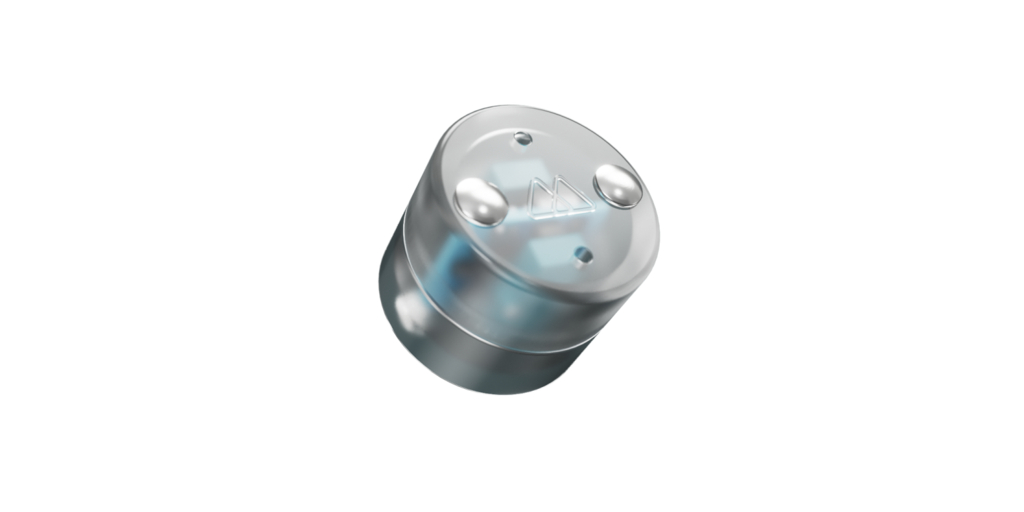
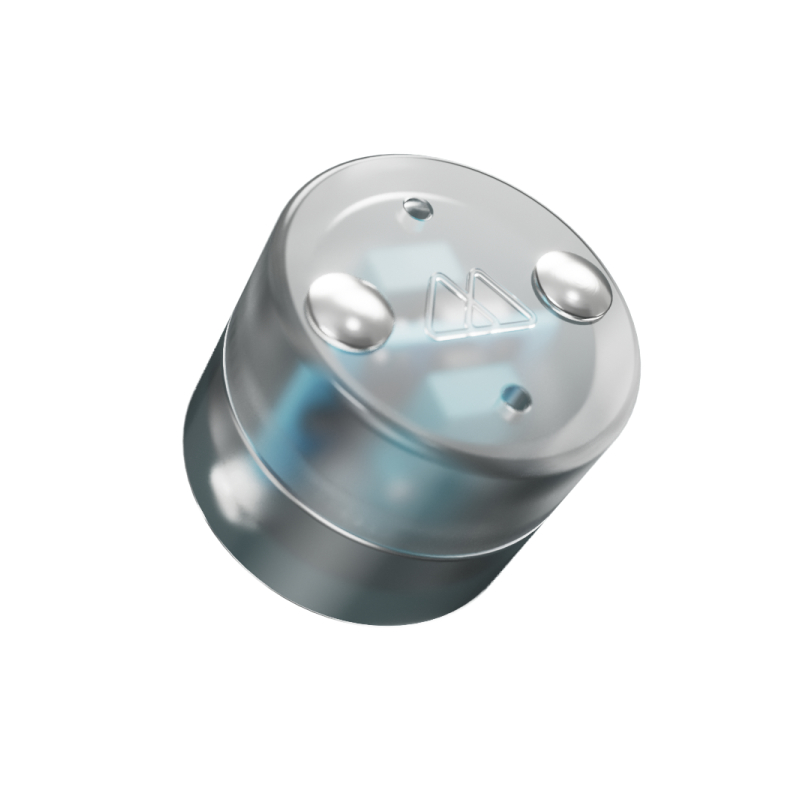
The interface consists of a network of millimeter-sized wireless implants placed in the skull during a 20-minute procedure and designed to be cosmetically invisible. Without contacting the brain, each device will provide cell-type specific stimulation and electrical recording. Arrays like these could span the entire cortical surface, enabling regulation of brain-wide circuits in a way that meets the needs of each patient.

Motif Neurotech will collaborate with research partners under this grant to develop the technology. MintNeuro, a UK startup, will help develop custom integrated circuits that will help to miniaturize the implants. Kaiyuan Yang, an associate professor of Electrical and Computer Engineering department at Rice University will help design circuits for efficient wireless data and power transfer. The Robinson Lab at Rice University will support system integration and testing. Valentin Dragoi, a professor of electrical and computer engineering at Rice, the Rosemary and Daniel J. Harrison III Presidential Distinguished Chair in Neuroprosthetics at Houston Methodist and professor of neuroscience at Weill Cornell Medical College will lead the preclinical animal studies.

The ARIA award is a major milestone for Motif Neurotech and a significant vote of confidence in the company’s technology. This funding will help Motif advance its mission of creating neural devices to help everyone with mental or cognitive disorders live a better life.

About Motif Neurotech

Motif Neurotech is a privately held neurotechnology company developing miniature neural devices to help people regulate their mood, attention, and cognition. The company’s mission is to help everyone live a better life with neural devices. Motif’s first product the DOT, is in clinical development and is designed to address treatment resistant depression (TRD), a condition affecting millions of people in the US and tens of millions of people worldwide.

About ARIA

ARIA is an R&D funding agency created to unlock technological breakthroughs that benefit everyone. Created by an Act of Parliament and sponsored by the Department for Science, Innovation and Technology, we fund teams of scientists and engineers to pursue research at the edge of what is scientifically and technologically possible.

Contacts

Joslyn Williams, joslyn@motifneuro.tech

InnoCare and KeyMed Jointly Announce the License Agreement with Prolium for CD20xCD3 Bispecific Antibody ICP-B02

InnoCare and KeyMed Jointly Announce the License Agreement with Prolium for CD20xCD3 Bispecific Antibody ICP-B02


InnoCare and KeyMed Jointly Announce the License Agreement with Prolium for CD20xCD3 Bispecific Antibody ICP-B02

BEIJING–(BUSINESS WIRE)–InnoCare Pharma (HKEX: 09969; SSE: 688428) and KeyMed Biosciences (HKEX: 02162) today announced that the two companies, together with their joint venture, have jointly entered into an exclusive license agreement with Prolium Bioscience (Prolium) for the development and commercialization of ICP-B02 (CM355), a CD20xCD3 bispecific antibody.


ICP-B02 binds to CD20 on the tumor cells and CD3 on the T cells, redirects and activates T cells to eradicate tumor cells through T-cell Directed Cellular Cytotoxicity (TDCC), which has demonstrated strong potential in both oncology and non-oncology fields.

Under the terms of the agreement, Prolium will have the exclusive right to develop, register, manufacture and commercialize ICP-B02 in the non-oncology field globally and in the oncology field in ex-Asia regions.

InnoCare and KeyMed will receive aggregate payments of up to $520 million, including upfront and near-term payments and other payments subject to the achievement of certain clinical, regulatory and commercial milestones, as well as a minority equity stake in Prolium. InnoCare and KeyMed are also eligible to receive tiered royalties on future net sales of any product resulting from the collaboration.

Prolium is a Delaware company funded and backed by RTW Investments, LP, a New York-based, global, full life-cycle investment firm that focuses on identifying transformational and disruptive innovations across the biopharmaceutical and medical technologies sectors.

About ICP-B02 (CM355)

ICP-B02 is a CD20×CD3 bispecific antibody jointly developed by InnoCare and KeyMed. A Phase I/II clinical trial in China is ongoing to assess the safety, tolerability, PK and the preliminary anti-tumor activity of ICP-B02 in relapsed / refractory Non-Hodgkin lymphoma (NHL). The study has shown promising early results in both intravenous (IV) and subcutaneous (SC) formulations, particularly in patients with follicular lymphoma (FL) and diffuse large B-cell lymphoma (DLBCL). Based on the encouraging results of ICP-B02 single agent, a dose expansion study of ICP-B02 in combination with other immunochemotherapies is planned to target earlier lines of treatment for NHL patients. The IND for the combination therapies has been approved.

About InnoCare

InnoCare is a commercial stage biopharmaceutical company committed to discovering, developing, and commercializing first-in-class and/or best-in-class drugs for the treatment of cancer and autoimmune diseases with unmet medical needs in China and worldwide. InnoCare has branches in Beijing, Nanjing, Shanghai, Guangzhou, Hong Kong, and United States.

About Keymed Biosciences

Keymed Biosciences Inc. (HKEX: 02162) focuses on the urgent unmet clinical needs, and is committed to providing high-quality, affordable, innovative therapies for patients in China and overseas. Keymed was founded by medical and scientific experts who have strong experience in the transformation of scientific and technological achievements to commercialization at home and abroad.

InnoCare Forward-looking Statements

This report contains the disclosure of some forward-looking statements. Except for statements of facts, all other statements can be regarded as forward-looking statements, that is, about our or our management’s intentions, plans, beliefs, or expectations that will or may occur in the future. Such statements are assumptions and estimates made by our management based on its experience and knowledge of historical trends, current conditions, expected future development and other related factors. This forward-looking statement does not guarantee future performance, and actual results, development and business decisions may not match the expectations of the forward-looking statement. Our forward-looking statements are also subject to a large number of risks and uncertainties, which may affect our short-term and long-term performance.

Contacts

KeyMed

Media

Jin Zhao

86+28-88610620

pr@keymedbio.com

Investors

86+28-88610620

ir@keymedbio.com

InnoCare

Media

Chunhua Lu

86+10-66609879

chunhua.lu@innocarepharma.com

Investors

86+10-66609999

ir@Innocarepharma.com

Leaps by Bayer Announces One of the Largest Global Surveys of Society’s Attitudes Toward Breakthrough Technologies

Leaps by Bayer Announces One of the Largest Global Surveys of Society’s Attitudes Toward Breakthrough Technologies


Leaps by Bayer Announces One of the Largest Global Surveys of Society’s Attitudes Toward Breakthrough Technologies

  • The data uncover broad optimism as well as stark regional disparities and cultural obstacles in the West that must be addressed to increase public acceptance of breakthrough innovations
  • More than 13,000 people surveyed in 13 countries representing every continent except Antarctica
  • The survey explored the public’s perceptions of cell and gene therapies, AI in medicine, new genomic techniques (NGTs) in agriculture, and cultivated meat

BERLIN–(BUSINESS WIRE)–As leaders gather for the World Economic Forum Annual Meeting 2025 in Davos, Leaps by Bayer, the impact investing arm of Bayer, and Boston Consulting Group (BCG) announced the launch of one of the largest surveys examining global public sentiment towards transformative technology. The field work was conducted by market research company Ipsos. The Study gleans actionable insights for innovators and leaders who share a responsibility to engage the public. The survey results uncover people’s hopes, fears, and concerns around the world, revealing challenges and opportunities for those working to advance new technologies for human health and nutrition.


Among the key findings:

  • Optimism Toward Science Is Higher in Certain Regions: 72 percent of respondents are optimistic about the direction in which the world is heading in terms of science and technology, far more than other forces in society, such as the economy (39 percent) or politics and global affairs (31 percent). Middle-income countries, e.g.

China (86 percent) and Nigeria (94 percent), are more optimistic about science than high-income countries in the West, like France (53 percent), Germany (54 percent), Italy (66 percent), and the U.S. (68 percent). Japan aligns with other high-income countries (46 percent).

  • The West Suffers From a Trust Crisis: Overall, 62 percent of respondents trust health authorities to act in the public’s best interest, with trust levels significantly lower in the West (France at 48 percent and the U.S. at 56 percent) compared to middleincome countries (e.g., China at 73 percent and Nigeria at 86 percent).
  • AI Is Least Favored In Geographies Where It Is Most Advanced: U.S. respondents are among the least likely to favor AI-supported treatment decisions, with only 50 percent saying that they would be happy for their doctor to use AI in their medical treatment. This is significant given that the U.S. already has 950 AI/ML-enabled medical devices cleared by the FDA, primarily in radiology.
  • People Are Largely Supportive of NGTs Despite Government Restrictions: Most respondents (56 percent globally) feel positively towards the use of new genomic techniques (NGTs) in agriculture, especially if such techniques are used to make crops more resistant to climate change. 47 percent of European respondents hold a positive view of NGTs and 34 percent are neutral, while only 12 percent hold a negative view. This openness is compelling, considering NGT usage remains heavily restricted in the European Union.
  • Skepticism Is Fueled By a Lack of Knowledge and Trust: The study found a clear correlation between how much respondents know about a type of innovation and how optimistically they feel about it. Likewise, the more they distrust their health authorities, the less optimism they feel about scientific breakthroughs.
  • Widespread Optimism for Cell and Gene Therapies: Demographic groups, from Millennials (78 percent) to Boomers (70 percent), are optimistic about cell and gene therapies, and 59 percent of global respondents agree it is worth developing a cure for a disease even if only a few can afford it.

“We understand that addressing the world’s greatest challenges requires more than investing in transformative technologies—it demands building societal acceptance. This begins with actively listening to people’s hopes and concerns about breakthrough science,” said Dr. Juergen Eckhardt, EVP and head of Leaps by Bayer. “I’m grateful for the collaboration with BCG on the Breakthrough Study, and confident it will equip innovators across our field to engage society more meaningfully and effectively.” “Despite strong optimism about science and technology, many remain neutral toward breakthrough innovations,” reflects Dr. Friedrich Moeckel, Managing Director and Partner, BCG Geneva. “This neutrality is an opportunity: by building trust and closing knowledge gaps, we can inspire greater understanding of how these advancements improve lives and address global challenges.”

At a time when geopolitical transitions take the spotlight, society’s need for solutions to climate change, strained healthcare systems, and global nutrition remains as strong as ever. But emerging technologies alone are only part of the answer. Increased knowledge and trust are paramount to public acceptance of emerging technologies that stand to improve human health and wellbeing.

Note:

Read the full report here:

leaps.bayer.com/breakthroughstudy.pdf

About Bayer

Bayer is a global enterprise with core competencies in the life science fields of health care and nutrition. In line with its mission, “Health for all, Hunger for none,” the company’s products and services are designed to help people and the planet thrive by supporting efforts to master the major challenges presented by a growing and aging global population. Bayer is committed to driving sustainable development and generating a positive impact with its businesses. At the same time, the Group aims to increase its earning power and create value through innovation and growth. The Bayer brand stands for trust, reliability and quality throughout the world. In fiscal 2023, the Group employed around 100,000 people and had sales of 47.6 billion euros. R&D expenses before special items amounted to 5.8 billion euros. For more information, go to www.bayer.com.

About Leaps by Bayer

Leaps by Bayer aims to solve ten of the world’s biggest challenges through scientific breakthroughs. As the impact investment unit of Bayer, we have invested over $2 billion in more than 65 companies pursuing breakthroughs in health and agriculture. Through these investments in emerging platforms and technologies, we aim to conquer ten significant challenges or ‘Leaps’. www.leaps.bayer.com

About BCG

Boston Consulting Group partners with leaders in business and society to tackle their most important challenges and capture their greatest opportunities. BCG was the pioneer in business strategy when it was founded in 1963. Today, we work closely with clients to embrace a transformational approach aimed at benefiting all stakeholders—empowering organizations to grow, build sustainable competitive advantage, and drive positive societal impact.

Our diverse, global teams bring deep industry and functional expertise and a range of perspectives that question the status quo and spark change. BCG delivers solutions through leading-edge management consulting, technology and design, and corporate and digital ventures. We work in a uniquely collaborative model across the firm and throughout all levels of the client organization, fueled by the goal of helping our clients thrive and enabling them to make the world a better place.

Forward-Looking Statements

This release may contain forward-looking statements based on current assumptions and forecasts made by Bayer management. Various known and unknown risks, uncertainties and other factors could lead to material differences between the actual future results, financial situation, development or performance of the company and the estimates given here. These factors include those discussed in Bayer’s public reports which are available on the Bayer website at www.bayer.com. The company assumes no liability whatsoever to update these forward-looking statements or to conform them to future events or developments.

Contacts

Contact for media inquiries:
Kira Peikoff, phone +1 973 791 3348
Email: kira.peikoff@bayer.com