PQE Group Joins Project-COMFORT to Advance Patient-Centric Blood Collection and Diagnostics

PQE Group Joins Project-COMFORT to Advance Patient-Centric Blood Collection and Diagnostics


PQE Group Joins Project-COMFORT to Advance Patient-Centric Blood Collection and Diagnostics

ROME–(BUSINESS WIRE)–#BloodMicrosampling–PQE Group, a global consulting firm specializing in Life Sciences, is proud to contribute its expertise as a strategic partner in the Project-COMFORT consortium. This innovative public-private partnership, funded by Horizon Europe and supported by the Innovative Health Initiative Joint Undertaking (IHI JU), officially launched in November 2024, marking a transformative shift in blood collection and diagnostics. The ambitious 42-month project brings together 51 organizations from a broad spectrum of sectors, including academia, research institutions, hospitals, foundations, SMEs, medical technology, and pharmaceutical companies, all united by the mission to simplify, reduce the invasiveness of, and increase accessibility to blood collection through cutting-edge, patient-centered microsampling technology.


“We are proud to collaborate on this groundbreaking project, which perfectly aligns with our commitment to advancing healthcare solutions that prioritize patients,” said Luca Zanotti Fragonara, Advanced Technologies Competence Center Lead at PQE Group. “Together with our partners, we aim to make blood collection and diagnostics more accessible, comfortable, and efficient, ultimately improving health outcomes globally.”

On behalf of the consortium, Project Leader Antoniu L. Fantana, PhD, Sr. Director, Eli Lilly and Company stated: “Our goal is to redefine diagnostics by placing patient needs at the forefront and expanding healthcare access globally. Together with 51 dedicated organizations, we are committed to establishing a new standard in blood collection and diagnostics that combines patient comfort and accessibility with higher quality data.”

Traditional blood collection methods, such as venipuncture, can be burdensome and uncomfortable, particularly for patients with limited mobility, children, the elderly, and those in rural or underserved areas. The need to visit a clinical setting often poses additional challenges, including time, cost, and travel barriers. Project-COMFORT addresses these obstacles head-on by advancing Patient-Centric Microsampling — an approach allowing smaller blood samples to be collected comfortably at home or in other convenient locations. This shift will greatly enhance diagnostic accessibility, reduce patient discomfort, and make timely health monitoring a reality for those who need it most.

“By offering a minimally invasive, patient-friendly alternative, microsampling represents a major step forward in democratizing healthcare access,” noted Scientific Coordinator Chi Pakarinen. “Our project is about breaking down barriers to care and reimagining blood diagnostics as an inclusive, adaptable service that meets patients where they are.”

Project-COMFORT leverages the diverse expertise of its partners, blending insights from healthcare providers, research institutions, patient advocacy groups, and technology innovators. The aim is to also involve regulatory and HTA experts from the start to ensure the best chances for successful project implementation and better uptake of project results. This unique collaboration integrates advanced clinical research, regulatory compliance, and technological development, creating a robust foundation for microsampling to emerge as a recognized standard. With expertise spanning a broad array of disciplines, the consortium partners are collectively building a model that can lead to more patient-centered, efficient healthcare in the future.

“At the heart of Project-COMFORT is a commitment to patient-centered innovation,” said Administrative Coordinator Professor Georgios Theodoridis, School of Chemistry, Aristotle University of Thessaloniki. “This project holds groundbreaking potential to make Patient-Centric Microsampling an accepted alternative to traditional blood draws, fundamentally transforming the diagnostic experience for patients. By reducing the burden of testing and enhancing accessibility, we are paving the way for data-driven healthcare advancements that will improve patient outcomes and support more effective healthcare planning worldwide.”

The project’s ultimate goal is to generate impactful, data-driven insights that not only improve individual patient care but also guide public health strategies. The rich data made available through microsampling technology has the potential to influence healthcare policy, resource allocation, and preventive care measures, leading to a healthier, more resilient population.

With this launch, Project-COMFORT embarks on a journey of global impact, backed by €6,6 million in funding and an unparalleled commitment from its diverse network of partners. By engaging patient communities, healthcare providers, and regulatory bodies from the outset, the project will ensure that each stage of development is attuned to real-world needs and expectations. As Project-COMFORT progresses, regular updates and collaboration opportunities will be shared to welcome stakeholders into this groundbreaking healthcare transformation.

Contacts

Media Contact:
Michela Lijoi – m.lijoi@pqegroup.com

CEL-SCI Announces Pricing of $5 Million Public Offering

CEL-SCI Announces Pricing of $5 Million Public Offering


CEL-SCI Announces Pricing of $5 Million Public Offering

VIENNA, Va.–(BUSINESS WIRE)–$CVM–CEL-SCI Corporation (“CEL-SCI” or the “Company”) (NYSE American: CVM), a Phase 3 cancer immunotherapy company, today announced the pricing of a best-efforts public offering of 16,130,000 shares of its common stock (or pre-funded warrants (“Pre-Funded Warrants”) in lieu thereof). Each share of common stock (or Pre-Funded Warrant) is being sold at a public offering price of $0.31 per share (inclusive of the Pre-Funded Warrant exercise price). Total gross proceeds from the offering, before deducting the placement agent’s fees and other offering expenses, are expected to be approximately $5,000,000. The offering is expected to close on December 31, 2024, subject to satisfaction of customary closing conditions.


The Company intends to use the net proceeds from the offering to fund the continued development of Multikine, general corporate purposes, and working capital.

ThinkEquity is acting as sole placement agent for the offering.

The securities will be offered and sold pursuant to a shelf registration statement on Form S-3 (File No. 333-265995), including a base prospectus, filed with the U.S. Securities and Exchange Commission (the “SEC”) on July 1, 2022, and declared effective on July 15, 2022. The offering will be made only by means of a written prospectus. A final prospectus supplement and accompanying prospectus describing the terms of the offering will be filed with the SEC on its website at www.sec.gov. Copies of the prospectus supplement and the accompanying prospectus relating to the offering may also be obtained, when available, from the offices of ThinkEquity, 17 State Street, 41st Floor, New York, New York 10004.

This press release shall not constitute an offer to sell or a solicitation of an offer to buy, nor shall there be any sale of these securities in any state or jurisdiction in which such an offer, solicitation or sale would be unlawful prior to registration or qualification under the securities laws of any such state or jurisdiction.

About CEL-SCI Corporation

CEL-SCI believes that boosting a patient’s immune system while it is still intact should provide the greatest possible impact on survival. Multikine is designed to help the immune system “target” the tumor at a time when the immune system is still relatively intact and thereby thought to be better able to mount an attack on the tumor.

Multikine (Leukocyte Interleukin, Injection), a true first-line cancer therapy, has been dosed in over 740 patients and received Orphan Drug designation from the FDA for neoadjuvant therapy in patients with squamous cell carcinoma (cancer) of the head and neck. Based on the data from the completed randomized controlled Phase 3 study, the FDA concurred with CEL-SCI’s target patient selection criteria and gave the go-ahead to conduct a confirmatory Registration Study which will enroll 212 patients. CEL-SCI will enroll newly diagnosed locally advanced primary treatment naïve resectable head and neck cancer patients with no lymph node involvement (determined via PET scan) and with low PD-L1 tumor expression (determined via biopsy), representing about 100,000 patients annually.

The Company has operations in Vienna, Virginia, and near/in Baltimore, Maryland.

Forward-Looking Statements

This press release contains forward-looking statements within the meaning of Section 27A of the Securities Act of 1933, as amended, and Section 21E of the Securities Exchange Act of 1934, as amended. When used in this press release, the words “intends,” “believes,” “anticipated,” “plans” and “expects,” and similar expressions, are intended to identify forward-looking statements. Such statements are subject to risks and uncertainties that could cause actual results to differ materially from those projected. Such statements include, but are not limited to, statements about the expected proceeds, use of proceeds and closing of the offering. Factors that could cause or contribute to such differences include an inability to duplicate the clinical results demonstrated in clinical studies, timely development of any potential products that can be shown to be safe and effective, receiving necessary regulatory approvals, difficulties in manufacturing any of the Company’s potential products, inability to raise the necessary capital and the risk factors set forth from time to time in CEL-SCI’s filings with the Securities and Exchange Commission, including but not limited to its report on Form 10-K for the year ended September 30, 2023. The Company undertakes no obligation to publicly release the result of any revision to these forward-looking statements which may be made to reflect the events or circumstances after the date hereof or to reflect the occurrence of unanticipated events.

* Multikine (Leukocyte Interleukin, Injection) is the trademark that CEL-SCI has registered for this investigational therapy. This proprietary name is subject to FDA review in connection with the Company’s future anticipated regulatory submission for approval. Multikine has not been licensed or approved for sale, barter or exchange by the FDA or any other regulatory agency. Similarly, its safety or efficacy has not been established for any use.

Contacts

Gavin de Windt

CEL-SCI Corporation

(703) 506-9460


U.S. Food and Drug Administration Approves Opdivo Qvantig™ (nivolumab and hyaluronidase-nvhy) Injection, for Subcutaneous Use in Most Previously Approved Adult, Solid Tumor Opdivo® (nivolumab) Indications1,2

U.S. Food and Drug Administration Approves Opdivo Qvantig™ (nivolumab and hyaluronidase-nvhy) Injection, for Subcutaneous Use in Most Previously Approved Adult, Solid Tumor Opdivo® (nivolumab) Indications1,2


U.S. Food and Drug Administration Approves Opdivo Qvantig™ (nivolumab and hyaluronidase-nvhy) Injection, for Subcutaneous Use in Most Previously Approved Adult, Solid Tumor Opdivo® (nivolumab) Indications1,2

Opdivo Qvantig is the first and only subcutaneously administered PD-1 inhibitor1

Given over three- to five-minutes, Opdivo Qvantig demonstrated consistent efficacy and showed a comparable safety profile to intravenous Opdivo in the Phase 3 CheckMate-67T trial1,3

PRINCETON, N.J.–(BUSINESS WIRE)–$BMY #CheckMateBristol Myers Squibb (NYSE: BMY) today announced that the U.S. Food and Drug Administration (FDA) granted approval for Opdivo Qvantig™ (nivolumab and hyaluronidase-nvhy) injection for subcutaneous use, a combination product of nivolumab co-formulated with recombinant human hyaluronidase (rHuPH20), in most previously approved adult, solid tumor Opdivo indications as monotherapy, monotherapy maintenance following completion of Opdivo plus Yervoy® (ipilimumab) combination therapy, or in combination with chemotherapy or cabozantinib.1,2 The approval is based on the results from the Phase 3 randomized, open-label CheckMate-67T trial, which demonstrated non-inferior co-primary pharmacokinetic (PK) exposures, similar efficacy in overall response rate (ORR), and showed a comparable safety profile vs. intravenous (IV) Opdivo.1,3


“This approval of subcutaneous nivolumab gives our patients a new option that can deliver consistent efficacy and comparable safety expected from IV nivolumab, and offers a patient-centric treatment experience,” said Professor Dr. Saby George, MD, FACP, medical oncologist and director of network clinical trials at Roswell Park Comprehensive Cancer Center.1Opdivo Qvantig offers faster administration*, delivered in three to five minutes. It may allow patients, in consultation with their doctors, to choose another treatment method and the flexibility to receive treatment closer to home.”1,2

In the trial, noninferiority was demonstrated for the co-primary endpoints of time-averaged concentration over 28 days (Cavgd28) and minimum concentration at steady state (Cminss) of Opdivo Qvantig vs. IV Opdivo.1,3 The geometric mean ratios (GMRs) for Cavgd28 was 2.10 (90% CI: 2.00-2.20) and the GMR for Cminss was 1.77 (90% CI: 1.63-1.93).1 As a key powered secondary endpoint, the overall response rate (ORR) in the Opdivo Qvantig arm (n=248) was 24% (95% CI: 19-30) compared with 18% (95% CI: 14-24) in the IV Opdivo arm (n=247), showing that Opdivo Qvantig has similar efficacy compared to IV Opdivo.1

Subcutaneous administration may offer flexibility to receive treatment where it is best for patients and their providers, and may reduce steps required for preparation and time needed for administration.5,6,7,8,9,10 In the CM–67T trial, average administration time with Opdivo Qvantig was approximately five minutes, and most patients received all doses of the study medication without an injection interruption or dose delay.3 With this approval, Opdivo Qvantig is now the first and only subcutaneously administered PD-1 inhibitor, offering a faster delivery for patients to receive this immunotherapy treatment option in three to five minutes compared to 30-minute IV Opdivo.1,2

Opdivo and Opdivo Qvantig are associated with the following Warnings and Precautions: severe and fatal immune-mediated adverse reactions including pneumonitis, colitis, hepatitis and hepatotoxicity, endocrinopathies, nephritis with renal dysfunction, dermatologic adverse reactions, other immune-mediated adverse reactions; complications of allogeneic hematopoietic stem cell transplantation (HSCT); embryo-fetal toxicity; and increased mortality in patients with multiple myeloma when Opdivo or Opdivo Qvantig are added to a thalidomide analogue and dexamethasone, which is not recommended outside of controlled clinical trials. Opdivo is associated with infusion related reactions. Please see Important Safety Information below.

“At Bristol Myers Squibb, we are committed to helping patients in all aspects of their healthcare journey,” said Adam Lenkowsky, executive vice president and chief commercialization officer. “Over the last decade, Opdivo has evolved as an immunotherapy option used in many indications across tumor types.9 With this new option, we look forward to further helping cancer patients with an administration method that gives them faster delivery.”1,2

“Receiving a cancer diagnosis can be frightening and stressful,” said Audrey Davis, LPC and Senior Director of Programs and Health Equity at the Cancer Support Community. “Having a treatment option that may offer patients flexibility to receive treatment outside of traditional hospital settings and reduce the administration time is important.7,8,9,10 It’s exciting to see these continued advancements with immunotherapy administration that may offer another choice for patients and caregivers navigating this difficult journey.”9

*Refers to the injection time and does not include other aspects of treatment; actual clinic time may vary.

About CheckMate-67T

CheckMate-67T was a Phase 3, randomized, open-label, noninferiority trial evaluating Opdivo Qvantig compared to intravenous (IV) Opdivo, in adult patients with advanced or metastatic clear cell renal cell carcinoma (ccRCC) who received prior systemic therapy.1,3 A total of 495 patients were randomized to receive either Opdivo Qvantig (1,200 mg of nivolumab and 20,000 units of hyaluronidase) every 4 weeks subcutaneously (n = 248), or Opdivo 3 mg/kg every 2 weeks intravenously (n = 247).1 The coprimary endpoints were time-averaged concentration over 28 days (Cavgd28) and minimum concentration at steady state (Cminss).1,3 The key powered secondary endpoint was overall response rate, as assessed by blinded independent central review.2

Select Safety Profile from CheckMate-67T

Serious adverse reactions occurred in 28% of patients receiving Opdivo Qvantig (n=247).1 The most frequent serious adverse reactions reported in >1% of patients who received Opdivo Qvantig were pleural effusion (1.6%), pneumonitis (1.6%), hyperglycemia (1.2%), hyperkalemia (1.2%), hemorrhage (1.2%) and diarrhea (1.2%).1 The most common adverse reactions (≥10%) in patients treated with Opdivo Qvantig (n=247) were musculoskeletal pain (31%), fatigue (20%), pruritus (16%), rash (15%), hypothyroidism (12%), diarrhea (11%), cough (11%), and abdominal pain (10%). Fatal adverse reactions occurred in 3 (1.2%) patients who received Opdivo Qvantig; these included myocarditis, myositis, and colitis complications.1 Study therapy was discontinued in 10% of patients due to adverse reactions.1 The safety profile of Opdivo Qvantig was comparable with the safety profile of IV Opdivo.1

About Subcutaneous Administration

Subcutaneous administration is delivery of treatment beneath the skin and is an alternative to IV infusion.10 There are several potential benefits of subcutaneous administration: it may offer the flexibility to provide and receive treatment where it is best for the healthcare provider and patient, may impact infusion chair capacity, and may reduce time spent preparing and administering treatment.5,6,7,8,9,10 It may also simplify administering treatment for patients who have difficult-to-access veins or do not want a port.11 Subcutaneous treatment has the potential to be administered by a healthcare professional without site of care restrictions.9

INDICATIONS

OPDIVO QVANTIG™ (nivolumab and hyaluronidase), as monotherapy, is indicated for the first-line treatment of adult patients with intermediate or poor risk advanced renal cell carcinoma (RCC), following treatment with intravenous nivolumab and ipilimumab combination therapy.

Limitations of Use: OPDIVO QVANTIG is not indicated in combination with ipilimumab for the treatment of renal cell carcinoma.

OPDIVO QVANTIG™ (nivolumab and hyaluronidase), in combination with cabozantinib, is indicated for the first- line treatment of adult patients with advanced renal cell carcinoma (RCC).

OPDIVO QVANTIG™ (nivolumab and hyaluronidase), as monotherapy, is indicated for the treatment of adult patients with advanced renal cell carcinoma (RCC) who have received prior anti-angiogenic therapy.

OPDIVO QVANTIG™ (nivolumab and hyaluronidase), as monotherapy, is indicated for the treatment of adult patients with unresectable or metastatic melanoma.

OPDIVO QVANTIG™ (nivolumab and hyaluronidase), as monotherapy, is indicated for the treatment of adult patients with unresectable or metastatic melanoma following treatment with intravenous nivolumab and ipilimumab combination therapy.

Limitations of Use: OPDIVO QVANTIG is not indicated in combination with ipilimumab for treatment of unresectable or metastatic melanoma.

OPDIVO QVANTIG™ (nivolumab and hyaluronidase), as monotherapy, is indicated for the adjuvant treatment of adult patients with completely resected Stage IIB, Stage IIC, Stage III, or Stage IV melanoma.

OPDIVO QVANTIG™ (nivolumab and hyaluronidase), in combination with platinum-doublet chemotherapy, is indicated as neoadjuvant treatment of adult patients with resectable (tumors ≥4 cm or node positive) non-small cell lung cancer (NSCLC).

OPDIVO QVANTIG™ (nivolumab and hyaluronidase), in combination with platinum-doublet chemotherapy, is indicated for the neoadjuvant treatment of adult patients with resectable (tumors >/=4 cm or node positive) non- small cell lung cancer (NSCLC) and no known epidermal growth factor receptor (EGFR) mutations or anaplastic lymphoma kinase (ALK) rearrangements, followed by single-agent OPDIVO QVANTIG as monotherapy in the adjuvant setting after surgical resection.

OPDIVO QVANTIG ™ (nivolumab and hyaluronidase), as monotherapy, is indicated for the treatment of adult patients with metastatic non-small cell lung cancer (NSCLC) with progression on or after platinum-based chemotherapy. Patients with EGFR or ALK genomic tumor aberrations should have disease progression on FDA-approved therapy for these aberrations prior to receiving OPDIVO QVANTIG.

Limitations of Use: OPDIVO QVANTIG is not indicated in combination with ipilimumab for the treatment of metastatic NSCLC.

OPDIVO QVANTIG™ (nivolumab and hyaluronidase), as monotherapy, is indicated for the treatment of adult patients with recurrent or metastatic squamous cell carcinoma of the head and neck (SCCHN) with disease progression on or after platinum-based therapy.

OPDIVO QVANTIG™ (nivolumab and hyaluronidase), as monotherapy, is indicated for the adjuvant treatment of adult patients with urothelial carcinoma (UC) who are at high risk of recurrence after undergoing radical resection of UC.

OPDIVO QVANTIG™ (nivolumab and hyaluronidase), in combination with cisplatin and gemcitabine, is indicated for the first-line treatment of adult patients with unresectable or metastatic urothelial carcinoma (UC).

OPDIVO QVANTIG™ (nivolumab and hyaluronidase), as monotherapy, is indicated for the treatment of adult patients with locally advanced or metastatic urothelial carcinoma (UC) who have disease progression during or following platinum-containing chemotherapy or have disease progression within 12 months of neoadjuvant or adjuvant treatment with platinum-containing chemotherapy.

OPDIVO QVANTIG™ (nivolumab and hyaluronidase), as monotherapy, is indicated for the adjuvant treatment of completely resected esophageal or gastroesophageal junction cancer with residual pathologic disease in adult patients who have received neoadjuvant chemoradiotherapy (CRT).

OPDIVO QVANTIG™ (nivolumab and hyaluronidase) in combination with fluoropyrimidine- and platinum- containing chemotherapy, is indicated for the first-line treatment of adult patients with unresectable advanced or metastatic esophageal squamous cell carcinoma (ESCC).

Limitations of Use: OPDIVO QVANTIG is not indicated in combination with ipilimumab for the treatment of patients with unresectable advanced or metastatic ESCC.

OPDIVO QVANTIG™ (nivolumab and hyaluronidase) as monotherapy, is indicated for the treatment of adult patients with unresectable advanced, recurrent or metastatic esophageal squamous cell carcinoma (ESCC) after prior fluoropyrimidine- and platinum-based chemotherapy.

OPDIVO QVANTIG™ (nivolumab and hyaluronidase) in combination with fluoropyrimidine- and platinum- containing chemotherapy, is indicated for the treatment of adult patients with advanced or metastatic gastric cancer, gastroesophageal junction cancer, and esophageal adenocarcinoma.

IMPORTANT SAFETY INFORMATION

Severe and Fatal Immune-Mediated Adverse Reactions

Immune-mediated adverse reactions, which may be severe or fatal, can occur in any organ system or tissue. While immune-mediated adverse reactions usually manifest during treatment, they can also occur after discontinuation of OPDIVO QVANTIG. Early identification and management are essential to ensure safe use of OPDIVO QVANTIG. Monitor for signs and symptoms that may be clinical manifestations of underlying immune- mediated adverse reactions. Evaluate clinical chemistries including liver enzymes, creatinine, and thyroid function at baseline and periodically during treatment. In cases of suspected immune-mediated adverse reactions, initiate appropriate workup to exclude alternative etiologies, including infection. Institute medical management promptly, including specialty consultation as appropriate.

Withhold or permanently discontinue OPDIVO QVANTIG depending on severity [please see Section 2 Dosage and Administration in the accompanying Full Prescribing Information]. In general, if OPDIVO QVANTIG interruption or discontinuation is required, administer systemic corticosteroid therapy (1 to 2 mg/kg/day prednisone or equivalent) until improvement to Grade 1 or less. Upon improvement to Grade 1 or less, initiate corticosteroid taper and continue to taper over for at least 1 month. Consider administration of other systemic immunosuppressants in patients whose immune-mediated adverse reactions are not controlled with corticosteroid therapy.

Toxicity management guidelines for adverse reactions that do not necessarily require systemic steroids (e.g., endocrinopathies and dermatologic reactions) are discussed below.

Immune-Mediated Pneumonitis

OPDIVO QVANTIG can cause immune-mediated pneumonitis. The incidence of pneumonitis is higher in patients who have received prior thoracic radiation.

Immune-mediated pneumonitis occurred in 2.8% (7/247) of patients receiving OPDIVO QVANTIG, including Grade 3 (0.8%) and Grade 2 (2.0%) adverse reactions.

Immune-Mediated Colitis

OPDIVO QVANTIG can cause immune-mediated colitis. A common symptom included in the definition of colitis was diarrhea. Cytomegalovirus (CMV) infection/reactivation has been reported in patients with corticosteroid- refractory immune-mediated colitis. In cases of corticosteroid-refractory colitis, consider repeating infectious workup to exclude alternative etiologies.

Immune-mediated colitis occurred in 2.8% (7/247) of patients receiving OPDIVO QVANTIG, including Grade 3 (0.4%) and Grade 2 (2.4%) adverse reactions.

Immune-Mediated Hepatitis and Hepatotoxicity

OPDIVO QVANTIG can cause immune-mediated hepatitis.

Immune-mediated hepatitis occurred in 2.4% (6/247) of patients receiving OPDIVO QVANTIG, including Grade 3 (1.6%), and Grade 2 (0.8%) adverse reactions. Intravenous nivolumab in combination with cabozantinib can cause hepatic toxicity with higher frequencies of Grade 3 and 4 ALT and AST elevations compared to intravenous nivolumab alone. Consider more frequent monitoring of liver enzymes as compared to when the drugs are administered as single agents. With the combination of intravenous nivolumab and cabozantinib, Grades 3 and 4 increased ALT or AST were seen in 11% (35/320) of patients.

Immune-Mediated Endocrinopathies

OPDIVO QVANTIG can cause primary or secondary adrenal insufficiency, immune-mediated hypophysitis, immune-mediated thyroid disorders, and Type 1 diabetes mellitus, which can present with diabetic ketoacidosis. Withhold OPDIVO QVANTIG depending on severity [please see section 2 Dosage and Administration in the accompanying Full Prescribing Information]. For Grade 2 or higher adrenal insufficiency, initiate symptomatic treatment, including hormone replacement as clinically indicated. Hypophysitis can present with acute symptoms associated with mass effect such as headache, photophobia, or visual field defects. Hypophysitis can cause hypopituitarism; initiate hormone replacement as clinically indicated. Thyroiditis can present with or without endocrinopathy. Hypothyroidism can follow hyperthyroidism; initiate hormone replacement or medical management as clinically indicated. Monitor patients for hyperglycemia or other signs and symptoms of diabetes; initiate treatment with insulin as clinically indicated.

Adrenal insufficiency occurred in 2% (5/247) of patients receiving OPDIVO QVANTIG, including Grade 3 (0.8%) and Grade 2 (1.2%) adverse reactions. Adrenal insufficiency occurred in 4.7% (15/320) of patients with RCC who received intravenous nivolumab with cabozantinib, including Grade 3 (2.2%) and Grade 2 (1.9%) adverse reactions. Hypophysitis occurred in 0.6% (12/1994) of patients treated with single agent intravenous nivolumab, including Grade 3 (0.2%) and Grade 2 (0.3%). Thyroiditis occurred in 0.4% (1/247) of patients receiving OPDIVO QVANTIG, including a Grade 1 (0.4%) adverse reaction.

Hyperthyroidism occurred in 0.8% (2/247) of patients receiving OPDIVO QVANTIG, including Grade 2 (0.4%) adverse reactions. Hypothyroidism occurred in 9% (23/247) of patients receiving OPDIVO QVANTIG, including Grade 2 (5.7%) adverse reactions.

Grade 3 diabetes occurred in 0.4% (1/247) of patients receiving OPDIVO QVANTIG.

Immune-Mediated Nephritis with Renal Dysfunction

OPDIVO QVANTIG can cause immune-mediated nephritis.

Grade 2 immune-mediated nephritis and renal dysfunction occurred in 1.2% (3/247) of patients receiving OPDIVO QVANTIG.

Immune-Mediated Dermatologic Adverse Reactions

OPDIVO QVANTIG can cause immune-mediated rash or dermatitis. Exfoliative dermatitis, including Stevens- Johnson Syndrome, toxic epidermal necrolysis (TEN), and DRESS (drug rash with eosinophilia and systemic symptoms), has occurred with PD-1/PD-L1 blocking antibodies. Topical emollients and/or topical corticosteroids may be adequate to treat mild to moderate non-exfoliative rashes. Withhold or permanently discontinue OPDIVO QVANTIG depending on severity (please see section 2 Dosage and Administration in the accompanying Full Prescribing Information).

Immune-mediated rash occurred in 7% (17/247) of patients, including Grade 3 (0.8%) and Grade 2 (2.8%) adverse reactions.

Other Immune-Mediated Adverse Reactions

The following clinically significant immune-mediated adverse reactions occurred at an incidence of <1% (unless otherwise noted) in patients who received OPDIVO QVANTIG or intravenous nivolumab as single agent or in combination with chemotherapy or immunotherapy, or were reported with the use of other PD-1/PD-L1 blocking antibodies. Severe or fatal cases have been reported for some of these adverse reactions: cardiac/vascular: myocarditis, pericarditis, vasculitis; nervous system: meningitis, encephalitis, myelitis and demyelination, myasthenic syndrome/myasthenia gravis (including exacerbation), Guillain-Barré syndrome, nerve paresis, autoimmune neuropathy; ocular: uveitis, iritis, and other ocular inflammatory toxicities can occur; gastrointestinal: pancreatitis to include increases in serum amylase and lipase levels, gastritis, duodenitis; musculoskeletal and connective tissue: myositis/polymyositis, rhabdomyolysis, and associated sequelae including renal failure, arthritis, polymyalgia rheumatica; endocrine: hypoparathyroidism; other (hematologic/immune): hemolytic anemia, aplastic anemia, hemophagocytic lymphohistiocytosis (HLH), systemic inflammatory response syndrome, histiocytic necrotizing lymphadenitis (Kikuchi lymphadenitis), sarcoidosis, immune thrombocytopenic purpura, solid organ transplant rejection, other transplant (including corneal graft) rejection.

Some ocular IMAR cases can be associated with retinal detachment. Various grades of visual impairment, including blindness, can occur. If uveitis occurs in combination with other immune-mediated adverse reactions, consider a Vogt-Koyanagi-Harada–like syndrome, as this may require treatment with systemic corticosteroids to reduce the risk of permanent vision loss.

Complications of Allogeneic Hematopoietic Stem Cell Transplantation

Fatal and other serious complications can occur in patients who receive allogeneic hematopoietic stem cell transplantation (HSCT) before or after being treated with OPDIVO QVANTIG. Transplant-related complications include hyperacute graft-versus-host-disease (GVHD), acute GVHD, chronic GVHD, hepatic veno-occlusive disease (VOD) after reduced intensity conditioning, and steroid-requiring febrile syndrome (without an identified infectious cause). These complications may occur despite intervening therapy between OPDIVO QVANTIG and allogeneic HSCT.

Follow patients closely for evidence of transplant-related complications and intervene promptly. Consider the benefit versus risks of treatment with OPDIVO QVANTIG prior to or after an allogeneic HSCT.

Embryo-Fetal Toxicity

Based on its mechanism of action and data from animal studies, OPDIVO QVANTIG can cause fetal harm when administered to a pregnant woman. In animal reproduction studies, administration of nivolumab to cynomolgus monkeys from the onset of organogenesis through delivery resulted in increased abortion and premature infant death. Advise pregnant women of the potential risk to a fetus. Advise females of reproductive potential to use effective contraception during treatment with OPDIVO QVANTIG and for 5 months after the last dose.

Increased Mortality in Patients with Multiple Myeloma when Nivolumab Is Added to a Thalidomide Analogue and Dexamethasone

In randomized clinical trials in patients with multiple myeloma, the addition of a PD-1 blocking antibody, including intravenous nivolumab, to a thalidomide analogue plus dexamethasone, a use for which no PD-1 or PD-L1 blocking antibody is indicated, resulted in increased mortality. Treatment of patients with multiple myeloma with a PD-1 or PD-L1 blocking antibody in combination with a thalidomide analogue plus dexamethasone is not recommended outside of controlled clinical trials.

Lactation

There are no data on the presence of nivolumab or hyaluronidase in human milk, the effects on the breastfed child, or the effects on milk production. Because of the potential for serious adverse reactions in the breastfed child, advise women not to breastfeed during treatment and for 5 months after the last dose of OPDIVO QVANTIG.

Serious Adverse Reactions

In Checkmate 67T, serious adverse reactions occurred in 28% of patients who received OPDIVO QVANTIG (n=247). Serious adverse reactions in >1% of patients included pleural effusion (1.6%), pneumonitis (1.6%), hyperglycemia (1.2%), hyperkalemia (1.2%), hemorrhage (1.2%) and diarrhea (1.2%). Fatal adverse reactions occurred in 3 patients (1.2%) who received OPDIVO QVANTIG and included myocarditis, myositis, and colitis complications.

Contacts

Bristol Myers Squibb

Media Inquiries:
media@bms.com

Investors:
investor.relations@bms.com

Read full story here

CEL-SCI Announces Proposed Public Offering of Common Stock

CEL-SCI Announces Proposed Public Offering of Common Stock


CEL-SCI Announces Proposed Public Offering of Common Stock

VIENNA, Va.–(BUSINESS WIRE)–$CVM–CEL-SCI Corporation (“CEL-SCI” or the “Company”) (NYSE American: CVM), a clinical stage cancer immunotherapy company, today announced that it intends to offer to sell shares of its common stock (and/or pre-funded warrants in lieu thereof) in a best efforts public offering. The offering is subject to market conditions and there can be no assurance as to whether or when the offering may be completed, or as to the actual size or terms of the offering.


The Company intends to use the net proceeds from this offering to fund the continued development of Multikine*, for general corporate purposes, and working capital.

ThinkEquity is acting as sole placement agent for the offering.

The securities will be offered and sold pursuant to a shelf registration statement on Form S-3 (File No. 333-265995), including a base prospectus, filed with the U.S. Securities and Exchange Commission (the “SEC”) on July 1, 2022 and declared effective on July 15, 2022. The offering will be made only by means of a written prospectus. A preliminary prospectus supplement and accompanying base prospectus describing the terms of the offering has been or will be filed with the SEC on its website at www.sec.gov. Copies of the preliminary prospectus supplement and the accompanying base prospectus relating to the offering may also be obtained from the offices of ThinkEquity, 17 State Street, 41st Floor, New York, New York 10004. Before investing in this offering, interested parties should read in their entirety the preliminary prospectus supplement and the accompanying base prospectus and the other documents that the Company has filed with the SEC that are incorporated by reference in such preliminary prospectus supplement and the accompanying prospectus, which provide more information about the Company and such offering.

This press release shall not constitute an offer to sell or the solicitation of an offer to buy nor shall there be any sale of these securities in any state or jurisdiction in which such offer, solicitation or sale would be unlawful prior to registration or qualification under the securities laws of any such state or jurisdiction.

About CEL-SCI Corporation

CEL-SCI believes that boosting a patient’s immune system while it is still intact should provide the greatest possible impact on survival. Multikine is designed to help the immune system “target” the tumor at a time when the immune system is still relatively intact and thereby thought to be better able to mount an attack on the tumor.

Multikine (Leukocyte Interleukin, Injection), a true first-line cancer therapy, has been dosed in over 740 patients and received Orphan Drug designation from the FDA for neoadjuvant therapy in patients with squamous cell carcinoma (cancer) of the head and neck. Based on the data from the completed randomized controlled Phase 3 study, the FDA concurred with CEL-SCI’s target patient selection criteria and gave the go-ahead to conduct a confirmatory Registration Study which will enroll 212 patients. CEL-SCI will enroll newly diagnosed locally advanced primary treatment naïve resectable head and neck cancer patients with no lymph node involvement (determined via PET scan) and with low PD-L1 tumor expression (determined via biopsy), representing about 100,000 patients annually.

The Company has operations in Vienna, Virginia, and near/in Baltimore, Maryland.

Forward-Looking Statements

This press release contains forward-looking statements within the meaning of Section 27A of the Securities Act of 1933, as amended, and Section 21E of the Securities Exchange Act of 1934, as amended. When used in this press release, the words “intends,” “believes,” “anticipated,” “plans” and “expects,” and similar expressions, are intended to identify forward-looking statements. Such statements are subject to risks and uncertainties that could cause actual results to differ materially from those projected. Such statements include, but are not limited to, statements about the proposed offering. Factors that could cause or contribute to such differences include an inability to duplicate the clinical results demonstrated in clinical studies, timely development of any potential products that can be shown to be safe and effective, receiving necessary regulatory approvals, difficulties in manufacturing any of the Company’s potential products, inability to raise the necessary capital and the risk factors set forth from time to time in CEL-SCI’s filings with the Securities and Exchange Commission, including but not limited to its annual report on Form 10-K for the year ended September 30, 2023. The Company undertakes no obligation to publicly release the result of any revision to these forward-looking statements which may be made to reflect the events or circumstances after the date hereof or to reflect the occurrence of unanticipated events, except as may be required under applicable securities law.

* Multikine (Leukocyte Interleukin, Injection) is the trademark that CEL-SCI has registered for this investigational therapy. This proprietary name is subject to FDA review in connection with the Company’s future anticipated regulatory submission for approval. Multikine has not been licensed or approved for sale, barter or exchange by the FDA or any other regulatory agency. Similarly, its safety or efficacy has not been established for any use.

Contacts

Gavin de Windt

CEL-SCI Corporation

(703) 506-9460

New Paper Calls for More Diversity and Inclusivity in Neuroscientific Research

New Paper Calls for More Diversity and Inclusivity in Neuroscientific Research


New Paper Calls for More Diversity and Inclusivity in Neuroscientific Research

The perspective piece was published in ‘Nature Neuroscience’

MANHASSET, N.Y.–(BUSINESS WIRE)–For years, The Feinstein Institutes for Medical Research has been calling attention to the historical lack of diversity and inclusion in medical and scientific research. Now, a new perspective piece published today Nature Neuroscience underscores this urgent need, specifically highlighting the critical importance of inclusivity in human neuroscience studies.


Corresponding author, Elvisha Dhamala, PhD, assistant professor in the Institute of Behavioral Sciences at the Feinstein Institutes, explains how factors like sex, gender, race, ethnicity and economic status can impact brain biology and behavior. Currently, many studies primarily include participants who are western, educated, industrialized, rich and democratic but the impact of this is that research findings may not apply to everyone. For example, mental illnesses can show up differently across various groups, and current research may not capture these differences. This paper argues that ignoring these differences can lead to inaccurate diagnoses and treatments. It also points out that excluding certain groups from research can worsen existing health disparities.

“Without diverse representation in human neuroscience research, we risk developing a skewed understanding of the brain and behavior,” said Dr. Dhamala. “This can lead to misdiagnosis, ineffective treatments, and ultimately, exacerbate health disparities for those already marginalized.”

The authors offer several recommendations for making scientific research more inclusive, including the following:

  • Recruitment: Researchers should recruit participants from diverse communities and avoid relying solely on university students. They should also work with community leaders and build diverse research teams.
  • Data Collection: Researchers need to collect information about participants’ backgrounds using validated questionnaires and ensure that data collection methods are accessible to everyone. They should also provide support like transportation and childcare to make participation easier.
  • Data Analysis: Researchers should analyze data in ways that consider the impact of sociodemographic factors. They should also be careful not to oversimplify findings or make harmful generalizations about specific groups.

In the perspective, they stress that inclusive research is not optional and call on fellow researchers, institutions, and funding agencies to prioritize diversity and inclusion in all aspects of human biomedical research.

“As Dr. Dhamala’s work shows, inclusive research is essential for understanding the human brain and building an equitable healthcare system,” said Anil K. Malhotra, MD, co-director of the Institute of Behavioral Science at the Feinstein Institutes. “We must prioritize diversity in biomedical research to ensure accurate diagnoses, personalized treatments, and health equity for all.”

Recent research from Dr. Dhamala also showed that sex and gender identity impact neurobiology. Using MRI scans to observe brain activity, they examined how sex and gender were linked to brain networks. The findings showed distinct patterns of brain activity were associated with sex assigned at birth and gender identity, particularly in brain regions associated with social cognition and emotional processing.

About the Feinstein Institutes

The Feinstein Institutes for Medical Research is the home of the research institutes of Northwell Health, the largest health care provider and private employer in New York State. Encompassing 50 research labs, 3,000 clinical research studies and 5,000 researchers and staff, the Feinstein Institutes raises the standard of medical innovation through its five institutes of behavioral science, bioelectronic medicine, cancer, health system science, and molecular medicine. We make breakthroughs in genetics, oncology, brain research, mental health, autoimmunity, and are the global scientific leader in bioelectronic medicine – a new field of science that has the potential to revolutionize medicine. For more information about how we produce knowledge to cure disease, visit http://feinstein.northwell.edu and follow us on LinkedIn.

Contacts

Julianne Mosher Allen

516-880-4824

jmosherallen@northwell.edu

Medical-Fish-Skin Company Kerecis Expands Silicone Fish-Skin Combination Product Range for Surgical and Trauma Wound with SurgiClose® Silicone

Medical-Fish-Skin Company Kerecis Expands Silicone Fish-Skin Combination Product Range for Surgical and Trauma Wound with SurgiClose® Silicone


Medical-Fish-Skin Company Kerecis Expands Silicone Fish-Skin Combination Product Range for Surgical and Trauma Wound with SurgiClose® Silicone

Product combines fish-skin grafts and silicone for soft-tissue repair


ARLINGTON, Va. & REYKJAVIK, Iceland–(BUSINESS WIRE)–#kerecis–Kerecis, the company pioneering the use of sustainably sourced fish skin and fatty acids in cellular therapy and tissue regeneration and protection, today announced the availability of SurgiClose® Silicone, which combines a fish-skin graft and silicone backing for efficient treatment of surgical and trauma wounds.

SurgiClose® Silicone is a part of the SurgiClose® product family, which is intact fish-skin intended for the management of trauma wounds and surgical wounds in the operating room. The new product is available in two variations, SurgiClose® Silicone Adhesive with borders that overlap the fish-skin underneath and SurgiClose® Silicone Standard with non-overlapping borders.

“Applying Kerecis fish-skin to a surgical or trauma wound is a multi-step process that often requires supporting products such as sutures, staples, surgical tapes, contact layers, and wound-dressings. The new SurgiClose® Silicone product combines the fish-skin with a silicone-contact layer and thus eliminates the need for one of the supporting products. This makes the workflow in the surgical theater simpler and more cost effective,” said Fertram Sigurjonsson, Kerecis Founder and CEO.

About Kerecis

Kerecis, founded by Fertram Sigurjonsson, develops fish skin and fatty acid products for cellular therapy, tissue regeneration, and protection. When grafted onto damaged human tissue or implanted, the patented material supports the body’s own processes to heal and regenerate. Because no disease-transfer risk exists between cold-water fish and humans, the Kerecis fish-skin is only gently processed and retains its similarity to human tissue. The gentle processing preserves the skin’s original three-dimensional structure, maintaining its inherent natural strength, complexity, and molecules (such as fatty acids). Clinical studies show that Kerecis products heal wounds faster than competitors. Kerecis is the only global manufacturer of medical devices containing intact fish-skin and is the fastest growing company in the U.S. biologics skin market. Products include SurgiBind®/SuriClose®, GraftGuide®, MariGen®, and Shield™ for various medical applications. Committed to the UN Sustainable Development Goals, Kerecis uses sustainable Icelandic fish processed with renewable energy. Kerecis is a part of Coloplast, a leading supplier of intimate healthcare products. For more information, visit https://www.kerecis.com.

Trademarks and registered trademarks are the property of their respective owners.

Contacts

Media Relations Agency

(952) 697 5220

U.S. Compounding Pharmacy Market Industry Outlook & Forecast 2024-2029, Featuring Profiles for Avella Specialty Pharmacy, CAPS, Fagron, Fresenius Kabi and PenCol Pharmacy – ResearchAndMarkets.com

U.S. Compounding Pharmacy Market Industry Outlook & Forecast 2024-2029, Featuring Profiles for Avella Specialty Pharmacy, CAPS, Fagron, Fresenius Kabi and PenCol Pharmacy – ResearchAndMarkets.com


U.S. Compounding Pharmacy Market Industry Outlook & Forecast 2024-2029, Featuring Profiles for Avella Specialty Pharmacy, CAPS, Fagron, Fresenius Kabi and PenCol Pharmacy – ResearchAndMarkets.com

DUBLIN–(BUSINESS WIRE)–The “U.S. Compounding Pharmacy Market – Industry Outlook & Forecast 2024-2029” report has been added to ResearchAndMarkets.com’s offering.


The U.S. compounding pharmacies market is expected to grow at a CAGR of 4.06% from 2023 to 2029.

The U.S. compounding pharmacies market operates in a dynamic and evolving landscape characterized by diverse players, regulatory challenges, and increasing demand for personalized medications. As healthcare trends shift towards personalized treatment solutions, the competition in this sector has intensified. Compounding pharmacies, which offer customized medications tailored to individual patient needs, compete with large pharmaceutical manufacturers, retail pharmacies, and specialized compounding firms. This competition is shaped by factors such as regulatory compliance, quality assurance, technological advancements, and market differentiation.

Furthermore, technology plays an increasingly important role in the US compounding pharmacies market. Pharmacies that invest in automation, digital platforms, and advanced compounding equipment have a competitive advantage. Automated compounding machines, for example, can enhance accuracy, reduce human error, and increase production efficiency, especially in sterile environments where precision is critical.

The key players in the U.S. compounding pharmacies market are Avella Specialty Pharmacy, CAPS, Fagron, Fresenius Kabi, and PenCol Pharmacy. Avella Specialty Pharmacy, a prominent player in the market, is known for its focus on providing personalized, high-quality compounded medications. Avella specializes in sterile and non-sterile compounding, offering a wide range of personalized medications, including hormone replacement therapies, pain management solutions, and dermatological preparations. Also, Avella invests in advanced compounding technologies and quality assurance practices to ensure the safety and efficacy of its products.

MARKET TRENDS & DRIVERS

Advanced Technology Integration

Integrating advanced technologies such as automation, robotic systems, and digital platforms creates new opportunities for the U.S. compounding pharmacies market. These innovations improve operational efficiency, enhance patient care, ensure compliance, and pave the way for future advancements in personalized medicine. As pharmacies continue to adopt these technologies, they will be better equipped to meet the evolving demands of healthcare and provide tailored medication solutions to patients. Also, adopting artificial intelligence (AI) and machine learning (ML) holds great potential for predictive analytics in compounding, such as anticipating patient needs and personalizing formulations based on genetic profiles.

Growing Demand for Compounded Bioidentical Menopausal Hormone Therapy (BMHT) Among Women

The growing demand for compounded bio-identical menopausal hormone therapy is reshaping the U.S. compounding pharmacies market, providing new opportunities for growth and innovation. As women increasingly seek personalized, natural solutions for managing menopausal symptoms, compounding pharmacies are well-positioned to meet this demand. By offering customized hormone treatments that prioritize patient safety and wellness, compounding pharmacies can capitalize on the expanding market for BMHT while contributing to the broader trend of personalized healthcare in the US.

Growing Geriatric Population & Acceptance of Personalized Medications

The growing geriatric population and the increasing acceptance of personalized medications are key drivers of the U.S. compounding pharmacies market. Compounding pharmacies are uniquely positioned to meet the complex and individualized needs of elderly patients, providing customized solutions that enhance healthcare outcomes. As demand for tailored medications grows, compounding pharmacies will continue to play a vital role in the U.S. healthcare system, providing personalized care for diverse patients.

Growing Significance of Compounding for Drug Adherence

The growing significance of compounding for drug adherence is a key driver of the U.S. compounding pharmacies market. Compounding pharmacies play a vital role in improving medication compliance and, ultimately, patient outcomes by offering customized solutions that address the specific needs of diverse patient populations. With advancements in technology and a growing focus on personalized medicine, the future of the compounding pharmacies market is poised for continued growth and innovation.

Rapid Identification of Chronic Diseases

The increasing prevalence of chronic diseases and the advancements in their rapid identification are reshaping the U.S. compounding pharmacies market. Compounding pharmacies offer customized treatment options that address the specific needs of patients with chronic conditions, improving medication adherence, patient outcomes, and overall quality of care. As the demand for personalized medicine continues to grow, compounding pharmacies will remain at the forefront of providing innovative and tailored solutions for chronic disease management, driving their expansion and influence within the healthcare sector.

COMPETITIVE LANDSCAPE

Key Company Profiles

  • Avella Specialty Pharmacy
  • CAPS
  • Fagron
  • Fresenius Kabi
  • PenCol Pharmacy

Other Prominent Vendors

  • Austin Compounding Pharmacy
  • Capstone Compounding Pharmacy
  • Charles River Laboratories
  • Dougherty’s Pharmacy
  • Eastern States Compounding Pharmacy
  • Everwell Specialty Pharmacy
  • Harrow
  • Hill’s Compounding Pharmacy and Milford Pharmacy
  • INNOVATIVE RX
  • Institutional Pharmacy Solutions
  • ITC Compounding Pharmacy
  • McGuff Company
  • MediVera Compounding Pharmacy
  • Nephron Pharmaceuticals
  • PCCA
  • Precision Compounding Pharmacy
  • QuVa Pharma
  • Sixth Avenue Medical Pharmacy
  • St. Anthony Pharmacy
  • The Compounding Pharmacy of America
  • Triangle Compounding
  • Valor Compounding Pharmacy
  • Vertisis Custom Pharmacy

KEY QUESTIONS ANSWERED

  • How big is the U.S. compounding pharmacies market?
  • What is the growth rate of the U.S. compounding pharmacies market?
  • What are the significant trends in the U.S. compounding pharmacies market?
  • Which compounding type segment dominates the U.S. compounding pharmacies market share?
  • Who are the key players in the U.S. compounding pharmacies market?

Key Attributes:

Report Attribute Details
No. of Pages 244
Forecast Period 2023 – 2029
Estimated Market Value (USD) in 2023 $4.89 Billion
Forecasted Market Value (USD) by 2029 $6.21 Billion
Compound Annual Growth Rate 4.0%
Regions Covered United States

Key Topics Covered:

Market Opportunities & Trends

  • Advanced Technology Integration
  • Growth in Demand for Compounded Bioidentical Menopausal Hormone Therapy Among Women
  • Growth in Collaboration Between Compounding Pharmacies & Healthcare Providers

Market Growth Enablers

  • Growth in Geriatric Population & Acceptance of Personalized Medications
  • Growth in Significance of Compounding for Drug Adherence
  • Increase in Drug Shortage in US
  • Rapid Identification of Chronic Diseases

Market Restraints

  • Issues Related to Safety Standards of Compounded Drugs
  • Changes in Regulatory Constraints
  • Poor Compounding Practices Results in Quality Problems

Segmentation by Product Type

  • Oral
  • Topical
  • Parenteral
  • Ophthalmic
  • Others

Segmentation by Pharmacy Type

  • 503A
  • 503B

Segmentation by Sterility Type

  • Sterile
  • Non-sterile

Segmentation by Compounding Type

  • Pharmaceutical Ingredient Alteration (PIA)
  • Currently Unavailable Pharmaceutical Manufacturing (CUPM)
  • Pharmaceutical Dosage Alteration (PDA)

Segmentation by Application

  • Pain Management
  • Hormone Replacement Therapy
  • Anti-aging & Skin Care
  • Nutritional Supplements
  • Others

Segmentation by Age Cohort

  • Adult
  • Geriatric
  • Pediatric

For more information about this report visit https://www.researchandmarkets.com/r/klbm4e

About ResearchAndMarkets.com

ResearchAndMarkets.com is the world’s leading source for international market research reports and market data. We provide you with the latest data on international and regional markets, key industries, the top companies, new products and the latest trends.

Contacts

ResearchAndMarkets.com

Laura Wood, Senior Press Manager

press@researchandmarkets.com

For E.S.T Office Hours Call 1-917-300-0470

For U.S./ CAN Toll Free Call 1-800-526-8630

For GMT Office Hours Call +353-1-416-8900

TEVIMBRA Approved in U.S. for First-line Treatment of Gastric and Gastroesophageal Junction Cancers in Combination with Chemotherapy

TEVIMBRA Approved in U.S. for First-line Treatment of Gastric and Gastroesophageal Junction Cancers in Combination with Chemotherapy


TEVIMBRA Approved in U.S. for First-line Treatment of Gastric and Gastroesophageal Junction Cancers in Combination with Chemotherapy

New indication based on results from a global Phase 3 trial demonstrating TEVIMBRA plus chemotherapy significantly improved overall survival for patients with advanced gastric cancers

Second FDA approval for TEVIMBRA in 2024

SAN MATEO, Calif.–(BUSINESS WIRE)–$BGNE #BeiGene–BeiGene, Ltd. (NASDAQ: BGNE; HKEX: 06160; SSE: 688235), a global oncology company that intends to change its name to BeOne Medicines Ltd., today announced the U.S. Food and Drug Administration (FDA) has approved TEVIMBRA® (tislelizumab-jsgr), in combination with platinum and fluoropyrimidine-based chemotherapy, for the first-line treatment of unresectable or metastatic HER2-negative gastric or gastroesophageal junction adenocarcinoma (G/GEJ) in adults whose tumors express PD-L1 (≥1).


“Today’s FDA approval of TEVIMBRA for the treatment of gastric or gastroesophageal junction cancers in PD-L1 positive adult patients marks a significant step forward in our mission to deliver transformative therapies to patients with cancer,” said Mark Lanasa, M.D., Ph.D., Chief Medical Officer, Solid Tumors at BeiGene. “This is the second U.S. approval for TEVIMBRA this year, underscoring its potential to address critical needs in oncology. We remain deeply grateful to the patients, clinicians, and researchers whose commitment and courage have made this progress possible—and we look forward to building on this momentum in 2025.”

The additional indication for first-line G/GEJ cancers is based on results from BeiGene’s RATIONALE-305 (NCT03777657), a randomized, double-blind, placebo-controlled, global Phase 3 trial to evaluate the efficacy and safety of TEVIMBRA in combination with chemotherapy as a first-line treatment for adult patients with advanced unresectable or metastatic G/GEJ cancer. The study met its primary endpoint and demonstrated a statistically significant and clinically meaningful overall survival (OS) benefit with a median OS of 15.0 months for patients treated with TEVIMBRA in combination with the investigator’s choice of chemotherapy compared to 12.9 months for patients treated with placebo plus chemotherapy (n=997; HR: 0.80 [95% CI: 0.70, 0.92]; P=0.0011), resulting in a 20% reduction in the risk of death.

The pooled safety data in the application included 1,972 patients who received TEVIMBRA monotherapy in two randomized open-label, active-controlled studies (RATIONALE-302, BGB-A317-303) and five open-label, single-arm studies (BGB-A317-208, BGB-A317-204, BGB-A317-203, BGB-A317-102, BGB A317_Study_001), which enrolled 307 patients with esophageal squamous cell carcinoma and 1,665 patients with advanced or recurrent tumors. The most common Grade 3 or 4 adverse reactions for TEVIMBRA given in combination with chemotherapy were neutropenia, thrombocytopenia, anemia, fatigue, hypokalemia, hyponatremia, pneumonia, decreased appetite, rash, lymphopenia, alanine aminotransferase increased, aspartate aminotransferase increased, diarrhea, pneumonitis, and hepatitis.

TEVIMBRA is also approved in the U.S. as monotherapy for the treatment of adult patients with unresectable or metastatic esophageal squamous cell carcinoma (ESCC) after prior systemic chemotherapy that did not include a PD-(L)1 inhibitor. An additional Biologics License Application (BLA) is under review at the FDA for the first-line treatment of adult patients with locally advanced unresectable or metastatic ESCC.

The Company recently announced its intent to change its name to BeOne Medicines Ltd., reaffirming its commitment to develop innovative medicines to eliminate cancer by partnering with the global community to serve as many patients as possible.

About Gastric and Gastroesophageal Junction (G/GEJ) Cancer

Gastric (stomach) cancer is the fifth most common cancer worldwide and the fifth highest leading cause of cancer deaths.1 Nearly 1 million new patients were diagnosed with gastric cancer in 2022, and 660,000 deaths were reported globally. In the U.S., it is estimated that there were approximately 27,000 patients diagnosed with gastric cancer and 11,000 deaths from the disease in 2024.2 The five-year survival rate for gastric cancer in the U.S. is 36%.3 Gastroesophageal junction cancer occurs where the esophagus joins the stomach, which is just beneath the diaphragm (the thin sheet of breathing muscle under the lungs).4

About TEVIMBRA® (tislelizumab-jsgr)

TEVIMBRA is a uniquely designed humanized immunoglobulin G4 (IgG4) anti-programmed cell death protein 1 (PD-1) monoclonal antibody with high affinity and binding specificity against PD-1. It is designed to minimize binding to Fc-gamma (Fcγ) receptors on macrophages, helping the body’s immune cells detect and fight tumors.

TEVIMBRA is the foundational asset of BeiGene’s solid tumor portfolio and has shown potential across multiple tumor types and disease settings. The global TEVIMBRA clinical development program includes almost 14,000 patients enrolled to date in 34 counties and regions across 66 trials, including 20 registration-enabling studies. TEVIMBRA is approved in more than 42 countries, and more than 1.3 million patients have been treated globally.

U.S. Indication and Important Safety Information for TEVIMBRA (tislelizumab-jsgr)

IMPORTANT SAFETY INFORMATION

WARNINGS AND PRECAUTIONS

Severe and Fatal Immune-Mediated Adverse Reactions

TEVIMBRA is a monoclonal antibody that belongs to a class of drugs that bind to either the programmed death receptor-1 (PD-1) or PD-ligand 1 (PD-L1), blocking the PD-1/PD-L1 pathway, thereby removing inhibition of the immune response, potentially breaking peripheral tolerance and inducing immune-mediated adverse reactions.

Immune-mediated adverse reactions, which may be severe or fatal, can occur in any organ system or tissue. Immune-mediated adverse reactions can occur at any time after starting treatment with a PD-1/PD-L1 blocking antibody. While immune-mediated adverse reactions usually manifest during treatment with PD-1/PD-L1 blocking antibodies, immune-mediated adverse reactions can also manifest after discontinuation of PD-1/PD-L1 blocking antibodies. Important immune-mediated adverse reactions listed here may not include all possible severe and fatal immune-mediated reactions.

Early identification and management of immune-mediated adverse reactions are essential to ensure safe use of PD-1/PD-L1 blocking antibodies. Monitor patients closely for symptoms and signs that may be clinical manifestations of underlying immune-mediated adverse reactions. Evaluate liver enzymes, creatinine, and thyroid function at baseline and periodically during treatment. In cases of suspected immune-mediated adverse reactions, initiate appropriate workup to exclude alternative etiologies, including infection. Institute medical management promptly, including specialty consultation as appropriate.

Withhold or permanently discontinue TEVIMBRA depending on severity. In general, if TEVIMBRA requires interruption or discontinuation, administer systemic corticosteroid therapy (1 to 2 mg/kg/day prednisone or equivalent) until improvement to Grade 1 or less. Upon improvement to Grade 1 or less, initiate corticosteroid taper and continue to taper over at least 1 month. Consider administration of other systemic immunosuppressants in patients whose immune-mediated adverse reactions are not controlled with corticosteroids.

Immune-Mediated Pneumonitis

TEVIMBRA can cause immune-mediated pneumonitis, which can be fatal. In patients treated with other PD-1/PD-L1 blocking antibodies, the incidence of pneumonitis is higher in patients who have received prior thoracic radiation.

Immune-mediated pneumonitis occurred in 4.9% (96/1972) of patients receiving TEVIMBRA, including fatal (0.1%), Grade 4 (0.3%), Grade 3 (1.6%) and Grade 2 (1.9%) adverse reactions. Pneumonitis led to permanent discontinuation of TEVIMBRA in 38 (1.9%) patients and withholding of TEVIMBRA in 32 (1.6%) patients.

Seventy-four (77.1%) of the 96 patients received systemic corticosteroids. Sixty-five (67.7%) of the 96 patients received high-dose systemic corticosteroids. Immune-mediated pneumonitis resolved in 50% of the 96 patients. Of the 32 patients in whom TEVIMBRA was withheld for pneumonitis, 20 (62.5%) reinitiated TEVIMBRA after symptom improvement; of these, 2 (10%) patients had recurrence of pneumonitis.

Immune-Mediated Colitis

TEVIMBRA can cause immune-mediated colitis, which can be fatal. Cytomegalovirus (CMV) infection/reactivation has been reported in patients with corticosteroid-refractory immune-mediated colitis treated with PD-1/PD-L1 blocking antibodies. In cases of corticosteroid-refractory colitis, consider repeating infectious workup to exclude alternative etiologies.

Immune-mediated colitis occurred in 0.8% (16/1972) of patients receiving TEVIMBRA, including Grade 3 (0.3%) and Grade 2 (0.4%) adverse reactions. Colitis led to permanent discontinuation of TEVIMBRA in 4 (0.2%) patients and withholding of TEVIMBRA in 5 (0.3%) patients. Twelve (75%) of the 16 patients received systemic corticosteroids. Eight (50%) of the 16 patients received high-dose systemic corticosteroids. Two (12.5%) of the 16 patients received immunosuppressive treatment. Immune-mediated colitis resolved in 93.8% of the 16 patients. All 5 patients in whom TEVIMBRA was withheld for colitis reinitiated TEVIMBRA after symptom improvement; of these, none of the patients had recurrence of colitis.

Immune-Mediated Hepatitis

TEVIMBRA can cause immune-mediated hepatitis, which can be fatal.

Immune-mediated hepatitis occurred in 1.2% (24/1972) of patients receiving TEVIMBRA, including fatal (0.1%), Grade 4 (0.2%), Grade 3 (0.5%) and Grade 2 (0.4%) adverse reactions. Immune-mediated hepatitis led to permanent discontinuation in 3 (0.2%) patients and withholding of TEVIMBRA in 13 (0.7%) patients. Eighteen (75%) of the 24 patients received systemic corticosteroids. Thirteen (54.2%) of the 24 patients received high-dose systemic corticosteroids. Two patients (8.3%) of the 24 patients received immunosuppressive treatment. Immune-mediated hepatitis resolved in 70.8% of the 24 patients. Of the 13 patients in whom TEVIMBRA was withheld for hepatitis, 7 (53.8%) reinitiated TEVIMBRA after symptom improvement; of these, none of the patients had recurrence of hepatitis.

Immune-Mediated Endocrinopathies

Adrenal Insufficiency

TEVIMBRA can cause immune-mediated adrenal insufficiency. For Grade 2 or higher adrenal insufficiency, initiate symptomatic treatment, including hormone replacement as clinically indicated. Withhold TEVIMBRA depending on severity.

Immune-mediated adrenal insufficiency occurred in 0.4% (8/1972) of patients receiving TEVIMBRA, including Grade 4 (0.1%), Grade 3 (0.1%) and Grade 2 (0.3%) adverse reactions. Adrenal insufficiency did not lead to permanent discontinuation of TEVIMBRA. TEVIMBRA was withheld in 7 (0.4%) patients. All 8 patients received systemic corticosteroids. Three (37.5%) of the 8 patients received high-dose systemic corticosteroids. Adrenal insufficiency resolved in 25% of the 8 patients. Of the 7 patients in whom TEVIMBRA was withheld for adrenal insufficiency, 5 (71.4%) reinitiated TEVIMBRA after symptom improvement; of these, none of the patients had recurrence of adrenal insufficiency.

Hypophysitis

TEVIMBRA can cause immune-mediated hypophysitis. Hypophysitis can present with acute symptoms associated with mass effect such as headache, photophobia, or visual field defects. Hypophysitis can cause hypopituitarism. Initiate hormone replacement as clinically indicated. Withhold or permanently discontinue TEVIMBRA depending on severity.

Hypophysitis/hypopituitarism occurred in 0.2% (4/1972) of patients receiving TEVIMBRA, including a Grade 2 (0.2%) adverse reaction. No TEVIMBRA treatment discontinuation was required, while treatment was withheld in 1 (0.1%) patient. Three (75%) of the 4 patients received systemic corticosteroids. One (25%) of the 4 patients received high-dose systemic corticosteroids. Hypophysitis/hypopituitarism did not resolve in the 4 patients. For the 1 patient where TEVIMBRA was withheld for hypophysitis/hypopituitarism, there was no recurrence of hypophysitis/hypopituitarism.

Thyroid Disorders

TEVIMBRA can cause immune-mediated thyroid disorders. Thyroiditis can present with or without endocrinopathy. Hypothyroidism can follow hyperthyroidism. Initiate hormone replacement for hypothyroidism or institute medical management of hyperthyroidism as clinically indicated. Withhold or permanently discontinue TEVIMBRA depending on severity.

Thyroiditis: Immune-mediated thyroiditis occurred in 1.2% (24/1972) of patients receiving TEVIMBRA, including Grade 2 (0.5%) adverse reactions. Thyroiditis did not lead to permanent discontinuation of TEVIMBRA. TEVIMBRA was withheld in 3 (0.2%) patients. Two (8.3%) of the 24 patients received systemic corticosteroids. Thyroiditis resolved in 41.7% of the 24 patients. All three patients in whom TEVIMBRA was withheld for thyroiditis reinitiated TEVIMBRA after symptom improvement; of these, none of the patients had recurrence of thyroiditis.

Hyperthyroidism: Immune-mediated hyperthyroidism occurred in 4.8% (95/1972) of patients receiving TEVIMBRA, including Grade 3 (0.1%) and Grade 2 (0.9%) adverse reactions. Hyperthyroidism led to the permanent discontinuation of TEVIMBRA in 1 (0.1%) patient and withholding of TEVIMBRA in 4 (0.2%) patients. One (1.1%) of the 95 patients received systemic corticosteroids. Hyperthyroidism resolved in 75.8% of the 95 patients. Of the 4 patients in whom TEVIMBRA was withheld for hyperthyroidism, 3 (75%) reinitiated TEVIMBRA after symptom improvement; of these, none of the patients had recurrence of hyperthyroidism.

Hypothyroidism: Immune-mediated hypothyroidism occurred in 12.7% (250/1972) of patients receiving TEVIMBRA, including Grade 4 (0.1%) and Grade 2 (6.8%) adverse reactions. TEVIMBRA was not permanently discontinued in any patient, while treatment was withheld in 7 (0.4%) patients. Two (0.8%) of the 250 patients received systemic corticosteroids and 158 patients (63.2%) received hormone replacement therapy. Hypothyroidism resolved in 31.6% of the 250 patients. The majority (51.6%) of patients with hypothyroidism required long-term thyroid hormone replacement. Of the 7 patients in whom TEVIMBRA was withheld for hypothyroidism, 6 (85.7%) reinitiated TEVIMBRA after symptom improvement; of these, none of the patients had recurrence of hypothyroidism.

Type 1 Diabetes Mellitus, which can present with Diabetic Ketoacidosis

Type 1 diabetes mellitus has been reported with PD-1/PD-L1 blocking antibodies. Monitor patients for hyperglycemia or other signs and symptoms of diabetes. Initiate treatment with insulin as clinically indicated. Withhold or permanently discontinue TEVIMBRA depending on severity.

Type 1 diabetes mellitus occurred in 0.9% (18/1972) of patients receiving TEVIMBRA, including Grade 4 (0.1%), Grade 3 (0.4%) and Grade 2 (0.4%) adverse reactions. TEVIMBRA was permanently discontinued in 3 (0.2%) patients and TEVIMBRA treatment was withheld in 3 (0.2%) patients. Twelve (66.7%) patients received insulin therapy for Type 1 diabetes mellitus. Type 1 diabetes mellitus resolved in 27.8% of the 18 patients. Of the 3 patients in whom TEVIMBRA was withheld for type 1 diabetes mellitus, none of the patients reinitiated TEVIMBRA after symptom improvement.

Immune-Mediated Nephritis with Renal Dysfunction

TEVIMBRA can cause immune-mediated nephritis, which can be fatal.

Immune-mediated nephritis with renal dysfunction occurred in 0.3% (5/1972) of patients receiving TEVIMBRA, including Grade 3 (0.1%) and Grade 2 (0.2%) adverse reactions. TEVIMBRA was permanently discontinued in 1 (0.1%) patient and treatment was withheld in 3 (0.2%) patients. Three (60%) of the 5 patients received systemic corticosteroids. All 3 (60%) of the 5 patients received high-dose systemic corticosteroids. Nephritis with renal dysfunction resolved in 40.0% of the 5 patients. Of the 3 patients in whom TEVIMBRA was withheld for nephritis, 2 (66.7%) reinitiated TEVIMBRA after symptom improvement and one (50%) patient had recurrence of nephritis.

Immune-Mediated Dermatologic Adverse Reactions

TEVIMBRA can cause immune-mediated rash or dermatitis. Cases of severe cutaneous adverse reactions (SCARs), including exfoliative dermatitis, Stevens-Johnson Syndrome (SJS), and toxic epidermal necrolysis (TEN), have been reported, some with fatal outcome. Topical emollients and/or topical corticosteroids may be adequate to treat mild to moderate non-exfoliative rashes. Withhold or permanently discontinue TEVIMBRA depending on severity.

Immune-mediated dermatologic adverse reactions occurred in 15.3% (301/1972) of patients receiving TEVIMBRA, including Grade 4 (0.1%), Grade 3 (0.9%) and Grade 2 (3.5%) adverse reactions. Dermatologic adverse reactions led to permanent discontinuation of TEVIMBRA in 2 (0.1%) patients and withholding of TEVIMBRA in 18 (0.9%) patients. Thirty (10.0%) of the 301 patients received systemic corticosteroids. Thirteen (4.3%) of the 301 patients received high-dose systemic corticosteroids. Immune-mediated skin reactions resolved in 190 (63.1%) of the 301 patients. Of the 18 patients in whom TEVIMBRA was withheld for dermatologic adverse reactions, 15 (83.3%) reinitiated TEVIMBRA after symptom improvement; of these, 1 (6.7%) patient had recurrence of immune-mediated dermatologic adverse reactions.

Other Immune-Mediated Adverse Reactions

The following clinically significant immune-mediated adverse reactions occurred at an incidence of less than 1% each in 1972 patients who received TEVIMBRA: myositis, myocarditis, arthritis, polymyalgia rheumatica, and pericarditis.

The following additional clinically significant immune-mediated adverse reactions have been reported with other PD-1/PD-L1 blocking antibodies, including severe or fatal cases.

Cardiac/Vascular: Vasculitis

Nervous System: Meningitis, encephalitis, myelitis and demyelination, myasthenic syndrome/myasthenia gravis (including exacerbation), Guillain-Barre syndrome, nerve paresis, autoimmune neuropathy.

Ocular: Uveitis, iritis, and other ocular inflammatory toxicities can occur. Some cases can be associated with retinal detachment. Various grades of visual impairment, including blindness, can occur. If uveitis occurs in combination with other immune-mediated adverse reactions, consider a Vogt-Koyanagi-Harada-like syndrome, as this may require treatment with systemic steroids to reduce the risk of permanent vision loss.­­

Gastrointestinal: Pancreatitis including increases in serum amylase and lipase levels, gastritis, duodenitis

Musculoskeletal and Connective Tissue: Polymyositis, rhabdomyolysis and associated sequelae including renal failure

Endocrine: Hypoparathyroidism

Other (Hematologic/Immune): Hemolytic anemia, aplastic anemia, hemophagocytic lymphohistiocytosis, systemic inflammatory response syndrome, histiocytic necrotizing lymphadenitis (Kikuchi lymphadenitis), sarcoidosis, immune thrombocytopenic purpura, solid organ transplant rejection, other transplant (including corneal graft) rejection.

Infusion-Related Reactions

TEVIMBRA can cause severe or life-threatening infusion-related reactions. Infusion-related reactions occurred in 5% (99/1972) patients receiving TEVIMBRA, including Grade 3 or higher (0.2%) reactions. Monitor patients for signs and symptoms of infusion-related reactions.

Slow the rate of infusion for mild (Grade 1) and interrupt the infusion for moderate (Grade 2) infusion-related reactions. For severe (Grade 3) or life-threatening (Grade 4) infusion-related reactions, stop infusion and permanently discontinue TEVIMBRA.

Complications of Allogeneic HSCT

Fatal and other serious complications can occur in patients who receive allogeneic hematopoietic stem cell transplantation (HSCT) before or after being treated with a PD-1/PD-L1 blocking antibody. Transplant-related complications include hyperacute graft-versus-host disease (GVHD), acute GVHD, chronic GVHD, hepatic veno-occlusive disease after reduced intensity conditioning, and steroid-requiring febrile syndrome (without an identified infectious cause). These complications may occur despite intervening therapy between PD-1/PD-L1 blockade and allogeneic HSCT.

Follow patients closely for evidence of transplant-related complications and intervene promptly. Consider the benefit versus risks of treatment with a PD-1/PD-L1 blocking antibody prior to or after an allogeneic HSCT.

Embryo-Fetal Toxicity

Based on its mechanism of action, TEVIMBRA can cause fetal harm when administered to a pregnant woman. Animal studies have demonstrated that inhibition of the PD-1/PD-L1 pathway can lead to increased risk of immune-mediated rejection of the developing fetus resulting in fetal death. Advise women of the potential risk to a fetus. Advise females of reproductive potential to use effective contraception during treatment with TEVIMBRA and for 4 months after the last dose.

ADVERSE REACTIONS

Esophageal squamous cell carcinoma after prior systemic chemotherapy

Permanent discontinuation of TEVIMBRA due to an adverse reaction occurred in 19% of patients. Adverse reactions which resulted in permanent discontinuation in ≥ 1% of patients were hemorrhage, pneumonitis (including pneumonitis and immune-mediated pneumonitis), and pneumonia.

Dosage interruptions of TEVIMBRA due to an adverse reaction occurred in 23% of patients. Adverse reactions which required dosage interruptions in ≥ 2% of patients were pneumonia, pneumonitis, and fatigue.

The most common (≥ 20%) adverse reactions, including laboratory abnormalities, were increased glucose, decreased hemoglobin, decreased lymphocytes, decreased sodium, decreased albumin, increased alkaline phosphatase, anemia, fatigue, increased AST, musculoskeletal pain, decreased weight, increased ALT, and cough.

Treatment of Previously Untreated Unresectable or Metastatic Gastric or Gastroesophageal Junction Adenocarcinoma (G/GEJ)

Permanent discontinuation of TEVIMBRA in TEVIMBRA plus chemotherapy arm due to an adverse drug reaction occurred in 16% of patients. Adverse drug reactions which resulted in permanent discontinuation in ≥1% of patients were pneumonitis and death.

Dosage interruption of TEVIMBRA in the TEVIMBRA plus chemotherapy arm due to an adverse drug reaction occurred in 49% of patients. Adverse drug reactions which required dosage modifications in ≥2% of patients were, platelet count decreased (12%), neutrophil count decreased (10%), neutropenia (6%), white blood cell count decreased (6%), increased AST (4.8%), increased ALT (3.8%), increased blood bilirubin (3%), COVID-19 (3%), thrombocytopenia (2.8%), leukopenia (2.6%), pneumonitis (2.2%), and pneumonia (2%) .

The most common (≥20%) adverse reactions, including laboratory abnormalities, for TEVIMBRA in combination with chemotherapy were nausea, fatigue, decreased appetite, anemia, peripheral sensory neuropathy, vomiting, decreased platelet count, decreased neutrophil count, increased aspartate aminotransferase, diarrhea, abdominal pain, increased alanine aminotransferase, decreased white blood cell count, decreased weight, and pyrexia.

Contacts

Investor Contact:
Liza Heapes

+1 857-302-5663

ir@beigene.com

Media Contact:
Kim Bencker

+1 610-256-8932

media@beigene.com

Read full story here
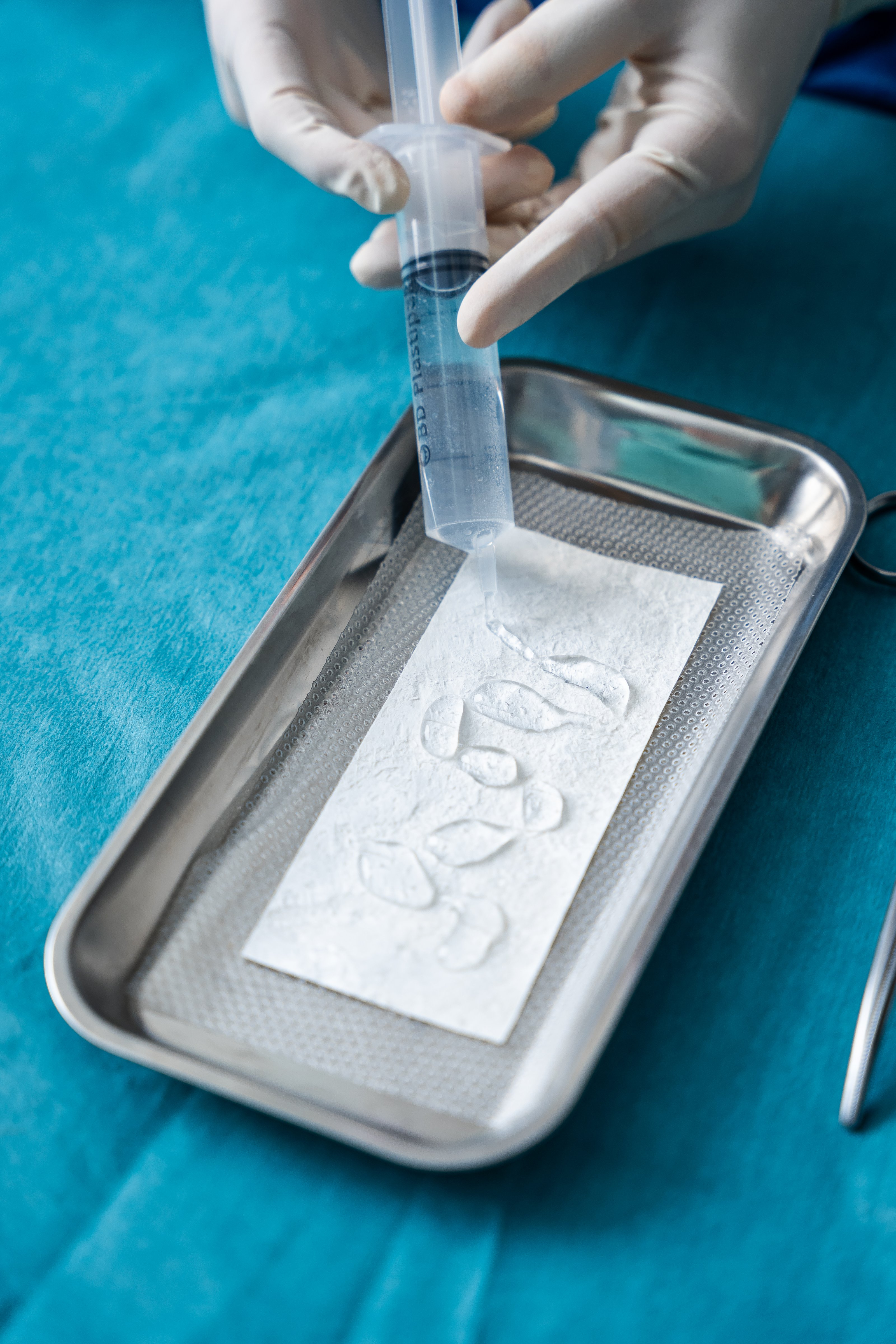
Sensorion Announces Completion of Enrollment of The First Cohort of The Audiogene Phase 1/2 Gene Therapy Clinical Trial

Sensorion Announces Completion of Enrollment of The First Cohort of The Audiogene Phase 1/2 Gene Therapy Clinical Trial


Sensorion Announces Completion of Enrollment of The First Cohort of The Audiogene Phase 1/2 Gene Therapy Clinical Trial

MONTPELLIER, France–(BUSINESS WIRE)–Regulatory News:

Sensorion (FR0012596468 – ALSEN) a pioneering clinical-stage biotechnology company which specializes in the development of novel therapies to restore, treat and prevent within the field of hearing loss disorders today announces the completion of enrollment of patients in the first cohort of the Audiogene Phase 1/2 gene therapy clinical trial.

Recruitment of the first cohort (three patients) was completed as planned, with the third patient receiving an injection of SENS-501 gene therapy product in December 2024. For all patients treated in the first cohort, the surgical procedure was well tolerated: the intra-cochlear administration of the gene therapy product was uneventful, and no serious adverse events were reported. Audiogene is the first gene therapy clinical trial addressing a unique homogeneous population of infants and toddlers (aged 6 to 31 months at the time of the injection) naïve of cochlear implants. Audiogene’s clinical trial design has been intended to assess SENS-501 gene therapy product capacity not only to restore hearing but also to allow the infants and toddlers to acquire and develop normal speech.

Nawal Ouzren, Chief Executive Officer of Sensorion, declared: “I am very pleased with the progress Sensorion has realised in its Phase 1/2 gene therapy clinical trial. The injection of the third and last patient of the first cohort, less than a year after the clinical trial application authorization, is a major accomplishment for Sensorion. The surgery of the infant was uneventful, and no serious adverse events were reported. I am very excited about the KOL event we plan in early 2025, with leading field experts, to present and comment on a fuller set of data measurements. I am looking forward to advancing SENS-501 and assessing its ability to restore hearing and enable normal speech acquisition and development in the treated toddlers and infants.”

About the Audiogene Trial

Audiogene aims to evaluate the safety, tolerability and efficacy of intra-cochlear injection of SENS-501 for the treatment of OTOF gene-mediated hearing loss in infants and toddlers aged 6 to 31 months at the time of gene therapy treatment. By targeting the first years of life, when brain plasticity is optimal, the chances of these young children with pre-linguistic hearing loss acquiring normal speech and language are maximized. The study comprises two cohorts of two doses followed by an expansion cohort at the selected dose. While safety will be the primary endpoint of the first part of the dose escalation study, auditory brainstem response (ABR) will be the primary efficacy endpoint of the second part of the expansion. Audiogene will also evaluate the clinical safety, performance and ease-of-use of the delivery system developed by Sensorion.

About SENS-501

SENS-501 (OTOF-GT) is an innovative gene therapy program developed to treat a specific form of congenital deafness linked to mutations in the OTOF (otoferlin) gene. This gene plays a key role in the transmission of auditory signals between the hair cells of the inner ear and the auditory nerve. When this gene is defective, affected individuals are born with severe to profound hearing loss.

The aim of SENS-501 (OTOF-GT) is to restore hearing by introducing a functional copy of the OTOF gene directly into hair cells via viral vector technology (AAV). This therapy aims to restore the normal process of converting sound into electrical signals, enabling patients to regain their hearing ability.

Currently in the clinical research phase, this gene therapy program represents significant hope for families affected by this rare form of genetic deafness. SENS-501 (OTOF-GT) embodies a commitment to scientific innovation in the field of hearing, with the potential to dramatically improve the quality of life of patients suffering from genetic deafness.

This gene therapy for patients suffering from otoferlin deficiency has been developed in the framework of RHU AUDINNOVE, a consortium composed of Sensorion with the Necker Enfants Malades Hospital, the Institut Pasteur, and the Fondation pour l’Audition. The project is partially financed by the French National Research Agency, through the “investing for the future” program (ref: ANR-18-RHUS-0007).

About Sensorion

Sensorion is a pioneering clinical-stage biotech company, which specializes in the development of novel therapies to restore, treat, and prevent hearing loss disorders, a significant global unmet medical need. Sensorion has built a unique R&D technology platform to expand its understanding of the pathophysiology and etiology of inner ear related diseases, enabling it to select the best targets and mechanisms of action for drug candidates.

It has two gene therapy programs aimed at correcting hereditary monogenic forms of deafness, developed in the framework of its broad strategic collaboration focused on the genetics of hearing with the Institut Pasteur. SENS-501 (OTOF-GT) currently being developed in a Phase 1/2 clinical trial, targets deafness caused by mutations of the gene encoding for otoferlin and GJB2-GT targets hearing loss related to mutations in GJB2 gene to potentially address important hearing loss segments in adults and children. The Company is also working on the identification of biomarkers to improve diagnosis of these underserved illnesses.

Sensorion’s portfolio also comprises clinical-stage small molecule programs for the treatment and prevention of hearing loss disorders. Sensorion’s clinical-stage portfolio includes one Phase 2 product: SENS-401 (Arazasetron) progressing in a planned Phase 2 proof of concept clinical study of SENS-401 in Cisplatin-Induced Ototoxicity (CIO) and, with partner Cochlear Limited, has completed in a study of SENS-401 in patients scheduled for cochlear implantation. A Phase 2 study of SENS-401 was also completed in Sudden Sensorineural Hearing Loss (SSNHL) in January 2022.

www.sensorion.com

Label: SENSORION

ISIN: FR0012596468

Mnemonic: ALSEN

Disclaimer

This press release contains certain forward-looking statements concerning Sensorion and its business. Such forward looking statements are based on assumptions that Sensorion considers to be reasonable. However, there can be no assurance that such forward-looking statements will be verified, which statements are subject to numerous risks, including the risks set forth in the 2023 full year report published on March 14, 2024, and available on our website and to the development of economic conditions, financial markets and the markets in which Sensorion operates. The forward-looking statements contained in this press release are also subject to risks not yet known to Sensorion or not currently considered material by Sensorion. The occurrence of all or part of such risks could cause actual results, financial conditions, performance or achievements of Sensorion to be materially different from such forward-looking statements. This press release and the information that it contains do not constitute an offer to sell or subscribe for, or a solicitation of an offer to purchase or subscribe for, Sensorion shares in any country. The communication of this press release in certain countries may constitute a violation of local laws and regulations. Any recipient of this press release must inform oneself of any such local restrictions and comply therewith.

Contacts

Investor Relations
Noémie Djokovic, Investor Relations and Communication Associate

ir.contact@sensorion-pharma.com

Press Relations
Ulysse Communication

Bruno Arabian / 00 33(0)6 87 88 47 26

barabian@ulysse-communication.com
Nicolas Entz / 00 33 (0)6 33 67 31 54

nentz@ulysse-communication.com

Takeda Announces Approval of HYQVIA® 10% S.C. (Subcutaneous) Injection Set in Japan for Patients with Agammaglobulinemia or Hypogammaglobulinemia

Takeda Announces Approval of HYQVIA® 10% S.C. (Subcutaneous) Injection Set in Japan for Patients with Agammaglobulinemia or Hypogammaglobulinemia


Takeda Announces Approval of HYQVIA® 10% S.C. (Subcutaneous) Injection Set in Japan for Patients with Agammaglobulinemia or Hypogammaglobulinemia

  • HYQVIA [Immune Globulin Infusion 10% (Human) with Recombinant Human Hyaluronidase] is the First and Only Facilitated Subcutaneous Immunoglobulin (fSCIG) Approved in Japan for Agammaglobulinemia and Hypogammaglobulinemia
  • Administration of Recombinant Human Hyaluronidase Prior to Immunoglobulin Facilitates Subcutaneous Infusion of Larger Volumes, Potentially Reducing Frequency and Giving Patients More Flexibility
  • Approval Expands Takeda’s Portfolio of Differentiated Immunoglobulin Therapies and Reflects the Company’s Commitment to Bring High-Quality Plasma-Derived Therapies to Patients in Japan

OSAKA, Japan & CAMBRIDGE, Mass.–(BUSINESS WIRE)–Takeda (TSE:4502/NYSE:TAK) today announced that the Japanese Ministry of Health, Labour and Welfare has approved the use of HYQVIA® [Immune Globulin Infusion 10% (Human) with Recombinant Human Hyaluronidase] in patients with agammaglobulinemia or hypogammaglobulinemia1, disorders characterized by very low or absent levels of antibodies and an increased risk of serious recurring infection caused by primary immunodeficiency (PID) or secondary immunodeficiency (SID)2. The approval marks availability of the first and only facilitated subcutaneous immunoglobulin (fSCIG) therapy as a treatment option for appropriate patients in Japan.


HYQVIA is the first plasma-derived therapy for subcutaneous injection in Japan that consists of a combination of one vial of Immunoglobulin 10% and one vial of Recombinant Human Hyaluronidase PH20 (rHuPH20). The administration of rHuPH20 increases the dispersion and absorption of immunoglobulin (IG) in the subcutaneous tissue, allowing larger volumes to be infused in the infusion site. This allows for less frequent dosing compared to other subcutaneous IG products, while avoiding the need for venous access. The ability to infuse a larger infusion volume is expected to increase administration flexibility for patients with agammaglobulinemia or hypogammaglobulinemia by decreasing the dosing frequency to once every 3 or 4 weeks, as compared to weekly or bi-weekly with conventional SCIG treatments.

The approval is based on data from two pivotal Phase 3, open-label, non-controlled studies evaluating the efficacy, safety, tolerability and pharmacokinetics in Japanese subjects with PID (NCT05150340, NCT05513586). In these studies, the efficacy and safety profile of HYQVIA in 16 patients aged 2 years or older in Japan were evaluated based on the results of the clinical trials. The Geo Mean of IgG trough level at the last 3 visits was 9.494g/L and was maintained at level comparable to treatment with intravenous or subcutaneous immunoglobulin (Geo Mean of IgG trough level 9.624g/L). The major adverse reactions were pyrexia 5 patients (31.3%) and infusion site erythema, injection site erythema, infusion site swelling, infusion site pain, and headache (12.5%)1. Data from two Phase 3 clinical trials conducted in patients with PID in North America (NCT00814320, NCT01175213) was also included in the submission.

We are delighted that HYQVIA, approved in more than 40 countries worldwide, has now been approved in Japan,” said Naoyoshi Hirota, Regional Head of Research & Development for Takeda’s Plasma-Derived Therapies Business Unit in Japan. “The subcutaneous IG therapies currently available in Japan for patients with agammaglobulinemia or hypogammaglobulinemia require infusion once every week or every 2 weeks. We are proud to offer Japanese patients the first and only facilitated subcutaneous treatment option that offers a reduced dosing frequency of every 3 or 4 weeks.”

There is a high unmet need for plasma-derived therapies (PDTs) in patients in Japan, which is anticipated to increase as education and timely diagnosis rates continue to improve,” said Kristina Allikmets, head of research & development for Takeda’s Plasma-Derived Therapies Business Unit. “The approval of HYQVIA, the first and only facilitated SCIG treatment, is further evidence of Takeda’s commitment to add to the standard of care for patients in Japan. We look forward to continuing to bring new therapeutic options that support and enhance the experience of patients in our home country throughout the next decade.”

With this approval, Takeda is now able to offer a range of SCIG therapies to patients based on their individual administrative needs, reflecting the company’s commitment to offer patients in Japan a broader choice of treatment options. It also follows the announcement of a significant investment to build a new manufacturing facility for plasma-derived therapies (PDTs) in Osaka, Japan. HYQVIA is also currently under review in Japan for additional indications.

About Agammaglobulinemia or Hypogammaglobulinemia

Agammaglobulinemia is an inherited disorder caused by a gene defect that blocks the growth of normal, mature immune cells called B lymphocytes3. Hypogammaglobulinemia is a condition in which patients have low levels of antibodies due either to inherited genetic conditions (PID) or secondary effects (SID) – like chemotherapy, certain comorbid disorders, or immunosuppressants2. Individuals with any form of antibody deficiency frequently experience recurring and/or severe infections, and immunoglobulin replacement therapy can increase the level of antibodies in the body.

About Primary Immunodeficiency and Secondary Immunodeficiency

Primary immunodeficiency describes a heterogeneous group of more than 480 rare genetic diseases wherein part of the immune system is missing or not functioning properly4. Secondary immunodeficiency is defined as an acquired impairment of the immune response resulting from an underlying condition or factors extrinsic to the immune system. SID may occur as a consequence of malnutrition, metabolic disorders, use of immunosuppressive medications, chronic infections, malignancies, or severe trauma5. Due to their impaired immune system, patients with PID and SID may be more susceptible to infection, and it may take longer to recover from it. In patients with antibody deficiency and increased susceptibility and/or persistent infections, substitution with functional antibodies (immunoglobulin replacement therapy) is the standard of care to support the immune system’s functioning5.

About HYQVIA®

HYQVIA is the combination product for subcutaneous injection containing one each vial of Subcutaneous Immunoglobulin 10% (SCIG10%) and Recombinant Human Hyaluronidase PH20 (rHuPH20). As of May 2024, HYQVIA has been approved in more than 40 countries worldwide.

HYQVIA Product Overview in Japan

Brand Name

HYQVIA 10% Subcutaneous Injection Set 5g/50mL 10g/100mL 20g/200mL

Generic Name

pH4 Treated Acid Human Globulin (Subcutaneous Injection)

Vorhyaluronidase Alfa (Genetical Recombination)

Indications

Agammaglobulinemia or Hypogammaglobulinemia

Dosage and Administration


Human immunoglobulin G is administered subcutaneously at the same site within approximately 10 minutes after the subcutaneous injection of vorhyaluronidase alfa (genetical recombination).

Initiate the treatment with human immunoglobulin G and vorhyaluronidase alfa (genetical recombination) at 1/3 or 1/4 of the doses described below, and then the doses are titrated up. Note that the dosing interval should be extended depending on the doses.

•Usually, 150 – 600 mg (1.5 – 6 mL)/kg of body weight of human immunoglobulin G is administered once every 3 weeks or 200 – 800 mg (2 – 8 mL)/kg of body weight of human immunoglobulin G is administered once every 4 weeks.

•Vorhyaluronidase alfa (genetical recombination) is administered at the dose of 80 units (0.5 mL) per 1 g of human immunoglobulin G.

The dose and the number of doses per 3 or 4 weeks may be adjusted according to the patient’s condition.

About Takeda

Takeda is focused on creating better health for people and a brighter future for the world. We aim to discover and deliver life-transforming treatments in our core therapeutic and business areas, including gastrointestinal and inflammation, rare diseases, plasma-derived therapies, oncology, neuroscience and vaccines. Together with our partners, we aim to improve the patient experience and advance a new frontier of treatment options through our dynamic and diverse pipeline. As a leading values-based, R&D-driven biopharmaceutical company headquartered in Japan, we are guided by our commitment to patients, our people and the planet. Our employees in approximately 80 countries and regions are driven by our purpose and are grounded in the values that have defined us for more than two centuries. For more information, visit www.takeda.com.

Important Notice

For the purposes of this notice, “press release” means this document, any oral presentation, any question-and-answer session and any written or oral material discussed or distributed by Takeda Pharmaceutical Company Limited (“Takeda”) regarding this release. This press release (including any oral briefing and any question-and-answer in connection with it) is not intended to, and does not constitute, represent or form part of any offer, invitation or solicitation of any offer to purchase, otherwise acquire, subscribe for, exchange, sell or otherwise dispose of, any securities or the solicitation of any vote or approval in any jurisdiction. No shares or other securities are being offered to the public by means of this press release. No offering of securities shall be made in the United States except pursuant to registration under the U.S. Securities Act of 1933, as amended, or an exemption therefrom. This press release is being given (together with any further information which may be provided to the recipient) on the condition that it is for use by the recipient for information purposes only (and not for the evaluation of any investment, acquisition, disposal or any other transaction). Any failure to comply with these restrictions may constitute a violation of applicable securities laws.

The companies in which Takeda directly and indirectly owns investments are separate entities. In this press release, “Takeda” is sometimes used for convenience where references are made to Takeda and its subsidiaries in general. Likewise, the words “we”, “us” and “our” are also used to refer to subsidiaries in general or to those who work for them. These expressions are also used where no useful purpose is served by identifying the particular company or companies.

Forward-Looking Statements

This press release and any materials distributed in connection with this press release may contain forward-looking statements, beliefs or opinions regarding Takeda’s future business, future position and results of operations, including estimates, forecasts, targets and plans for Takeda. Without limitation, forward-looking statements often include words such as “targets”, “plans”, “believes”, “hopes”, “continues”, “expects”, “aims”, “intends”, “ensures”, “will”, “may”, “should”, “would”, “could”, “anticipates”, “estimates”, “projects” or similar expressions or the negative thereof. These forward-looking statements are based on assumptions about many important factors, including the following, which could cause actual results to differ materially from those expressed or implied by the forward-looking statements: the economic circumstances surrounding Takeda’s global business, including general economic conditions in Japan and the United States; competitive pressures and developments; changes to applicable laws and regulations, including global health care reforms; challenges inherent in new product development, including uncertainty of clinical success and decisions of regulatory authorities and the timing thereof; uncertainty of commercial success for new and existing products; manufacturing difficulties or delays; fluctuations in interest and currency exchange rates; claims or concerns regarding the safety or efficacy of marketed products or product candidates; the impact of health crises, like the novel coronavirus pandemic, on Takeda and its customers and suppliers, including foreign governments in countries in which Takeda operates, or on other facets of its business; the timing and impact of post-merger integration efforts with acquired companies; the ability to divest assets that are not core to Takeda’s operations and the timing of any such divestment(s); and other factors identified in Takeda’s most recent Annual Report on Form 20-F and Takeda’s other reports filed with the U.S. Securities and Exchange Commission, available on Takeda’s website at: https://www.takeda.com/investors/sec-filings/ or at www.sec.gov. Takeda does not undertake to update any of the forward-looking statements contained in this press release or any other forward-looking statements it may make, except as required by law or stock exchange rule. Past performance is not an indicator of future results and the results or statements of Takeda in this press release may not be indicative of, and are not an estimate, forecast, guarantee or projection of Takeda’s future results.

Medical Information

This press release contains information about products that may not be available in all countries, or may be available under different trademarks, for different indications, in different dosages, or in different strengths. Nothing contained herein should be considered a solicitation, promotion or advertisement for any prescription drugs including the ones under development.

______________________________
REFERENCES

1 HYQVIA 10% Subcutaneous Injection Set Package Insert in Japan.

2 Pimenta et al. Hypogammaglobulinemia: a diagnosis that must not be overlooked. BJMBR. 2019;52(10): e8926.

3 National Organization for Rare Disorders https://rarediseases.org/rare-diseases/agammaglobulinemia/
4 Tangye et al. Human Inborn Errors of Immunity: 2022 Update on the Classification from the International Union of Immunological Societies Expert Committee. J Clin Immunol. 2022;42(7):1473-1507.

5 Tuano KS, Seth N, Chinen J. Secondary immunodeficiencies: An overview. Ann Allergy Asthma Immunol. 2021;127(6):617-626.

Contacts

Media:

International Media
Kristine Kelly

Kristine.Kelly@takeda.com
+41 79 268 68 21

Japanese Media
Shigeyuki Matsui

Shigeyuki.Matsui@takeda.com
+81 (80) 3594-2460