Pi-Cardia Receives FDA Market Clearance for ShortCut™

Pi-Cardia Receives FDA Market Clearance for ShortCut™


Pi-Cardia Receives FDA Market Clearance for ShortCut™

First dedicated leaflet modification device to enable TAVR in patients at risk of coronary obstruction


REHOVOT, Israel–(BUSINESS WIRE)–Pi-Cardia Ltd., a global leader in the development of leaflet modification solutions for treating heart valves, announced today that the United States Food and Drug Administration (FDA) provided market clearance for ShortCut™ – the world’s first dedicated leaflet modification device, enabling valve-in-valve Transcatheter Aortic Valve Replacement (TAVR) procedures in patients at risk of coronary obstruction.

“Lifetime management of aortic stenosis calls for leaflet modification solutions like ShortCut™ to ensure that we are carefully addressing the risk of coronary obstruction before implanting a valve,” said Martin B. Leon, MD, director of the Center for Interventional Vascular Therapy at New York-Presbyterian/Columbia University Medical Center and professor of medicine at the Columbia University College of Physicians and Surgeons, who chairs the global steering committee for ShortCut™ studies. “The rigorous pivotal study leading to this important market clearance by the FDA demonstrates that ShortCut™ was both safe and effective in achieving the intended leaflet split in all patients. Importantly – it also shows that mechanical splitting with ShortCut™, in both single- and dual-leaflet cases, was a controlled and teachable procedure, making it adoptable by TAVR centers as a critical step pre-implantation, so that patients at risk of coronary obstruction may be safely treated, without disruption of TAVR workflow.”

TAVR has become the preferred treatment for aortic stenosis, recently surpassing surgery even in patients younger than 65.1 As bioprosthetic valves degenerate over time, these patients will at some point likely need a valve-in-valve procedure to be performed, and a significant portion of them who are at risk for coronary obstruction will require leaflet splitting with ShortCut™. Recent models published by Philippe Généreux, MD, from Morristown Medical Center, New Jersey, predict that by 2035, more than 42,000 valve-in-valve procedures will be performed annually in the U.S., representing ∼15% of all TAVR procedures.2 Future planned indication expansion into native and bicuspid valves may mean that around 30% of future TAVR cases will require leaflet modification with ShortCut™ in order to be performed safely and obtain optimal results for patients.

“We are excited and immensely proud to introduce the first dedicated leaflet modification device to the US market,” said Erez Golan, Chief Executive Officer of Pi-Cardia. “With FDA clearance now in hand, we are focused on building a strong commercial and clinical support team to execute a limited commercial launch while ensuring optimal patient outcomes. Building on the breakthrough device designation awarded to ShortCut™ earlier this year, we are committed to collaborating closely with our physician and hospital system partners to ensure they have access to this unique enabling device. ShortCut™ clearance by the FDA opens a new era in the lifetime management of patients with aortic stenosis.”

About Pi-Cardia

Pi-Cardia is a global leader in the development of a unique portfolio of non-implant, catheter-based, leaflet modification solutions for treating heart valves. The ShortCut™ device is a safe, simple and effective way to split valve leaflets of a pre-existing valve prior to TAVR in patients at risk for coronary obstruction and is designed to preserve coronary access; ShortCut™ Mitral is designed to split the anterior mitral leaflet prior to TMVR in patients at risk for LVOT obstruction. The Leaflex™ device mechanically scores valve calcification at multiple locations, with the intention of restoring leaflet flexibility and improving valve hemodynamics. Leaflex™ is designed to be a cost-effective, durable standalone treatment for patients with calcified aortic stenosis. Additional leaflet modification technologies are being developed to further expand treatment options in challenging anatomies such as bicuspid valves. The Leaflex™ and ShortCut™ Mitral are investigational devices, limited by United States law for investigational use.

For more information, please visit: www.pi-cardia.net

References

  1. O’Riordan, Michael. TCTMD, June 2024.
  2. Généreux, Philippe., et al. Structural Heart Journal, June 2024.

Contacts

For further information, contact:
Erez Golan

CEO

erez@pi-cardia.net

Eyal Kolka

Executive Director

eyal@pi-cardia.net

New Health Webinars From CenterWell and Conviva Empower Seniors to Take Active Role in Their Health

New Health Webinars From CenterWell and Conviva Empower Seniors to Take Active Role in Their Health


New Health Webinars From CenterWell and Conviva Empower Seniors to Take Active Role in Their Health

LOUISVILLE, Ky.–(BUSINESS WIRE)–In advance of Health Literacy Month, CenterWell™ launches CenterWell Presents and Conviva on Demand, libraries of online health information designed as additional resources seniors can use to improve their well-being. The free, online educational material includes live webinars and recorded videos on a variety of senior-focused health topics available at any time to anyone, whether or not they’re a CenterWell Senior Primary Care or Conviva Care Center patient.


The libraries’ content ranges from understanding blood pressure and arthritis to developing sleep habits that improve brain health and managing medications for chronic diseases. Seniors can choose to view more than 60 pieces of health education content (recorded videos, flyers) or sign up for live webinars offered twice a month. Participants have the opportunity to interact with health educators during the live airing of webinars.

“Our centers are often located in underserved areas where seniors may be challenged with access to health care and health education,” said Vivek Garg, M.D., Chief Medical Officer for CenterWell Senior Primary Care and Conviva Care Center. “Working with patients to improve their health literacy may help them overcome barriers to care, paving the way for a more equitable health care journey and improved health outcomes.”

CenterWell Senior Primary Care is the largest, fastest-growing senior-focused primary care provider in the country. Together with its sister brand Conviva Care Center, the organizations deliver care to about 332,000 seniors in nearly 300 centers as of June 30, 2024. Centers are open in 15 states with plans to add 30-50 new centers per year through 2025.

CenterWell is committed to treating the “whole person,” which includes caring not only for patients’ physical and mental health, but also addressing environmental factors that influence health. CenterWell Presents and Conviva on Demand are added resources to help seniors live their healthiest lives possible.

“We know that about 80% of seniors have at least one chronic condition, while approximately 50% have two or more,” Dr. Garg said. “These libraries of webinars and online resources can enhance their health education, reinforce their doctor’s medical advice and care team’s expertise, and encourage healthy habits at home.”

Interested seniors can visit https://www.centerwellprimarycare.com/en/resources/online-programs.html to learn more about CenterWell Presents’ health video offerings and https://www.convivacarecenters.com/en/resources/online-programs.html to learn more about Conviva on Demand’s offerings. To find a center near you, visit CenterWellPrimaryCare.com or ConvivaCareCenters.com.

About CenterWell

CenterWell is a leading health care services business focused on creating integrated and differentiated experiences that put our patients at the center of everything we do. The result is high quality health care that is accessible, comprehensive, and, most of all, personalized. As the largest provider of senior-focused primary care, one of the leading providers of home health care, and a leading integrated home delivery, specialty, hospice, and retail pharmacy, CenterWell is focused on whole health and addressing the physical, emotional and social wellness of our patients. CenterWell is part of Humana Inc. (NYSE: HUM). Learn more about what we offer at CenterWell.com.

Contacts

Lisa M. Ferguson

Humana Corporate Communications

LFerguson16@humana.com

Ossium Health Secures BARDA Contract to Advance Bone Marrow Bank for Radiological and Nuclear Emergencies

Ossium Health Secures BARDA Contract to Advance Bone Marrow Bank for Radiological and Nuclear Emergencies


Ossium Health Secures BARDA Contract to Advance Bone Marrow Bank for Radiological and Nuclear Emergencies

Collaboration Aims to Bolster Response Capabilities for Radiological and Nuclear Incidents with Rapid-Deployable, Cryopreserved Bone Marrow

SAN FRANCISCO–(BUSINESS WIRE)–Ossium Health, a commercial-stage bioengineering company with the first-of-its-kind bone marrow bank for processing and deploying stem cell-based therapies, today announced the signing of a contract with the Biomedical Advanced Research and Development Authority (BARDA), part of the Administration for Strategic Preparedness and Response within the U.S. Department of Health and Human Services, to advance the company’s ready-to-use bone marrow for national emergency preparedness. The contract, initially funded at $21 million for its base period, has the potential to reach a total value of $125 million with additional options spanning five years.


The partnership with BARDA is centered on accelerating the processing of Ossium’s proprietary Hematopoietic Progenitor Cell (HPC) Marrow product, conducting clinical studies to confirm its safety and efficacy, and expanding Ossium’s network of bone marrow banks across the United States. These efforts are part of a broader initiative to prepare for and respond to public health emergencies, specifically those involving radiological or nuclear incidents.

In such catastrophic incidents, initial survivors of the blast may suffer from Acute Radiation Syndrome (ARS), a severe condition resulting from the destruction of bone marrow. If left untreated, ARS is fatal, but it can be managed effectively with a bone marrow transplant (BMT). Ossium’s innovative bone marrow banking platform, originally developed to support blood cancer patients requiring BMTs, is uniquely positioned to provide a rapid and scalable response to these emergencies. By maintaining a large, cryopreserved stockpile of bone marrow from deceased donors, Ossium can circumvent the logistical challenges associated with relying on living volunteer donors during a national crisis.

“Our approach offers a unique impact in safeguarding public health,” said Kevin Caldwell, CEO, President and Co-Founder of Ossium Health. “The ability to quickly deploy bone marrow units during a radiological or nuclear emergency could save countless lives and transform the way we respond to such incidents. We’re proud to enter this partnership that enhances our national preparedness.”

Ossium’s HPC, Marrow product is collected from recently deceased organ donors, processed, HLA-typed, and cryopreserved for future use, enabling a faster and more flexible response to patient needs during a crisis.

This approach already benefits patients in the oncology community who require bone marrow transplants. Participants of Ossium’s actively enrolling clinical study (PRESERVE I, NCT05589896) receive a transplant of Ossium’s HPC, Marrow, which allows them to receive the transplant at the optimal time and dose to most effectively treat their condition.

This project has been funded in whole or in part with federal funds from the Department of Health and Human Services (HHS); Administration for Strategic Preparedness and Response (ASPR); Biomedical Advanced Research Development Authority, under contract number 75A50124C00032.

About Ossium Health

Ossium Health is a bioengineering company that leverages its proprietary organ donor bone marrow banking platform to develop stem cell therapies for patients with life-threatening hematologic conditions, organ transplant rejection, and musculoskeletal defects. Founded in 2016, the company is led by Kevin Caldwell, Chief Executive Officer, President and Co-Founder, and Erik Woods, Chief Science Officer, Executive Vice President and Co-Founder. Ossium Health’s manufacturing facility is registered with the FDA and its laboratory is certified under the Clinical Laboratory Improvement Amendments (CLIA). For more information, please visit https://ossiumhealth.com.

Follow the company on LinkedIn at https://www.linkedin.com/company/ossiumhealth/ and X at https://x.com/ossiumhealth.

Contacts

Jane Griffin

Ossium Health, Inc.

415-513-5535

press@ossiumhealth.com

David Schull

Russo Partners

858-717-2310

david.schull@russopartnersllc.com

Kezar Life Sciences Announces Cessation of Enrollment and Dosing in the Phase 2b PALIZADE Trial of Zetomipzomib in Active Lupus Nephritis Patients

Kezar Life Sciences Announces Cessation of Enrollment and Dosing in the Phase 2b PALIZADE Trial of Zetomipzomib in Active Lupus Nephritis Patients


Kezar Life Sciences Announces Cessation of Enrollment and Dosing in the Phase 2b PALIZADE Trial of Zetomipzomib in Active Lupus Nephritis Patients

SOUTH SAN FRANCISCO, Calif.–(BUSINESS WIRE)–Kezar Life Sciences, Inc. (Nasdaq: KZR), a clinical-stage biotechnology company developing a novel small molecule to treat unmet needs in immune-mediated diseases, today announced the voluntary cessation in enrollment of new patients and dosing of ongoing patients in the Phase 2b PALIZADE clinical trial, pending further evaluation. PALIZADE is a global, placebo-controlled, randomized, double-blind Phase 2b clinical trial evaluating the efficacy and safety of two dose levels of zetomipzomib in patients with active lupus nephritis (LN). Patients in the trial are randomly assigned (1:1:1) to receive 30 mg of zetomipzomib, 60 mg of zetomipzomib or placebo subcutaneously once weekly for 52 weeks, in addition to standard background therapy.


To date, 84 patients have been enrolled in the PALIZADE trial, and patient safety data are reviewed by an Independent Data Monitoring Committee (IDMC). Kezar has suspended enrollment and dosing in PALIZADE at the recommendation of the IDMC after their recent review of emerging safety data, including an assessment of four Grade 5 (fatal) serious adverse events (SAEs) that have occurred during the course of the trial in patients enrolled in the Philippines and Argentina. Review of the data by the IDMC revealed that three of the fatalities showed a common pattern of symptoms and proximity to dosing, and additional non-fatal SAEs showed a similar proximity to dosing. Kezar remains blinded as to which patients were on the zetomipzomib or placebo treatment arms. Kezar has not observed any instances of death or serious opportunistic infections in prior clinical studies of zetomipzomib.

Kezar’s ongoing Phase 2a PORTOLA clinical trial of zetomipzomib in patients with autoimmune hepatitis has completed enrollment and remains active at this time. To date, no Grade 4 or 5 SAEs have been observed in the PORTOLA clinical trial.

Kezar’s decision to pause enrollment and dosing on PALIZADE enables time to evaluate the totality of data regarding the SAEs and determine next steps and potential risk mitigation strategies. The Company has notified all study investigators and is notifying regulatory authorities, including the U.S. Food and Drug Administration (FDA) and the European Medicines Agency, of its decision. At this time, a formal Investigational New Drug clinical hold has not been issued. If Kezar receives a clinical hold letter from the FDA, it will review the content and determine next steps.

“Our top priority is the safety of every patient who participates in our clinical trials,” said Chris Kirk, PhD, Kezar’s Chief Executive Officer. “Lupus nephritis represents a life-threatening medical condition in need of new therapies. We will continue to work with the site investigators to learn more about each of these cases and hope to have an informed discussion with the IDMC and regulatory authorities as we look to continue the zetomipzomib development program in lupus nephritis and autoimmune hepatitis. We will provide additional information regarding this investigation and the zetomipzomib development program at the appropriate time.”

About Lupus Nephritis

Lupus nephritis (LN) is one of the most serious complications of systemic lupus erythematosus (SLE). LN is a disease comprising a spectrum of vascular, glomerular and tubulointerstitial lesions and develops in approximately 50% of SLE patients within 10 years of their initial diagnosis. LN is associated with considerable morbidity, including an increased risk of end-stage renal disease requiring dialysis or renal transplantation and an increased risk of death. There are limited approved therapies for the treatment of LN. Management typically consists of induction therapy to achieve remission and long-term maintenance therapy to prevent relapse.

About PALIZADE

PALIZADE is a global, placebo-controlled, randomized, double-blind Phase 2b clinical trial evaluating the efficacy and safety of two dose levels of zetomipzomib in patients with active LN. Target enrollment will be 279 patients, randomly assigned (1:1:1) to receive 30 mg of zetomipzomib, 60 mg of zetomipzomib or placebo subcutaneously once weekly for 52 weeks, in addition to standard background therapy. Background therapy can, but will not be mandated to, include standard induction therapy. Over the initial 16 weeks, there will be a mandatory corticosteroid taper to 5 mg per day or less. End-of-treatment assessments will occur at Week 53. The primary efficacy endpoint is the proportion of patients who achieve a complete renal response (CRR) at Week 37, including a urine protein-to-creatine ratio (UPCR) of 0.5 or less without receiving rescue or prohibited medications.

About Kezar Life Sciences

Kezar Life Sciences is a clinical-stage biopharmaceutical company developing novel small molecule therapeutics to treat unmet needs in immune-mediated diseases. Zetomipzomib, a selective immunoproteasome inhibitor, is currently being evaluated in a Phase 2b clinical trial for lupus nephritis and a Phase 2a clinical trial for autoimmune hepatitis. For more information, visit www.kezarlifesciences.com, and follow us on LinkedIn, Facebook, Twitter and Instagram.

Cautionary Note on Forward-looking Statements

This press release contains forward-looking statements within the meaning of the Private Securities Litigation Reform Act of 1995. Words such as “may,” “will,” “can,” “should,” “expect,” “believe,” “potential,” “anticipate” and similar expressions (as well as other words or expressions referencing future events, conditions or circumstances) are intended to identify forward-looking statements. These forward-looking statements are based on Kezar’s expectations and assumptions as of the date of this press release. Each of these forward-looking statements involves risks and uncertainties that could cause Kezar’s future results or performance to differ materially from those expressed or implied by the forward-looking statements. Forward-looking statements contained in this press release include, but are not limited to, statements about the nature, frequency and severity of adverse events; the design, progress and outcome of Kezar’s clinical trials; the Company’s ability to complete its clinical trials on expected timelines, if at all; and the timing and outcome of regulatory submissions and actions by the FDA, EMA or any other regulatory agencies with respect to zetomipzomib or Kezar’s clinical trials. Many factors may cause differences between current expectations and actual results, including those factors that are discussed in Kezar’s filings with the U.S. Securities and Exchange Commission, including the “Risk Factors” contained therein. Except as required by law, Kezar assumes no obligation to update any forward-looking statements contained herein to reflect any change in expectations, even as new information becomes available.

Contacts

Investor and Media Contact:
Gitanjali Jain

Senior Vice President, Investor Relations and External Affairs

Kezar Life Sciences, Inc.

gjain@kezarbio.com

Lumicell Awarded Phase I NIH SBIR Contract to Develop Novel Flexible Endoscope for Fluorescence Imaging of LUMISIGHT™ to Detect Early Esophageal Lesions in Patients with Barrett’s Esophagus

Lumicell Awarded Phase I NIH SBIR Contract to Develop Novel Flexible Endoscope for Fluorescence Imaging of LUMISIGHT™ to Detect Early Esophageal Lesions in Patients with Barrett’s Esophagus


Lumicell Awarded Phase I NIH SBIR Contract to Develop Novel Flexible Endoscope for Fluorescence Imaging of LUMISIGHT™ to Detect Early Esophageal Lesions in Patients with Barrett’s Esophagus

Funding of approximately $400,000 will support development of novel endoscopic imaging platform combining far-red fluorescence and reflected light imaging to detect esophageal cancer


NEWTON, Mass.–(BUSINESS WIRE)–#BarrettsesophagusLumicell, Inc., a privately held company focused on developing innovative fluorescence-guided imaging technologies for cancerous tissue detection during surgery, today announced Lumicell was awarded a Phase I Small Business Innovation Research (SBIR) contract from the National Cancer Institute (NCI) of the National Institutes of Health (NIH) to develop a novel flexible endoscopic platform that combines far-red fluorescence and reflected light imaging to detect precancerous and early-stage esophageal adenocarcinoma (EAC) under standard clinical endoscopy.

Collaborating with Lumicell on the project are Dr. Andrew T. Chan, MD, MPH, Vice-chair of Research in the Division of Gastroenterology at MGH and Dr. David A. Drew, Assistant Professor in the MGH Clinical and Translational Epidemiology Unit. “This award enables the team to expand upon Lumicell’s groundbreaking breast cancer research into additional oncological surgical applications,” said Dr. Chan. “We are looking forward to collaborating with Lumicell to transform the early detection of esophageal cancer.”

EAC is one of the more common gastrointestinal cancers and is potentially curable; however, it is typically detected in advanced stages with a five-year survival rate less than 15%1. The current approach to early detection is through endoscopy and random biopsy in patients with precancerous lesions (Barrett’s esophagus). This approach has poor sensitivity, is resource-intensive, and does not permit real-time identification of lesions for immediate treatment.

Lumicell will use the NIH awarded funds to develop a novel flexible endoscopic imaging platform, leveraging the company’s proprietary fluorescence imaging technology to detect, in real-time and in situ, potentially cancerous lesions in patients with Barrett’s esophagus. This novel approach has the potential to improve early detection of commonly missed esophageal lesions.

“Lumicell’s novel fluorescence technology could be a game-changer in the early detection of dysplasia that may otherwise not be detectable within a background of Barrett’s esophagus,” said Brian Schlossberg, Ph.D., Vice President, New Business Strategy and Innovation, Lumicell. “This grant is a very exciting opportunity to further develop our platform technology in a new indication that may alter the extent of esophageal resections and cancer-related morbidity.”

The award period for the contract begins September of 2024 with a funding period of one year.

Currently, LUMISIGHT™ (pegulicianine) is approved for use in combination with Lumicell™ DVS to detect cancerous tissue within the breast cavity as an adjunct during the lumpectomy procedure. Lumicell is investigating a novel flexible endoscope for use with LUMISIGHT to detect early esophageal lesions.

About Lumicell Inc.

Lumicell is a privately held company focused on enabling a more complete resection of cancer by advancing the development and commercialization of its innovative fluorescence guided surgery technology. The company’s lead products are LUMISIGHT™ (pegulicianine) and Lumicell™ DVS which are approved for use in combination to illuminate cancerous tissue within the breast cavity during the initial lumpectomy procedure, as an adjunct to the Standard of Care. Lumicell’s proprietary, pan-oncologic optical imaging agent, LUMISIGHT, is also being explored for further development across a wide variety of solid tumor indications. For more information, please visit www.Lumicell.com and follow the company on Facebook, X, and LinkedIn.

Indications for Use

LUMISIGHT, an optical imaging agent, and Lumicell DVS, a fluorescence imaging device, are indicated for fluorescence imaging in adults with breast cancer as an adjunct for the intraoperative detection of cancerous tissue within the resection cavity following removal of the primary specimen during lumpectomy surgery.

Important Safety Information

What is LUMISIGHT (pegulicianine) and Lumicell DVS?

  • LUMISIGHT (pegulicianine), an optical imaging agent, and Lumicell DVS, a fluorescence imaging device, are used in adults with breast cancer to help detect any remaining cancerous tissue at the surgical site following removal of the primary specimen during a lumpectomy procedure.

What is the most important information I should know about LUMISIGHT?

  • Hypersensitivity Reactions: LUMISIGHT may cause serious hypersensitivity reactions, including anaphylaxis. Anaphylaxis has occurred in 4/726 (0.6%) of patients in clinical studies. Tell your doctor if you have any history of hypersensitivity reactions to pegulicianine or to contrast media or products containing polyethylene glycol (PEG). Your healthcare provider should have emergency resuscitation drugs, equipment, and trained personnel available during use of LUMISIGHT. Healthcare providers should monitor all patients for hypersensitivity reactions and if one is suspected, immediately discontinue the injection and initiate appropriate therapy.

What are the most common side effects of LUMISIGHT?

  • The most common side effects (≥1%) include hypersensitivity and an abnormal color in urine.

You are encouraged to report negative side effects of prescription drugs to the FDA. Visit MedWatch or call 1-800-FDA-1088. Please see full Prescribing Information, including Boxed Warning.

What additional important information should I know about LUMISIGHT and Lumicell DVS?

  • Adjunctive Use: Lumicell DVS is for use as part of the lumpectomy procedure and is not a replacement for the standard of care procedures and pathology. Your healthcare provider must be trained on proper use of the Lumicell DVS, and breast conserving surgery prior to performing any procedures.
  • Risk of Misdiagnosis: The absence of a signal in surgery does not rule out cancer. Additionally, a positive signal may be seen in non-cancerous tissue.
  • Interference from Dyes Used for Sentinel Lymph Node Mapping: Your healthcare provider should avoid use of dyes before imaging the lumpectomy cavity in patients who have received LUMISIGHT.
  • Tissue Perforation or Damage: During the procedure, your healthcare provider should avoid excessive pressure or torque with the Lumicell DVS handheld probe while inside the cavity as it can cause tissue perforation or damage.
  • Infection Risk: To avoid infection risk, the reusable Lumicell DVS handheld probe and cables should be properly and completely disinfected and reprocessed after each use by your healthcare provider. Your healthcare provider should also ensure proper use of the Lumicell DVS sterile, single-use probe cover.
  • Eye Discomfort: Your healthcare provider should avoid direct eye exposure to the Lumicell DVS handheld light probe as it may cause pain.

Please see the LUMISIGHT Prescribing Information, including Boxed Warning, and Lumicell DVS Instructions for Use. For complete product information, visit www.LumiSystem.com.

MKT00275rB

  1. M. A. Eloubeidi, A. C. Mason, R. A. Desmond, and H. B. El-Serag, “Temporal trends (1973-1997) in survival of patients with esophageal adenocarcinoma in the United States: a glimmer of hope?,” Am. J. Gastroenterol., vol. 98, no. 7, pp. 1627–1633, Jul. 2003, doi: 10.1111/j.1572-0241.2003.07454.x.

Contacts

Media inquiriesmedia@lumicell.com

Innate Pharma to Host KOL Scientific Symposium on Immunotherapy in New York on October 3, 2024

Innate Pharma to Host KOL Scientific Symposium on Immunotherapy in New York on October 3, 2024


Innate Pharma to Host KOL Scientific Symposium on Immunotherapy in New York on October 3, 2024

MARSEILLE, France–(BUSINESS WIRE)–Regulatory News:


Innate Pharma SA (Euronext Paris: IPH; Nasdaq: IPHA) (“Innate” or the “Company”) will co-host with the Icahn School of Medicine at Mount Sinai a scientific symposium entitled “Next Generation Immunotherapy Discoveries”. The symposium will be held in a hybrid format on Thursday, October 3, 2024, from 10:00 a.m. to 5:30 p.m. EDT at the Hess Center for Science and Medicine, New York City and online.

This major scientific event, organized as part of Innate Pharma 25th anniversary, will highlight the latest and greatest advances in immunotherapy and feature key opinion leaders who will share their knowledge and expertise in immunotherapy. Participants will be able to interact with the speakers in a Q&A session after each presentation.

“Since its inception in 1999, Innate Pharma has been pioneering immuno-oncology, a field which has revolutionized cancer care. As we celebrate 25 years of innovation at Innate Pharma, this is an opportunity to look forward, not only at the broad and diversified pipeline that Innate has generated, but beyond at the next frontiers of immunotherapy. Leading scientists and clinicians will share their perspective at the Next Generation Immunotherapy Discoveries symposium to take place in New York on October 3rd. We thank Mount Sinai hospital for hosting this exciting event.” Hervé Brailly, Chief Executive Officer ad interim of Innate Pharma

Confirmed speakers and chairs:

Speakers:

  • Lorenzo Falchi, MD, Memorial Sloan Kettering Cancer Center
  • Thomas Marron, Ph.D., Icahn School of Medicine at Mount Sinai
  • Diane Mathis, Ph.D. Harvard Medical School
  • Miriam Merad, MD, Ph.D., Icahn School of Medicine at Mount Sinai
  • Pierluigi Porcu, MD, Thomas Jefferson University
  • Katy Rezvani MD, Ph.D., MD Anderson Cancer Center
  • Antoni Ribas, MD, University of California Los Angeles (UCLA) Jonsson Comprehensive Cancer Center
  • Dimitri Skokos, Ph.D., Regeneron
  • Eric Vivier, DVM, Ph.D., Innate Pharma and CIML

Chairs:

  • Dr. Amir Horowitz, Ph.D. from Icahn School of Medicine at Mount Sinai
  • Dr. Joao Monteiro, MD, Ph.D., Nature Medicine

For the full program and registration form of “Next Generation Immunotherapy Discoveries” symposium, please click here.

Prior to the symposium, Innate Pharma will host an Investor and Analyst Meeting from 8:30 a.m. to 9:30 a.m. EDT to provide an overview of the Company’s therapeutic innovations. If you would like to attend, please contact investors@innate-pharma.fr.

About Innate Pharma

Innate Pharma S.A. is a global, clinical-stage biotechnology company developing immunotherapies for cancer patients. Its innovative approach aims to harness the innate immune system through therapeutic antibodies and its ANKET® (Antibody-based NK cell Engager Therapeutics) proprietary platform.

Innate’s portfolio includes lead proprietary program lacutamab, developed in advanced form of cutaneous T cell lymphomas and peripheral T cell lymphomas, monalizumab developed with AstraZeneca in non-small cell lung cancer, as well as ANKET® multi-specific NK cell engagers to address multiple tumor types.

Innate Pharma is a trusted partner to biopharmaceutical companies such as Sanofi and AstraZeneca, as well as leading research institutions, to accelerate innovation, research and development for the benefit of patients.

Headquartered in Marseille, France with a US office in Rockville, MD, Innate Pharma is listed on Euronext Paris and Nasdaq in the US.

Learn more about Innate Pharma at www.innate-pharma.com and follow us on LinkedIn and X.

Information about Innate Pharma shares

ISIN code
Ticker code
LEI

FR0010331421

Euronext: IPH Nasdaq: IPHA

9695002Y8420ZB8HJE29

Disclaimer on forward-looking information and risk factors

This press release contains certain forward-looking statements, including those within the meaning of applicable securities laws, including the Private Securities Litigation Reform Act of 1995. The use of certain words, including “anticipate,” “believe,” “can,” “could,” “estimate,” “expect,” “may,” “might,” “potential,” “expect” “should,” “will,” or the negative of these and similar expressions, is intended to identify forward-looking statements. Although the Company believes its expectations are based on reasonable assumptions, these forward-looking statements are subject to numerous risks and uncertainties, which could cause actual results to differ materially from those anticipated. These risks and uncertainties include, among other things, the uncertainties inherent in research and development, including related to safety, progression of and results from its ongoing and planned clinical trials and preclinical studies, review and approvals by regulatory authorities of its product candidates, the Company’s reliance on third parties to manufacture its product candidates, the Company’s commercialization efforts and the Company’s continued ability to raise capital to fund its development. For an additional discussion of risks and uncertainties, which could cause the Company’s actual results, financial condition, performance or achievements to differ from those contained in the forward-looking statements, please refer to the Risk Factors (“Facteurs de Risque”) section of the Universal Registration Document filed with the French Financial Markets Authority (“AMF”), which is available on the AMF website http://www.amf-france.org or on Innate Pharma’s website, and public filings and reports filed with the U.S. Securities and Exchange Commission (“SEC”), including the Company’s Annual Report on Form 20-F for the year ended December 31, 2023, and subsequent filings and reports filed with the AMF or SEC, or otherwise made public by the Company. References to the Company’s website and the AMF website are included for information only and the content contained therein, or that can be accessed through them, are not incorporated by reference into, and do not constitute a part of, this press release.

In light of the significant uncertainties in these forward-looking statements, you should not regard these statements as a representation or warranty by the Company or any other person that the Company will achieve its objectives and plans in any specified time frame or at all. The Company undertakes no obligation to publicly update any forward-looking statements, whether as a result of new information, future events or otherwise, except as required by law.

This press release and the information contained herein do not constitute an offer to sell or a solicitation of an offer to buy or subscribe to shares in Innate Pharma in any country.

Contacts

For additional information, please contact:

Investors

Innate Pharma
Henry Wheeler

Tel.: +33 (0)4 84 90 32 88

Henry.wheeler@innate-pharma.fr

Media Relations

NewCap
Arthur Rouillé

Tel.: +33 (0)1 44 71 00 15

innate@newcap.eu

SK pharmteco Invests $260 Million to Expand Global Small Molecule and Peptide Production

SK pharmteco Invests $260 Million to Expand Global Small Molecule and Peptide Production


SK pharmteco Invests $260 Million to Expand Global Small Molecule and Peptide Production

– Expansion includes a new 5-story, 136k sq. ft. multipurpose building in Sejong

– More than 300 new employees to be hired for the anticipated 2026 opening

RANCHO CORDOVA, Calif.–(BUSINESS WIRE)–#APImanufacturing–SK pharmteco, a global contract development and manufacturing organization (CDMO), today announced a major expansion of its small molecule and peptide production capabilities with a $260 million investment to construct a new state-of-the-art facility in Sejong, South Korea.


Scheduled to begin operations in late 2026, the new facility will be the fifth plant the company opens in South Korea and will be a cornerstone of SK pharmteco’s global manufacturing network. Spanning 135,800 square feet, it will feature eight production trains with an output of tens of metric tons annually. This investment also includes state-of-the-art peptide R&D facilities, cGMP kilo labs, and cGMP pilot plant for peptide manufacturing. These resources can support early-stage clinical and commercial production with great flexibility.

Last, the investment also includes building the shell for a sixth manufacturing plant, which will allow us to quickly expand capacity in the future.

“This expansion is a testament to our unwavering dedication to serving the evolving needs of the life sciences industry,” said Joerg Ahlgrimm, CEO of SK pharmteco. “By investing in this new facility, we’re increasing our capacity in Asia in line with our global expansion strategy and solidifying our position as a trusted partner for companies developing groundbreaking treatments, demonstrating our adaptability and reliability in a rapidly changing industry.”

SK pharmteco plans to hire over 300 new employees at the Sejong site to support this expansion. This investment underscores SK pharmteco’s commitment to meeting the growing demand for high-quality peptides and small molecules, essential components of many innovative therapies, demonstrating our reliability and dedication to the industry.

The life science industry is experiencing rapid growth, driven by technological advancements and a rising demand for innovative treatments. However, the global supply chain for these therapies faces challenges, including limited manufacturing capacity and complex regulatory requirements. SK pharmteco’s new facility addresses these challenges by providing a scalable and reliable solution for producing these critical therapies.

“Our new facility represents a significant investment in our future and a commitment to delivering exceptional value to our customers,” said Yongwoo Park, SK pharmteco’s President, Small Molecule, Asia. “By expanding our capacity and capabilities, we can offer even faster turnaround times, increased flexibility, and a higher level of quality. This investment further solidifies SK pharmteco’s position as a trusted partner for companies developing innovative cell and gene therapies and small molecules, enabling us to accelerate the development and commercialization of life-changing treatments.”

About SK pharmteco

SK pharmteco is a global contract development and manufacturing organization (CDMO) with production sites, research & development facilities, and analytical laboratories across the U.S., Europe, and Korea. The company partners with biopharmaceutical companies of all sizes to manufacture Active Pharmaceutical Ingredients (API) and intermediates, cell and gene therapy technologies, registered starting materials, and analytical services for the biopharmaceutical industry worldwide. SK pharmteco is a subsidiary of SK Inc. (KRX: 034730) (SK), the strategic investment company for SK Group, South Korea’s second-largest conglomerate.

Contacts

Keith Bowermaster, APR, CCMP

Communications Consultant

keith.bowermaster@skpt.com

Website: www.skpharmteco.com

Baxter Provides Update on North Cove, N.C., Facility and Hurricane Helene Relief Plans for Community

Baxter Provides Update on North Cove, N.C., Facility and Hurricane Helene Relief Plans for Community


Baxter Provides Update on North Cove, N.C., Facility and Hurricane Helene Relief Plans for Community

  • Baxter’s North Cove facility affected by flooding and currently closed for production as the company assesses extent of the impact
  • Company is working closely with FDA, ASPR, HHS, FEMA, Department of Homeland Security and local and state officials
  • Baxter and the Baxter International Foundation are committed to supporting recovery efforts in impacted local communities

DEERFIELD, Ill.–(BUSINESS WIRE)–$BAX–Baxter International Inc. (NYSE:BAX), a global medtech leader, today shared updates regarding the impact of Hurricane Helene, which brought unprecedented rain and extensive flooding to Western North Carolina, on the operations of its North Cove facility in Marion, N.C.


Baxter’s North Cove site was affected by flooding due to the storm and is currently closed for production. The company is working around the clock in close coordination with local, state and federal officials to assess the extent of the damage and implement a plan to bring the plant back online as quickly as possible to help mitigate supply disruption to patients.

“Our hearts and thoughts are with all those affected by Hurricane Helene,” said José (Joe) E. Almeida, chair, president and chief executive officer at Baxter. “The safety of our employees, their families, and the communities in which we operate remains our utmost concern, and we are committed to helping ensure reliable supply of products to patients. Remediation efforts are already underway, and we will spare no resource – human or financial – to resume production and help ensure patients and providers have the products they need.”

Ahead of the storm, Baxter implemented its hurricane preparedness plan, which included evacuation plans for colleagues, as well as proactively moving products to higher ground or secure storage where feasible. The heavy rain and storm surge triggered a levee breach, which led to water permeating the site. The bridges accessing the site have also been damaged.

Baxter is communicating with its customers about the actions the company is taking to minimize potential disruptions. These include actively managing inventory and implementing a protective allocation process by product line to help support supply continuity and equitable product distribution. The company will leverage Baxter’s global manufacturing network to help mitigate potential supply impact as it continues efforts to fully restore North Cove’s manufacturing operations.

The Baxter International Foundation has committed $1.5 million in donations to its humanitarian aid partners to help address recovery needs, including allocating additional funds to its Employee Disaster Relief Fund, and is matching employee donations $2:$1 to relief efforts.

Baxter is working diligently with and is grateful for the strong support of regulatory agencies, including HHS (Department of Health and Human Services), FDA (U.S. Food and Drug Administration), ASPR (Administration for Strategic Preparedness & Response), FEMA (Federal Emergency Management Agency), DHS (Department of Homeland Security), and local and state authorities, its partners on the ground, and the dedication and resilience of Baxter colleagues. Baxter will continue to provide updates as additional information becomes available and aims to provide an update on estimated timing to resume production as soon as it is able.

While the company is working expeditiously to restore its manufacturing operations and return to production, the disruption is anticipated to negatively impact the company’s financial results. Once the company can more fully assess the damage, it will be in a better position to estimate any expected impact and plans to provide an update in its third quarter earnings announcement.

About North Cove, N.C.

Opened in 1972, North Cove is Baxter’s largest manufacturing facility and includes more than 2,500 employees. The site primarily manufactures intravenous and peritoneal dialysis solutions and is the largest manufacturer of these solutions in the United States.

About Baxter

Every day, millions of patients, caregivers and healthcare providers rely on Baxter’s leading portfolio of diagnostic, critical care, kidney care, nutrition, hospital and surgical products used across patient homes, hospitals, physician offices and other sites of care. For more than 90 years, we’ve been operating at the critical intersection where innovations that save and sustain lives meet the healthcare providers who make it happen. With products, digital health solutions and therapies available in more than 100 countries, Baxter’s employees worldwide are now building upon the company’s rich heritage of medical breakthroughs to advance the next generation of transformative healthcare innovations. To learn more, visit www.baxter.com and follow us on X, LinkedIn and Facebook.

Forward-Looking Statements

This press release contains forward-looking statements related to the impact of Hurricane Helene on Baxter’s North Cove, N.C. facility and Baxter’s relief plans including Hurricane Helene’s anticipated negative financial impact, Baxter’s plans to provide further commentary during its third-quarter 2024 earnings announcement, Baxter’s use of resources to resume production and help ensure that patients and providers have required resources, Baxter’s actions and communication to minimize disruptions, mitigate the supply impact of Hurricane Helene and restore operations, Baxter’s commitment to provide updates regarding the timing to resume production and Baxter International Foundation’s commitment to help address recovery needs. These forward-looking statements are subject to risks and uncertainties that include, among other things, risks related to further disruption due to Hurricane Helene or other storm-related events and other risks identified in Baxter’s most recent filings on Form 10-K and Form 10-Q and other SEC filings, all of which are available on Baxter’s website. Actual results could differ materially from anticipated results. Baxter does not undertake to update its forward-looking statements or any of the statements contained in this press release.

Baxter is a registered trademark of Baxter International Inc. or its subsidiaries.

Contacts

Media Contact

Stacey Eisen, (224) 948-5353

media@baxter.com

Investor Contact

Clare Trachtman, (224) 948-3020

Alnylam Highlights New Data From HELIOS-B Study of Vutrisiran for the Treatment of Transthyretin Amyloidosis With Cardiomyopathy at Heart Failure Society of America Annual Scientific Meeting 2024

Alnylam Highlights New Data From HELIOS-B Study of Vutrisiran for the Treatment of Transthyretin Amyloidosis With Cardiomyopathy at Heart Failure Society of America Annual Scientific Meeting 2024


Alnylam Highlights New Data From HELIOS-B Study of Vutrisiran for the Treatment of Transthyretin Amyloidosis With Cardiomyopathy at Heart Failure Society of America Annual Scientific Meeting 2024

− Echocardiographic and Cardiac Biomarker Data From the HELIOS-B Study Presented Today Support the Potential of Vutrisiran in ATTR-CM –

− Vutrisiran Significantly Improved Echocardiographic Assessments of Cardiac Structure, Systolic Function and Diastolic Function Relative to Placebo Over 30 Months –

− Vutrisiran Demonstrated Relative Stability of Cardiac Biomarkers NT-proBNP and Troponin-I Relative to Placebo Over 30 Months –

CAMBRIDGE, Mass.–(BUSINESS WIRE)–Alnylam Pharmaceuticals, Inc. (Nasdaq: ALNY), the leading RNAi therapeutics company, today announced that two new data sets from the HELIOS-B Phase 3 study of vutrisiran, an investigational RNAi therapeutic in development for the treatment of ATTR amyloidosis with cardiomyopathy (ATTR-CM), were presented in the Late Breaking Clinical Research Session 1 at the Heart Failure Society of America (HFSA) Annual Scientific Meeting 2024, which was held virtually. An open access recording of Alnylam presentations will be available on the HFSA website following the session.


Progression in ATTR-CM is associated with cardiac wall thickening, deterioration in systolic and diastolic function and increases in biomarkers of cardiac stress and injury, NT-pro-BNP and Troponin I.

Consistent with demonstrated improvements in outcomes and health status, these new data show that vutrisiran attenuated measures of disease progression across multiple domains of cardiac structure and function, NT-proBNP and troponin I, in a contemporary ATTR-CM patient population,” said Pushkal Garg, M.D., Chief Medical Officer, Alnylam. “These data demonstrate that rapid knockdown of TTR leads to an early impact on cardiac biomarkers and echocardiographic parameters, indicative of a potential disease-modifying effect, and underscores the benefit of treating patients with an RNAi therapeutic earlier in the course of disease. We remain confident that, with approval, vutrisiran has the potential to become a first-line therapy for ATTR amyloidosis with cardiomyopathy and are on track to complete multiple global regulatory submissions before the end of the year.”

Analysis results

New echocardiographic data demonstrated that treatment with vutrisiran slowed disease progression in a contemporary population of patients with ATTR-CM across multiple domains of cardiac structure and diastolic and systolic function at Month 30 as compared to placebo. The magnitude of the treatment effects with vutrisiran compared to placebo were similar or greater in the monotherapy population. Significant improvements in both diastolic and systolic function were observed as early as 12 months and 18 months, respectively, in the overall population. The Month 30 results in the overall population are detailed in the table below.*


Overall population

N=654

Cardiac Wall Structure


Mean Left Ventricular Wall Thickness

Change from Baseline, cm

LS Mean difference (Vutrisiran – Placebo)

-0.04 cm

p=0.03

Left Ventricular Mass Index

Change from Baseline, g/m2

LS Mean
difference (Vutrisiran – Placebo)

-10.6 g/m2
p=0.0047

Left Ventricular Diastolic Function


E/A Ratio

Change from Baseline

LS Mean difference (Vutrisiran – Placebo)

-0.29

p=0.0434

E/e’ Ratio

Change from Baseline

LS Mean difference (Vutrisiran – Placebo)

-1.82

p=0.00003

TDI Lateral e’

Change from Baseline, cm/s

LS Mean ± SEM

0.55 cm/s

p=0.0005

Left Ventricular Systolic Function


Left Ventricular Ejection Fraction

Change from Baseline, %

LS Mean difference (Vutrisiran – Placebo)

2.03%

p=0.02

Absolute Global Longitudinal Strain

Change from Baseline, %

LS Mean difference (Vutrisiran – Placebo)

1.23%

p=0.000002

Left Ventricular Stroke Volume

Change from Baseline, mL

LS Mean difference (Vutrisiran – Placebo)

4.05 mL

p=0.0007

*All p-values included within the table are nominal p-values.

In addition, analyses of cardiac biomarkers NT-proBNP and troponin I were also presented. At Month 30, the relative reduction in the fold change in NT-proBNP in patients treated with vutrisiran compared to placebo was 32% in the overall population and 43% in the monotherapy population (adjusted geometric mean fold change ratio [vutrisiran/placebo]: 0.68; nominal p-value 3.440E-12 and 0.57; nominal p-value 4.339E-12, respectively). At Month 30, relative reduction in the fold change of troponin I was 32% in the overall population and 45% in the monotherapy population (adjusted geometric mean fold change ratio [vutrisiran/placebo]: 0.68; nominal p-value 1.566E-14 and 0.55; nominal p-value 9.684E-17, respectively).

In the subgroup of patients receiving tafamidis at baseline, a relative reduction in the fold change of 18% was observed in NT-proBNP and 10% in troponin I (adjusted geometric mean fold change ratio [vutrisiran/placebo]: 0.82; nominal p-value 0.0045 and 0.90; nominal p-value 0.0849, respectively) at Month 30. For both NTproBNP and troponin I, patients treated with vutrisiran demonstrated nominally significant reductions relative to placebo at 6 months. These results were consistent across all pre-specified subgroups, with a larger treatment effect observed in the monotherapy population.

Detailed results from the HELIOS-B study were presented at the European Society of Cardiology annual congress on August 30, 2024, and simultaneously published in The New England Journal of Medicine.

Alnylam plans to include a discussion of these data at its upcoming TTR Investor Day on Wednesday, October 9, 2024, at 8:30 am ET in New York City. The event will be webcast on the Investors section of the Company’s website, www.alnylam.com. A replay will be available on the Alnylam website within 48 hours after the event.

HELIOS-B Study Design

HELIOS-B (NCT: NCT04153149) was a Phase 3, randomized, double-blind, placebo-controlled multicenter global study designed and powered to evaluate the efficacy and safety of vutrisiran on the reduction of all-cause mortality and recurrent cardiovascular events as a primary composite endpoint in patients with ATTR amyloidosis with cardiomyopathy. The study randomized 655 adult patients with ATTR amyloidosis (hereditary or wild-type) with cardiomyopathy. Patients were randomized 1:1 to receive vutrisiran 25mg or placebo subcutaneously once every three months during a double-blind treatment period of up to 36 months. After the double-blind period, all eligible patients remaining on the study to were able receive vutrisiran in an open-label extension period of HELIOS-B.

IMPORTANT SAFETY INFORMATION

Reduced Serum Vitamin A Levels and Recommended Supplementation

AMVUTTRA® (vutrisiran) treatment leads to a decrease in serum vitamin A levels.

Supplementation at the recommended daily allowance (RDA) of vitamin A is advised for patients taking AMVUTTRA. Higher doses than the RDA should not be given to try to achieve normal serum vitamin A levels during treatment with AMVUTTRA, as serum vitamin A levels do not reflect the total vitamin A in the body.

Patients should be referred to an ophthalmologist if they develop ocular symptoms suggestive of vitamin A deficiency (e.g., night blindness).

Adverse Reactions

The most common adverse reactions that occurred in patients treated with AMVUTTRA for polyneuropathy of hereditary transthyretin-mediated amyloidosis (hATTR-PN) were arthralgia (11%), dyspnea (7%), and vitamin A decreased (7%).

For additional information about AMVUTTRA, please see the full Prescribing Information.

About AMVUTTRA® (vutrisiran)

AMVUTTRA® (vutrisiran) is an RNAi therapeutic that delivers rapid knockdown of mutant and wild‑type transthyretin (TTR), addressing the underlying cause of transthyretin (ATTR) amyloidosis. Administered quarterly via subcutaneous injection, AMVUTTRA is approved and marketed in more than 15 countries for the treatment of the polyneuropathy of hereditary transthyretin-mediated amyloidosis (hATTR-PN) in adults. Vutrisiran is also in development for the treatment of ATTR amyloidosis with cardiomyopathy (ATTR-CM), which encompasses both wild-type and hereditary forms of the disease. For more information about AMVUTTRA, including the full U.S. Prescribing Information, visit AMVUTTRA.com.

About ATTR

Transthyretin amyloidosis (ATTR) is an underdiagnosed, rapidly progressive, debilitating and fatal disease caused by misfolded transthyretin (TTR) proteins, which accumulate as amyloid deposits in various parts of the body, including the nerves, heart and gastrointestinal tract. Patients may present with polyneuropathy, cardiomyopathy or both manifestations of disease. There are two different forms of ATTR – hereditary ATTR (hATTR), which is caused by a TTR gene variant and affects approximately 50,000 people worldwide, and wild-type ATTR (wtATTR), which occurs without a TTR gene variant and impacts an estimated 200,000-300,000 people worldwide.1-4

About RNAi

RNAi (RNA interference) is a natural cellular process of gene silencing that represents one of the most promising and rapidly advancing frontiers in biology and drug development today.5 Its discovery has been heralded as “a major scientific breakthrough that happens once every decade or so,” and was recognized with the award of the 2006 Nobel Prize for Physiology or Medicine.6 By harnessing the natural biological process of RNAi occurring in our cells, a new class of medicines known as RNAi therapeutics is now a reality. Small interfering RNA (siRNA), the molecules that mediate RNAi and comprise Alnylam’s RNAi therapeutic platform, function upstream of today’s medicines by potently silencing messenger RNA (mRNA) – the genetic precursors that encode for disease-causing or disease pathway proteins – thus preventing them from being made.5 This is a revolutionary approach with the potential to transform the care of patients with genetic and other diseases.

About Alnylam Pharmaceuticals

Alnylam (Nasdaq: ALNY) has led the translation of RNA interference (RNAi) into a whole new class of innovative medicines with the potential to transform the lives of people afflicted with rare and prevalent diseases with unmet need. Based on Nobel Prize-winning science, RNAi therapeutics represent a powerful, clinically validated approach yielding transformative medicines. Since its founding in 2002, Alnylam has led the RNAi Revolution and continues to deliver on a bold vision to turn scientific possibility into reality. Alnylam has a deep pipeline of investigational medicines, including multiple product candidates that are in late-stage development. Alnylam is executing on its “Alnylam P5x25” strategy to deliver transformative medicines in both rare and common diseases benefiting patients around the world through sustainable innovation and exceptional financial performance, resulting in a leading biotech profile. Alnylam is headquartered in Cambridge, MA. For more information about our people, science and pipeline, please visit www.alnylam.com and engage with us on X (formerly Twitter) at @Alnylam, or on LinkedIn, Facebook, or Instagram.

Alnylam Forward-Looking Statements

This press release contains forward-looking statements within the meaning of Section 27A of the Securities Act of 1933 and Section 21E of the Securities Exchange Act of 1934. All statements other than historical statements of fact regarding Alnylam’s expectations, beliefs, goals, plans or prospects including, without limitation, Alnylam’s expectations regarding the safety and efficacy of vutrisiran for the treatment of ATTR amyloidosis with cardiomyopathy, including its potential to become a first-line therapy for patients with ATTR amyloidosis with cardiomyopathy, and the timing of Alnylam’s global regulatory submissions for vutrisiran should be considered forward-looking statements. Actual results and future plans may differ materially from those indicated by these forward-looking statements as a result of various important risks, uncertainties and other factors, including, without limitation, risks and uncertainties relating to: Alnylam’s ability to successfully execute on its “Alnylam P5x25” strategy; Alnylam’s ability to successfully demonstrate the efficacy and safety of its product candidates; the pre-clinical and clinical results for Alnylam’s product candidates, including vutrisiran; actions or advice of regulatory agencies and Alnylam’s ability to obtain regulatory approval for its product candidates, including vutrisiran, as well as favorable pricing and reimbursement; successfully launching, marketing and selling Alnylam’s approved products globally; and any delays, interruptions or failures in the manufacture and supply of Alnylam’s product candidates or its marketed products; as well as those risks more fully discussed in the “Risk Factors” filed with Alnylam’s 2023 Annual Report on Form 10-K filed with the Securities and Exchange Commission (SEC), as may be updated from time to time in Alnylam’s subsequent Quarterly Reports on Form 10-Q and in its other SEC filings. In addition, any forward-looking statements represent Alnylam’s views only as of today and should not be relied upon as representing its views as of any subsequent date. Alnylam explicitly disclaims any obligation, except to the extent required by law, to update any forward-looking statements.

1 Hawkins PN, Ando Y, Dispenzeri A, et al. Ann Med. 2015;47(8):625-638.

2 Gertz MA. Am J Manag Care. 2017;23(7):S107-S112.

3 Conceicao I, Gonzalez-Duarte A, Obici L, et al. J Peripher Nerv Syst. 2016;21:5-9.

4 Ando Y, Coelho T, Berk JL, et al. Orphanet J Rare Dis. 2013;8:31.

5 Elbashir SM, Harborth J, Lendeckel W, et al. Nature. 2001;411(6836):494-498.

6 Zamore P. Cell. 2006;127(5):1083-1086.

Contacts

Alnylam Pharmaceuticals, Inc.

Christine Regan Lindenboom

(Investors and Media)

+1-617-682-4340

Josh Brodsky

(Investors)

+1-617-551-8276

Emulate, Inc. Unveils the Chip-R1™ Rigid Chip with a Minimally Drug-Absorbing Profile to Improve Biological Modeling for ADME and Toxicology Applications

Emulate, Inc. Unveils the Chip-R1™ Rigid Chip with a Minimally Drug-Absorbing Profile to Improve Biological Modeling for ADME and Toxicology Applications


Emulate, Inc. Unveils the Chip-R1™ Rigid Chip with a Minimally Drug-Absorbing Profile to Improve Biological Modeling for ADME and Toxicology Applications

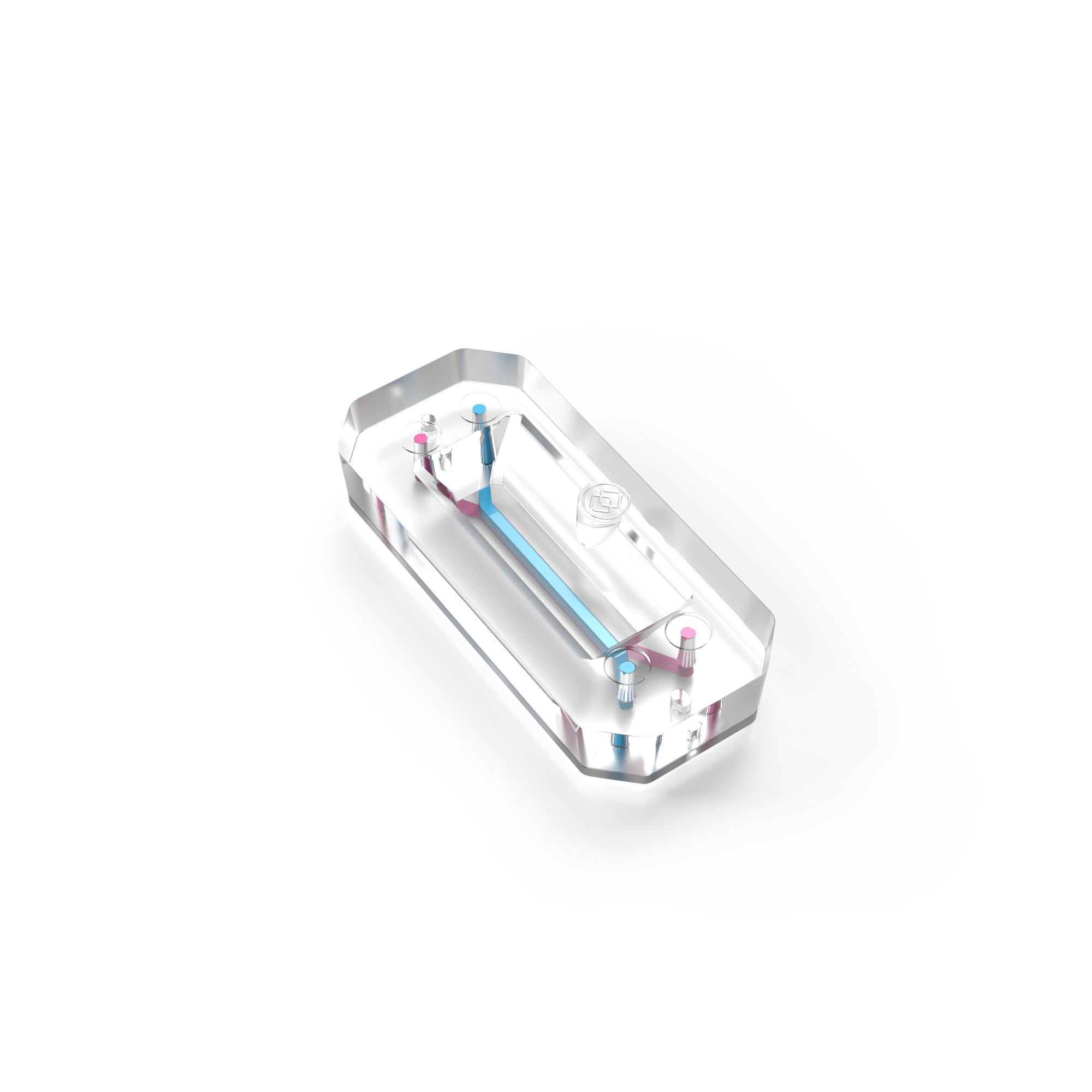
BOSTON–(BUSINESS WIRE)–Emulate, Inc., the leading provider of next-generation in vitro Organ-Chip models, today announced the release of its new Chip-R1™ Rigid Chip, designed to minimize drug absorption and enhance biological modeling. Constructed using low-drug-absorbing plastics, Chip-R1 builds upon the core microfluidic design of Organ-Chips, offering researchers greater precision in predicting human drug responses.


In addition to enhancing the accuracy of Organ-Chip experiments for ADME and toxicology applications, the new features of Chip-R1 can improve research across many other avenues. The modified design of the vascular channel enables physiologically relevant levels of shear stress, which is critical for vascular biology applications such as immune cell recruitment. Additionally, this model features a thinner membrane with smaller pores, enabling enhanced cellular crosstalk and better approximations of the in vivo milieu.

Novel features of Chip-R1 include:

  • Minimally drug-absorbing chip materials for accurate compound testing
  • Better approximation of the in vivo microenvironment through increased shear stress in the vascular channel
  • A preactivated tissue culture membrane to simplify the user workflow
  • Reduced imaging distance, expanding compatibility for microscopy

“This represents a step change in Emulate’s Organ-on-a-Chip technology, enabling customers to test compounds that were previously not addressable,” said Danny Levner, PhD, Chief Technology Officer at Emulate. “With its low-drug-absorbing properties, Chip-R1 is well suited for drug development applications like pharmacokinetics and pharmacodynamics, where consistent and predictable drug exposure is critical.”

Chip-R1 retains much of the same microfluidic architecture of the Chip-S1® Stretchable Chip, including co-culture to model the tissue-tissue interface, independent perfusion of the apical and basal channels, and compatibility with Emulate’s instrumentation hardware. With a new polycarbonate tissue culture membrane, Chip-R1 is better suited for organ models that do not require mechanical stretch to mimic physiological functions like peristalsis, such as liver and kidney.

“Chip-R1 showcases the continued evolution of our innovative consumables portfolio. With improved detection of hepatotoxicity compared to Chip-S1, it broadens the use of Organ-Chips to scientists who were previously concerned about how potential drug absorption impacts the accuracy of detecting drug-induced toxicity of small molecule lipophilic drugs,” said Lorna Ewart, PhD, Chief Scientific Officer at Emulate.

To learn more about the Chip-R1 Rigid Chip, visit the new webpage.

About Emulate:

Emulate is igniting a new era in human health with industry-leading Organ-on-a-Chip technology. The Human Emulation System provides a window into the inner workings of human biology and disease, offering researchers an innovative technology designed to predict human response with greater precision and detail than conventional cell culture or animal-based experimental testing. Pioneered at the Wyss Institute for Biologically Inspired Engineering at Harvard University and backed by Northpond Ventures, Founders Fund, and Perceptive Advisors, Organ-on-a-Chip technology assists researchers across academia, pharma, and government industries through its predictive power and ability to recreate true-to-life human biology. To learn more, visit emulatebio.com or follow us on LinkedIn and Twitter.

Contacts

Media Contact:
Emulate, Inc.

Veronica Mankinen

PRCommunications@emulatebio.com
781.583.3515