Bial Achieves Key Milestone in Phase 2b ACTIVATE Study of BIA 28-6156 in GBA1-Associated Parkinson’s Disease

Bial Achieves Key Milestone in Phase 2b ACTIVATE Study of BIA 28-6156 in GBA1-Associated Parkinson’s Disease


Bial Achieves Key Milestone in Phase 2b ACTIVATE Study of BIA 28-6156 in GBA1-Associated Parkinson’s Disease

  • 75% of patients have completed the Week 78 Last Study Visit
  • Topline results expected in mid-2026

PORTO, Portugal–(BUSINESS WIRE)–#BIA28–Bial, an innovation-driven biopharmaceutical company focused on neurosciences and rare diseases, today announced that 75% of patients currently enrolled in its ongoing Phase 2b clinical study ACTIVATE (ClinicalTrials.gov identifier: NCT05819359) have completed the double-blind treatment period through week 78.

This operational milestone represents a significant step toward the completion of the ACTIVATE study, which is evaluating the efficacy, safety, tolerability, pharmacodynamics, and pharmacokinetics of BIA 28-6156 in patients with Parkinson’s disease (PD) who have a pathogenic mutation in the glucocerebrosidase 1 (GBA1) gene (GBA-PD).

The date of the Last Patient, Last Visit (LPLV) is anticipated in April 2026, with topline results on track to be released in mid-2026.

“We look forward to presenting data from our Phase 2b study. BIA 28-6156 is the leading asset in GBA-PD, and clinical outcomes are just around the corner,” said António Portela, CEO of Bial. “We are witnessing growing enthusiasm across the Parkinson’s community and are truly excited to be at the forefront of a potential and much-needed disease-modifying treatment for people living with GBA-PD.”

The study is reporting strong patient retention, despite its long duration and complexity. This reflects the commitment of participating patients, as well as the high quality and robustness of study conduct across sites. As part of its commitment to transparency and patient engagement, Bial has maintained regular communication with trial participants through newsletters distributed via clinical sites every three to four months or upon achievement of key milestones.

“We are deeply grateful to the patients and their families for their extraordinary commitment, and to the global clinical community whose efforts continue to drive progress for people living with GBA-PD,” added António Portela.

Recruitment for the ACTIVATE study was completed ahead of expectations, with 273 genetically confirmed GBA-PD patients enrolled over approximately 18 months across 85 clinical sites in 11 countries throughout Europe and North America. This rapid recruitment underscores the strong engagement of the global Parkinson’s disease community and highlights the substantial unmet medical need for disease-modifying therapies targeting GBA1-associated Parkinson’s disease.

PD is the second most common neurodegenerative disorder affecting more than 10 million people worldwide.(1) Between 5-15% of PD patients have mutations in the GBA1 gene, making it the largest genetic risk factor for PD.(2)

GBA-PD patients tend to have, on average, an earlier onset of symptoms compared to those with idiopathic PD,(3) and have more severe clinical symptoms that progress significantly faster, leading to a worse overall prognosis,(2) thus emphasising the importance of developing new treatments for this condition.

About BIA 28-6156

BIA 28-6156 is in development as a first-in-class, small molecule for once-daily oral administration, allosteric activator of beta-glucocerebrosidase (GCase), for the treatment of patients with GBA-PD. By increasing the activity of GCase, BIA 28-6156 may be the first drug to directly modify the underlying cause of the disease in this group of patients by re-establishing the sphingolipid recycling. (4,5)

About Bial

Bial is an innovation-driven pharmaceutical company dedicated to improving the health and lives of people worldwide. With a strong commitment to therapeutic innovation, Bial has established an ambitious R&D programme, consistently investing over 20% of its annual revenue in this area. The company focuses on two key areas with high unmet medical needs: neurosciences and rare diseases.

In Europe, Bial operates manufacturing facilities and an R&D centre at its headquarters in Portugal, and maintains subsidiaries in Spain, Germany, the United Kingdom, Italy, and Switzerland. In addition, Bial is present in the United States and selected emerging markets. As part of its international growth strategy, the company collaborates with established partners through strategic alliances and licensing agreements to expand access to its healthcare solutions.

Currently, Bial’s products are available in more than 50 countries, advancing its mission to pursue scientific excellence, mainly in neurosciences and rare diseases, delivering transformative medicines that empower patients’ lives.

For more information about BIA28-6156, please visit: https://www.bial.com/com/our-research/pipeline/bia-28-6156/

For more information about the trial design, please visit: www.clinicaltrials.gov (identifier: NCT05819359)

For more information about Bial, please visit: www.bial.com

References

  1. APDA, www.apdaparkinson.org/what-is-parkinsons, accessed October 30 2024
  2. Smith L, Schapira AHV. Cells. 2022 Apr 8;11(8):1261
  3. Gan-Or et al., 2015; Grabowski, 2008
  4. den Heijer JM et al. Br J Clin Pharmacol. 2021 Sep;87(9):3561-3573;
  5. Guedes L. et al. Integrated safety analysis of BIA-28-6156 phase 1 clinical trials (a novel allosteric activator of beta-glucocerebrosidase). Presented at the International Congress of Parkinson’s Disease and Movement Disorders (MDS), Copenhagen, Denmark. August 27–31, 2023

Contacts

Media Contacts:
Bial

Susana Vasconcelos

Director, Communication

T. +351229866100 | E. susana.vasconcelos@bial.com

Tubulis Adds Steve Kelsey as Independent Director to its Advisory Board

Tubulis Adds Steve Kelsey as Independent Director to its Advisory Board


Tubulis Adds Steve Kelsey as Independent Director to its Advisory Board

  • Appointment brings additional precision oncology expertise as company accelerates development of its ADC pipeline

MUNICH–(BUSINESS WIRE)–Tubulis today announced the appointment of Steve Kelsey, MD, as independent director to its Advisory Board. Dr. Kelsey, currently President, Research and Development at Revolution Medicines, brings more than two decades of global biotechnology experience spanning small molecules, antibodies and antibody drug conjugates (ADCs), with a strong track record of translating innovative science into approved and transformative oncology therapies. As independent director, he will provide strategic guidance as the company advances its ADC lead candidates, TUB-030 and TUB-040, through later-stage clinical development and continues to expand its pipeline.


“Steve is an outstanding drug developer with a mindset that perfectly aligns with our objective to change clinical paradigms and improve patient outcomes,” said Dr. Dominik Schumacher, Chief Executive Officer and Co-founder of Tubulis. “As we enter the next stage of clinical development with our lead therapeutic programs and continuously push the boundaries of ADCs using our strong research unit, Steve’s expertise in guiding precision oncology programs from pre-clinical through late-stage development will be instrumental in positioning our ADC portfolio across diverse tumor types and treatment lines.”

“The scientific rigor and body of data that the Tubulis team has generated to date stands out in our industry. The first clinical results underscore the potential inherent in the company’s pipeline and technology. My goal is to support this team of innovators in pushing the boundaries of what ADCs can deliver for patients,” added Dr. Steve Kelsey.

Dr. Kelsey is a highly regarded oncologist with a long-standing track record of translating novel mechanisms into clinically validated medicines. At Revolution Medicines, he is responsible for multiple targeted oncology programs as they advance into pivotal and late-stage clinical trials, with an emphasis on rigorous clinical design, biomarker-driven development and combination strategies in RAS-driven cancers. Prior to joining Revolution Medicines in 2017, he held senior R&D and clinical leadership roles at Onkaido Therapeutics (a Moderna oncology venture), Medivation, Geron and Genentech, contributing to the development of approved cancer therapies including Sutent® (sunitinib), Perjeta® (pertuzumab), Kadcyla® (Trastuzumab emtansine) and Erivedge® (vismodegib). Dr. Kelsey serves as an independent director at Delphia Therapeutics and Circle Pharma, and as a scientific advisor to Remix Therapeutics. He has authored over 100 peer reviewed publications spanning cell biology, drug discovery, drug development and patient care, and is a named inventor on several patents. He holds a Bachelor of Medicine and Bachelor of Surgery (MB ChB), as well as a Doctor of Medicine (MD) from the University of Birmingham, UK, and is a Fellow of the Royal College of Physicians and the Royal College of Pathologists.

About Tubulis

Tubulis generates uniquely matched antibody-drug conjugates with superior biophysical properties that have demonstrated durable on-tumor delivery and long-lasting anti-tumor activity in preclinical models and first clinical proof-of-concept in platinum-resistant ovarian cancer. The two lead programs from our growing pipeline, TUB-040, targeting NaPi2b, and TUB-030, directed against 5T4, are being evaluated in the clinic in high-need solid tumor indications. We will solidify our leadership position by continuing to innovate on all aspects of ADC design leveraging our proprietary platform technologies. Our goal is to expand the therapeutic potential of this drug class for our pipeline, our partners and for patients. Visit www.tubulis.com or follow us on LinkedIn.

Contacts

For Tubulis
Dominik Schumacher, CEO & Co-founder

Phone: +49 (0) 175 800 5594

Email: contact@tubulis.com

Media Requests for Tubulis
Trophic Communications

Stephanie May, PhD

Phone: +49 (0) 171 185 56 82

Email: tubulis@trophic.eu

Announcing the 2026 I.D.E.A.L. Bioscience Employers: Turning Action into Impact

Announcing the 2026 I.D.E.A.L. Bioscience Employers: Turning Action into Impact


Announcing the 2026 I.D.E.A.L. Bioscience Employers: Turning Action into Impact

OTTAWA, Ontario–(BUSINESS WIRE)–#biosciences–In an ever-evolving Canadian bio-economy, employers who embed inclusivity, diversity, equity, and accessibility (IDEA) into their workplace culture are seeing measurable results: more innovation, stronger productivity and a competitive edge in attracting and retaining top talent. BioTalent Canada’s 2026 I.D.E.A.L. Bioscience Employers™ have exemplified these IDEA principles into real-world business advantages.


The I.D.E.A.L. Bioscience Employer Recognition Program is more than a designation; it’s a signal to the industry that these employers offer exceptional workplaces where people and ideas thrive. Recognized employers stand out in a crowded talent market, demonstrating their commitment to practices that drive performance and growth.

“Canada’s bio-economy is built on brainpower and bold ideas. Employers who lead in IDEA are building workplaces where innovation happens, and people want to stay,” says Rob Henderson, President and CEO of BioTalent Canada. “This recognition helps employers showcase their strengths and connect with the talent that will shape the future of our sector.”

Now in its fourth year, the I.D.E.A.L. Bioscience Employer Recognition Program continues to attract a diverse range of Canadian SMEs and large organizations. After a rigorous evaluation process, the following organizations have been recognized as 2026 I.D.E.A.L. Bioscience Employers (listed alphabetically):

  • AgriTech North
  • Amino Labs North Inc
  • Applied Pharmaceutical Innovation
  • Aruna Revolution Health Inc
  • Bioscience Association Manitoba (BAM)
  • BioCanRx
  • Enhanced Medical Nutrition (EMN)
  • Feldan Therapeutics
  • Gotcare
  • Health Cities Inc.
  • INTREPID Lab at CAMH
  • Life Sciences Ontario (LSO)
  • Neuraura Biotech Inc.
  • Noa Therapeutics
  • NorthernRNA
  • Ontario Genomics
  • Ontario Institute for Cancer Research (OICR)
  • Providence Therapeutics
  • Raft Brew Labs
  • Scispot.io Inc
  • Shift Health
  • STEMCELL Technologies
  • Tydra Labs

Employers are evaluated on their ability to:

  • Align IDEA with organizational vision, values and strategies
  • Demonstrate leadership accountability for IDEA outcomes
  • Measure and assess IDEA efforts
  • Prioritize IDEA learning and awareness
  • Implement inclusive talent management practices
  • Foster a culture of belonging
  • Engage with external collaborators such as communities, clients and suppliers

“Recognition as an I.D.E.A.L. Bioscience Employer is a differentiator in today’s market,” adds Henderson. “It tells job seekers, partners, and investors that your organization is committed to excellence, not just in science, but in the way you support and develop your people. Diversity and inclusion are not a charitable endeavour – every study out there indicates it’s a smart way of building your company.”

Are you looking to build your organization’s IDEA strategy but not sure where to start? BioTalent Canada’s employer resources are available at biotalent.ca/resiliency.

Are you interested in showcasing your company’s achievements? Contact Soufiane at info@biotalent.ca to connect with one of our experts.

Rob Henderson is available for comment.

About BioTalent Canada:

BioTalent Canada supports the people behind life-changing science. Trusted as the go-to source for labour market intelligence, BioTalent Canada guides bio-economy contributors with evidence-based data and industry-driven standards. BioTalent Canada, as a workforce development council, is focused on igniting the industry’s brainpower, bridging the gap between job-ready talent and employers, and ensuring the long-term agility, resiliency, and sustainability of one of Canada’s most vital sectors.

BioTalent Canada has received varied distinctions following a thorough and independent analysis of the organization. By practicing the same industry standards it recommends to partners, the organization has been honored with the following titles:

  • Great Place to Work® Employer from 2019-2025 and one of the Best Workplaces in Healthcare for 2023 by Great Place to Work Canada®
  • The Best Leader in Diversity, Equity, and Inclusion at the 2024 Best Ottawa Business Awards
  • 2024 Collaboration Catalyst by Magnet Network
  • One of Canada’s Best Places to Work by HRD Canada for 2024
  • 5-Star Diversity, Equity and Inclusion Employer by Canadian HR Reporter since 2023
  • Employer of Choice by Canadian HR Reporter for 2025

For more information, please visit biotalent.ca.

About the I.D.E.A.L. Bioscience Employer™ Recognition Program

The I.D.E.A.L. Bioscience Employer™ Recognition Program (Inclusivity, Diversity, Equity, and Accessibility Leadership) recognizes organizations in Canada’s bio-economy that lead the way in fostering diverse and inclusive workplaces. Organizations are evaluated and benchmarked on IDEA best practices, with annual designations granted to those meeting or exceeding established standards. Organizations not attaining the designation receive guidance on how to improve.

Contacts

Media Inquiries:


Eli Duern

Project Manager, Marketing and Communications

BioTalent Canada

613-235-1402 ext. 225

eduern@biotalent.ca

Genentech Announces Positive Phase II Results for Its Dual GLP-1/GIP Receptor Agonist CT-388 in People Living With Obesity

Genentech Announces Positive Phase II Results for Its Dual GLP-1/GIP Receptor Agonist CT-388 in People Living With Obesity


Genentech Announces Positive Phase II Results for Its Dual GLP-1/GIP Receptor Agonist CT-388 in People Living With Obesity

A once-weekly subcutaneous injection of CT-388 achieved a statistically significant placebo-adjusted weight loss of 22.5% (p < 0.001) at 48 weeks at the highest dose tested (24 mg), without reaching a weight loss plateau –

54% of participants on the 24 mg dose achieved resolution of obesity (BMI <30 kg/m2) vs. 13% in the placebo group –

CT-388 demonstrated a safety and tolerability profile generally consistent with its drug class with no new or unexpected safety signals –

SOUTH SAN FRANCISCO, Calif.–(BUSINESS WIRE)–Genentech, a member of the Roche Group (SIX: RO, ROG; OTCQX: RHHBY), announced today positive topline results from CT388-103, a Phase II clinical trial of CT-388, an investigational dual GLP-1/GIP receptor agonist being developed for the treatment of obesity. The study found that once-weekly subcutaneous injections of CT-388 (titrated up to 24 mg) resulted in significant and clinically meaningful placebo-adjusted weight loss of 22.5% (efficacy estimand) without reaching a weight loss plateau at 48 weeks. A clear dose-response relationship on the weight loss was observed. For the treatment-regimen estimand, the placebo-adjusted weight loss achieved with CT-388 was 18.3% (p-value < 0.001). At week 48 for the 24 mg dose, 95.7% of CT-388 treated participants achieved a weight loss of ≥5%, 87% achieved ≥10%, 47.8% achieved ≥20%, and 26.1% achieved ≥30%. 73% of participants who were pre-diabetic at baseline and treated with CT-388 at 24 mg achieved normal blood glucose levels at week 48 compared to 7.5% in the placebo group.


The treatment was well-tolerated, with the majority of gastrointestinal-related adverse events being mild-to-moderate, generally consistent with the incretin class of medicines. In addition, the treatment discontinuation rate due to adverse events was low (5.9% in CT-388 arms; 1.3% in placebo arm). The full results of the study will be presented at an upcoming medical congress.

“We are pleased to see such meaningful weight loss in people treated with CT-388,” said Levi Garraway, M.D., Ph.D., chief medical officer and head of Global Product Development. “The robust weight loss combined with a well-tolerated safety profile reinforces our confidence in the clinical development program as we advance to Phase III trials.”

With its growing cardiometabolic portfolio and strong diagnostic expertise of Roche, Genentech is advancing potentially transformative standards of care to improve the lives of people living with cardiometabolic diseases as well as reducing the significant burden on healthcare systems and society.

Obesity is recognized as the greatest single risk factor for chronic disease globally. By 2035, over four billion people (more than half of the global population) are projected to be living with excess weight or obesity, a trend affecting nearly every country. This rise is driven by a complex mix of genetics and biology as well as behavioral, environmental and socioeconomic factors, placing an increased strain on healthcare systems due to the associated burden of comorbidities and reduced quality of life.

Since integrating CT-388 into the pipeline, we have designated it within Genentech as a fast-track asset and significantly accelerated its clinical development with the goal to bring this potential therapy to patients as soon as possible. CT-388 is currently being investigated in an additional Phase II study (CT388-104) to evaluate the efficacy, safety and tolerability of CT-388 in participants who are living with obesity or are overweight and have type 2 diabetes. The Phase III clinical trial program of CT-388 in obesity (Enith1 and Enith2) is expected to start this quarter. In addition to offering robust efficacy as a standalone therapy, CT-388 also plays a key role in unlocking the promise of our obesity pipeline and is considered as a combination asset for petrelintide.

About the CT-388 (103) Phase II study [NCT06525935]

The multi-center, randomized, double-blind, placebo-controlled, parallel group dose-finding Phase II trial was designed to evaluate the efficacy and safety of CT-388 at low, middle, and high doses in 469 people with obesity. It includes adults with obesity (BMI≥30.0 kg/m2) or overweight (BMI ≥27.0 and <30.0 kg/m2) with at least one weight-related comorbidity without type 2 diabetes and evaluated five dosing cohorts with different up-titration schemes with 24 mg being the highest dose tested. The primary endpoint was percent change in body weight from baseline to week 48.

About CT-388

CT-388 is an investigational once-weekly subcutaneous injectable, dual GLP-1/GIP receptor agonist being developed for the treatment of obesity, type 2 diabetes, and other obesity-related comorbidities. It aims to reduce appetite and regulate blood sugar by selectively targeting and activating both receptors which integrate nutrient-derived signals to control energy homeostasis. CT-388 was designed to have potent activation of both GLP-1 and GIP receptors, but with minimal to no ß-arrestin recruitment on either receptor. This biased signaling significantly minimizes receptor internalization and consequent desensitization, which is expected to lead to prolonged pharmacological activity.

About Genentech

Founded 50 years ago, Genentech is a leading biotechnology company that discovers, develops, manufactures and commercializes medicines to treat patients with serious and life-threatening medical conditions. The company, a member of the Roche Group, has headquarters in South San Francisco, California. For additional information about the company, please visit https://www.gene.com.

Contacts

Media Contact: Meghan Hindman (650) 467-6800

Advocacy Contact: Alana Laurin (650) 225-5171

Investor Contacts: Loren Kalm (650) 225-3217

Bruno Eschli +41 61 687 5284

MindWalk Applies HYFT® Technology to Detect Functional Adjacency Linked to Portfolio Risk in AI-Designed Therapeutics

MindWalk Applies HYFT® Technology to Detect Functional Adjacency Linked to Portfolio Risk in AI-Designed Therapeutics


MindWalk Applies HYFT® Technology to Detect Functional Adjacency Linked to Portfolio Risk in AI-Designed Therapeutics

AUSTIN, Texas–(BUSINESS WIRE)–MindWalk Holdings Corp. (NASDAQ:HYFT) (“MindWalk” or the “Company”), a Bio-Native AI therapeutic research and technology company, today announced an application of its proprietary HYFT® technology designed to identify functional adjacency – meaning different molecules can produce the same therapeutic effect even when sequence comparisons suggest they are unrelated – an emerging source of competitive, legal, and valuation risk in modern drug discovery that sequence-alignment-based analysis often fails to capture.


Using HYFT® technology, MindWalk found a shared biological “signature” in influenza that stays consistent even when the virus’s genetic code changes a lot. This supports MindWalk’s approach to designing vaccine targets aimed at broader protection across strains and shows how HYFT identifies meaningful similarities in biology even when molecules do not look alike at first glance.

“Functional adjacency is now one of the most under-appreciated risks in pharmaceutical R&D,” said Jennifer Bath, Ph.D., Chief Executive Officer of MindWalk. “If two molecules deliver the same biological effect, they may compete for the same patient, pursue similar regulatory labels, and undermine perceived differentiation even if their sequences appear unrelated. As AI accelerates protein design, teams can generate many distinct sequences that converge on the same functional outcome, increasing the likelihood of competitive overlap, IP vulnerability, and valuation compression. HYFT is intended to help identify this convergence early by evaluating similarity at the functional level, not only at the sequence level.”

The Functional Adjacency Problem: An Emerging IP Risk for Pharma

Functional adjacency, where distinct molecular entities produce the same biological effect despite limited or no sequence similarity, has emerged as a material legal, competitive, and valuation risk in pharmaceutical development. Recent U.S. patent decisions have increased scrutiny on broadly drafted, functionally defined claim scope and underscore the need for disclosure and support proportional to what a patent claims.

In Amgen v. Sanofi, the U.S. Supreme Court found certain broad, functionally defined antibody claims directed to PCSK9 inhibition invalid for lack of enablement, meaning the patent did not teach others how to make and use the full claimed scope without undue experimentation. The decision reinforced a critical reality for biologics, competitive overlap often follows functional equivalence, not sequence similarity, and durable patent protection requires enabling disclosure consistent with the breadth of the claim.

Similarly, in Juno Therapeutics v. Kite Pharma, the Federal Circuit found certain CAR-T claims invalid for lack of written description, meaning the patent did not adequately describe the full claimed class of binding elements. The court’s analysis highlighted the risk of claiming broad functional territory without sufficient support, such as representative examples and shared defining features, across the claimed range.

Together, these decisions reflect an industry shift:

  • Multiple molecules achieve the same therapeutic effect through different sequences
  • Sequence novelty alone often proves insufficient as a proxy for competitive or legal differentiation
  • Competitive landscapes, deal valuations, and IP strategies built primarily on sequence similarity may face increasing fragility

As AI-driven protein design accelerates, this challenge intensifies. High-throughput platforms rapidly explore functional space and produce diverse sequences that converge on similar activity, creating blind spots in competitive intelligence and asset valuation when evaluation relies heavily on sequence similarity alone. Functional adjacency is no longer theoretical; it is increasingly recognized as an economically material risk, and recent case law underscores its IP implications.

HYFT Technology: Functional Intelligence Beyond Sequence Alignment

HYFT technology is designed to help close this gap by identifying conserved functional patterns shaped by biophysical constraints such as structure, charge, and binding interactions, even when evolutionary relationships are unclear and sequence similarity is low.

“HYFT technology lets us step outside sequence thinking and identify a functional constraint influenza appears to preserve for infection,” said Dirk Van Hyfte, MD, Ph.D., Chief Technology Officer of MindWalk.

In MindWalk’s influenza study, HYFT-based analysis identified functional architecture that persisted despite viral mutation, showing how influenza can change its sequence while preserving features required for infection. The same principle applies to AI-designed therapeutics, where optimization can generate diverse sequences that converge on similar functional outcomes.

HYFT technology is designed to help organizations evaluate competition, IP exposure, and portfolio risk based on functional similarity, where clinical and commercial overlap often occurs.

Strategic Implications for Pharma and Investors

The influenza observation, together with MindWalk’s previously disclosed HYFT-enabled dengue epitope program, shows HYFT as a cross-pathogen platform for identifying conserved functional design rules in biology, even when targets look different at the sequence level.

Taken together, these programs support the view that HYFT is not a single-asset discovery tool. It is positioned as a scalable strategic intelligence capability within MindWalk’s broader data management and biological reasoning platform.

As deployed, HYFT is intended to help pharmaceutical and biotechnology organizations:

  • Identify potential functional competitors earlier, including AI-designed or convergently evolved assets that sequence-based comparisons may miss
  • Strengthen in-licensing and M&A diligence efforts by assessing functional overlap, not only sequence similarity
  • Inform patent strategy under heightened scrutiny of function-based claims by grounding how functional space is characterized and supported
  • Improve R&D portfolio choices and capital allocation by prioritizing differentiated opportunities and identifying crowded functional areas earlier

MindWalk plans to engage pharmaceutical, biotechnology, and other organizations to explore collaborations and commercial arrangements that deploy HYFT-based functional intelligence across discovery, diligence, and portfolio decision workflows. This is designed to integrate with MindWalk’s end-to-end data platform, which unifies sequence, structure, function, and literature within a single operational framework.

This approach is designed to shift organizations from backward-looking analysis to forward-looking functional decision-making, aligning scientific discovery, competitive intelligence, IP strategy, and capital deployment as AI accelerates therapeutic design.

Forward-Looking Statements

This press release contains forward-looking statements within the meaning of applicable United States and Canadian securities laws. Forward-looking statements are often identified by words such as “expects,” “intends,” “plans,” “anticipates,” “believes,” “estimates,” “targets,” “seeks,” “potential,” or similar expressions, or by statements that certain actions, events, or results are expected to occur or be achieved.

Forward-looking statements in this press release include, without limitation, statements regarding: the interpretation and significance of observations derived from the application of the Company’s HYFT® technology; the identification, characterization, and relevance of conserved functional patterns and functional adjacency; the hypothesis that such patterns may support rational design toward broadly protective influenza immunogens; the relevance of functional adjacency to competitive intelligence, intellectual property strategy, business development, and portfolio decision-making; the intended role of HYFT-based analysis in evaluating functional competition, IP exposure, or portfolio risk; the integration of HYFT within the Company’s broader data management and biological reasoning platform; the scope, timing, and outcome of potential future validation activities; and the Company’s ability to pursue, structure, or complete strategic investments, collaborations, commercial arrangements, partnering transactions, or licensing opportunities related to HYFT-based technologies or programs.

Forward-looking statements are based on management’s current expectations, assumptions, and projections about future events and Company performance. Forward-looking statements involve known and unknown risks, uncertainties, and other factors that cause actual results, performance, or achievements to differ materially from those expressed or implied. These factors include, among others: the preliminary and exploratory nature of computational analyses and in silico observations; limitations in available data, inputs, or analytical assumptions; the risk that subsequent laboratory, experimental, or validation studies do not replicate or support the reported observations; uncertainty regarding the biological relevance, robustness, or generalizability of identified functional patterns; risks inherent in therapeutic research and development, including challenges related to translation, validation, manufacturability, safety, immunogenicity, breadth, durability, or efficacy; the risk that future development decisions are delayed, modified, or discontinued; regulatory requirements and uncertainties; dependence on third-party collaborators, laboratories, service providers, and data sources; intellectual property risks, including the ability to obtain, maintain, defend, and enforce patent and other proprietary rights; competitive developments; the availability, timing, and terms of strategic investments or other financing alternatives; the ability to enter into, maintain, or enforce collaborations, partnering arrangements, or commercial agreements on acceptable terms; and broader economic, market, geopolitical, or regulatory conditions.

Additional information about these and other risks and uncertainties is set out in the Company’s Annual Report on Form 20-F, as amended, for the fiscal year ended April 30, 2025, available on the Company’s SEDAR+ profile at www.sedarplus.ca and EDGAR profile at www.sec.gov/edgar.

Readers are cautioned not to place undue reliance on forward-looking statements. Except as required by applicable law, the Company undertakes no obligation to update or revise any forward-looking statements to reflect new information, future events, or otherwise.

This press release does not constitute an offer to sell or the solicitation of an offer to buy any securities.

Contacts

Investor Contact

Louie Toma, CPA, CFA

Managing Director, CoreIR

investors@mindwalkAI.com

A Practical Approach to Developing the CMC Package for Veterinary Pharmaceutical Products | 1-Day Online Training Course (May 7, 2026) – Master EU CMC Requirements for Veterinary Pharmaceuticals – ResearchAndMarkets.com

A Practical Approach to Developing the CMC Package for Veterinary Pharmaceutical Products | 1-Day Online Training Course (May 7, 2026) – Master EU CMC Requirements for Veterinary Pharmaceuticals – ResearchAndMarkets.com


A Practical Approach to Developing the CMC Package for Veterinary Pharmaceutical Products | 1-Day Online Training Course (May 7, 2026) – Master EU CMC Requirements for Veterinary Pharmaceuticals – ResearchAndMarkets.com

DUBLIN–(BUSINESS WIRE)–The “A Practical Approach to Developing the CMC Package for Veterinary Pharmaceutical Products Training Course (May 7, 2026)” has been added to ResearchAndMarkets.com’s offering.


Understanding the chemistry, manufacturing and controls (CMC) requirements for veterinary pharmaceuticals is essential to support successful registration in the EU.

Regulations for CMC of veterinary pharmaceuticals are complex and are regularly updated, making pharmaceutical product development challenging. Information presented in the CMC section (Part 2) of the veterinary pharmaceutical dossier enables you to demonstrate successful pharmaceutical development and support post approval change management.

This course is designed to guide you through the essential steps in the development of the formulation and manufacturing process, in a manner that will ensure regulatory compliance for clinical trial applications and marketing authorization applications. Requirements for a range of veterinary dosage forms will be addressed with reference to guidance and legislation applied by EU regulators. Pharmaceutical development, manufacturing activities and the content of the CMC (Part 2) regulatory submission will be covered with consideration of VICH and EU provisions.

Benefits of Attending

  • Understand the EU regulatory framework governing CMC aspects of veterinary pharmaceutical development
  • Gain a detailed review of product development steps to fulfill requirements for Development Pharmaceutics
  • Confirm the manufacturing and stability protocol to meet EU regulatory expectations
  • Review the impact of the CMC data package on post-approval change management
  • Learn from experienced CMC regulatory experts and gain an understanding of the complexities and opportunities in the development of veterinary pharmaceutical products

Certifications

  • CPD: 6 hours for your records
  • Certificate of completion

Who Should Attend

This course will be beneficial to personnel in the following departments and roles:

  • Regulatory affairs
  • Quality assurance and manufacturing
  • Research and development
  • CMC technical writers

Agenda

EU CMC guidelines for veterinary pharmaceuticals

  • EU legal requirements for CMC
  • EMA CMC guidelines
  • EMA Scientific Advice for CMC

Development requirements for the active substance

  • New substance: process development and production of clinical and regulatory batches
  • Supplier qualification
  • Transfer of test methods
  • Setting the specification

Development pharmaceutics – part 1 – formulation and analytical development

  • Dosage form selection
  • Excipient selection and compatibility
  • Preliminary stability
  • Antimicrobial preservatives and antioxidants
  • Packaging selection
  • Analytical method development and validation

Development pharmaceutics – part 2 – process development

  • Quality by Design
  • Scale-up pilot scale to engineering batch
  • Developing in-process controls
  • Selection of sterilization method
  • Process validation protocol

Manufacturing and stability considerations for EU regulations

  • Scheduling for submission batches
  • Stability protocol
  • Bracketing and matrixing

Part 2 – dossier and expert report preparation

  • Data requirements for the Part 2 dossier
  • Presentation of the CMC development package
  • Specification for starting materials
  • Specification for dosage form
  • Method validation
  • Shelf life and in-use shelf life

For more information about this training visit https://www.researchandmarkets.com/r/gwq89z

About ResearchAndMarkets.com

ResearchAndMarkets.com is the world’s leading source for international market research reports and market data. We provide you with the latest data on international and regional markets, key industries, the top companies, new products and the latest trends.

Contacts

ResearchAndMarkets.com

Laura Wood, Senior Press Manager

press@researchandmarkets.com

For E.S.T Office Hours Call 1-917-300-0470

For U.S./ CAN Toll Free Call 1-800-526-8630

For GMT Office Hours Call +353-1-416-8900

Serenity Mental Health Centers Offers Breakthrough Ketamine Therapy in Las Vegas

Serenity Mental Health Centers Offers Breakthrough Ketamine Therapy in Las Vegas


Serenity Mental Health Centers Offers Breakthrough Ketamine Therapy in Las Vegas

Mental health clinic provides ketamine infusion therapy to heal residents

LAS VEGAS–(BUSINESS WIRE)–Serenity Mental Health Centers, a leader in psychiatric care and one of the fastest growing mental health providers in the nation, today announced the expansion of its ketamine infusion therapy in Las Vegas.


Serenity’s board-certified psychiatrists and psychiatric mental health nurse practitioners provide full-spectrum mental health services tailored to each patient’s needs. Treatments include psychiatric evaluations, medication management, Transcranial Magnetic Stimulation (TMS), and ketamine infusion therapy for conditions such as depression, anxiety, PTSD, OCD, and more. These evidence-based approaches are designed for patients seeking both traditional support and non-medication treatment options.

“For patients who feel like they’ve exhausted traditional approaches, ketamine therapy in Las Vegas can offer a new path forward,” said Tricia Pease, COO and co-founder of Serenity Mental Health Centers. “Our goal is to provide this treatment in a safe, supportive clinical setting where patients are guided by experienced psychiatric providers.”

Serenity’s outpatient model includes flexible scheduling and same-day appointments, breaking down barriers that often prevent patients from receiving timely care. Serenity is committed to providing patient-first psychiatry and to becoming the go-to destination for ketamine therapy in Las Vegas.

To book an appointment, visit http://serenitymentalhealthcenters.com/nevada-psychitry-clinics/las-vegas/ or call 725-201-1842.

About Serenity Mental Health Centers

Serenity Mental Health Centers is a leading provider of comprehensive mental health services, dedicated to transforming the lives of patients through compassionate, innovative, and evidence-based care. With 35 locations across the country, Serenity offers a wide range of treatments tailored to address various mental health conditions, including depression, anxiety, OCD, and PTSD. Our highly skilled team of psychiatrists, nurse practitioners and mental health specialists combine innovative therapies like Transcranial Magnetic Stimulation (TMS) and ketamine infusion with personalized care to help patients achieve lasting wellness. Serenity is committed to expanding access to quality mental health care and fostering hope and recovery for individuals and families in the communities we serve. For more information, go to serenitymentalhealthcenters.com.

Contacts

For more information, contact:
Jillian DiMarco

jdimarco@serenityhealthcare.com

Prospera™ Featured in Landmark Interventional Study Advancing Lung Transplant Care

Prospera™ Featured in Landmark Interventional Study Advancing Lung Transplant Care


Prospera™ Featured in Landmark Interventional Study Advancing Lung Transplant Care

New publication shows that Prospera-guided care helped >75% of low-risk patients safely avoid routine transbronchial biopsies performed at 9 months

AUSTIN, Texas–(BUSINESS WIRE)–Natera, Inc. (NASDAQ: NTRA), a global leader in cell-free DNA and precision medicine, today announced the publication of a new prospective clinical trial in Transplantation Direct. The study, which was conducted by The Ohio State University Wexner Medical Center (OSU-WMC), was initiated to explore whether donor-derived cell-free DNA (dd-cfDNA) surveillance, and specifically Prospera-guided monitoring, could reduce the number of invasive biopsies for patients following lung transplantation.


Lung transplant patients are typically monitored with transbronchial biopsies – at one, three, six, nine, and 12 months after transplantation. These procedures are invasive, costly and associated with significant morbidity¹.

As transplant volumes increased at OSU-WMC, the center launched a quality assurance and performance improvement (QAPI) initiative to evaluate whether the Prospera test could allow them to safely eliminate the 9-month surveillance biopsy.

In the study, 78 lung-transplant recipients were monitored with the Prospera test for one year post-transplant. Prospera testing was incorporated at approximately 8 months to categorize patients as low risk (<1.0 % dd-cfDNA) or high risk (≥1.0 %) for rejection. Physicians could then choose to forgo the 9-month surveillance biopsy for low-risk, clinically stable patients. All participants were recommended for a protocol biopsy at 12 months post-transplant.

Key findings included:

  • Physicians chose to omit the 9-month biopsy in ~75% of patients with low-risk Prospera results. For these patients over the ensuing 3 months, there was no significant difference in acute rejection rates, spirometry indices, or donor-specific antibodies compared to patients who underwent the procedure.
  • At one year post-transplant, approximately 95% of patients who omitted the 9-month biopsy did not have acute rejection that needed any treatment.
  • Patients who omitted the 9-month biopsy maintained lung function and immunologic stability similar to those who underwent the procedure.

“This study highlights how monitoring with Prospera can improve both the patient experience and the sustainability of transplant programs,” said Justin Rosenheck, D.O., clinical assistant professor of internal medicine at The Ohio State University Wexner Medical Center and principal investigator of the study. “These compelling results support our goal of providing more personalized and efficient medical care without compromising patient safety or outcomes.”

“The Prospera test provided actionable patient risk assessments within a structured QAPI framework,” said David Ross, M.D., senior medical director of lung transplantation and molecular diagnostics at Natera. “These data support fewer routine biopsies during dd-cfDNA surveillance while maintaining lung function and immune response. We believe that future clinical studies could further support the safe omission of protocol biopsies implementing the Prospera Lung test, ultimately reducing invasive procedural risks and burdens with optimized health.”

References

  1. Huo J, Xu Y, Sheu T, Volk RJ, Shih Y-CT. Complication Rates and Downstream Medical Costs Associated With Invasive Diagnostic Procedures for Lung Abnormalities in the Community Setting. JAMA Internal Medicine. 2019;179(3):324-332.

About Natera

Natera™ is a global leader in cell-free DNA and precision medicine, dedicated to oncology, women’s health, and organ health. We aim to make personalized genetic testing and diagnostics part of the standard-of-care to protect health and inform earlier, more targeted interventions that help lead to longer, healthier lives. Natera’s tests are supported by more than 350 peer-reviewed publications that demonstrate excellent performance. Natera operates ISO 13485-certified and CAP-accredited laboratories certified under the Clinical Laboratory Improvement Amendments (CLIA) in Austin, Texas, and San Carlos, California, and through Foresight Diagnostics, its subsidiary, operates an ISO 27001-certified and CAP-accredited laboratory certified under CLIA in Boulder, Colorado. For more information, visit www.natera.com.

Forward-Looking Statements

All statements other than statements of historical facts contained in this press release are forward-looking statements and are not a representation that Natera’s plans, estimates, or expectations will be achieved. These forward-looking statements represent Natera’s expectations as of the date of this press release, and Natera disclaims any obligation to update the forward-looking statements. These forward-looking statements are subject to known and unknown risks and uncertainties that may cause actual results to differ materially, including with respect to whether the results of clinical or other studies will support the use of our product offerings, the impact of results of such studies, our expectations of the reliability, accuracy, and performance of our tests, or of the benefits of our tests and product offerings to patients, providers, and payers. Additional risks and uncertainties are discussed in greater detail in “Risk Factors” in Natera’s recent filings on Forms 10-K and 10-Q, and in other filings Natera makes with the SEC from time to time. These documents are available at www.natera.com/investors and www.sec.gov.

Contacts

Investor Relations: Mike Brophy, CFO, Natera, Inc., investor@natera.com
Media: Lesley Bogdanow, VP of Corporate Communications, Natera, Inc., pr@natera.com

Genethon Advances Groundbreaking Gene Therapies for Patients with Rare Genetic Diseases

Genethon Advances Groundbreaking Gene Therapies for Patients with Rare Genetic Diseases


Genethon Advances Groundbreaking Gene Therapies for Patients with Rare Genetic Diseases

Genethon’s Newsletter highlights the latest developments in gene therapies for diseases once considered incurable, including Duchenne muscular dystrophy

PARIS–(BUSINESS WIRE)–Genethon, a unique non-profit gene therapy R&D organization founded by the French Muscular Dystrophy Association (AFM-Telethon), began the new year with an R&D licensing deal for its gene therapy approach to Pompe disease and continues pivotal clinical trials of its best-in-class low dose micro-dystrophin gene therapy (GNT0004) for Duchenne muscular dystrophy (DMD). Read about these and other advances in Genethon’s latest Newsletter.


In his CEO Commentary, Frederic Revah, Ph.D., underscores the dedication, expertise and successes of Genethon’s 240 scientists and professional staff as they pursue new gene therapy treatments for rare genetic diseases, which disproportionately affect children worldwide.

Other Newsletter highlights:

  • Genethon’s license agreement with AskBio, a gene therapy subsidiary of Bayer AG, for a proprietary technology developed by Genethon and integrated into AskBio’s gene therapy clinical trial candidate for Pompe disease.
  • An update on Genethon’s pivotal clinical trial of its gene therapy for DMD.
  • A research discovery that could lead to a combination treatment with gene therapy for DMD.
  • Interviews with Dr. Revah in two global publications.

Read the full Newsletter and learn more about Genethon on its website (www.genethon.com).

About Genethon

A pioneer in the discovery and development of gene therapies for rare diseases, Genethon is a non-profit laboratory created by the AFM-Telethon. The first gene therapy drug, to which Genethon contributed, has been approved for marketing for spinal muscular atrophy. With more than 240 scientists and professionals, Genethon’s goal is to develop innovative therapies that change the lives of patients suffering from rare genetic diseases. Thirteen gene therapy products resulting from Genethon’s research, or to which Genethon has contributed, are currently undergoing clinical trials for diseases of the liver, blood, immune system, muscles, and eyes. Others are in preparation for clinical trials over the next five years. More information at www.genethon.com.

Contacts

Media Contact
Stephanie Bardon

SBARDON@afm-telethon.fr

Aesyra Demonstrates Significant Sleep Bruxism Reduction in Clinical Study

Aesyra Demonstrates Significant Sleep Bruxism Reduction in Clinical Study


Aesyra Demonstrates Significant Sleep Bruxism Reduction in Clinical Study

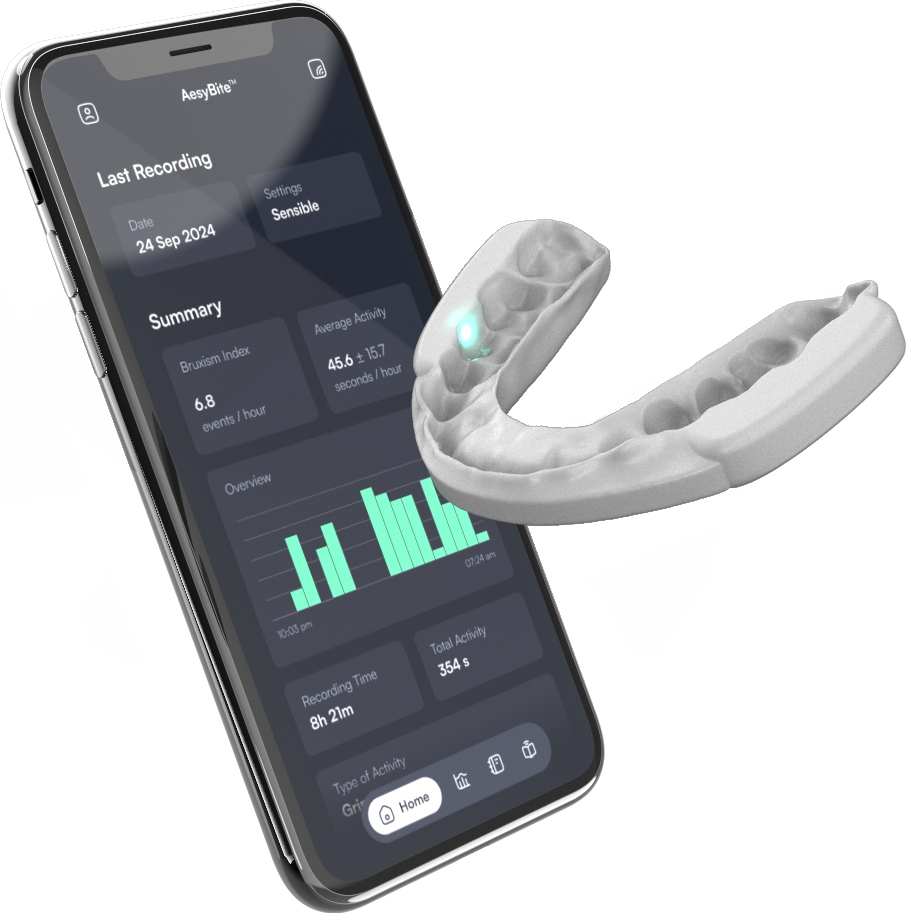
LAUSANNE, Switzerland–(BUSINESS WIRE)–#aesybiteAesyra SA, a Swiss medtech company developing innovative digital therapeutics for dental and sleep-related disorders, today announced the successful completion of its clinical investigation evaluating the efficacy and safety of AesyBite™ Active, an intelligent oral appliance designed to treat and prevent sleep bruxism through biofeedback.


The clinical investigation demonstrated that AesyBite™ Active achieved a statistically significant and clinically meaningful reduction in sleep bruxism activity, exceeding the predefined performance target.

Strong and robust clinical outcomes

In the study (Identifier: NCT06153810), involving 26 adult patients with confirmed sleep bruxism, activation of the AesyBite Active biofeedback system resulted in a 60.6% reduction in total sleep bruxism duration per hour compared to baseline (95% CI: 55.8%–64.9%, p < 0.001). This reduction exceeded the study’s predefined efficacy threshold, confirming the device’s ability to meaningfully reduce bruxism activity during sleep.

In addition to the primary endpoint, statistically significant improvements were observed across multiple secondary measures, including:

  • Reduced number of bruxism episodes per hour
  • Shorter bruxism episode duration
  • Lower intensity of bruxism episodes
  • No negative impact on sleep duration

The therapeutic effect was consistent regardless of baseline bruxism severity and independent of the timing of biofeedback activation.

Positive safety and usability profile

No adverse events were reported during the investigation. Patient-reported outcomes showed progressive improvements in orofacial pain, as well as improved comfort and acceptance of the device over time, supporting its suitability for long-term nightly use.

A differentiated approach to treating sleep bruxism

Unlike conventional passive splints, AesyBite™ Active combines a customized oral appliance with embedded sensors and active biofeedback, enabling real-time detection and reduction of bruxism activity without disturbing sleep.

“These results represent a major milestone for Aesyra,” said Marco Letizia, co-founder and CEO of Aesyra SA. “Demonstrating a consistent and robust reduction in sleep bruxism activity, together with an excellent safety profile, strongly supports the clinical value of AesyBite Active and its potential to change how sleep bruxism is treated.”

“The magnitude and consistency of the effect observed in this investigation are particularly encouraging,” added Prof. Marcello Maddalone, Principal Investigator, University of Milano-Bicocca.

“The data support AesyBite Active as an effective and well-tolerated therapeutic option for patients suffering from sleep bruxism.”

Next steps

The study results will support global regulatory submissions and future commercialization efforts. FDA submission has been initiated and regulatory approval in the USA is targeted for 2026. European regulatory approval is planned thereafter. In 2026 Aesyra plans to initiate go-to-market activities with existing partners and will seek additional partners for other commercial activities and to expand clinical indications of its platform technology.

About Aesyra SA

Aesyra SA is a Swiss spin-off from EPFL (École Polytechnique Fédérale de Lausanne) focused on developing smart, data-driven oral medical devices for the diagnosis and treatment of sleep-related dental conditions using its proprietary platform technology.

Its flagship product, AesyBite™ Active, integrates digital sensing and biofeedback to address sleep bruxism in a novel and clinically validated way.

Building on the same technological platform, Aesyra is also developing AesyBite™ Custom, a next-generation digital dentistry solution that leverages patient-specific intraoral 3D scans and additive manufacturing to enhance personalization and wearing comfort in bruxism therapy.

For more information, visit: www.aesyra.com

Contacts

Media: info@aesyra.com