Surmodics Announces U.S. District Court Denies Request for Preliminary Injunction to Block Proposed Acquisition by GTCR

Surmodics Announces U.S. District Court Denies Request for Preliminary Injunction to Block Proposed Acquisition by GTCR


Surmodics Announces U.S. District Court Denies Request for Preliminary Injunction to Block Proposed Acquisition by GTCR

EDEN PRAIRIE, Minn.–(BUSINESS WIRE)–Surmodics, Inc. (Nasdaq: SRDX) (“Surmodics” or the “Company”), a leading provider of medical device and in vitro diagnostic technologies to the health care industry, today announced that the United States District Court for the Northern District of Illinois (the “District Court”) has denied a request by the U.S. Federal Trade Commission (the “FTC”) and certain state regulators to issue a preliminary injunction that would have prevented the Company and GTCR LLC (“GTCR”) from consummating the proposed acquisition of the Company by an affiliate of GTCR (the “Merger”).


Consummation of the Merger remains subject to a Temporary Restraining Order under which the parties to the Merger agree not to consummate the Merger prior to 5:00 p.m. Central time on Monday, November 17. It also remains subject to the satisfaction or waiver of closing conditions set forth in the agreement related to the Merger (the “merger agreement”), including (1) the absence of any injunction or other legal restraint or prohibition that would prevent or prohibit the consummation of the Merger, (2) the absence of a “Company Material Adverse Effect” (as defined in the merger agreement) with respect to the Company and (3) other customary closing conditions.

“The District Court’s ruling is a significant step toward being able to complete the Merger, which we continue to believe will position the Company to continue to deliver compelling benefits for physicians, patients and customers going forward,” said Gary Maharaj, President and CEO of Surmodics, Inc. “I would like to extend a heartfelt thanks to our legal advisors for their hard work in helping Surmodics to defend this proposed transaction in court, and to our employees for their unwavering dedication to maintaining our excellent operating performance.”

About Surmodics, Inc.

Surmodics is a leading provider of performance coating technologies for intravascular medical devices and chemical and biological components for in vitro diagnostic immunoassay tests and microarrays. Surmodics also develops and commercializes highly differentiated vascular intervention medical devices that are designed to address unmet clinical needs and engineered to the most demanding requirements. This key growth strategy leverages the combination of the Company’s expertise in proprietary surface modification and drug-delivery coating technologies, along with its device design, development, and manufacturing capabilities. The Company’s mission is to improve the detection and treatment of disease. Surmodics is headquartered in Eden Prairie, Minnesota. For more information, visit www.surmodics.com. The content of Surmodics’ website is not part of this press release or part of any filings that the Company makes with the Securities and Exchange Commission (the “SEC”).

Safe Harbor for Forward-Looking Statements

This press release contains forward-looking statements. Statements that are not historical or current facts, including statements regarding completion of the Merger, the Company’s belief that the Merger will position the Company to continue to deliver compelling benefits for physicians, patients and customers, when the pending Merger will be consummated, if at all, and its potential consequences, including the expected financing of the Merger, the expectation that the Company will be privately held after the Merger, and conditions for consummation of the Merger, are forward-looking statements. Forward-looking statements involve inherent risks and uncertainties, and important factors could cause actual results to differ materially from those anticipated, including the factors identified under “Risk Factors” in Part I, Item 1A of our Annual Report on Form 10-K for the fiscal year ended September 30, 2024, and updated in our subsequent reports filed with the SEC. These reports are available in the Investors section of our website at https://surmodics.gcs-web.com and at the SEC website at www.sec.gov. Forward-looking statements speak only as of the date they are made, and we undertake no obligation to update them in light of new information or future events.

Contacts

Surmodics Investor Inquiries:

Jack Powell, Investor Relations

ir@surmodics.com

Surmodics Public Relations Inquiries:

pr@surmodics.com

Precision BioSciences Announces $75 Million Offering of Common Stock, Pre-Funded Warrants and Warrants

Precision BioSciences Announces $75 Million Offering of Common Stock, Pre-Funded Warrants and Warrants


Precision BioSciences Announces $75 Million Offering of Common Stock, Pre-Funded Warrants and Warrants

DURHAM, N.C.–(BUSINESS WIRE)–Precision BioSciences, Inc. (Nasdaq: DTIL) (“Precision”), a clinical stage gene editing company utilizing its novel proprietary ARCUS® platform to develop in vivo gene editing therapies for high unmet need diseases, today announced that it has agreed to sell by way of an underwritten offering 10,815,000 shares of its common stock and accompanying warrants to purchase up to 5,407,500 shares of common stock at a combined price of $6.14 and, in lieu of common stock to certain investors, pre-funded warrants to purchase up to 1,400,000 shares of its common stock and accompanying one-half of a warrant to purchase up to 700,000 shares of common stock at a combined price of $6.139995, which represents the per share offering price for the shares of common stock less the $0.000005 per share exercise price for each pre-funded warrant. The gross proceeds to Precision from the offering, before deducting the underwriting discounts and commissions and offering expenses, are expected to be approximately $75 million. Each whole warrant has an exercise price of $7.25 per share, is exercisable immediately and will expire five years following the date of issuance. The deal includes participation from new and existing investors, including Aberdeen Investments, Bleichroeder LP, Driehaus Capital Management, Empery Asset Management LP, Lynx1 Capital Management, Octagon Capital, Readout Capital, Sphera Funds Management, Stonepine Capital Management, as well as other leading life sciences investors.


The offering is expected to close on or about November 12, 2025, subject to customary closing conditions. All shares of common stock, pre-funded warrants and accompanying one-half of a warrant to purchase shares of common stock to be sold in the offering will be sold by Precision. Precision intends to use the net proceeds of the offering to help fund ongoing and planned research and development, and for working capital and general corporate purposes.

Guggenheim Securities is acting as sole book-running manager for the offering.

The securities described above were offered by means of a prospectus supplement dated November 10, 2025, and accompanying prospectus dated June 15, 2023, forming part of Precision’s effective shelf registration statement (File No. 333-272540). The prospectus supplement and accompanying prospectus relating to this offering will be filed with the U.S. Securities and Exchange Commission (the “SEC”) and will be available on the SEC’s website located at www.sec.gov. Copies of the prospectus supplement and the accompanying prospectus may also be obtained, when available, by contacting: Guggenheim Securities, LLC, Attention: Equity Syndicate Department, 330 Madison Avenue, 8th Floor, New York, NY 10017, by telephone at (212) 518-9544, or by email at GSEquityProspectusDelivery@guggenheimpartners.com.

This press release shall not constitute an offer to sell or the solicitation of an offer to buy, nor shall there be any sale of, the securities in this offering in any state or jurisdiction in which such offer, solicitation or sale would be unlawful prior to registration or qualification under the securities laws of any such state or jurisdiction.

About Precision BioSciences, Inc.

Precision is a clinical stage gene editing company dedicated to improving life (DTIL) with its novel and proprietary ARCUS® genome editing platform that differs from other technologies in the way it cuts, its smaller size, and its simpler structure. Key capabilities and differentiating characteristics may enable ARCUS nucleases to drive more intended, defined therapeutic outcomes. Using ARCUS, Precision’s pipeline is comprised of in vivo gene editing candidates designed to deliver lasting cures for the broadest range of genetic and infectious diseases where no adequate treatments exist.

Forward-Looking Statements

Certain statements contained in this press release, including those relating to the timing and size of the offering, the anticipated total gross proceeds from the offering and other statements relating to the proposed offering, are forward-looking statements that involve a number of risks and uncertainties that could cause actual results to differ materially from those in the forward-looking statements. These risks and uncertainties include, but are not limited to, risks and uncertainties associated with the consummation of the proposed offering, uncertainties related to market conditions, the satisfaction of customary closing conditions related to the proposed offering, the completion of the offering on the anticipated terms or at all, general economic conditions and other risks identified from time to time in the reports Precision files with the SEC, including its Annual Report on Form 10-K, Quarterly Reports on Form 10-Q, Current Reports on Form 8-K, and the prospectus supplement and accompanying prospectus related to the proposed offering to be filed with the SEC, which are or will be available at www.sec.gov. The forward-looking statements in this press release speak only as of the date of this document, and Precision undertakes no obligation to update or revise any of the statements. Precision’s business is subject to substantial risks and uncertainties, including those referenced above. Investors, potential investors, and others should give careful consideration to these risks and uncertainties.

Contacts

Investor and Media Contact:
Naresh Tanna

Vice President of Investor Relations

Naresh.tanna@precisionbiosciences.com

Belenos Pipeline Updates: First Clinical Data from Lead Asset BEL512, a Long-lasting Bispecific Targeting TSLP and IL-13, Second Asset BEL536, a First-in-class Long-acting Bispecific Targeting OX40L and IL-13, Phase 1 to Start 1Q2026

Belenos Pipeline Updates: First Clinical Data from Lead Asset BEL512, a Long-lasting Bispecific Targeting TSLP and IL-13, Second Asset BEL536, a First-in-class Long-acting Bispecific Targeting OX40L and IL-13, Phase 1 to Start 1Q2026


Belenos Pipeline Updates: First Clinical Data from Lead Asset BEL512, a Long-lasting Bispecific Targeting TSLP and IL-13, Second Asset BEL536, a First-in-class Long-acting Bispecific Targeting OX40L and IL-13, Phase 1 to Start 1Q2026

SARASOTA, Fla.–(BUSINESS WIRE)–Belenos Biosciences Inc.:


  • BEL512:

    • Support for Extended Dosing Intervals: Subcutaneous BEL512 (CM512) demonstrated long half-life of up to 70 days
    • Clinical Improvements: Patients dosed on Day 1, Day 15, and Day 29 achieved EASI-75 quickly at Week 6 and were maintained for over 12 weeks
    • Key Biomarker Suppression: Key biomarkers of inflammation decreased, including TARC, IgE, IL-13, TSLP, and eotaxin-3
    • Favorable Safety: Well-tolerated with no safety concerns identified, similar TEAE incidence across placebo and treatment groups
    • US Study Ongoing in Asthma, Broad Potential Across Multiple Indications: Belenos’ Proof-of-Concept study of ‘512 in patients with mild-moderate Asthma in the U.S. expected to readout in 2026. Five Phase 2 studies ongoing in China in Chronic Obstructive Pulmonary Disorder, asthma, Chronic Rhinosinusitis with Nasap Polyps, Chronic Spontaneous Urticaria and AD.
  • BEL536:

    • First-in-Class Long-acting Bispecific Targeting OX40L/IL-13: CTN filed in Australia with target of initiating Phase 1 study in 1Q2026

Belenos Biosciences Inc., a private, clinical-stage biotechnology company today announced that its China partner Keymed Biosciences has reported topline results from a Phase 1b study (n=46) of BEL512 (CM512), exploring preliminary efficacy in patients with moderate-to-severe AD. Three treatments given over one month led to rapid, deep, and sustained improvements across all clinical endpoints, decreases in key inflammatory biomarkers, a favorable safety profile and pharmacokinetics supportive of long-interval dosing.

‘512 is a novel TSLP/IL-13 bispecific engineered with half-life extension. The Phase 1b testing two doses (300 mg and 600 mg) of BEL512 vs placebo highlighted significant and durable responses:

  • EASI 75 300 mg group at week 6 of 50% vs 7% in placebo groups
  • EASI 75 300 mg group at week 12 of 58% vs 21.4% in placebo groups
  • EASI 90 300 mg group at week 12 of 41.7% vs 0% in placebo groups

These improvements were sustained through to week 24, 20 weeks after the last dose of ‘512. Both serum TSLP and IL-13 rapidly decreased after initial dose, reaching levels below the lower limit of quantification. TARC, eotaxin-3, CCL13, and IgE decreased after the first dose, and reductions were sustained through the 24 week study.

The Phase 1b study was conducted in China, and sponsored by Keymed Biosciences Ltd., (NCT06553209). It is the first study of a bispecific agent to report results in this patient population.

Belenos’ second asset, BEL536, is a first-in-class long-acting bispecific antibody developed by Keymed Biosciences and is being advanced into clinical studies by Belenos. By targeting OX40L and IL-13 it is designed to both treat symptoms and signs of disease rapidly through blockade of IL-13 and OX40L, but also with the intent of getting patients into durable disease remission.

“These first patient data underscore the potential ‘512 has to deliver rapid, deep, durable disease control,” said Donnie McGrath, MD, CEO of Belenos Biosciences Inc. “The arrival of the first patient data for ‘512, and the imminent start of our Phase 1 study for BEL536 represent significant milestones for the company. Looking ahead to the completion of our ‘512 asthma study in the U.S. and the multiple ‘512 phase 2 studies our partners at Keymed are conducting in China means that in 2026 the ‘512 program will have several clinical read-outs to support moving toward pivotal programs in 2027,” Dr. McGrath continued.

About Belenos

Founded in 2024, Belenos Biosciences is a clinical-stage biotechnology company developing transformative therapies with the goal to restore immune balance, improving clinical outcomes and achieving disease remission for patients with chronic inflammatory diseases. Belenos licensed all ex-China rights for BEL512 and BEL536 from Keymed Biosciences Ltd. www.belenosbio.com

Contacts

Megan Dow, Ph.D., COO

IR@belenosbio.com

Precision BioSciences Presents Late-Breaking Phase 1 PBGENE-HBV Data at AASLD The Liver Meeting® Showing Safety, Tolerability and Cumulative, Dose-Dependent Antiviral Activity in First Three Cohorts

Precision BioSciences Presents Late-Breaking Phase 1 PBGENE-HBV Data at AASLD The Liver Meeting® Showing Safety, Tolerability and Cumulative, Dose-Dependent Antiviral Activity in First Three Cohorts


Precision BioSciences Presents Late-Breaking Phase 1 PBGENE-HBV Data at AASLD The Liver Meeting® Showing Safety, Tolerability and Cumulative, Dose-Dependent Antiviral Activity in First Three Cohorts

PBGENE-HBV, the first gene editing therapy designed to treat chronic Hepatitis B by directly targeting HBV cccDNA and integrated HBV DNA, showcased as the final oral presentation in the late-breaking AASLD session at 5:45pm EST on Monday, November 10, 2025

PBGENE-HBV was well-tolerated across pre-planned repeat administrations at doses of 0.2mg/kg, 0.4 mg/kg, and 0.8mg/kg with no dose-limiting toxicities

Data to date from the Phase 1 ELIMINATE-B study demonstrates dose-dependent antiviral response, with activity observed in all nine patients across 22 doses in first three study cohorts

All three patients in highest dose cohort (0.8 mg/kg) showed steep declines of HBsAg at day 14 with evidence of cumulative declines in HBsAg after second administration of PBGENE-HBV in sentinel subject

Data suggests a potential path towards nucleos(t)ide withdrawal and testing for cure if confirmed with additional dose administrations and longer follow up

Paired biopsy data to date provides first evidence of viral DNA gene editing and directly correlates with observed HBsAg reductions

Company to host conference call tomorrow, November 11th at 8:00AM ET

DURHAM, N.C.–(BUSINESS WIRE)–Precision BioSciences, Inc. (Nasdaq: DTIL), a clinical stage gene editing company utilizing its novel proprietary ARCUS® platform to develop in vivo gene editing therapies for high unmet need diseases, today announced a late-breaking oral presentation at the American Association for the Study of Liver Diseases (AASLD) The Liver Meeting® 2025. The presentation includes data from the ongoing ELIMINATE-B Phase 1 study evaluating PBGENE-HBV, a first-in-class in vivo gene editing therapy designed to eliminate cccDNA, the root cause of chronic Hepatitis B, and inactivate integrated HBV DNA.

The presentation, to be delivered by Dr. Man-Fung Yuen, Chair Professor of Gastroenterology and Hepatology at The University of Hong Kong, features new data from nine patients across 22 doses in the first three cohorts of the ELIMINATE-B trial. A copy of the presentation will be available on the Company’s website.

“These new late-breaking data represent a milestone for Precision BioSciences and for the entire field of chronic Hepatitis B because it is the first time clinicians have been able to target the root viral source of the disease,” said Michael Amoroso, Chief Executive Officer of Precision BioSciences. “The safety data and tolerability profile, along with dose-dependent durable reductions in hepatitis B surface antigen and the first liver biopsy data, provide evidence that antiviral activity is being achieved through directly editing the viral genome in patients with chronic Hepatitis B. This further validates ARCUS as a differentiated platform with true curative potential. With no observed dose-limiting toxicities to date, we look forward to finishing dosing the third cohort to generate additional data for PBGENE-HBV in our pursuit of a cure that has been so elusive in the field of Hepatitis B drug development.”

AASLD Presentation Shows Evidence of Antiviral Activity and Favorable Safety Profile

As of the October 31, 2025 data cutoff date, nine evaluable patients have been dosed across three ascending cohorts (0.2, 0.4, and 0.8 mg/kg), with a total of 22 administered doses. Key clinical findings from the late-breaking presentation include:

  • Consistent antiviral activity across all treated patients regardless of baseline HBsAg

    Every participant receiving PBGENE-HBV exhibited measurable reductions in hepatitis B surface antigen (HBsAg) following treatment, confirming on-target antiviral effects across all dose levels. Importantly, consistent levels of antiviral activity were observed in patients regardless of baseline HBsAg levels ranging from 370 to 11,813 IU/mL, with no upper limit in the study. The magnitude and persistence of these declines increased with higher doses, providing evidence of cumulative antiviral activity from pre-planned repeat administrations without cumulative toxicities.
  • Durable HBsAg reductions sustained over time
    In Cohort 1 (0.2 mg/kg), there was evidence of antiviral activity in all three patients with one patient showing a durable ~50% reduction in HBsAg 9 months after the initial dose of PBGENE-HBV and holding. In Cohort 2 (0.4 mg/kg), all three patients achieved durable HBsAg declines that were maintained for 8 weeks after the first administration and continue to show durable suppression following the third dose administration with HBsAg reductions up to 66%.
  • Demonstrated dose-dependent antiviral activity
    Cohort 3 (0.8 mg/kg) demonstrated further dose-responsive antiviral effects, with all three patients showing early (2 weeks) HBsAg reductions following the first dose, with additional administrations still planned to decrease HBsAg. One patient has received two administrations with a deepening response following the second dose, as evidenced by a 64% decrease in HBsAg without increases in HBsAg levels between dose administrations as was observed in lower dose cohorts. With all participants in Cohort 3 achieving substantially reduced HBsAg levels, as low as 188 IU/mL there is an emerging path to potentially stopping nucleos(t)ide analogs and testing for cure following additional planned administrations of PBGENE-HBV at this dose level.
  • Biopsy evidence of direct HBV DNA editing
    Unlike existing therapies, PBGENE-HBV is designed to target the source of viral infection by directly eliminating cccDNA and inactivating integrated HBV DNA. This approach has the potential to permanently halt viral transcription and silence antigen production, with the goal of achieving complete cccDNA eradication and cure.

    A paired liver biopsy from Patient 5 (part of Cohort 2) confirmed the presence of ARCUS-mediated gene editing events within viral DNA, marking the first direct molecular evidence of HBV viral gene editing in humans. Following two administrations at 0.4 mg/kg, this patient’s biopsy showed promising evidence of viral DNA editing by inactivation with insertion/deletion (indel) edits in viral DNA, further supporting the observed clinical antiviral effects and the PBGENE-HBV mechanism of cccDNA elimination and integrated HBV DNA inactivation. Continuing reductions of HBsAg were observed after the biopsy was taken due to the third dose of PBGENE-HBV, suggesting cumulative gene editing of the viral genome.

  • Favorable safety and tolerability profile
    PBGENE-HBV was well tolerated across all cohorts, with no observed dose-limiting toxicities. Adverse events were transient and generally resolved within 12 hours. Transient infusion-related reactions resolved without intervention and were deemed not dose-limiting by the independent data safety monitoring committee. Platelet fluctuations were transient and asymptomatic.
  • Stable liver enzyme laboratory values across repeat administrations
    Transient elevations in alanine aminotransferase (ALT) and aspartate aminotransferase (AST) which resolved within days of the infusion were observed shortly after dose administrations of PBGENE-HBV across all dose levels. Transaminase elevations were transient with no associated changes in bilirubin and no evidence of liver dysfunction. There was one case of reversible Grade 3 AST elevation without any associated bilirubin elevation that resolved within 3 days. The data were reviewed by the independent data monitoring committee and an independent liver safety committee, an expert group of global hepatologists, and deemed not dose-limiting. Collectively, these findings support the potential tolerability and hepatic safety for repeat administrations to drive antiviral responses.

“These data represent a landmark moment for the HBV field,” said Dr. Man-Fung Yuen, lead investigator. “For the first time, we have clinical biopsy evidence that a gene editing therapy aimed at elimination of cccDNA can directly modify HBV DNA in infected human liver tissue—a step that we believe could redefine what is achievable in HBV drug development.”

Next Steps: Toward Functional Cure and Expansion

PBGENE-HBV remains the only clinical-stage gene editing therapy targeting direct viral elimination as the curative mechanism for chronic Hepatitis B infection. Precision will complete all administrations in Cohort 3, expected to finalize in the first quarter of 2026. Precision can test for a cure by stopping nucleos(t)ide analogues when HBsAg becomes undetectable or as HBsAg values approach undetectable on a sustained basis. In parallel, other cohorts are planned including one to evaluate a 4-week dosing interval between administrations in addition to the current 8-week intervals in Cohorts 1-3, enabled by a predictable and manageable safety profile of PBGENE thus far.

After identifying the dose and schedule that allows for stopping of nucleos(t)ide analogue therapy, Precision expects to advance PBGENE-HBV into the Part 2 expansion phase of the ELIMINATE-B study. The goal in Part 2 is to evaluate the optimized dose regimen in a larger number of patients for safety and efficacy. Paired biopsies are expected to be conducted in all patients in Part 2 in order to provide robust biologic evidence of gene editing at the root viral source of the disease and cccDNA elimination.

Conference Call Details

The dial-in numbers for Precision’s investor update on Tuesday, November 11th at 8:00 AM ET are:

US & Canada (Toll-Free): 1-800-715-9871

International: 1-646-307-1963

Passcode: 2525924

The webcast link for the event can be found here.

A replay of the presentation will be available on the Company’s Investor Relations Events and Presentations webpage following the event.

About PBGENE-HBV (Viral Elimination Program)

PBGENE-HBV is Precision’s wholly owned in vivo gene editing program under investigation in a global first-in-human clinical trial, designed to be a potentially curative treatment for chronic Hepatitis B infection. PBGENE-HBV is the first and only potentially curative gene editing program to enter the clinic that is specifically designed to eliminate the root cause of chronic Hepatitis B, cccDNA, while inactivating integrated HBV DNA. The ELIMINATE-B trial is investigating PBGENE-HBV in HBeAg-negative patients at multiple ascending dose levels with three dose administrations per dose level in patients with chronic Hepatitis B. PBGENE-HBV has been granted breakthrough designation but the U.S. Food and Drug Administration.

About Hepatitis B

Hepatitis B is a leading cause of morbidity in the United States and death globally, with no curative options currently available for patients. Despite the availability of approved antiviral therapies, an estimated 300 million people globally and 1-2 million people in the United States are estimated to have chronic hepatitis B infection. An estimated 15% to 40% of patients with HBV infections may develop complications, such as cirrhosis, liver failure, or liver cancer (hepatocellular carcinoma), which account for the majority of HBV-related deaths.

Chronic hepatitis B infection is primarily driven by persistence of HBV cccDNA, which enables continued viral replication, and integration of HBV DNA into the human genome in liver cells. Current treatments for patients with chronic hepatitis B include agents that result in long-term viral suppression as indicated by reduction of circulating HBV DNA, but these therapies do not eradicate HBV cccDNA, rarely lead to functional cure, and require lifelong administration.

About the Phase 1 ELIMINATE-B Trial

The Phase 1 ELIMINATE-B study is currently enrolling HBeAg-negative chronic hepatitis B patients at world-class sites in Moldova, Hong Kong, New Zealand, and the United States. The goal of the study is to define the optimal dose, frequency, and number of dose administrations for safely eliminating cccDNA and inactivating integrated HBV DNA. With regulatory clearance already granted, Precision expects to expand the study to clinical trial sites in the United Kingdom and continue accelerating recruitment and evaluation of a genetically diverse patient population in the Phase 1 study.

About Precision BioSciences, Inc.

Precision BioSciences, Inc. is a clinical stage gene editing company dedicated to improving life (DTIL) with its novel and proprietary ARCUS® genome editing platform that differs from other technologies in the way it cuts, its smaller size, and its simpler structure. Key capabilities and differentiating characteristics may enable ARCUS nucleases to drive more intended, defined therapeutic outcomes. Using ARCUS, the Company’s pipeline is comprised of in vivo gene editing candidates designed to deliver lasting cures for the broadest range of genetic and infectious diseases where no adequate treatments exist. For more information about Precision BioSciences, please visit www.precisionbiosciences.com.

The ARCUS® platform is being used to develop in vivo gene editing therapies for sophisticated gene edits, including gene insertion (inserting DNA into gene to cause expression/add function), elimination (removing a genome e.g. viral DNA such as in the Company’s PBGENE-HBV program), and excision (removing a large portion of a defective gene by delivering two ARCUS nucleases in a single AAV such as in the Company’s Duchenne muscular dystrophy program).

Forward-Looking Statements

This press release contains forward-looking statements within the meaning of the Private Securities Litigation Reform Act of 1995. All statements contained in this press release that do not relate to matters of historical fact should be considered forward-looking statements, including, without limitation, expectations about operational initiatives, strategies, further development, or timing of additional updates or data releases of PBGENE-HBV; the design of PBGENE-HBV to target the root cause of the disease with the goal of achieving complete cccDNA eradication and cure of chronic Hepatitis B; clinical data suggesting a potential path towards stopping nucleos(t)ide analogs and testing for cure following additional planned administrations of PBGENE-HBV; the potential tolerability and hepatic safety for repeat administrations of PBGENE-HBV to drive antiviral responses; and paired biopsy data to date providing first evidence of viral DNA gene editing and directly correlating with observed HBsAg reductions. In some cases, you can identify forward-looking statements by terms such as “aim,” “anticipate,” “approach,” “belief”, “believe,” “contemplate,” “could,” “design,” “designed,” “estimate,” “expect,” “goal,” “intend,” “look,” “may,” “mission,” “plan,” “possible,” “potential,” “predict,” “project,” “pursue,” “should,” “strive,” “suggest,” “target,” “will,” “would,” or the negative thereof and similar words and expressions.

Forward-looking statements are based on management’s current expectations, beliefs, and assumptions and on information currently available to us. These statements are neither promises nor guarantees, and involve a number of known and unknown risks, uncertainties and assumptions, and actual results may differ materially from those expressed or implied in the forward-looking statements due to various important factors, including, but not limited to, the progression and success of our programs and product candidates in which we expend our resources; our limited ability or inability to assess the safety and efficacy of our product candidates; our dependence on our ARCUS technology; the initiation, cost, timing, progress, achievement of milestones and results of research and development activities and preclinical and clinical studies, including clinical trial and investigational new drug applications; ; our ability to advance product candidates into, and successfully design, implement and complete, clinical trials; changes in interim “top-line” and initial data that we announce or publish; our current and future relationships with and reliance on third parties including suppliers and manufacturers; and other important factors discussed under the caption “Risk Factors” in our Annual Report on Form 10-K for the year ended December 31, 2024 and our Quarterly Reports on Form 10-Q for the quarterly periods ended March 31, 2025, June 30, 2025, and September 30, 2025 as any such factors may be updated from time to time in our other filings with the U.S. Securities and Exchange Commission (SEC), which are accessible on the SEC’s website at www.sec.gov and the Investors page of our website under SEC Filings at investor.precisionbiosciences.com.

All forward-looking statements speak only as of the date of this press release and, except as required by applicable law, we have no obligation to update or revise any forward-looking statements contained herein, whether as a result of any new information, future events, changed circumstances or otherwise.

Contacts

Investor and Media Contact:
Naresh Tanna

Vice President of Investor Relations

naresh.tanna@precisionbiosciences.com

Belenos Pipeline Updates: First Clinical Data from Lead Asset BEL512, a Long-lasting Bispecific Targeting TSLP and IL-13, Second Asset BEL336, a First-in-class Long-acting Bispecific Targeting OX40L and IL-13, Phase 1 to Start 1Q2026

Belenos Pipeline Updates: First Clinical Data from Lead Asset BEL512, a Long-lasting Bispecific Targeting TSLP and IL-13, Second Asset BEL336, a First-in-class Long-acting Bispecific Targeting OX40L and IL-13, Phase 1 to Start 1Q2026


Belenos Pipeline Updates: First Clinical Data from Lead Asset BEL512, a Long-lasting Bispecific Targeting TSLP and IL-13, Second Asset BEL336, a First-in-class Long-acting Bispecific Targeting OX40L and IL-13, Phase 1 to Start 1Q2026

SARASOTA, Fla.–(BUSINESS WIRE)–Belenos Biosciences Inc.:


  • BEL512:

    • Support for Extended Dosing Intervals: Subcutaneous BEL512 (CM512) demonstrated long half-life of up to 70 days
    • Clinical Improvements: Patients dosed on Day 1, Day 15, and Day 29 achieved EASI-75 quickly at Week 6 and were maintained for over 12 weeks
    • Key Biomarker Suppression: Key biomarkers of inflammation decreased, including TARC, IgE, IL-13, TSLP, and eotaxin-3
    • Favorable Safety: Well-tolerated with no safety concerns identified, similar TEAE incidence across placebo and treatment groups
    • US Study Ongoing in Asthma, Broad Potential Across Multiple Indications: Belenos’ Proof-of-Concept study of ‘512 in patients with mild-moderate Asthma in the U.S. expected to readout in 2026. Five Phase 2 studies ongoing in China in Chronic Obstructive Pulmonary Disorder, asthma, Chronic Rhinosinusitis with Nasap Polyps, Chronic Spontaneous Urticaria and AD.
  • BEL536:

    • First-in-Class Long-acting Bispecific Targeting OX40L/IL-13: CTN filed in Australia with target of initiating Phase 1 study in 1Q2026

Belenos Biosciences Inc., a private, clinical-stage biotechnology company today announced that its China partner Keymed Biosciences has reported topline results from a Phase 1b study (n=46) of BEL512 (CM512), exploring preliminary efficacy in patients with moderate-to-severe AD. Three treatments given over one month led to rapid, deep, and sustained improvements across all clinical endpoints, decreases in key inflammatory biomarkers, a favorable safety profile and pharmacokinetics supportive of long-interval dosing.

‘512 is a novel TSLP/IL-13 bispecific engineered with half-life extension. The Phase 1b testing two doses (300 mg and 600 mg) of BEL512 vs placebo highlighted significant and durable responses:

  • EASI 75 300 mg group at week 6 of 50% vs 7% in placebo groups
  • EASI 75 300 mg group at week 12 of 58% vs 21.4% in placebo groups
  • EASI 90 300 mg group at week 12 of 41.7% vs 0% in placebo groups

These improvements were sustained through to week 24, 20 weeks after the last dose of ‘512. Both serum TSLP and IL-13 rapidly decreased after initial dose, reaching levels below the lower limit of quantification. TARC, eotaxin-3, CCL13, and IgE decreased after the first dose, and reductions were sustained through the 24 week study.

The Phase 1b study was conducted in China, and sponsored by Keymed Biosciences Ltd., (NCT06553209). It is the first study of a bispecific agent to report results in this patient population.

Belenos’ second asset, BEL536, is a first-in-class long-acting bispecific antibody developed by Keymed Biosciences and is being advanced into clinical studies by Belenos. By targeting OX40L and IL-13 it is designed to both treat symptoms and signs of disease rapidly through blockade of IL-13 and OX40L, but also with the intent of getting patients into durable disease remission.

“These first patient data underscore the potential ‘512 has to deliver rapid, deep, durable disease control,” said Donnie McGrath, MD, CEO of Belenos Biosciences Inc. “The arrival of the first patient data for ‘512, and the imminent start of our Phase 1 study for BEL536 represent significant milestones for the company. Looking ahead to the completion of our ‘512 asthma study in the U.S. and the multiple ‘512 phase 2 studies our partners at Keymed are conducting in China means that in 2026 the ‘512 program will have several clinical read-outs to support moving toward pivotal programs in 2027,” Dr. McGrath continued.

About Belenos

Founded in 2024, Belenos Biosciences is a clinical-stage biotechnology company developing transformative therapies with the goal to restore immune balance, improving clinical outcomes and achieving disease remission for patients with chronic inflammatory diseases. Belenos licensed all ex-China rights for BEL512 and BEL536 from Keymed Biosciences Ltd. www.belenosbio.com

Contacts

Megan Dow, Ph.D., COO

IR@belenosbio.com

Northwell’s Dr. Stacey E. Rosen delivers Presidential Address at the American Heart Association’s Scientific Sessions 2025

Northwell’s Dr. Stacey E. Rosen delivers Presidential Address at the American Heart Association’s Scientific Sessions 2025


Northwell’s Dr. Stacey E. Rosen delivers Presidential Address at the American Heart Association’s Scientific Sessions 2025

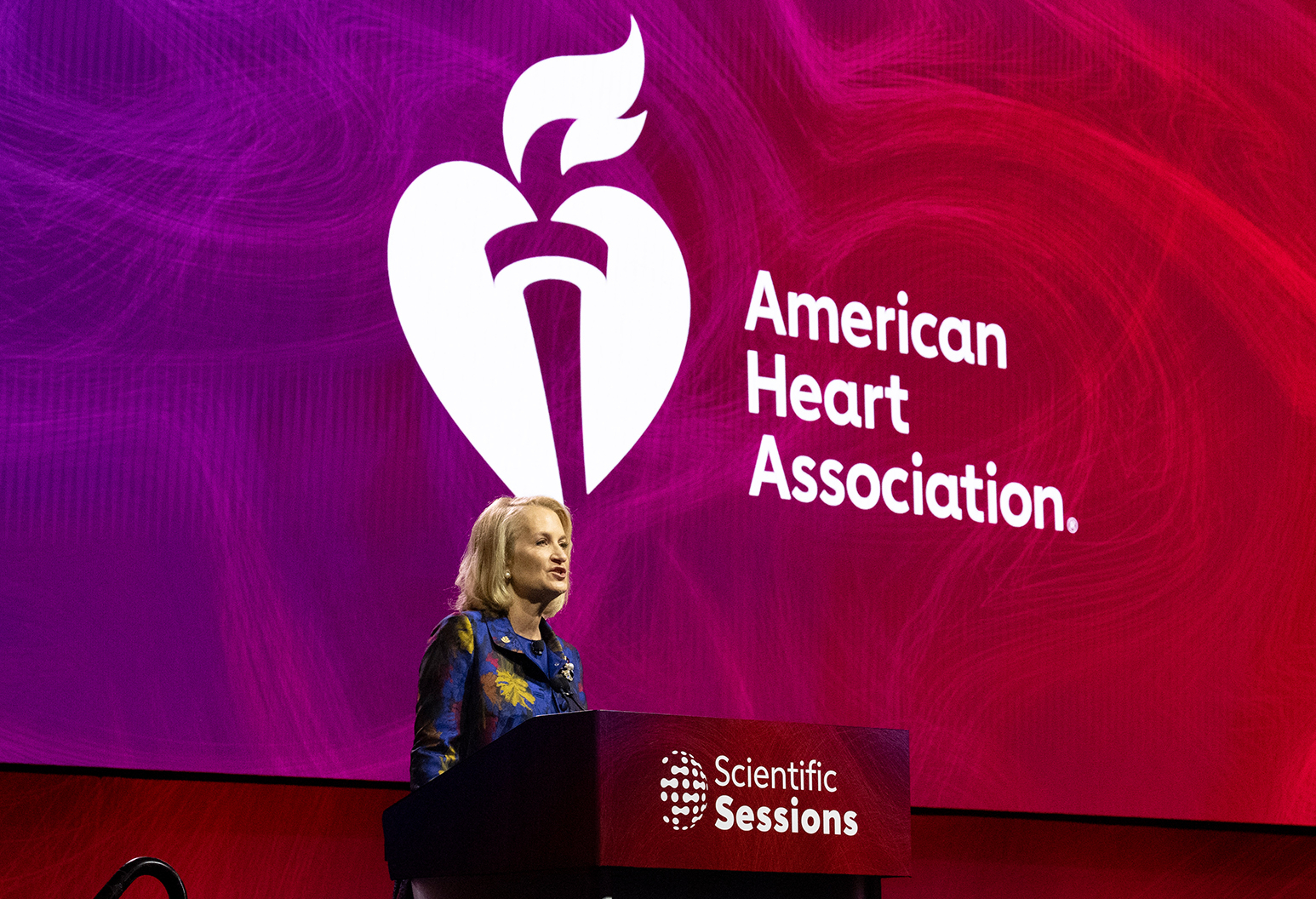
NEW HYDE PARK, N.Y.–(BUSINESS WIRE)–Stacey E. Rosen, MD, a cardiologist and executive director of Northwell Health’s Katz Institute for Women’s Health and the 2025-2026 volunteer president of the American Heart Association, delivered a poignant and powerful Presidential Address at the opening of the Association’s Scientific Sessions 2025, which took place November 7-10. Her keynote speech, which kicked off the annual conference, challenged decades of male-centric research, outlining a transformative vision for the future of women’s cardiovascular and cerebrovascular health and calling for a fundamental shift in scientific inquiry and clinical practice.


Addressing an audience of more than 10,000 leading cardiologists, researchers, and media, Dr. Rosen opened with a compelling analogy of two babies, her son and daughter, born on the same day in 1992. She lamented how, historically, her son and other boys around the world would benefit from a vast body of sex-specific research, prevention strategies and treatment options, while for girls it was “not so much.”

“For too long, it was widely believed that human hearts were human hearts, and human brains were human brains,” Dr. Rosen explained, leading scientists to study men and simply apply any findings to women. This flawed approach persisted because, as she noted from discussions with leading experts in the past. “We didn’t think it mattered,” said Dr. Rosen, senior vice president of Women’s Health at Northwell.

Dr. Rosen traced the origins of this male-centric model back to the 1940s, highlighting how early population studies identifying risk factors for coronary artery disease predominantly included only men. While advancements led to decreasing heart disease mortality rates for men, women’s mortality rates continued to rise, eventually surpassing men’s, and the gap widened. This critical disparity spurred a series of pivotal initiatives, including the establishment of the NIH’s Office of Research in Women’s Health and groundbreaking studies that began to uncover sex-differentiated mechanisms of heart disease.

Despite significant progress, Dr. Rosen emphasized that serious questions remain, such as why women with diabetes have a markedly different risk factor profile than men, why women are more prone to migraines with aura (a stroke risk factor), and why mechanisms of sudden cardiac death differ by sex.

Her remarks ended with a powerful call for action and an appeal for broader engagement. Dr. Rosen stressed that improving women’s health requires more than just women scientists and clinicians.

“Women trying to answer these critical questions don’t need men merely as allies … what we really need are men as accomplices to improve the heart and brain health of women!” she asserted, challenging the audience to “make a name for yourself” by pursuing groundbreaking science in this vital area.

“Dr. Rosen’s Presidential Address was a bold and inspiring call to action that underscores the urgent need to transform how we approach women’s cardiovascular health,” said Nancy Brown, CEO of the American Heart Association. “Dr. Rosen has been a longtime volunteer and tireless advocate for the American Heart Association’s Go Red for Women movement and has championed initiatives like our Research Goes Red and the Go Red for Women Venture Fund. These programs are driving innovation, amplifying women’s voices and accelerating solutions that improve outcomes for all women.”

The American Heart Association’s Scientific Sessions is the world’s premier cardiovascular conference, bringing together basic scientists, clinicians, and researchers from across the globe. This annual event serves as a critical platform for presenting the latest groundbreaking science, research and advances in cardiovascular medicine. Attendees engage in learning, networking and collaboration, shaping the future of heart and brain health through the unveiling of new guidelines, pivotal trials and innovative therapies across a wide spectrum of specialties. Having taken the helm as the Association’s volunteer president in June, Dr. Rosen helps share insights to guide the strategic direction of various Association committees.

At Northwell, Dr. Rosen oversees Northwell’s Katz Institute for Women’s Health. Its mission is to improve the health of women throughout their lives, bridging the gap between wellness and personalized care delivery. With a dedicated focus on women, the Katz Institute offers a comprehensive approach and sets the standards for excellence in patient-centered women’s health care. It also serves as a convener and amplifier for all of Northwell’s women’s health initiatives, including supporting sex- and gender-specific research, providing expert, coordinated clinical care and educating the community on prevention and well-being.

About Northwell Health
Northwell is the largest not-for-profit health system in the Northeast, serving residents of New York and Connecticut with 28 hospitals, more than 1,000 outpatient facilities, 22,000 nurses and over 20,000 physicians. Northwell cares for more than three million people annually in the New York metro area, including Long Island, the Hudson Valley, western Connecticut and beyond, thanks to philanthropic support from our communities. Northwell is New York State’s largest private employer with over 104,000 employees – including members of Northwell Health Physician Partners and Nuvance Health Medical Practices – who are working to change health care for the better. Northwell, named a TIME100 Most Influential Companies 2025, is making breakthroughs in medicine at the Feinstein Institutes for Medical Research. Northwell is training the next generation of medical professionals at the visionary Donald and Barbara Zucker School of Medicine at Hofstra/Northwell and the Hofstra Northwell School of Nursing and Physician Assistant Studies. For information on our more than 100 medical specialties, visit Northwell.edu and follow us @NorthwellHealth on Facebook, X, Instagram and LinkedIn.

Contacts

Matthew Libassi

631-793-5325

mlibassi@northwell.edu

LIB Therapeutics Announces Results from Late Breaking Science Presentation at 2025 American Heart Association Meeting in New Orleans November 9, 2025

LIB Therapeutics Announces Results from Late Breaking Science Presentation at 2025 American Heart Association Meeting in New Orleans November 9, 2025


LIB Therapeutics Announces Results from Late Breaking Science Presentation at 2025 American Heart Association Meeting in New Orleans November 9, 2025

CINCINNATI–(BUSINESS WIRE)–LIB Therapeutics Inc. (LIB), a privately-held, late-stage biopharmaceutical company advancing Lerodalcibep (Lerochol®), a novel, monthly, small dose third-generation PCSK9 inhibitor today announced results from Late Breaking Science presentations at the November 7-10th 2025 American Heart Association meeting in New Orleans.


  • Long-term Efficacy and Safety of Lerodalcibep in the Open-label 72-week Extension Study of Subjects Previously on Inclisiran or Lerodalcibep in the LIBerate-VI Trial – Dr Evan Stein MD PhD November 9th
  • Lerodalcibep demonstrated consistent long-term efficacy in those continued on the drug and was well tolerated, with no treatment related serious adverse events.
  • 72-week primary endpoint; mean & absolute LDL-C reductions of 59.2% & 66.6 mg/dL respectively.
  • Mean ApoB was reduced by 45.3% and median Lp(a) by 35.5%.
  • Subjects switched from Inclisiran to Lerodalcibep had:
  • Substantial additional LDL-C reductions from the end of the base trial of ~40% through week 48 and 30% lower through week 72.
  • Additional large reductions in Apo B and Lp(a) and
  • Significant increase in subjects achieving guideline LDL-C targets.

“The study is the first to assess a plasma binding PCSK9 inhibitor, Lerodalcibep, in patients switched from a hepatic PCSK9 synthesis inhibitor and which showed synergistic efficacy, further reducing LDL-C, Apo B and Lp(a) and increased patients ability to achieve the new more stringent LDL-C guideline targets,” said Dr. Evan Stein MD PhD, Chief Executive and Scientific Officer of LIB Therapeutics and continued. “The results are consistent with combined inhibition of circulating free PCSK9 from non-hepatic and reduced hepatic synthesis and provides an additional pathway to achieving treatment lipid goals in the many patients who cannot achieve them with current therapies. Significant additional studies are required to determine the optimal dosing frequency and safety of combining these therapies.”

About Lerodalcibep

Lerodalcibep is a novel, small protein-binding, third-generation PCSK9 inhibitor, and has been developed as a more convenient, once-monthly, single small-volume, subcutaneous injection that will not require refrigeration at home or in travel. These features make Lerodalcibep a unique alternative to approved PCSK9 inhibitors. The anti-clockwise binding domain of Lerodalcibep is an 11-kDa polypeptide called an accenting, engineered for high-affinity subnanomolar binding to human PCSK9 and fused to human serum albumin to enhance plasma half-life.

In clinical trials, Lerodalcibep has demonstrated sustained LDL-C reductions of ≥60% in patients with, or at very-high or high risk of, cardiovascular disease (CVD) and ≥50% in those with heterozygous familial hypercholesterolemia (FH) who have more severe LDL-C elevations, and is expected to expand treatment options for the millions of patients around the world with CVD, including the 30 million individuals with VHF.

The global Phase 3 LIBerate program enrolled a diverse population of over 2,900 patients with CVD, without CVD at very high and high risk for CVD, including heterozygous and homozygous familial hypercholesterolemia. Lerodalcibep was dosed once monthly for up to 52 weeks in these key registration-enabling, placebo-controlled trials, and over 2,400 patients have continued in the 72-week open-label extension trial.

LIB submitted a Biologic License Application (BLA) to the U.S. Food and Drug Administration (FDA) in December 2024, and received formal filing by FDA in February with an anticipated PDUFA date on target for mid December this year. LIB is seeking approval of Lerodalcibep (LEROCHOL®) as an adjunct to diet and exercise to reduce low-density lipoprotein cholesterol (LDL-C) in adults with hypercholesterolemia, including heterozygous familial hypercholesterolemia (HeFH). Marketing Authorization Application was submitted to, and accepted by the European Medicines Agency in May with anticipated approval in June 2026.

About LIB Therapeutics Inc.

LIB Therapeutics is a privately-held, late-stage biopharmaceutical company dedicated to bringing Lerodalcibep to the millions of patients with cardiovascular disease and to the 30 million individuals with familial hypercholesterolemia (FH) around the world, who require additional large reductions in LDL-C, despite maximally tolerated stains and other lipid lowering agents, to achieve LDL-C goals.

For more information, please visit: www.libtherapeutics.com.

Contacts

Kate Caldwell

kcaldwell@libtherapeutics.com

U.S. Hemp Roundtable Strongly Opposes Proposed Senate Language to Recriminalize Hemp

U.S. Hemp Roundtable Strongly Opposes Proposed Senate Language to Recriminalize Hemp


U.S. Hemp Roundtable Strongly Opposes Proposed Senate Language to Recriminalize Hemp

WASHINGTON–(BUSINESS WIRE)–#HempHelps–The U.S. Hemp Roundtable issues the following statement regarding the proposed Senate language to recriminalize hemp products, condemning the harmful decision by Congress that threatens to eliminate America’s $28.4 billion hemp industry and jeopardizes more than 300,000 American jobs. If passed, this legislation would wipe out 95% of the industry, shuttering small businesses and American farms while costing states $1.5 billion in lost tax revenue.


Despite misleading claims this language protects non-intoxicating CBD products, the reality is that more than 90% of non-intoxicating hemp-derived products contain levels of THC that are greater than the proposed cap of .4 mg per container. As a result, seniors, veterans, and many other consumers who depend on hemp for their health and well-being would be violating federal law to purchase these products, disrupting their care and leaving them scrambling for potentially harmful alternatives.

While Congress pushes forward with this hemp-killing provision, the fight is far from over. Senator Rand Paul (R-KY) is submitting an emergency amendment to strike the hemp ban from the proposed legislation, a move fully supported by the hemp industry. His leadership offers a critical lifeline to thousands of American farmers, entrepreneurs, and consumers, and the industry stands united behind his efforts.

If the language passes, as-is, the hemp industry is committed to continuing the fight. During the one-year proposed moratorium, U.S. Hemp Roundtable will work closely with lawmakers to reverse the ban and replace it with responsible, science-based regulations that crackdown on misleading and purely synthetic products, create restrictions that keep products out of the hands of children, and promote standard manufacturing practices. Unlike these regulations, the current proposal fails to protect consumers and risks fueling a dangerous black market.

“Our industry is being used as a pawn as leaders work to reopen the government. Recriminalizing hemp will force American farms and businesses to close and disrupt the wellbeing of countless Americans who depend on hemp,” said Jonathan Miller, U.S. Hemp Roundtable General Counsel. “We support Senator Rand Paul’s efforts to push back on this language and will continue to fight alongside him for a regulated, safe, and robust hemp industry.”

# # #

About the U.S. Hemp Roundtable:

The U.S. Hemp Roundtable is a coalition of dozens of leading companies and organizations committed to safe hemp and CBD products. We proudly represent the industry’s major national grassroots organizations and are leading the way forward for hemp and CBD products through education and action.

Contacts

Media Contact
news@hempsupporter.com

Hepta Unveils First Multi-Omic Atlas of MASH, Linking Liver Pathway Biology to cfDNA Methylation in Blood

Hepta Unveils First Multi-Omic Atlas of MASH, Linking Liver Pathway Biology to cfDNA Methylation in Blood


Hepta Unveils First Multi-Omic Atlas of MASH, Linking Liver Pathway Biology to cfDNA Methylation in Blood

Hepta’s liquid biopsy-native AI model links coordinated methylation and gene expression changes to fibrosis progression, showing that liver biology can be measured non-invasively from blood

FOSTER CITY, Calif.–(BUSINESS WIRE)–Hepta, a biotechnology company using transformer-based AI to decode the cell-free DNA (cfDNA) epigenome and detect organ-specific signals of chronic disease, today announced the creation of an unparalleled multi-omic atlas of metabolic dysfunction–associated steatohepatitis (MASH) in collaboration with Duke University. This work builds on Hepta’s expanded cfDNA studies with Mainz University and Akero Therapeutics’ Phase 3 clinical trial program, further strengthening the company’s partnerships across academic and clinical research.


The atlas integrates single-cell and bulk data across hundreds of liver samples, including gene expression, chromatin accessibility, and DNA methylation, paired with cfDNA methylation from matched blood plasma. Presented this week at AASLD’s The Liver Meeting, the atlas reveals how coordinated methylation and transcriptional programs drive inflammation and fibrosis and demonstrates that these same molecular signals are detectable in blood using Hepta’s liquid biopsy-native AI platform.

“In liver tissue, we observe pathway activity, gene expression, and cell type composition that are mediated by methylation across disease severity,” said Anna Mae Diehl, M.D., Florence McAlister Distinguished Professor of Medicine at Duke University. “Critically, those same signatures are measurable in plasma cfDNA, indicating that cfDNA methylation can serve as a faithful mirror of liver biology. That concordance supports cfDNA methylation as a plausible, non-invasive readout of pathway activities in liver disease, offering insights far deeper than traditional biomarkers.”

The MASH atlas maps how methylation governs pathway-level activity across hepatocytes, cholangiocytes, and stromal cells in the liver. The analysis shows the role of methylation in a broad dysregulation of metabolic, inflammatory, fibrogenic, and bile-acid pathways that track with fibrosis severity, including mechanisms targeted by emerging therapeutic classes such as GLP-1, FGF-21, and THR-β agonists. The MASH atlas also demonstrates that the same pathway signatures observed in liver tissue are reproducibly detectable in cfDNA circulating in blood, creating a molecular bridge between liver-tissue biology and liquid-biopsy measurement.

This foundational work, in addition to Hepta’s expanded cfDNA results spanning across multiple independent cohorts — including Duke University, Mainz University, and Akero Therapeutics’ phase 3 clinical trial program — was featured in Dr. Jörn Schattenberg’s presentation at the Precision Liver Symposium.

“Across independent cohorts, we see strong, consistent diagnostic performance from Hepta’s cfDNA methylation platform,” said Jörn Schattenberg, M.D., Director of the Metabolic Liver Research Center at Saarland University. “What’s striking is that the same readout also delivers deep biological insights. It’s not just a yes-or-no test; these signals reveal how repair and fibrosis programs evolve, which opens the door to earlier intervention and therapy guidance.”

Hepta’s transformer-based, liquid biopsy–native AI was specifically designed to resolve the complexity of cfDNA. The model interprets billions of cfDNA fragments in context, detecting subtle, distributed patterns that correspond to tissue-level changes. By decoding the entire cfDNA epigenetic landscape, the platform enables tissue-level biological interpretation from a standard blood draw.

While traditional panel biomarkers infer fibrosis indirectly, cfDNA methylation directly reads the gene-regulatory programs driving those changes. Together with the multi-omic atlas, these data represent the largest multi-cohort validation to date of cfDNA methylation as a biomarker in MASH and demonstrate how deep multi-omics can inform clinical translation.

“Our data demonstrate that cfDNA captures the molecular fingerprint of disrupted repair,” said Hamed Amini, Ph.D., Co-founder and CEO of Hepta. “The atlas establishes the biological foundation for our technology, showing that the same pathways we observe in tissue are encoded in blood. This work lays a foundation for biology-driven detection and for future therapeutic strategies that address the mechanisms behind liver damage and fibrosis.”

Hepta’s approach extends the frontier of liquid biopsy beyond oncology, positioning cfDNA methylation as a scalable molecular window into chronic disease biology and, potentially, a snapshot of full body health. The company is expanding its clinical studies to further validate cfDNA-based biomarkers for early detection, informing treatment strategies, and longitudinal monitoring across the care continuum.

About Hepta

Hepta detects chronic disease early by using cfDNA epigenetic analysis and AI to deliver accurate, non-invasive diagnostics at population scale. Founded by former Illumina, Grail and Google scientists, the company is backed by Felicis Ventures, Illumina Ventures, and SeaX Ventures. Hepta is proving that blood-based epigenetic biomarkers can replace invasive biopsies, enabling earlier and more accessible detection of diseases like MASH and laying the foundation for future applications across chronic diseases. For more information, visit www.hepta.bio.

Contacts

Media Contact
Patrick Schmidt

Consort Partners for Hepta

pr@hepta.bio

Medincell to Join MSCI World Small Cap Index, a Leading Global Benchmark

Medincell to Join MSCI World Small Cap Index, a Leading Global Benchmark


Medincell to Join MSCI World Small Cap Index, a Leading Global Benchmark

MONTPELLIER, France–(BUSINESS WIRE)–Medincell has been selected for inclusion in the Morgan Stanley Capital International (MSCI) World Small Cap Index, which encompasses the most liquid and high-performing small-cap companies across 23 developed markets.


Joining the MSCI World Small Cap Index reflects the strength of Medincell’s business model, its growth potential, and its commitment to innovation and social responsibility.

The inclusion will enhance Medincell’s visibility among institutional investors and index-tracking funds that follow MSCI indices.

The entry will become effective at the opening of trading on 24 November 2025.

About the MSCI World Small Cap Index

About Medincell

Medincell is a clinical- and commercial-stage biopharmaceutical licensing company developing long-acting injectable treatments across multiple therapeutic areas. Our innovative treatments are designed to ensure adherence to medical prescriptions, enhance the effectiveness and accessibility of medicines, and reduce their environmental impact.

These treatments combine active pharmaceutical ingredients with our proprietary BEPO® technology, which enables controlled drug delivery at therapeutic levels for several days, weeks, or months following a subcutaneous or local injection of a small, fully bioresorbable deposit.

The first treatment based on BEPO® technology was approved for schizophrenia by the FDA in April 2023 and is now marketed in the United States by Teva under the name UZEDY® (BEPO® technology is licensed to Teva under the name SteadyTeq™).

Our investigational pipeline includes numerous innovative therapeutic candidates in various stages of development, from formulation to Phase 3 clinical trials. We collaborate with leading pharmaceutical companies and foundations to advance global health through new treatment options.

Headquartered in Montpellier, France, Medincell employs over 140 people representing more than 25 nationalities.

UZEDY® and SteadyTeq™ are trademarks of Teva Pharmaceuticals.

www.medincell.com

Contacts

David Heuzé
Head of Corporate and Financial Communications, and ESG

david.heuze@Medincell.com / +33 (0)6 83 25 21 86

Grace Kim
Chief Strategy Officer, U.S. Finance

grace.kim@medincell.com / +1 (646) 991-4023

Nicolas Mérigeau / Arthur Rouillé
Media Relations

Medincell@newcap.eu / +33 (0)1 44 71 94 94

Louis-Victor Delouvrier / Alban Dufumier
Investor Relations France

Medincell@newcap.eu / +33 (0)1 44 71 94 94