Zura Bio to Participate in Upcoming Investor Conferences

Zura Bio to Participate in Upcoming Investor Conferences


Zura Bio to Participate in Upcoming Investor Conferences

HENDERSON, Nev.–(BUSINESS WIRE)–$ZURA #TeamZuraZura Bio Limited (Nasdaq: ZURA) (“Zura” or the “Company”), a clinical-stage biotechnology company developing novel and differentiated medicines to meaningfully improve the lives of patients with serious and debilitating autoimmune and inflammatory diseases, today announced that members of its management team will participate in the following upcoming investor conferences:


Leerink Global Healthcare Conference

  • Location: Miami, FL
  • Fireside chat: Tuesday, March 10, 2026, at 2:20 p.m. ET
  • Investor meetings: Management will meet with investors

Jefferies Biotech on the Beach Summit

  • Location: Miami, FL
  • Date: Wednesday, March 11, 2026
  • Investor meetings: Management will meet with investors

A live webcast of the Leerink Global Healthcare Conference fireside chat will be available in the Investors section of the Company’s website under News & Events. A replay will be accessible for at least 30 days following the event.

ABOUT ZURA

Zura is a clinical-stage, multi-asset immunology company developing novel dual-pathway antibodies for autoimmune and inflammatory diseases with unmet need. The Company’s pipeline includes product candidates designed to target key mechanisms of immune system imbalance, with the goal of improving efficacy, safety, and dosing convenience for patients.

Zura’s lead product candidate, tibulizumab (ZB-106), is being evaluated in two Phase 2 clinical studies in adults: TibuSHIELD, a study in hidradenitis suppurativa (HS), and TibuSURE, a study in systemic sclerosis (SSc). Additional product candidates crebankitug (ZB-168) and torudokimab (ZB-880) have completed Phase 1/1b studies and are being evaluated for their potential across a range of autoimmune and inflammatory conditions.

For more information, please visit www.zurabio.com.

Contacts

Megan K. Weinshank

Head of Corporate Affairs

ir@zurabio.com

Wisdom Bioscience Establishes Scientific Advisory Board to Advance Oral Cancer Diagnostics and Screening

Wisdom Bioscience Establishes Scientific Advisory Board to Advance Oral Cancer Diagnostics and Screening


Wisdom Bioscience Establishes Scientific Advisory Board to Advance Oral Cancer Diagnostics and Screening

  • Drs Giulia Kennedy, Arnold Levine, John Sninsky, Martin Goldberg and Prof Tin Tin Su join SAB

IRVINE, Calif. & DARESBURY, England–(BUSINESS WIRE)–#boardappointment–Wisdom Bioscience, Inc., a biotechnology company pioneering non-invasive oral cancer diagnostics, today announced the formation of its Scientific Advisory Board (SAB) following the close of an initial funding round. The SAB is comprised of leading experts in cell-free DNA (cfDNA), oncology screening, and molecular diagnostics across research, development, and commercialization: Drs Giulia Kennedy, Arnold Levine, John Sninsky, Martin Goldberg and Prof Tin Tin Su. They will provide strategic scientific and clinical guidance as the company advances its product pipeline and expands its service offerings.


Giulia Kennedy, Ph.D. is the Co-Founder and Chief Scientific Officer of PinkDx, Inc., a molecular diagnostic company focused on women’s gynecological cancers. Prior to co-founding PinkDx, she was Chief Scientific Officer and Chief Medical Officer of Veracyte, Inc. and led the development and commercialization of eight genomic diagnostic tests that changed the standard of patient care.

Arnold Levine, Ph.D. has spent the past 35 years carrying out research in the fields of molecular oncology, genomics, tumor suppressor gene functions, and epidemiological contributions to cancer formation. Most recently, his focus has been on the immune response to cancers, cancer therapies, and prevention.

John Sninsky, Ph.D. brings deep and broad experience in the senior management suites of small and enterprise laboratory developed tests and in vitro diagnostic organizations, translating innovation into reimbursed clinical practice for infectious and genetic diseases as well as oncology and solid organ transplantation. His technology experience includes development and commercialization of PCR, next-generation sequencing (NGS) of the human genome, genome-wide association studies and liquid biopsies.

Martin Goldberg, Ph.D. currently holds the title of Distinguished Scientific Fellow at Seer, Inc. He has spent over 30 years in the life sciences tools industry, spanning both research-use and diagnostic platforms across the fields of genomics and proteomics. He thrives at the intersection of technical, tactical and strategic challenges, and working with early-stage start-up companies to help them navigate these waters.

Professor Tin Tin Su, Ph.D. brings more than 25 years’ expertise in chemical genetics and tissue regeneration after radiation damage, using Drosophila and human cancer models.

Founded in 2024, Wisdom Bioscience is focused on changing the landscape of oral cancer screening by integrating advanced genomic technologies into routine dental care. It has developed a platform for the non-invasive detection of oral cancer, with the goal of introducing a routine oral cancer screening test delivered through standard dental appointments. Using a simple mouth swab and NGS technology, the test is designed to enable earlier detection of oral cancer in an accessible clinical setting.

The company is backed by a distinguished group of investors, including Stephen Quake and Jay Flatley, providing strong validation of Wisdom Bioscience’s technology and commercial vision. Proceeds from the financing will support continued clinical validation, and preparations for commercial launch later this year.

For further information: https://wisdombioscience.com/

Contacts

Codon Communications
Michelle Ricketts, PhD

+447789053885

michelle.ricketts@codoncommunications.com

Takeda and Protagonist Announce U.S. Food and Drug Administration Accepts New Drug Application and Grants Priority Review for Rusfertide as a Potential First-in-Class Therapy for Polycythemia Vera

Takeda and Protagonist Announce U.S. Food and Drug Administration Accepts New Drug Application and Grants Priority Review for Rusfertide as a Potential First-in-Class Therapy for Polycythemia Vera


Takeda and Protagonist Announce U.S. Food and Drug Administration Accepts New Drug Application and Grants Priority Review for Rusfertide as a Potential First-in-Class Therapy for Polycythemia Vera

  • Rusfertide Demonstrated Significant Improvements in Hematocrit Control, Phlebotomy Reduction and Patient Reported Outcomes for Patients with Polycythemia Vera in a Pivotal Study
  • Submission Primarily Based on Phase 3 VERIFY Study, in Which Rusfertide Plus Standard of Care More Than Doubled Clinical Response Rates, as Well as Four-Year Efficacy and Safety Data from Phase 2 REVIVE/THRIVE Studies
  • Prescription Drug User Fee Act (PDUFA) Target Action Date is in the Third Quarter of this Calendar Year

OSAKA, Japan & CAMBRIDGE, Mass. & NEWARK, Calif.–(BUSINESS WIRE)–Takeda (TSE:4502/NYSE:TAK) and Protagonist Therapeutics, Inc. (“Protagonist”) (NASDAQ:PTGX) today announced that the U.S. Food and Drug Administration (FDA) accepted the New Drug Application (NDA) and granted Priority Review for rusfertide. Rusfertide is an investigational, first-in-class hepcidin mimetic peptide therapeutic for the treatment of adults with polycythemia vera (PV). The FDA has set a Prescription Drug User Fee Act (PDUFA) goal date in the third quarter of this calendar year. In addition to Priority Review, rusfertide has received Breakthrough Therapy designation, Orphan Drug designation and Fast Track designation from the U.S. FDA.

PV is characterized by the overproduction of red blood cells (erythrocytosis), which increases blood viscosity, or thickness, and can result in life threatening thrombotic events. Hematocrit is the ratio of red blood cells to the total amount of blood in the body. Achieving and maintaining controlled hematocrit levels of <45% is the primary treatment goal in PV to prevent thrombotic events and alleviate burdensome symptoms.

“There is an urgent need for innovative treatment options in polycythemia vera, where patients currently face limited therapeutic choices to control their hematocrit and significant symptom burden,” said Andy Plump, M.D., Ph.D., president of R&D at Takeda. “The FDA’s acceptance of our NDA brings us closer to potentially offering a first-in-class therapy that could meaningfully improve clinical outcomes and quality of life. This milestone is a reflection of our successful partnership with Protagonist and Takeda’s unwavering commitment to advancing innovative treatments in hematologic cancers where significant unmet needs persist.”

The NDA for rusfertide was primarily based on the positive 32-week primary analysis and 52-week results from the Phase 3 global randomized VERIFY study (NCT05210790), as well as four-year efficacy and safety data from the Phase 2 REVIVE study (NCT04057040) and long-term extension THRIVE study (NCT06033586). In the VERIFY study, rusfertide met the primary endpoint and all four key secondary endpoints. Patients receiving rusfertide plus current standard of care demonstrated a higher response rate compared to current standard of care. This included hematocrit control, a reduction in phlebotomy requirements and improvement in pre-specified patient reported outcomes of fatigue and symptom burden. Rusfertide was generally well-tolerated through 52 weeks of treatment. The most common treatment-emergent adverse events (AEs) in rusfertide-treated patients were injection site reactions (47.4%), anemia (25.6%) and fatigue (19.6%), which were mainly grade 1 or 2. Serious AEs occurred in 8.1% of overall rusfertide-treated patients.

“Rusfertide exemplifies Protagonist’s end-to-end expertise, from exploring a novel hepcidin mimetic mechanism to address unmet needs in polycythemia vera to discovering the peptide and driving its clinical development through NDA filing. We are very pleased with the FDA granting rusfertide Priority Review and look forward to its potential approval in 2026,” said Dinesh V. Patel, Ph.D., Protagonist President and CEO. “We have identified a great partner in Takeda as rusfertide progresses toward this milestone, thereby bringing a successful closure to our more than decade-long journey from concept-to-commercialization.”

In January 2024, Protagonist and Takeda entered into a worldwide license and collaboration agreement for rusfertide. Protagonist discovered rusfertide and led its development through Phase 3 studies, with Takeda responsible for implementing the regulatory strategy for the U.S. NDA filing and for leading any future global regulatory filings. Protagonist holds an option to co-commercialize in the U.S. through a 50/50 profit and loss share structure or to opt-out of this structure, providing Takeda with a worldwide license pursuant to the license and collaboration agreement.

About Rusfertide

Rusfertide is a first-in-class investigational subcutaneous treatment that mimics the action of hepcidin, a natural hormone that regulates iron homeostasis and red blood cell production. By targeting the underlying mechanism of iron dysregulation in polycythemia vera, rusfertide aims to reduce excess red blood cell production and help patients achieve sustained hematocrit control. Rusfertide is administered once weekly via subcutaneous self-injection and has been generally well-tolerated in clinical trials to date.

About VERIFY

The Phase 3 VERIFY study (NCT05210790) is an ongoing, three-part, global, randomized, placebo-controlled study evaluating rusfertide in 293 patients with polycythemia vera over a 156-week period, with treatment extension for participants who are continuing to derive benefit from rusfertide beyond the 156-week treatment period. The study is evaluating the efficacy and safety of once-weekly, subcutaneously self-administered rusfertide in patients with uncontrolled hematocrit who are phlebotomy-dependent despite current standard of care treatment, which could include phlebotomy, hydroxyurea, interferon and/or ruxolitinib. The primary endpoint of the study was the proportion of patients achieving a response during Weeks 20-32, which was defined as the absence of “phlebotomy eligibility.” To meet phlebotomy eligibility, patients in the study were required to have: confirmed hematocrit ≥45% that was ≥3% higher than their baseline hematocrit value, or hematocrit ≥48%.

All patients have completed their participation in the randomized, placebo-controlled portion of the study evaluating the efficacy and safety of rusfertide plus current standard of care versus placebo plus current standard of care and are now in the open-label portions of the study.

About REVIVE and THRIVE

The Phase 2 REVIVE study (NCT04057040) evaluated rusfertide in adult patients with polycythemia vera and consisted of three parts, including 70 patients in the dose-finding Part 1 (28 weeks), 59 patients in the blinded, placebo-controlled, randomized withdrawal Part 2 (13 weeks) and 58 patients in the Part 3 open-label expansion (52 weeks). The THRIVE study (NCT06033586) is an ongoing, open-label extension study evaluating the long-term durability of response and safety profile of rusfertide in patients with polycythemia vera. The study includes 46 patients who previously participated in REVIVE. Patients eligible to transition to the THRIVE study completed the open-label extension portion of REVIVE, ≥12 months of rusfertide therapy and had an end-of-treatment visit. THRIVE is designed to further assess the maintenance of hematocrit control, reduction in the need for therapeutic phlebotomy and overall safety of once-weekly, subcutaneous rusfertide over an additional two-year treatment period.

About Polycythemia Vera (PV)

Polycythemia vera (PV) is characterized by the overproduction of red blood cells (erythrocytosis), which increases blood viscosity, or thickness, and can result in life threatening thrombotic events such as stroke, deep vein thrombosis and pulmonary embolism. Hematocrit is the ratio of red blood cells to the total amount of blood in the body. Achieving and maintaining controlled hematocrit levels of <45% is the primary treatment goal in PV to prevent thrombotic events and alleviate burdensome symptoms, including severe fatigue, difficulty in concentrating, night sweats and pruritus.

About Takeda

Takeda is focused on creating better health for people and a brighter future for the world. We aim to discover and deliver life-transforming treatments in our core therapeutic and business areas, including gastrointestinal and inflammation, rare diseases, plasma-derived therapies, oncology, neuroscience and vaccines. Together with our partners, we aim to improve the patient experience and advance a new frontier of treatment options through our dynamic and diverse pipeline. As a leading values-based, R&D-driven biopharmaceutical company headquartered in Japan, we are guided by our commitment to patients, our people and the planet. Our employees in approximately 80 countries and regions are driven by our purpose and are grounded in the values that have defined us for more than two centuries. For more information, visit www.takeda.com.

About Protagonist

Protagonist Therapeutics is a discovery through late-stage development biopharmaceutical company. Two novel peptides derived from Protagonist’s proprietary discovery platform are currently in advanced Phase 3 clinical development, with NDAs for both ICOTYDE™ (icotrokinra) and rusfertide under review at the FDA. ICOTYDE is a first-in-class investigational targeted oral peptide that selectively blocks the Interleukin-23 receptor (“IL-23R”), which is licensed to Janssen Biotech, Inc., a Johnson & Johnson company. Following ICOTYDE’s joint discovery by Protagonist and Johnson & Johnson scientists pursuant to the companies’ IL-23R collaboration, Protagonist was primarily responsible for the development of ICOTYDE through Phase 1, with Johnson & Johnson assuming responsibility for development in Phase 2 and beyond.

Rusfertide is a first-in-class hepcidin mimetic peptide that is being co-developed with Takeda Pharmaceuticals pursuant to a worldwide license and collaboration agreement entered in 2024. Protagonist holds an option to co-commercialize rusfertide in the U.S. through a 50/50 profit and loss share structure or can opt-out of this structure. The Company also has a number of preclinical stage drug discovery programs addressing clinically and commercially validated targets including an oral IL-17 peptide antagonist, obesity dual and triple agonists, an oral hepcidin functional mimetic, and the recently announced IL-4 and amylin programs.

More information on Protagonist, its pipeline drug candidates, and clinical studies can be found on the Company’s website at https://www.protagonist-inc.com.

Takeda Important Notice

For the purposes of this notice, “press release” means this document, any oral presentation, any question and answer session and any written or oral material discussed or distributed by Takeda Pharmaceutical Company Limited (“Takeda”) regarding this release. This press release (including any oral briefing and any question-and-answer in connection with it) is not intended to, and does not constitute, represent or form part of any offer, invitation or solicitation of any offer to purchase, otherwise acquire, subscribe for, exchange, sell or otherwise dispose of, any securities or the solicitation of any vote or approval in any jurisdiction. No shares or other securities are being offered to the public by means of this press release. No offering of securities shall be made in the United States except pursuant to registration under the U.S. Securities Act of 1933, as amended, or an exemption therefrom. This press release is being given (together with any further information which may be provided to the recipient) on the condition that it is for use by the recipient for information purposes only (and not for the evaluation of any investment, acquisition, disposal or any other transaction). Any failure to comply with these restrictions may constitute a violation of applicable securities laws.

The companies in which Takeda directly and indirectly owns investments are separate entities. In this press release, “Takeda” is sometimes used for convenience where references are made to Takeda and its subsidiaries in general. Likewise, the words “we”, “us” and “our” are also used to refer to subsidiaries in general or to those who work for them. These expressions are also used where no useful purpose is served by identifying the particular company or companies.

Takeda Forward-Looking Statements

This press release and any materials distributed in connection with this press release may contain forward-looking statements, beliefs or opinions regarding Takeda’s future business, future position and results of operations, including estimates, forecasts, targets and plans for Takeda. Without limitation, forward-looking statements often include words such as “targets”, “plans”, “believes”, “hopes”, “continues”, “expects”, “aims”, “intends”, “ensures”, “will”, “may”, “should”, “would”, “could”, “anticipates”, “estimates”, “projects”, “forecasts”, “outlook” or similar expressions or the negative thereof. These forward-looking statements are based on assumptions about many important factors, including the following, which could cause actual results to differ materially from those expressed or implied by the forward-looking statements: the economic circumstances surrounding Takeda’s global business, including general economic conditions in Japan and the United States and with respect to international trade relations; competitive pressures and developments; changes to applicable laws and regulations, including drug pricing, tax, tariff and other trade-related rules; challenges inherent in new product development, including uncertainty of clinical success and decisions of regulatory authorities and the timing thereof; uncertainty of commercial success for new and existing products; manufacturing difficulties or delays; fluctuations in interest and currency exchange rates; claims or concerns regarding the safety or efficacy of marketed products or product candidates; the impact of health crises, like the novel coronavirus pandemic; the success of our environmental sustainability efforts, in enabling us to reduce our greenhouse gas emissions or meet our other environmental goals; the extent to which our efforts to increase efficiency, productivity or cost-savings, such as the integration of digital technologies, including artificial intelligence, in our business or other initiatives to restructure our operations will lead to the expected benefits; and other factors identified in Takeda’s most recent Annual Report on Form 20-F and Takeda’s other reports filed with the U.S. Securities and Exchange Commission, available on Takeda’s website at: https://www.takeda.com/investors/sec-filings-and-security-reports/ or at https://www.sec.gov/. Takeda does not undertake to update any of the forward-looking statements contained in this press release or any other forward-looking statements it may make, except as required by law or stock exchange rule. Past performance is not an indicator of future results and the results or statements of Takeda in this press release may not be indicative of, and are not an estimate, forecast, guarantee or projection of Takeda’s future results.

Takeda Medical Information

This press release contains information about products that may not be available in all countries, or may be available under different trademarks, for different indications, in different dosages, or in different strengths. Nothing contained herein should be considered a solicitation, promotion or advertisement for any prescription drugs including the ones under development.

Protagonist Cautionary Note on Forward-Looking Statements

This press release contains forward-looking statements for purposes of the safe harbor provisions of the Private Securities Litigation Reform Act of 1995. Forward-looking statements include statements regarding the potential benefits of rusfertide. In some cases, you can identify these statements by forward-looking words such as “anticipate,” “believe,” “may,” “will,” “expect,” or the negative or plural of these words or similar expressions. Forward-looking statements are not guarantees of future performance and are subject to risks and uncertainties that could cause actual results and events to differ materially from those anticipated, including, but not limited to, our ability to develop and commercialize our product candidates, our ability to earn milestone payments under our collaboration agreements with Janssen and Takeda, our ability to use and expand our programs to build a pipeline of product candidates, our ability to obtain and maintain regulatory approval of our product candidates, our ability to operate in a competitive industry and compete successfully against competitors that have greater resources than we do, and our ability to obtain and adequately protect intellectual property rights for our product candidates. Additional information concerning these and other risk factors affecting our business can be found in our periodic filings with the Securities and Exchange Commission, including under the heading “Risk Factors” contained in our most recently filed periodic reports on Form 10-K and Form 10-Q filed with the Securities and Exchange Commission. Forward-looking statements are not guarantees of future performance, and our actual results of operations, financial condition, and liquidity, and the development of the industry in which we operate, may differ materially from the forward-looking statements contained in this press release. Any forward-looking statements that we make in this press release speak only as of the date of this press release. We assume no obligation to update our forward-looking statements, whether as a result of new information, future events, or otherwise, after the date of this press release.

Contacts

Takeda Media Contacts:

Japanese Media
Tsuyoshi Tada

tsuyoshi.tada@takeda.com

U.S. and International Media
Emy Gruppo

emy.gruppo@takeda.com

Protagonist Investor Relations Contact
Corey Davis, Ph.D.

LifeSci Advisors

cdavis@lifesciadvisors.com
+1 212 915 2577

Protagonist Media Relations Contact
Virginia Amann

ENTENTE Network of Companies

virginiaamann@ententeinc.com
+1 833 500 0061 ext 1

Genentech’s Fenebrutinib Confirms Its Potential as First and Only BTK Inhibitor for Relapsing and Primary Progressive MS in Third Positive Phase III Study (FENhance 1)

Genentech’s Fenebrutinib Confirms Its Potential as First and Only BTK Inhibitor for Relapsing and Primary Progressive MS in Third Positive Phase III Study (FENhance 1)


Genentech’s Fenebrutinib Confirms Its Potential as First and Only BTK Inhibitor for Relapsing and Primary Progressive MS in Third Positive Phase III Study (FENhance 1)

FENhance 1 met its primary endpoint, showing investigational fenebrutinib significantly reduced relapses by 51% compared to teriflunomide in relapsing multiple sclerosis (RMS), consistent with FENhance 2 results showing 59% reduction –

FENhance 1 is the final study readout of the fenebrutinib pivotal clinical development program in MS, following positive results for FENhance 2 in RMS and for FENtrepid in primary progressive multiple sclerosis (PPMS) –

Fenebrutinib has the potential to become the first and only high-efficacy oral, brain-penetrant treatment for both RMS and PPMS, showing a profound benefit on relapsing and progressive disease biology –

Totality of data from all three Phase III fenebrutinib studies will be submitted to regulatory authorities –

SOUTH SAN FRANCISCO, Calif.–(BUSINESS WIRE)–Genentech, a member of the Roche Group (SIX: RO, ROG; OTCQX: RHHBY), announced today that the pivotal Phase III study (FENhance 1) of fenebrutinib in RMS met its primary endpoint, showing clinically meaningful and statistically significant results. The study demonstrated that fenebrutinib, an investigational Bruton’s tyrosine kinase (BTK) inhibitor, markedly reduced the annualized relapse rate (ARR) by 51% compared to teriflunomide over a period of at least 96 weeks of treatment, consistent with FENhance 2 results showing a 59% reduction in ARR. Together, these results equate to approximately one relapse every 17 years. Secondary endpoints in both RMS studies show statistically significant and clinically meaningful reductions in brain lesions. Additionally, all progression endpoints show favorable trends for fenebrutinib.


Full data from the FENhance 1 and 2 studies will be shared at the American Academy of Neurology (AAN) Annual Meeting 2026 and submitted to regulatory authorities together with data from the FENtrepid study.

“These pivotal results, together with the earlier data, provide convincing evidence that fenebrutinib can become the first high-efficacy oral treatment for RMS and PPMS,” said Levi Garraway, M.D., Ph.D., chief medical officer and head of Global Product Development. “Building on a decade of transforming MS treatment, we are committed to advancing innovation to one day allow people with MS to live a life without disability.”

The positive FENhance 1 study follows positive results for FENhance 2 in RMS and for FENtrepid in PPMS, which were both announced in November. The collective positive results across all three pivotal studies demonstrate that fenebrutinib consistently shows a profound benefit on relapsing and progressive disease biology.

In both RMS studies, liver transaminase elevations were comparable with teriflunomide. In the FENhance 1 study, there was one Hy’s Law case in the fenebrutinib arm and one in the teriflunomide arm. Both cases were asymptomatic and resolved after study drug discontinuation. There were no additional Hy’s Law cases across all of the fenebrutinib clinical development program in MS or in other autoimmune diseases.

In the FENhance 1 and 2 studies in RMS, 1 fatal case was reported in the teriflunomide arm and 8 fatal cases with various causes and at different points in treatment in the fenebrutinib arms. Further analyses are ongoing to better understand these findings.

Fenebrutinib targets cells in the immune system known as B cells and microglia. Targeting B cells helps control the acute inflammation that causes relapses, while targeting microglia inside the brain addresses the chronic damage that is thought to drive long-term disability progression. Fenebrutinib, a non-covalent BTK inhibitor, is designed to have high potency, selectivity and reversibility. This design allows it to act throughout the body, and also to cross the blood-brain barrier into the central nervous system (CNS) targeting chronic inflammation.

About the FENhance 1 and 2 studies

FENhance 1 and 2 are two Phase III multicenter, randomized, double-blind, double-dummy, parallel-group studies to evaluate the efficacy and safety of investigational fenebrutinib compared with teriflunomide in a total of 1,497 adult patients with RMS. Eligible participants were randomized 1:1 to receive treatment with either oral fenebrutinib twice a day (and placebo matched to oral teriflunomide once a day) or oral teriflunomide once a day (and placebo matched to oral fenebrutinib twice a day) for at least 96 weeks.

The primary endpoint is annualized relapse rate (ARR). Secondary endpoints include total number of T1-gadolinium-enhancing MRI lesions, total number of new and/or enlarging T2-weighted MRI lesions, time to onset of 12-week composite confirmed disability progression (cCDP12) and 24-week cCDP (cCDP24). cCDP incorporates three measures of disability – total functional disability measured by confirmed disability progression (CDP) based on the Expanded Disability Status Scale (EDSS), walking speed measured by the timed 25-foot walk (T25FW) and upper limb function measured by the nine-hole peg test (9HPT).

Following the double-blind treatment period, patients have the option to enter an open-label extension (OLE) phase, in which all patients receive treatment with fenebrutinib.

About fenebrutinib

Fenebrutinib is an investigational oral, central nervous system (CNS)-penetrant, reversible and non-covalent Bruton’s tyrosine kinase (BTK) inhibitor with an optimized pharmacokinetics (PK) profile. Fenebrutinib can act throughout the body and also cross the blood-brain barrier into the CNS to target chronic inflammation. It is uniquely designed to target relapsing and progressive biology by inhibiting cells in the immune system known as B cells and microglia. Targeting B cells helps control the acute inflammation that causes relapses, while targeting microglia inside the brain addresses the chronic damage that is thought to drive long-term disability progression.

Fenebrutinib is designed to have high potency and reversibility, with a selectivity for BTK 130 times greater than other kinases. This high selectivity highlights fenebrutinib’s potential to bind to its intended target without interfering with other kinases. While most current BTK inhibitors are covalent and irreversible, meaning they form a permanent chemical bond with the enzyme, fenebrutinib is non-covalent and reversible, meaning it binds and then eventually releases the enzyme. These design features may help limit off-target effects.

The fenebrutinib Phase III program includes two similarly designed trials in relapsing multiple sclerosis (RMS) (FENhance 1 and 2) with active comparator teriflunomide and the only trial in primary progressive multiple sclerosis (PPMS) (FENtrepid) in which a BTK inhibitor is being evaluated against Ocrevus.

To date, more than 2,700 patients and healthy volunteers have been treated with fenebrutinib in Phase I, II and III clinical programs across multiple diseases, including multiple sclerosis and other autoimmune disorders.

About multiple sclerosis

Multiple sclerosis is a chronic disease that affects more than 2.9 million people worldwide. People with all forms of multiple sclerosis experience disease progression from the beginning of their disease. Therefore, an important goal of treating multiple sclerosis is to slow, stop and ideally prevent progression as early as possible.

Approximately 85% of people with multiple sclerosis are initially diagnosed with relapsing-remitting multiple sclerosis (RRMS). Relapsing forms of the disease (RMS) include RRMS and active secondary progressive MS, and people with RMS experience relapses and worsening disability over time. Primary progressive multiple sclerosis (PPMS) is a debilitating form of the disease marked by steadily worsening symptoms but typically without distinct relapses or periods of remission. Approximately 15% of people with multiple sclerosis are diagnosed with the primary progressive form of the disease. Until the FDA approval of Ocrevus®, there had been no FDA-approved treatments for PPMS and Ocrevus is still the only approved treatment for PPMS. Despite the availability of CD20s, 30% of patients remain on low-efficacy oral therapy today. Slowing or stopping progression while simultaneously stopping relapses remains a high unmet need in MS.

About Genentech in neuroscience

Neuroscience is a major focus of research and development at Genentech. Our goal is to pursue groundbreaking science to develop new treatments that help improve the lives of people with chronic and potentially devastating diseases.

Genentech and Roche are investigating more than a dozen medicines for neurological disorders, including multiple sclerosis, spinal muscular atrophy, neuromyelitis optica spectrum disorder, Alzheimer’s disease, Huntington’s disease, Parkinson’s disease and Duchenne muscular dystrophy. Together with our partners, we are committed to pushing the boundaries of scientific understanding to solve some of the most difficult challenges in neuroscience today.

About Genentech

Founded 50 years ago, Genentech is a leading biotechnology company that discovers, develops, manufactures and commercializes medicines to treat patients with serious and life-threatening medical conditions. The company, a member of the Roche Group, has headquarters in South San Francisco, California. For additional information about the company, please visit http://www.gene.com.

Indications and Important Safety Information

What is Ocrevus?

Ocrevus is a prescription medicine used to treat:

  • Relapsing forms of multiple sclerosis (MS), to include clinically isolated syndrome, relapsing-remitting disease, and active secondary progressive disease, in adults
  • Primary progressive MS, in adults.

It is not known if Ocrevus is safe and effective in children.

Who should not receive Ocrevus?

Do not receive Ocrevus if you have an active hepatitis B virus (HBV) infection.

Do not receive Ocrevus if you have had a life-threatening allergic reaction to Ocrevus. Tell your healthcare provider if you have had an allergic reaction to Ocrevus or any of its ingredients in the past.

What is the most important information I should know about Ocrevus?

Ocrevus can cause serious side effects, including:

  • Infusion reactions: Infusion reactions are a common side effect of Ocrevus, which can be serious and may require you to be hospitalized. You will be monitored during your infusion and for at least 1 hour after each infusion of Ocrevus for signs and symptoms of an infusion reaction. Tell your healthcare provider or nurse if you get any of these symptoms:

    • Itchy skin
    • Rash
    • Hives
    • Tiredness
    • Coughing or wheezing
    • Trouble breathing
    • Throat irritation or pain
    • Feeling faint
    • Fever
    • Redness on your face (flushing)
    • Nausea
    • Headache
    • Swelling of the throat
    • Dizziness
    • Shortness of breath
    • Fatigue
    • Fast heartbeat

These infusion reactions can happen for up to 24 hours after your infusion. It is important that you call your healthcare provider right away if you get any of the signs or symptoms listed above after each infusion.

If you get infusion reactions, your healthcare provider may need to stop or slow down the rate of your infusion.

  • Infection:

    • Infections are a common side effect. Ocrevus increases your risk of getting upper respiratory tract infections, lower respiratory tract infections, skin infections, and herpes infections. Serious infections can happen with Ocrevus, which can be life-threatening or cause death. Tell your healthcare provider if you have an infection or have any of the following signs of infection including fever, chills, a cough that does not go away, or painful urination. Signs of herpes infection include: cold sores, shingles, genital sores, skin rash, pain, and itching. Signs of more serious herpes infection include: changes in vision, eye redness or eye pain, severe or persistent headache, stiff neck, and confusion. Signs of infection can happen during treatment or after you have received your last dose of Ocrevus. Tell your healthcare provider right away if you have an infection. Your healthcare provider should delay your treatment with Ocrevus until your infection is gone.
    • Hepatitis B virus (HBV) reactivation: Before starting treatment with Ocrevus, your healthcare provider will do blood tests to check for hepatitis B viral infection. If you have ever had hepatitis B virus infection, the hepatitis B virus may become active again during or after treatment with Ocrevus. Hepatitis B virus becoming active again (called reactivation) may cause serious liver problems including liver failure or death. Your healthcare provider will monitor you if you are at risk for hepatitis B virus reactivation during treatment and after you stop receiving Ocrevus.
    • Weakened immune system: Ocrevus taken before or after other medicines that weaken the immune system could increase your risk of getting infections.
  • Progressive Multifocal Leukoencephalopathy (PML): PML is a rare brain infection that usually leads to death or severe disability and has been reported with Ocrevus. Symptoms of PML get worse over days to weeks. It is important that you call your healthcare provider right away if you have any new or worsening neurologic signs or symptoms that have lasted several days, including problems with:

    • Thinking
    • Eyesight
    • Strength
    • Balance
    • Weakness on 1 side of your body
    • Using your arms or legs
  • Decreased immunoglobulins: Ocrevus may cause a decrease in some types of antibodies. Your healthcare provider will do blood tests to check your blood immunoglobulin levels.

Before receiving Ocrevus, tell your healthcare provider about all of your medical conditions, including if you:

  • have ever taken, take, or plan to take medicines that affect your immune system, or other treatments for MS.
  • have ever had hepatitis B or are a carrier of the hepatitis B virus.
  • have a history of inflammatory bowel disease or colitis.
  • have a history of liver problems
  • have had a recent vaccination or are scheduled to receive any vaccinations.

    • You should receive any required ‘live’ or ‘live-attenuated’ vaccines at least 4 weeks before you start treatment with Ocrevus. You should not receive ‘live’ or ‘live-attenuated’ vaccines while you are being treated with Ocrevus and until your healthcare provider tells you that your immune system is no longer weakened.
    • When possible, you should receive any ‘non-live’ vaccines at least 2 weeks before you start treatment with Ocrevus. If you would like to receive any non-live (inactivated) vaccines, including the seasonal flu vaccine, while you are being treated with Ocrevus, talk to your healthcare provider.
    • If you have a baby and you received Ocrevus during your pregnancy, it is important to tell your baby’s healthcare provider about receiving Ocrevus so they can decide when your baby should be vaccinated.
  • are pregnant, think that you might be pregnant, or plan to become pregnant. It is not known if Ocrevus will harm your unborn baby. You should use birth control (contraception) during treatment with Ocrevus and for 6 months after your last infusion of Ocrevus. Talk with your healthcare provider about what birth control method is right for you during this time. Tell your healthcare provider if you become pregnant while receiving Ocrevus.
  • are breastfeeding or plan to breastfeed. It is not known if Ocrevus passes into your breast milk. Talk to your healthcare provider about the best way to feed your baby if you take Ocrevus.

Tell your healthcare provider about all the medicines you take, including prescription and over-the-counter medicines, vitamins, and herbal supplements.

What are the possible side effects of Ocrevus?

Ocrevus may cause serious side effects, including:

  • Risk of cancers (malignancies) including breast cancer. Follow your healthcare provider’s instructions about standard screening guidelines for breast cancer.
  • Inflammation of the colon, or colitis: Tell your healthcare provider if you have any symptoms of colitis, such as:

    • Diarrhea (loose stools) or more frequent bowel movements than usual
    • Stools that are black, tarry, sticky or have blood or mucus
    • Severe stomach-area (abdomen) pain or tenderness
  • Liver damage. Ocrevus may cause liver damage. Your healthcare provider will do blood tests to check your liver before you start Ocrevus and while you take Ocrevus if needed. Tell your healthcare provider right away if you have any symptoms of liver damage, such as:

    • yellowing of the skin and eyes (jaundice)
    • nausea
    • vomiting
    • unusual darkening of the urine
    • feeling tired or weak

These are not all the possible side effects of Ocrevus.

Call your doctor for medical advice about side effects. You may report side effects to the FDA at 1-800-FDA-1088. You may also report side effects to Genentech at (888) 835-2555.

For more information, go to https://www.Ocrevus.com or call 1-844-627-3887.

For additional safety information, please see the full Prescribing Information and Medication Guide.

Contacts

Media Contact:

Michelle McCourt, (650) 467-6800

Advocacy Contact:

Lily Rose Atherton, (202) 713-0083

Investor Contacts:

Loren Kalm, (650) 225-3217

Bruno Eschli, +41 61 687 5284

PHCbi Launches LiCellGrow™ Cell Expansion System to Support High-Quality and Efficient Production of Cell and Gene Therapies

PHCbi Launches LiCellGrow™ Cell Expansion System to Support High-Quality and Efficient Production of Cell and Gene Therapies


PHCbi Launches LiCellGrow™ Cell Expansion System to Support High-Quality and Efficient Production of Cell and Gene Therapies

— Proprietary In-Line Monitoring Technology Enables Seamless Scale-Up from Basic Research to Commercial Manufacturing —


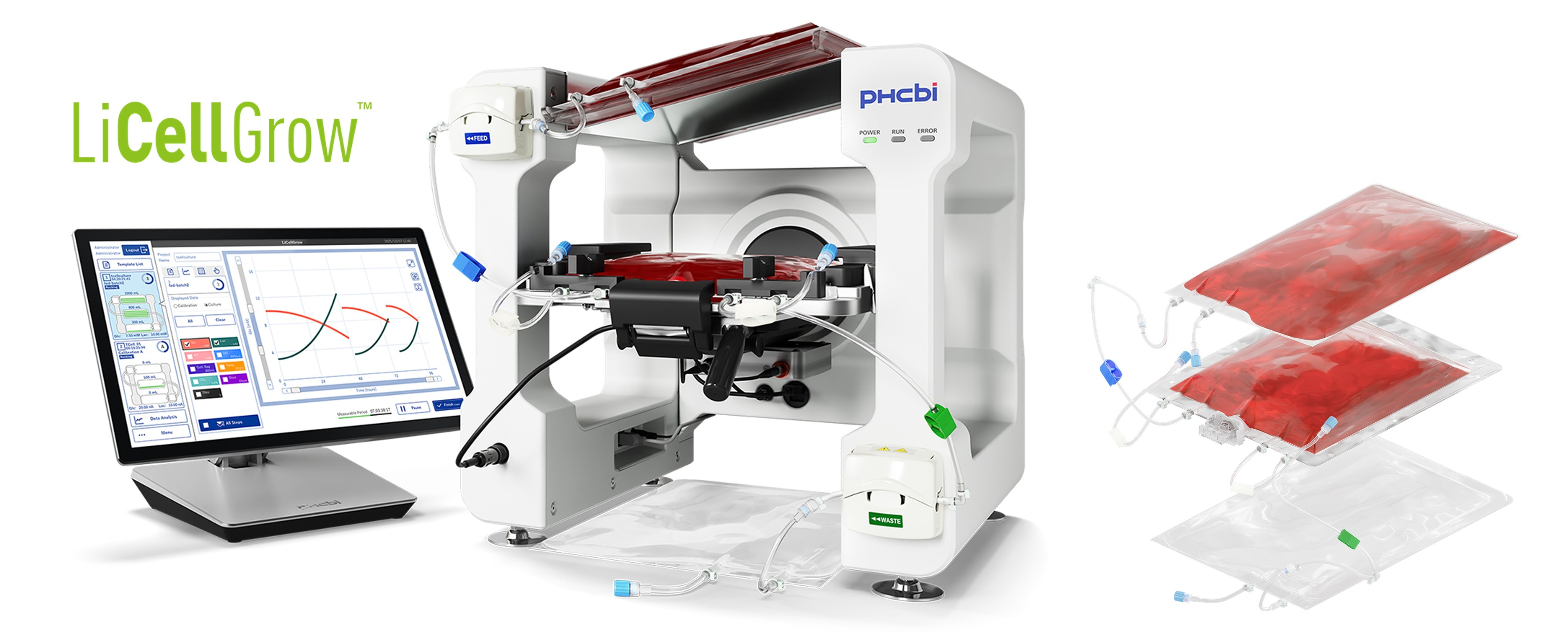
TOKYO–(BUSINESS WIRE)–PHC Corporation’s Biomedical Division (Head Office: Chiyoda-ku, Tokyo; President: Nobuaki Nakamura; hereinafter “PHCbi”), a global provider of laboratory sample storage and cell cultivation solutions and subsidiary of PHC Holdings Corporation (Head Office: Chiyoda-ku, Tokyo), today announced the launch of its new cell expansion system LiCellGrow™ (*1) for research use in Japan and other select countries worldwide(*2). The system is designed to improve quality and efficiency in the production of new advanced therapies by allowing therapy developers to visualize metabolic changes in cells in real time and automatically control culture conditions.

PHCbi will exhibit LiCellGrow™ at the 25th Congress of the Japanese Society for Regenerative Medicine, March 19-20 at the Kobe International Conference Center and Kobe International Exhibition Center in Kobe, Japan.

Cell and gene therapies (CGT), in which cells or genetic material are used to create personalized medical treatments, are rapidly advancing as promising treatment options for hard-to-treat diseases such as genetic disorders and cancer. In the manufacturing of CGT products, however, variations in cell characteristics and complexity of manufacturing are challenges to maintaining a consistent quality product. As a result, therapy developers are faced with reduced production efficiency, lower yields, and increased manufacturing costs compared to conventional therapies. To overcome these challenges, it is essential for therapy developers to be able to identify critical process parameters (CPPs) and critical quality attributes (CQAs) in CGT product manufacturing. The ability to monitor cell status and control culture conditions based on cell status are indispensable to developing quality CGT products at scale efficiently and at a lower cost.

PHCbi developed LiCellGrow™ to address these challenges and support CGT manufacturing at scale by helping to identify optimal culture conditions during the manufacturing process development. The system is equipped with proprietary In-Line monitoring technology that continuously measures, in real time, glucose and lactate concentrations, two key indicators of cell metabolism. It also incorporates culture control technology that adjusts cell culture medium at the optimal time based on these measurements. This technology is built on PHCbi’s proprietary electrochemical measurement platform, cultivated through more than 30 years of blood glucose sensor development. By visualizing the metabolic state of cultured cells, which is traditionally difficult to assess, and enabling precise control of culture conditions, LiCellGrow™ supports improved cell quality and enhanced efficiency as well as lower costs through reduced losses in the manufacturing of CGT products.

Under PHC Group’s Value Creation Plan 2027, which includes a focus on Diagnostics and Life Sciences, PHCbi is developing solutions to enhance efficiency and reduce costs in the manufacturing of CGT products. LiCellGrow™ builds on the In-Line monitoring technology introduced in LiCellMo™ (*3), a live cell metabolic analyzer launched in 2024 for research use only. From late 2026 through early 2028, PHCbi plans to expand its product lineup in phases, including culture bags with filtration functions that enhance cell recovery, pH/DO (dissolved oxygen) meter units, and cGMP-compliant dedicated consumables. These enhancements will support seamless scaling of CGT from basic research to commercial manufacturing in products such as CAR-T cell therapy.

[Key Features of the Product]

1. Automated Control and Optimization of Culture Conditions Using In-Line Monitoring Technology

By utilizing In-Line monitoring technology, LiCellGrow™ continuously tracks real-time changes in culture conditions and cell status, and automates medium exchange based on the acquired metabolic data. This enables the culture environment to be consistently maintained in an optimal state, contributing not only to improved cell quality and uniformity but also enhanced manufacturing efficiency. Furthermore, this process control approach aligns with the concept of Quality by Design (QbD) (*4), which embeds quality scientifically at the design stage rather than relying solely on final product testing. The system therefore supports the development of scientifically robust and highly reproducible manufacturing processes.

2. Single-Use Design Ensuring Aseptic Conditions and Highly Reproducible Cell Culture

LiCellGrow™ employs easy-to-attach, single-use dedicated culture bags. With automated measurement of culture conditions using In-Line sensors, the sampling tasks previously required to check glucose and lactate concentrations are no longer necessary. This reduces the risk of cross-contamination and enables closed-system cell culture that maintains aseptic conditions. In addition, the device can be placed inside a standard CO₂ incubator commonly used in laboratories, eliminating the need for special facility investments and allowing users to easily establish a reliable and highly reproducible culture environment.

Chikara Takauo, Director of PHC Corporation and Head of the Biomedical Division, commented:

“We are excited to launch LiCellGrow™ and offer therapy developers a new way to solve common challenges in quality, cost, and delivery of cell and gene therapies. Building on the success of our research-use system LiCellMo™, LiCellGrow™ represents an important step forward in making CGT manufacturing efficient, reliable, and scalable. We are committed to expanding our PHCbi offerings to continue to contribute to the adoption of CGT and other advanced therapy options for hard-to-treat conditions.”

****************************************************************

Overview of the 25th Congress of the Japanese Society for Regenerative Medicine

Dates: March 19 – 20, 2026

Venue: Kobe International Exhibition Hall, Building No. 2, 1st Floor (PHCbi Booth No.: T31)

Official Website: The 25th Congress of the Japanese Society for Regenerative Medicine
******************************************************************

(*1) https://www.phchd.com/jp/biomedical/incubation/cell-expansion-system-en
This product is intended for research use only and not for medical or clinical purposes.

(*2) Not available for purchase in the United States. Expected U.S. launch in the summer of 2026.

(*3) Live Cell Metabolic Analyzer | PHCbi
(*4) An approach to quality assurance defined in the ICH (International Council for Harmonisation of Technical Requirements for Pharmaceuticals for Human Use) guidelines (ICH Q8–Q11) and widely adopted in the pharmaceutical field.

About the Biomedical Division of PHC Corporation

Established in 1969, PHC Corporation is a Japanese subsidiary of PHC Holdings Corporation (TSE 6523), a global healthcare company that develops, manufactures, sells, and services solutions across diabetes management, healthcare solutions, life sciences and diagnostics. The Biomedical Division supports the life sciences industry helping researchers and healthcare providers in around 110 countries and regions through its laboratory and equipment and services including CO2 incubators and ultra-low temperature freezers.

www.phchd.com/global/phc

About PHC Holdings Corporation

PHC Holdings Corporation (TSE 6523) is a global healthcare company with a mission of contributing to the health of society through healthcare solutions that have a positive impact and improve the lives of people. Its subsidiaries include PHC Corporation, Ascensia Diabetes Care, Epredia, LSI Medience Corporation, Wemex Corporation, and Mediford Corporation. Together, these companies develop, manufacture, sell and service solutions across diabetes management, healthcare solutions, diagnostics and life sciences. The consolidated net sales in FY2024 were JPY 361.6 billion with global distribution of products and services in more than 125 countries and regions. PHC Group is a collective term referring to PHC Holdings Corporation and its subsidiaries.

www.phchd.com

Contacts

[Contact for product and service]

Masayo Okada

Marketing Department, Biomedical Division

PHC Corporation

Email: masayo.okada@phchd.com

[Contact for IR and media]

Investor Relations & Corporate Communications Department

PHC Holdings Corporation

Tel: +81-3-6778-5311 Email: phc-pr@gg.phchd.com

Otsuka Medical Devices/Otsuka Pharmaceutical: Paradise Ultrasound Renal Denervation System for the Treatment of Resistant Hypertension, Now Covered by Insurance and Commercially Available in Japan

Otsuka Medical Devices/Otsuka Pharmaceutical: Paradise Ultrasound Renal Denervation System for the Treatment of Resistant Hypertension, Now Covered by Insurance and Commercially Available in Japan


Otsuka Medical Devices/Otsuka Pharmaceutical: Paradise Ultrasound Renal Denervation System for the Treatment of Resistant Hypertension, Now Covered by Insurance and Commercially Available in Japan

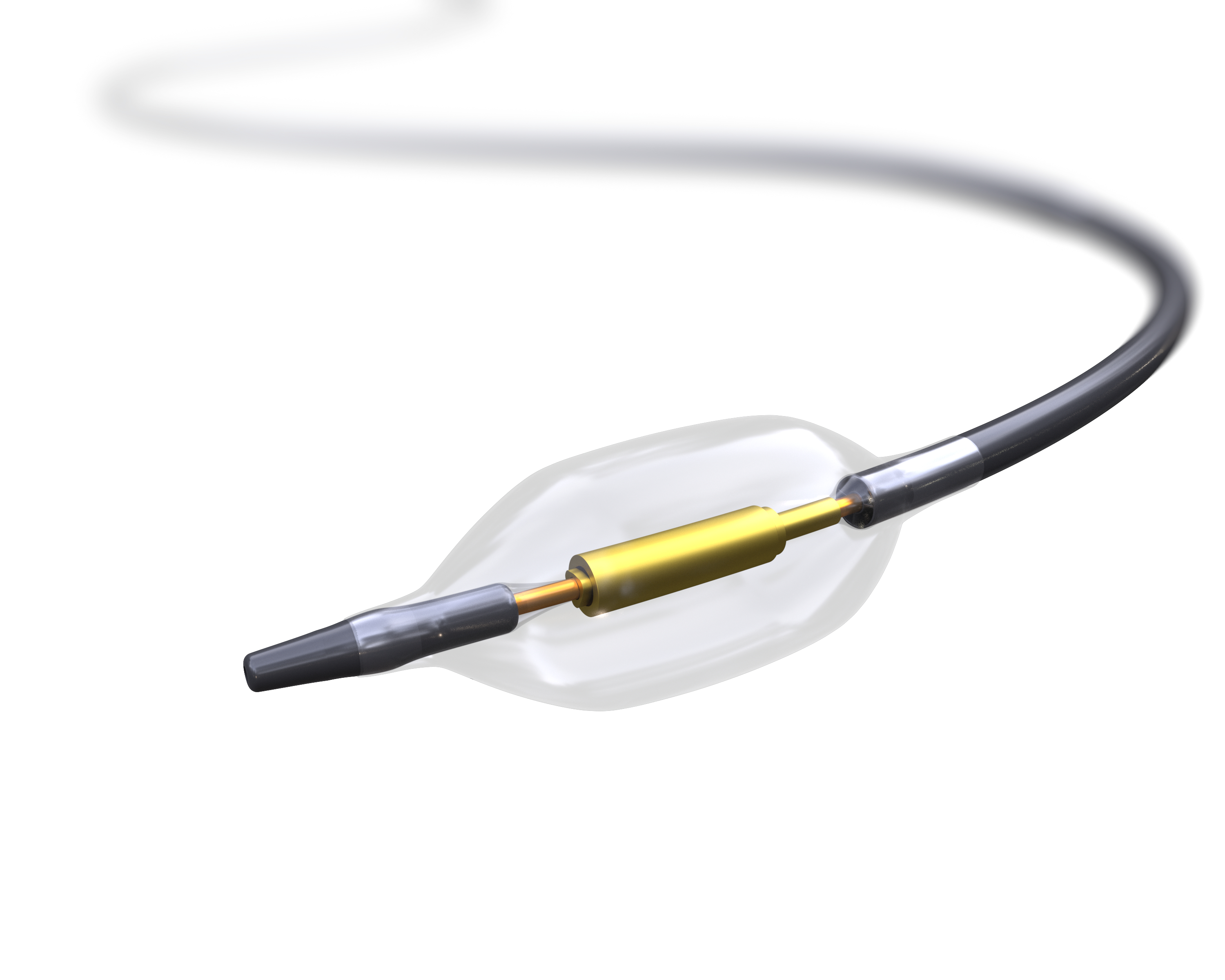
TOKYO–(BUSINESS WIRE)–Otsuka Medical Devices Co., Ltd. (Otsuka Medical Devices) and Otsuka Pharmaceutical Co., Ltd. (Otsuka Pharmaceutical) announce that the Paradise™ Ultrasound Renal Denervation (uRDN) system is covered by National Health Insurance system in Japan, effective March 1. Following the inception of insurance coverage, Otsuka Medical Devices has commenced sales of the system on March 2 and will conduct co-promotion with Otsuka Pharmaceutical.


The Paradise uRDN system was developed by Recor Medical, Inc. (Recor Medical), a U.S.-based subsidiary of Otsuka Medical Devices. This system is indicated for resistant hypertension patients whose blood pressure remains above target despite the use of three antihypertensive medications of different classes, including a diuretic.

Otsuka Medical Devices is introducing ultrasound renal denervation treatment to Japan for the first time. This novel treatment is designed to lower blood pressure by reducing overactivity of the sympathetic nerves surrounding the renal arteries.

With this insurance coverage, Paradise uRDN system becomes available as a new treatment option for resistant hypertension. Under a co-promotion framework, Otsuka Medical Devices and Otsuka Pharmaceutical will leverage Otsuka Pharmaceutical’s established expertise in the cardiovascular and renal fields to supply appropriate treatment options suited to patient conditions. The system will be prescribed by physicians to patients as defined in the guidelines for the proper use of renal denervation systems.

Kazuomi Kario, President of the Japanese Society of Hypertension and Professor of Cardiovascular Medicine at Jichi Medical University, commented, “Resistant hypertension carries an extremely high risk of leading to serious complications, such as cerebrovascular and cardiovascular diseases and renal failure. Being able to provide appropriate treatment opportunities to patients in need through this insurance coverage marks a significant step forward. Furthermore, the Japanese Society of Hypertension, the Japanese Association of Cardiovascular Intervention and Therapeutics, and the Japanese Circulation Society will work together to ensure that proper and safe treatment is delivered based on the facility requirements and patient eligibility criteria outlined in the guidelines for the proper use of renal denervation systems, which were formulated by our three societies.”

Makoto Inoue, President and Representative Director, CEO of Otsuka Holdings Co., Ltd., and President and Representative Director of Otsuka Pharmaceutical stated, “I am delighted that we can provide a new option to address the medical challenge of resistant hypertension by leveraging the know-how cultivated through the Otsuka group’s pharmaceutical business. Moving forward, we will bring together the collective strength of the Otsuka group to deliver optimal solutions for patients and consumers, as we strive to contribute to the total healthcare of every individual.”

“Paradise uRDN system received approval from the U.S. Food and Drug Administration (FDA) in 2023.* We are extremely pleased that patients in Japan with resistant hypertension now have access to this new treatment option under insurance coverage. We have built a framework with Otsuka Pharmaceutical to ensure this treatment reliably reaches patients in need, and we will continue to contribute to the health of patients and the advancement of medical care.” said Noriko Tojo, President and Representative Director of Otsuka Medical Devices.

Guided by the corporate philosophy of Otsuka-people creating new products for better health worldwide, Otsuka Medical Devices and Otsuka Pharmaceutical will continue to make every effort to deliver new value to address unmet medical needs.

*In the U.S, Paradise uRDN system received FDA approval in November 2023 as an adjunctive treatment option when lifestyle changes and medications have not adequately controlled a patient’s blood pressure.

About Otsuka Medical Devices

https://www.omd.otsuka.com/en/

About Recor Medical

https://www.recormedical.com/

About Otsuka Pharmaceutical

https://www.otsuka.co.jp/en/

Contacts

Otsuka Medical Devices

Inquiry form
+81-3-6361-7459

KEYTRUDA® (pembrolizumab) Plus WELIREG® (belzutifan) Given as Adjuvant Therapy Reduced the Risk of Disease Recurrence or Death by 28% Compared to KEYTRUDA Monotherapy in Certain Patients With Earlier-Stage Renal Cell Carcinoma (RCC)

KEYTRUDA® (pembrolizumab) Plus WELIREG® (belzutifan) Given as Adjuvant Therapy Reduced the Risk of Disease Recurrence or Death by 28% Compared to KEYTRUDA Monotherapy in Certain Patients With Earlier-Stage Renal Cell Carcinoma (RCC)


KEYTRUDA® (pembrolizumab) Plus WELIREG® (belzutifan) Given as Adjuvant Therapy Reduced the Risk of Disease Recurrence or Death by 28% Compared to KEYTRUDA Monotherapy in Certain Patients With Earlier-Stage Renal Cell Carcinoma (RCC)

This is the first positive Phase 3 trial for WELIREG in earlier-stage disease, the first positive results for a HIF-2α inhibitor and immunotherapy combination and the first study in earlier-stage disease, regardless of tumor type, to demonstrate a disease-free survival improvement compared to KEYTRUDA

Based on these data, the U.S. FDA has accepted for priority review supplemental applications for WELIREG in combination with KEYTRUDA or KEYTRUDA QLEX™ for the adjuvant treatment of certain patients with RCC

RAHWAY, N.J.–(BUSINESS WIRE)–$MRK #MRK–Merck (NYSE: MRK), known as MSD outside of the United States and Canada, today announced the presentation of results from the pivotal Phase 3 LITESPARK-022 trial evaluating KEYTRUDA® (pembrolizumab), Merck’s anti-PD-1 therapy, in combination with WELIREG® (belzutifan), Merck’s first-in-class, oral hypoxia-inducible factor-2 alpha (HIF-2α) inhibitor, given in the adjuvant setting, for patients with clear cell renal cell carcinoma (RCC) following nephrectomy. These late-breaking data will be presented for the first time today during an oral abstract session at the 2026 American Society of Clinical Oncology (ASCO) Genitourinary (GU) Cancers Symposium (abstract #LBA418) and are included in the official ASCO GU Press Program.


At the first pre-specified interim analysis (median follow-up of 28.4 months [range, 15.0-40.1 months]), KEYTRUDA plus WELIREG given in the adjuvant setting significantly improved disease-free survival (DFS), the study’s primary endpoint, reducing the risk of disease recurrence or death by 28% (HR=0.72 [95% CI 0.59-0.87]; p=0.0003) compared to KEYTRUDA plus placebo. Median DFS was not reached in either arm; the estimated 24-month DFS rate was 80.7% (95% CI, 77.7-83.2) for the KEYTRUDA plus WELIREG arm and was 73.7% (95% CI, 70.6-76.6) for the KEYTRUDA plus placebo arm. As previously reported, the trial will continue to evaluate overall survival (OS), a key secondary endpoint.

“Approximately 40% of patients with renal cell cancer may experience tumor growth after initial treatment. Results from LITESPARK-022 mark an important step forward for certain patients with renal cell cancer, showing a significant reduction in the risk of disease recurrence or death compared to pembrolizumab alone,” said Dr. Toni K. Choueiri, director, Lank Center for Genitourinary Oncology, Dana-Farber Cancer Institute and Jerome and Nancy Kohlberg professor of medicine, Harvard Medical School. “The combination of pembrolizumab and belzutifan is the first ever regimen in the adjuvant setting for renal cell cancer to demonstrate an improvement in disease-free survival over pembrolizumab monotherapy, positioning this regimen to potentially reshape clinical practice.”

“LITESPARK-022 is a critical part of our comprehensive RCC clinical development program, and the Phase 3 results presented at ASCO GU underscore the importance of KEYTRUDA and WELIREG in helping to treat patients with certain types of renal cell carcinoma,” said Dr. M. Catherine Pietanza, vice president, Global Clinical Development, Merck Research Laboratories. “These findings represent the first positive Phase 3 data for WELIREG in earlier stages of disease, as well as the first positive Phase 3 results for a HIF‑2α inhibitor and immunotherapy combination, reinforcing our commitment to exploring novel treatment approaches to improve upon established treatment paradigms for patients in need.”

The safety profile of KEYTRUDA plus WELIREG was consistent with that observed in previously reported studies for both agents; no new safety signals were observed. Of patients enrolled, 69.5% of those in the KEYTRUDA plus WELIREG arm and 71.1% of those in the KEYTRUDA plus placebo arm completed the assigned treatment. Among treated patients, Grade ≥3 treatment-emergent adverse events (TEAEs) occurred in 52.1% of patients who received KEYTRUDA plus WELIREG and 30.2% of patients who received KEYTRUDA plus placebo. The most common Grade ≥3 TEAEs were anemia (12.1% versus 0.5%), increased alanine aminotransferase (ALT) (6.4% versus 2.0%) and hypoxia (4.6% versus 0%). Grade 5 treatment-emergent (1.1% versus 1.2%) and treatment-related adverse events (0.3% versus 0.3%) were similar between treatment arms.

Based on data from the LITESPARK-022 trial, the U.S. Food and Drug Administration (FDA) has accepted for priority review supplemental applications seeking approval of WELIREG in combination with KEYTRUDA or KEYTRUDA QLEX™ (pembrolizumab and berahyaluronidase alfa-pmph) for the adjuvant treatment of adult patients with RCC with a clear cell component with increased risk of recurrence following nephrectomy. The FDA has set a Prescription Drug User Fee Act (PDUFA), or target action date, of June 19, 2026 for the WELIREG sNDA and the KEYTRUDA and KEYTRUDA QLEX sBLAs. Merck will also discuss these data with global regulatory authorities.

KEYTRUDA is approved for the adjuvant treatment of certain patients with RCC in the U.S., Canada, European Union (EU), Japan and other countries worldwide based on data from KEYNOTE-564.

WELIREG is approved in over 45 countries including the U.S., Canada, EU, and Japan for the treatment of adult patients with advanced RCC following a PD-1/PD-L1 inhibitor and 1-2 VEGF-TKIs based on results from the Phase 3 LITESPARK-005 trial.

Merck has an industry-leading clinical development program in RCC, leveraging multiple approved therapeutic options across multiple settings, including adjuvant and advanced disease.

About LITESPARK-022

LITESPARK-022 is a multicenter, randomized, double-blind Phase 3 trial (ClinicalTrials.gov, NCT05239728) evaluating WELIREG in combination with KEYTRUDA compared to KEYTRUDA plus placebo for the treatment of patients with clear cell RCC following nephrectomy. The primary endpoint is DFS, and key secondary endpoints include OS, safety and quality of life outcomes. The trial enrolled 1,841 patients who were randomized to receive either:

  • WELIREG (120 mg orally once daily for approximately one year) plus KEYTRUDA (400 mg intravenously every six weeks for approximately one year), or;
  • KEYTRUDA plus placebo.

About renal cell carcinoma

Renal cell carcinoma is the most common type of kidney cancer, with about nine out of 10 kidney cancer diagnoses being RCC. In 2022, there were about 435,000 new cases of kidney cancer diagnosed and approximately 156,000 deaths from the disease worldwide. Renal cell carcinoma is about twice as common in men as in women. Most cases of RCC are discovered incidentally during imaging tests for other abdominal diseases. Approximately 30% of patients with kidney cancer are diagnosed at an advanced stage.

About Merck’s early-stage cancer clinical program

Finding cancer at an earlier stage may give patients a greater chance of long-term survival. Many cancers are considered most treatable and potentially curable in their earliest stage of disease. Building on the strong understanding of the role of KEYTRUDA in later-stage cancers, Merck is evaluating our portfolio of medicines and pipeline candidates in earlier disease states, with more than 30 ongoing registrational studies across multiple types of cancer.

About Merck’s research in genitourinary cancers

Merck is advancing research aimed at helping transform the treatment landscape and broaden options for people with genitourinary (GU) cancers, including bladder, kidney and prostate cancers. Globally, GU cancers account for an estimated 2.6 million new cancer diagnoses each year, equaling over 1 in 8 of all cancer incidences. Through a robust clinical development program with more than 50 ongoing clinical trials evaluating more than 22,000 patients around the world, Merck is investigating the potential of several portfolio medicines and pipeline assets, leveraging multiple novel combination strategies, across various stages of disease, to help address unmet needs in GU cancers.

About WELIREG® (belzutifan) 40 mg tablets, for oral use

WELIREG, Merck’s first-in-class hypoxia-inducible factor 2 alpha (HIF-2α) inhibitor, is an orally administered small-molecule designed to reduce transcription and expression of HIF-2α target genes associated with cellular proliferation, angiogenesis and tumor growth. By inhibiting HIF-2α signaling, WELIREG aims to disrupt key pathways certain tumors may use to adapt to low-oxygen conditions, including those that help promote abnormal blood vessel formation and support tumor survival.

WELIREG has received regulatory approvals in patients with certain von Hippel-Lindau (VHL) disease-associated tumors, renal cell carcinoma (RCC) and in pheochromocytoma or paraganglioma (PPGL). As part of a broader clinical program, Merck continues to research WELIREG monotherapy and combination approaches for people with RCC and selected solid tumors across a range of treatment settings, to further define where HIF-2a inhibition may provide clinical benefit.

WELIREG® (belzutifan) Indications in the U.S.

Certain von Hippel-Lindau (VHL) disease-associated tumors

WELIREG is indicated for the treatment of adult patients with von Hippel-Lindau (VHL) disease who require therapy for associated renal cell carcinoma (RCC), central nervous system (CNS) hemangioblastomas, or pancreatic neuroendocrine tumors (pNET), not requiring immediate surgery.

Advanced Renal Cell Carcinoma (RCC)

WELIREG is indicated for the treatment of adult patients with advanced renal cell carcinoma (RCC) with a clear cell component following a programmed death receptor-1 (PD-1) or programmed death ligand 1 (PD-L1) inhibitor and a vascular endothelial growth factor tyrosine kinase inhibitor (VEGF-TKI).

Pheochromocytoma or Paraganglioma (PPGL)

WELIREG is indicated for the treatment of adult and pediatric patients 12 years and older with locally advanced, unresectable, or metastatic pheochromocytoma or paraganglioma (PPGL).

Selected Safety Information for WELIREG

Warning: Embryo-Fetal Toxicity

Exposure to WELIREG during pregnancy can cause embryo-fetal harm. Verify pregnancy status prior to the initiation of WELIREG. Advise patients of these risks and the need for effective non-hormonal contraception as WELIREG can render some hormonal contraceptives ineffective.

Anemia

WELIREG can cause severe anemia that can require blood transfusion. Monitor for anemia before initiation of, and periodically throughout, treatment. Transfuse patients as clinically indicated. For patients with hemoglobin <8 g/dL, withhold WELIREG until ≥8 g/dL, then resume at the same or reduced dose or permanently discontinue WELIREG, depending on the severity of anemia. For life-threatening anemia or when urgent intervention is indicated, withhold WELIREG until hemoglobin ≥8 g/dL, then resume at a reduced dose or permanently discontinue WELIREG.

In LITESPARK-004 (N=61), decreased hemoglobin occurred in 93% of patients with VHL disease and 7% had Grade 3 events. Median time to onset of anemia was 31 days (range: 1 day to 8.4 months).

The safety of erythropoiesis-stimulating agents (ESAs) for treatment of anemia in patients with VHL disease treated with WELIREG has not been established.

In LITESPARK-005 (n=372), decreased hemoglobin occurred in 88% of patients with advanced RCC with a clear cell component and 29% had Grade 3 events. Median time to onset of anemia was 29 days (range: 1 day to 16.6 months). Of the patients with anemia, 22% received transfusions only, 20% received ESAs only, and 12% received both transfusion and ESAs.

In LITESPARK-015, anemia occurred in 96% of patients and 22% had Grade 3 events. Median time to onset of anemia was 29 days (range: 1 day to 22.1 months). Of the patients with anemia, 20% received transfusions only, 26% received ESAs only, and 6% received both transfusion and ESAs.

Hypoxia

WELIREG can cause severe hypoxia that may require discontinuation, supplemental oxygen, or hospitalization.

Monitor oxygen saturation before initiation of, and periodically throughout, treatment. For decreased oxygen saturation with exercise (e.g., pulse oximeter <88% or PaO2 ≤55 mm Hg), consider withholding WELIREG until pulse oximetry with exercise is greater than 88%, then resume at the same dose or a reduced dose. For decreased oxygen saturation at rest (e.g., pulse oximeter <88% or PaO2 ≤55 mm Hg) or when urgent intervention is indicated, withhold WELIREG until resolved and resume at a reduced dose or discontinue. For life-threatening hypoxia or recurrent symptomatic hypoxia, permanently discontinue WELIREG. Advise patients to report signs and symptoms of hypoxia immediately to a healthcare provider.

In LITESPARK-004, hypoxia occurred in 1.6% of patients.

In LITESPARK-005, hypoxia occurred in 15% of patients and 10% had Grade 3 events. Of the patients with hypoxia, 69% were treated with oxygen therapy. Median time to onset of hypoxia was 30.5 days (range: 1 day to 21.1 months).

In LITESPARK-015, hypoxia occurred in 13% of patients and 10% had Grade 3 hypoxia. Median time to onset of hypoxia was 35 days (range: 6 days to 23.9 months). Of the patients with hypoxia, 67% were treated with oxygen therapy.

Embryo-Fetal Toxicity

Based on findings in animals, WELIREG can cause fetal harm when administered to a pregnant woman.

Advise pregnant women and females of reproductive potential of the potential risk to the fetus. Advise females of reproductive potential to use effective non-hormonal contraception during treatment with WELIREG and for 1 week after the last dose. WELIREG can render some hormonal contraceptives ineffective. Advise male patients with female partners of reproductive potential to use effective contraception during treatment with WELIREG and for 1 week after the last dose.

Adverse Reactions

Adverse Reactions in LITESPARK-004

Serious adverse reactions occurred in 15% of patients, including anemia, hypoxia, anaphylaxis reaction, retinal detachment, and central retinal vein occlusion (1 patient each). WELIREG was permanently discontinued due to adverse reactions in 3.3% of patients for dizziness and opioid overdose (1.6% each).

Dosage interruptions due to an adverse reaction occurred in 39% of patients. Those which required dosage interruption in >2% of patients were fatigue, decreased hemoglobin, anemia, nausea, abdominal pain, headache, and influenza-like illness.

Dose reductions due to an adverse reaction occurred in 13% of patients. The most frequently reported adverse reaction which required dose reduction was fatigue (7%).

The most common adverse reactions (≥25%), including laboratory abnormalities, that occurred in patients who received WELIREG were decreased hemoglobin (93%), fatigue (64%), increased creatinine (64%), headache (39%), dizziness (38%), increased glucose (34%), and nausea (31%).

Adverse Reactions in LITESPARK-005

Serious adverse reactions occurred in 38% of patients. The most frequently reported serious adverse reactions were hypoxia (7%), anemia (5%), pneumonia (3.5%), hemorrhage (3%), and pleural effusion (2.2%). Fatal adverse reactions occurred in 3.2% of patients who received WELIREG, including sepsis (0.5%) and hemorrhage (0.5%).

WELIREG was permanently discontinued due to adverse reactions in 6% of patients. Adverse reactions which resulted in permanent discontinuation (≥0.5%) were hypoxia (1.1%), anemia (0.5%), and hemorrhage (0.5%).

Dosage interruptions due to an adverse reaction occurred in 39% of patients. Of the patients who received WELIREG, 28% were 65 to 74 years, and 10% were 75 years and over. Dose interruptions occurred in 48% of patients ≥65 years of age and in 34% of younger patients. Adverse reactions which required dosage interruption in ≥2% of patients were anemia (8%), hypoxia (5%), COVID-19 (4.3%), fatigue (3.2%), and hemorrhage (2.2%).

Dose reductions due to an adverse reaction occurred in 13% of patients. Dose reductions occurred in 18% of patients ≥65 years of age and in 10% of younger patients. The most frequently reported adverse reactions which required dose reduction (≥1.0%) were hypoxia (5%) and anemia (3.2%).

The most common (≥25%) adverse reactions, including laboratory abnormalities, were decreased hemoglobin (88%), fatigue (43%), musculoskeletal pain (34%), increased creatinine (34%), decreased lymphocytes (34%), increased alanine aminotransferase (32%), decreased sodium (31%), increased potassium (29%), and increased aspartate aminotransferase (27%).

Adverse Reactions in LITESPARK-015

Serious adverse reactions occurred in 36% of patients. The most frequently reported serious adverse reactions were anemia and hypertension (4.2% each) and pyelonephritis, pneumonia, hypoxia, dyspnea and hemorrhage (2.8% each).

WELIREG was permanently discontinued due to adverse reactions in 2 patients (2.8%). Adverse reactions which resulted in permanent discontinuation were increased alanine aminotransferase and paraparesis (1.4% each).

Dosage interruptions due to an adverse reaction occurred in 40% of patients. Of the patients who received WELIREG, 13% were ≥65 years old and 4.2% were ≥75 years. Adverse reactions which required dosage interruption in >3% of patients were hypoxia, nausea and fatigue (4.2% each).

Dose reductions due to an adverse reaction occurred in 14% of patients. The most frequently reported adverse reaction which required dose reduction was hypoxia (4.2%).

The most common (≥25%) adverse reactions, including laboratory abnormalities, that occurred in patients were anemia (96%), fatigue (56%), musculoskeletal pain (56%), decreased lymphocytes (54%), increased alanine aminotransferase (51%), increased aspartate aminotransferase (42%), increased calcium (34%), dyspnea (33%), increased potassium (31%), decreased leukocytes (30%), headache (29%), increased alkaline phosphatase (25%), dizziness (26%) and nausea (25%).

Drug Interactions

Coadministration of WELIREG with inhibitors of UGT2B17 or CYP2C19 increases plasma exposure of belzutifan, which may increase the incidence and severity of adverse reactions. Monitor for anemia and hypoxia and reduce the dosage of WELIREG as recommended.

Coadministration of WELIREG with CYP3A4 substrates decreases concentrations of CYP3A4 substrates, which may reduce the efficacy of these substrates or lead to therapeutic failures. Avoid coadministration with sensitive CYP3A4 substrates. If coadministration cannot be avoided, increase the sensitive CYP3A4 substrate dosage in accordance with its Prescribing Information. Coadministration of WELIREG with hormonal contraceptives may lead to contraceptive failure or an increase in breakthrough bleeding.

Lactation

Because of the potential for serious adverse reactions in breastfed children, advise women not to breastfeed during treatment with WELIREG and for 1 week after the last dose.

Females and Males of Reproductive Potential

WELIREG can cause fetal harm when administered to a pregnant woman. Verify the pregnancy status of females of reproductive potential prior to initiating treatment with WELIREG.

Use of WELIREG may reduce the efficacy of hormonal contraceptives. Advise females of reproductive potential to use effective non-hormonal contraception during treatment with WELIREG and for 1 week after the last dose. Advise males with female partners of reproductive potential to use effective contraception during treatment with WELIREG and for 1 week after the last dose.

Based on findings in animals, WELIREG may impair fertility in males and females of reproductive potential and the reversibility of this effect is unknown.

Pediatric Use

The safety and effectiveness of WELIREG have been established in pediatric patients aged 12 years and older for the treatment of locally advanced, unresectable, or metastatic pheochromocytoma or paraganglioma.

Renal Impairment

For patients with severe renal impairment (eGFR 15-29 mL/min estimated by MDRD), monitor for increased adverse reactions and modify the dosage as recommended.

Hepatic Impairment

WELIREG has not been studied in patients with severe hepatic impairment (total bilirubin >1.5 x ULN and any AST). For patients with moderate and severe hepatic impairment, monitor for increased adverse reactions and modify the dosage as recommended.

Please see Prescribing Information, including information for the Boxed Warning about embryo-fetal toxicity, for WELIREG (belzutifan) at https://www.merck.com/product/usa/pi_circulars/w/welireg/welireg_pi.pdf and Medication Guide for WELIREG at https://www.merck.com/product/usa/pi_circulars/w/welireg/welireg_mg.pdf.

About KEYTRUDA® (pembrolizumab) injection for intravenous use, 100 mg

KEYTRUDA is an anti-programmed death receptor-1 (PD-1) therapy that works by increasing the ability of the body’s immune system to help detect and fight tumor cells. KEYTRUDA is a humanized monoclonal antibody that blocks the interaction between PD-1 and its ligands, PD- L1 and PD-L2, thereby activating T lymphocytes which may affect both tumor cells and healthy cells.

Merck has the industry’s largest immuno-oncology clinical research program. There are currently more than 1,600 trials studying KEYTRUDA across a wide variety of cancers and treatment settings. The KEYTRUDA clinical program seeks to understand the role of KEYTRUDA across cancers and the factors that may predict a patient’s likelihood of benefitting from treatment with KEYTRUDA, including exploring several different biomarkers.

About KEYTRUDA QLEX™ (pembrolizumab and berahyaluronidase alfa-pmph) injection for subcutaneous use

KEYTRUDA QLEX is a fixed-combination drug product of pembrolizumab and berahyaluronidase alfa. Pembrolizumab is a programmed death receptor-1 (PD-1) blocking antibody and berahyaluronidase alfa enhances dispersion and permeability to enable subcutaneous administration of pembrolizumab. KEYTRUDA QLEX is administered as a subcutaneous injection into the thigh or abdomen, avoiding the 5 cm area around the navel, over one minute every three weeks (2.4 mL) or over two minutes every six weeks (4.8 mL).

Selected KEYTRUDA® (pembrolizumab) Indications in the U.S.

Renal Cell Carcinoma

KEYTRUDA and KEYTRUDA QLEX are each indicated, in combination with axitinib, for the first-line treatment of adult patients with advanced renal cell carcinoma (RCC).

KEYTRUDA and KEYTRUDA QLEX are each indicated for the adjuvant treatment of adult patients with renal cell carcinoma (RCC) at intermediate high or high risk of recurrence following nephrectomy, or following nephrectomy and resection of metastatic lesions.

See additional selected KEYTRUDA indications in the U.S. after the Selected Important Safety Information.

Selected Important Safety Information for KEYTRUDA and KEYTRUDA QLEX

Contraindications

KEYTRUDA QLEX is contraindicated in patients with known hypersensitivity to berahyaluronidase alfa, hyaluronidase or to any of its excipients.

Severe and Fatal Immune-Mediated Adverse Reactions

KEYTRUDA and KEYTRUDA QLEX are monoclonal antibodies that belong to a class of drugs that bind to either the programmed death receptor-1 (PD-1) or the programmed death ligand 1 (PD-L1), blocking the PD-1/PD-L1 pathway, thereby removing inhibition of the immune response, potentially breaking peripheral tolerance and inducing immune-mediated adverse reactions. Immune-mediated adverse reactions, which may be severe or fatal, can occur in any organ system or tissue, can affect more than one body system simultaneously, and can occur at any time after starting treatment or after discontinuation of treatment.

Contacts

Media Contacts

Julie Cunningham

(617) 519-6264

Michael McArdle

(908) 447-9453

Investor Contacts:

Peter Dannenbaum

(732) 594-1579

Steven Graziano

(732) 594-1583

Read full story here

WELIREG® (belzutifan) Plus LENVIMA® (lenvatinib) Reduced the Risk of Disease Progression or Death by 30% Compared to Cabozantinib in Certain Previously Treated Patients With Advanced Renal Cell Carcinoma (RCC)

WELIREG® (belzutifan) Plus LENVIMA® (lenvatinib) Reduced the Risk of Disease Progression or Death by 30% Compared to Cabozantinib in Certain Previously Treated Patients With Advanced Renal Cell Carcinoma (RCC)


WELIREG® (belzutifan) Plus LENVIMA® (lenvatinib) Reduced the Risk of Disease Progression or Death by 30% Compared to Cabozantinib in Certain Previously Treated Patients With Advanced Renal Cell Carcinoma (RCC)

This is the first positive Phase 3 trial of a HIF-2 alpha inhibitor in combination with a multi-targeted tyrosine kinase inhibitor, the first for patients with RCC whose disease progressed on or after treatment with anti-PD-1/L1 therapy, and the first to improve PFS compared to a modern tyrosine kinase inhibitor

Based on these data, the U.S. FDA has accepted for review two supplemental New Drug Applications for WELIREG plus LENVIMA in certain previously treated patients with advanced RCC

RAHWAY, N.J. & NUTLEY, N.J.–(BUSINESS WIRE)–$MRK #MRK–Merck (NYSE: MRK), known as MSD outside of the United States and Canada, and Eisai today announced the first presentation of results from the Phase 3 LITESPARK-011 trial evaluating the dual oral regimen of WELIREG® (belzutifan), Merck’s first-in-class oral hypoxia-inducible factor-2 alpha (HIF-2α) inhibitor, plus LENVIMA® (lenvatinib), an orally available multiple receptor tyrosine kinase inhibitor (TKI) discovered by Eisai, for the treatment of patients with advanced renal cell carcinoma (RCC) whose disease progressed on or after treatment with anti-programmed death receptor-1 (PD-1)/programmed death-ligand 1 (PD-L1) therapy. These data are being presented as a late-breaking oral abstract at the 2026 American Society of Clinical Oncology (ASCO) Genitourinary (GU) Cancers Symposium (abstract #LBA417) and are included in the official ASCO GU Press Program.


At a pre-specified interim analysis with a median follow-up of 29.0 months (range, 19.3-49.2), WELIREG plus LENVIMA demonstrated a statistically significant and clinically meaningful improvement in the primary endpoint of progression-free survival (PFS), reducing the risk of disease progression or death by 30% (HR=0.70 [95% CI, 0.59-0.84]; p=0.00007) compared to cabozantinib. For WELIREG plus LENVIMA, the median PFS was 14.8 months (95% CI, 11.2-16.6) versus 10.7 months (95% CI, 9.2-11.1) for cabozantinib. A trend toward improvement in overall survival (OS), the trial’s other primary endpoint, was also observed for WELIREG plus LENVIMA (HR=0.85 [95% CI, 0.68-1.05]; p=0.06075). The median OS was 34.9 months (95% CI, 27.5-NR) for WELIREG plus LENVIMA versus 27.6 months (95% CI, 24.0-31.4) for cabozantinib. The trial is continuing, and OS will be evaluated at a subsequent analysis per the clinical trial protocol.

Based on data from the LITESPARK-011 trial, the U.S. Food and Drug Administration (FDA) has accepted two supplemental New Drug Applications (sNDA) for review seeking approval for WELIREG plus LENVIMA for the treatment of adult patients with advanced RCC with a clear cell component following a PD-1 or PD-L1 inhibitor. The FDA set a Prescription Drug User Fee Act (PDUFA), or target action date, of October 4, 2026 for both the WELIREG and LENVIMA sNDAs. Merck and Eisai will also discuss these data with regulatory authorities worldwide to support potential submissions outside the United States.

Choosing the right treatment for patients with advanced renal cell carcinoma after immunotherapy has been an ongoing challenge, and treatment options in this setting had not previously been evaluated against a current standard of care tyrosine kinase inhibitor in a Phase 3 trial,” said Dr. Robert Motzer, Principal Investigator and Genitourinary Medical Oncologist, Memorial Sloan Kettering Cancer Center. “The LITESPARK-011 study demonstrated a 30% reduction in the risk of disease progression or death with belzutifan plus lenvatinib compared to cabozantinib, and 52.6% of patients experienced a response to treatment. These findings mark a critical step forward for these patients.”

The LITESPARK-011 trial highlights the potential of this first-of-its-kind combination regimen to deliver a meaningful benefit for patients with advanced renal cell carcinoma whose disease progresses after PD-1/L1 therapy,” said Dr. M. Catherine Pietanza, Vice President, Global Clinical Development, Merck Research Laboratories. “These WELIREG plus LENVIMA data demonstrate important progress for patients with advanced renal cell carcinoma and reinforce our commitment to improving the lives of patients through innovative treatment strategies.”

The LITESPARK-011 results reinforce LENVIMA’s established role in renal cell carcinoma and highlight the potential of this novel combination to address an area of significant unmet need,” said Dr. Corina Dutcus, Senior Vice President, Oncology Global Clinical Development Lead at Eisai. “The acceptance of this regulatory filing is an important milestone, and we remain committed to working toward approval to bring this option to patients as soon as possible. We are grateful to the patients, their families, and the investigators, whose dedication made this research possible.”

Additional findings

Data for objective response rate (ORR) and duration of response (DOR), two key secondary endpoints, were also reported. At the first interim analysis with a median follow-up of 19.6 months (range, 9.9-39.8), WELIREG plus LENVIMA met ORR, demonstrating a statistically significant improvement compared to cabozantinib. A confirmed ORR of 52.6% (95% CI, 47.3-57.7) was observed for WELIREG plus LENVIMA versus 39.6% (95% CI, 34.6-44.8) for cabozantinib. At the second interim analysis with a median follow-up of 29.0 months, the median DOR was 23.0 months (95% CI, 2.0-44.3+) for WELIREG plus LENVIMA versus 12.3 months (95% CI, 1.8+-35.9+) for cabozantinib.

WELIREG plus LENVIMA was administered to 370 patients and cabozantinib was administered to 371 patients. Grade ≥3 treatment-related adverse events (TRAEs) occurred in 71.6% of patients receiving WELIREG plus LENVIMA versus 65.8% of patients receiving cabozantinib. Adverse events led to the discontinuation of 11.1% of patients receiving WELIREG plus LENVIMA versus 11.3% of patients receiving cabozantinib, respectively. Serious adverse events were observed in 51.6% of patients receiving WELIREG plus LENVIMA versus 43.9% of patients receiving cabozantinib, and AEs led to death in 5.4% of patients (two were treatment-related: thrombotic microangiopathy [n=1] and pneumonitis [n=1]) versus 3.2% (one was treatment-related: hemoptysis [n=1]) of patients, respectively.

LITESPARK-011 is part of a comprehensive late-stage clinical development program for WELIREG comprised of several Phase 2 and Phase 3 trials in pheochromocytoma and paraganglioma, von Hippel-Lindau disease-associated neoplasms and RCC.

The Phase 3 LITESPARK-012 trial is evaluating the addition of WELIREG to KEYTRUDA® (pembrolizumab), Merck’s anti-PD-1 therapy, plus LENVIMA in the first-line advanced RCC disease setting.

WELIREG is approved in the U.S., European Union (EU), Japan and other countries for the treatment of adult patients with advanced clear cell RCC following a PD-1/PD-L1 inhibitor and 1-2 VEGF-TKIs based on results from the Phase 3 LITESPARK-005 trial.

KEYTRUDA plus LENVIMA is approved in the U.S., the EU, Japan and other countries for the treatment of advanced RCC. Lenvatinib is approved as KISPLYX for advanced RCC in the EU.

LENVIMA in combination with everolimus is approved in the U.S., EU and other regions for the treatment of adult patients with advanced RCC following one prior anti-angiogenic therapy.

Dr. Motzer has provided consulting and advisory services for Merck and Eisai.

About LITESPARK-011

LITESPARK-011 is a randomized, open-label Phase 3 trial (ClinicalTrials.gov, NCT04586231) evaluating WELIREG in combination with LENVIMA compared to cabozantinib for the treatment of patients with advanced clear cell RCC that has progressed on or after anti-PD-1/L1 therapy. The dual primary endpoints are PFS per Response Evaluation Criteria in Solid Tumors version 1.1 (RECIST v1.1) as assessed by blinded independent central review (BICR) and OS. Key secondary endpoints include ORR per RECIST v1.1 as assessed by BICR, DOR per RECIST v1.1 as assessed by BICR, and safety. The trial enrolled 747 patients who were randomized to receive WELIREG (120 mg orally once daily) plus LENVIMA (20 mg orally once daily) or cabozantinib (60 mg orally once daily).

About renal cell carcinoma

Renal cell carcinoma is the most common type of kidney cancer, with about nine out of 10 kidney cancer diagnoses being RCC. In 2022, there were about 435,000 new cases of kidney cancer and approximately 156,000 deaths from the disease worldwide. RCC is about twice as common in men as in women. Most cases of RCC are discovered incidentally during imaging tests for other abdominal diseases. Approximately 30% of patients with kidney cancer are diagnosed at an advanced stage.

About Merck’s research in genitourinary cancers

Merck is advancing research aimed at helping transform the treatment landscape and broaden options for people with genitourinary (GU) cancers, including bladder, kidney and prostate cancers. Globally, GU cancers account for an estimated 2.6 million new cancer diagnoses each year, equaling over 1 in 8 of all cancer incidences. Through a robust clinical development program with more than 50 ongoing clinical trials evaluating more than 22,000 patients around the world, Merck is investigating the potential of several portfolio medicines and pipeline assets, leveraging multiple novel combination strategies, across various stages of disease, to help address unmet needs in GU cancers.

About WELIREG® (belzutifan) 40 mg tablets, for oral use

WELIREG, Merck’s first-in-class hypoxia-inducible factor 2 alpha (HIF-2α) inhibitor, is an orally administered small-molecule designed to reduce transcription and expression of HIF-2α target genes associated with cellular proliferation, angiogenesis and tumor growth. By inhibiting HIF-2α signaling, WELIREG aims to disrupt key pathways certain tumors may use to adapt to low-oxygen conditions, including those that help promote abnormal blood vessel formation and support tumor survival.

WELIREG has demonstrated antitumor activity in certain von Hippel-Lindau (VHL) disease-associated tumors, renal cell carcinoma and in pheochromocytoma or paraganglioma. As part of a broader clinical program, Merck continues to research WELIREG monotherapy and combination approaches for people with genitourinary, breast and gynecologic cancers across a range of treatment settings to further define where HIF-2α inhibition may provide clinical benefit and to better understand which patients are most likely to respond.

Indications in the U.S.

Certain von Hippel-Lindau (VHL) disease-associated tumors

WELIREG is indicated for the treatment of adult patients with von Hippel-Lindau (VHL) disease who require therapy for associated renal cell carcinoma (RCC), central nervous system (CNS) hemangioblastomas, or pancreatic neuroendocrine tumors (pNET), not requiring immediate surgery.

Advanced Renal Cell Carcinoma (RCC)

WELIREG is indicated for the treatment of adult patients with advanced renal cell carcinoma (RCC) with a clear cell component following a programmed death receptor-1 (PD-1) or programmed death ligand 1 (PD-L1) inhibitor and a vascular endothelial growth factor tyrosine kinase inhibitor (VEGF-TKI).

Pheochromocytoma or Paraganglioma (PPGL)

WELIREG is indicated for the treatment of adult and pediatric patients 12 years and older with locally advanced, unresectable, or metastatic pheochromocytoma or paraganglioma (PPGL).

Selected Safety Information for WELIREG

Warning: Embryo-Fetal Toxicity

Exposure to WELIREG during pregnancy can cause embryo-fetal harm. Verify pregnancy status prior to the initiation of WELIREG. Advise patients of these risks and the need for effective non-hormonal contraception as WELIREG can render some hormonal contraceptives ineffective.

Anemia

WELIREG can cause severe anemia that can require blood transfusion. Monitor for anemia before initiation of, and periodically throughout, treatment. Transfuse patients as clinically indicated. For patients with hemoglobin <8 g/dL, withhold WELIREG until ≥8 g/dL, then resume at the same or reduced dose or permanently discontinue WELIREG, depending on the severity of anemia. For life-threatening anemia or when urgent intervention is indicated, withhold WELIREG until hemoglobin ≥8 g/dL, then resume at a reduced dose or permanently discontinue WELIREG.

In LITESPARK-004 (N=61), decreased hemoglobin occurred in 93% of patients with VHL disease and 7% had Grade 3 events. Median time to onset of anemia was 31 days (range: 1 day to 8.4 months).

The safety of erythropoiesis-stimulating agents (ESAs) for treatment of anemia in patients with VHL disease treated with WELIREG has not been established.

In LITESPARK-005 (n=372), decreased hemoglobin occurred in 88% of patients with advanced RCC with a clear cell component and 29% had Grade 3 events. Median time to onset of anemia was 29 days (range: 1 day to 16.6 months). Of the patients with anemia, 22% received transfusions only, 20% received ESAs only, and 12% received both transfusion and ESAs.

In LITESPARK-015, anemia occurred in 96% of patients and 22% had Grade 3 events. Median time to onset of anemia was 29 days (range: 1 day to 22.1 months). Of the patients with anemia, 20% received transfusions only, 26% received ESAs only, and 6% received both transfusion and ESAs.

Hypoxia

WELIREG can cause severe hypoxia that may require discontinuation, supplemental oxygen, or hospitalization.

Monitor oxygen saturation before initiation of, and periodically throughout, treatment. For decreased oxygen saturation with exercise (e.g., pulse oximeter <88% or PaO2 ≤55 mm Hg), consider withholding WELIREG until pulse oximetry with exercise is greater than 88%, then resume at the same dose or a reduced dose. For decreased oxygen saturation at rest (e.g., pulse oximeter <88% or PaO2 ≤55 mm Hg) or when urgent intervention is indicated, withhold WELIREG until resolved and resume at a reduced dose or discontinue. For life-threatening hypoxia or recurrent symptomatic hypoxia, permanently discontinue WELIREG. Advise patients to report signs and symptoms of hypoxia immediately to a healthcare provider.

In LITESPARK-004, hypoxia occurred in 1.6% of patients.

In LITESPARK-005, hypoxia occurred in 15% of patients and 10% had Grade 3 events. Of the patients with hypoxia, 69% were treated with oxygen therapy. Median time to onset of hypoxia was 30.5 days (range: 1 day to 21.1 months).

In LITESPARK-015, hypoxia occurred in 13% of patients and 10% had Grade 3 hypoxia. Median time to onset of hypoxia was 35 days (range: 6 days to 23.9 months). Of the patients with hypoxia, 67% were treated with oxygen therapy.

Embryo-Fetal Toxicity

Based on findings in animals, WELIREG can cause fetal harm when administered to a pregnant woman.

Advise pregnant women and females of reproductive potential of the potential risk to the fetus. Advise females of reproductive potential to use effective non-hormonal contraception during treatment with WELIREG and for 1 week after the last dose. WELIREG can render some hormonal contraceptives ineffective. Advise male patients with female partners of reproductive potential to use effective contraception during treatment with WELIREG and for 1 week after the last dose.

Adverse Reactions

Adverse Reactions in LITESPARK-004

Serious adverse reactions occurred in 15% of patients, including anemia, hypoxia, anaphylaxis reaction, retinal detachment, and central retinal vein occlusion (1 patient each).

WELIREG was permanently discontinued due to adverse reactions in 3.3% of patients for dizziness and opioid overdose (1.6% each).

Dosage interruptions due to an adverse reaction occurred in 39% of patients. Those which required dosage interruption in >2% of patients were fatigue, decreased hemoglobin, anemia, nausea, abdominal pain, headache, and influenza-like illness.

Dose reductions due to an adverse reaction occurred in 13% of patients. The most frequently reported adverse reaction which required dose reduction was fatigue (7%).

The most common adverse reactions (≥25%), including laboratory abnormalities, that occurred in patients who received WELIREG were decreased hemoglobin (93%), fatigue (64%), increased creatinine (64%), headache (39%), dizziness (38%), increased glucose (34%), and nausea (31%).

Adverse Reactions in LITESPARK-005

Serious adverse reactions occurred in 38% of patients. The most frequently reported serious adverse reactions were hypoxia (7%), anemia (5%), pneumonia (3.5%), hemorrhage (3%), and pleural effusion (2.2%). Fatal adverse reactions occurred in 3.2% of patients who received WELIREG, including sepsis (0.5%) and hemorrhage (0.5%).

WELIREG was permanently discontinued due to adverse reactions in 6% of patients. Adverse reactions which resulted in permanent discontinuation (≥0.5%) were hypoxia (1.1%), anemia (0.5%), and hemorrhage (0.5%).

Dosage interruptions due to an adverse reaction occurred in 39% of patients. Of the patients who received WELIREG, 28% were 65 to 74 years, and 10% were 75 years and over. Dose interruptions occurred in 48% of patients ≥65 years of age and in 34% of younger patients. Adverse reactions which required dosage interruption in ≥2% of patients were anemia (8%), hypoxia (5%), COVID-19 (4.3%), fatigue (3.2%), and hemorrhage (2.2%).

Dose reductions due to an adverse reaction occurred in 13% of patients. Dose reductions occurred in 18% of patients ≥65 years of age and in 10% of younger patients. The most frequently reported adverse reactions which required dose reduction (≥1.0%) were hypoxia (5%) and anemia (3.2%).

The most common (≥25%) adverse reactions, including laboratory abnormalities, were decreased hemoglobin (88%), fatigue (43%), musculoskeletal pain (34%), increased creatinine (34%), decreased lymphocytes (34%), increased alanine aminotransferase (32%), decreased sodium (31%), increased potassium (29%), and increased aspartate aminotransferase (27%).

Adverse Reactions in LITESPARK-015

Serious adverse reactions occurred in 36% of patients. The most frequently reported serious adverse reactions were anemia and hypertension (4.2% each) and pyelonephritis, pneumonia, hypoxia, dyspnea and hemorrhage (2.8% each)

WELIREG was permanently discontinued due to adverse reactions in 2 patients (2.8%). Adverse reactions which resulted in permanent discontinuation were increased alanine aminotransferase and paraparesis (1.4% each).

Dosage interruptions due to an adverse reaction occurred in 40% of patients. Of the patients who received WELIREG, 13% were ≥65 years old and 4.2% were ≥75 years. Adverse reactions which required dosage interruption in >3% of patients were hypoxia, nausea and fatigue (4.2% each).

Dose reductions due to an adverse reaction occurred in 14% of patients. The most frequently reported adverse reaction which required dose reduction was hypoxia (4.2%).

The most common (≥25%) adverse reactions, including laboratory abnormalities, that occurred in patients were anemia (96%), fatigue (56%), musculoskeletal pain (56%), decreased lymphocytes (54%), increased alanine aminotransferase (51%), increased aspartate aminotransferase (42%), increased calcium (34%), dyspnea (33%), increased potassium (31%), decreased leukocytes (30%), headache (29%), increased alkaline phosphatase (25%), dizziness (26%) and nausea (25%).

Drug Interactions

Coadministration of WELIREG with inhibitors of UGT2B17 or CYP2C19 increases plasma exposure of belzutifan, which may increase the incidence and severity of adverse reactions. Monitor for anemia and hypoxia and reduce the dosage of WELIREG as recommended.

Coadministration of WELIREG with CYP3A4 substrates decreases concentrations of CYP3A4 substrates, which may reduce the efficacy of these substrates or lead to therapeutic failures. Avoid coadministration with sensitive CYP3A4 substrates. If coadministration cannot be avoided, increase the sensitive CYP3A4 substrate dosage in accordance with its Prescribing Information. Coadministration of WELIREG with hormonal contraceptives may lead to contraceptive failure or an increase in breakthrough bleeding.

Lactation

Because of the potential for serious adverse reactions in breastfed children, advise women not to breastfeed during treatment with WELIREG and for 1 week after the last dose.

Females and Males of Reproductive Potential

WELIREG can cause fetal harm when administered to a pregnant woman. Verify the pregnancy status of females of reproductive potential prior to initiating treatment with WELIREG.

Use of WELIREG may reduce the efficacy of hormonal contraceptives. Advise females of reproductive potential to use effective non-hormonal contraception during treatment with WELIREG and for 1 week after the last dose. Advise males with female partners of reproductive potential to use effective contraception during treatment with WELIREG and for 1 week after the last dose.

Based on findings in animals, WELIREG may impair fertility in males and females of reproductive potential and the reversibility of this effect is unknown.

Pediatric Use

The safety and effectiveness of WELIREG have been established in pediatric patients aged 12 years and older for the treatment of locally advanced, unresectable, or metastatic pheochromocytoma or paraganglioma.

Renal Impairment

For patients with severe renal impairment (eGFR 15-29 mL/min estimated by MDRD), monitor for increased adverse reactions and modify the dosage as recommended.

Hepatic Impairment

WELIREG has not been studied in patients with severe hepatic impairment (total bilirubin >1.5 x ULN and any AST). For patients with moderate and severe hepatic impairment, monitor for increased adverse reactions and modify the dosage as recommended.

Please see Prescribing Information, including information for the Boxed Warning about embryo-fetal toxicity, for WELIREG (belzutifan) at https://www.merck.com/product/usa/pi_circulars/w/welireg/welireg_pi.pdf and Medication Guide for WELIREG at https://www.merck.com/product/usa/pi_circulars/w/welireg/welireg_mg.pdf.

About LENVIMA® (lenvatinib); available as 10 mg and 4 mg capsules

LENVIMA, discovered and developed by Eisai, is an orally available multiple receptor tyrosine kinase inhibitor that inhibits the kinase activities of vascular endothelial growth factor (VEGF) receptors VEGFR1 (FLT1), VEGFR2 (KDR), and VEGFR3 (FLT4). LENVIMA inhibits other kinases that have been implicated in pathogenic angiogenesis, tumor growth, and cancer progression in addition to their normal cellular functions, including fibroblast growth factor (FGF) receptors FGFR1-4, the platelet derived growth factor receptor alpha (PDGFRα), KIT, and RET. In syngeneic mouse tumor models, LENVIMA decreased tumor-associated macrophages, increased activated cytotoxic T cells, and demonstrated greater antitumor activity in combination with an anti-PD-1 monoclonal antibody compared to either treatment alone. The combination of LENVIMA and everolimus showed increased antiangiogenic and antitumor activity as demonstrated by decreased human endothelial cell proliferation, tube formation, and VEGF signaling in vitro and tumor volume in mouse xenograft models of human renal cell cancer greater than each drug alone.

LENVIMA® (lenvatinib) Indications in the U.S.

  • For the treatment of adult patients with locally recurrent or metastatic, progressive, radioactive iodine-refractory differentiated thyroid cancer (DTC).
  • In combination with pembrolizumab, for the first-line treatment of adult patients with advanced renal cell carcinoma (RCC).

Contacts

Media Contacts:

Merck:

Julie Cunningham

(617) 519-6264

John Infanti

(609) 500-4714

Eisai:

Marie Ronda

(551) 284-9465

Investor Contacts:

Merck:

Peter Dannenbaum

(732) 594-1579

Steven Graziano

(732) 594-1583

Read full story here

Biocytogen Announces Clinical Milestone with First Patient Dosed in Phase 1 Trial of IDEAYA’s First-in-Class B7H3/PTK7 Bispecific TOP1 ADC IDE034

Biocytogen Announces Clinical Milestone with First Patient Dosed in Phase 1 Trial of IDEAYA’s First-in-Class B7H3/PTK7 Bispecific TOP1 ADC IDE034


Biocytogen Announces Clinical Milestone with First Patient Dosed in Phase 1 Trial of IDEAYA’s First-in-Class B7H3/PTK7 Bispecific TOP1 ADC IDE034

  • IDE034 is a B7H3/PTK7 bispecific TOP1 ADC designed to target tumor cells expressing both B7H3 and PTK7 preferentially, and is being evaluated as monotherapy and in combination with IDEAYA’s PARG inhibitor IDE161.
  • IDEAYA has dosed the first patient in its Phase 1 trial of IDE034, initially evaluating safety, tolerability, and PK.
  • First dosing triggers a $5 million milestone payment to Biocytogen under the companies’ option and license agreement.

BEIJING, China–(BUSINESS WIRE)–Biocytogen Pharmaceuticals (Beijing) Co., Ltd. (Biocytogen, SSE: 688796; HKEX: 02315), a global biotechnology company that drives the research and development of novel antibody-based drugs with innovative technologies, today announced that its partner IDEAYA Biosciences, Inc. (“IDEAYA”; Nasdaq: IDYA) has dosed the first patient in IDEAYA’s Phase 1 dose-escalation/expansion clinical trial of IDE034, an investigational B7H3/PTK7 bispecific TOP1 ADC. Pursuant to the companies’ option and license agreement, first patient dosing triggers a $5 million milestone payment to Biocytogen.


According to IDEAYA, the Phase 1 study is designed to characterize IDE034’s safety profile, tolerability, and PK as a monotherapy, and IDEAYA also intends to evaluate combination regimens with DNA damage response (DDR) -targeting agents such as its oral PARG inhibitor IDE161 as the program advances.

IDE034 is a potential first-in-class bispecific B7H3/PTK7 TOP1 ADC, independently developed by Biocytogen and licensed to IDEAYA in July 2024. IDEAYA has stated that IDE034 is designed to preferentially internalize in tumor cells co-expressing B7H3 and PTK7, supporting selectivity and tolerability, and estimates 30–40% co-expression across several major solid tumors with limited dual expression in normal tissues.

“Reaching first dosing in the IDE034 Phase 1 trial marks an important step in translating this bispecific TOP1 ADC concept into clinical evaluation,” said Dr. Yuelei Shen, President and CEO of Biocytogen. “We appreciate IDEAYA’s strong execution in advancing IDE034 into the clinic and look forward to the readout of initial safety and PK data from the ongoing Phase 1 study.”

About Biocytogen

Biocytogen (SSE: 688796; HKEX: 02315) is a global biotechnology company that drives the research and development of novel antibody-based drugs with innovative technologies. Founded on gene editing technology, Biocytogen has established a dual-engine platform combining a fully human antibody library with an extensive target-humanized mouse model portfolio, enabling a systematic approach to accelerating global drug discovery and development.

Biocytogen has independently developed its proprietary RenMice® (RenMab®/ RenLite®/ RenNano®/RenTCR™/ RenTCR mimic™) platforms for fully human monoclonal/bispecific/multispecific antibody discovery, bispecific antibody-drug conjugate discovery, hu-VHH discovery, and TCR mimic antibody discovery, and has established a sub-brand, RenSuper™ Biologics, to explore global partnerships for an off-the-shelf library of >1,000,000 fully human antibody sequences against over 1000 targets for worldwide collaboration. As of June 30, 2025, approximately 280 therapeutic antibody and multiple clinical asset co-development/out-licensing/transfer agreements and over 50 target-nominated RenMice® licensing projects have been established around the globe, including several partnerships with multinational pharmaceutical companies (MNCs). Biocytogen pioneered the generation of drug target knock-in humanized models for preclinical research, and currently provides a few thousand off-the-shelf animal and cell models under the company’s sub-brand, BioMice™, along with preclinical pharmacology and gene-editing services for clients worldwide. Headquartered in Beijing, Biocytogen has branches in China (Haimen, Jiangsu, Shanghai), the USA (Boston, San Francisco, San Diego), and Germany (Heidelberg). For more information, please visit https://biocytogen.com.

Contacts

Biocytogen Contacts
Antibody assets and platforms: BD-Licensing@biocytogen.com
Media: pr@biocytogen.com.cn

Biocytogen Announces Clinical Milestone with First Patient Dosed in Phase 1 Trial of IDEAYA’s First-in-Class B7H3/PTK7 Bispecific TOP1 ADC IDE034

Biocytogen Announces Clinical Milestone with First Patient Dosed in Phase 1 Trial of IDEAYA’s First-in-Class B7H3/PTK7 Bispecific TOP1 ADC IDE034


Biocytogen Announces Clinical Milestone with First Patient Dosed in Phase 1 Trial of IDEAYA’s First-in-Class B7H3/PTK7 Bispecific TOP1 ADC IDE034

  • IDE034 is a B7H3/PTK7 bispecific TOP1 ADC designed to target tumor cells expressing both B7H3 and PTK7 preferentially, and is being evaluated as monotherapy and in combination with IDEAYA’s PARG inhibitor IDE161.
  • IDEAYA has dosed the first patient in its Phase 1 trial of IDE034, initially evaluating safety, tolerability, and PK.
  • First dosing triggers a $5 million milestone payment to Biocytogen under the companies’ option and license agreement.

BEIJING–(BUSINESS WIRE)–#Antibody–Biocytogen Pharmaceuticals (Beijing) Co., Ltd. (Biocytogen, SSE: 688796; HKEX: 02315), a global biotechnology company that drives the research and development of novel antibody-based drugs with innovative technologies, today announced that its partner IDEAYA Biosciences, Inc. (“IDEAYA”; Nasdaq: IDYA) has dosed the first patient in IDEAYA’s Phase 1 dose-escalation/expansion clinical trial of IDE034, an investigational B7H3/PTK7 bispecific TOP1 ADC. Pursuant to the companies’ option and license agreement, first patient dosing triggers a $5 million milestone payment to Biocytogen.


According to IDEAYA, the Phase 1 study is designed to characterize IDE034’s safety profile, tolerability, and PK as a monotherapy, and IDEAYA also intends to evaluate combination regimens with DNA damage response (DDR) -targeting agents such as its oral PARG inhibitor IDE161 as the program advances.

IDE034 is a potential first-in-class bispecific B7H3/PTK7 TOP1 ADC, independently developed by Biocytogen and licensed to IDEAYA in July 2024. IDEAYA has stated that IDE034 is designed to preferentially internalize in tumor cells co-expressing B7H3 and PTK7, supporting selectivity and tolerability, and estimates 30–40% co-expression across several major solid tumors with limited dual expression in normal tissues.

Reaching first dosing in the IDE034 Phase 1 trial marks an important step in translating this bispecific TOP1 ADC concept into clinical evaluation,” said Dr. Yuelei Shen, President and CEO of Biocytogen. “We appreciate IDEAYA’s strong execution in advancing IDE034 into the clinic and look forward to the readout of initial safety and PK data from the ongoing Phase 1 study.”

About Biocytogen

Biocytogen (SSE: 688796; HKEX: 02315) is a global biotechnology company that drives the research and development of novel antibody-based drugs with innovative technologies. Founded on gene editing technology, Biocytogen has established a dual-engine platform combining a fully human antibody library with an extensive target-humanized mouse model portfolio, enabling a systematic approach to accelerating global drug discovery and development.

Biocytogen has independently developed its proprietary RenMice® (RenMab®/ RenLite®/ RenNano®/RenTCR™/ RenTCR mimic™) platforms for fully human monoclonal/bispecific/multispecific antibody discovery, bispecific antibody-drug conjugate discovery, hu-VHH discovery, and TCR mimic antibody discovery, and has established a sub-brand, RenSuper™ Biologics, to explore global partnerships for an off-the-shelf library of >1,000,000 fully human antibody sequences against over 1000 targets for worldwide collaboration. As of June 30, 2025, approximately 280 therapeutic antibody and multiple clinical asset co-development/out-licensing/transfer agreements and over 50 target-nominated RenMice® licensing projects have been established around the globe, including several partnerships with multinational pharmaceutical companies (MNCs). Biocytogen pioneered the generation of drug target knock-in humanized models for preclinical research, and currently provides a few thousand off-the-shelf animal and cell models under the company’s sub-brand, BioMice™, along with preclinical pharmacology and gene-editing services for clients worldwide. Headquartered in Beijing, Biocytogen has branches in China (Haimen, Jiangsu, Shanghai), the USA (Boston, San Francisco, San Diego), and Germany (Heidelberg). For more information, please visit https://biocytogen.com.

Contacts

Biocytogen Contacts
Antibody assets and platforms: BD-Licensing@biocytogen.com
Media: pr@biocytogen.com.cn