Completion of Share Buy-back Program

Completion of Share Buy-back Program


Completion of Share Buy-back Program

Company Announcement

COPENHAGEN, Denmark; March 16, 2026 – Genmab A/S (Nasdaq: GMAB) announces that its share buy-back program has been completed on March 13, 2026.

On February 17, 2026, Genmab announced the initiation of a share buy-back program to repurchase up to 342,130 shares with a maximum aggregate total value of 725 million DKK to honor our commitments under the Restricted Stock Unit program. The share buy-back program was expected to be completed no later than March 31, 2026.

The following transactions were executed under the program from March 9, 2026 to March 13, 2026:

  No. of shares Average price (DKK) Total value (DKK)
Accumulated through last announcement 249,000   452,588,620
March 9, 2026 18,000 1,723.04 31,014,720
March 10, 2026 15,000 1,781.03 26,715,450
March 11, 2026 15,000 1,767.72 26,515,800
March 12, 2026 20,000 1,755.62 35,112,400
March 13, 2026 25,130 1,717.39 43,158,011
Total 93,130   162,516,381
Accumulated under the program 342,130   615,105,001

Following these transactions, Genmab holds 2,859,663 shares as treasury shares, corresponding to 4.45% of the total share capital and voting rights.

The share buy-back program has been undertaken in accordance with Regulation (EU) No. 596/2014 (‘MAR’) and the Commission Delegated Regulation (EU) 2016/1052, also referred to as the “Safe Harbour Regulation.” Further details on the terms of the share buy-back program can be found in our company announcement no. 05 dated February 17, 2026.

About Genmab 
Genmab is an international biotechnology company dedicated to improving the lives of people with cancer and other serious diseases through innovative antibody medicines. For over 25 years, its passionate, innovative and collaborative team has advanced a broad range of antibody-based therapeutic formats, including bispecific antibodies, antibody–drug conjugates (ADCs), immune-modulating antibodies and other next-generation modalities. Genmab’s science powers eight approved antibody medicines, and the company is advancing a strong late-stage clinical pipeline, including wholly owned programs, with the goal of delivering transformative medicines to patients.

Established in 1999, Genmab is headquartered in Copenhagen, Denmark, with international presence across North America, Europe and Asia Pacific. For more information, please visit Genmab.com and follow us on LinkedIn and X.

Contact:        
Marisol Peron, Senior Vice President, Global Communications & Corporate Affairs
T: +1 609 524 0065; E: mmp@genmab.com

Andrew Carlsen, Vice President, Head of Investor Relations
T: +45 3377 9558; E: acn@genmab.com

This Company Announcement contains forward looking statements. The words “believe,” “expect,” “anticipate,” “intend” and “plan” and similar expressions identify forward looking statements. Actual results or performance may differ materially from any future results or performance expressed or implied by such statements. The important factors that could cause our actual results or performance to differ materially include, among others, risks associated with preclinical and clinical development of products, uncertainties related to the outcome and conduct of clinical trials including unforeseen safety issues, uncertainties related to product manufacturing, the lack of market acceptance of our products, our inability to manage growth, the competitive environment in relation to our business area and markets, our inability to attract and retain suitably qualified personnel, the unenforceability or lack of protection of our patents and proprietary rights, our relationships with affiliated entities, changes and developments in technology which may render our products or technologies obsolete, and other factors. For a further discussion of these risks, please refer to the risk management sections in Genmab’s most recent financial reports, which are available on www.genmab.com and the risk factors included in Genmab’s most recent Annual Report on Form 20-F and other filings with the U.S. Securities and Exchange Commission (SEC), which are available at www.sec.gov. Genmab does not undertake any obligation to update or revise forward looking statements in this Company Announcement nor to confirm such statements to reflect subsequent events or circumstances after the date made or in relation to actual results, unless required by law.

Genmab A/S and/or its subsidiaries own the following trademarks: Genmab®; the Y-shaped Genmab logo®; Genmab in combination with the Y-shaped Genmab logo®; HuMax®; DuoBody®; HexaBody®; DuoHexaBody®, HexElect® and KYSO®.

Company Announcement no. 16
CVR no. 2102 3884
LEI Code 529900MTJPDPE4MHJ122

Genmab A/S
Carl Jacobsens Vej 30
2500 Valby
Denmark

Attachment

Qolab Announces John Martinis Prize as Momentum Builds for Scalable Quantum Hardware

Qolab Announces John Martinis Prize as Momentum Builds for Scalable Quantum Hardware


Qolab Announces John Martinis Prize as Momentum Builds for Scalable Quantum Hardware

Debuting at APS Global Physics Summit with Quantum Machines and IQCC, Alongside New Collaborations, Education Programs, and Hiring Expansion

DENVER, March 16, 2026 (GLOBE NEWSWIRE) — Qolab today announced the launch of the John Martinis Prize for Experimental Superconducting Qubit Physics, a new initiative designed to support the next generation of researchers advancing superconducting quantum hardware. The prize is supported by Qolab, Israeli Quantum Computing Center (IQCC), and Quantum Machines, whose control technology powers the initiative’s experimental framework. The announcement comes as the company highlights a series of technical collaborations, education initiatives, and workforce investments during the American Physics Society (APS) Global Physics Summit in Denver.

Named in honor of Qolab co-founder and CTO John M. Martinis, recipient of the 2025 Nobel Prize in Physics for his pioneering work on macroscopic quantum mechanical tunnelling and energy quantisation in an electric circuit, the prize will provide research and education grants to scientists and educators working to advance experimental superconducting quantum systems.

The program will support both academic research and classroom instruction, providing awardees with funding and access to Qolab quantum processors, running on the Quantum Machines orchestration stack, to accelerate experimental work and training in superconducting qubit control and device engineering.

“Scaling quantum computers from research prototypes to useful systems requires a new generation of experimentalists who understand both the physics and the engineering of superconducting devices,” said John M. Martinis, CTO and co-founder, Qolab. “Through the John Martinis Prize, we hope to support researchers and educators pushing the boundaries of qubit control, device design, and experimental techniques.”

“The IQCC is the only cloud access center providing experimentalists with full pulse-level control of superconducting qubits via Quantum Machines’ OPX+,” said Nir Alfasi, General Manager, IQCC. “We are excited to host Qolab’s processors to advance technology with the next generation of superconducting experimentalists.”

Grant recipients will receive financial support, processor access, and opportunities to collaborate with leading researchers in the field. Research awardees will be granted time on Qolab’s latest superconducting processors hosted at the IQCC, enabling advanced pulse-level control experiments and advanced device characterization, a research stipend, and a free pass to the Adaptive Quantum Circuits conference.

Applications for the John Martinis Prize will open on March 16, and researchers and educators can apply via the online submission form. Prize winners will be formally announced and recognized at the Adaptive Quantum Circuits (AQC) conference in Chicago in 2026.

Global collaborations advancing scalable quantum hardware

The announcement comes amid growing international momentum around Qolab’s approach to scalable superconducting quantum hardware.

Earlier this year, Qolab announced a collaboration with researchers at Singapore’s National Quantum Federated Foundry (NQFF) to develop cryogenic low-pass filters, critical components used to suppress microwave noise in superconducting quantum processors. These components represent a key bottleneck in building larger and more reliable quantum systems.

The collaboration combines Singapore’s advanced semiconductor manufacturing capabilities with Qolab’s expertise in superconducting qubit systems. By developing wafer-scale cryogenic filters that can be integrated directly with quantum processor circuits, the partnership aims to enable denser integration and improved reliability in next-generation quantum computers.

Expanding access to quantum hardware education

At APS, Qolab is also highlighting its Quantum Educational Fabrication Program (Qolab Fab), an initiative designed to bring hands-on quantum hardware engineering into university classrooms.

The program enables students to design superconducting microwave resonators using professional electronic design tools, after which Qolab fabricates and measures the devices at millikelvin temperatures using its production measurement infrastructure.

Students then analyze real measurement data from the devices they designed, providing practical exposure to superconducting circuit engineering and the materials challenges that limit qubit performance.

The program will launch pilot deployments in summer 2026 and is designed to expand access to quantum hardware education, particularly for undergraduate institutions and master’s programs without access to specialized fabrication and cryogenic infrastructure.

Building the quantum workforce

Qolab is also expanding its team and will be participating in the APS Global Physics Summit Career Fair, where prospective candidates can meet members of the Qolab engineering team and speak directly with Nobel laureate John Martinis about careers in quantum hardware.

“As the field moves from laboratory demonstrations to manufacturable systems, there is enormous demand for engineers and physicists who can bridge quantum science and semiconductor manufacturing,” said Alan Ho, CEO, Qolab. “We’re building a team focused on solving the hard engineering problems that determine whether quantum computing can scale.”

Interested applicants can learn more about opportunities at the APS Career Fair or by visiting the Qolab booth #717.

In addition, those interested in hearing Qolab CTO and cofounder, and Nobel Laureate John Martinis, speak can join the following sessions at APS in Denver:

  • Quantum in Singapore Booth 820 on March 17 at 11:00
  • Quantum Machines Booth 1607 on March 17 at 14:00

About Qolab

Qolab is a hardware company developing utility-scale superconducting quantum computers. By combining deep physics and engineering expertise with strategic semiconductor partnerships, we solve the toughest challenges on the path to fault-tolerant quantum computing.

Media Contact:
Gregory Ho
media@qolab.ai

Alpha Tau to Present at Sidoti March Virtual Small Cap Conference

Alpha Tau to Present at Sidoti March Virtual Small Cap Conference


Alpha Tau to Present at Sidoti March Virtual Small Cap Conference

JERUSALEM, March 16, 2026 (GLOBE NEWSWIRE) — Alpha Tau Medical Ltd. (Nasdaq: DRTS, DRTSW) (“Alpha Tau”), the developer of the innovative alpha-radiation cancer therapy Alpha DaRT® today announced that CFO Raphi Levy will present at the Sidoti Virtual Small Cap Conference taking place on March 18-19, 2026.

Event: Sidoti Virtual Small Cap Conference
Format: Company Presentation
Date: March 18, 2026
Time: 10:00 – 10:30AM ET
Location: Virtual

Mr. Levy will be available for 1×1 investor meetings at the conference. Please reach out to your Sidoti representative to schedule.

About Alpha Tau Medical Ltd. 

Founded in 2016, Alpha Tau is an Israeli oncology therapeutics company that focuses on research, development, and potential commercialization of the Alpha DaRT for the treatment of solid tumors. The technology was initially developed by Prof. Itzhak Kelson and Prof. Yona Keisari from Tel Aviv University.

About Alpha DaRT®

Alpha DaRT (Diffusing Alpha-emitters Radiation Therapy) is designed to enable highly potent and conformal alpha-irradiation of solid tumors by intratumoral delivery of radium-224 impregnated sources. When the radium decays, its short-lived daughters are released from the sources and disperse while emitting high-energy alpha particles with the goal of destroying the tumor. Since the alpha-emitting atoms diffuse only a short distance, Alpha DaRT aims to mainly affect the tumor, and to spare the healthy tissue around it.

Investor Relations Contact:
IR@alphatau.com

Nordletics Makes Home Fitness Simple and Personalized

Nordletics Makes Home Fitness Simple and Personalized


Nordletics Makes Home Fitness Simple and Personalized

Nordletics Helps Users Build Consistent Home Fitness Routines Through Personalized Workouts, Nutrition Guidance, and Habit Tracking

NEW YORK, March 16, 2026 (GLOBE NEWSWIRE) — Nordletics introduces a home fitness platform designed to help individuals build healthier routines through personalized workouts, practical nutrition guidance, and lifestyle tracking tools. The app combines structured exercise programs, balanced meal planning, and habit support within a single platform created for flexibility and accessibility.

By focusing on simple, equipment-free training and guided daily routines, Nordletics helps users stay consistent with their fitness goals while training comfortably from home.

Personalized Fitness That Adapts to Your Routine

Nordletics begins with a short onboarding quiz analyzing information about a user’s fitness level, goals, schedule, and lifestyle. Based on these responses, the platform creates a personalized program aligned with everyday routines rather than offering a one-size-fits-all plan.

Each Profile Includes:

• Personalized workout plans that adapt to different schedules and fitness levels.
• Custom meal guidance based on dietary needs and personal goals.
• Habit trackers that monitor hydration, movement, and sleep.
• A digital content library with video sessions, articles, and challenges designed to maintain engagement.

Guided Workouts Designed for Home Training

Nordletics emphasizes convenience through equipment-free workouts that can be performed almost anywhere. Sessions typically last between 20 and 45 minutes, making them accessible for people with busy schedules.

The workouts focus on functional bodyweight exercises that build strength, endurance, and mobility. Visual demonstrations and structured session guidance help users follow routines while maintaining proper form.

Because the program adjusts to different ability levels, beginners and experienced users can progress at a comfortable pace.

Transparent Billing and Responsive Customer Support

Nordletics emphasises clarity and accessibility throughout the user experience. Subscription options are presented clearly during checkout, including pricing details, plan duration, and renewal information, so users can review their selection before confirming their subscription.

Customer support is available to assist users with account access, subscription questions, or technical guidance. The support team quickly provides clear responses to help users resolve issues and continue using the platform without unnecessary interruptions.

Conclusion

Nordletics combines personalized workouts, balanced nutrition guidance, and practical habit tracking tools to help individuals build consistent fitness routines from home.

Start your journey today and discover a simple, structured path toward stronger health and sustainable daily habits with Nordletics.

A photo accompanying this announcement is available at https://www.globenewswire.com/NewsRoom/AttachmentNg/978281b1-da5a-43cb-a3c8-40c2a5b9d05b

CONTACT: Contact
evita.anilionyte@flmng.ai

PROLLENIUM® Launches VAMP™ Advanced, a Patent-Pending PDRN Solution

PROLLENIUM® Launches VAMP™ Advanced, a Patent-Pending PDRN Solution


PROLLENIUM® Launches VAMP™ Advanced, a Patent-Pending PDRN Solution

A high concentration medical-grade polydeoxyribonucleotide (PDRN) formulation designed for advanced skin rejuvenation

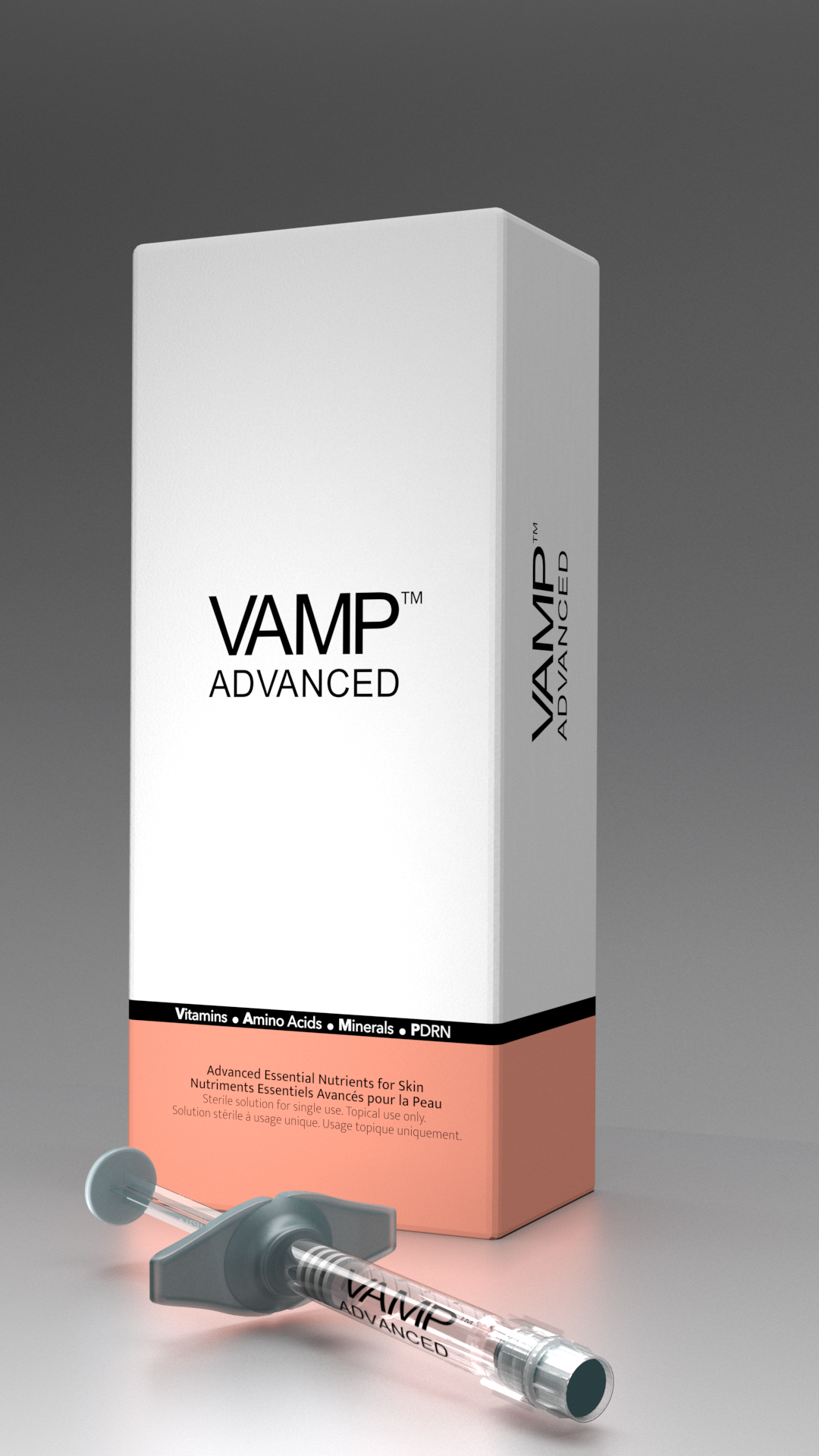
RICHMOND HILL, Ontario, March 16, 2026 (GLOBE NEWSWIRE) — PROLLENIUM®, today launched VAMP™ Advanced, a breakthrough skin rejuvenation treatment that helps improve skin tonicity, tighten pores and smooth wrinkles to restore skin’s glow, hydration and texture. VAMP™ Advanced is a patent-pending, proprietary topical sterile bio-revitalizing solution — an enhanced upgrade of VAMP™, formulated with a potent blend of 5x more medical-grade high purity PDRN, along with vitamins, amino acids, minerals and hyaluronic acid.

Key Ingredients of VAMP™ Advanced:

  • 11 Vitamins to support skin rejuvenation, hydration, and aesthetic appearance.
  • 23 Amino Acids for improved skin hydration and elasticity, barrier support, even skin tone, and reduced redness due to dryness.
  • 6 Minerals to support skin barrier and overall skin health.
  • 0.5% concentration PDRN, known to reduce the appearance of aging and tighten and improve skin elasticity1.
  • Hyaluronic Acid to support hydration.

VAMP™ Advanced,

PDRN are fragments of low molecular weight DNA extracted from wild salmon and purified to over 95% to ensure safety, stability, and biocompatibility2. Compared to other salmon DNA extracts such as Polynucleotide (PN) and hydrolyzed DNA, PDRN demonstrates clinically proven skin rejuvenation benefits beyond structural support or surface hydration3-5.

“When evaluating PDRN-based products, I focus on quality and manufacturing standards—including purity and formulation consistency. Evidence suggests that PDRN’s rejuvenating effects are distinct from other DNA derivatives. VAMP™ Advanced contains five times more PDRN than the original formulation, and it’s manufactured in Canada using medical-grade ingredients sterilized for clinical use. For health care professionals focusing on supporting skin quality and radiance, the science behind PDRN and the formulation standards behind VAMP Advanced make it a differentiated option in this category.” said Dr. Katie Beleznay, MD, FRCPC, Dermatologist, Vancouver, BC.

As 78% of consumers are concerned about skin texture and discoloration6, and 86% of aesthetics patients are leaning toward treatments that stimulate natural bodily processes7, PROLLENIUM® is committed to empowering aesthetic providers with high-efficacy solutions rooted in skin science. VAMP™ Advanced is intended for topical use, and clinical studies indicate its key ingredient, PDRN, can be used to enhance skin quality and reduce visible signs of aging1.

The high-concentration PDRN product, VAMP™ Advanced, joins PROLLENIUM®’s portfolio of physician-directed innovations, including the globally recognized REVANESSE® HA dermal fillers. It marks the next step in PROLLENIUM®’s strategic focus on high-efficacy solutions rooted in molecular science. Manufactured to the highest global safety standards, VAMP™ Advanced empowers practitioners to deliver consistently high-impact results.

For more information, please visit the VAMP™ Advanced website here.

Frequently Asked Questions

What is VAMP™ Advanced?

  • VAMP™ Advanced is a patent pending, high-concentration, medical-grade polydeoxyribonucleotide (PDRN) solution developed by PROLLENIUM®. It is designed for professional use in aesthetics to improve skin hydration, texture, and elasticity.

What does VAMP™ Advanced do?

  • VAMP™ Advanced is used by professional clinicians to help aesthetics patients tighten pores, smooth wrinkles, improve skin texture, and boost overall hydration. The formula supports skin rejuvenation by combining PDRN with vitamins, amino acids, minerals, and hyaluronic acid.

Is VAMP™ Advanced safe?

  • Yes. VAMP™ Advanced uses the highest quality, medical-grade ingredients and is proudly manufactured by PROLLENIUM® in North American GMP-certified facility that complies with FDA and Health Canada standards.
  • As with any aesthetic treatment, possible side effects may occur. These are generally mild and transient, and may include redness or mild local inflammation, mild edema, or small hematomas at the treatment site. Such reactions typically resolve within 24–48 hours without the need for intervention.

What is PDRN?

  • PDRN (polydeoxyribonucleotides) are fragments of low molecular weight DNA extracted from wild salmon which are purified to over 95% to ensure safety, stability and biocompatibility2. It is known for its ability to inhibit the signs of aging, tighten and improve skin’s elasticity1.

What are the key ingredients in VAMP™ Advanced?

  • VAMP™ Advanced is formulated with:
    • 0.5% medical-grade PDRN – helps tighten skin and improve elasticity
    • 11 Vitamins – deliver hydration and nourishment for healthier-looking skin
    • 23 Amino Acids – reduce visible signs of aging and improve skin tonicity
    • 6 Minerals – support the skin barrier for overall skin health
    • Hyaluronic Acid – provides hydration

Who can use VAMP™ Advanced?

  • VAMP™ Advanced is intended for use by medical professionals in clinical settings. It is not available as a consumer over-the-counter product. Patients seeking treatment should consult a licensed provider who offers PROLLENIUM® aesthetic solutions.

What makes VAMP™ Advanced different from other skin rejuvenation treatments?

  • Unlike standard serums or hydrating treatments, VAMP™ Advanced delivers a high concentration of medical grade PDRN combined with bioactive nutrients. This evidence-based formulation is designed for professional use and manufactured to the highest global safety standards in GMP-certified facilities.

Can VAMP™ Advanced be injected?

  • No. VAMP™ Advanced is a topical cosmetic product designed for application on the outer layer of the skin (stratum corneum). It should not be injected into the body.

About PROLLENIUM®
Founded in 2002, PROLLENIUM® is a science-first innovator in facial aesthetics and skin technologies. PROLLENIUM® is one of the select few manufacturers to have received FDA and Health Canada approval for its state-of-the-art facilities and combines advanced R&D, high-quality manufacturing, and deep expertise in medical aesthetics. Aesthetic professionals trust PROLLENIUM® brands in over 60 countries.

About VAMP™ Advanced
VAMP™ Advanced developed by PROLLENIUM®, is a breakthrough skin revitalization treatment powered by polydeoxyribonucleotides (PDRN) and a unique blend of essential nutrients, including amino acids, vitamins, minerals, and non cross-linked low molecular weight hyaluronic acid. Designed for professional use, VAMP™ Advanced is carefully formulated to improve skin hydration and elasticity while reducing visible signs of aging. Proudly manufactured in North America in facilities meeting GMP standards, VAMP™ Advanced represents PROLLENIUM®’s continued commitment to science-driven, next-generation aesthetic solutions.

Media Inquiries:
Talk Shop Media
Prollenium@talkshopmedia.com

References:

  1. Khan A et al., CJPRS. 2022;4:187.
  2. Squadrito F et al., Frontiers in Pharmacology. 2017;8:224.
  3. Liu E. Four kinds of PDRN ingredients explained for private label brands. Metro Private Label – Skin Care Manufacturer. 2025. Available from: https://www.metroprivatelabel.com/kinds-pdrn-ingredients-explained-private-label-brands/. Accessed November 12, 2025.
  4. Unlocking the benefits of sodium DNA for skin health [Internet]. 2024. Available from: https://www.lwlmedspa.com/unlocking-the-benefits-of-sodium-dna-for-skin-health. Accessed November 12, 2025.
  5. Wishtrend. Vegan vs salmon PDRN: which is best for skin regeneration? 2025. Available from: https://wishtrend.com/en-ca/blogs/glam/vegan-vs-salmon-pdrn-guide. Accessed November 12, 2025.
  6. American Society for Dermatologic Surgery. 2025 ASDS Consumer Survey on Cosmetic Dermatologic Procedures. 2025.
  7. NewBeauty. 2025. NewBeauty Supplement: Summer 2025. https://issuu.com/newbeauty/docs/newbeauty_supplement_summer_2025

A photo accompanying this announcement is available at https://www.globenewswire.com/NewsRoom/AttachmentNg/06c35d20-6921-448e-b3d3-e85a79010131

Solve GNE Highlights New Research, Expands Funding Efforts, and Advances Toward a Phase I Clinical Trial for GNE Myopathy

Solve GNE Highlights New Research, Expands Funding Efforts, and Advances Toward a Phase I Clinical Trial for GNE Myopathy


Solve GNE Highlights New Research, Expands Funding Efforts, and Advances Toward a Phase I Clinical Trial for GNE Myopathy

LOS ANGELES, March 16, 2026 (GLOBE NEWSWIRE) — Solve GNE, a nonprofit foundation dedicated to accelerating treatments for GNE myopathy, has announced major progress across its research, fundraising, and regulatory efforts. To date, the non-profit has raised more than $6.5 million in support of programs aimed at moving clinically viable therapies closer to approval.

A newly published preclinical paper highlights the recent progress in one of our clinical development programs for GNE myopathy1. The study, which was carried out in collaboration with Gradalis Inc., describes a series of in vitro and in vivo data associated with a dual-function plasmid called GNEwt/bi-shRNA-GNEM743T lipoplex, designed to simultaneously deliver the wild-type GNE gene (GNEwt) and shut off the expression of GNEM743T, a GNE mutation that is highly prevalent in the Iranian Jewish community. Gradalis researchers showed that this approach leads to clinically relevant expression levels of functioning GNE protein as well as increased sialic acid production. The lack of sialic acid production is a hallmark of GNE Myopathy and is suspected to be the leading cause of muscle loss in these patients. Animal models showed that the engineered plasmid was successfully delivered to muscle tissue after intravenous administration using a DOTAP-cholesterol lipoplex formulation. Together, these findings support continued development of this gene therapy and help lay the foundation for future clinical testing in GNE myopathy.

Solve GNE and its collaborators are also pursuing several grant opportunities to support the next phases of research and development in GNE Myopathy. These grant applications are focused on the development of safer AAV based gene therapies, as well as novel blood-based biomarkers, gene editing approaches, the validation of a diagnostic platform to help predict immune responses to AAV-based therapies and further supporting the development of a clinically scalable dbRNA lipoplex treatment. If successful, these grant applications represent approximately $10.2 million in potential federal funding with the possibility of additional funding in the future.

Funding from Solve GNE is also being directed at the filing of an IND application by Gradalis Inc. in 2026. The FDA reviewed and provided a series of comments to our pre-IND application. Our team is currently finalizing the IND application for the first gene therapy targeting GNE Myopathy and we anticipate that a Phase I clinical trial may begin within the next 12-months.

Solve GNE remains focused on turning scientific progress into real momentum for GNE Myopathy patients and their families. Our commitment to funding additional research will help build a stronger path toward future treatment options for this rare disease.

About Solve GNE
Solve GNE is a nonprofit foundation dedicated to advancing research and treatment development for GNE myopathy. Through fundraising and scientific partnerships, Solve GNE works to accelerate progress toward therapies for patients and families affected by this rare muscle disease.

Media Contact:
Alexander Monsef
AlexM@solveGNE.org

____________________________

1 Preclinical assessment of GNEwt/bi-shRNA-GNEM743T lipoplex product development for GNE myopathy. Future Science OA, 12:1, 2635722, DOI: 10.1080/20565623.2026.2635722

Prodeon Medical Receives FDA 510(k) Clearance for the Urocross® Expander System, a Novel Non-Permanent Retrievable Implant for Treating Urinary Symptoms Associated with Benign Prostatic Hyperplasia

Prodeon Medical Receives FDA 510(k) Clearance for the Urocross® Expander System, a Novel Non-Permanent Retrievable Implant for Treating Urinary Symptoms Associated with Benign Prostatic Hyperplasia


Prodeon Medical Receives FDA 510(k) Clearance for the Urocross® Expander System, a Novel Non-Permanent Retrievable Implant for Treating Urinary Symptoms Associated with Benign Prostatic Hyperplasia

The Urocross® Expander System is designed to remodel the obstructing prostatic lobes during the six-month indwell time and is intentionally retrieved, leaving no permanent foreign material behind.

SUNNYVALE, Calif., March 16, 2026 (GLOBE NEWSWIRE) — Prodeon Medical, a privately held medical device company focused on advancing minimally invasive therapies for urologic diseases, today announced it has received U.S. Food and Drug Administration (FDA) 510(k) clearance for the Urocross® Expander System (Urocross), a novel, non-permanent implant technology for treatment of lower urinary tract symptoms (LUTS) associated with benign prostatic hyperplasia (BPH).

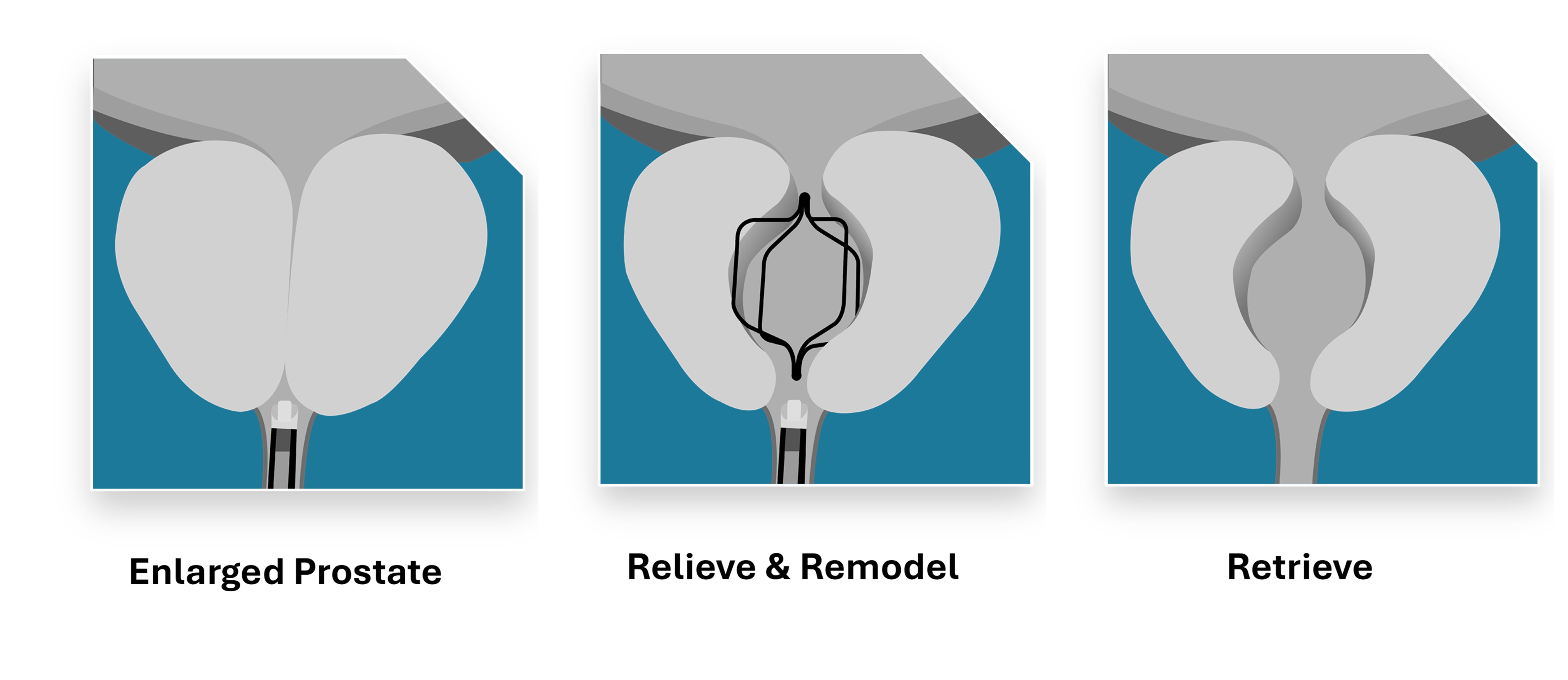
The Urocross procedures utilize commercially available flexible cystoscopes to place a non-permanent implant designed to remodel the obstructed prostatic tissue, which is then retrieved within six months. Where the Urocross procedure does not require permanent implant placement and avoids damage to prostatic tissue (no cutting, burning or ablating), future diagnostic and therapeutic treatment options are preserved.

NA

The available long-term clinical data supporting FDA 510(k) Premarket clearance demonstrated sustained improvements in urinary symptoms, quality of life and urinary flow after Urocross retrieval with no negative impact on sexual function. The results support the system’s intended role in the management of LUTS associated with BPH.

Data Supporting the FDA 510(k) Clearance

The FDA 510(k) clearance of the Urocross® Expander System was supported by a comprehensive body of data submitted to the Agency, including the Expander-1 Feasibility Trial and the Expander-2 Pivotal Trial, a large-scale multi-center 2:1 randomized controlled trial (RCT) of 240 patients from 23 sites across the US and Canada.

Key elements from Expander-2 Multi-center RCT submitted for the FDA clearance included:

  • Mean improvement in International Prostate Symptom Score (IPSS) of 48.1% at 12 months post implantation (6 months post-retrieval)
  • Procedural responder rate of 74.5%, defined by FDA as the percentage of patients with ≥ 30% IPSS improvement at 12-months
  • No device or procedural-related serious adverse events in the Urocross treatment arm to date
  • Preservation of sexual function, with no patients reporting de novo sustained erectile or ejaculatory dysfunction
  • High level of procedure tolerability comparable to a diagnostic flexible cystoscopy

Urologists are increasingly recognizing the importance of earlier intervention in BPH to preserve bladder function and mitigate disease progression. “BPH is not solely a prostate condition; it is a bladder health issue,” said Dr. Kevin T. McVary, Professor of Urology at Loyola University Medical Center, and Co-Principal Investigator of the Expander-2 Trial. “Delaying intervention may contribute to irreversible bladder changes over time. New interventional technologies like Urocross enable minimally invasive approaches without permanent implants, providing safe and effective symptom relief with rapid recovery while preserving sexual function. These type of innovations might lower the threshold for patients to seek early intervention and represents a meaningful evolution in BPH care.”

“BPH management is not a singular intervention; it is a journey with longitudinal commitment to the patient’s evolving quality of life,” said Dr. Daniel B. Rukstalis, Chair of Urology at St. Catherine Hospital, Catholic Health System and Co-Principal Investigator of the Expander-2 Trial. “As minimally invasive options continue to expand, the clinical conversation is increasingly focused on how we balance clinical efficacy with long-term patient satisfaction. Technologies like Urocross that avoid permanent implants preserving future treatment options are becoming increasingly relevant in clinical decision-making of chronic diseases and well positioned as one of the first-line interventional therapy for BPH even before medications.”

“The FDA clearance of Urocross technology represents an important milestone for Prodeon and reflects our commitment to advancing therapies that balance durable symptom relief with patient and surgeon preferences,” said Thomas Palermo, President of Prodeon Medical. “Unlike existing minimally invasive therapies that rely on permanent implants or irreversible tissue ablation, Prodeon Medical introduces a new category of non-permanent, retrievable intervention for BPH, designed to remodel obstructive tissue while leaving no permanent foreign material behind. We plan to initiate a controlled US commercial release of the Urocross system later this year, and are excited to bring this transformative technology to market, offering a solution that is designed to prioritize clinical efficacy, patient quality of life, and minimize future risks.”

About Prodeon Medical

Prodeon Medical is a U.S.-based medical device company dedicated to developing innovative, minimally invasive solutions for urologic disease. The company is focused on advancing therapies designed to challenge conventional treatment paradigms while improving quality of life for patients.

About the Urocross® Expander System

The Urocross® Expander System is designed to remodel the obstructed prostatic urethra through a minimally invasive cystoscopy procedure using a non-permanent, intentionally retrievable implant. The implant remains in place for up to six months and is then retrieved, leaving no permanent foreign material behind, preserving future treatment options.

About Benign Prostatic Hyperplasia (BPH)

Benign prostatic hyperplasia (BPH) is one of the most common conditions affecting aging men in the United States. Approximately 40 million men in the U.S. are affected, with prevalence increasing significantly with age. Symptoms can worsen over time and negatively affect quality of life, sleep, and bladder health, contributing to growing demand for minimally invasive treatments that provide sustained relief while preserving future therapeutic options.

Media contact:
Tim Buckley, Executive Vice President
tim.buckley@prodeonmedical.com 

A photo accompanying this announcement is available at https://www.globenewswire.com/NewsRoom/AttachmentNg/61d213f2-f385-461d-ab50-eaf66a27e77a

Cannabix Technologies Announces Commercial Launch of Marijuana Breath Test (MBT)

Cannabix Technologies Announces Commercial Launch of Marijuana Breath Test (MBT)


Cannabix Technologies Announces Commercial Launch of Marijuana Breath Test (MBT)

VANCOUVER, British Columbia, March 16, 2026 (GLOBE NEWSWIRE) — Cannabix Technologies Inc. (CSE: BLO) (OTCID: BLOZF) (Frankfurt: 8CT) (the “Company” or “Cannabix”) is pleased to announce the commencement of its commercial phased rollout of the Marijuana Breath Test (“MBT”) system. This phase includes the delivery of MBT units to select commercial customers across multiple industries, followed by a planned scale-up in production.

The Marijuana Breath Test fills a critical gap and delivers new technology and methods that provide a complete, non-invasive solution for detecting recent cannabis use, specifically delta-9 THC (the primary psychoactive compound in cannabis) in breath, within approximately 4 hours of consumption at levels above 5 pg/L. This capability addresses a long-standing need among employers, law enforcement agencies, and safety-sensitive industries, which have historically relied on testing methods that detect primarily past cannabis use. As legalized recreational and medical marijuana use continues to expand across the United States and globally, accurate detection of recent use via breath is becoming essential for maintaining fairness, relevance, and informed decision-making. See product video link: https://cannabixtechnologies.com/products/cannabix-marijuana-breath-test/

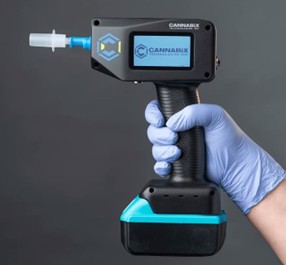
Figure 1. Cannabix Technologies Inc. Breath Collection Unit (BCU) picture

Figure 1. Cannabix Marijuana Breath Test hardware including Breath Collection Unit (BCU) and Breath Cartridge (BC) technologies.

In early March 2026, an independent peer-reviewed publication in the Journal of Analytical Toxicology (JAT) became publicly available confirming the ability of the MBT system to detect delta-9 THC.

Over recent months, Cannabix and its partners have completed many initiatives to enable the commercial rollout of the MBT system:

  • Key enhancements to the Breath Collection Unit (BCU) and Breath Cartridges (Figures 1 and 2), along with the initial validation package prepared by Omega Laboratories (“Omega”).
  • Integration of Cannabix Breath Cartridges into Omega’s operational workflows, including chain-of-custody processes and electronic reporting through its Laboratory Information Management System (LIMS).
  • Established manufacturing procedures and partnerships, standard operating procedures, and QA/QC processes for MBT hardware.
  • BCU successfully passing FCC electronic emissions testing.
  • The MBT system will follow a recurring revenue model in which the handheld BCU serves as the required hardware for all deployments, while disposable Breath Cartridges generate ongoing revenue as they are used for every test performed.
  • Pre-launch marketing initiatives conducted with Omega (Ohio) and AlcoPro (Knoxville, TN).
  • Preparation of end-user training materials, logistics planning, and customer support resources.
  • Release of peer-reviewed Journal of Analytical Toxicology publication, titled: “Simultaneous Analysis of Δ9-THC, Δ8-THC, CBD, and CBN in Breath Aerosols Collected Using Cannabix Technologies Breath Collection Unit.” (March 2026) link: https://doi.org/10.1093/jat/bkag016

The MBT platform consists of the Cannabix Breath Collection Unit (BCU), disposable Breath Cartridges, and the Laboratory-Developed Test Method by Omega Laboratories. Cannabix has a strategic partnership with Omega Laboratories Inc, a global leader in forensic drug testing for over 25 years. Omega holds multiple federal and international certifications and operates a world-class facility with extensive experience in novel drug detection technologies.

Why Recent Use Detection of Cannabis Is Important
Traditional cannabis testing methods such as urine, saliva, or hair analysis, primarily detect historical cannabis use. These methods can return positive results hours, days, or even weeks after consumption, making them ineffective for determining whether an individual may be using during the workday.

Figure 2. Cannabix Marijuana Breath Test hardware with Breath Collection Unit (BCU) taking a breath sample

Figure 2. Cannabix Marijuana Breath Test hardware with Breath Collection Unit (BCU) taking a breath sample.

Scientific research shows that delta-9 THC is detectable in breath for a short window of approximately 2–4 hours, closely aligned with the period of peak impairment. Breath analysis therefore provides the most relevant and scientifically meaningful indication of recent use, which is the metric employers and safety-sensitive industries require.

About Cannabix Technologies Inc.

Cannabix Technologies Inc. is a developer of marijuana and alcohol breath technologies for workplaces, law enforcement and other settings. The Marijuana Breath Test (MBT) targets delta-9 THC (the primary psychoactive ingredient in cannabis) in breath and focuses on recent marijuana use. Cannabix is the developer of the BreathLogix autonomous alcohol screening device for organizations who strive to improve alcohol safety and monitoring. Visit www.cannabixtechnologies.com

We seek Safe Harbor.

On behalf of the Board of Directors

“Rav Mlait”

CEO
Cannabix Technologies Inc.

For further information, contact the Company at info@cannabixtechnologies.com

Cautionary Statement Regarding Forward-Looking Statements

This news release contains certain “forward-looking statements” and “forward-looking information” within the meaning of applicable Canadian securities laws (collectively, “forward-looking statements”). All statements in this release that are not purely historical in nature should be considered forward-looking statements, including, without limitation, statements regarding: the Company’s plans for commercial rollout of the MBT system; anticipated customer adoption and market demand; expectations regarding manufacturing scale-up, recurring revenue streams, and operational processes; potential technological developments or enhancements; future partnerships or commercial agreements; regulatory approvals; and the Company’s ability to complete future financings or achieve other business milestones. Forward-looking statements are often identified by terminology such as “anticipate,” “believe,” “continue,” “estimate,” “expect,” “goal,” “intend,” “may,” “plan,” “potential,” “project,” “proposed,” “target,” “will,” and similar expressions, or statements that events or conditions “may” or “will” occur. These statements are based on the beliefs, assumptions, and expectations of management in light of currently available information. Forward-looking statements involve known and unknown risks, uncertainties, and other factors—many of which are beyond the Company’s control—that may cause actual results, performance, or achievements to differ materially from those expressed or implied in the forward-looking statements. Such risks and uncertainties include, but are not limited to: adverse market conditions; the ability of the Company to successfully manufacture, deploy, and commercialize the MBT system or any future products; risks related to regulatory approvals and evolving legal frameworks for cannabis testing; reliance on third-party laboratory partnerships and manufacturing partners; the protection and enforceability of intellectual property rights; technological uncertainties; competition; potential delays in product development or customer adoption; risks associated with future financings; and the possibility that strategic partnerships may not advance as expected or may not be completed at all. Readers are cautioned that undue reliance should not be placed on forward-looking statements. Actual results and future events may differ materially from those expressed or implied by such statements. Forward-looking statements in this release are provided as of the date hereof, and the Company undertakes no obligation to update or revise any forward-looking statements except as required under applicable securities laws.

The CSE has not reviewed and does not accept responsibility for the adequacy or accuracy of this release.

Photos accompanying this announcement are available at
https://www.globenewswire.com/NewsRoom/AttachmentNg/0493eed8-0bf0-4516-954e-2eea2c1d51c5

https://www.globenewswire.com/NewsRoom/AttachmentNg/744a24c4-3365-4d61-9428-9da999cc669f

Amlogenyx Announces Positive Preclinical Data on AM805, a Potent Amyloid-Degrading Protease for the Treatment of Alzheimer’s Disease

Amlogenyx Announces Positive Preclinical Data on AM805, a Potent Amyloid-Degrading Protease for the Treatment of Alzheimer’s Disease


Amlogenyx Announces Positive Preclinical Data on AM805, a Potent Amyloid-Degrading Protease for the Treatment of Alzheimer’s Disease

Novel and potent catalytic approach that directly clears amyloid on the inside of neurons as well as reduces amyloid plaques with the potential to be superior to monoclonal antibodies and restore neuronal function while halting or reversing disease progression 

NOVATO, Calif., March 16, 2026 (GLOBE NEWSWIRE) — Amlogenyx Inc., a biotechnology company focused on developing gene therapies for Alzheimer’s disease and other neurodegenerative diseases, today announced multiple positive results from a broad series of preclinical studies of AM805, an investigational AAV9 gene therapy for the treatment of Alzheimer’s disease. The results demonstrate that delivery of the carboxypeptidase called protective protein cathepsin A (PPCA), a potent lysosomal enzyme, was successful in reducing amyloid in the brain of both severe and moderate animal models of Alzheimer’s disease in both young and aged mice. The data will be presented in a poster session, taking place March 19-21, and in an ePoster at the AD/PDTM 2026 International Conference on Alzheimer’s and Parkinson’s Diseases in Copenhagen, Denmark and online. 

Arjun Natesan, the head of early R&D at Amlogenyx, said: “Despite clear biology implicating amyloid in Alzheimer’s and other neurodegenerative diseases, treatments that can halt, or possibly even reverse, disease progression have eluded researchers to date. Amlogenyx was founded to pursue an entirely novel approach of reducing amyloid burden in the brain by delivering a potent lysosomal enzyme which would enable clearance of the intracellular burden as well as enable clearance of plaque outside of cells. We are extremely pleased to present preclinical data demonstrating that AM805 can achieve robust amyloid reduction in the CNS and reduce both intracellular and extracellular amyloid, even in advanced disease, underscoring its strong potential to prevent and treat this devastating and intractable disease.”

In the central nervous system, amyloid is a key driver of Alzheimer’s disease, disrupting cellular homeostasis by impairing synaptic function, activating microglia, and triggering chronic neuroinflammation. In the data presented at AD/PD 2026, researchers from Amlogenyx and St. Jude Children’s Research Hospital identified a specific lysosomal enzyme – PPCA – that degrades amyloid efficiently. To address this, researchers engineered AM805, an AAV9-PPCA vector, to deliver PPCA to the CNS and reduce amyloid burden.
        
Study results showed that all routes of dosing resulted in increased PPCA activity and reduced amyloid-positive brain area in a dose-dependent manner in mouse models of both severe and moderate Alzheimer’s disease. The magnitude of reduction achieved was comparable to, and in some cases exceeded, that reported for approved Alzheimer’s disease monoclonal antibodies. Aβ peptide levels (4G8 positive signal) were lowered in both intracellular and extracellular compartments. Importantly, PPCA produced these reductions across multiple routes of administration, demonstrating that regardless of how the enzyme reaches the brain, it is therapeutically effective. The data also show that the enzyme can be delivered safely to the brain in non-human primates and achieve levels of enzyme expression consistent with the therapeutic effect in the AD mouse models.

These data are being presented at the AD/PD Conference in Poster #3157, Shift #2, from March 19–21. The ePoster and associated audio presentation will also be available on the meeting platform.

AM805 is currently being tested in IND-enabling studies and the Company plans to pursue an Investigational New Drug (IND) application submission to the U.S. Food and Drug Administration for AM805 in 2027.

About Alzheimer’s Disease
Alzheimer’s disease is a progressive, degenerative brain disorder and the most common cause of dementia, gradually affecting memory, thinking, behavior, and the ability to carry out daily activities. It is characterized by changes in the brain that begin years before symptoms appear and worsen over time. A hallmark of the disease is the abnormal accumulation of amyloid in the brain, which is believed to play an important role in the development and progression of Alzheimer’s. Alzheimer’s affects millions of individuals and families worldwide, underscoring the urgent need for continued research, earlier detection, improved treatments, and comprehensive support for patients and caregivers.

About AM805
AM805 is a novel protease delivered via AAV9 gene therapy for the treatment of Alzheimer’s disease that functions to reduce amyloid, a biomarker that helps predict progression of Alzheimer’s disease. AM805 utilizes an AAV9 gene therapy vector to deliver protective protein cathepsin A (PPCA), a lysosomal carboxypeptidase that degrades amyloid, directly to the brain. AM805 has been shown to substantially reduce amyloid (Aβ42) in preclinical models of Alzheimer’s disease – beyond the capabilities of traditional monoclonal antibody treatments. This investigational one-time gene therapy for Alzheimer’s disease has the potential to significantly alter the course of the disease by preventing and reversing amyloid plaque build-up and promoting neuronal health.

About Amlogenyx
Amlogenyx is dedicated to the development of a novel gene therapy strategy to reduce amyloid accumulation in the brain in order to prevent and treat diseases such as Alzheimer’s disease. Treatment with monoclonal antibodies to reduce amyloid has been shown to potentially slow the disease but not stop or reverse it, underscoring the need for improved treatment options. The Company is developing AM805, a novel protease therapy shown to reduce amyloid (Aβ42) accumulation in preclinical models of Alzheimer’s disease. Amlogenyx is a subsidiary of Ultragenyx. For more information on Amlogenyx, please visit the company’s website at: https://www.amlogenyx.com/.

Amlogenyx Contacts 

Investors and Media:
info@amlogenyx.com

Oculis to Present at Upcoming North American Neuro-Ophthalmology Society Annual Meeting

Oculis to Present at Upcoming North American Neuro-Ophthalmology Society Annual Meeting


Oculis to Present at Upcoming North American Neuro-Ophthalmology Society Annual Meeting

ZUG, Switzerland, March 16, 2026 (GLOBE NEWSWIRE) — Oculis Holding AG (Nasdaq: OCS / XICE: OCS) (Oculis), a global biopharmaceutical company focused on breakthrough innovations to address significant unmet medical needs in ophthalmology and neuro-ophthalmology, today announced the presentation of the ACUITY Phase 2 data with Privosegtor at the North American Neuro-Ophthalmology Society (NANOS) 52nd Annual Meeting.

This premier annual gathering of neuro‑ophthalmology experts worldwide provides a scientific forefront platform for presenting transformative clinical data amongst leading clinicians, researchers, and thought leaders.
As a Platinum Sponsor of the 2026 Congress, Oculis is proud to support the most influential global scientific meeting in neuro‑ophthalmology, reinforcing its commitment to advancing scientific progress in this field.

NANOS 2026
March 20-24, Boston, MA, USA

“Improved Low-Contrast Visual Acuity and Reduction in Retinal Ganglion Cell Loss with Privosegtor in Acute Optic Neuritis: Results from a Multicenter, Randomized, Placebo-Controlled, Double-Masked Trial”.

  • Presenter: Professor Martin S. Zinkernagel, M.D., Ph.D., Chair of the Department of Ophthalmology at the University Hospital of Bern, Switzerland
  • Date/Time: Monday March 23, 8:48 AM EDT 

The presentation of the Phase 2 ACUITY trial results investigating Privosegtor in patients with optic neuritis (ON) will focus on the significant improvements in low contrast visual acuity and promising neuroprotective structural and biological effects observed in the study. Privosegtor, a peptoid small molecule with the ability to cross both the blood brain and retinal barriers, has the potential to become the first neuroprotective therapy for optic neuritis, with broad potential applicability in other neuro-ophthalmic and neurological diseases. Following Breakthrough Therapy designation from the U.S. Food and Drug Administration for ON, Oculis is advancing the PIONEER registrational program for Privosegtor in optic neuropathies, with the PIONEER-1 trial in optic neuritis initiated in Q4 2025. 

Riad Sherif, M.D., Chief Executive Officer of Oculis, said “Our commitment to advancing the field of neuro‑ophthalmology has never been stronger. The ACUITY Phase 2 results with Privosegtor highlight meaningful progress toward delivering a much‑needed neuroprotective therapy to patients with optic neuritis and other optic neuropathies. The opportunity to present the groundbreaking data from this trial at NANOS, recognized as the most important global forum for neuro‑ophthalmic science, represents a significant milestone for Oculis and for patients. As a Platinum Sponsor for this year’s congress, we are honored to support and partner with the scientific community in shaping the future of neuroprotective therapies.”

Martin Zinkernagel, M.D., Ph.D., is Professor and Chair of the Department of Ophthalmology at the University Hospital of Bern, Switzerland, as well as director of the internationally renowned Bern Photographic Reading Center at the University of Bern. Professor Zinkernagel is highly recognized in the field with over 270 publications spanning his research interests in retinal imaging, ophthalmic data analysis using artificial intelligence, and the influence of the gut microbiome in retinal disease. He earned his M.D. at the University of Zurich and his PhD in ocular immunology and gene therapy from the University of Western Australia.

–END–

About Privosegtor

Privosegtor, a novel peptoid small-molecule candidate that crosses the blood-brain and retinal barriers, has the potential to become the first neuroprotective therapy for optic neuritis (ON) and other neuro-ophthalmic diseases. Positive results from the ACUITY Phase 2 trial demonstrated Privosegtor’s neuroprotective potential through anatomical preservation of the retina and improvements in visual function after an acute episode of optic neuritis. Consistent results were observed in animal models of neuroinflammation and neurodegeneration, where Privosegtor preserved retinal ganglion cell damage and was associated with improvements in mobility (clinical function disability). Privosegtor has received Breakthrough Therapy designation from the FDA and Orphan Drug designation from both the FDA and the EMA for ON and is now entering registrational trials for this indication, as well as a registrational trial in non-arteritic anterior ischemic optic neuropathy (NAION), as part of Oculis’ PIONEER (Privosegtor Investigation in Optic Neuropathies Efficacy Evaluation Research) program. In addition to its potential neuroprotective effect on the optic nerve, Privosegtor could also have wide applicability in treating other neuro-ophthalmic and neurological indications.

Privosegtor is an investigational drug and has not received regulatory approval for commercial use in any country.

About Optic Neuritis

Optic Neuritis (ON) is a rare condition characterized by an acute inflammation of the optic nerve that can lead to permanent visual impairment. It affects up to 8 in 100,000 people worldwide with a U.S. annual incidence estimated to be >30,000 and often represents the first sign of multiple sclerosis1,2. It mainly occurs in adults between the age of 20 and 40 years and is more frequent in women (2:1)3. ON is a type of neuropathy (nerve disease) that happens when acute inflammation of the optic nerve affects the signals traveling from the eyes through the brain, causing pain, vision loss and other symptoms. The cells that make up the optic nerve have a lipid protective coating called a myelin sheath, which is preferentially damaged in ON. Without myelin, the optic nerve cells can’t send signals properly and axons can be irreversibly lost. To date there is no specific therapy approved for acute optic neuritis and the unmet needs remain for therapies that can prevent vision loss after an acute episode by reducing nerve cell permanent damage or death.

About Oculis

Oculis is a global biopharmaceutical company (Nasdaq: OCS; XICE: OCS) focused on breakthrough innovations to address significant unmet medical needs in neuro-ophthalmology and ophthalmology. Oculis’ highly differentiated late-stage clinical pipeline includes three core product candidates: Privosegtor, a breakthrough neuroprotective candidate in the PIONEER program which consists of studies intended to support registration plans for treatment in optic neuropathies like optic neuritis (ON) and non-arteritic anterior ischemic optic neuropathy (NAION), with potentially broad clinical applications in various other neuro-ophthalmic and neurological diseases; OCS-01, an eye drop in pivotal registration studies, aiming to become the first non-invasive topical treatment for diabetic macular edema (DME); and Licaminlimab, a novel, topical anti-TNFα in registrational trial, which is being developed with a genotype-based approach to drive precision medicine in dry eye disease (DED). Headquartered in Switzerland with operations in the U.S. and Iceland, Oculis is led by an experienced management team with a successful track record and supported by leading international healthcare investors.

For more information, please visit: www.oculis.com

Oculis Contact
Ms. Sylvia Cheung, CFO
sylvia.cheung@oculis.com 

Investor Relations
LifeSci Advisors
Corey Davis, Ph.D.
cdavis@lifesciadvisors.com 

Media Relations
ICR Healthcare
Amber Fennell / David Daley / Sean Leous
oculis@icrhealthcare.com 

Cautionary Statement Regarding Forward Looking Statements

This press release contains forward-looking statements and information. For example, statements regarding the potential benefits of the Company’s product candidates, the initiation, timing, progress and results of current and future clinical trials, Oculis’ research and development programs, regulatory and business strategy; and Oculis’ future development plans, are forward-looking. All forward-looking statements are based on estimates and assumptions that, while considered reasonable by Oculis and its management, are inherently uncertain and are inherently subject to risks, variability, and contingencies, many of which are beyond Oculis’ control. These forward-looking statements are provided for illustrative purposes only and are not intended to serve as, and must not be relied on by an investor as, a guarantee, assurance, prediction or definitive statement of a fact or probability. Actual events and circumstances are difficult or impossible to predict and will differ from assumptions. All forward-looking statements are subject to risks, uncertainties and other factors that may cause actual results to differ materially from those that we expected and/or those expressed or implied by such forward-looking statements. Forward-looking statements are subject to numerous conditions, many of which are beyond the control of Oculis, including those set forth in the Risk Factors section of Oculis’ annual report on Form 20-F and any other documents filed with the SEC. Copies of these documents are available on the SEC’s website, www.sec.gov. Oculis undertakes no obligation to update these statements for revisions or changes after the date of this release, except as required by law.

References:

  1. Martínez-Lapiscina EH, et al. (2014): Is the incidence of optic neuritis rising? Evidence from an epidemiological study in Barcelona (Spain) 2008-2012. J Neurol. 2014 Apr; 261(4): 759-767.
  2. Weidong Gu et al. (2023) Incidence of Optic Neuritis and the Associated Risk of Multiple Sclerosis for Service Members of U.S. Armed Forces, Military Medicine, vol. 188, March/April 2023
  3. Guier CP, Kaur K, Stokkermans TJ. Optic Neuritis. January 2025. StatPearls. https://www.ncbi.nlm.nih.gov/books/NBK557853