Mdxhealth and University of Oxford to validate GPS test in largest randomized trial of treatment effectiveness in patients with localized prostate cancer

Mdxhealth and University of Oxford to validate GPS test in largest randomized trial of treatment effectiveness in patients with localized prostate cancer


Mdxhealth and University of Oxford to validate GPS test in largest randomized trial of treatment effectiveness in patients with localized prostate cancer

Mdxhealth and University of Oxford to validate GPS test in largest randomized trial of treatment effectiveness in patients with localized prostate cancer

IRVINE, CA – January XX, 2026 (GlobeNewswire) – Mdxhealth SA (NASDAQ: MDXH) (the “Company” or “mdxhealth”), a leading precision diagnostics company, today announced the next major phase of its collaboration with the University of Oxford: the initiation of Genomic Prostate Score (GPS) testing in the landmark UK ProtecT trial (Prostate Testing for Cancer and Treatment). This study is designed to establish GPS as the first genomic classifier supported by randomized clinical trial evidence in an Active Surveillance cohort, further validating the clinical utility of GPS in predicting prostate cancer progression and long-term treatment outcomes.

Michael K. McGarrity, Chief Executive Officer of mdxhealth, commented: “This is a transformative moment for prostate cancer precision diagnostics – no other patient cohort combines this level of rigor, long-term follow-up, and potential impact on clinical practice guidelines, payer coverage and provider adoption for patients diagnosed with localized prostate cancer.”

The ProtecT Trial

The UK ProtecT (Prostate Testing for Cancer and Treatment) trial is widely regarded as the world’s largest randomized clinical trial of treatment effectiveness in localized prostate cancer. Following more than 1,500 men with localized disease for over two decades, the study provides unmatched long-term clinical outcome data across AS/AM, Radical Prostatectomy (RP), and Radiotherapy (RT).

Professor Hamdy, University of Oxford, commented: “The ProtecT trial has contributed to shaping international standards for prostate cancer management. By incorporating the Genomic Prostate Score (GPS) test, we are building on decades of outcomes data with genomic insights that could redefine how physicians evaluate risk and personalize care for patients worldwide.”

This study builds on the partnership announced in September 2023, in which mdxhealth and Oxford began evaluating the correlation between GPS and prostate cancer progression using samples from the well-annotated ProMPT cohort. With the ProMPT validation successfully completed, the initiation of the GPS-ProtecT study will now leverage one of the most definitive, long-term prostate cancer sample- and data-sets in the world to demonstrate the predictive power of GPS in the context of a mature prospective, randomized trial.

About Mdxhealth

Mdxhealth is a leading precision diagnostics company that provides actionable molecular information to personalize patient diagnosis and treatment. The Company’s tests are based on proprietary genomic, epigenetic (methylation), exosomal and other molecular technologies and assist physicians with the diagnosis and prognosis of prostate cancer and other urologic diseases. The Company’s U.S. headquarters and laboratory operations are in Irvine, California, with additional laboratory operations in Waltham, Massachusetts and Plano, Texas. European headquarters are in Herstal, Belgium. For more information, visit mdxhealth.com and follow us on social media at: twitter.com/mdxhealth, facebook.com/mdxhealth and linkedin.com/company/mdxhealth.

Forward-Looking Statement: This press release contains forward-looking statements and estimates with respect to the anticipated future performance of MDxHealth and the market in which it operates, all of which involve certain risks and uncertainties. These statements are often, but are not always, made through the use of words or phrases such as “potential,” “expect,” “will,” “goal,” “next,” “potential,” “aim,” “explore,” “forward,” “future,” and “believes” as well as similar expressions. Forward-looking statements contained in this release include, but are not limited to, statements regarding expected future product development and performance results; our strategies, positioning, resources, capabilities and expectations for future events or performance; and the anticipated timing and benefits of our acquisitions, including estimated synergies and other financial impacts. Such statements and estimates are based on assumptions and assessments of known and unknown risks, uncertainties and other factors, which were deemed reasonable but may not prove to be correct. Actual events are difficult to predict, may depend upon factors that are beyond the company’s control, and may turn out to be materially different. Examples of forward-looking statements include, among others, statements we make regarding expected future operating results, product development efforts, our strategies, positioning, resources, capabilities and expectations for future events or performance. Important factors that could cause actual results, conditions and events to differ materially from those indicated in the forward-looking statements include, among others, the following: our ability to successfully and profitably market our products; the acceptance of our products and services by healthcare providers; our ability to achieve and maintain adequate levels of coverage or reimbursement for our current and future solutions we commercialize or may seek to commercialize; the willingness of health insurance companies and other payers to cover our products and services and adequately reimburse us for such products and services; our ability to obtain and maintain regulatory approvals and comply with applicable regulations; timing, progress and results of our research and development programs; the period over which we estimate our existing cash will be sufficient to fund our future operating expenses and capital expenditure requirements; our ability to remain in compliance with financial covenants made to and make scheduled payments to our creditors; the possibility that the anticipated benefits from our business acquisitions like our acquisition of the ExoDx business and GPS prostate cancer business will not be realized in full or at all or may take longer to realize than expected; and the amount and nature of competition for our products and services. Other important risks and uncertainties are described in the Risk Factors sections of our most recent Annual Report on Form 20-F and in our other reports filed with the Securities and Exchange Commission. MDxHealth expressly disclaims any obligation to update any such forward-looking statements in this release to reflect any change in its expectations with regard thereto or any change in events, conditions or circumstances on which any such statement is based unless required by law or regulation. This press release does not constitute an offer or invitation for the sale or purchase of securities or assets of MDxHealth in any jurisdiction. No securities of MDxHealth may be offered or sold within the United States without registration under the U.S. Securities Act of 1933, as amended, or in compliance with an exemption therefrom, and in accordance with any applicable U.S. securities laws.

NOTE: The mdxhealth logo, mdxhealth, Confirm mdx, Select mdx, Resolve mdx, Genomic Prostate Score, Exosome Diagnostics, ExosomeDx, ExoDx, ExoDx Prostate Intelliscore (EPI), and Monitor mdx are trademarks or registered trademarks of MDxHealth SA and its affiliates. The GPS test was formerly known as and is frequently referenced in guidelines, coverage policies, reimbursement decisions, manuscripts and other literature as Oncotype DX Prostate, Oncotype DX GPS, Oncotype DX Genomic Prostate Score, and Oncotype Dx Prostate Cancer Assay, among others.  The Oncotype DX trademark, the Bio-Techne trademark, and all other trademarks and service marks, are the property of their respective owners.

For more information: 
info@mdxhealth.com

LifeSci Advisors (IR & PR)
John Fraunces
Managing Director
Tel: +1 917 355 2395
Jfraunces@lifesciadvisors.com
ir@mdxhealth.com

Attachment

Syncromune Continues to Strengthen Executive and Clinical Leadership with Appointment of Dr. Stephen P. Dale, M.D., as Chief Medical Officer

Syncromune Continues to Strengthen Executive and Clinical Leadership with Appointment of Dr. Stephen P. Dale, M.D., as Chief Medical Officer


Syncromune Continues to Strengthen Executive and Clinical Leadership with Appointment of Dr. Stephen P. Dale, M.D., as Chief Medical Officer

FORT LAUDERDALE, Fla. and WEST DES MOINES, Iowa, Jan. 06, 2026 (GLOBE NEWSWIRE) — Syncromune® Inc., a clinical-stage biopharmaceutical company dedicated to the development of SYNC-T™, an in situ platform combination immunotherapy optimized for solid tumor cancers, today announced the appointment of Stephen P. Dale, M.D., as Chief Medical Officer.

“Our priority at Syncromune is to develop therapies that meaningfully improve the lives of patients facing some of the most challenging cancers,” said Chuck Link, M.D., Adjunct Professor at the Lankenau Institute for Medical Research (LIMR) and Co-Founder and Executive Chairman at Syncromune. “By combining Dr. Dale’s physician perspective and patient-focused approach to clinical development, we will ensure our programs prioritize safety and impact as we advance our clinical objectives.”

Dr. Dale brings more than 20 years of global oncology research and development (R&D) leadership to Syncromune, with deep experience across both biotechnology and large pharmaceutical organizations. He has led early- and late-stage clinical development and translational strategy efforts, contributing to multiple regulatory approvals. His expertise includes guiding programs through pivotal trial design, first-in-class dose optimization, and IND-enabling studies in alignment with evolving FDA and EMA guidance.

Prior to joining Syncromune, Dr. Dale served as Head of R&D and Chief Medical Officer at Kura Oncology. He previously held senior oncology R&D and clinical leadership roles at Kyowa Kirin and AstraZeneca, where he led global development programs across solid and hematological tumors, immuno-oncology, precision oncology, and rare diseases. He obtained his Doctor of Medicine and MBChB degrees from the University of Manchester Medical School.

As Chief Medical Officer of Syncromune, Dr. Dale will lead the clinical development of SYNC-T, provide strategic and medical oversight for the company’s expanding pipeline, and play a central role in shaping Syncromune’s clinical, regulatory, and translational roadmap moving forward.

Eamonn Hobbs, Co-Founder, President, and Chief Executive Officer of Syncromune added, “Dr. Dale’s oncology experience and proven leadership in advancing innovative therapies through clinical development make him an exceptional addition to our team. His expertise will be invaluable as we progress SYNC-T Therapy SV-102 through Phase 2 and broaden the platform’s potential across solid tumors. We are thrilled to welcome him at this important stage of Syncromune’s growth.”

“I’m honored to join Syncromune at this pivotal juncture in its evolution,” said Dr. Dale. “Syncromune’s vision to deliver multi-target immunotherapies that activate the immune system locally while minimizing systemic exposure and toxicity reflects the patient-centered innovation that has guided my career. I’m eager to partner with the team to accelerate therapies that offer new possibilities for patients with few or no effective treatment options.”  

About Syncromune® and SYNC-T™ Therapy

Syncromune is a privately held, clinical-stage biopharmaceutical company dedicated to the development of SYNC-T, a potentially first-in-class platform immunotherapy designed to address major unmet medical needs and treatment challenges of metastatic solid tumor cancers. SYNC-T is an in situ personalized cancer therapy engineered to synchronize the location of three components critical to T cell activation and an anti-tumor immune response. SYNC-T features a novel proprietary needle-like device delivery system that is optimized for combination drug/device immunotherapy. First, the system lyses a portion of a target tumor via a proprietary freeze/thaw method to rupture tumor cells and release patient-specific tumor antigens into the tumor microenvironment (TME) that helps to activate the immune system. Next, the delivery system facilitates the infusion of our proprietary multi-target biologic drug directly into the lysed area of the tumor. This approach of location synchronization is designed to unite the three critical components of patient-specific tumor antigens, immune cells, and our multi-target biologic drug together in the draining lymphatics where the immune system optimally functions. The combination therapy targets numerous mechanisms of cancer, promoting in situ immune activation while also battling immune suppression and minimizing systemic drug exposure. The goal is to educate the immune system and activate T cells that can recognize and attack cancer throughout the body and defend with immune memory. Our lead candidate, SYNC-T Therapy SV-102 for metastatic castration-resistant prostate cancer (mCRPC), is being evaluated in the LEGION-100 U.S., multicenter, Phase 2 trial. For more information, please visit www.legion100trial.com.

This press release includes forward-looking statements concerning our business, operations and financial performance and condition, as well as our plans, objectives and expectations for our business operations and financial performance and condition. Any statements contained in this press release or expressed orally in connection herewith that are not statements of historical fact may be deemed to be forward-looking statements. In some cases, forward-looking statements can be identified by phrases such as “plans,” “intends,” “believes,” “expects,” “anticipates,” “foresees,” “forecasts,” “estimates” or other words or phrases of similar import. Similarly, statements herein that describe our business strategy, outlook, objectives, plans, intentions or goals also are forward-looking statements. All such forward-looking statements are subject to certain risks and uncertainties that could cause actual results to differ materially from those in the forward-looking statements. Accordingly, you should not place undue reliance on our forward-looking statements. The forward-looking statements contained in this press release or expressed orally in connection herewith are made only as of the date of this press release and we undertake no obligation to update the forward-looking statements to reflect subsequent events or circumstances, except as required by applicable law. None of Syncromune, Inc., its affiliates or their respective directors, officers, employees or agents gives any representation or warranty, express or implied, as to: (i) the achievement or reasonableness of future projections, management targets, estimates or prospects contained in this press release; or (ii) the accuracy or completeness of any information contained in this press release, any other written information or oral information provided in connection herewith or any data that any of them generates. This press release was prepared by us for informational purposes only and does not constitute an offer, or solicitation of an offer, to sell any securities at any time. None of Syncromune’s securities have been registered under the Securities Act of 1933, as amended, or any state securities law. Such securities have not been approved or disapproved by the Securities and Exchange Commission or by any state securities regulatory authority, nor has the Securities and Exchange Commission or any such state authority passed on the accuracy or adequacy of this press release. Any representation to the contrary is a criminal offense. Some of the information contained in this press release may be derived from information provided by industry sources. We believe that such information is accurate and that the sources from which it has been obtained are reliable; however, we cannot guarantee the accuracy of such information and have not independently verified such information.

Contact

Maggie Whitney
LifeSci Communications
mwhitney@lifescicomms.com

Danielle Hobbs
Syncromune, Inc.
EVP, Marketing & Commercial Strategy
media@syncromune.com

CG Oncology to Present at the 44th Annual J.P. Morgan Healthcare Conference

CG Oncology to Present at the 44th Annual J.P. Morgan Healthcare Conference


CG Oncology to Present at the 44th Annual J.P. Morgan Healthcare Conference

IRVINE, Calif., Jan. 06, 2026 (GLOBE NEWSWIRE) — CG Oncology, Inc. (NASDAQ: CGON), a late-stage clinical biopharmaceutical company focused on developing and commercializing a potential backbone bladder-sparing therapeutic for patients with bladder cancer, today announced that Arthur Kuan, Chairman & Chief Executive Officer, and Ambaw Bellete, President & Chief Operating Officer, will present at the 44th Annual J.P. Morgan Healthcare Conference on January 15, 2026, at 8:15 am PT / 11:15 am ET. The conference is taking place at the Westin St. Francis San Francisco, California.

Interested parties may access the live audio webcast for this conference from the Investor Relations section of the company’s website at www.cgoncology.com. The webcast replay will be available shortly after the conclusion of the live presentation and archived for approximately 90 days.

About CG Oncology
CG Oncology is a late-stage clinical biopharmaceutical company focused on developing and commercializing a potential backbone bladder-sparing therapeutic for patients afflicted with bladder cancer. CG Oncology sees a world where urologic cancer patients may benefit from our innovative immunotherapies to live with dignity and have an enhanced quality of life. To learn more, please visit: www.cgoncology.com.

Contacts
Media
Sarah Connors
Vice President, Communications and Patient Advocacy, CG Oncology
sarah.connors@cgoncology.com

Investor Relations
Megan Knight
Vice President, Investor Relations, CG Oncology
megan.knight@cgoncology.com

Cogent Biosciences Announces Presentation at the 44th Annual J.P. Morgan Healthcare Conference

Cogent Biosciences Announces Presentation at the 44th Annual J.P. Morgan Healthcare Conference


Cogent Biosciences Announces Presentation at the 44th Annual J.P. Morgan Healthcare Conference

WALTHAM, Mass. and BOULDER, Colo., Jan. 06, 2026 (GLOBE NEWSWIRE) — Cogent Biosciences, Inc. (Nasdaq: COGT), a biotechnology company focused on developing precision therapies for genetically defined diseases, today announced that Andrew Robbins, President and Chief Executive Officer, will present at the 44th Annual J.P. Morgan Healthcare Conference in San Francisco on Tuesday, January 13, 2026 at 8:15 a.m. PT/11:15 a.m. ET.

A live webcast will be available on the Investors & Media page of Cogent’s website at investors.cogentbio.com. A replay of the webcast will be available approximately two hours after the completion of the event and will be archived for up to 30 days.

About Cogent Biosciences, Inc.
Cogent Biosciences is a biotechnology company focused on developing precision therapies for genetically defined diseases. The most advanced clinical program, bezuclastinib, is a selective tyrosine kinase inhibitor that is designed to potently inhibit the KIT D816V mutation as well as other mutations in KIT exon 17. KIT D816V is responsible for driving systemic mastocytosis, a serious disease caused by unchecked proliferation of mast cells. Exon 17 mutations are also found in patients with advanced gastrointestinal stromal tumors (GIST), a type of cancer with strong dependence on oncogenic KIT signaling. The company also has an ongoing Phase 1 study of its novel internally discovered FGFR2/3 inhibitor. In addition, the Cogent Research Team is developing a portfolio of novel targeted therapies to help patients fighting serious, genetically driven diseases targeting mutations in ErbB2, PI3Kα, KRAS and JAK2. Cogent Biosciences is based in Waltham, MA and Boulder, CO. Visit our website for more information at www.cogentbio.com. Follow Cogent Biosciences on social media: X (formerly known as Twitter) and LinkedIn. Information that may be important to investors will be routinely posted on our website and X.

Contact:
Christi Waarich
Senior Director, Investor Relations
christi.waarich@cogentbio.com
617-830-1653

Oculis Announces U.S. FDA Breakthrough Therapy Designation Granted to Privosegtor for Treatment of Optic Neuritis

Oculis Announces U.S. FDA Breakthrough Therapy Designation Granted to Privosegtor for Treatment of Optic Neuritis


Oculis Announces U.S. FDA Breakthrough Therapy Designation Granted to Privosegtor for Treatment of Optic Neuritis

ZUG, Switzerland, Jan. 06, 2026 (GLOBE NEWSWIRE) —

  • Breakthrough Therapy Designation granted to Privosegtor, a neuroprotective candidate, for the treatment of optic neuritis
  • Privosegtor is advancing in the registrational PIONEER program across 2 key optic neuropathies, representing an unaddressed potential market of $7 billion in the U.S.
  • Privosegtor achieved an average gain in Low Contrast Visual Acuity (LCVA) of 18 letters compared to IV steroid alone at month 3 in the ACUITY trial

Oculis Holding AG (Nasdaq: OCS / XICE: OCS) (“Oculis”), a global biopharmaceutical company focused on breakthrough innovations to address significant unmet medical needs in neuro-ophthalmology and ophthalmology, today announced that its neuroprotective candidate Privosegtor was granted breakthrough therapy designation by the U.S. Food and Drug Administration (FDA) for treatment of optic neuritis (ON).

Privosegtor, a novel peptoid small molecule designed to cross both the blood–brain and retinal barriers, has the potential to become the first neuroprotective therapy for optic neuropathies. These serious conditions carry a significant unmet need, because they can lead to permanent vision loss from nerve cell damage or death. There are no neuroprotective treatments currently available and together, they represent a potential market of $7 billion in the U.S. alone.

The FDA’s Breakthrough Therapy Designation for Privosegtor is supported by visual‑function results from the Phase 2 ACUITY trial in optic neuritis (ON), a rare, sight‑threatening neuro‑ophthalmic condition that is often the first clinical manifestation of multiple sclerosis. In the trial, Privosegtor delivered substantial improvement in LCVA along with consistent anatomical and biological benefits compared with placebo, reinforcing its potential as a neuroprotective treatment across both neuro‑ophthalmic and neurological diseases.

In the ACUITY trial, Privosegtor produced substantial vision improvements on the 2.5% ETDRS Low Contrast Letter Acuity chart. Patients receiving Privosegtor 3 mg/kg/day plus IV methylprednisolone gained an average of 18 letters at three months compared with placebo plus IV methylprednisolone. For context, a 15‑letter (three‑line) gain represents roughly a two‑fold improvement in visual resolution and is considered clinically meaningful for daily visual functioning.  Privosegtor also showed anatomical preservation of retinal and optic nerve structure, which are typically damaged during acute optic neuritis. Additional analyses showed reduced neurofilament release, a biomarker of decreased neuroaxonal injury seen in conditions such as multiple sclerosis. The most common drug‑related adverse events (AEs) were headache and acne (each in two participants; 10.5%). No drug‑related serious AEs or AEs leading to treatment or study discontinuations occurred.

Following a successful meeting with the FDA in 2025, Oculis launched the PIONEER program, which includes three pivotal trials to support registration plans for Privosegtor in ON and a second rare neuro-ophthalmic disease, NAION. These two optic neuropathies represent a potential market opportunity of potentially exceeding $7 billion in the U.S. alone, given the significant unmet medical need. The first trial in the program, PIONEER‑1 in ON, was initiated in Q4 last year. This global study spans three continents. Sites activation is underway, and enrollment is expected to begin shortly.

Riad Sherif, M.D., Chief Executive Officer of Oculis, stated, “Today’s Breakthrough Therapy Designation underscores Privosegtor’s significant potential as a first‑of‑its‑kind neuroprotective therapy for people living with optic neuritis, and highlights our commitment to redefining what’s possible for patients suffering from neuroaxonal loss. With the ACUITY results and Privosegtor now progressing as a neuroprotective platform across key neuro‑ophthalmic diseases, Oculis is uniquely positioned to reshape the treatment landscape in areas with substantial unmet needs, and 2026 is shaping up to be a milestone‑rich year across our late‑stage portfolio.”

Mark Kupersmith, M.D., Chief Medical Advisor, Neuro-Ophthalmology, added: “The ACUITY trial delivered truly groundbreaking results, demonstrating for the first time in a single study that a drug candidate consistently improves visual function alongside anatomical and biological evidence of neuroprotective benefit. Significant unmet medical needs remain, as patients with optic neuritis—more often young women and frequently experiencing the first sign of multiple sclerosis—are still at high risk of permanent visual loss.”

-ENDS-

About Privosegtor
Privosegtor, a novel peptoid small-molecule candidate that penetrates the blood-brain and retinal barriers, has the potential to become the first neuroprotective therapy for optic neuritis (ON) and other neuro-ophthalmic diseases. Positive results from the ACUITY Phase 2 trial demonstrated Privosegtor’s neuroprotective potential through anatomical preservation of the retina and improvements in visual function after an acute episode of optic neuritis. Consistent results were observed in animal models of neuroinflammation and neurodegeneration, where Privosegtor preserved retinal ganglion cell damage and was associated with improvements in mobility (clinical function disability). Privosegtor has received Breakthrough Therapy designation from the FDA and Orphan Drug designation from both the FDA and the EMA for ON and is now entering registrational trials for this indication, as well as a registrational trial in non-arteritic anterior ischemic optic neuropathy (NAION), as part of Oculis’ PIONEER (Privosegtor Investigation in Optic Neuropathies Efficacy Evaluation Research) program. In addition to its potential neuroprotective effect on the optic nerve, Privosegtor could also have wide applicability in treating other neuro-ophthalmic and neurological indications.
Privosegtor is an investigational drug and has not received regulatory approval for commercial use in any country.

About Optic Neuritis
Optic Neuritis (ON) is a rare condition characterized by an acute inflammation of the optic nerve that can lead to permanent visual impairment. It affects up to 8 in 100,000 people worldwide with a U.S. incidence estimated to be >30,000 and often represents the first sign of multiple sclerosis1. It mainly occurs in adults between the age of 20 and 40 years and is more frequent in women (2:1)2. ON is a type of neuropathy (nerve disease) that happens when acute inflammation of the optic nerve affects the signals traveling from the eyes through the brain, causing pain, vision loss and other symptoms. The cells that make up the optic nerve have a lipid protective coating called a myelin sheath, which is preferentially damaged in ON. Without myelin, the optic nerve cells can’t send signals properly and axons can be irreversibly lost. To date there is no specific therapy approved for acute optic neuritis and the unmet needs remain for therapies that can prevent vision loss after an acute episode by reducing nerve cell permanent damage or death.

About Non-arteritic Anterior Ischemic Optic Neuropathy
Non-arteritic anterior ischemic optic neuropathy (NAION) is an acute optic nerve disorder that causes permanent visual impairment in >60% of affected patients3. It is the most common cause of acute optic nerve injury in individuals over 50 years old4 and affects up to 10.2 per 100,000 people worldwide5 with a U.S. incidence estimated to be >30,0004,6,7. In NAION, the optic nerve head region swells and there is painless sudden vision loss. The swelling eventually resolves, but the optic nerve axons and neuronal cell bodies (in the retina) are permanently lost, leading to significant irreversible visual impairment or even blindness8. There are no approved therapies for NAION and the unmet medical need is for therapies that preserve vision and provide neuroprotection for patients suffering from NAION.

About the ACUITY Trial Supporting Breakthrough Therapy Designation
The Phase 2 ACUITY (Acute OptiC NeUrITis of DemYelinating Origin) trial was a randomized, double-blind, placebo-controlled, multi-center trial, designed to evaluate a once-daily intravenous infusion of Privosegtor over five days compared with placebo, in patients with acute optic neuritis receiving steroids. In addition to safety, other secondary efficacy endpoints were measured to evaluate the potential of Privosegtor on neuroprotection and visual function improvement in acute optic neuritis patients. The study randomized 36 eligible patients aged between 18 to 60, with recent onset (visual loss symptoms) of unilateral acute optic neuritis with a demyelinating origin, of which 33 patients received Privosegtor 2mg or 3 mg/kg/day plus IV methylprednisolone, or placebo plus IV methylprednisolone for five days.

About Breakthrough Therapy Designation9
Breakthrough therapy designation is intended to expedite the review of drugs for serious or life-threatening conditions. The criteria for breakthrough therapy designation require preliminary clinical evidence that demonstrates the drug may have substantial improvement on at least one clinically significant endpoint over available therapy. Approaches to demonstrating substantial improvement include the following:

  • Direct comparison of the new drug to available therapy shows a much greater or more important response
  • If there is no available therapy, the new drug shows a substantial and clinically meaningful effect on an important outcome when compared with a placebo or a well-documented historical control.
  • The new drug added to available therapy results in a much greater or more important response compared to available therapy in a controlled study or to a well-documented historical control.
  • The new drug has a substantial and clinically meaningful effect on the underlying cause of the disease, in contrast to available therapies that treat only symptoms of the disease, and preliminary clinical evidence indicates that the drug is likely to have a disease modifying effect in the long term (e.g., a sustained clinical benefit compared with a temporary clinical benefit provided by available therapies).
  • The new drug reverses or inhibits disease progression, in contrast to available therapies that only provide symptomatic improvement.
  • The new drug has an important safety advantage that relates to serious adverse reactions (e.g., those that may result in treatment interruption) compared with available therapies and has similar efficacy.

A breakthrough therapy designation conveys more intensive FDA guidance on an efficient drug development program, an organizational commitment involving senior managers, and eligibility for rolling review and priority review. FDA will review the full data submitted to support approval of drugs designated as breakthrough therapies to determine whether the drugs are safe and effective for their intended use before they are approved for marketing.

About Oculis

Oculis is a global biopharmaceutical company (Nasdaq: OCS; XICE: OCS) focused on breakthrough innovations to address significant unmet medical needs in neuro-ophthalmology and ophthalmology. Oculis’ highly differentiated late-stage clinical pipeline includes three core product candidates: Privosegtor, a breakthrough neuroprotective candidate in the PIONEER program which consists of studies intended to support registration plans for treatment in optic neuropathies like optic neuritis (ON) and non-arteritic anterior ischemic optic neuropathy (NAION), with potentially broad clinical applications in various other neuro-ophthalmic and neurological diseases; OCS-01, an eye drop in pivotal registration studies, aiming to become the first non-invasive topical treatment for diabetic macular edema (DME); and Licaminlimab, a novel, topical anti-TNFα in Phase 2, which is being developed with a genotype-based approach to drive precision medicine in dry eye disease (DED). Headquartered in Switzerland with operations in the U.S. and Iceland, Oculis is led by an experienced management team with a successful track record and supported by leading international healthcare investors.

For more information, please visit: www.oculis.com

Oculis Contact
Ms. Sylvia Cheung, CFO
sylvia.cheung@oculis.com

Investor Relations
LifeSci Advisors
Corey Davis, Ph.D.
cdavis@lifesciadvisors.com

Media Relations
ICR Healthcare
Amber Fennell / David Daley / Sean Leous
oculis@icrhealthcare.com

Cautionary Statement Regarding Forward Looking Statements

This press release contains forward-looking statements and information. For example, statements regarding the potential benefits of the Company’s product candidates, the initiation, timing, progress and results of current and future clinical trials, Oculis’ research and development programs, regulatory and business strategy, including planned interactions with the FDA and potential benefits of breakthrough therapy designation; Oculis’ future development plans; the timing or likelihood of regulatory filings and approvals; statements about market opportunity, and the Company’s expected financial position and cash runway, are forward-looking. All forward-looking statements are based on estimates and assumptions that, while considered reasonable by Oculis and its management, are inherently uncertain and are inherently subject to risks, variability, and contingencies, many of which are beyond Oculis’ control. These forward-looking statements are provided for illustrative purposes only and are not intended to serve as, and must not be relied on by an investor as, a guarantee, assurance, prediction or definitive statement of a fact or probability. Actual events and circumstances are difficult or impossible to predict and will differ from assumptions. All forward-looking statements are subject to risks, uncertainties and other factors that may cause actual results to differ materially from those that we expected and/or those expressed or implied by such forward-looking statements. Forward-looking statements are subject to numerous conditions, many of which are beyond the control of Oculis, including those set forth in the Risk Factors section of Oculis’ annual report on Form 20-F and any other documents filed with the U.S. Securities and Exchange Commission (SEC). Copies of these documents are available on the SEC’s website, www.sec.gov. Oculis undertakes no obligation to update these statements for revisions or changes after the date of this release, except as required by law.

References:

  1. Martínez-Lapiscina EH, et al. (2014): Is the incidence of optic neuritis rising? Evidence from an epidemiological study in Barcelona (Spain) 2008-2012. J Neurol. 2014 Apr; 261(4): 759-767.
  2. Pérez-Cambrodí RJ, Gómez-Hurtado Cubillana A, Merino-Suárez ML, Piñero-Llorens DP, Laria-Ochaita C. Optic neuritis in pediatric population: a review in current tendencies of diagnosis and management. J Optom. 2014 Jul-Sep;7(3):125-30.
  3. Sing Hayreh S. (2008): Nonarteritic anterior ischemic optic neuropathy: natural history of visual outcome. Ophthalmology. 2088 Feb;115(2):298-305.
  4. https://www.aao.org/eyenet/article/naion-diagnosis-and-management
  5. Kupersmith, MJ et al. (2024): Ophthalmic and Systemic Factors of Acute Nonarteritic Anterior Ischemic Optic Neuropathy in the Quark207 Treatment Trial. 2024 July;131(7):790-802.
  6. Hattenhauer M G et al. (1997): Incidence of nonarteritic anterior ischemic optic neuropathy. American Journal of Ophthalmology. 1997 Jan;123(1):103-7.
  7. Lee M S et al. (2011): Incidence of nonarteritic anterior ischemic optic neuropathy: increased risk among diabetic patients. Ophthalmology 2011 Mar 24;118(5):959-963
  8. North American Neuro-Ophthalmology Society website: https://www.nanosweb.org
  9. U.S. Food and Drug Administration. “Guidance for Industry: Expedited Programs for Serious Conditions – Drugs and Biologics, 2014”. Available at https://www.fda.gov/regulatory-information/search-fda-guidance-documents/expedited-programs-serious-conditions-drugs-and-biologics

Oculis Announces U.S. FDA Breakthrough Therapy Designation Granted to Privosegtor for Treatment of Optic Neuritis

Oculis Announces U.S. FDA Breakthrough Therapy Designation Granted to Privosegtor for Treatment of Optic Neuritis


Oculis Announces U.S. FDA Breakthrough Therapy Designation Granted to Privosegtor for Treatment of Optic Neuritis

ZUG, Switzerland, Jan. 06, 2026 (GLOBE NEWSWIRE) —

  • Breakthrough Therapy Designation granted to Privosegtor, a neuroprotective candidate, for the treatment of optic neuritis
  • Privosegtor is advancing in the registrational PIONEER program across 2 key optic neuropathies, representing an unaddressed potential market of $7 billion in the U.S.
  • Privosegtor achieved an average gain in Low Contrast Visual Acuity (LCVA) of 18 letters compared to IV steroid alone at month 3 in the ACUITY trial

ZUG, Switzerland, January 6, 2026 — Oculis Holding AG (Nasdaq: OCS / XICE: OCS) (“Oculis”), a global biopharmaceutical company focused on breakthrough innovations to address significant unmet medical needs in neuro-ophthalmology and ophthalmology, today announced that its neuroprotective candidate Privosegtor was granted breakthrough therapy designation by the U.S. Food and Drug Administration (FDA) for treatment of optic neuritis (ON).

Privosegtor, a novel peptoid small molecule designed to cross both the blood–brain and retinal barriers, has the potential to become the first neuroprotective therapy for optic neuropathies. These serious conditions carry a significant unmet need, because they can lead to permanent vision loss from nerve cell damage or death. There are no neuroprotective treatments currently available and together, they represent a potential market of $7 billion in the U.S. alone.

The FDA’s Breakthrough Therapy Designation for Privosegtor is supported by visual‑function results from the Phase 2 ACUITY trial in optic neuritis (ON), a rare, sight‑threatening neuro‑ophthalmic condition that is often the first clinical manifestation of multiple sclerosis. In the trial, Privosegtor delivered substantial improvement in LCVA along with consistent anatomical and biological benefits compared with placebo, reinforcing its potential as a neuroprotective treatment across both neuro‑ophthalmic and neurological diseases.

In the ACUITY trial, Privosegtor produced substantial vision improvements on the 2.5% ETDRS Low Contrast Letter Acuity chart. Patients receiving Privosegtor 3 mg/kg/day plus IV methylprednisolone gained an average of 18 letters at three months compared with placebo plus IV methylprednisolone. For context, a 15‑letter (three‑line) gain represents roughly a two‑fold improvement in visual resolution and is considered clinically meaningful for daily visual functioning. Privosegtor also showed anatomical preservation of retinal and optic nerve structure, which are typically damaged during acute optic neuritis. Additional analyses showed reduced neurofilament release, a biomarker of decreased neuroaxonal injury seen in conditions such as multiple sclerosis. The most common drug‑related adverse events (AEs) were headache and acne (each in two participants; 10.5%). No drug‑related serious AEs or AEs leading to treatment or study discontinuations occurred.

Following a successful meeting with the FDA in 2025, Oculis launched the PIONEER program, which includes three pivotal trials to support registration plans for Privosegtor in ON and a second rare neuro-ophthalmic disease, NAION. These two optic neuropathies represent a potential market opportunity of potentially exceeding $7 billion in the U.S. alone, given the significant unmet medical need. The first trial in the program, PIONEER‑1 in ON, was initiated in Q4 last year. This global study spans three continents. Sites activation is underway, and enrollment is expected to begin shortly.

Riad Sherif, M.D., Chief Executive Officer of Oculis, stated, “Today’s Breakthrough Therapy Designation underscores Privosegtor’s significant potential as a first‑of‑its‑kind neuroprotective therapy for people living with optic neuritis, and highlights our commitment to redefining what’s possible for patients suffering from neuroaxonal loss. With the ACUITY results and Privosegtor now progressing as a neuroprotective platform across key neuro‑ophthalmic diseases, Oculis is uniquely positioned to reshape the treatment landscape in areas with substantial unmet needs, and 2026 is shaping up to be a milestone‑rich year across our late‑stage portfolio.”

Mark Kupersmith, M.D., Chief Medical Advisor, Neuro-Ophthalmology, added: “The ACUITY trial delivered truly groundbreaking results, demonstrating for the first time in a single study that a drug candidate consistently improves visual function alongside anatomical and biological evidence of neuroprotective benefit. Significant unmet medical needs remain, as patients with optic neuritis—more often young women and frequently experiencing the first sign of multiple sclerosis—are still at high risk of permanent visual loss.”

-ENDS-

About Privosegtor
Privosegtor, a novel peptoid small-molecule candidate that penetrates the blood-brain and retinal barriers, has the potential to become the first neuroprotective therapy for optic neuritis (ON) and other neuro-ophthalmic diseases. Positive results from the ACUITY Phase 2 trial demonstrated Privosegtor’s neuroprotective potential through anatomical preservation of the retina and improvements in visual function after an acute episode of optic neuritis. Consistent results were observed in animal models of neuroinflammation and neurodegeneration, where Privosegtor preserved retinal ganglion cell damage and was associated with improvements in mobility (clinical function disability). Privosegtor has received Breakthrough Therapy designation from the FDA and Orphan Drug designation from both the FDA and the EMA for ON and is now entering registrational trials for this indication, as well as a registrational trial in non-arteritic anterior ischemic optic neuropathy (NAION), as part of Oculis’ PIONEER (Privosegtor Investigation in Optic Neuropathies Efficacy Evaluation Research) program. In addition to its potential neuroprotective effect on the optic nerve, Privosegtor could also have wide applicability in treating other neuro-ophthalmic and neurological indications.
Privosegtor is an investigational drug and has not received regulatory approval for commercial use in any country.

About Optic Neuritis
Optic Neuritis (ON) is a rare condition characterized by an acute inflammation of the optic nerve that can lead to permanent visual impairment. It affects up to 8 in 100,000 people worldwide with a U.S. incidence estimated to be >30,000 and often represents the first sign of multiple sclerosis1. It mainly occurs in adults between the age of 20 and 40 years and is more frequent in women (2:1)2. ON is a type of neuropathy (nerve disease) that happens when acute inflammation of the optic nerve affects the signals traveling from the eyes through the brain, causing pain, vision loss and other symptoms. The cells that make up the optic nerve have a lipid protective coating called a myelin sheath, which is preferentially damaged in ON. Without myelin, the optic nerve cells can’t send signals properly and axons can be irreversibly lost. To date there is no specific therapy approved for acute optic neuritis and the unmet needs remain for therapies that can prevent vision loss after an acute episode by reducing nerve cell permanent damage or death.

About Non-arteritic Anterior Ischemic Optic Neuropathy
Non-arteritic anterior ischemic optic neuropathy (NAION) is an acute optic nerve disorder that causes permanent visual impairment in >60% of affected patients3. It is the most common cause of acute optic nerve injury in individuals over 50 years old4 and affects up to 10.2 per 100,000 people worldwide5 with a U.S. incidence estimated to be >30,0004,6,7. In NAION, the optic nerve head region swells and there is painless sudden vision loss. The swelling eventually resolves, but the optic nerve axons and neuronal cell bodies (in the retina) are permanently lost, leading to significant irreversible visual impairment or even blindness8. There are no approved therapies for NAION and the unmet medical need is for therapies that preserve vision and provide neuroprotection for patients suffering from NAION.

About the ACUITY Trial Supporting Breakthrough Therapy Designation
The Phase 2 ACUITY (Acute OptiC NeUrITis of DemYelinating Origin) trial was a randomized, double-blind, placebo-controlled, multi-center trial, designed to evaluate a once-daily intravenous infusion of Privosegtor over five days compared with placebo, in patients with acute optic neuritis receiving steroids. In addition to safety, other secondary efficacy endpoints were measured to evaluate the potential of Privosegtor on neuroprotection and visual function improvement in acute optic neuritis patients. The study randomized 36 eligible patients aged between 18 to 60, with recent onset (visual loss symptoms) of unilateral acute optic neuritis with a demyelinating origin, of which 33 patients received Privosegtor 2mg or 3 mg/kg/day plus IV methylprednisolone, or placebo plus IV methylprednisolone for five days.

About Breakthrough Therapy Designation9
Breakthrough therapy designation is intended to expedite the review of drugs for serious or life-threatening conditions. The criteria for breakthrough therapy designation require preliminary clinical evidence that demonstrates the drug may have substantial improvement on at least one clinically significant endpoint over available therapy. Approaches to demonstrating substantial improvement include the following:

  • Direct comparison of the new drug to available therapy shows a much greater or more important response
  • If there is no available therapy, the new drug shows a substantial and clinically meaningful effect on an important outcome when compared with a placebo or a well-documented historical control.
  • The new drug added to available therapy results in a much greater or more important response compared to available therapy in a controlled study or to a well-documented historical control.
  • The new drug has a substantial and clinically meaningful effect on the underlying cause of the disease, in contrast to available therapies that treat only symptoms of the disease, and preliminary clinical evidence indicates that the drug is likely to have a disease modifying effect in the long term (e.g., a sustained clinical benefit compared with a temporary clinical benefit provided by available therapies).
  • The new drug reverses or inhibits disease progression, in contrast to available therapies that only provide symptomatic improvement.
  • The new drug has an important safety advantage that relates to serious adverse reactions (e.g., those that may result in treatment interruption) compared with available therapies and has similar efficacy.

A breakthrough therapy designation conveys more intensive FDA guidance on an efficient drug development program, an organizational commitment involving senior managers, and eligibility for rolling review and priority review. FDA will review the full data submitted to support approval of drugs designated as breakthrough therapies to determine whether the drugs are safe and effective for their intended use before they are approved for marketing.

About Oculis

Oculis is a global biopharmaceutical company (Nasdaq: OCS; XICE: OCS) focused on breakthrough innovations to address significant unmet medical needs in neuro-ophthalmology and ophthalmology. Oculis’ highly differentiated late-stage clinical pipeline includes three core product candidates: Privosegtor, a breakthrough neuroprotective candidate in the PIONEER program which consists of studies intended to support registration plans for treatment in optic neuropathies like optic neuritis (ON) and non-arteritic anterior ischemic optic neuropathy (NAION), with potentially broad clinical applications in various other neuro-ophthalmic and neurological diseases; OCS-01, an eye drop in pivotal registration studies, aiming to become the first non-invasive topical treatment for diabetic macular edema (DME); and Licaminlimab, a novel, topical anti-TNFα in Phase 2, which is being developed with a genotype-based approach to drive precision medicine in dry eye disease (DED). Headquartered in Switzerland with operations in the U.S. and Iceland, Oculis is led by an experienced management team with a successful track record and supported by leading international healthcare investors.

For more information, please visit: www.oculis.com

Oculis Contact
Ms. Sylvia Cheung, CFO
sylvia.cheung@oculis.com

Investor Relations
LifeSci Advisors
Corey Davis, Ph.D.
cdavis@lifesciadvisors.com

Media Relations
ICR Healthcare
Amber Fennell / David Daley / Sean Leous
oculis@icrhealthcare.com

Cautionary Statement Regarding Forward Looking Statements

This press release contains forward-looking statements and information. For example, statements regarding the potential benefits of the Company’s product candidates, the initiation, timing, progress and results of current and future clinical trials, Oculis’ research and development programs, regulatory and business strategy, including planned interactions with the FDA and potential benefits of breakthrough therapy designation; Oculis’ future development plans; the timing or likelihood of regulatory filings and approvals; statements about market opportunity, and the Company’s expected financial position and cash runway, are forward-looking. All forward-looking statements are based on estimates and assumptions that, while considered reasonable by Oculis and its management, are inherently uncertain and are inherently subject to risks, variability, and contingencies, many of which are beyond Oculis’ control. These forward-looking statements are provided for illustrative purposes only and are not intended to serve as, and must not be relied on by an investor as, a guarantee, assurance, prediction or definitive statement of a fact or probability. Actual events and circumstances are difficult or impossible to predict and will differ from assumptions. All forward-looking statements are subject to risks, uncertainties and other factors that may cause actual results to differ materially from those that we expected and/or those expressed or implied by such forward-looking statements. Forward-looking statements are subject to numerous conditions, many of which are beyond the control of Oculis, including those set forth in the Risk Factors section of Oculis’ annual report on Form 20-F and any other documents filed with the U.S. Securities and Exchange Commission (SEC). Copies of these documents are available on the SEC’s website, www.sec.gov. Oculis undertakes no obligation to update these statements for revisions or changes after the date of this release, except as required by law.

References:

  1. Martínez-Lapiscina EH, et al. (2014): Is the incidence of optic neuritis rising? Evidence from an epidemiological study in Barcelona (Spain) 2008-2012. J Neurol. 2014 Apr; 261(4): 759-767.
  2. Pérez-Cambrodí RJ, Gómez-Hurtado Cubillana A, Merino-Suárez ML, Piñero-Llorens DP, Laria-Ochaita C. Optic neuritis in pediatric population: a review in current tendencies of diagnosis and management. J Optom. 2014 Jul-Sep;7(3):125-30.
  3. Sing Hayreh S. (2008): Nonarteritic anterior ischemic optic neuropathy: natural history of visual outcome. Ophthalmology. 2088 Feb;115(2):298-305.
  4. https://www.aao.org/eyenet/article/naion-diagnosis-and-management
  5. Kupersmith, MJ et al. (2024): Ophthalmic and Systemic Factors of Acute Nonarteritic Anterior Ischemic Optic Neuropathy in the Quark207 Treatment Trial. 2024 July;131(7):790-802.
  6. Hattenhauer M G et al. (1997): Incidence of nonarteritic anterior ischemic optic neuropathy. American Journal of Ophthalmology. 1997 Jan;123(1):103-7.
  7. Lee M S et al. (2011): Incidence of nonarteritic anterior ischemic optic neuropathy: increased risk among diabetic patients. Ophthalmology 2011 Mar 24;118(5):959-963
  8. North American Neuro-Ophthalmology Society website: https://www.nanosweb.org
  9. U.S. Food and Drug Administration. “Guidance for Industry: Expedited Programs for Serious Conditions – Drugs and Biologics, 2014”. Available at https://www.fda.gov/regulatory-information/search-fda-guidance-documents/expedited-programs-serious-conditions-drugs-and-biologics

Hummingbird Bioscience Announces First Patient Dosed in Phase I Clinical Trial of HMBD-501 in Advanced HER3-Expressing Solid Malignancies

Hummingbird Bioscience Announces First Patient Dosed in Phase I Clinical Trial of HMBD-501 in Advanced HER3-Expressing Solid Malignancies


Hummingbird Bioscience Announces First Patient Dosed in Phase I Clinical Trial of HMBD-501 in Advanced HER3-Expressing Solid Malignancies

  • HMBD-501 is a HER3-targeted ADC with a differentiated mechanism of action, engineered by Hummingbird Bioscience for optimal safety and efficacy 

SINGAPORE, Jan. 06, 2026 (GLOBE NEWSWIRE) — Hummingbird Bioscience, a biotherapeutics company discovering and developing transformative medicines for diseases with significant unmet need, today announced that the first patient has been dosed in a Phase I clinical trial of HMBD-501 for the treatment of patients with advanced HER3-expressing solid malignancies (NCT06956690).

HMBD-501 is a next-generation HER3-targeted antibody-drug conjugate (ADC) with an exatecan payload that has been optimized for safety and efficacy. The Phase I clinical trial led by Hummingbird Bioscience is underway at multiple sites in the U.S.

“Dosing the first patient in this trial is a significant milestone for the HMBD-501 program and reflects years of research and development on HER3 by the Hummingbird Bio team. We now look forward to generating high-quality clinical data that will guide the next phases of development,” said Jerome Boyd-Kirkup, PhD, Chief Scientific Officer, Hummingbird Bioscience.

“First-patient dosing marks a meaningful step forward as we begin evaluating our investigational therapy in cancer patients. This is an important step in translating our science into a potential new therapy to treat cancer,” said Kevin N. Heller, MD, Chief Medical Officer, Hummingbird Bioscience. “We recognize the significance of this moment for patients and their families, and we look forward to working closely with investigators as the study progresses.”

Initial data from the Phase I dose escalation is expected in the second half of 2026.

About HMBD-501
Multiple HER3-positive tumor settings have demonstrated response to HER3-ADC therapeutic approaches. HMBD-501 has been generated by combining Hummingbird Bioscience’s antibody discovery and engineering platform and state-of-the-art ADC technologies to enable a potentially enhanced efficacy and safety profile compared to previous generation ADCs. With key proprietary technologies enabling a differentiated molecule, HMBD-501 is poised to become a best-in-class HER3-targeted ADC.

About Hummingbird Bioscience

Hummingbird Bioscience is a biotherapeutics company working at the interface of artificial intelligence and human innovation to discover and develop transformative medicines for hard-to-treat diseases. Hummingbird Bioscience’s computational and systems biology technologies have generated a pipeline of innovative clinical-stage monoclonal antibodies and antibody-drug conjugates in oncology and autoimmunity. At Hummingbird Bioscience, the commitment to rigorous science, teamwork, and intellectual integrity underpins our passion to accelerate the journey of new drugs from concept to clinic. For more information, please visit www.hummingbirdbioscience.com, and follow Hummingbird Bioscience on LinkedInX (formerly Twitter), and YouTube.

Hummingbird Bioscience Media Contact:

Crystal Ho
c.ho@hummingbirdbio.com
media@hummingbirdbio.com
+65 6979 5580

Hummingbird Bioscience Investor Contact:

investors@hummingbirdbio.com

SurgiBox Inc. Appoints Kelly Laurel as Chief Executive Officer

SurgiBox Inc. Appoints Kelly Laurel as Chief Executive Officer


SurgiBox Inc. Appoints Kelly Laurel as Chief Executive Officer

Current COO to Lead First-of-its-Kind Medical Device Company into Next Phase of Global Growth and Expansion

CAMBRIDGE, Mass., Jan. 06, 2026 (GLOBE NEWSWIRE) — SurgiBox Inc., the medical technology company transforming surgical care with its award-winning SurgiField™ portable surgical environment system, announces the appointment of Kelly Laurel as President and Chief Executive Officer, effective January 1, 2026. Laurel, who has served as the company’s Chief Operating Officer for the past year, will succeed co-founder Dr Mike Teodorescu, DBA who is stepping down as CEO to focus on his academic work and additional research endeavors while continuing to advise SurgiBox as a Board Member.

Laurel brings over 35 years of leadership experience including over 24 years of military service, and 12 years of healthcare innovation, and business development. She holds a Bachelor of Science in Microbiology and Chemistry, an MBA, and has completed postgraduate studies in Healthcare Policy and Management.

As a retired U.S. Army Lieutenant Colonel and former Senior Advisor to the U.S. Secretary of the Army, she has deep expertise in healthcare operations, business strategy, federal procurement, and innovative technology deployment. Her distinguished military career includes serving as a strategist on the Secretary of the Army’s personal staff, Senior Congressional Appropriations Liaison, Health Financial Policy Advisor to the Army Surgeon General, and as a Military Hospital CFO in Europe.

After retiring from the U.S. Army, Laurel joined Siemens as the Director for Federal Healthcare responsible for establishing new go-to-market strategies that achieved unprecedented market growth year over year. She later transferred to the Siemens Energy and Infrastructure Division to revitalize partnerships, address unique governmental energy and infrastructure issues, and deliver creative new solutions that yielded the highest company sales on a contract in history. After leaving Siemens, Laurel consulted for a pharmaceutical company and two energy companies charged with developing their strategic planning, capital raising, and creating key partnerships.

Laurel joined SurgiBox as its Business Development Director in 2021 and was promoted to COO in 2024. She has been instrumental in establishing the company’s global commercial infrastructure, building distributor partnerships across 20 countries and securing initial sales in 16 countries, including recent sales to the public sector in Malaysia and a private hospital in Japan. Her strategic vision has positioned the company for significant revenue growth in global markets in 2026.

“I am honored to lead SurgiBox as we enter this pivotal phase of growth,” said Kelly Laurel. “Our mission to make safe surgery accessible any time, any place has never been more important. In 2026, we will focus on delivering proven clinical outcomes, securing anchor sales across our international distributor network, and raising capital to scale our operations. The SurgiField System addresses a critical global need, and I’m excited to work with our exceptional and dedicated team to bring this life-saving technology to the patients and providers who need it most.”

Dr. Sam Goldberger, Board Member and Managing Partner of Ambit Health Ventures, praised Laurel’s appointment: “Kelly has been the driving force behind SurgiBox’s commercial strategy and international expansion. Her proven ability to build distributor relationships, oversee the company’s finances with careful precision and execute on strategic priorities makes her the ideal leader for this next chapter. Combined with her military leadership experience and deep understanding of both government and commercial healthcare markets, Kelly brings a unique skill set that will accelerate our mission to democratize access to safe surgery worldwide.”

Founded by Harvard Medical School-educated clinicians and incubated at MIT D-Lab, SurgiBox Inc. is committed to addressing the global crisis of surgical access, which affects an estimated 5 billion people worldwide. Its flagship SurgiField™ system is an ultra-portable, battery-powered solution that creates operating room-quality clean surgical environments in any setting.

The System has received numerous accolades, including recognition as a TIME Best Invention of 2023, and holds CE Mark certification under EU MDR, ISO 13485 compliance, and regulatory approvals in Japan and Türkiye, with pending approvals in Taiwan, UAE, and Saudi Arabia. Recent use cases include trauma surgeries in active war zones, an elective procedure in a hotel, and a medically-necessary procedure in a remote tent where the patient could not reach a hospital.

About SurgiBox Inc.

SurgiBox Inc. is a Cambridge, Massachusetts-based medical technology company dedicated to making safe surgery accessible any time, any place. The company’s flagship SurgiField™ system is an ultra-portable, battery-powered solution that enables safe, clean surgical conditions in diverse settings, from private clinics to the most austere disaster and conflict zones. Built on years of research and collaboration with leading clinicians, SurgiField integrates seamlessly into existing surgical workflows and meets the highest regulatory standards. For more information, visit www.surgibox.com.

Media Contact:
press@surgibox.com

MindRank Initiates Phase III “MOBILE” Trial for MDR-001: an Oral GLP-1RA Small Molecule Engineered with AI

MindRank Initiates Phase III “MOBILE” Trial for MDR-001: an Oral GLP-1RA Small Molecule Engineered with AI


MindRank Initiates Phase III “MOBILE” Trial for MDR-001: an Oral GLP-1RA Small Molecule Engineered with AI

  • MDR-001 progressed from program discovery to Phase III in just 4.5 years, much faster than traditional development cycles.
  • Phase IIb data demonstrated 10.3% mean weight reduction at Week 24 with a best-in-class safety potential (0.8% TEAE-related discontinuation rate).
  • MDR-001’s unique biased-selective mechanism and metabolic benefits beyond weight loss.

HANGZHOU, China, Jan. 06, 2026 (GLOBE NEWSWIRE) — MindRank, a clinical-stage artificial intelligence (AI)-empowered drug discovery company, today announced the initiation of “MOBILE,” a pivotal Phase III clinical trial evaluating its lead candidate, MDR-001. MDR-001 is a proprietary, orally available GLP-1 receptor agonist (GLP-1RA) for chronic weight management, developed using the company’s Molecule Pro™ AI platform.

This milestone marks a paradigm shift in pharmaceutical development: MDR-001 is one of the first AI-designed molecules to reach Phase III, achieving this stage in just 4.5 years—validating the efficiency of MindRank’s proprietary discovery engine.

The Phase III MOBILE trial is led by Professor Linong Ji, Director of Endocrinology and Metabolism department at Peking University People’s Hospital and the Leading Principal Investigator for the MDR-001 clinical program.

“As a biased-selective GLP-1 receptor agonist, MDR-001 not only promotes cAMP messenger release when acting on the GLP-1 receptor but also selectively recruits beta-arrestin 2,” remarked Professor Linong Ji. “In the 24-week study, it demonstrated excellent weight loss efficacy while providing additional benefits in uric acid reduction and hepatic function measures improvement. The MDR-001 group showed a mean uric acid reduction of 57.7 µmol/L, and hepatic function measures improved substantially across the non-placebo population. With no heart rate increased was reported throughout the trial, we look forward to further confirming these differentiated advantages in Phase III clinical study.”

“Entering Phase III with MDR-001 is a validation of the AI-first approach to drug discovery,” said Zhangming Niu, Founder and CEO of MindRank. “By leveraging our AI computing engine, our team identified a molecule with unique biology and a safety profile faster than traditional methods allow. We are now focused on executing this pivotal trial to bring a convenient, oral weight-loss option to patients globally.”

Phase III MOBILE Trial Design
The MOBILE study serves as a pivotal study following positive Phase IIb data. It aims to enroll approximately 750 participants with overweight or obesity in China to evaluate 52-week efficacy and safety of MDR-00.

Summary of Phase IIb Results (n=317):

  • Significant Efficacy: Participants achieved a mean weight reduction of 10.3% after 24 weeks of treatment.
  • Favorable Safety Profile: Utilizing an 8-week rapid titration strategy, no drug-related serious adverse events (SAEs) occurred.
  • Low Discontinuation: The discontinuation rate due to treatment-emergent adverse events (TEAEs) was only 0.8%.
  • Cardiometabolic Improvements: Improvements were observed in hepatic function measures, waist circumference, blood pressure, lipid profiles, FPG and HbA1c, with a significant reduction in uric acid reduction.

About MindRank
MindRank is a clinical-stage AI drug discovery company that utilizes its proprietary platforms to accelerate the development of innovative small molecule drugs. The company focuses on high-impact targets in metabolic diseases and oncology.

Forward-Looking Statements
This press release contains forward-looking statements regarding the development of MDR-001. Actual results may differ based on clinical outcomes and regulatory requirements. MindRank undertakes no obligation to update these statements except as required by law.

Media Contact:

MindRank
Email: info@mindrank.ai, bd@mindrank.ai

Website: www.mindrank.ai

Best Turmeric Supplement: Capsules vs Powders vs Drinks – Earth Echo Golden Bliss Consumer Analysis

Best Turmeric Supplement: Capsules vs Powders vs Drinks – Earth Echo Golden Bliss Consumer Analysis


Best Turmeric Supplement: Capsules vs Powders vs Drinks – Earth Echo Golden Bliss Consumer Analysis

January 2026 Wellness Reset: Format Comparison for Morning Routines, Bioavailability, and Daily Ritual Integration

Los Angeles, California, Jan. 05, 2026 (GLOBE NEWSWIRE) — Disclaimer: This article is for informational purposes only. It is not medical advice. Always consult a qualified healthcare professional before starting supplements. If you purchase through links in this article, a commission may be earned at no additional cost to you.

January 2026 is again aligning with commonly observed early-year interest in turmeric-related products, as consumers compare different turmeric formats during seasonal “reset” behavior.

This Earth Echo Consumer Report examines Golden Bliss (also referred to as “Golden Superfood Bliss” on some Earth Echo pages), a turmeric-based superfood powder by Earth Echo Foods, within the broader context of how shoppers evaluate turmeric formats.
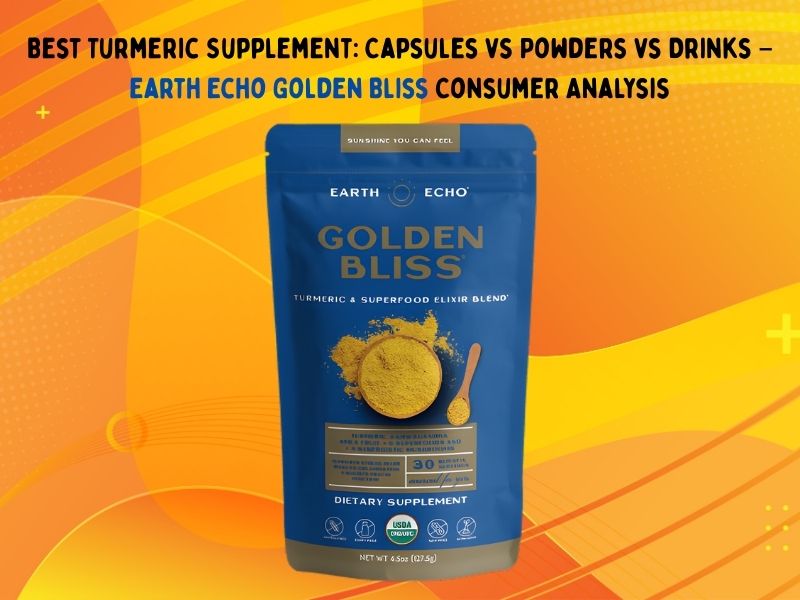
Best Turmeric Supplement Capsules vs Powders vs Drinks – Earth Echo Golden Bliss Consumer Analysis

Note on wording: This report uses “best turmeric supplement” to reflect common search language. It does not claim any product is best for all people and does not evaluate medical outcomes.

Why “Best Turmeric Supplement” Searches Increase Every January

Seasonal patterns are commonly observed in wellness search behavior, particularly during the first quarter as consumers compare capsules, superfood powders, and culinary approaches during annual wellness reset season.

Common related queries include “best turmeric supplement,” “turmeric powder,” “turmeric drink,” and “curcumin supplement,” reflecting how the term can point to multiple formats rather than a single product type. The search term captures a wide range of product formats — from capsules to powders to culinary applications — all containing turmeric as a primary ingredient.

The ‘best [supplement name]’ search pattern appears consistently across wellness categories during January. Whether consumers search for chocolate-based weight management options, turmeric formats, or other functional nutrition products, the underlying question remains the same: which delivery method fits my existing routine? This consistent behavior pattern suggests format match often determines product satisfaction more than ingredient selection alone.

What “Best” Means for Different Turmeric Formats

When consumers search for “best turmeric supplement,” they’re evaluating products across multiple dimensions. This Earth Echo Consumer Report examines criteria that influence consumer decision-making:

Format Preference: Different people prefer different consumption methods. Some prefer capsules for convenience and portability. Others prefer powder-based formats designed for drink-style routines, while some use culinary turmeric in food-based approaches.

Ingredient Transparency: Consumers increasingly prioritize knowing exactly what’s in products they consume daily, including verification of ingredient lists, sourcing information, and clarity about what the product contains beyond the primary turmeric component.

Daily Usability: If you’re the type of person who values seamless integration into existing habits, a product requiring complex preparation may not work as well as one that fits your actual daily routine, regardless of formulation quality.

Lifestyle Fit: Whether a turmeric product fits someone’s lifestyle depends on factors including taste preferences, morning routine structure, travel frequency, dietary patterns, and personal wellness philosophy.

Turmeric Delivery Formats Consumers Compare Most

When researching turmeric products, consumers encounter three primary format categories:

Category 1: Capsule-Based Curcumin Supplements

These products deliver concentrated curcumin — turmeric’s primary active compound — in pill form. If travel convenience is the deciding factor, capsules are usually the baseline comparison. Capsule-based formats dominate traditional supplement retail channels and appeal to consumers seeking concentrated curcumin delivery without taste or preparation factors.

Category 2: Turmeric Superfood Powders and Drink Blends

These products typically position turmeric as part of a broader superfood blend and are marketed around routine-based use and flavor experience, rather than capsule convenience or isolated extract dosing.

Golden Bliss by Earth Echo belongs in this category. According to the brand’s website, it’s a turmeric-based superfood blend consumed as a functional beverage, not a capsule-based curcumin supplement. If you hate pills, powders are often the format people compare next. Powder-based formats appeal to consumers who prefer drinking their wellness products, who want multi-ingredient formulations, or who already have established beverage-based routines.

Category 3: Culinary Turmeric and Food-Based Approaches

Some consumers prefer incorporating turmeric through cooking and food preparation rather than dedicated supplement products. This format appeals to people who prioritize food-first wellness approaches or who prefer controlling exactly what goes into their turmeric consumption.

The term “best turmeric supplement” in consumer searches encompasses all three categories. Understanding which format aligns with individual preferences determines which option represents “best” for that person.

Format innovation continues across wellness supplement categories. Beyond traditional pills and powders, brands increasingly explore alternative delivery methods—from functional chocolate formulations for weight management to beverage-ready superfood blends like Golden Bliss. The underlying consumer preference: formats that integrate seamlessly into existing daily habits rather than requiring new behavioral patterns.”

Ingredient Context: Turmeric in Functional Superfood Blends

Curcumin bioavailability is widely discussed in published research; brands use different formulation approaches. This report does not evaluate clinical outcomes.

Research published in Foods (2017) notes that curcumin has low native bioavailability, meaning it doesn’t absorb easily in its basic form. This has led to various formulation strategies across the turmeric product category, including addition of black pepper extract (piperine), fat-soluble delivery in beverages, and combination with complementary ingredients.

On its product page, Earth Echo lists turmeric, black pepper, ashwagandha, ginger, cinnamon, and cardamom (among other ingredients) in the Golden Bliss formulation. The logic behind multi-ingredient blends centers on creating comprehensive functional nutrition rather than isolated nutrient delivery.

Brand Research: Golden Bliss by Earth Echo

According to publicly available information from the Earth Echo Foods website, Golden Bliss is positioned as a turmeric-based superfood blend designed for daily beverage consumption as part of wellness routines.

Product Classification and Format

According to Earth Echo’s product information, Golden Bliss is a powder-based product, not a capsule supplement. It is designed to be consumed as part of daily wellness rituals and positioned as a comprehensive superfood blend, not a single-ingredient curcumin extract.

This format distinction matters significantly for consumer decision-making. People searching for convenient capsule-based curcumin supplements are evaluating different criteria than those seeking flavorful functional beverages to incorporate into established routines.

Brand Positioning

According to Earth Echo’s website messaging, the company emphasizes functional nutrition approaches, daily wellness rituals, food-first wellness approach, transparency about ingredients, and lifestyle integration rather than isolated supplement use.

What Golden Bliss Is NOT

Based on the brand’s own positioning, Golden Bliss is not a capsule-based curcumin supplement for concentrated delivery, is not positioned for specific health condition treatment, is not a medical intervention or medication alternative, and is not designed for precise dosage delivery of isolated curcumin.

Availability and Policy Information

Earth Echo’s support page describes a 60-day satisfaction guarantee with guidelines; readers should review current terms and eligibility requirements directly before purchasing. Readers can view the current Golden Bliss offer (official Earth Echo page) to confirm the latest ingredient list, serving format, and published policies.

Manufacturing Claims

According to the company’s website, Earth Echo emphasizes certain quality and manufacturing standards for Golden Bliss. Consumers evaluating any superfood blend product should verify current manufacturing certifications if quality standards are important to them.

Who This Turmeric Format May Appeal To

Golden Bliss — as a turmeric-based superfood beverage blend — may align well with certain consumer profiles:

People Who Prefer Beverages Over Pills: If you hate pills, you’re not alone. Some individuals simply prefer drinking their wellness products rather than taking capsules. For this demographic, powder-based turmeric formats offer practical advantages over capsule alternatives.

Consumers Seeking Multi-Ingredient Functional Nutrition: If you’re the type of person who prefers comprehensive formulations rather than taking multiple single-ingredient supplements, superfood blend formats may be appealing.

Morning or Evening Ritual Practitioners: Consumers who value intentional wellness rituals — mindful morning routines, evening wind-down practices, or structured self-care moments — may appreciate powder-based beverage formats.

People Avoiding Capsule-Based Supplements: Some consumers prefer avoiding capsules for various reasons including concerns about capsule materials, preference for food-form nutrients, or previous negative experiences with capsule supplements.

Consumers Prioritizing Taste Experience: Unlike capsules where taste isn’t a factor, powder-based beverages must taste pleasant enough for daily consumption. People who value flavor and beverage experience alongside functional benefits may prefer formats where taste is optimized.

Who Should Consult a Qualified Professional First

People with medical conditions, pregnancy/nursing considerations, or medication use should consult a qualified healthcare professional before using turmeric products. This does not constitute medical advice.

How to Match Turmeric Format to Your Routine (Without Overcomplicating It)

Consumers comparing turmeric products typically confirm information directly on the manufacturer’s page: (1) Format (capsule, powder blend, culinary-grade ingredient), (2) full ingredient list, (3) brand disclosures and policies, and (4) any quality documentation the brand makes publicly available.

This multi-criteria evaluation approach extends across wellness supplement categories. Similar format comparison frameworks apply when consumers evaluate other functional nutrition products, from weight management supplements with alternative delivery methods to daily vitamin formulations. The consistent pattern: matching product format to actual daily routine determines long-term adherence more than ingredient potency alone.

Misunderstanding product format leads to mismatched expectations. Someone expecting convenient capsules who receives a powder may be dissatisfied not because the product is inadequate, but because it doesn’t match their lifestyle needs.

If you searched “best turmeric supplement” expecting capsule-based curcumin and found a superfood beverage powder, that product may be excellent — but if it doesn’t match your format preference, it’s not the “best” option for your situation regardless of quality.

Turmeric Product Labels: What Shoppers Commonly Check (and What They Often Miss)

When evaluating any turmeric product, consumers typically verify the complete ingredient list (not just turmeric content), confirm the actual format and preparation requirements, check published quality documentation if available, and review brand transparency about what the product is designed to be.

What shoppers often miss: verifying that the product format actually matches their daily routine structure. A high-quality product in the wrong format won’t deliver value if you won’t use it consistently.

Editorial Method

This Earth Echo Consumer Report is based on publicly available information from Earth Echo Foods product pages, published ingredient research on turmeric and curcumin, and analysis of consumer search behavior patterns. This report does not conduct clinical outcome evaluation or claims verification beyond what is publicly documented. Affiliate relationships are disclosed at the top of this article; editorial content decisions remain independent of affiliate status.

FAQ: Search-Driven Questions About Best Turmeric Supplement Options

What counts as a turmeric supplement?

The term “turmeric supplement” in consumer usage encompasses any product designed for regular turmeric consumption beyond occasional culinary use. This includes capsule-based curcumin extracts, turmeric powders for beverages, turmeric-containing superfood blends, liquid tinctures, and gummies.

Are turmeric drinks considered supplements?

This depends on how “supplement” is defined. In consumer search behavior, “turmeric supplement” often includes all formats of intentional turmeric consumption, including beverage-based products. In regulatory terms, the classification depends on factors including product claims, intended use, and formulation.

Why do some people prefer turmeric powders over capsules?

Format preferences vary based on individual factors. Some people value the experience of preparing a functional drink as part of daily wellness practice. Some individuals find drinking a beverage easier than swallowing capsules. Powder-based blends often combine turmeric with complementary ingredients in one preparation rather than requiring multiple separate capsules.

Is turmeric used for general wellness routines?

Yes, turmeric consumption has been incorporated into wellness practices in various cultures for centuries as part of traditional dietary patterns. Contemporary wellness routines often include turmeric as part of morning beverage rituals, wellness-focused dietary patterns, and food-first wellness approaches.

Who should talk to a professional before using turmeric products?

Anyone taking medications, managing diagnosed health conditions, pregnant or nursing, or with health concerns should discuss turmeric consumption with healthcare providers before starting.

How do turmeric superfood blends differ from curcumin extract capsules?

The primary differences include formulation philosophy (curcumin extract capsules deliver concentrated isolated compounds while superfood blends combine turmeric with complementary ingredients), consumption experience (capsules involve no taste or preparation while beverages involve flavor experience), and concentration versus context (capsules maximize curcumin concentration while beverages provide turmeric in a food-context format with broader nutritional content from multiple ingredients).

What does “best turmeric supplement” actually mean in search terms?

When consumers search “best turmeric supplement,” they’re typically looking for format comparisons, ingredient transparency information, and help matching products to their specific routine and preferences. The term reflects a shopping question, not a request for a single universally superior product.

Final Context: Evaluating Turmeric Product Categories

This Earth Echo Consumer Report examined Golden Bliss within the context of how consumers search for and evaluate turmeric products.

Format Match Determines Individual “Best”

A high-quality turmeric capsule supplement remains “wrong” for someone who wants a morning beverage ritual. Similarly, an excellent turmeric superfood powder doesn’t serve someone needing convenient travel-friendly capsules. “Best” becomes meaningful only when qualified by format preference, lifestyle fit, and individual priorities.

Golden Bliss Occupies the Superfood Beverage Category

According to Earth Echo’s positioning, Golden Bliss is a multi-ingredient functional beverage powder designed for daily wellness ritual consumption, positioned for lifestyle integration (not medical intervention). Consumers seeking this specific format and approach may find Golden Bliss relevant to evaluate. Those seeking different formats should explore products designed for their preferred consumption method.

Individual Verification Remains Essential

Individual consumers must verify current product specifications on official websites, that format matches personal preferences, and that ingredients align with dietary needs. Readers can view the current Golden Bliss offer (official Earth Echo page) to confirm current product specifications and published details.

Conclusion

Searches for “best turmeric supplement” in January 2026 reflect consumers evaluating various turmeric formats as part of wellness routine optimization. Understanding that this term encompasses multiple distinct product categories — from concentrated curcumin capsules to multi-ingredient superfood beverage blends — provides essential context for informed evaluation.

Golden Bliss by Earth Echo represents one approach within the broader turmeric product landscape: a powder-based functional beverage designed for daily wellness ritual consumption. According to the brand’s positioning, it combines turmeric with complementary ingredients in a format emphasizing lifestyle integration and beverage experience.

Whether this specific format represents “best” for any individual depends entirely on that person’s preferences, routines, and priorities. The most important consumer takeaway: verify that products match your actual needs before purchasing. Readers can view the current Golden Bliss offer (official Earth Echo page) to confirm current product specifications.

Product Support: support@earthechofoods.com
Order Support: https://www.clkbank.com/#!/
Toll Free (US): +1 800-390-6035
International: +1 208-345-4245


Disclaimers

General Wellness Product Disclaimer: This article is for informational purposes only and does not constitute medical advice, diagnosis, or treatment recommendations. Golden Bliss is a functional nutrition product designed for general wellness use, not a treatment for medical conditions. Always consult qualified healthcare professionals before starting any new wellness product, especially if you have health conditions, take medications, or are pregnant or nursing.

Product Classification Notice: Golden Bliss is a turmeric-containing superfood beverage powder, not a capsule-based supplement or medical intervention. It is consumed as a functional drink as part of daily wellness routines. This product is not intended to diagnose, treat, cure, or prevent any disease.

Professional Consultation Disclaimer: This article does not replace professional medical advice. If you are currently taking medications, have existing health conditions, are pregnant or nursing, or are considering any changes to your health regimen, consult your physician before starting Golden Bliss or any turmeric-containing product. Do not change, adjust, or discontinue any medications or prescribed treatments without your physician’s guidance and approval.

Results and Experience Disclaimer: Individual experiences with turmeric-containing products vary significantly based on factors including consistency of use, overall diet, lifestyle factors, individual physiology, and baseline health status. No specific results are guaranteed. This product is designed for general wellness support as part of comprehensive health practices.

FTC Affiliate Disclosure: This article contains affiliate links. If you purchase through these links, a commission may be earned at no additional cost to you. This compensation does not influence the accuracy, neutrality, or integrity of the information presented. All product descriptions are based on publicly available information from Earth Echo Foods.

Pricing and Policy Disclaimer: All pricing, package options, and company policies mentioned were accurate at the time of publication (January 2026) but are subject to change without notice. Always verify current pricing, guarantee terms, and purchase policies on the official Earth Echo website before making your purchase decision.

Publisher Responsibility Disclaimer: The publisher of this article has made every effort to ensure accuracy based on publicly available information at the time of publication. We do not accept responsibility for errors, omissions, outcomes resulting from use of this information, or changes to product formulations or policies that occur after publication. Readers are encouraged to verify all details directly with Earth Echo Foods before making decisions.

Consumer Verification Responsibility: Consumers are responsible for verifying that products match their needs, preferences, and health situations before purchasing. Review complete ingredient lists and usage recommendations on the official product website. Confirm that the product format aligns with your consumption preferences and daily routine.

This Earth Echo Consumer Report is based on publicly available information from Earth Echo Foods and published research on turmeric and related ingredients. For current product specifications, complete ingredient lists, and purchase options, visit the official Earth Echo Foods website.

CONTACT: Product Support: support@earthechofoods.com
Order Support: https://www.clkbank.com/#!/
Toll Free (US): +1 800-390-6035
International: +1 208-345-4245