Immunocore presents Phase 1 data for hepatitis B candidate at AASLD’s The Liver Meeting

Immunocore presents Phase 1 data for hepatitis B candidate at AASLD’s The Liver Meeting


Immunocore presents Phase 1 data for hepatitis B candidate at AASLD’s The Liver Meeting

Single ascending dose data show IMC-I109V has manageable safety profile and antiviral activity

IMC-I109V is a bispecific T cell receptor targeting a peptide derived from HBsAg that is presented by HLA-A*02:01 on the surface of infected hepatocytes

(OXFORDSHIRE, England & CONSHOHOCKEN, Penn. & GAITHERSBURG, Md., US, November 7, 2025) Immunocore Holdings plc (Nasdaq: IMCR) (“Immunocore” or the “Company”), a commercial-stage biotechnology company pioneering and delivering transformative immunomodulating medicines to radically improve outcomes for patients with cancer, infectious diseases and autoimmune diseases, has today announced data from its Phase 1 trial of IMC-I109V, a TCR bispecific (ENVxCD3) candidate designed to specifically eliminate HBV-infected hepatocytes expressing hepatitis B surface antigen (HBsAg) via T cell redirection.

The data, presented in a poster at The Liver Meeting, organized by the American Association for the Study of Liver Diseases, show that IMC-I109V is generally well tolerated in all evaluated doses and exhibits pharmacodynamic (PD) effects consistent with its mechanism of action, including reduction in HBsAg levels, clearance of which is indicative of resolved hepatitis B infection.

“Dose-dependent decreases in serum HBsAg following a single dose of IMC-I109V are promising and show that a T cell receptor-based approach to treating chronic HBV infection warrants further investigation,” said David Berman, Head of Research and Development. “These data – alongside the encouraging safety profile and antiviral activity seen in our ImmTAV candidate for HIV – reinforce the potential of our platform to achieve functional cures for chronic infectious diseases.”

The trial enrolled 20 participants in sequential cohorts evaluating ascending doses (0.8 mcg; 2.4 mcg; 7 mcg; 20 mcg) of IMC-I109V, given as a single IV infusion on day 1. Each dose was assessed for tolerability and PD activity, defined by either a ≥ 0.2 log10 reduction in serum HBsAg or by predefined increases in alanine aminotransferase (ALT) or serum IL-6 levels. Escalation to the next dose level was permitted for any dose that was deemed tolerable but was associated with PD activity in less than half the participants in a cohort.

Participants were evaluated for safety, tolerability, pharmacokinetics (PK) and PD activity up to week 4.

At doses ≥ 7 mcg, consistent PD activity was observed, including a dose-dependent decrease in HBsAg, which typically reached a nadir by day 8. Reductions meeting the predetermined threshold of ≥ 0.2 log10 IU/ml were seen in 4 individuals, 2/6 in the 7 mcg cohort and 2/8 in the 20 mcg cohort. In 3 of these 4 participants, HBsAg remained below pre-dose levels throughout follow-up. Reductions in HBsAg levels coincided with immune activation (IL-6 elevations) and transient elevations in ALT, which were expected based on the mechanism of action.

Treatment-related adverse events (TRAEs) were observed in 8 participants, including transient systemic symptoms (mostly Grade 1-2) in the 24h following infusion. ALT elevations (Grade 1-3), resolved to ≤ Grade 1 within 14 days. Bilirubin and prothrombin values remained within normal ranges throughout the study. The rapid resolution of all TRAEs was consistent with the short serum half-life (< 24h) of IMC-I109V.

One of 8 participants in the 20 mcg cohort developed Grade 2 cytokine release syndrome (fever, transient hypoxia and transient hypotension) within 4 hours of the end of infusion. This event responded rapidly to supportive treatment and corticosteroid therapy, resolving within 4 hours. Although dose-limiting toxicity criteria were not met, this event was classified as a serious adverse event (SAE) due to extension of the hospital stay (<1 day). Subsequently, 2 participants received the 20 mcg dose with corticosteroid premedication as an additional precaution. No SAEs occurred in these individuals.

IMC-I109V is designed to overcome HBV-specific T cell exhaustion by recruiting non-exhausted T cells to eliminate hepatocytes harboring covalently closed circular DNA or integrated HBV DNA.

The Company believes this first-in-human evidence of reductions in HBsAg via this novel mechanism supports further evaluation of IMC-I109V in multiple dose regimens.

###

About ImmTAV molecules and infectious diseases

ImmTAV (Immune mobilizing monoclonal TCRs Against Virus) molecules are novel bispecifics that are designed to enable the immune system to recognize and eliminate virally infected cells.
Immunocore is advancing clinical candidates to cure patients with HIV and hepatitis B virus (HBV). The Company aims to achieve sustained control of HIV after patients stop anti-retroviral therapy (ART), without the risk of virological relapse or onward transmission. This is known as ‘functional cure’. For the treatment of HBV, the Company aims to achieve sustained loss of circulating viral antigens and markers of viral replication after stopping medication for people living with chronic HBV.

About Immunocore

Immunocore is a commercial-stage biotechnology company pioneering the development of a novel class of TCR bispecific immunotherapies called ImmTAX – Immune mobilizing monoclonal TCRs Against X disease – designed to treat a broad range of diseases, including cancer, autoimmune diseases and infectious diseases. Leveraging its proprietary, flexible, off-the-shelf ImmTAX platform, Immunocore is developing a deep pipeline in multiple therapeutic areas, including numerous active clinical and pre-clinical programs​ in oncology, infectious diseases, and autoimmune diseases. The Company’s most advanced oncology TCR therapeutic, KIMMTRAK, has been approved for the treatment of HLA-A*02:01-positive adult patients with unresectable or metastatic uveal melanoma in the United States, European Union, Canada, Australia, and the United Kingdom.

Forward Looking Statements

This press release contains “forward-looking statements” within the meaning of the safe harbor provisions of the Private Securities Litigation Reform Act of 1995. Words such as “may”, “will”, “believe”, “expect”, “plan”, “anticipate”, “aim”, “continue”, “target” and similar expressions (as well as other words or expressions referencing future events or circumstances) are intended to identify forward-looking statements. All statements, other than statements of historical facts, included in this press release are forward-looking statements. These statements include, but are not limited to, statements regarding the therapeutic potential, including tolerability, safety profile and antiviral activity, of Immunocore’s product candidates, including IMC-I109V; the potential of the Company’s bispecific TCR technology platform to offer a new approach for the treatment of certain chronic infections, including a T cell receptor-based approach to treating chronic HBV infection; expectations regarding the design, progress, timing, enrollment, randomization, scope, expansion, funding, and results of the Company’s existing and planned clinical trials, those of the Company’s collaboration partners or the combined clinical trials with the Company’s collaboration partners; and the Company’s goals to develop and commercialize product candidates based on its KIMMTRAK platform alone or with collaboration partners; the expected submission of clinical trial applications; the potential regulatory approval, expected clinical benefits and availability of the Company’s product candidates; and the Company’s expectations regarding the payment of sales-related rebate accruals in the second half of 2025. Any forward-looking statements are based on management’s current expectations and beliefs of future events and are subject to a number of risks and uncertainties that could cause actual events or results to differ materially and adversely from those set forth in or implied by such forward-looking statements, many of which are beyond the Company’s control. These risks and uncertainties include, but are not limited to, the impact of worsening macroeconomic conditions on the Company’s business, financial position, strategy and anticipated milestones, including Immunocore’s ability to conduct ongoing and planned clinical trials; Immunocore’s ability to obtain a clinical supply of current or future product candidates or commercial supply of KIMMTRAK or any future approved products; Immunocore’s ability to obtain and maintain regulatory approval of its product candidates, including KIMMTRAK; Immunocore’s ability and plans in continuing to establish and expand a commercial infrastructure and to successfully launch, market and sell KIMMTRAK and any future approved products; Immunocore’s ability to successfully expand the approved indications for KIMMTRAK or obtain marketing approval for KIMMTRAK in additional geographies in the future; the delay of any current or planned clinical trials, whether due to patient enrollment delays or otherwise; Immunocore’s ability to successfully demonstrate the safety and efficacy of its product candidates and gain approval of its product candidates on a timely basis, if at all; competition with respect to market opportunities; unexpected safety or efficacy data observed during preclinical studies or clinical trials; actions of regulatory agencies, which may affect the initiation, timing and progress of clinical trials or future regulatory approval; Immunocore’s need for and ability to obtain additional funding, on favorable terms or at all, including as a result of worsening macroeconomic conditions, including changes in inflation and interest rates and unfavorable general market conditions, and the impacts thereon of the war in Ukraine, the conflict in the Middle East, and global geopolitical tension; Immunocore’s ability to obtain, maintain and enforce intellectual property protection for KIMMTRAK or any of its product candidates it or its collaborators are developing; and the success of Immunocore’s current and future collaborations, partnerships or licensing arrangements. These and other risks and uncertainties are described in greater detail in the section titled “Risk Factors” in Immunocore’s filings with the Securities and Exchange Commission, including Immunocore’s most recent Annual Report on Form 10-K for the year ended December 31, 2024 filed with the Securities and Exchange Commission on February 26, 2025, as well as discussions of potential risks, uncertainties, and other important factors in the Company’s subsequent filings with the SEC. All information in this press release is as of the date of the release, and the Company undertakes no duty to update this information, except as required by law.

Contact Information

Immunocore

Sébastien Desprez, VP Communications
T: +44 (0) 7458030732
E: sebastien.desprez@immunocore.com
Follow Immunocore on LinkedIn: @Immunocore

Investor Relations

Clayton Robertson / Morgan Warenius
T: +1 (215) 384-4781
E: ir@immunocore.com

Atea Pharmaceuticals Presents New Data Supporting the Fixed-Dose Combination of Bemnifosbuvir and Ruzasvir as a Potential Best-in-Class Regimen for Treatment of Hepatitis C Virus Infection at The Liver Meeting® 2025

Atea Pharmaceuticals Presents New Data Supporting the Fixed-Dose Combination of Bemnifosbuvir and Ruzasvir as a Potential Best-in-Class Regimen for Treatment of Hepatitis C Virus Infection at The Liver Meeting® 2025


Atea Pharmaceuticals Presents New Data Supporting the Fixed-Dose Combination of Bemnifosbuvir and Ruzasvir as a Potential Best-in-Class Regimen for Treatment of Hepatitis C Virus Infection at The Liver Meeting® 2025

Company Hosting Virtual KOL Panel Event Thursday, November 13th at 10:00 AM ET

BOSTON, Nov. 07, 2025 (GLOBE NEWSWIRE) — Atea Pharmaceuticals, Inc. (Nasdaq: AVIR) (Atea or Company), a clinical-stage biopharmaceutical company engaged in the discovery and development of oral antiviral therapeutics for serious viral diseases, today announced the presentation of new modeling data predicting that the Company’s combination regimen of bemnifosbuvir (BEM), a nucleotide analog polymerase inhibitor, and ruzasvir (RZR), an NS5A inhibitor, achieved near-complete inhibition of both viral replication and assembly and secretion into the bloodstream, with a modeled time to cure of approximately 7 to 8 weeks. These findings support the fixed-dose combination (FDC) regimen of BEM and RZR as a potential best-in-class, convenient, short-duration treatment of hepatitis C virus (HCV), further validating the Company’s Phase 2 study results, which demonstrated that the combination regimen, after 8 weeks of treatment, achieved sustained virologic response rates at 12 weeks post-treatment (SVR12) of 98% in the per-protocol treatment-adherent patient population and 95% in patients regardless of adherence. These modeling data will be presented at The Liver Meeting® 2025, the annual meeting of the American Association for the Study of Liver Diseases (AASLD), taking place November 7-11 in Washington, DC.

The Company will also present two additional datasets: 1) a resistance analysis from the same Phase 2 study supporting the regimen’s high barrier to resistance and 2) results from a Phase 1 study in healthy participants demonstrating the high relative bioavailability of the BEM/RZR FDC commercial formulation. These data also support dosing of the FDC with or without food or with famotidine (an H2 blocker which can substantially diminish the effectiveness of HCV oral antivirals). The FDC commercial formulation is being used in the ongoing Phase 3 program.

All results being presented underscore the regimen’s potential best-in-class profile to address the needs of today’s broad population of HCV patients. This includes those patients taking concomitant medications, who may need the flexibility of a treatment option that can be taken with or without food, or who present with resistant strains of HCV or advanced liver disease.

“Our goal has always been to develop a best-in-class regimen for HCV that meaningfully advances the standard of care for as many people as possible by addressing the evolving needs of today’s HCV patients,” said Jean-Pierre Sommadossi, PhD, Chief Executive Officer and Founder of Atea Pharmaceuticals. “These new findings reinforce the differentiated profile of our fixed-dose combination regimen of bemnifosbuvir and ruzasvir as a potent, pan-genotypic and convenient regimen with the potential to transform the treatment landscape and bring us closer to eradication of HCV.”

Despite the availability of direct-acting antiviral therapies, HCV remains a significant public healthcare crisis in the US and globally with new diagnoses continuing to outpace cure rates. With a significant portion of the HCV patient population navigating co-infections or taking concomitant medications, an optimized, next-generation treatment option is needed to address their needs and meaningfully advance HCV eradication.

Summary of Results Being Presented at AASLD The Liver Meeting:

Oral Presentation

Abstract Number: 0089
Title: Multiscale Modeling of Results from a Phase 2 Study of an 8-week Combination Regimen of Bemnifosbuvir and Ruzasvir in Patients with Chronic Hepatitis C Virus Infection
Date and Time: Monday, November 10th, 11:30 AM – 11:45 AM ET
Presenting Author: Carolin Zitzmann, PhD
Conclusion: Multiscale modeling data show that Atea’s combination regimen of BEM and RZR inhibits both intracellular replication of HCV, as well as viral assembly and secretion of new HCV into the bloodstream in patients with chronic HCV infection with a modeled time to cure of approximately 7 to 8 weeks. Because the regimen suppresses the virus at multiple critical stages, the data support the potential of the combination regimen as a simplified, short-duration therapy for chronic HCV.

Poster Presentations

Abstract Number1381
Identified as a Poster of Distinction
Title: No Impact of RASs on the High Efficacy of BEM and RZR in Combination: Resistance Analysis from a Phase 2 Study in HCV-Infected Patients
Date and Time: Friday, November 7th, 8:00 AM – 5:00 PM ET
Presenting Author: Qi Huang, PhD
Conclusion: A resistance analysis from the Company’s Phase 2 study of BEM and RZR demonstrated that SVR12 rates were not impacted by resistance associated substitutions (RASs). These data support the regimen’s high barrier to resistance in patients infected with HCV. Viral kinetic and pharmacokinetic analyses indicated that most of the viral failures were due to treatment non-adherence.

Abstract Number: 1398
Title: Bemnifosbuvir and Ruzasvir Provided as a Fixed-dose Combination (FDC) Demonstrates High Relative Bioavailability to Their Individual Formulations and Can Be Dosed with No Regard to Food
Date and Time: Friday, November 7th, 8:00 AM – 5:00 PM ET
Presenting Author: Xiao-Jian Zhou, PhD
Conclusion: Results from a Phase 1 study in healthy participants demonstrated the high relative bioavailability of the BEM and RZR FDC commercial formulation. These results also support dosing of the FDC with or without food or with famotidine (an H2 blocker which can substantially diminish the effectiveness of HCV oral antivirals). The FDC commercial formulation is being used in the ongoing Phase 3 program.

HCV KOL Investor Event at 10:00 AM ET on November 13, 2025

Following The Liver Meeting 2025, Atea will host a virtual event for investors with a panel of leading HCV clinical experts on Thursday, November 13 at 10:00 AM ET. To register, click here.

The panel will include global leaders in hepatology and HCV research and treatment, including:

  • Jordan Feld, MD, MPH – University of Toronto, Toronto General Hospital, Canada
  • Eric Lawitz, MD – Texas Liver Institute, University of Texas Health San Antonio, US
  • Anthony Martinez, MD – University of Buffalo, Erie County Medical Center, US
  • Nancy Reau, MD – Rush University Medical Center, Chicago, US

These experts will discuss the current challenges patients and prescribers face in the diagnosis and treatment of HCV, strategies for advancing global HCV eradication efforts and the potential benefits a next-generation treatment option with an optimized profile could provide for prescribers and HCV patients.

Company management will discuss the HCV commercial market opportunity and provide an update on the ongoing global Phase 3 clinical development program, followed by a live Q&A session.

About the Phase 3 C-BEYOND and C-FORWARD Trials in Adults with Chronic HCV

Atea’s HCV Phase 3 development program includes two open-label Phase 3 trials, C-BEYOND being conducted in the US and Canada, and C-FORWARD being conducted outside of North America. Each Phase 3 trial is enrolling approximately 880 treatment-naïve patients, including those with or without compensated cirrhosis. The trials compare the fixed-dose combination (FDC) regimen of bemnifosbuvir and ruzasvir to the FDC regimen of sofosbuvir and velpatasvir. The regimen of bemnifosbuvir and ruzasvir is administered orally once-daily for eight weeks (in patients without cirrhosis) or 12 weeks (in patients with compensated cirrhosis) while the regimen of sofosbuvir and velpatasvir is administered orally once-daily for 12 weeks to all patients, with or without compensated cirrhosis.

The primary endpoint for each trial is HCV RNA < lower limit of quantitation (LLOQ) at 24 weeks from the start of treatment and encompasses sustained virologic response 12 weeks post-treatment (SVR12) in each arm. Measurement at 24 weeks from the start of treatment is to ensure the primary endpoint occurs at the same relative timepoint from the start of treatment in all patients.

About Hepatitis C Virus (HCV)

HCV is a blood-borne, positive-sense, single-stranded (ss) RNA virus that primarily infects liver cells. HCV is a leading cause of chronic liver disease and liver transplants, spreading via blood transfusion, hemodialysis and needle sticks, with approximately 240,000 deaths occurring each year. Despite the availability of direct-acting antivirals, HCV continues to be a significant global healthcare issue. An estimated 50 million people worldwide are chronically infected with HCV and there are approximately one million new infections each year. In the US, between 2.4 and 4.0 million people are estimated to have HCV with annual new infections outpacing treatment rates. HCV infections in the US predominate in patients in the age group between 20-49 years old, and it is estimated that less than 10% of HCV-infected patients in the US have cirrhosis. Chronic HCV infection is the leading cause of liver cancer in the US, Europe and Japan.

About Bemnifosbuvir and Ruzasvir for HCV

Results from the Phase 2 study (n=275) evaluating the regimen of bemnifosbuvir and ruzasvir for 8 weeks showed a 98% SVR12 rate (210/215) with the regimen in the “Per-Protocol Treatment-Adherent Population.” The SVR12 rate was 95% (245/259) in the “Per-Protocol Regardless of Adherence Population” (also referred to as the “efficacy evaluable population”), which included patients who were not treatment adherent (17%).

Results from Phase 1 studies have demonstrated that the combination of bemnifosbuvir and ruzasvir has a low risk of drug-drug interactions (DDIs) and can be taken with or without food. Importantly, Phase 1 results showed no interaction between bemnifosbuvir and ruzasvir and a standard human immunodeficiency virus (HIV) treatment, supporting its potential use in HCV patients co-infected with HIV, and the safety of bemnifosbuvir in healthy volunteer participants with hepatic or renal impairment with no need for dose adjustments.

Bemnifosbuvir has been shown in in vitro studies to be approximately 10-fold more active than sofosbuvir (SOF) against a panel of laboratory strains and clinical isolates of HCV GT 1–5. In vitro studies have also demonstrated bemnifosbuvir remained fully active against SOF resistance-associated substitutions (S282T), with up to 58-fold more potency than SOF. Bemnifosbuvir has been administered to over 2,300 subjects and has been well-tolerated at doses up to 550 mg for durations up to 12 weeks in healthy subjects and patients.

Ruzasvir has demonstrated highly potent and pan-genotypic antiviral activity in preclinical (picomolar range) and clinical studies. Ruzasvir has been administered to over 2,100 subjects at daily doses of up to 180 mg for 12 weeks and has demonstrated a favorable safety profile.

About Atea Pharmaceuticals

Atea is a clinical-stage biopharmaceutical company focused on discovering, developing and commercializing oral antiviral therapies to address the unmet medical needs of patients with serious viral infections. Leveraging Atea’s deep understanding of antiviral drug development, nucleos(t)ide chemistry, biology, biochemistry and virology, Atea has built a proprietary nucleos(t)ide prodrug platform to develop novel product candidates to treat single stranded ribonucleic acid, or ssRNA, viruses, which are a prevalent cause of serious viral diseases. Atea plans to continue to build its pipeline of antiviral product candidates by augmenting its nucleos(t)ide platform with other classes of antivirals that may be used in combination with its nucleos(t)ide product candidates. Atea’s lead program is the regimen of bemnifosbuvir, a nucleotide analog polymerase inhibitor, and ruzasvir, an NS5A inhibitor, to treat HCV. For more information, please visit www.ateapharma.com.

Forward-Looking Statements

This press release includes “forward-looking statements” within the meaning of the Private Securities Litigation Reform Act of 1995. Forward-looking statements in this press release include but are not limited to statements regarding the development of the regimen of bemnifosbuvir and ruzasvir for the treatment of HCV and the potential best in class profile of the regimen and the ability of the regimen, if approved, to transform the HCV landscape and advance potential eradication of HCV. When used herein, words including “expected,” “should,” “anticipated,” “believe,” “will,” “plans,” and similar expressions are intended to identify forward-looking statements. In addition, any statements or information that refer to expectations, beliefs, plans, projections, objectives, performance or other characterizations of future events or circumstances, including any underlying assumptions, are forward-looking. All forward-looking statements are based upon Atea’s current expectations and various assumptions. Atea believes there is a reasonable basis for its expectations and beliefs, but they are inherently uncertain. Atea may not realize its expectations, and its beliefs may not prove correct. Actual results could differ materially from those described or implied by such forward-looking statements as a result of various important factors discussed under the caption “Risk Factors” in Atea’s Quarterly Report on Form 10-Q for the period ended June 30, 2025 as such factors may be updated from time to time in its other filings with the SEC, which are accessible on the SEC’s website at www.sec.gov.. Any such forward-looking statements represent management’s estimates as of the date of this press release. While Atea may elect to update such forward-looking statements at some point in the future, except as required by law, it disclaims any obligation to do so, even if subsequent events cause our views to change. These forward-looking statements should not be relied upon as representing Atea’s views as of any date subsequent to the date of this press release.

Contacts

Jonae Barnes
SVP, Investor Relations and Corporate Communications
617-818-2985
barnes.jonae@ateapharma.com

Joyce Allaire
LifeSci Advisors
Jallaire@lifesciadvisors.com

Rivus Pharmaceuticals Announces New Data from Phase 2 M-ACCEL Trial of HU6 in MASH in Late-Breaker Oral Presentation at AASLD The Liver Meeting® 2025

Rivus Pharmaceuticals Announces New Data from Phase 2 M-ACCEL Trial of HU6 in MASH in Late-Breaker Oral Presentation at AASLD The Liver Meeting® 2025


Rivus Pharmaceuticals Announces New Data from Phase 2 M-ACCEL Trial of HU6 in MASH in Late-Breaker Oral Presentation at AASLD The Liver Meeting® 2025

– Trial met primary endpoint, with statistically significant reductions in liver fat observed in all HU6 treatment groups –

– In addition to robust liver-centric effects, HU6 resulted in fat-selective weight loss with preservation of skeletal muscle mass; potential to address the metabolic dysfunction underlying MASH –

– HU6 was well tolerated in M-ACCEL, with 450 patients treated to date –

CHARLOTTESVILLE, Va. and SOUTH SAN FRANCISCO, Calif., Nov. 07, 2025 (GLOBE NEWSWIRE) — Rivus Pharmaceuticals, Inc., a clinical-stage biopharmaceutical company dedicated to treating obesity and associated cardiometabolic diseases, today announced the presentation of new clinical data from the Phase 2 M-ACCEL trial evaluating HU6 in patients with MASH (metabolic dysfunction-associated steatohepatitis). These data will be featured in a late-breaker oral presentation at the American Association for the Study of Liver Diseases (AASLD) The Liver Meeting® 2025 being held November 7-11, 2025, in Washington, DC.

These results build on the positive topline results announced by Rivus in June 2025, showing that the M-ACCEL trial met its primary endpoint, with statistically significant reductions in liver fat content at six months versus placebo (p<0.005) across all three HU6 treatment groups. 50-58% of patients treated with HU6 achieved a ≥30% reduction in liver fat, which was also statistically significant (p<0.005 for all doses versus placebo).

“MASH is a serious, obesity-driven disease that can lead to cirrhosis, liver failure and premature death,” said Mazen Noureddin, M.D., Professor of Medicine, Houston Methodist Hospital and Co-Chairman of the Board of the Summit and Pinnacle Clinical Research Networks. “In the M-ACCEL study, a majority of patients treated with HU6 achieved 30% or greater reduction in liver fat, which has been shown to be a clinically meaningful result associated with MASH resolution and fibrosis improvement. In addition to the robust liver-centric effects, HU6 treatment resulted in fat-selective weight loss with preservation of skeletal muscle mass, which may address the metabolic dysfunction underlying MASH. The favorable efficacy, safety, and tolerability profile of this oral investigational therapy supports HU6’s potential long-term use in treating individuals living with this chronic disease.”

M-ACCEL also met a number of secondary endpoints, including reductions in body weight and body fat, with selectivity for abdominal visceral (versus subcutaneous) fat, while preserving skeletal muscle mass, supporting HU6’s potential to address the metabolic dysfunction underlying MASH.

“There is a real need for novel therapies with new mechanisms for treating MASH as well as other chronic diseases associated with obesity,” said David Grainger, Ph.D., Chairman of Development, Rivus Pharmaceuticals. “Across three Phase 2 trials, all of which met their primary endpoints, HU6 has consistently demonstrated a unique tolerability profile with the potential to address the need for a long-term treatment for what are typically chronic diseases. Given the competitive efficacy and safety profile of HU6 as a novel MASH therapeutic, we are eager to initiate our next trial to address the growing need for new treatment options.”

At the six-month endpoint in M-ACCEL, the pre-specified modified intent-to-treat (mITT) analysis of 228 patients showed:

  • Liver fat reduction: Primary endpoint met as HU6 showed a statistically significant reduction in liver fat compared to placebo (by least-squares mean difference -29.4%, -31.2%, -27.0% for 150, 300, and 450 mg doses, respectively, versus -6.7% with placebo; p<0.005 for each versus placebo). Approximately two-thirds of patients had Type 2 diabetes at baseline; HU6 efficacy was similar between diabetic and non-diabetic patients.
  • Responder rate: Majority of patients achieved ≥30% liver fat reduction, with 57%, 58%, and 50% of patients achieving a response following 150, 300, and 450 mg doses, respectively, versus 22% for placebo (p<0.005).
  • Weight loss: HU6 at 300 mg and 450 mg significantly reduced total body weight and body fat (-2.4%, or -2.6 kg, at 450 mg). Weight loss was entirely fat-selective, with lean and skeletal muscle mass preserved. This is in contrast to incretin-based therapies, which have been shown in clinical studies to reduce lean muscle mass.
  • Abdominal visceral fat reduction: ~2:1 selectivity for abdominal visceral fat, which is strongly associated with cardiometabolic risk, versus abdominal subcutaneous fat.
  • Safety and tolerability profile: HU6 was well tolerated with no treatment-related serious adverse events. The most common class of adverse events was gastrointestinal disorders (14% with HU6 versus 16% with placebo). Low discontinuation rate (≤5%) due to treatment-emergent adverse events.

Rivus plans to initiate the Phase 2 AMPLIFY trial in MASH to confirm dosing prior to future late-stage clinical trials for HU6. To date, approximately 450 patients have been treated with HU6.

AASLD oral presentation details are as follows:
Abstract Title: HU6 Oral Investigational Therapy Reduces Liver Fat and Improves Adiposity Markers in Adults with MASH: Top-line Results from a Phase 2 Randomized Placebo-Controlled Trial (M-ACCEL)
Late-Breaking Abstract Number: 5005
Format: Oral Presentation
Presenter: Mazen Noureddin, M.D., Professor of Medicine at Houston Methodist Hospital and Co-Chairman of the Board of the Summit and Pinnacle Clinical Research Networks
Presentation Date and Time: Monday, November 10, 2025, 2:00 – 2:15 p.m. ET

A copy of the AASLD presentation will be available after the oral presentation session ends under “Clinical Data and Scientific Publications” in Our Science section of Rivus’ website.

About the Phase 2 M-ACCEL Trial
The randomized, double-blind, placebo-controlled, parallel-group Phase 2 M-ACCEL trial (ClinicalTrials.gov: (NCT05979779) evaluated HU6 at 150 mg, 300 mg, and 450 mg once daily for 26 weeks in adults with MASH. Participants were randomized 2:1:2:2 (placebo:HU6 150:HU6 300:HU6 450). Eligible patients had liver fat ≥8% by MRI-PDFF and a VCTE score of 7–15 kPa, targeting fibrosis stages F2-F3. The primary endpoint was percent change from baseline in liver fat as measured by MRI-PDFF at six months. Secondary and exploratory endpoints included proportion of patients achieving ≥30% liver fat reduction, changes in body weight, body composition, glycemic control, blood pressure, and metabolic and inflammatory markers. 

About MASH (Metabolic Dysfunction-Associated Steatohepatitis)
MASH (formerly known as nonalcoholic steatohepatitis or NASH) is a serious liver disease that often progresses to cirrhosis, liver failure, hepatocellular carcinoma, the need for liver transplantation, and premature death. MASH is caused by an accumulation of excess fat cells in the liver and is closely linked to obesity. MASH is an independent driver of cardiovascular disease, the leading cause of mortality for patients, underscoring the close association between MASH and a patient’s overall cardiometabolic health. There is a need for therapies that address both hepatic and systemic metabolic dysfunction.

Approximately 5% of U.S. adults have MASH,1,2 which is rapidly becoming the leading cause of liver transplantation. With obesity rates rising worldwide, MASH is predicted to have a significant impact on global health.

About Controlled Metabolic Accelerators (CMAs)
Rivus is advancing a new class of oral medicines called Controlled Metabolic Accelerators (CMAs) for obesity and associated cardiometabolic diseases. Rivus’ CMAs are designed to induce sustained, fat-selective, muscle-preserving weight loss. These oral small molecule therapeutics are engineered to safely increase resting metabolic rate and result in increased energy expenditure primarily from fat. Leveraging the natural metabolic process of mitochondrial uncoupling, CMAs increase the resting metabolic rate in a manner that is precision-controlled, in clinical trials to date, and imperceptible to the patient. Rivus’ lead CMA HU6 is in Phase 2 clinical development. 

About HU6
HU6 (ANT activator) is an oral investigational therapy designed to treat obesity and associated cardiometabolic diseases. HU6 is engineered to safely increase resting metabolic rate in a precision-controlled and imperceptible manner, resulting in increased expenditure of energy, primarily from fat. Across three Phase 2a clinical trials, HU6 has demonstrated positive results and a well-tolerated safety profile in MASH (metabolic dysfunction associated steatohepatitis), MASLD (metabolic dysfunction-associated steatotic liver disease), and HFpEF (heart failure with preserved ejection fraction). To date, approximately 450 patients have received HU6 as part of the clinical development program.

About Rivus Pharmaceuticals
Rivus Pharmaceuticals, Inc. is a clinical-stage biotechnology company advancing novel medicines for obesity and associated cardiometabolic diseases. A leader in mitochondrial biology, Rivus is developing a new class of investigational therapies called Controlled Metabolic Accelerators (CMAs), which are oral small molecules designed for sustained, fat-selective, muscle-preserving weight loss. Rivus’ lead candidate HU6 (ANT activator) has demonstrated positive results in three Phase 2 clinical trials across MASH (metabolic dysfunction associated steatohepatitis), MASLD (metabolic dysfunction-associated steatotic liver disease) and HFpEF (heart failure with preserved ejection fraction). In addition to HU6, Rivus is developing a pipeline of preclinical therapies, including RV300 (oral GLP-1), for obesity and cardiometabolic diseases. Follow Rivus on LinkedIn and X and visit www.rivuspharma.com.

Company Contact:
Amy Figueroa, CFA
Rivus Pharmaceuticals
afigueroa@rivuspharma.com

Media Contact:
Matt Wright
Real Chemistry
mwright@realchemistry.com

References
1. Younossi ZM, Golabi P, Paik JM, Henry A, Van Dongen C, Henry L. The global epidemiology of nonalcoholic fatty liver disease (NAFLD) and nonalcoholic steatohepatitis (NASH): a systematic review. Hepatology. 2023;77(4):1335-1347. doi: 10.1097/HEP.0000000000000004.
2. Harrison SA, Gawrieh S, Roberts K, et al. Prospective evaluation of the prevalence of non-alcoholic fatty liver disease and steatohepatitis in a large middle-aged US cohort. J Hepatol. 2021;75(2):284-291. doi: 10.1016/j.jhep.2021.02.034.

Press Release: ACAAI: Sanofi and Regeneron’s Dupixent pivotal study met all primary and secondary endpoints, reducing signs and symptoms of allergic fungal rhinosinusitis; sBLA accepted for FDA priority review

Press Release: ACAAI: Sanofi and Regeneron’s Dupixent pivotal study met all primary and secondary endpoints, reducing signs and symptoms of allergic fungal rhinosinusitis; sBLA accepted for FDA priority review


Press Release: ACAAI: Sanofi and Regeneron’s Dupixent pivotal study met all primary and secondary endpoints, reducing signs and symptoms of allergic fungal rhinosinusitis; sBLA accepted for FDA priority review

ACAAI: Sanofi and Regeneron’s Dupixent pivotal study met all primary and secondary endpoints, reducing signs and symptoms of allergic fungal rhinosinusitis; sBLA accepted for FDA priority review

  • Phase 3 data to be presented at ACAAI demonstrate Dupixent significantly reduced key nasal signs and symptoms including sinus opacification, nasal congestion, and nasal polyps in patients aged 6 years and older compared to placebo
  • Dupixent sBLA accepted for priority review by the US FDA with a target action date of February 28, 2026; if approved, Dupixent would be the first and only medicine indicated specifically for AFRS, which would be its ninth FDA-approved indication
  • AFRS is a chronic type 2 inflammatory disease of the sinuses characterized by a fungal hypersensitivity

Paris and Tarrytown, NY, November 7, 2025. Positive results from the pivotal LIBERTY-AFRS-AIMS phase 3 study (NCT04684524) evaluating the investigational use of Dupixent (dupilumab) in adults and children aged 6 years and older with allergic fungal rhinosinusitis (AFRS) demonstrated significant improvements in signs and symptoms of disease across all primary and secondary endpoints, including reductions in sinus opacification, nasal congestion, and nasal polyps compared to placebo. These are the first-ever positive phase 3 results specifically in AFRS and will be shared today at the American College of Allergy, Asthma and Immunology (ACAAI) 2025 Annual Scientific Meeting, Orlando, FL, US.

Recently, the US Food and Drug Administration (FDA) accepted for priority review the supplemental biologics license application (sBLA) for Dupixent in adults and children aged 6 years and older with AFRS. Priority review is granted by the FDA to regulatory applications seeking approval for therapies that have the potential to provide significant improvements in the treatment, diagnosis, or prevention of serious conditions. If approved, AFRS would represent the ninth FDA-approved indication for Dupixent.

AFRS, a subtype of chronic rhinosinusitis, is a chronic type 2 inflammatory disease of the sinuses caused by an intense allergic hypersensitivity to fungi, most usually aspergillus. It primarily affects people living in warm, humid climates where fungal spores are common in the environment. It can lead to nasal polyps, nasal congestion, loss of smell, thick mucus discharge, poor health-related quality of life, bone loss around the sinus cavities, and facial deformities. AFRS is a unique and distinct type of chronic rhinosinusitis with nasal polyps that can be harder to treat because it does not respond well to available options. Current standard-of-care treatment is surgery and prolonged courses of systemic steroids; however, disease recurrence can occur.

“People with allergic fungal rhinosinusitis live with persistent nasal obstruction, congestion, and polyps that can place a great strain on their day-to-day lives. With limited treatment options, uncontrolled symptoms can progress to serious complications like the buildup of thick mucus that may require surgery, bony erosion of the sinuses, and facial deformities,” said Amber U. Luong, MD, PhD, FACS, Professor and Vice Chair for Academic Affairs in the Department of Otorhinolaryngology at the McGovern Medical School of the University of Texas Health Science Center at Houston, US and lead investigator of the study. “This study is significant as it is the first positive phase 3 study for an investigational treatment specifically for AFRS. The ability of Dupixent to alleviate the hallmark signs and symptoms of AFRS, and to reduce the risk for surgery and corticosteroids by 92%, provide the strongest evidence to date that IL4 and IL13 are key drivers of the type 2 inflammation leading to this disease, as they seem to be for multiple other type 2 inflammatory diseases.”

In the LIBERTY-AFRS-AIMS study, 62 adults and children aged 6 years and older with AFRS were randomized to receive an age- and weight-based dose of Dupixent (200 mg or 300 mg; n=33) every two or four weeks or placebo (n=29). The differences for Dupixent compared to placebo were as follows:

  • Primary Endpoint: Sinus opacification scores (a measure of nasal congestion as assessed by computed tomography [CT] scans) improved by 50.0% in the Dupixent group versus 9.8% in the placebo group at 52 weeks (7.36-point placebo-corrected reduction; p<0.0001); a significant reduction in sinus opacification scores was also observed at 24 weeks (p<0.0001)
  • Secondary Endpoints:
    • Patient-reported nasal congestion/obstruction improved by 66.7% in the Dupixent group versus 25.3% in the placebo group at 24 weeks (0.87-point placebo-corrected reduction; p<0.0001), with continued improvement at 52 weeks to 80.6% in the Dupixent group compared to 11.1% in the placebo group (1.40-point placebo-corrected reduction; p<0.0001)
    • Nasal polyp size (as assessed by endoscopy) reduced by 60.8% in the Dupixent group compared to 15.2% in the placebo group at 24 weeks (2.36-point placebo-corrected reduction; p<0.0001), with continued reduction of 62.5% in the Dupixent group compared to 3.6% in the placebo group up to 52 weeks (2.77-point placebo-corrected reduction; p<0.0001)
    • 92% lower risk of systemic corticosteroid use and/or in need of surgery in the Dupixent group compared to placebo (29.1% fewer proportion of patients; p=0.0010) over 52 weeks

The safety in the study was generally consistent with the known safety profile of Dupixent in its approved respiratory indications. The overall rates of adverse events (AEs) were 70% with Dupixent and 79% with placebo. The most common treatment-emergent AEs (>10%) occurring more frequently in Dupixent compared to placebo included COVID-19 (15% Dupixent, 14% placebo) and nosebleed (12% Dupixent, 4% placebo). Serious AEs were reported in 0% and 7% of patients treated with Dupixent and placebo, respectively. Additionally, AEs leading to study treatment discontinuation were reported in 3% of Dupixent patients and 4% of placebo patients.

The safety and efficacy of Dupixent in AFRS have not been fully evaluated by any regulatory authority.

About LIBERTY-AFRS-AIMS
LIBERTY-AFRS-AIMS is a randomized, double-blind, placebo-controlled phase 3 study assessing the safety and efficacy of Dupixent in adults and children aged 6 years and older with AFRS. During the 52-week study, patients received an age- and weight-based dose of Dupixent (300 mg every two weeks for adults and children weighing ≥60 kg, 200 mg every two weeks for children weighing ≥30 kg to <60 kg, or 300 mg every four weeks for children weighing ≥15 kg to <30 kg) or placebo. More than 80% of patients had a history of type 2 comorbidities.

The primary endpoint assessed change from baseline in sinus opacification assessed by CT scans using the Lund-Mackay score (LMK; scale: 0-24) at 52 weeks. Secondary endpoints assessed at 24 weeks included:

  • Change from baseline in patient-reported nasal congestion (NC; scale: 0-3)
  • Change from baseline in nasal polyp score (NPS; scale: 0-8) as measured by endoscopy
  • LMK score

Secondary endpoints assessed at 52 weeks included:

  • Change from baseline in NPS
  • Change from baseline in NC
  • Proportion of patients requiring surgery or systemic corticosteroids

About Dupixent
Dupixent (dupilumab) is a fully human monoclonal antibody that inhibits the signaling of the interleukin-4 (IL4) and interleukin-13 (IL13) pathways and is not an immunosuppressant. The Dupixent development program has shown significant clinical benefit and a decrease in type 2 inflammation in phase 3 studies, establishing that IL4 and IL13 are two of the key and central drivers of the type 2 inflammation that plays a major role in multiple related and often co-morbid diseases.

Dupixent has received regulatory approvals in more than 60 countries in one or more indications including certain patients with atopic dermatitis, asthma, chronic rhinosinusitis with nasal polyps, eosinophilic esophagitis, prurigo nodularis, chronic spontaneous urticaria, chronic obstructive pulmonary disease, and bullous pemphigoid in different age populations. More than one million patients are being treated with Dupixent globally.

Dupilumab development program
Dupilumab is being jointly developed by Sanofi and Regeneron under a global collaboration agreement. To date, dupilumab has been studied across more than 60 clinical studies involving more than 10,000 patients with various chronic diseases driven in part by type 2 inflammation.

In addition to the currently approved indications, Sanofi and Regeneron are studying dupilumab in a broad range of diseases driven by type 2 inflammation or other allergic processes in phase 3 studies, including chronic pruritus of unknown origin, lichen simplex chronicus, and allergic fungal rhinosinusitis. These potential uses of dupilumab are currently under clinical investigation, and the safety and efficacy in these conditions have not been fully evaluated by any regulatory authority.

About Regeneron
Regeneron (NASDAQ: REGN) is a leading biotechnology company that invents, develops and commercializes life-transforming medicines for people with serious diseases. Founded and led by physician-scientists, our unique ability to repeatedly and consistently translate science into medicine has led to numerous approved treatments and product candidates in development, most of which were homegrown in our laboratories. Our medicines and pipeline are designed to help patients with eye diseases, allergic and inflammatory diseases, cancer, cardiovascular and metabolic diseases, neurological diseases, hematologic conditions, infectious diseases, and rare diseases.

Regeneron pushes the boundaries of scientific discovery and accelerates drug development using our proprietary technologies, such as VelociSuite®, which produces optimized fully human antibodies and new classes of bispecific antibodies. We are shaping the next frontier of medicine with data-powered insights from the Regeneron Genetics Center® and pioneering genetic medicine platforms, enabling us to identify innovative targets and complementary approaches to potentially treat or cure diseases.

For more information, please visit www.Regeneron.com or follow Regeneron on LinkedIn, InstagramFacebook or X.

About Sanofi
Sanofi is an R&D driven, AI-powered biopharma company committed to improving people’s lives and delivering compelling growth. We apply our deep understanding of the immune system to invent medicines and vaccines that treat and protect millions of people around the world, with an innovative pipeline that could benefit millions more. Our team is guided by one purpose: we chase the miracles of science to improve people’s lives; this inspires us to drive progress and deliver positive impact for our people and the communities we serve, by addressing the most urgent healthcare, environmental, and societal challenges of our time.

Sanofi is listed on EURONEXT: SAN and NASDAQ: SNY.

Sanofi Media Relations
Sandrine Guendoul | +33 6 25 09 14 25 | sandrine.guendoul@sanofi.com
Evan Berland | +1 215 432 0234 | evan.berland@sanofi.com
Léo Le Bourhis | +33 6 75 06 43 81 | leo.lebourhis@sanofi.com
Victor Rouault | +33 6 70 93 71 40 | victor.rouault@sanofi.com
Timothy Gilbert | +1 516 521 2929 | timothy.gilbert@sanofi.com
Léa Ubaldi | +33 6 30 19 66 46 | lea.ubaldi@sanofi.com

Sanofi Investor Relations
Thomas Kudsk Larsen |+44 7545 513 693 | thomas.larsen@sanofi.com
Alizé Kaisserian | +33 6 47 04 12 11 | alize.kaisserian@sanofi.com
Felix Lauscher | +1 908 612 7239 | felix.lauscher@sanofi.com
Keita Browne | +1 781 249 1766 | keita.browne@sanofi.com
Nathalie Pham | +33 7 85 93 30 17 | nathalie.pham@sanofi.com
Tarik Elgoutni | +1 617 710 3587 | tarik.elgoutni@sanofi.com
Thibaud Châtelet | +33 6 80 80 89 90 | thibaud.chatelet@sanofi.com
Yun Li | +33 6 84 00 90 72 | yun.li3@sanofi.com

Regeneron Media Relations
Sharon Chen | +1 914-847-1546| sharon.chen@regeneron.com

Regeneron Investor Relations
Mark Hudson | +1 914-847-3482 | mark.hudson@regeneron.com

Sanofi forward-looking statements
This press release contains forward-looking statements as defined in the Private Securities Litigation Reform Act of 1995, as amended. Forward-looking statements are statements that are not historical facts. These statements include projections and estimates regarding the marketing and other potential of the product, or regarding potential future revenues from the product. Forward-looking statements are generally identified by the words “expects”, “anticipates”, “believes”, “intends”, “estimates”, “plans”, and similar expressions. Although Sanofi’s management believes that the expectations reflected in such forward-looking statements are reasonable, investors are cautioned that forward-looking information and statements are subject to various risks and uncertainties, many of which are difficult to predict and generally beyond the control of Sanofi, that could cause actual results and developments to differ materially from those expressed in, or implied or projected by, the forward-looking information and statements. These risks and uncertainties include among other things, unexpected regulatory actions or delays, or government regulation generally, that could affect the availability or commercial potential of the product, the fact that product may not be commercially successful, the uncertainties inherent in research and development, including future clinical data and analysis of existing clinical data relating to the product, including post marketing, unexpected safety, quality or manufacturing issues, competition in general, risks associated with intellectual property and any related future litigation and the ultimate outcome of such litigation, and volatile economic and market conditions, and the impact that global crises may have on us, our customers, suppliers, vendors, and other business partners, and the financial condition of any one of them, as well as on our employees and on the global economy as a whole. The risks and uncertainties also include the uncertainties discussed or identified in the public filings with the SEC and the AMF made by Sanofi, including those listed under “Risk Factors” and “Cautionary Statement Regarding Forward-Looking Statements” in Sanofi’s annual report on Form 20-F for the year ended December 31, 2024. Other than as required by applicable law, Sanofi does not undertake any obligation to update or revise any forward-looking information or statements.

All trademarks mentioned in this press release are the property of the Sanofi group except for VelociSuite and Regeneron Genetics Center.

Regeneron Forward-Looking Statements and Use of Digital Media
This press release includes forward-looking statements that involve risks and uncertainties relating to future events and the future performance of Regeneron Pharmaceuticals, Inc. (“Regeneron” or the “Company”), and actual events or results may differ materially from these forward-looking statements. Words such as “anticipate,” “expect,” “intend,” “plan,” “believe,” “seek,” “estimate,” variations of such words, and similar expressions are intended to identify such forward-looking statements, although not all forward-looking statements contain these identifying words. These statements concern, and these risks and uncertainties include, among others, the nature, timing, and possible success and therapeutic applications of products marketed or otherwise commercialized by Regeneron and/or its collaborators or licensees (collectively, “Regeneron’s Products”) and product candidates being developed by Regeneron and/or its collaborators or licensees (collectively, “Regeneron’s Product Candidates”) and research and clinical programs now underway or planned, including without limitation Dupixent® (dupilumab); the likelihood, timing, and scope of possible regulatory approval and commercial launch of Regeneron’s Product Candidates and new indications for Regeneron’s Products, including Dupixent for the treatment of allergic fungal rhinosinusitis as discussed in this press release as well as Dupixent for the treatment of chronic pruritus of unknown origin, lichen simplex chronicus, and other potential indications; uncertainty of the utilization, market acceptance, and commercial success of Regeneron’s Products (such as Dupixent) and Regeneron’s Product Candidates and the impact of studies (whether conducted by Regeneron or others and whether mandated or voluntary), including the studies discussed or referenced in this press release, on any of the foregoing or any potential regulatory approval of Regeneron’s Products (such as Dupixent) and Regeneron’s Product Candidates; the ability of Regeneron’s collaborators, licensees, suppliers, or other third parties (as applicable) to perform manufacturing, filling, finishing, packaging, labeling, distribution, and other steps related to Regeneron’s Products and Regeneron’s Product Candidates; the ability of Regeneron to manage supply chains for multiple products and product candidates and risks associated with tariffs and other trade restrictions; safety issues resulting from the administration of Regeneron’s Products (such as Dupixent) and Regeneron’s Product Candidates in patients, including serious complications or side effects in connection with the use of Regeneron’s Products and Regeneron’s Product Candidates in clinical trials; determinations by regulatory and administrative governmental authorities which may delay or restrict Regeneron’s ability to continue to develop or commercialize Regeneron’s Products and Regeneron’s Product Candidates; ongoing regulatory obligations and oversight impacting Regeneron’s Products, research and clinical programs, and business, including those relating to patient privacy; the availability and extent of reimbursement or copay assistance for Regeneron’s Products from third-party payors and other third parties, including private payor healthcare and insurance programs, health maintenance organizations, pharmacy benefit management companies, and government programs such as Medicare and Medicaid; coverage and reimbursement determinations by such payors and other third parties and new policies and procedures adopted by such payors and other third parties; changes to drug pricing regulations and requirements and Regeneron’s drug pricing strategy; other changes in laws, regulations, and policies affecting the healthcare industry; competing drugs and product candidates that may be superior to, or more cost effective than, Regeneron’s Products and Regeneron’s Product Candidates (including biosimilar versions of Regeneron’s Products); the extent to which the results from the research and development programs conducted by Regeneron and/or its collaborators or licensees may be replicated in other studies and/or lead to advancement of product candidates to clinical trials, therapeutic applications, or regulatory approval; unanticipated expenses; the costs of developing, producing, and selling products; the ability of Regeneron to meet any of its financial projections or guidance and changes to the assumptions underlying those projections or guidance; the potential for any license, collaboration, or supply agreement, including Regeneron’s agreements with Sanofi and Bayer (or their respective affiliated companies, as applicable), to be cancelled or terminated; the impact of public health outbreaks, epidemics, or pandemics on Regeneron’s business; and risks associated with litigation and other proceedings and government investigations relating to the Company and/or its operations (including the pending civil proceedings initiated or joined by the U.S. Department of Justice and the U.S. Attorney’s Office for the District of Massachusetts), risks associated with intellectual property of other parties and pending or future litigation relating thereto (including without limitation the patent litigation and other related proceedings relating to EYLEA® (aflibercept) Injection), the ultimate outcome of any such proceedings and investigations, and the impact any of the foregoing may have on Regeneron’s business, prospects, operating results, and financial condition. A more complete description of these and other material risks can be found in Regeneron’s filings with the U.S. Securities and Exchange Commission, including its Form 10-K for the year ended December 31, 2024 and its Form 10-Q for the quarterly period ended September 30, 2025. Any forward-looking statements are made based on management’s current beliefs and judgment, and the reader is cautioned not to rely on any forward-looking statements made by Regeneron. Regeneron does not undertake any obligation to update (publicly or otherwise) any forward-looking statement, including without limitation any financial projection or guidance, whether as a result of new information, future events, or otherwise.

Regeneron uses its media and investor relations website and social media outlets to publish important information about the Company, including information that may be deemed material to investors. Financial and other information about Regeneron is routinely posted and is accessible on Regeneron’s media and investor relations website (https://investor.regeneron.com) and its LinkedIn page (https://www.linkedin.com/company/regeneron-pharmaceuticals).

Attachment

Fangzhou, Novo Nordisk Launch Initiative for AI-Powered Diabetes and Weight Management Solutions at CIIE

Fangzhou, Novo Nordisk Launch Initiative for AI-Powered Diabetes and Weight Management Solutions at CIIE


Fangzhou, Novo Nordisk Launch Initiative for AI-Powered Diabetes and Weight Management Solutions at CIIE

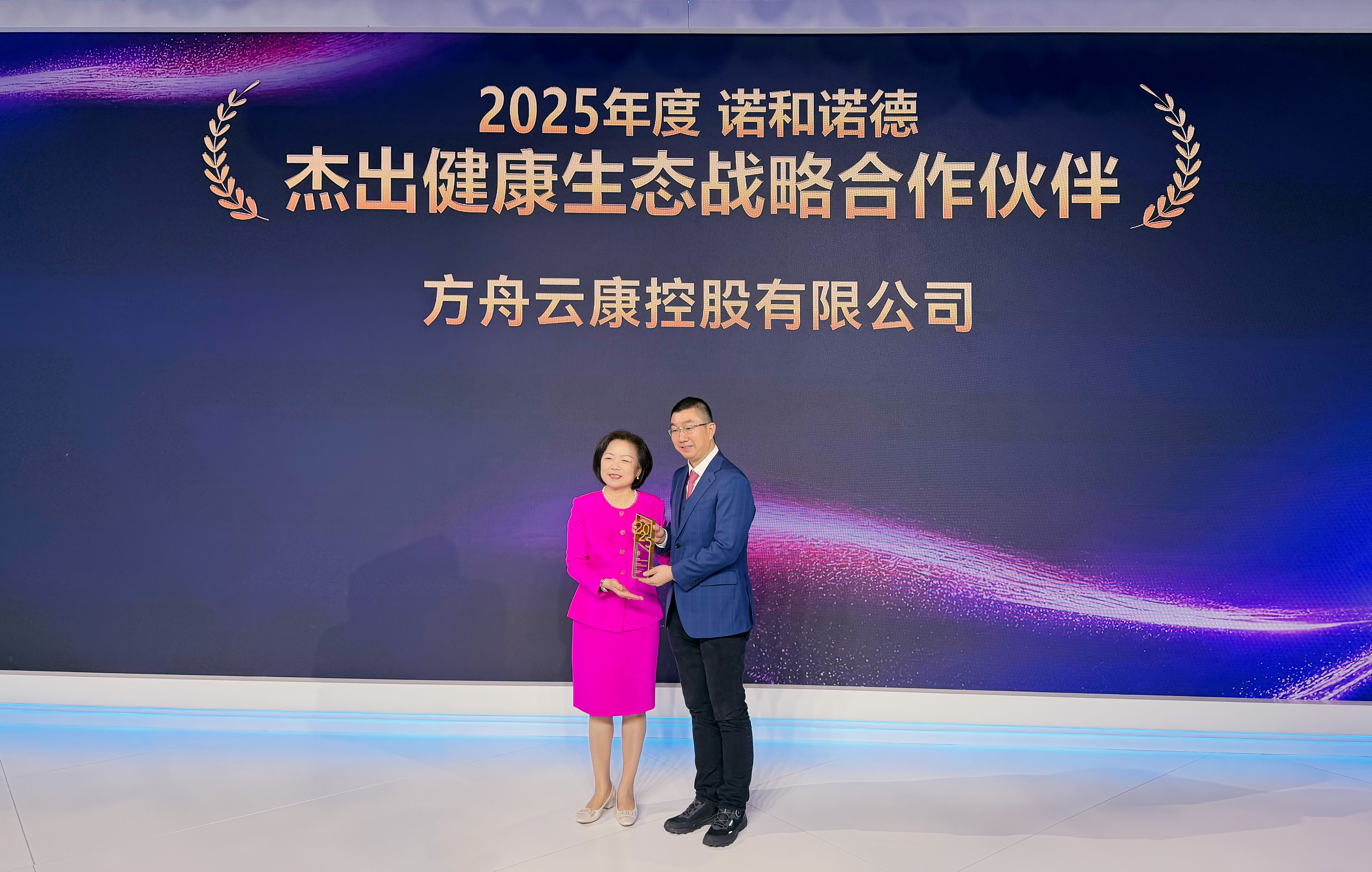
SHANGHAI, Nov. 07, 2025 (GLOBE NEWSWIRE) — Fangzhou Inc. (“Fangzhou” or the “Company”) (HKEX: 06086), a leading provider of AI-driven Internet healthcare solutions, was invited to the “Boundless Care, New Beginnings” 2025 Health Ecosystem Partner Alliance Summit and New Product Launch Ceremony, hosted by Novo Nordisk at the 8th China International Import Expo (“CIIE”) in Shanghai.

Novo Nordisk announced the expansion of its Health Ecosystem Alliance, first introduced in 2023. Fangzhou was named an “Outstanding Strategic Health Ecosystem Partner,” recognizing its role in advancing digital innovation in chronic disease management.

Fangzhou was named an “Outstanding Strategic Health Ecosystem Partner”

Fangzhou was named an “Outstanding Strategic Health Ecosystem Partner”

The “Health Ecosystem Alliance” serves as a collaborative platform that facilitates joint development and synergies among ecosystem partners. As a core member, Fangzhou shares a common vision with Novo Nordisk in advancing digital innovation for chronic disease management. In July 2025, the two companies signed a strategic partnership to better align service offerings and patient needs, jointly developing digital chronic disease management models that empower healthcare stakeholders while benefiting patients. Moving forward, Fangzhou will work closely with Novo Nordisk to develop a digital chronic disease management ecosystem, fostering continued innovation and development in the healthcare sector.

Fangzhou has established itself as a leader in integrating AI technology into weight management, creating the industry’s first intelligent “AI + Weight Management” solution. The company was also selected as a key participant in the national “Healthy China: AI + Weight Management Initiative,” in collaboration with the China Food and Drug Institutions Quality and Safety Promotion Association, promoting standardization, technological advancement, and evidence-based approaches.

At the same time, Fangzhou has also strengthened its presence in AI-powered diabetes management, receiving strong recognition from Novo Nordisk for its capabilities in AI-driven healthcare services and medication management. Leveraging Fangzhou’s digital infrastructure and Novo Nordisk’s innovative therapies for diabetes and obesity, the two companies are jointly advancing a shift from “disease-focused treatment” to “proactive health management.” Novo Nordisk described the collaboration as a milestone in integrating chronic disease prevention with digital innovation, forging a new direction for intelligent healthcare transformation.

Dr. Xie Fangmin, Founder, Chairman, and CEO of Fangzhou, remarked: “As a key partner of Novo Nordisk’s Health Ecosystem Alliance, Fangzhou will continue to leverage our XJ and XS Large Language Models as the cornerstone of our AI infrastructure, deepening technological innovation to deliver accessible, efficient, end-to-end chronic disease management services to a broader population.”

Throughout 2025, Fangzhou has continued to expand and enhance its AI + Chronic Disease Management ecosystem, driving the industry’s transition from traditional care models to systematized, evidence-based models. Through an open and collaborative approach, the Company plans to work with industry leaders to improve the quality and efficiency of digital healthcare — contributing powerful momentum to the Healthy China 2030 goals.

About Novo Nordisk
Novo Nordisk is a leading global healthcare company founded in 1923 and headquartered in Denmark. Novo Nordisk’s purpose is to drive change to defeat serious chronic diseases built upon its heritage in diabetes. The company does so by pioneering scientific breakthroughs, expanding access to its medicines and working to prevent and ultimately cure disease.

About Fangzhou Inc.
Fangzhou Inc. (HKEX: 06086) is China’s leading online chronic disease management platform, serving 52.8 million registered users and 229,000 physicians (as of June 30, 2025). The Company specializes in delivering tailored medical care and AI-enabled precision medicine solutions. For more information, visit https://investors.jianke.com.

Media Contact
For further inquiries or interviews, please reach out to:
Xingwei Zhao Associate Director of Public Relations Email: pr@jianke.com

Disclaimer: This press release contains forward-looking statements. Actual results may differ materially from those anticipated due to various factors. Readers are cautioned not to place undue reliance on these statements

A photo accompanying this announcement is available at:

https://www.globenewswire.com/NewsRoom/AttachmentNg/f015a95c-1354-47e3-b229-3526622b45a1

Research Update

Research Update


Research Update

Scancell Holdings plc 

Scancell holds oral presentation of positive Phase 2 data on Immunobody® iSCIB1+ in late-stage melanoma at SITC 2025

Data from SCOPE trial show a potential new benchmark in efficacy, durability, immune responses and safety

Progression-free survival (PFS) for iSCIB1+ in target population at 11 months is 78%, compared with historic 12 months PFS of 46% with doublet checkpoint therapy of ipilimumab and nivolumab

Development plans for iSCIB1+ accelerated including regulatory and partnering discussions, with randomised studies on path to registration expected to start in 2026

NOTTINGHAM, United Kingdom, Nov. 07, 2025 (GLOBE NEWSWIRE) — Scancell Holdings plc (AIM: SCLP), the developer of Immunobody® and Moditope® active immunotherapies to treat cancer, announces the presentation of positive data from the ongoing Phase 2 SCOPE trial of its iSCIB1+ Immunobody® DNA active immunotherapy, in combination with checkpoint inhibitors in patients with advanced unresectable melanoma, at the Society for Immunotherapy of Cancer (SITC) 40th Anniversary Annual Meeting in National Harbor, MD, USA.

The data, first reported in July and now outlined in an oral presentation, show that iSCIB1+ is a potential new benchmark for treatment of patients with late-stage melanoma in terms of efficacy, durability, immune responses and safety. SCOPE results to date show progression-free survival (PFS) for iSCIB1+ in the target human leukocyte antigen (HLA) population at 11 months is 78%, compared with the historic 12-month PFS of 46% reported by doublet checkpoint therapy of ipilimumab and nivolumab.1

Dr Nermeen Varawalla, Chief Medical Officer of Scancell, said: “The data from SCOPE so far indicate that iSCIB1+ has groundbreaking potential to deliver meaningful clinical benefits to patients. It has been shown to enhance response rates, disease control, progression-free survival and immune activation, combined with a robust safety profile that allows integration with standard of care without added toxicity. This positions iSCIB1+ as a transformative option for patients with metastatic melanoma and opens possibilities for earlier-stage, resectable disease in neoadjuvant or adjuvant settings, and we are looking forward to moving this exciting ImmunoBody® into randomised studies, on the path to registration, in 2026.”

Combined data for the defined HLA target population across Cohorts 1 and 3 shows 22-month PFS of 69%, representing a meaningful improvement over historic doublet checkpoint therapy. The overall response rate (ORR) and disease control rate (DCR) for SCIB1 and iSCIB1+ also demonstrate superiority whether combined with doublet checkpoint or single checkpoint therapy, and data from more than 100 patients across the trial show a favourable safety profile.

Based on these data, iSCIB1+ has been selected for future development expanding the addressable patients to around 80% of late-stage melanoma patients and with longer patent life. Development plans are now accelerated including regulatory and partnering discussions. Randomised studies on the path to registration are anticipated to begin in 2026.

Details of the presentation

Title: SCOPE, an open label phase 2 parallel multi cohort clinical trial evaluating an off-the-shelf DNA plasmid vaccine in first line advanced melanoma combined with check point blockade – interim read-out.

Abstract Number: 1325

Session: Clinical Oral Abstract Session 2

Date and time: Saturday, November 8, 2025, 1:45 PM ET

SCOPE (ClinicalTrials.gov: NCT04079166) is a Phase 2, UK multi-centre open-label study investigating SCIB1/iSCIB1+ in combination with checkpoint inhibitors in late-stage melanoma and will enrol more than 140 patients across four cohorts. Its aim is to evaluate the efficacy, safety and durability of SCIB1 or iSCIB1+ DNA Immunobody® therapies when given to patients in combination with SoC checkpoint inhibitors in stage IIIB/IV unresectable metastatic melanoma, and to inform the design of a Phase 2b/3 randomised controlled registration trial.

Scancell (LSE:SCLP; www.scancell.co.uk) is a clinical stage biotechnology company developing targeted off-the-shelf active immunotherapies, to generate safe and long-lasting tumour-specific immunity for a cancer-free future. iSCIB1+, the lead product from their DNA ImmunoBody® platform has demonstrated safe, durable and clinically meaningful benefit as a monotherapy as well as additional benefit when combined with checkpoint therapies in an ongoing Phase 2 trial in melanoma. Modi-1, the lead peptide immunotherapy from their Moditope® platform, is being investigated in a Phase 2 study in a broad range of solid tumours. In addition, Scancell’s wholly owned subsidiary, GlyMab Therapeutics Ltd., has been established with the intention to hold and develop an exciting early-stage pipeline of high affinity GlyMab® antibodies targeting tumour specific glycans, two of which already have been licensed and are being developed by Genmab A/S, an international biotechnology company and global leader in the antibody therapeutics space.

For more information please contact:

   
Scancell Holdings plc +44 (0) 20 3709 5700
Phil L’Huillier, CEO  
Sath Nirmalananthan, CFO  
   
Panmure Liberum (Nominated Adviser and Joint Broker) +44 (0) 20 7886 2500
Emma Earl, Will Goode, Mark Rogers (Corporate Finance)
Rupert Dearden (Corporate Broking)
 
   
WG Partners LLP (Joint Broker)
David Wilson, Claes Spang
+44 (0) 20 3705 9330

   
Investor and media relations
Mary-Ann Chang
+44 (0) 20 7483 284853
MaryAnnChang@scancell.co.uk
   

This information is provided by RNS, the news service of the London Stock Exchange. RNS is approved by the Financial Conduct Authority to act as a Primary Information Provider in the United Kingdom. Terms and conditions relating to the use and distribution of this information may apply. For further information, please contact rns@lseg.com or visit www.rns.com.

______________________
1 Ipilimumab and Nivolumab in Checkmate 067

Memo Therapeutics AG Presents Long Term Follow-Up Data from its Phase II SAFE KIDNEY Trial of Potravitug and Real World Data on the Challenges and Re-source Utilization of Managing Kidney Transplant Recipients at ASN Kidney Week Meeting

Memo Therapeutics AG Presents Long Term Follow-Up Data from its Phase II SAFE KIDNEY Trial of Potravitug and Real World Data on the Challenges and Re-source Utilization of Managing Kidney Transplant Recipients at ASN Kidney Week Meeting


Memo Therapeutics AG Presents Long Term Follow-Up Data from its Phase II SAFE KIDNEY Trial of Potravitug and Real World Data on the Challenges and Re-source Utilization of Managing Kidney Transplant Recipients at ASN Kidney Week Meeting

PRESS RELEASE

Memo Therapeutics AG Presents Long Term Follow-Up Data from its Phase II SAFE KIDNEY Trial of Potravitug and Real World Data on the Challenges and Resource Utilization of Managing Kidney Transplant Recipients at ASN Kidney Week Meeting

  • Long term follow-up data shows a sustained and improved (vs. week 20) benefit of potravitug on BK polyomavirus viral load in kidney transplant recipients at week 38 (study end)
  • Potravitug was well tolerated, with no treatment related serious adverse events reported

Schlieren / Zurich, Switzerland, 7 November, 2025 – Memo Therapeutics AG (“MTx”), a late-stage biotech company translating unique immune responses into superior medicines to treat viral infections and cancer, today announces that it has presented long term follow-up data from its Phase II SAFE KIDNEY trial of therapeutic antibody potravitug for the treatment of BK polyomavirus (BKPyV) infection in kidney transplant recipients (KTRs) at the American Society of Nephrology (ASN) Kidney Week Meeting from November 5–9, 2025, in Houston, Texas.

The data was presented under the title: ‘Potravitug for the Treatment of BK Polyomavirus Infection in Kidney Transplant Recipients: A Phase II, Randomized, Double-Blind, Placebo-Controlled Clinical Trial,’ demonstrated a sustained and improved (vs. week 20) benefit of potravitug on BKPyV viral load in KTRs at week 38 (study end). The treatment was well tolerated, with no treatment-related serious adverse events reported.

Viral levels lower than the lower limit of quantitation (<LLOQ) were observed in 17.5% and 12.9% for potravitug 1,000 mg and placebo at week 20 and 24.4% and 13.0% at week 38. Furthermore, at this follow-up timepoint, ≥2-log10 reductions, indicating a drop in viral levels of ≥99% vs baseline, occurred in 35.6 vs. 22.5% (adjusted OR 1.93 [0.67-5.54]) at week 20 and in 40.3 vs 24.7% (OR 2.11 [0.76-5.88]) in the potravitug and placebo groups, respectively, indicating a longer term response and reduction of viral load with potravitug.

Potravitug 1,000 mg showed a higher composite virologic response, defined as ≥1-log10 decline in BKPyV-DNAemia in the absence of BKPyV-associated nephropathy (BKPyVAN): (57.2%) vs placebo (33.4%) (adjusted OR 2.79 [1.00-7.75]; nominal p=0.05). While biopsy proven BKPyVAN in the potravitug arm dropped from 51.2% at baseline to 31.6% at week 20; no change was seen in placebo group (23.8% to 24.4%).

“These long-term follow-up Phase II results provide further evidence that potravitug has the potential to become a transformative treatment for kidney transplant patients with BKPyV infection, with continued therapeutic benefit beyond our initial week 20 data,” said Erik van den Berg, CEO of MTx. “There are currently no approved therapeutic treatments for BKPyV infection in kidney transplant recipients. We look forward to continuing discussions with regulatory bodies and progressing into Phase III development in 2026.”

Further data to be presented at the conference tomorrow will feature real world evidence from a study of first year outcomes, healthcare resource utilization and costs among kidney transplant patients in the United States. The data shows that in the year following kidney transplantation, patients experience many post-transplant care changes and have a high healthcare resource consumption, necessitating therapies like potravitug, to address these complications. Acute rejection and other adverse outcomes sometimes occur within the first 12 months following transplant. This was one of the largest studies ever conducted in a kidney transplant population, including over 35,000 patients followed via administrative claims to determine their post-transplant care journeys.

Potravitug was awarded U.S. FDA Fast Track designation in May 2023.

In July 2025, MTx announced promising topline results from its Phase II placebo-controlled clinical trial of potravitug at the World Transplant Congress.     

-Ends-

Contacts  
Memo Therapeutics AG  
info@memo-therapeutics.com  
   
ICR Healthcare Amber Fennell, Ashley Tapp
memotx@icrhealthcare.com +44 (0)20 3709 5700


About Memo Therapeutics AG
Memo Therapeutics AG (“MTx”) is a late-stage biotech company translating unique human immune responses into superior medicines through the development of best-in-class antibodies to treat viral infections and cancer. The Company’s lead program, potravitug, targeting BKPyV infection in kidney transplant recipients is planned to start Phase III clinical development in 2026. BKPyV infections decrease kidney functionality and longevity, and reduce patient survival. Potravitug has the potential to become a first-in-class BKPyV disease-modifying therapy for kidney transplant patients with a market potential of up to $2bn p.a..

Alongside potravitug, MTx is focused on discovering novel antibody-target-pairs in oncology. Underpinning MTx’s core assets is its proprietary DROPZYLLA® technology, an antibody repertoire copying engine with high-throughput screening capabilities. MTx is a private company located in Schlieren / Zurich and backed by investors including Ysios Capital, Kurma Partners, Pureos Bioventures, Swisscanto, Vesalius Biocapital and Adjuvant Capital. Learn more at  www.memo-therapeutics.com, and on LinkedIn.

About BK polyomavirus in kidney transplant recipients
More than 100,000 kidney transplants are conducted worldwide every year. BKPyV can become reactivated in up to 50% of these patients and up to 70% of patients with BKPyV viremia develop BKPyV nephropathy, which significantly increases the risks of kidney loss and patient death.

Built for Peace of Mind: How HomeInherit Serves Seniors

Built for Peace of Mind: How HomeInherit Serves Seniors


Built for Peace of Mind: How HomeInherit Serves Seniors

HomeInherit develops a senior-first home equity model built on clarity, safety, and community trust.

HomeInherit Logo

HomeInherit Logo

SAN FRANCISCO, Nov. 06, 2025 (GLOBE NEWSWIRE) — HomeInherit, a senior-focused financial services company, introduces a transparent and debt-free way for older homeowners to access a portion of their home’s future value while maintaining ownership and control. The approach prioritizes clarity, informed consent, and long-term security, helping seniors achieve financial peace of mind without the burden of traditional debt instruments.

A Mission Centered on Seniors

Millions of seniors remain house rich but cash constrained. Reverse mortgages and complex financial products often carry obligations and fees that reduce flexibility. HomeInherit’s system removes debt from the equation, offering a senior-first alternative that protects legacy, reduces stress, and preserves control.

“Our goal is to create a process that families can understand and trust,” said Guillermo Juárez, Chief Executive Officer of HomeInherit.

Leadership and Ethical Operations

HomeInherit’s leadership combines finance, technology, and community expertise. Juárez leads operations focused on measurable outcomes. Jan Zuazo, Chief Product Officer, manages investor relations and explores digital reporting tools that enhance transparency. Jacob Goren, Chief Technology Officer, oversees secure systems and automation infrastructure. Dr. David Vik, Chief Culture Officer, ensures service standards reflect the company’s values, while Tom Goren, Chief Senior Officer, and Dr. Lawrence Souza, Real Estate Director, guide ethical, data-driven portfolio management.

Simplicity and Trust by Design

HomeInherit’s agreements are written in plain English to maintain accuracy and transparency. The company partners with local organizations and caregivers to educate families on available options, emphasizing informed consent and family participation.

A Steady Path Forward

As HomeInherit expands, it remains committed to clarity before growth. “Our focus is on delivering peace of mind for senior home-owners that worked hard their whole lives for it,” Juárez added.

About HomeInherit

HomeInherit provides ethical and transparent financial solutions that allow seniors to unlock home equity without taking on debt. With a focus on trust, family inclusion, and clear communication, HomeInherit serves homeowners seeking security and money to finance their retirement.

Media Contacts:
Guillermo Juarez – CEO hello@homeinherit.com
https://www.homeinherit.com/

A photo accompanying this announcement is available at https://www.globenewswire.com/NewsRoom/AttachmentNg/acdc19c4-481c-4836-b64b-e17ebeb653a2

React19 Launches “This Is Our Shot” Campaign as U.S. Vaccine Injury Victims Continue to Go Unheard and Uncompensated

React19 Launches “This Is Our Shot” Campaign as U.S. Vaccine Injury Victims Continue to Go Unheard and Uncompensated


React19 Launches “This Is Our Shot” Campaign as U.S. Vaccine Injury Victims Continue to Go Unheard and Uncompensated

Patient-led nonprofit has already distributed $1.4 million in aid, challenging the federal government’s injury program

SALT LAKE CITY, Nov. 06, 2025 (GLOBE NEWSWIRE) — As the federal government’s Countermeasures Injury Compensation Program (CICP) has approved just 41 vaccine injury claims nationwide as of October 1, 2025, the nonprofit React19 has quietly filled the gap, providing $1,414,982 in direct medical grants to nearly 200 individuals across the United States.

A Media Snippet accompanying this announcement is available by clicking on this link.

This week, React19 announced the launch of ‘This Is Our Shot,’ a nationwide campaign to raise over $1 million for additional care grants. Two anonymous benefactors have pledged $250,000 each, creating a $500,000 matching fund that will double every donation until the match is met.

“When someone is injured, it shouldn’t mean they’re left to struggle alone,” said Brianne Dressen, React19 co-founder. “The government’s program has failed to deliver meaningful relief. Families are drowning in medical debt, and React19 has stepped in where no one else will.”

The React19 CARE Fund covers expenses for patients suffering serious, often disabling injuries after COVID-19 vaccination, including doctor visits, therapies, medications, adaptive equipment, and daily living needs. Unlike the CICP, which denies or delays many claims, React19’s model delivers direct, rapid assistance made possible by individual donors.

The ‘This Is Our Shot’ campaign spotlights the stories of several patients who have received Care Fund support, including Danielle Baker. When a COVID vaccine left this registered nurse Danielle Baker bedbound and dependent on oxygen, her life changed overnight. Once an active healthcare professional, she found herself facing a lifelong disability, and a system unprepared to help.

Told to prepare for hospice care, Danielle refused to give up. “I wasn’t ready to die,” she says. “React19 helped me when I had nowhere else to turn.” Through the Care Fund, she found hope, treatment, and a community determined to make sure no one is left behind.

“Every dollar donated to React19’s Care Fund goes directly to medical expenses for vaccine-injured individuals like myself,” said Baker. “Your support could mean the difference between receiving treatment, or going without.”

React19 was founded in 2021 by patients and clinicians seeking recognition, research, and recovery for those living with vaccine injuries. The organization now serves a community of over 40,000 patients, caregivers, and physicians.

“We can’t undo what happened,” said React19 co-founder Dr. Joel Wallskog. “But we can walk this road together. Every act of generosity tells someone, ‘I see you. I care about you. You matter.’ That’s what this campaign is about.”

The ‘This Is Our Shot’ campaign video, patient stories, and donation links are available at react19.org/care

About React19

React19 is a 501(c)(3) nonprofit providing financial, medical, and emotional support to individuals experiencing prolonged adverse events following COVID-19 vaccination. Founded by patients and guided by physicians and researchers, React19 advocates for recognition, research, and recovery. Learn more at react19.org.

Press Contact: Brianne Dressen, media@react19.org

A video accompanying this announcement is available at https://www.globenewswire.com/NewsRoom/AttachmentNg/83facaf7-4815-41ed-8113-eef805144b95

Kelyniam Global Renews Licensing Agreement with Finceramica, Unlocking Access to Valuable Pipeline Products

Kelyniam Global Renews Licensing Agreement with Finceramica, Unlocking Access to Valuable Pipeline Products


Kelyniam Global Renews Licensing Agreement with Finceramica, Unlocking Access to Valuable Pipeline Products

CANTON, Conn., Nov. 06, 2025 (GLOBE NEWSWIRE) — Kelyniam Global, Inc. (OTC: KLYG), a leading manufacturer of custom cranial and cranio-maxillofacial implants, today announced the renewal of its licensing agreement with Finceramica Faenza S.p.A., an innovative Italian biomaterials company. The three-year extension strengthens the longstanding partnership, granting Kelyniam expanded access to Finceramica’s advanced product portfolio, including SINTlife, a next-generation fully resorbable synthetic graft made of substituted magnesium hydroxyapatite nanocrystals, available in injectable putty form, Surgery V-Connect a Smart Augmented Reality System and other products

SINTlife product is expected to receive FDA clearance within 2 years, targeting markets estimated to be 10 times larger than the current custom cranial implant sector.

This renewal not only secures Kelyniam’s position as a key U.S. distributor but also positions the company for significant expansion into high-growth areas of regenerative medicine. By leveraging Finceramica’s proprietary technologies, Kelyniam aims to diversify its offerings beyond its patented cranial implants, addressing broader needs in orthopedic and reconstructive surgery.

“We are thrilled to extend our collaboration with Finceramica, a partnership that has already delivered innovative solutions for patients undergoing cranial reconstruction,” said Ross Bjella, CEO of Kelyniam Global. “This renewal provides us with exclusive access to groundbreaking biomaterials like SINTlife, which will open doors to expansive markets in bone regeneration. We’re excited about the mutual benefits—Finceramica gains a dedicated long-term distributor in the U.S., while Kelyniam secures a pipeline of unique products that could transform our growth trajectory by 2029 and beyond.”

Michele Desogus, CEO of Finceramica Faenza S.p.A., echoed the enthusiasm: “Renewing our agreement with Kelyniam underscores our shared commitment to advancing regenerative surgery through innovative biomaterials. For Finceramica, this partnership ensures a strong, reliable presence in the U.S. market, allowing us to bring SINTlife to patients who need them most. We’re mutually excited about the opportunities ahead, as Kelyniam’s expertise in custom implants complements our cutting-edge technologies, paving the way for collaborative success in larger, high-impact markets.”

The agreement highlights the strategic alignment between the two companies, with Finceramica benefiting from Kelyniam’s established U.S. distribution network and regulatory experience, while Kelyniam gains entry into multimillion-dollar markets projected for rapid growth. This positions Kelyniam to capitalize on the evolving demand for advanced biomaterials in orthopedic applications.

About Kelyniam Global, Inc. Kelyniam Global, Inc. (OTC: KLYG) specializes in the rapid production of custom prosthetics utilizing computer-aided design and computer-aided manufacturing of advanced medical-grade polymers. The company develops, manufactures, and distributes custom cranial and craniofacial implants for patients requiring the reconstruction of cranial and certain facial structures. Kelyniam works closely with surgeons, health systems, and payors to improve clinical and cost-of-care outcomes.

About Finceramica Faenza S.p.A. Finceramica Faenza S.p.A. is an Italian company that develops, manufactures, and commercializes innovative therapeutic solutions in the biomedical field, focusing on regenerative surgery for bone and cartilage defects. Part of the Tampieri Financial Group, Finceramica combines traditional ceramic processes with biomedical research to create advanced biomaterials that mimic natural tissue structures.

For more information, please contact: Kelyniam Global, Inc. Investor Relations (860) 590-3034 info@kelyniam.com