Avanzanite Bioscience Expands UK Presence and Appoints Sarah O’Connell as Country Manager

Avanzanite Bioscience Expands UK Presence and Appoints Sarah O’Connell as Country Manager


Avanzanite Bioscience Expands UK Presence and Appoints Sarah O’Connell as Country Manager

AMSTERDAM–(BUSINESS WIRE)–#Avanzanite–Avanzanite Bioscience B.V., a European pharmaceutical company focused on rare diseases, today announced the expansion of its United Kingdom (UK) presence and the appointment of Sarah O’Connell as UK Country Manager. The move strengthens Avanzanite’s long-term commitment to the UK and its ability to help eligible patients access innovative rare disease medicines.


“The UK is essential to our ambition of building Avanzanite into a European rare disease champion. We feel a deep and lasting connection to this market and there is no European reach without the UK,” said Adam Plich, co-founder and CEO, Avanzanite Bioscience. “At a time when parts of the life sciences sector are reassessing their investment and presence in the UK, we are choosing to commit and build for the long term. With Sarah’s extensive rare disease, market access and commercial leadership experience, we are strengthening the local capabilities and execution needed to ensure no patient in need is left behind.”

Sarah’s pharmaceutical career spans more than 25 years, including senior strategic roles at Amicus Therapeutics and Chiesi. At Amicus, she led a small, nimble team that achieved market leadership within the treatable population just eight months after launch.

“Scientific innovation is only the beginning; patient impact is the goal,” said Sarah O’Connell, UK Country Manager, Avanzanite Bioscience. “The UK combines exceptional scientific expertise with a health system capable of delivering innovation at scale, but turning that potential into patient impact requires partnership, innovative thinking, and disciplined Champions League-level execution. I am excited to build an agile UK organisation and work closely with the NHS, clinicians, and patient communities to help innovative rare disease medicines reach the people who need them.”

The UK expansion builds on Avanzanite’s existing team of 13 UK-based employees, including three executives. It is the latest step in Avanzanite’s rapid development of an integrated pan-European platform designed to turn Europe’s complexity into commercial opportunity. With Sarah’s appointment, Avanzanite’s “Champions League” team now includes more than 100 employees operating across 32 countries, including the European Economic Area, Switzerland and the UK. Together, these dedicated country teams and integrated capabilities support Avanzanite’s partners reach eligible patients, including in countries with challenging access landscapes as well as those in smaller and underserved markets.

About Avanzanite Bioscience

Avanzanite is a next-generation pharmaceutical company purpose-built to unlock the full potential of rare disease medicines across Europe. Founded in 2022 and headquartered in Amsterdam, the Netherlands, Avanzanite was created around a belief that scientific innovation creates patient impact only when medicines reach those who can benefit from them. Through tailored partnerships, biopharma innovators entrust Avanzanite with the European future of their medicines. Avanzanite combines pan-European expertise, bold commercial and access strategy, together with high-performance execution, to transform Europe’s complexity into opportunity, ensuring no patient is left behind and creating lasting long-term value for partners.

For more information, visit www.avanzanite.com.

Contacts

Avanzanite Bioscience B.V.

Phone: +31 20 301 21 13

Email: media@avanzanite.com
Website: www.avanzanite.com

Innate Pharma: PACIFIC-9 Phase 3 Trial Readout Timing Updated to H1 2027

Innate Pharma: PACIFIC-9 Phase 3 Trial Readout Timing Updated to H1 2027


Innate Pharma: PACIFIC-9 Phase 3 Trial Readout Timing Updated to H1 2027

  • PACIFIC-9 Phase 3 trial led by AstraZeneca evaluates durvalumab in combination with monalizumab or oleclumab in unresectable Stage III NSCLC

MARSEILLE, France–(BUSINESS WIRE)–$IPH #ADC–Regulatory News:


Innate Pharma SA (Euronext Paris: IPH; Nasdaq: IPHA) (“Innate” or the “Company”) today announced that AstraZeneca has updated the expected timing for the PACIFIC-9 Phase 3 trial high-level data readout to the first half of 2027, from the second half of 2026 previously. The revised timing reflects the event-driven nature of the study.

PACIFIC-9 is an AstraZeneca-led Phase 3 trial evaluating durvalumab in combination with monalizumab or oleclumab in patients with unresectable Stage III non-small cell lung cancer (NSCLC) who have not progressed following platinum-based chemoradiation therapy. Enrollment in the trial is complete.

Monalizumab is an anti-NKG2A antibody developed by Innate Pharma in collaboration with AstraZeneca. AstraZeneca obtained full oncology rights to monalizumab in October 2018 through a co-development and commercialisation agreement initiated in 2015.

About Innate Pharma

Innate Pharma S.A. is a global, clinical-stage biotechnology company developing immunotherapies for cancer patients. Leveraging its expertise in antibody engineering and innovative target identification, Innate Pharma is developing innovative and differentiated next-generation antibody therapeutics.

Innate Pharma is advancing a portfolio of differentiated potential first- and/or best-in-class assets, focused on areas of high unmet medical need. Its proprietary pipeline is centered on antibody-drug conjugates (ADCs), led by IPH4502, a differentiated Nectin-4 ADC in clinical development for solid tumors, and supported by a preclinical portfolio of next-generation ADC candidates. In parallel, Innate is advancing two partnered late-stage assets: lacutamab, developed with Sobi for T-cell lymphomas, and monalizumab, developed with AstraZeneca for non-small cell lung cancer (NSCLC).

Innate Pharma has established collaborations with leading biopharmaceutical companies, including Sobi, Sanofi and AstraZeneca, as well as renowned academic and research institutions, to advance innovation in immuno-oncology.

Headquartered in Marseille, France, Innate Pharma is listed on Euronext Paris and Nasdaq in the US.

Learn more about Innate Pharma at www.innate-pharma.com and follow us on LinkedIn and X.

Information about Innate Pharma shares

ISIN code: FR0010331421

Ticker code: Euronext Paris: IPH | Nasdaq: IPHA

LEI: 9695002Y8420ZB8HJE29

Disclaimer on forward-looking information and risk factors

For a discussion of risks and uncertainties, please refer to the Risk Factors (“Facteurs de Risque”) section of the Universal Registration Document filed with the French Financial Markets Authority (“AMF”), which is available on the AMF website http://www.amf-france.org or on Innate Pharma’s website, and public filings and reports filed with the U.S. Securities and Exchange Commission (“SEC”), including the Company’s Annual Report on Form 20-F for the year ended December 31, 2025, and subsequent filings and reports filed with the AMF or SEC, or otherwise made public by the Company. References to the Company’s website and the AMF website are included for information only and the content contained therein, or that can be accessed through them, are not incorporated by reference into, and do not constitute a part of, this press release.

This press release and the information contained herein do not constitute an offer to sell or a solicitation of an offer to buy or subscribe to shares in Innate Pharma in any country.

Contacts

Stéphanie Cornen

VP, Investor Relations & Corporate Communications

stephanie.cornen@innate-pharma.fr

Investor Relations

investors@innate-pharma.fr

Media

communication@innate-pharma.fr

MedTech Innovator Asia Pacific Names Ardens Lifescience 2026 Grand Prize Winner

MedTech Innovator Asia Pacific Names Ardens Lifescience 2026 Grand Prize Winner


MedTech Innovator Asia Pacific Names Ardens Lifescience 2026 Grand Prize Winner

South Korea medical technology company developing a transbronchial RF ablation system with a conforming electrode for peripheral lung cancer awarded USD 175,000 Grand Prize at the 2026 MedTech Innovator Asia Pacific Showcase & Grand Finals in Singapore

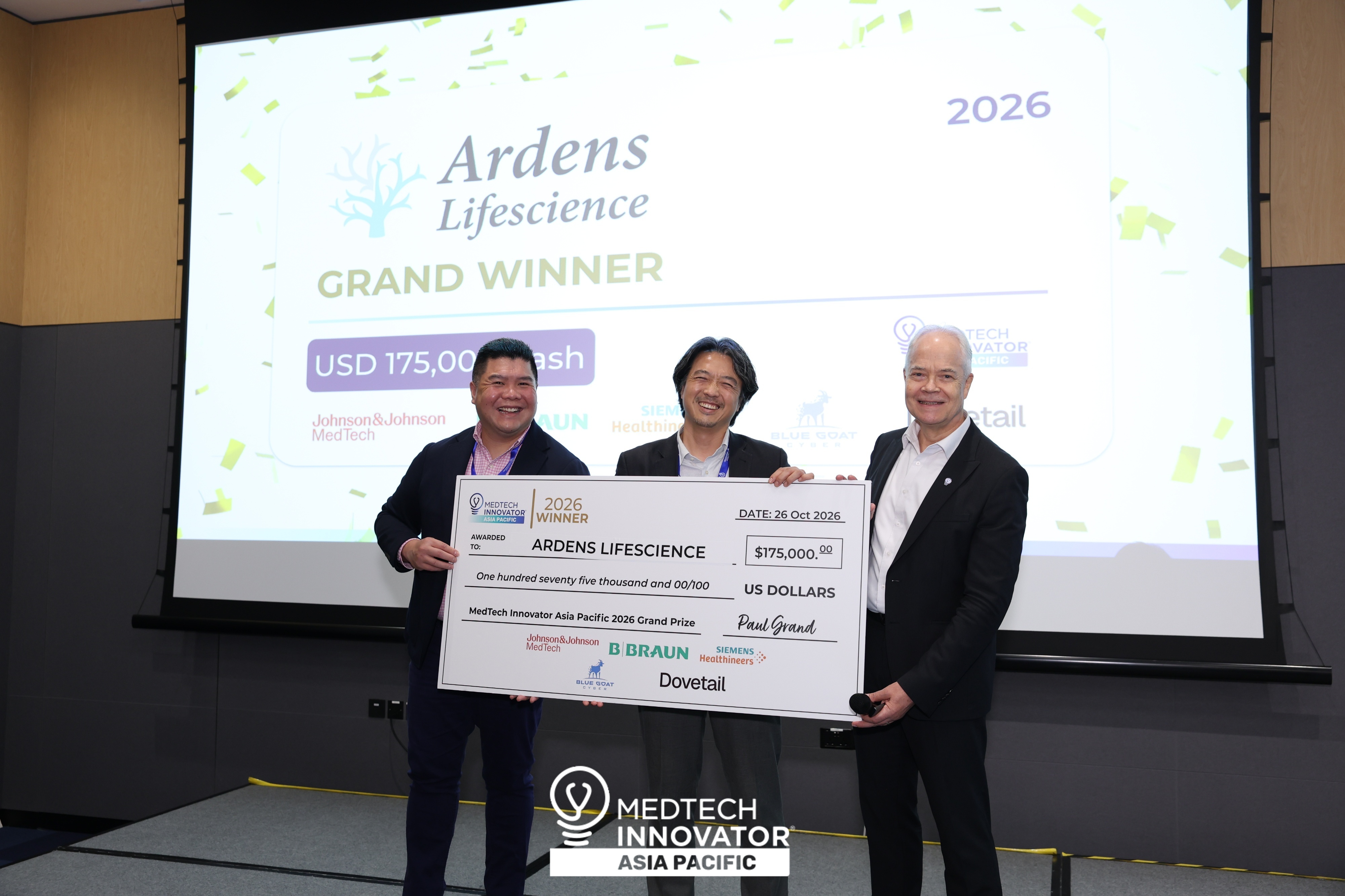
LOS ANGELES & SINGAPORE–(BUSINESS WIRE)–#Innovation—MedTech Innovator (MTI), the world’s largest accelerator of medical device, digital health, and diagnostic companies, today announced Ardens Lifescience as the 2026 MedTech Innovator Asia Pacific Grand Prize Winner, awarding the company USD 175,000 cash prize for its transbronchial radiofrequency (RF) ablation system with a conforming electrode for peripheral lung cancer.


The announcement was made at the MedTech Innovator Asia Pacific Showcase & Grand Finals in Singapore, where four finalists – Ardens Lifescience, BaiYi Healthcare Technology, Eyes of AI, and Physiologas Technology – competed before an audience of industry leaders, investors, healthcare stakeholders and innovators. Following the finalist presentations and a live Q&A with a panel of medtech executives, the audience selected Ardens Lifescience as the 2026 Grand Prize Winner. The three runners-up each received USD 10,000.

“We are incredibly honored to be named the 2026 MedTech Innovator Asia Pacific Grand Prize Winner,” said Alex Park, CEO of Ardens Lifescience. “This recognition is a significant milestone for our team. I believe we were able to become the winner because all of you resonated with and supported our mission to offer more effective, yet less invasive, treatments for patients suffering from lung cancer. With an even greater sense of responsibility, Ardens’ teams will do our best to bring CAROL to the world quickly to provide hope to many lung cancer patients.”

“Ardens Lifescience is advancing an important innovation in the treatment of peripheral lung cancer,” said Paul Grand, founder and CEO of MedTech Innovator. “Its conforming radiofrequency ablation technology has the potential to overcome key limitations of existing treatment approaches, enabling more precise tumor targeting while preserving healthy lung tissue. As earlier detection creates new opportunities to intervene, innovations like CAROL could play an important role in expanding less invasive treatment options for patients. We congratulate Ardens on this well-deserved recognition as our 2026 Asia Pacific Grand Prize Winner.”

The 2026 Grand Finals marked the culmination of MedTech Innovator Asia Pacific’s four-month accelerator program, which brought together 20 promising medical technology companies selected from more than 680 applications across the region and beyond. Representing a diverse range of healthcare technologies, the cohort featured innovations spanning medical devices, diagnostics, digital health, artificial intelligence, surgical technologies, and other emerging areas of healthcare.

The Grand Finals judging panel included Aditya Vaidya, General Manager, Asia Pacific – Heart Recovery, Johnson & Johnson, Santosh Nair, Head of Data & AI Portfolio, Siemens Healthineers, and Esther Kong, Manager, Innovation Research, B.Braun Medical Industries.

In addition to the Grand Prize and runner-up awards, several honors were presented to recognize outstanding achievements among the 2026 cohort:

EnterpriseSG STARTUP SG Grant (SGD 50,000): BaiYi Healthcare Technology, China

Blue Goat Cyber Cybersecurity Award (USD 25,000): mediVR Inc., Japan

Dovetail Regulatory Award (USD 25,000): Lumino Medison, South Korea

Best Video Competition Award (USD 5,000): Ardens Lifescience, South Korea

Throughout the four-month accelerator, participating companies received tailored mentorship, strategic guidance, and opportunities to engage with leading medtech corporations, investors, healthcare stakeholders, and industry experts. Through MedTech Innovator’s global network, the program connected companies with the expertise, partnerships, and resources needed to support clinical development, commercialization, and international growth.

Now in its eighth year, MedTech Innovator Asia Pacific has established a strong regional platform for identifying and advancing promising medical technology companies, fostering collaboration across the healthcare ecosystem, and connecting innovators with strategic partners and market opportunities across Asia Pacific and beyond.

MedTech Innovator Asia Pacific’s 2026 program partners include Johnson & Johnson, B.Braun Medical Industries, Siemens Healthineers, Blue Goat Cyber, Dovetail, Cambridge Consultants, The Mullings Group, and Enterprise Singapore joining as a 2026 partner to support regional expansion and innovation initiatives.

About MedTech Innovator

MedTech Innovator is the world’s largest accelerator of medical device, digital health, and diagnostic companies. Its mission is to improve human health by accelerating the growth of companies transforming patient care. MTI has been a catalyst for groundbreaking healthcare solutions, sourcing more than 20,000 applicants and fostering the growth of 933 graduates. Alumni have collectively raised $12 billion in follow-on funding, seen 66 acquisitions, and introduced 600+ products to the market, improving the health of millions worldwide. For more information about MedTech Innovator Asia Pacific, its annual programs, portfolio of industry-leading startups, and insights on trends, visit MTI’s website, follow MTI on LinkedIn, and subscribe to its monthly newsletter.

Contacts

Media Contact:
Bernice Tan

Program & Marketing Manager

bernice@medtechinnovator.org

AimedBio and Boehringer Ingelheim initiate Phase I study of antibody-drug conjugate BI 4060107

AimedBio and Boehringer Ingelheim initiate Phase I study of antibody-drug conjugate BI 4060107


AimedBio and Boehringer Ingelheim initiate Phase I study of antibody-drug conjugate BI 4060107

First patient dosed in first-in-human study evaluating BI 4060107 in people with advanced solid tumors

Clinical development milestone triggers a payment to AimedBio under the companies’ 2025 global licensing agreement

SEOUL, South Korea–(BUSINESS WIRE)–#ADC—AimedBio today announced that the first patient has been dosed in a Phase I study of BI 4060107, an investigational antibody-drug conjugate (ADC) discovered by AimedBio and now being developed by Boehringer Ingelheim under the companies’ global collaboration and licensing agreement. The first-in-human study (NCT07827144) is evaluating different doses of BI 4060107 in people with advanced solid tumors, with a focus on how well the treatment is tolerated.


Despite significant advances in cancer treatment, many people with advanced solid tumors still lack precision treatment options. ADCs are a promising approach to addressing this challenge, combining the specificity of an antibody with a cancer-cell-killing payload to potentially deliver treatment more precisely to tumor cells while limiting exposure to healthy tissue. BI 4060107 was developed using AimedBio’s proprietary P-ADC™ platform, which takes a patient-driven approach to identifying and validating targets for targeted cancer therapies.

“Dosing the first patient marks an important step for BI 4060107, as the program moves from discovery into clinical evaluation,” said Nam-Gu Her, CEO of AimedBio. “BI 4060107 represents another potential first-in-class ADC discovered by AimedBio to enter clinical development. We look forward to its continued development for patients facing difficult-to-treat cancers.”

AimedBio and Boehringer Ingelheim entered into a global collaboration and licensing agreement in October 2025 for BI 4060107. The investigational compound targets a tumor-selective marker that is highly expressed across a broad spectrum of cancers, minimally present in normal tissues and associated with tumor growth, metastasis and resistance to therapy.

“Starting clinical development is an important step toward our goal of bringing BI 4060107 to people with cancer,” said Vittoria Zinzalla, Global Head of Experimental Medicine at Boehringer Ingelheim. “It reflects our broader ambition in oncology to create unprecedented impact for people facing cancer by pioneering novel approaches and advancing first-in-class treatments.”

With the achievement of this development milestone, AimedBio is eligible to receive a milestone payment from Boehringer Ingelheim under the agreement. Under the collaboration and license agreement, AimedBio is eligible to receive up to $991 million in upfront, development and regulatory, and commercial milestone payments, plus royalties on net sales. The amount of the payment associated with this milestone is not being disclosed.

About AimedBio

AimedBio is a KOSDAQ-listed, clinical-stage biotech company focused on developing first-in-class ADCs, with core strengths in target discovery and validation, antibody discovery, and translational research. Founded in 2018 as a spin-off from Samsung Medical Center, the company integrates patient-derived data and samples throughout discovery and development to advance differentiated cancer therapies.

Contacts

AimedBio

Munyeong Huh

munyeong.huh@aimedbio.com

Mirum Pharmaceuticals Announces Positive Results from Cohort 2 of the Pivotal PROGRESS Study of ATEBRIOZ™ (zilurgisertib) in Pediatric Patients Aged 6 to <12 Years with Fibrodysplasia Ossificans Progressiva

Mirum Pharmaceuticals Announces Positive Results from Cohort 2 of the Pivotal PROGRESS Study of ATEBRIOZ™ (zilurgisertib) in Pediatric Patients Aged 6 to <12 Years with Fibrodysplasia Ossificans Progressiva


Mirum Pharmaceuticals Announces Positive Results from Cohort 2 of the Pivotal PROGRESS Study of ATEBRIOZ™ (zilurgisertib) in Pediatric Patients Aged 6 to <12 Years with Fibrodysplasia Ossificans Progressiva

– Zilurgisertib reduced total HO lesion volume and improved clinician-assessed joint mobility; no zilurgisertib-treated patients developed new HO lesions

– Mirum plans to submit an sNDA in H1 2027 to expand the ATEBRIOZ indication to pediatric patients aged 6 to <12 years

– Safety and efficacy findings consistent with PROGRESS Cohort 1; no new safety signals

FOSTER CITY, Calif.–(BUSINESS WIRE)–Mirum Pharmaceuticals, Inc. (NASDAQ: MIRM), a leading rare disease company, today announced positive results from Cohort 2 of the pivotal PROGRESS study of ATEBRIOZ™ (zilurgisertib), an oral activin receptor-like kinase 2 (ALK2) inhibitor, in pediatric patients aged 6 to <12 years with fibrodysplasia ossificans progressiva (FOP). At Week 24, zilurgisertib reduced total heterotopic ossification (HO) lesion volume and improved clinician-assessed joint mobility. No zilurgisertib-treated patients developed new HO lesions.


The results build on data from PROGRESS Cohort 1, which supported the U.S. Food and Drug Administration (FDA) approval of ATEBRIOZ in September 2026 for adult and pediatric patients aged 12 years and older with FOP. Mirum plans a supplemental New Drug Application (sNDA) submission in H1 2027 to expand the indication to pediatric patients aged 6 to <12 years.

“These results represent an important advance for younger children living with FOP,” said Rob Myers, M.D., Chief Medical Officer of Mirum. “The reduction in total HO volume and absence of new lesions seen with zilurgisertib build on the positive results previously observed in adolescents and adults in Cohort 1 of PROGRESS. We look forward to discussing these findings with the FDA to expand access to ATEBRIOZ for younger children living with this debilitating disease.”

PROGRESS Cohort 2 Results

Cohort 2 of the PROGRESS study enrolled 25 pediatric patients aged 6 to <12 years with FOP. Patients were randomized 1:1 to receive once-daily oral zilurgisertib 75 mg (n=12) or placebo (n=13) during a 24-week double-blind period, followed by an open-label extension. The mean age at baseline was 8.3 years, with a mean of 5.0 years since initial diagnosis. All patients completed the double-blind period and entered the open-label extension.

At Week 24, mean total HO lesion volume decreased by 8.09 cm³ in patients receiving zilurgisertib, compared with an increase of 9.14 cm³ in patients receiving placebo (nominal p=0.003). No zilurgisertib-treated patients developed new HO lesions.

Improvements in clinician-assessed joint mobility were also observed. Joint mobility was assessed using the Cumulative Analogue Joint Involvement Scale (CAJIS), a validated measure of physical function in FOP scored from 0 (no impairment) to 30 (maximum impairment). At Week 24, CAJIS scores improved by a mean of 0.80 points in patients receiving zilurgisertib, compared with 0.09 points in patients receiving placebo. In untreated patients with FOP, CAJIS scores are reported to worsen by approximately 0.5 points per year.1 Key efficacy data from Cohort 2 are shown below in the Efficacy Results table.

Efficacy Results

Endpoint

Zilurgisertib

75 mg QD

Placebo

Key Finding

Mean (SD) change from baseline in total HO lesion volume, cm³

-8.09 (15.58)

n=12

9.14 (11.66)

n=13

Treatment differencea of -14.0 cm³ favoring zilurgisertib (nominal p=0.003).b

Patients with new HO lesions, n (%)

0 (0)

n=12

1 (7.7)

n=13

No new HO lesions with zilurgisertib.

Mean (SD) change from baseline in CAJIS score

-0.80 (1.1)

n=10

-0.09 (1.0)

n=11

Improvement in clinician-assessed joint mobility with zilurgisertib.

a Hodges-Lehmann estimate of treatment difference

b p-value calculated using a Wilcoxon rank-sum test

Zilurgisertib was generally well tolerated, with a safety profile consistent with that observed in PROGRESS Cohort 1. No new safety signals were identified. No patients discontinued treatment during the double-blind period, and no zilurgisertib-treated patients experienced growth plate closure. Additional safety findings included:

  • Most adverse events were mild or moderate in severity.
  • Serious adverse events and Grade ≥3 adverse events were infrequent and occurred less frequently in patients receiving zilurgisertib than in those receiving placebo.
  • Adverse events occurring in more than 10% of zilurgisertib-treated patients and at a higher frequency than with placebo included arthralgia, cough, pyrexia, and vomiting (3 subjects each), and alopecia, epistaxis, fall, iron deficiency, and nasopharyngitis (2 subjects each).

“FOP is a devastating genetic disease that leads to progressive loss of mobility, independence, quality of life, and shortened lifespan,” said Frederick S. Kaplan, M.D., Isaac and Rose Nassau Professor of Orthopaedic Molecular Medicine at the University of Pennsylvania Perelman School of Medicine. “Childhood is a critical window in FOP, so a therapy targeting the underlying cause of the disease is especially important for this young age group. Results such as these offer hope that we may be able to slow disease progression in children before its most serious consequences arise.”

ATEBRIOZ is approved by the U.S. FDA to reduce the volume of total new HO in adult and pediatric patients aged 12 years and older with FOP. Total new HO lesion volume includes expansion of baseline HO lesion burden as well as any new discrete HO that developed during the 24-week double-blind period.

Full Cohort 2 results will be presented at an upcoming medical meeting. Cohort 3 of the PROGRESS study, which is evaluating zilurgisertib in pediatric patients aged 2 to <12 years, is currently enrolling.

ATEBRIOZ is available in the U.S. through Mirum Access Plus (MAP), a patient support program designed to help patients, families, and healthcare providers navigate treatment access. MAP provides insurance coverage and access support, financial assistance for eligible patients, personalized patient support, and educational resources for patients and caregivers. Eligible patients can pay as little as $0 per month. To learn more, call 855-MRM-4YOU (1-855-676-4968) or visit atebrioz.com.

About ATEBRIOZ™ (zilurgisertib) tablets

ATEBRIOZ™ (zilurgisertib) tablets are a once-daily oral activin receptor-like kinase 2 (ALK2) inhibitor approved by the U.S. Food and Drug Administration (FDA) to reduce the volume of total new heterotopic ossification in adult and pediatric patients aged 12 years and older with Fibrodysplasia Ossificans Progressiva (FOP). In people living with FOP, pathogenic variants in the ACVR1 gene result in abnormal activation of ALK2, leading to the formation of bone in muscles, tendons, ligaments and other soft tissues through a process known as heterotopic ossification (HO). For more information, please visit atebrioz.com.

Mirum Pharmaceuticals, Inc. licensed zilurgisertib from Incyte for worldwide development and commercialization.

IMPORTANT SAFETY INFORMATION

ATEBRIOZ is contraindicated in pregnancy. ATEBRIOZ can cause fetal harm based on data from animal studies. Patients of reproductive potential should use effective contraception and should immediately discontinue ATEBRIOZ and contact their healthcare provider if pregnancy occurs.

US Prescribing Information

About the PROGRESS Study

PROGRESS is a global, randomized, double-blind, placebo-controlled Phase 2 study evaluating the efficacy and safety of zilurgisertib in patients with fibrodysplasia ossificans progressiva (FOP). PROGRESS Cohort 1 enrolled 63 patients 12 years of age and older who were randomized 1:1 to receive zilurgisertib 100 mg once daily or placebo during a 24-week double-blind treatment period, followed by an open-label extension. Results from Cohort 1 have been reported through Week 48.

The PROGRESS study is also evaluating the safety and efficacy of zilurgisertib in younger patients with FOP. Cohort 2 enrolled 25 patients aged 6 to <12 years who were randomized 1:1 to receive zilurgisertib 75 mg once daily or placebo during a 24-week double-blind treatment period, followed by an open-label extension. Cohort 3, which is evaluating zilurgisertib in patients aged 2 to <12 years, is currently enrolling.

About Fibrodysplasia Ossificans Progressiva (FOP)

Fibrodysplasia ossificans progressiva (FOP) is an ultra-rare, progressive genetic disease affecting approximately 300 people in the United States and 900 worldwide. FOP is characterized by heterotopic ossification (HO), a process in which bone forms in muscles, tendons, ligaments and other soft tissues. Symptoms typically become apparent in early childhood, and the number and volume of HO lesions increase over time, progressively restricting movement and limiting mobility, daily function, and independence.

About Mirum Pharmaceuticals

Mirum Pharmaceuticals (NASDAQ: MIRM) is a leading rare disease company with a global footprint of approved products and a broad pipeline of investigational medicines. Purpose-built to bring forward breakthrough medicines for people with overlooked conditions, Mirum focuses on rare liver and rare genetic diseases, where it has built deep expertise and strong connections to patient communities. The company’s commercial portfolio includes LIVMARLI® (maralixibat) for Alagille syndrome (ALGS) and progressive familial intrahepatic cholestasis (PFIC), ATEBRIOZ™ (zilurgisertib) for fibrodysplasia ossificans progressiva (FOP), CHOLBAM® (cholic acid) for bile-acid synthesis disorders and CTEXLI® (chenodiol) for cerebrotendinous xanthomatosis (CTX).

Mirum’s clinical-stage pipeline includes volixibat, an IBAT inhibitor in late-stage development for primary sclerosing cholangitis (PSC) and primary biliary cholangitis (PBC), brelovitug, a fully human monoclonal antibody in late-stage development for chronic hepatitis delta virus (HDV) and MRM-3379, a PDE4D inhibitor being evaluated for Fragile X syndrome (FXS).

Mirum’s success is driven by a team dedicated to advancing high impact medicines through strategic development, disciplined execution and purposeful collaboration across the rare disease ecosystem. Learn more at https://mirumpharma.com/ and follow Mirum on Facebook, LinkedIn, Instagram and X.

Mirum Forward-Looking Statements

Statements contained in this press release regarding matters that are not historical facts are “forward-looking statements” within the meaning of the Private Securities Litigation Reform Act of 1995. Such forward-looking statements include statements regarding, among other things, expectations regarding the timing, enrollment or results of clinical trials for zilurgisertib, the potential benefit of zilurgisertib in real world settings versus clinical trial settings, including the potential to slow disease progression in children before FOP’s most serious consequences arise, the timing of regulatory engagement with the FDA and any resulting submission of an sNDA for ages 6 to <12, the importance of ATEBRIOZ™ as an additional therapy for the treatment of FOP, the potential presentation of zilurgisertib clinical results at an upcoming medical meeting, cost to patients and methods of availability. Because such statements are subject to risks and uncertainties, actual results may differ materially from those expressed or implied by such forward-looking statements. Words such as “plan,” “may,” “expected,” “will,” “could,” “would,” “guidance,” “potential,” “continue” and similar expressions are intended to identify forward-looking statements. These forward-looking statements are based upon Mirum’s current expectations and involve assumptions that may never materialize or may prove to be incorrect. Actual results could differ materially from those anticipated in such forward-looking statements as a result of various risks and uncertainties, which include, without limitation, risks and uncertainties associated with the development of investigational medicines generally, including the failure of future studies to generate the same or similar data as prior studies, risks inherent in the regulatory submission process in the U.S., risks and uncertainties associated with Mirum’s business in general, the impact of geopolitical and macroeconomic events, and the other risks described in Mirum’s Quarterly Report for the quarter ended June 30, 2026, filed with the Securities and Exchange Commission on August 5, 2026, and subsequent filings with the Securities and Exchange Commission, which are available at www.sec.gov. All forward-looking statements contained in this press release speak only as of the date on which they were made and are based on management’s assumptions and estimates as of such date. Mirum undertakes no obligation to update such statements to reflect events that occur or circumstances that exist after the date on which they were made, except as required by law.

Mirum and the Mirum logo are trademarks of Mirum Pharmaceuticals, Inc.

References

1Pignolo RJ, et al. Orphanet J Rare Dis. 2019;14:113.

Contacts

Mirum Investor Contact:
Andrew McKibben

ir@mirumpharma.com

Mirum Media Contact:
Meredith Kiernan

media@mirumpharma.com

Aptar Pharma Acquires Pulmotree, Expanding Growth Opportunities in Next-Generation Pulmonary Drug Delivery

Aptar Pharma Acquires Pulmotree, Expanding Growth Opportunities in Next-Generation Pulmonary Drug Delivery


Aptar Pharma Acquires Pulmotree, Expanding Growth Opportunities in Next-Generation Pulmonary Drug Delivery

Acquisition is expected to accelerate development and commercialization of Kolibri™ and expand Aptar Pharma’s respiratory drug delivery platform

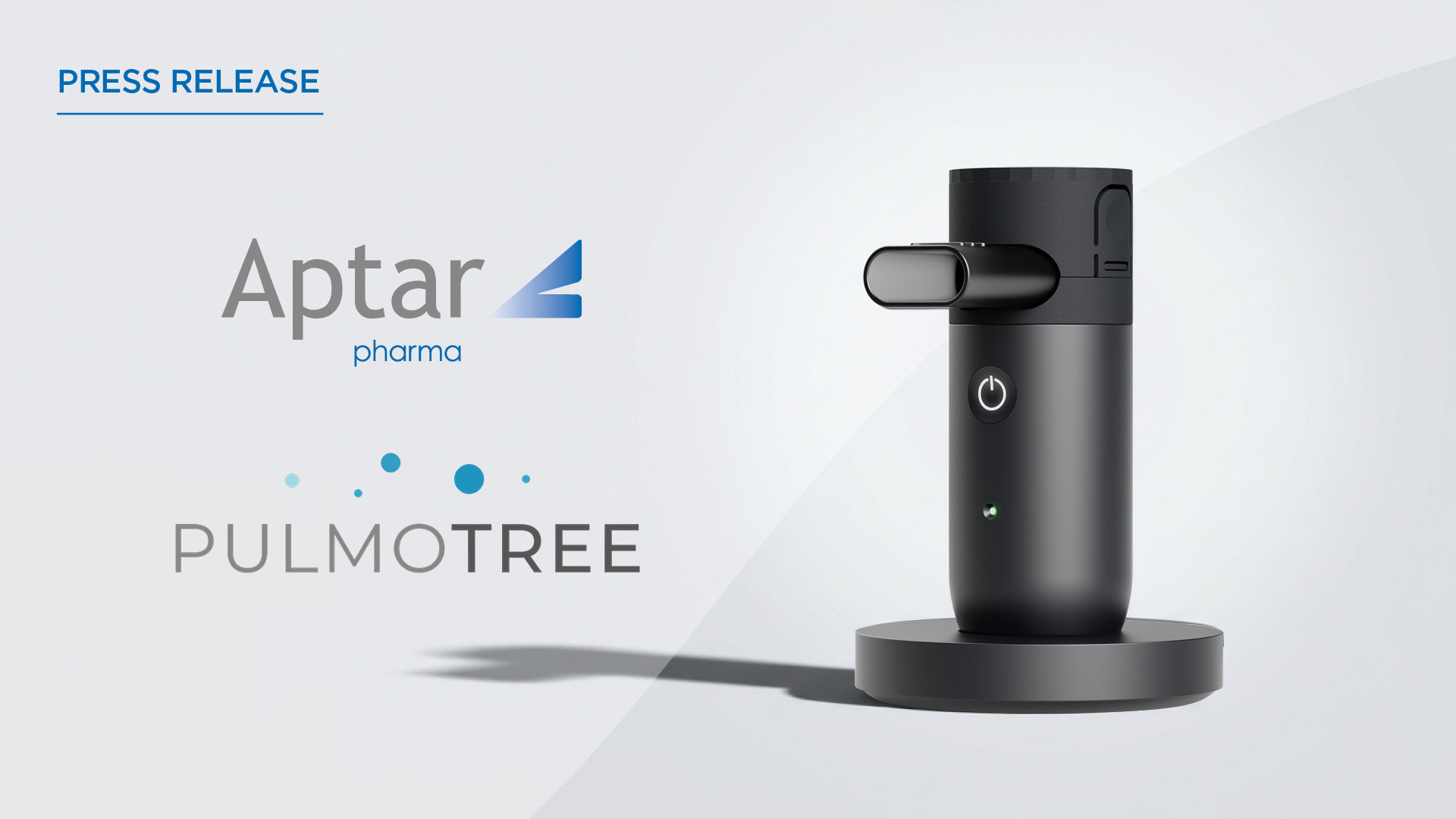
CRYSTAL LAKE, Ill.–(BUSINESS WIRE)–Aptar Pharma, a global leader in drug delivery, dosing, protection technologies and services, today announced the strategic acquisition of PULMOTREE, a Munich, Germany-based life science company specializing in pulmonary drug delivery systems for targeted delivery to the lungs. The acquisition is expected to accelerate the development, industrialization and commercialization of PULMOTREE’s Kolibri™ Non-Propellant Liquid Inhaler (NPLI) platform.


The acquisition is intended to expand Aptar Pharma’s opportunities for growth in respiratory drug delivery by adding a differentiated non-propellant platform capable of supporting the delivery of complex molecules, including biologics.

“The acquisition of PULMOTREE is an important step in expanding Aptar Pharma’s leadership in respiratory drug delivery and broadening the opportunities we can address with our pharmaceutical partners,” said Gael Touya, President and CEO of Aptar. “Kolibri™ brings a differentiated technology to our portfolio with the potential to support increasingly complex inhaled therapies, including biologics. By combining this platform with Aptar Pharma’s formulation, device development, regulatory, manufacturing and patient-support capabilities, we can help customers move innovative therapies from development toward commercialization while creating new avenues for long-term growth.”

Jonathan Mulpas, Director of Business Development, Pulmonary Category, Aptar Pharma, stated, “Our collaboration with PULMOTREE over the past two years has enabled pharmaceutical partners to evaluate and gain hands-on experience with the Kolibri™ platform. The interest we have seen reinforces our belief that there is a need for this differentiated patient-centric technology designed to support the next generation of inhaled therapies.”

Ulf Krüger, CEO of PULMOTREE, stated, “The partnership between PULMOTREE and Aptar Pharma has been built on close, trust-based collaboration, and joining Aptar is the natural next step on that shared path. For our customers and partners, this acquisition is intended to provide continuity in the technology – now backed by the reach and resources of a global organization.”

Beyond expanding Aptar Pharma’s respiratory device portfolio, the acquisition is expected to create opportunities to deepen customer relationships and capture greater value across the drug development lifecycle. By leveraging offerings within Aptar Pharma companies such as Nanopharm’s formulation development and analytical expertise, Noble’s Human Factors support and patient onboarding, and Aptar Digital Health’s services, Aptar Pharma can customize drug formulation development, optimize device design, and support efforts to improve patient outcomes to provide their customers with a value-added finished product.

Non-Propellant Liquid Inhalers encompass nebulizers and soft-mist inhalers and are being developed as an alternative to propellant-based systems. PULMOTREE’s Kolibri™ utilizes a robust breath-triggered Vibrating Mesh aerosolization engine with unique breath-guidance capabilities designed to enhance targeted lung deposition. The award-winning Kolibri™ technology incorporates advanced connectivity features that can support treatment monitoring, patient engagement and the generation of real-world therapy insights.

Building on the exclusive collaboration agreement established with PULMOTREE in 2024, Aptar Pharma intends to leverage its comprehensive capabilities and services, including regulatory, manufacturing and commercial expertise, with a goal of providing pharmaceutical partners with a clear pathway from development through clinical evaluation and market launch for Kolibri™.

About Aptar Pharma

Aptar Pharma is part of AptarGroup, Inc. (NYSE:ATR), a global leader in drug delivery, dosing and protection technologies, and consumer product dispensing. Aptar partners with the world’s top healthcare and consumer brands to deliver medicines and create exceptional user experiences. Serving diverse markets, from pharmaceutical to beauty to food and beverage, Aptar combines market expertise with proprietary design, engineering and science to develop innovative solutions that help improve lives worldwide. Headquartered in Crystal Lake, Illinois, Aptar employs 14,000 dedicated people across 20 countries. Learn more at http://www.aptar.com.

This press release contains forward-looking statements, including statements regarding the anticipated benefits of the acquisition of PULMOTREE; the development, industrialization and commercialization of the Kolibri™ Non-Propellant Liquid Inhaler platform; expected growth opportunities in respiratory drug delivery; the integration of PULMOTREE’s technology with Aptar Pharma’s capabilities and services; and customer interest in and demand for the platform. Forward-looking statements generally can be identified by the fact that they do not relate strictly to historical or current facts and by use of words such as “expects,” “anticipates,” “believes,” “intends,” “aims,” “designed,” “potential,” “opportunities,” “accelerate,” “expand,” “create,” “future” and other similar expressions, or future or conditional verbs such as “will,” “can,” “should,” “would” and “could,” which are intended to identify such forward-looking statements. Forward-looking statements are made pursuant to the safe harbor provisions of Section 27A of the Securities Act of 1933 and Section 21E of the Securities Exchange Act of 1934 and are based on our beliefs as well as assumptions made by and information currently available to us. Accordingly, our actual results or other events may differ materially from those expressed or implied in such forward-looking statements due to known or unknown risks and uncertainties that exist in our operations and business environment including, but not limited to: our ability to successfully integrate PULMOTREE and to realize the anticipated benefits of the acquisition; the timing, cost and success of the development, industrialization, regulatory approval and commercialization of the Kolibri™ platform and of our customers’ products incorporating it; customer adoption of and demand for non-propellant inhalation technologies; our ability to retain PULMOTREE’s key personnel and customer relationships; our ability to protect and enforce intellectual property relating to the Kolibri™ platform; the regulatory environment, including regulation of drug-device combination products and connected-health features; and competition, including technological advances. For additional information on these and other risks and uncertainties, please see our filings with the Securities and Exchange Commission, including the discussion under “Risk Factors” and “Management’s Discussion and Analysis of Financial Condition and Results of Operations” in our Form 10-Ks and Form 10-Qs. We undertake no obligation to update publicly any forward-looking statements, whether as a result of new information, future events or otherwise, except as required by law.

Contacts

Media Contact
Ciara Jackson

Aptar Pharma

ciara.jackson@aptar.com

PolyPeptide announces results of the extraordinary general meeting of shareholders

PolyPeptide Group

/ Key word(s): AGMEGM

PolyPeptide announces results of the extraordinary general meeting of shareholders

26.10.2026 / 19:10 CET/CEST


Media Release

PolyPeptide announces results of the extraordinary general meeting of shareholders

Baar, 26 October 2026 – PolyPeptide Group AG (“PolyPeptide”) (SIX: PPGN), a specialized global CDMO for peptide-based active pharmaceutical ingredients, announced that the shareholders approved all proposals by its board of directors (the “Board”) at today’s extraordinary general meeting of shareholders.

In particular, the shareholders elected John Chongbo Rim, Seungho Ryu, Cheol Woo Ryu, Mihyun Yang and Joonkyung Seong as members of the Board for a term of office ending at the conclusion of the next annual general meeting. John Chongbo Rim was elected as chair of the Board, and Cheol Woo Ryu and Seungho Ryu were elected as members of the Remuneration and Nomination Committee, in each case for a term of office ending at the conclusion of the next annual general meeting. All elections are subject to and effective as of the settlement of the public tender offer by Samsung Peptide AG, a wholly owned subsidiary of Samsung Biologics Co., Ltd., for all publicly held registered shares of PolyPeptide.

The shareholders also resolved, subject to the satisfaction or waiver of all of the offer conditions set forth in the offer prospectus of Samsung Peptide AG dated 31 August 2026 (the “Offer Prospectus”), other than the offer condition set forth in section B.7.1(e) of the Offer Prospectus, to remove from the articles of association of PolyPeptide the transfer restrictions (Vinkulierung) and the voting limitations (Stimmrechtsbeschränkungen).


Contact

PolyPeptide Group AG   
Strategic Marketing and Corporate Communications
Laura Rosso    
mediateam@polypeptide.com
T: +41 43 502 0580

PolyPeptide Group AG 
Finance / Investor Relations
Tim Brandl
investorrelations@polypeptide.com 
T: +41 43 502 0580 
 

About PolyPeptide

PolyPeptide Group AG and its consolidated subsidiaries (“PolyPeptide”) is a specialized Contract Development & Manufacturing Organization (CDMO) for peptide-based active pharmaceutical ingredients. By supporting its customers mainly in pharma and biotech, it contributes to the health of millions of patients across the world. PolyPeptide serves a fast-growing market, offering products and services from pre-pre-clinical to commercial stages. Its broad portfolio reflects the opportunities in drug therapies across areas and with significant exposure to metabolic diseases, including GLP-1. Dating back to 1952, PolyPeptide today runs a global network of six GMP-certified facilities in Europe, the U.S. and India. PolyPeptide’s shares (SIX: PPGN) are listed on SIX Swiss Exchange. For more information, please visit polypeptide.com.

@PolyPeptide — follow us on LinkedIn

Forward-looking Information and Statements

This media release has been prepared by PolyPeptide Group AG and contains certain forward-looking statements that reflect the current views of management. Such statements are subject to known and unknown risks, uncertainties and other factors that may cause actual developments to differ materially from those expressed or implied in this release. PolyPeptide Group AG is providing the information in this release as of this date and, except as required by applicable laws or regulations, does not undertake any obligation to update any statements contained in it as a result of new information, future events or otherwise.


Additional features:

File: PolyPeptide_EGM Results 2026_ENG


End of Media Release


Language: English
Company: PolyPeptide Group
Neuhofstrasse 24
6340 Baar
Switzerland
Phone: +41435020580
E-mail: mediateam@polypeptide.com
Internet: www.polypeptide.com
ISIN: CH1110760852
Valor: 111076085
Listed: SIX Swiss Exchange
EQS News ID: 2422544

 
End of News EQS News Service

2422544  26.10.2026 CET/CEST

Viromed Medical AG: Successful Completion of Capital Increase

Viromed Medical AG

/ Key word(s): Capital Increase

Viromed Medical AG: Successful Completion of Capital Increase

26.10.2026 / 17:52 CET/CEST

The issuer is solely responsible for the content of this announcement.


Viromed Medical AG: Successful Completion of Capital Increase

Rellingen, October 26, 2026 – Viromed Medical AG (“Viromed”; ISIN: DE000A40ZVN7) has successfully completed the capital increase announced today. A total of 450,000 new registered no-par value shares were placed at a placement price of EUR 4.50 per share. The gross proceeds amount to approximately EUR 2 million and will be used to finance the company’s working capital.

Subject to the registration of the implementation of the capital increase in the commercial register, the share capital will increase from EUR 21,250,000 by EUR 450,000 to EUR 21,700,000. The capital increase was carried out by partially utilizing the Authorized Capital 2025 and with the exclusion of the shareholders’ subscription rights.


About Viromed Medical AG

Viromed Medical AG specializes in the development, manufacture and distribution of medical products. The operating business of the company, which has been listed on the stock exchange since October 2022, focuses on the distribution of innovative cold plasma technology for medical applications via its wholly owned subsidiary Viromed Medical GmbH. Viromed can draw on a broad customer base in the DACH region and beyond. Viromed is pursuing the goal of further advancing the use of cold plasma technology in medicine in the coming years and realizing the corresponding growth potential.

www.viromed-medical-ag.de

Contact Viromed

E-Mail: kontakt@viromed-medical.de
 

Press contact

E-mail: viromed@kirchhoff.de


26.10.2026 CET/CEST Dissemination of a Corporate News, transmitted by EQS News – a service of EQS Group.
The issuer is solely responsible for the content of this announcement.

The EQS Distribution Services include Regulatory Announcements, Financial/Corporate News and Press Releases.


Language: English
Company: Viromed Medical AG
Hauptstraße 105
25462 Rellingen
Germany
E-mail: kontakt@viromed-medical.de
Internet: https://www.viromed-medical-ag.de/
ISIN: DE000A40ZVN7
WKN: A40ZVN
Listed: Regulated Unofficial Market in Dusseldorf, Frankfurt, Hamburg, Tradegate BSX
LEI Code: 894500XR05MYCVCCR171
EQS News ID: 2422458

 
End of News EQS News Service

2422458  26.10.2026 CET/CEST

Pfizer’s TALZENNA Plus XTANDI FDA-Approved for an Earlier Metastatic Prostate Cancer Treatment Setting

Pfizer’s TALZENNA Plus XTANDI FDA-Approved for an Earlier Metastatic Prostate Cancer Treatment Setting


Pfizer’s TALZENNA Plus XTANDI FDA-Approved for an Earlier Metastatic Prostate Cancer Treatment Setting

TALZENNA plus XTANDI is now approved for HRR gene-mutated metastatic androgen pathway modulation-naïve or -sensitive prostate cancer, offering a potential new standard of care earlier in the course of disease

Approval based on pivotal Phase 3 TALAPRO-3 data, which showed an estimated 52% reduction in the risk of radiographic progression or death

NEW YORK–(BUSINESS WIRE)–Pfizer Inc. (NYSE: PFE) today announced that the U.S. Food and Drug Administration (FDA) has expanded approval of TALZENNA® (talazoparib) in combination with XTANDI® (enzalutamide) to the treatment of men with metastatic androgen pathway modulation-naïve or -sensitive (mAPMN/S) prostate cancer (PC) with homologous recombination repair (HRR) gene mutations, including both BRCA and non-BRCA mutations. mAPMN/S is also known as metastatic hormone-sensitive prostate cancer (mHSPC). This approval makes TALZENNA, an oral poly ADP-ribose polymerase (PARP inhibitor), plus XTANDI, an androgen receptor pathway inhibitor (ARPI), available in an earlier line, providing an opportunity to delay disease progression at a critical stage when more patients may experience greater benefit.
“Today’s approval of TALZENNA plus XTANDI builds on its established role as a standard-of-care option for men with advanced prostate cancer. Moving this targeted therapy into the androgen pathway modulation-naïve or -sensitive setting further reflects our commitment to men with HRR-mutated metastatic prostate cancer, providing a new option at a stage where it may have a greater impact to delay progression.”

– Aamir Malik, Executive Vice President, Chief U.S. Commercial Officer, Pfizer

“This approval represents a critical advancement for patients with newly diagnosed metastatic prostate cancer with HRR gene mutations, who face a more aggressive disease, worse prognosis, and limited treatment options. In the TALAPRO-3 trial, clinical benefits were consistent for patients with BRCA and non-BRCA HRR gene mutations, addressing a long-standing unmet need – and reinforcing the importance of biomarker testing at the time of diagnosis.”

– Neeraj Agarwal, M.D., FASCO, Co-director of Prostate Cancer Program at Harvard Cancer Consortium, faculty medical oncologist at Dana-Farber Cancer Institute, and global lead investigator for TALAPRO-3

TALZENNA plus XTANDI was first approved in the U.S. in 2023 for men with metastatic androgen pathway modulation resistant (mAPMR) PC with HRR gene mutations, also known as HRRm metastatic castration-resistant prostate cancer (mCRPC). The application to expand the indication was reviewed under FDA Priority Review and was supported by results from the Phase 3 TALAPRO-3 study.

Key Results from the Pivotal Phase 3 TALAPRO-3 Study

  • Improved Radiographic Progression-Free Survival (rPFS): TALZENNA plus XTANDI reduced the risk of radiographic progression or death by 52% vs. placebo plus XTANDI (Hazard Ratio [HR] of 0.48; 95% Confidence Interval [CI], 0.36–0.65; p ˂ 0.0001) in patients with mAPMN/S PC with HRR gene mutations and an estimated 77% of patients remained progression-free at three years. Consistent benefit was observed across patients with BRCA and non-BRCA HRR gene mutations.
  • Consistent Safety Profile: The safety profile was consistent with the known profiles of each agent, and no new safety signals were identified. The most common treatment-emergent adverse events (TEAEs) in the TALZENNA plus XTANDI group were anemia, fatigue, decreased neutrophil count, and asthenia. The most common grade 3 or higher TEAE was anemia, reported by 51% in the TALZENNA plus XTANDI group and 3% in the control group. Five percent of patients discontinued TALZENNA due to anemia. TEAEs were generally manageable with dose modifications and supportive care as needed.
  • Published Previously: These results were presented at the 2026 American Society of Clinical Oncology (ASCO) Annual Meeting and simultaneously published in The New England Journal of Medicine.

About the TALAPRO-3 Phase 3 Study

  • TALAPRO-3 (NCT04821622) is a multicenter, randomized, double-blind, placebo-controlled study that enrolled 599 patients with mAPMN/S PC with ≤3 months of androgen deprivation therapy (ADT) [chemical or surgical] with or without an approved ARPI in the mAPMN/S setting at sites in the U.S., Canada, Europe, South America, and the Asia-Pacific region.
  • Patients were randomized to receive TALZENNA 0.5 mg/day plus XTANDI 160mg/day, or placebo plus XTANDI 160mg/day.
  • The primary endpoint is investigator-assessed rPFS, defined as the time from the date of randomization to radiographic progression in soft tissue per Response Evaluation Criteria in Solid Tumors version 1.1 (RECIST 1.1), or in bone per Prostate Cancer Working Group 3 (PCWG3) criteria by investigator assessment, or death, whichever occurs first.

About mAPMN/S PC (mHSPC)

  • mAPMN/S PC is a form of advanced prostate cancer that has spread beyond the prostate but is still sensitive to androgen deprivation therapy.1
  • Approximately 25% of patients with mAPMN/S PC (mHSPC) harbor HRR gene mutations.2

Advancing Pfizer’s Leadership in Genitourinary Cancers

This milestone reflects Pfizer’s 20-year commitment to driving advances in genitourinary cancers, and its efforts to advance precision medicines into earlier stages of disease, where they may have even more impact for patients. TALZENNA plus XTANDI is an established standard of care for HRR gene-mutated mAPMR PC and this FDA approval brings the combination to men at an earlier stage of disease, when delaying disease progression may have an even greater impact. An application is also under review by the European Medicines Agency (EMA), with additional global regulatory filings planned or underway. The FDA conducted their review of TALZENNA plus XTANDI under Project Orbis, an Oncology Center of Excellence initiative that provides a framework for concurrent submission and review of oncology drugs among international partners.

Related Content

About TALZENNA® (talazoparib)

TALZENNA is an oral inhibitor of poly ADP-ribose polymerase (PARP), which plays a role in DNA damage repair. Preclinical studies have demonstrated that TALZENNA blocks PARP enzyme activity and traps PARP at the site of DNA damage, leading to decreased cancer cell growth and cancer cell death.

TALZENNA was initially approved in the U.S., EU, and multiple other regions as a single agent for the treatment of adult patients with deleterious or suspected deleterious gBRCAm HER2-negative locally advanced or metastatic breast cancer.

TALZENNA in combination with XTANDI was approved by the U.S. Food and Drug Administration (FDA) for the treatment of adult patients with HRR gene-mutated metastatic androgen pathway modulation resistant (mAPMR) PC in June 2023. The combination was also approved by the European Commission in January 2024 for the treatment of adult patients with mCRPC in whom chemotherapy is not clinically indicated. TALZENNA in combination with XTANDI is approved in more than 60 countries; indications vary by country.

About XTANDI® (enzalutamide)

XTANDI (enzalutamide) is an androgen receptor pathway inhibitor. XTANDI is a standard of care and has received regulatory approvals around the world for use in men with metastatic hormone-sensitive prostate cancer (mHSPC), mCRPC, non-metastatic castration-resistant prostate cancer (nmCRPC), and non-metastatic hormone-sensitive prostate cancer (nmHSPC) with high-risk biochemical recurrence (BCR). XTANDI is currently approved for one or more of these indications in more than 80 countries, including in the United States, European Union, and Japan. Over 1.5 million patients have been treated with XTANDI globally.3

XTANDI® is jointly developed and commercialized by Pfizer and Astellas in the United States.

TALZENNA® (talazoparib) Indications in the U.S.

TALZENNA is a poly (ADP-ribose) polymerase (PARP) inhibitor indicated for:

Breast Cancer:

As a single agent, for the treatment of adult patients with deleterious or suspected deleterious germline BRCA-mutated (gBRCAm) HER2‑negative locally advanced or metastatic breast cancer. Select patients for therapy based on an FDA‑authorized companion diagnostic for TALZENNA.

Prostate Cancer:

In combination with enzalutamide for the treatment of adult patients with:

  • metastatic androgen pathway modulation-resistant (mAPMR) prostate cancer with homologous recombination repair (HRR) gene mutations, as detected by an FDA-authorized test.
  • metastatic androgen pathway modulation-naïve or -sensitive (mAPMN/S) prostate cancer with HRR gene mutations, as detected by an FDA-authorized test.

IMPORTANT SAFETY INFORMATION 

WARNINGS AND PRECAUTIONS 

Myelodysplastic Syndrome/Acute Myeloid Leukemia (MDS/AML), including cases with a fatal outcome, has been reported in patients who received TALZENNA. In clinical studies, among 1,096 patients treated with TALZENNA as a single agent or as part of a combination regimen with enzalutamide, the cumulative incidence of MDS/AML was approximately 1% including 0.6% with fatal outcomes. The incidence of MDS/AML among patients treated with active control or with placebo in combination with enzalutamide was 0.2%. The median duration of therapy with TALZENNA in patients who developed MDS/AML was approximately 2.8 years (range: 1 to 5.8 years).  

Do not start TALZENNA until patients have adequately recovered from hematological toxicity caused by previous chemotherapy. Monitor blood counts monthly during treatment with TALZENNA. For prolonged hematological toxicities, interrupt TALZENNA and monitor blood counts weekly until recovery. If counts do not recover within 4 weeks, refer the patient to a hematologist for further investigations including bone marrow analysis and blood sample for cytogenetics. If MDS/AML is confirmed, discontinue TALZENNA. 

Myelosuppression consisting of anemia, leukopenia/neutropenia, and/or thrombocytopenia has been reported in patients treated with TALZENNA. Grade ≥ 3 anemia, neutropenia, and thrombocytopenia were reported, respectively, in 49%, 19%, and 9% of patients receiving TALZENNA in combination with enzalutamide. Forty-one percent of patients required a red blood cell transfusion, including 25%  who required more than one transfusion. Discontinuation due to anemia, neutropenia, and thrombocytopenia occurred, respectively, in 7%, 4%, and 1% of patients. 

Withhold TALZENNA until patients have adequately recovered from hematological toxicity caused by previous therapy. Monitor blood counts monthly during treatment with TALZENNA. If hematological toxicities do not resolve within 28 days, discontinue TALZENNA and refer the patient to a hematologist for further investigations including bone marrow analysis and blood sample for cytogenetics. 

Embryo-Fetal Toxicity TALZENNA can cause fetal harm when administered to a pregnant woman. Advise male patients with female partners of reproductive potential or who are pregnant to use effective contraception during treatment and for 4 months following the last dose of TALZENNA. 

ADVERSE REACTIONS 

In the pooled safety population of 810 patients with prostate cancer, the most common (≥ 20%) adverse reactions including laboratory abnormalities were decreased hemoglobin (86%), decreased neutrophils (68%), decreased lymphocytes (62%), decreased platelets (54%), fatigue (48%), decreased albumin (26%), decreased calcium (26%), back pain (24%), decreased appetite (22%), and nausea (21%). 

DRUG INTERACTIONS 

Coadministration With P-gp Inhibitors The effect of coadministration of P-gp inhibitors on talazoparib exposure when TALZENNA is taken with enzalutamide has not been studied. Monitor patients for increased adverse reactions and modify the dosage as recommended for adverse reactions when TALZENNA is coadministered with a P-gp inhibitor. 

Coadministration With BCRP Inhibitors Monitor patients for increased adverse reactions and modify the dosage as recommended for adverse reactions when TALZENNA is coadministered with a BCRP inhibitor. Coadministration of TALZENNA with BCRP inhibitors may increase talazoparib exposure, which may increase the risk of adverse reactions. 

USE IN SPECIFIC POPULATIONS 

Males of Reproductive Potential Based on animal studies, TALZENNA may impair fertility.  

Renal Impairment Reduce the recommended dosage of TALZENNA in patients with moderate (CLcr 30 – 59 mL/min) and severe (CLcr 15 – 29 mL/min) renal impairment. No dose adjustment is required for patients with mild renal impairment. TALZENNA has not been studied in patients requiring hemodialysis. 

INDICATIONS 

TALZENNA is indicated in combination with enzalutamide for the treatment of adult patients with:

  • Metastatic androgen pathway modulation-resistant (mAPMR) prostate cancer with homologous recombination repair gene mutations (HRRm), as detected by an FDA-authorized test
  • Metastatic androgen pathway modulation-naïve or -sensitive (mAPMN/S) prostate cancer with homologous recombination repair gene mutations (HRRm), as detected by an FDA-authorized test

Please see the Full Prescribing Information for TALZENNA. There may be a delay as the document is updated with the latest information. It will be available as soon as possible. Please check back for the updated full information shortly.

XTANDI® (enzalutamide) Indications in the U.S.

XTANDI (enzalutamide) is indicated for the treatment of patients with:

  • castration-resistant prostate cancer (CRPC)
  • metastatic castration-sensitive prostate cancer (mCSPC)
  • nonmetastatic castration sensitive prostate cancer (nmCSPC) with biochemical recurrence at high risk for metastasis (high-risk BCR)

XTANDI® (enzalutamide) U.S. Important Safety Information

Warnings and Precautions

Seizure occurred in 0.6% of patients receiving XTANDI in eight randomized clinical trials. In a study of patients with predisposing factors for seizure, 2.2% of XTANDI-treated patients experienced a seizure. It is unknown whether anti-epileptic medications will prevent seizures with XTANDI. Patients in the study had one or more of the following predisposing factors: use of medications that may lower the seizure threshold, history of traumatic brain or head injury, history of cerebrovascular accident or transient ischemic attack, and Alzheimer’s disease, meningioma, or leptomeningeal disease from prostate cancer, unexplained loss of consciousness within the last 12 months, history of seizure, presence of a space occupying lesion of the brain, history of arteriovenous malformation, or history of brain infection. Advise patients of the risk of developing a seizure while taking XTANDI and of engaging in any activity where sudden loss of consciousness could cause serious harm to themselves or others. Permanently discontinue XTANDI in patients who develop a seizure during treatment.

Posterior Reversible Encephalopathy Syndrome (PRES) There have been reports of PRES in patients receiving XTANDI. PRES is a neurological disorder that can present with rapidly evolving symptoms including seizure, headache, lethargy, confusion, blindness, and other visual and neurological disturbances, with or without associated hypertension. A diagnosis of PRES requires confirmation by brain imaging, preferably MRI. Discontinue XTANDI in patients who develop PRES.

Hypersensitivity reactions, including edema of the face (0.5%), tongue (0.1%), or lip (0.1%) have been observed with XTANDI in eight randomized clinical trials. Pharyngeal edema has been reported in post-marketing cases. Advise patients who experience any symptoms of hypersensitivity to temporarily discontinue XTANDI and promptly seek medical care. Permanently discontinue XTANDI for serious hypersensitivity reactions.

Ischemic Heart Disease In the combined data of five randomized, placebo-controlled clinical studies, ischemic heart disease occurred more commonly in patients on the XTANDI arm compared to patients on the placebo arm (3.5% vs 2%). Grade 3-4 ischemic events occurred in 1.8% of patients on XTANDI versus 1.1% on placebo. Ischemic events led to death in 0.4% of patients on XTANDI compared to 0.1% on placebo. Monitor for signs and symptoms of ischemic heart disease. Optimize management of cardiovascular risk factors, such as hypertension, diabetes, or dyslipidemia. Discontinue XTANDI for Grade 3-4 ischemic heart disease.

Falls and Fractures occurred in patients receiving XTANDI. Evaluate patients for fracture and fall risk. Monitor and manage patients at risk for fractures according to established treatment guidelines and consider use of bone-targeted agents. In the combined data of five randomized, placebo-controlled clinical studies, falls occurred in 12% of patients treated with XTANDI compared to 6% of patients treated with placebo. Fractures occurred in 13% of patients treated with XTANDI and in 6% of patients treated with placebo.

Embryo-Fetal Toxicity The safety and efficacy of XTANDI have not been established in females. XTANDI can cause fetal harm and loss of pregnancy when administered to a pregnant female. Advise males with female partners of reproductive potential to use effective contraception during treatment with XTANDI and for 3 months after the last dose of XTANDI.

Dysphagia or Choking Severe dysphagia or choking, including events that could be life-threatening requiring medical intervention or fatal, can occur due to XTANDI product size. Advise patients to take each capsule or tablet whole with a sufficient amount of water to ensure that all medication is successfully swallowed. Consider use of a smaller tablet size of XTANDI in patients who have difficulty swallowing. Discontinue XTANDI for patients who cannot swallow capsules or tablets.

Interference with Immunoassay Measurement of Digoxin XTANDI can interfere with certain digoxin immunoassays (e.g., Chemiluminescent Microparticle Immunoassays), resulting in falsely elevated digoxin plasma concentration results. Notify the laboratory conducting the digoxin plasma concentration assay to use an appropriate method in patients receiving XTANDI and digoxin.

Adverse Reactions (ARs)

In the data from the five randomized placebo-controlled trials, the most common ARs (≥ 10%) that occurred more frequently (≥ 2% over placebo) in XTANDI-treated patients were musculoskeletal pain, fatigue, hot flush, constipation, decreased appetite, diarrhea, hypertension, hemorrhage, fall, fracture, and headache. In the bicalutamide-controlled study, the most common ARs (≥ 10%) reported in XTANDI-treated patients were asthenia/fatigue, back pain, musculoskeletal pain, hot flush, hypertension, nausea, constipation, diarrhea, upper respiratory tract infection, and weight loss.

In EMBARK, the placebo-controlled study of nonmetastatic CSPC (nmCSPC) with high-risk biochemical recurrence (BCR) patients, Grade 3 or higher adverse reactions during the total duration of treatment were reported in 46% of patients treated with XTANDI plus leuprolide, 50% of patients receiving XTANDI as a single agent, and 43% of patients receiving placebo plus leuprolide. Permanent treatment discontinuation due to adverse reactions during the total duration of treatment as the primary reason was reported in 21% of patients treated with XTANDI plus leuprolide, 18% of patients receiving XTANDI as a single agent, and 10% of patients receiving placebo plus leuprolide.

Lab Abnormalities: Lab abnormalities that occurred in ≥ 5% of patients, and more frequently (> 2%) in the XTANDI arm compared to placebo in the pooled, randomized, placebo-controlled studies are hemoglobin decrease, neutrophil count decreased, white blood cell decreased, hyperglycemia, hypermagnesemia, hyponatremia, hypophosphatemia, and hypercalcemia.

Hypertension: In the combined data from five randomized placebo-controlled clinical trials, hypertension was reported in 14.2% of XTANDI patients and 7.4% of placebo patients. Hypertension led to study discontinuation in < 1% of patients in each arm.

Drug Interactions

Effect of Other Drugs on XTANDI Avoid coadministration with strong CYP2C8 inhibitors. If coadministration cannot be avoided, reduce the dosage of XTANDI. Avoid coadministration with strong CYP3A4 inducers. If coadministration cannot be avoided, increase the dosage of XTANDI.

Effect of XTANDI on Other Drugs Avoid coadministration with certain CYP3A4, CYP2C9, and CYP2C19 substrates for which minimal decrease in concentration may lead to therapeutic failure of the substrate. If coadministration cannot be avoided, increase the dosage of these substrates in accordance with their Prescribing Information. In cases where active metabolites are formed, there may be increased exposure to the active metabolites.

Please access this link for XTANDI’s U.S. Full Prescribing Information for additional safety information.

About Pfizer: Breakthroughs That Change Patients’ Lives

At Pfizer, we apply science and our global resources to bring therapies to people that extend and significantly improve their lives. We strive to set the standard for quality, safety and value in the discovery, development and manufacture of health care products, including innovative medicines and vaccines. Every day, Pfizer colleagues work across developed and emerging markets to advance wellness, prevention, treatments and cures that challenge the most feared diseases of our time. Consistent with our responsibility as one of the world’s premier innovative biopharmaceutical companies, we collaborate with health care providers, governments and local communities to support and expand access to reliable, affordable health care around the world. For more than 175 years, we have worked to make a difference for all who rely on us. We routinely post information that may be important to investors on our website at www.Pfizer.com. In addition, to learn more, please visit us on www.Pfizer.com and follow us on X at @Pfizer and @Pfizer_News, LinkedIn, YouTube and like us on Facebook at www.facebook.com/Pfizer/.

Disclosure Notice

The information contained in this release is as of October 26, 2026. Pfizer assumes no obligation to update forward-looking statements contained in this release as the result of new information or future events or developments.

This release contains forward-looking information about Pfizer Oncology, TALZENNA and XTANDI, including their potential benefits, the TALAPRO-3 results, an approval in the U.S. for TALZENNA in combination with XTANDI to expand the use of TALZENNA plus XTANDI to the treatment of men with HRR gene-mutated metastatic androgen pathway modulation-naïve or -sensitive prostate cancer and additional global regulatory filings planned or underway, that involves substantial risks and uncertainties that could cause actual results to differ materially from those expressed or implied by such statements. Risks and uncertainties include, among other things, uncertainties regarding the commercial success of TALZENNA in combination with XTANDI; the uncertainties inherent in research and development, including the ability to meet anticipated clinical endpoints, commencement and/or completion dates for our clinical trials, regulatory submission dates, regulatory approval dates and/or launch dates, as well as the possibility of unfavorable new clinical data and further analyses of existing clinical data; whether the TALAPRO-3 trial will meet the key secondary endpoint for overall survival; risks associated with initial, preliminary or interim data; the risk that clinical trial data are subject to differing interpretations and assessments by regulatory authorities; whether regulatory authorities will be satisfied with the design of and results from our clinical studies; whether and when applications for TALZENNA, XTANDI or a combination may be filed in particular jurisdictions for any potential indications; whether and when any such applications for TALZENNA, XTANDI or a combination that may be pending or filed may be approved by regulatory authorities (including the application under review by the EMA for TALZENNA in combination with XTANDI for men with HRR gene-mutated mAPMN/S PC), which will depend on myriad factors, including making a determination as to whether the product’s benefits outweigh its known risks and determination of the product’s efficacy and, if approved, whether TALZENNA, XTANDI or a combination will be commercially successful; decisions by regulatory authorities impacting labeling, manufacturing processes, safety and/or other matters that could affect the availability or commercial potential of TALZENNA, XTANDI or a combination; risks and uncertainties related to issued or future executive orders or other new, or changes in, laws or regulations; uncertainties regarding the impact of COVID-19 on Pfizer’s business, operations and financial results; and competitive developments.

Contacts

Media Contact:
PfizerMediaRelations@Pfizer.com

Investor Contact:
IR@Pfizer.com

Read full story here