Southpoint holdings in Fennec Pharmaceuticals Inc. (TSX: FENC)

Southpoint holdings in Fennec Pharmaceuticals Inc. (TSX: FENC)


Southpoint holdings in Fennec Pharmaceuticals Inc. (TSX: FENC)

NEW YORK, Dec. 26, 2025 (GLOBE NEWSWIRE) — Southpoint Capital Advisors LP (“Southpoint”), acting on behalf of certain Southpoint funds for which it serves as investment manager, announces that on December 24, 2025, pursuant to securities laws, it disposed of beneficial ownership of 1,000,000 common shares (a “Common Share”) of Fennec Pharmaceuticals Inc. (“Fennec”), representing approximately 2.93% of the outstanding Common Shares (calculated on a fully diluted basis).

The Common Shares were sold at a price of USD$7.50 per Common Share.

Southpoint now exercises control or direction over an aggregate of 2.7 million Common Shares, and representing approximately 8% of the outstanding Common Shares (calculated on a fully diluted basis).

Southpoint has disposed of the Common Shares for investment purposes. Depending on market and other conditions, Southpoint may change its beneficial ownership of, or control or direction over, Common Shares through market transactions, private agreements, treasury issuances, exercise of the Warrants or otherwise.

This press release has been issued in order to comply with applicable securities legislation.

CONTACT: For further information: 
Anthony J. Buffalano III
Southpoint Capital Advisors LP
1114 Avenue of the Americas, 22nd Floor
New York, NY 10036
Phone: (212) 692-6356

Outlook Therapeutics Announces New Employment Inducement Grants

Outlook Therapeutics Announces New Employment Inducement Grants


Outlook Therapeutics Announces New Employment Inducement Grants

ISELIN, N.J., Dec. 26, 2025 (GLOBE NEWSWIRE) — Outlook Therapeutics, Inc. (Nasdaq: OTLK), a biopharmaceutical company focused on enhancing the standard of care for bevacizumab for the treatment of retina diseases, today announced that effective December 19, 2025, the Outlook Therapeutics, Inc. Compensation Committee of the Board of Directors granted stock options to purchase an aggregate of 150,000 shares of Outlook Therapeutics common stock with a per share exercise price of $2.01 per share to two new employees.

The above-described awards were granted as an inducement material to the employees entering into employment with the Company in accordance with NASDAQ Listing Rule 5635(c)(4).

About Outlook Therapeutics, Inc.

Outlook Therapeutics is a biopharmaceutical company focused on the development and commercialization of ONS-5010/LYTENAVA™ (bevacizumab-vikg, bevacizumab gamma) to enhance the standard of care for bevacizumab for the treatment of retinal diseases. LYTENAVA™ (bevacizumab gamma) is the first ophthalmic formulation of bevacizumab to receive European Commission and MHRA Marketing Authorization for the treatment of wet AMD (wet age-related macular degeneration). Outlook Therapeutics commenced the commercial launch of LYTENAVA™ (bevacizumab gamma) in Germany and the UK for the treatment of wet AMD.

In the United States, ONS-5010/LYTENAVA™ (bevacizumab-vikg) is investigational. If approved in the United States, ONS-5010/LYTENAVA™, would be the first approved ophthalmic formulation of bevacizumab for use in retinal indications, including wet AMD.

Investor Inquiries:
Jenene Thomas
Chief Executive Officer
JTC Team, LLC
T: 908.824.0775
OTLK@jtcir.com

Best Peptides for Weight Loss 2026: Industry Analysis Examines Compounded GLP-1 Telehealth Access and Pricing Transparency

Best Peptides for Weight Loss 2026: Industry Analysis Examines Compounded GLP-1 Telehealth Access and Pricing Transparency


Best Peptides for Weight Loss 2026: Industry Analysis Examines Compounded GLP-1 Telehealth Access and Pricing Transparency

Sprout Health Serves as Case Study for Provider Model Structure, Program Costs, and FDA-vs-Compounded Disclosure Standards

Orlando, Dec. 26, 2025 (GLOBE NEWSWIRE) — Disclaimer: This article is for informational purposes only and is not medical advice. “Best” in this context refers to an industry analysis framework examining verification factors, service-model transparency, provider model structure, and disclosure quality—not clinical superiority or guaranteed outcomes. Compounded GLP-1 medications are prepared by licensed U.S. pharmacies and are not FDA-approved as finished products. They have not been reviewed or approved by the FDA for weight loss or weight management. FDA-approved branded medications such as Ozempic (semaglutide) and Wegovy (semaglutide) exist separately—Ozempic is approved for type 2 diabetes and may be prescribed off-label for weight management; Wegovy is FDA-approved for chronic weight management. The branded medication Mounjaro (tirzepatide) is FDA-approved for type 2 diabetes; Zepbound (tirzepatide) is FDA-approved for weight management. Evaluation by a licensed clinician is required for prescription medications, and prescription approval is not guaranteed. Always consult a qualified healthcare professional before starting prescription treatments. This article contains affiliate links; if you purchase through these links, a commission may be earned at no additional cost to you.
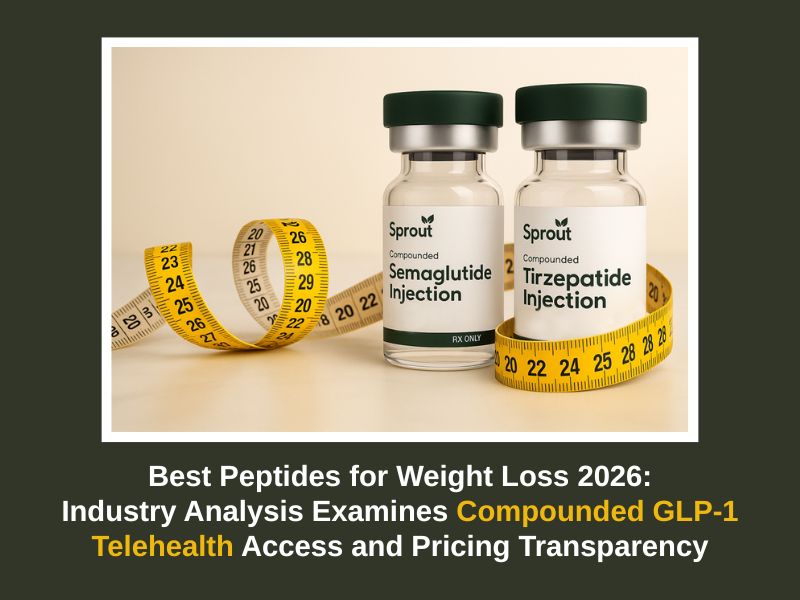
Best Peptides for Weight Loss 2026 Industry Analysis Examines Compounded GLP-1 Telehealth Access and Pricing Transparency

As millions of Americans prepare New Year weight loss resolutions for 2026, consumer interest in “best peptides for weight loss” remains elevated, reflecting ongoing demand for prescription GLP-1 medications as part of medically supervised weight management. This industry analysis examines how telehealth platforms are structuring access to compounded semaglutide and tirzepatide, with Sprout Health Weight Loss serving as a representative case study based on publicly available disclosures from its platform.

For those researching peptides for fat loss or prescription weight loss peptides heading into 2026, understanding what telehealth platforms actually offer—and what they don’t guarantee—is essential before making any decisions.

Important Regulatory Context: The FDA has increased scrutiny of compounded GLP-1 telehealth marketing across the industry in recent years. According to FDA guidance, compounded drugs are not FDA-approved, and the FDA does not review them for safety, effectiveness, or quality before marketing. The FDA has also warned about potential dosing errors with compounded GLP-1 products and has noted reports of compounders using salt forms (such as semaglutide sodium or semaglutide acetate) and adding other ingredients where safety and effectiveness have not been established. Consumers should verify that any platform they consider clearly distinguishes between FDA-approved branded medications and compounded formulations, and should review current disclosures before proceeding with any program.

Understanding the Search Intent: What “Best Peptides for Weight Loss” Actually Means

When people search for “best peptides for weight loss,” they’re typically at a specific point in their research journey. They’ve likely seen advertisements for GLP-1 medications on social media, heard about dramatic weight loss results from friends or news coverage, and are now looking to understand their options for accessing these prescription weight loss peptides.

The phrase “peptides for weight loss” in this context primarily refers to GLP-1 receptor agonists—a class of medications that includes semaglutide and tirzepatide. These compounds work by mimicking natural hormones that regulate appetite and blood sugar, and clinical research has documented significant weight loss outcomes in controlled trial settings.

What the research shows about GLP-1 medications:

According to a study published in the New England Journal of Medicine (STEP-1 trial), participants receiving once-weekly semaglutide 2.4 mg plus lifestyle intervention experienced a mean weight loss of 14.9% from baseline over 68 weeks, compared with 2.4% for placebo plus lifestyle intervention. In the SURMOUNT-1 trial, also published in NEJM, participants receiving tirzepatide achieved weight reductions ranging from 16.0% to 22.5% depending on dose over 72 weeks.

Critical clarification: These results come from clinical trials of FDA-approved branded medications conducted under controlled conditions with specific patient populations. Compounded versions of semaglutide and tirzepatide—such as those available through telehealth platforms—have not undergone the same FDA approval process. Individual results with any GLP-1 medication, whether branded or compounded, vary based on numerous factors including adherence, lifestyle modifications, baseline health status, and individual physiology.

The Telehealth Platform Model: Three-Entity Structure Explained

Understanding how GLP-1 telehealth platforms operate is essential before considering whether this access model aligns with your needs. According to disclosures published by Sprout Health, the company functions as a telehealth platform—not a healthcare provider—that connects users with independent licensed clinicians and partner compounding pharmacies.

Entity 1: The Platform

According to the company’s terms of use, Sprout Health Partners LLC operates the technology platform at joinsprouthealth.com. The platform provides the intake process, customer support, subscription management, and coordination between patients, providers, and pharmacies. The platform itself does not prescribe medications or make clinical decisions.

Entity 2: Independent Licensed Medical Providers

The company works with licensed clinicians through MD Integrations (MDI), a physician network. According to the company’s disclosures, these independent providers review patient medical questionnaires, conduct evaluations (which may include synchronous video visits in states that require them), and determine whether GLP-1 prescriptions are appropriate based on individual health factors.

Prescription approval is not guaranteed. The licensed clinician makes this determination independently based on your specific medical history, current health status, and treatment goals.

Entity 3: Partner Compounding Pharmacies

If a prescription is written, it is filled by one of the platform’s partner compounding pharmacies, which the company identifies as Foothills Pharmacy and Promise Pharmacy. According to the company, these pharmacies prepare compounded medications under applicable federal and state compounding rules.

This three-entity structure—platform, providers, pharmacy—ensures appropriate separation between technology coordination, clinical decision-making, and medication dispensing. This structure is standard across compounded semaglutide telehealth platforms operating in this category.

What Compounded GLP-1 Medications Are—And What They Are Not

Before proceeding with any GLP-1 telehealth program, understanding the distinction between FDA-approved branded medications and compounded versions is critical for anyone researching peptides for fat loss options.

FDA-approved branded GLP-1 medications include:

Ozempic and Wegovy (semaglutide by Novo Nordisk) and Mounjaro and Zepbound (tirzepatide by Eli Lilly) have undergone extensive clinical trials and FDA review processes. These branded medications have demonstrated safety and efficacy for their approved indications under controlled conditions.

Compounded medications are different:

According to FDA guidance, compounded drug products are not FDA-approved. They are prepared by licensed pharmacies based on individual prescriptions but have not been individually reviewed by the FDA for safety, effectiveness, or quality. The FDA states that compounded drugs are “not reviewed by FDA prior to marketing and are not FDA-approved.”

What this means for consumers:

When accessing compounded semaglutide or tirzepatide through telehealth platforms, you are receiving a medication that contains the same active ingredient as FDA-approved products but is prepared differently and has not undergone FDA approval as a finished product. The evaluating clinician determines whether this option is appropriate based on your individual health factors.

Pricing Structure: What Platform Disclosures Indicate

According to pricing disclosures published on the Sprout Health platform, the program structure is as follows:

Compounded Semaglutide: As disclosed on the company’s website, the program costs $249/month. This includes evaluations by a licensed medical provider, follow-up appointments, messaging access to clinicians, a 4-week supply of medication (if prescribed), and shipping.

Compounded Tirzepatide: As disclosed on the company’s website, the program costs $299/month with the same inclusions as the semaglutide program.

Promotional Offer: The company advertises $50 off the first month with code FIRST50, bringing initial costs to $199 for semaglutide and $249 for tirzepatide.

Important pricing notes from the company’s disclosures:

According to the company, the initial medication price is honored even if dosages increase over time. The platform operates on a month-to-month basis with no long-term contracts. According to the terms of use, users can cancel at any time through the “Cancel Plan” option in the Profile tab of their customer portal, with cancellation taking effect at the end of the current subscription period. According to the company’s refund policy, prescriptions are non-refundable after processing; refunds are only available before medication has been processed by the pharmacy.

Insurance: The company explicitly states that Sprout Health does not accept or bill insurance. Some HSA/FSA plans may reimburse qualifying prescription expenses; verify eligibility with your specific plan administrator.

Verify current pricing, promotional offers, and program terms directly with the platform, as these details may change.

The Evaluation Process: What to Expect

According to publicly available information from Sprout Health, the process works as follows:

Step 1: Pre-Qualification Quiz

The company provides a brief online assessment asking about age, weight loss goals, medical history, and current health status. This determines initial eligibility for the program.

Step 2: Plan Purchase and Medical Questionnaire

If pre-qualified, users purchase their selected plan and complete a detailed medical questionnaire. According to the company, this questionnaire must be completed promptly to avoid processing delays.

Step 3: Provider Review

A licensed clinician reviews the medical questionnaire and determines whether GLP-1 medication is appropriate. According to the company, if found unqualified, the order is cancelled and refunded. The company states that some states require synchronous (video) visits—according to their disclosures, these states include AR, CO, ID, IL, IN, MD, MO, MT, NE, NY, OK, SD, VT, VA, and WI.

Step 4: Prescription and Shipping

If prescribed, the prescription is sent to a partner pharmacy. According to the company, prescriptions are typically sent within two business days. Delivery is typically 3-5 business days after the prescription is approved and processed, with total time from prescription to delivery often 5-7 business days.

Geographic Availability:

According to the company’s terms of service, the platform currently serves patients in: AK, AZ, CO, CT, DE, FL, GA, HI, ID, IL, IN, IA, KS, KY, ME, MD, MA, MI, MN, MO, MT, NE, NV, NH, NJ, NM, NY, NC, OH, OK, OR, PA, RI, SC, SD, TN, TX, UT, VT, VA, WA, WV, WI, and WY.

States NOT currently served: AL, AR, MS, LA, CA, ND.

Understanding GLP-1 Medications: How They Work

GLP-1 stands for glucagon-like peptide-1. GLP-1 receptor agonists are a class of medications that mimic natural hormones involved in appetite regulation and blood sugar control. Some GLP-1 medications, like tirzepatide, also act on GIP (glucose-dependent insulinotropic polypeptide) receptors, which is why tirzepatide is sometimes called a “dual agonist.”

Mechanism of action (based on published research):

According to research published in peer-reviewed journals, GLP-1 receptor agonists work through several mechanisms:

They slow gastric emptying, which can increase feelings of fullness after meals. They act on brain regions involved in appetite regulation, potentially reducing hunger signals. They improve glycemic control by enhancing insulin secretion in response to food intake.

What published clinical research shows:

The STEP-1 trial (semaglutide, published in NEJM 2021) demonstrated that participants with obesity or overweight without diabetes who received semaglutide 2.4 mg weekly plus lifestyle intervention experienced mean weight loss of 14.9% over 68 weeks.

The SURMOUNT-1 trial (tirzepatide, published in NEJM 2022) demonstrated that participants with obesity or overweight without diabetes who received tirzepatide experienced weight reductions of 16.0% (5mg), 21.4% (10mg), and 22.5% (15mg) over 72 weeks.

This is ingredient-level research. These studies evaluated FDA-approved branded medications under controlled clinical trial conditions. Compounded versions of these medications have not been studied in the same manner. Individual results with any GLP-1 medication vary significantly. These individual research findings do not guarantee outcomes with compounded products.

Who GLP-1 Therapy May Be Appropriate For (Self-Assessment Framework)

Rather than presenting testimonials—which can reflect self-selection bias and individual experiences that may not be typical—this framework helps you evaluate whether pursuing a GLP-1 consultation heading into 2026 may align with your situation.

GLP-1 Therapy Through Telehealth Platforms May Align Well With People Who:

Have a BMI of 30 or greater, or 27 or greater with weight-related health conditions: This generally aligns with clinical guidelines for considering medical weight management interventions alongside lifestyle modifications.

Have not achieved desired results with diet and exercise alone: GLP-1 medications are studied as adjuncts to lifestyle intervention, not replacements for healthy eating and physical activity.

Are comfortable with the telehealth model: This includes completing online questionnaires, potentially having video consultations, and managing prescriptions remotely.

Can commit to ongoing subscription costs: At price points in the $249-$299/month range (based on current platform disclosures), the financial commitment is significant and ongoing.

Understand that results vary: Not everyone responds to GLP-1 medications, and individual weight loss outcomes differ based on numerous factors.

Are located in a state where services are available: Verify your state is included in any platform’s service area before proceeding.

Other Options May Be Preferable For People Who:

Prefer FDA-approved branded medications: Those seeking medications that have undergone FDA approval processes may prefer to work with in-person providers who can prescribe branded Wegovy, Zepbound, or other approved products.

Have certain medical contraindications: GLP-1 medications should not be used by individuals with a personal or family history of medullary thyroid carcinoma or Multiple Endocrine Neoplasia syndrome type 2 (MEN 2). Other contraindications may apply based on individual health factors.

Are located in states not currently served: If you’re in a state where a platform doesn’t operate, you would need to explore other options.

Prefer in-person medical care: Those who value face-to-face interactions with healthcare providers may find traditional medical settings more appropriate.

Questions to Ask Yourself:

Before pursuing any prescription weight loss peptides program, consider:

Have I discussed weight management options with my primary care provider? Do I understand the difference between FDA-approved branded medications and compounded formulations? Am I prepared for potential side effects, which can include nausea, vomiting, diarrhea, and other gastrointestinal symptoms? Can I sustain the monthly cost for the duration needed to achieve and maintain results? Am I committed to the lifestyle modifications that are essential components of any successful weight management approach?

Your answers help determine whether this type of program aligns with your specific situation and goals.

Potential Side Effects and Safety Considerations

According to general medical literature, GLP-1 medications may cause various side effects:

Common side effects may include:

Nausea, vomiting, diarrhea, constipation, abdominal pain, and reduced appetite. These gastrointestinal effects are among the most frequently reported and may occur especially during dose escalation.

Less common but more serious potential effects may include:

Pancreatitis, gallbladder issues, kidney problems, and severe gastrointestinal symptoms. GLP-1 medications should not be used by individuals with a personal or family history of medullary thyroid carcinoma or Multiple Endocrine Neoplasia syndrome type 2 (MEN 2).

Always discuss your full medical history and any medications you take with your licensed provider before starting therapy. This safety overview is not exhaustive and does not replace full prescribing information. Always review complete safety information with your prescribing clinician and pharmacist.

Frequently Asked Questions

What are the best peptides for weight loss in 2026?

According to clinical research, the most effective peptide-based weight loss medications are GLP-1 receptor agonists, specifically semaglutide and tirzepatide. The STEP-1 trial demonstrated mean weight loss of 14.9% with semaglutide over 68 weeks, while the SURMOUNT-1 trial showed tirzepatide achieving 16-22.5% weight reduction over 72 weeks. These results are from FDA-approved branded medications studied under controlled conditions. Compounded versions of these peptides, available through telehealth platforms, have not undergone the same FDA approval process.

How much does compounded semaglutide typically cost through telehealth platforms?

Pricing varies by platform. According to disclosures from Sprout Health, compounded semaglutide costs $249/month and compounded tirzepatide costs $299/month through that platform. Promotional discounts may be available. Always verify current pricing directly with any platform before purchasing, as terms are subject to change.

Are compounded GLP-1 medications FDA-approved?

No. Compounded semaglutide and tirzepatide are not FDA-approved as finished products. They are prepared by licensed pharmacies based on individual prescriptions but have not been individually reviewed by the FDA for safety, effectiveness, or quality. FDA-approved branded medications include Wegovy and Ozempic (semaglutide) and Zepbound and Mounjaro (tirzepatide).

How long does it take to see results with GLP-1 medications?

According to clinical trial data for FDA-approved branded medications, measurable weight loss typically begins within the first few weeks, with more significant results appearing over months of consistent use. The STEP-1 trial measured outcomes at 68 weeks; the SURMOUNT-1 trial at 72 weeks. Individual timelines vary significantly. Compounded versions have not been studied in the same controlled manner, so these timelines may not apply.

What should I verify before choosing a GLP-1 telehealth platform?

Before selecting any platform, verify that disclosures clearly distinguish between FDA-approved branded medications and compounded formulations, that the three-entity structure (platform, providers, pharmacy) is transparent, that pricing and cancellation terms are clearly stated, and that the platform operates in your state. Review regulatory guidance and consult with your primary care provider if you have questions.

Contact Information

For questions about Sprout Health Weight Loss, according to disclosures published on the company’s platform:

  • Email: help@joinsprouthealth.com
  • Phone: +1 (833) 496-4020
  • Hours: According to the company, support is available Monday through Friday, 9 a.m. to 5:30 p.m. Mountain Time.
  • Medical Portal: For clinical questions about treatment, side effects, or dosage adjustments, the company provides a medical portal for messaging with the assigned licensed clinician.

External Service Contacts:

According to the company’s terms of service:

  • MD Integrations (MDI): support@mdintegrations.com
  • Foothills Pharmacy: rx@foothillspharmacy.com
  • Promise Pharmacy: info@promisepharmacy.com

Final Perspective: Matching Expectations to Reality for 2026

The search for best peptides for weight loss reflects genuine interest in medically supervised weight management options as 2026 approaches. GLP-1 medications have demonstrated significant weight loss outcomes in clinical trials of FDA-approved branded products, and telehealth platforms have emerged to provide access to compounded versions of these medications at various price points.

What This Industry Analysis Framework Examines:

For individuals evaluating GLP-1 telehealth options, the factors examined in this analysis include:

Pricing transparency: Whether platforms clearly disclose costs, what’s included, and cancellation terms.

Provider model clarity: Whether the three-entity separation (platform, providers, pharmacy) is clearly explained.

Disclosure quality: Whether platforms distinguish between FDA-approved branded medications and compounded formulations.

Format accessibility: What medication formats are available and how the evaluation process works.

Based on publicly available disclosures, Sprout Health represents one platform operating in this category that provides detailed information across these factors.

Considerations for Anyone Evaluating GLP-1 Telehealth Access:

Compounded medications are not FDA-approved: Compounded drugs are not FDA-approved, and FDA does not review them for safety, effectiveness, or quality before they are marketed.

Prescription is not guaranteed: Independent clinicians determine appropriateness based on individual health factors.

Results vary significantly: Clinical trial results for branded medications do not predict individual outcomes with compounded versions.

Ongoing cost commitment: Benefits typically require sustained use over months, representing significant financial investment.

Regulatory landscape: The compounded GLP-1 telehealth industry has been under increased regulatory scrutiny. Consumers should verify that any platform they consider maintains clear, accurate disclosures.

Regulatory Context:

The compounded GLP-1 telehealth industry has experienced increased FDA scrutiny in recent years, particularly regarding marketing claims that could mislead consumers about the nature of compounded versus FDA-approved medications. Consumers should review the most current information about any platform’s disclosures and verify that claims align with regulatory guidance before proceeding with GLP-1 programs.

Disclaimers

Medical Disclaimer: This article is for informational purposes only and is not a substitute for professional medical advice, diagnosis, or treatment. Compounded GLP-1 medications require evaluation by a licensed clinician. If you are currently taking medications, have existing health conditions, are pregnant or nursing, or are considering any major changes to your health regimen, consult your physician before starting any GLP-1 medication. Do not change, adjust, or discontinue any medications without your physician’s guidance.

Compounded Medication Notice: Compounded semaglutide and tirzepatide are prescription medications prepared by licensed pharmacies based on individual prescriptions. According to FDA guidance, compounded medications are not FDA-approved as finished products. The FDA does not review them for safety, effectiveness, or quality before they are marketed. They are prepared using active pharmaceutical ingredients under federal and state compounding rules based on prescriptions from licensed clinicians.

Results May Vary: Individual results vary based on factors including age, baseline weight, adherence to treatment, lifestyle modifications, and other individual variables. Clinical trial results cited in this article reflect outcomes from studies of FDA-approved branded medications under controlled conditions and do not predict individual outcomes with compounded formulations.

FTC Affiliate Disclosure: This article contains affiliate links. If you purchase through these links, a commission may be earned at no additional cost to you. This compensation does not influence the accuracy or integrity of the information presented.

Pricing Disclaimer: All prices, subscription terms, and promotional offers mentioned were based on publicly available platform disclosures as of December 2025 but are subject to change. Always verify current terms directly with the platform.

Copyright © 2025. All rights reserved. This article was published December 2025 and reflects information current as of that date.

CONTACT: Email: help@joinsprouthealth.com
Phone: +1 (833) 496-4020

Omeros Announces New Date for YARTEMLEA® Approval Conference Call

Omeros Announces New Date for YARTEMLEA® Approval Conference Call


Omeros Announces New Date for YARTEMLEA® Approval Conference Call

Omeros to Host Conference Call Wednesday, January 7, 2026 at 4:30 p.m. ET

SEATTLE–(BUSINESS WIRE)–Omeros Corporation (NASDAQ: OMER) today announced a revised date for its conference call to discuss the recent FDA approval of YARTEMLEA® (narsoplimab-wuug), the first and only therapy indicated for hematopoietic stem cell transplant-associated thrombotic microangiopathy (TA-TMA).


To ensure broad participation following this significant milestone — and to accommodate shareholders’ and investors’ holiday schedules — the call will now take place on Wednesday, January 7, 2026 at 4:30 p.m. Eastern Time. Details for the webcast and registration remain unchanged and are provided below.

We are excited to kick off the new year by sharing more about this landmark approval and our January 2, 2026 U.S. market launch of YARTEMLEA.

Conference Call and Webcast

Wednesday, January 7, 2026 at 4:30 p.m. Eastern Time

Live webcast: Access the live webcast at https://investor.omeros.com/upcoming-events.

Conference call (phone): To join by phone, participants must register at https://register-conf.media-server.com/register/BI860d4c7c1e5d4bb1a77988a530e78171 to receive a unique PIN. After registering, you may either:

  1. dial in using the conference line and PIN provided at the registration site; or
  2. select the “Call Me” option to receive an automated call to the phone number that you provide.

If you lose your PIN or registration confirmation email, please re-register to receive a new PIN.

Replay: A replay will be made available at https://investor.omeros.com/archived-events.

About YARTEMLEA®

YARTEMLEA® (narsoplimab-wuug), a fully human monoclonal antibody, is the first and only approved inhibitor of the lectin pathway of complement. YARTEMLEA inhibits mannan-binding lectin-associated serine protease-2 (MASP-2), the effector enzyme of the lectin pathway. In hematopoietic stem cell transplant-associated thrombotic microangiopathy (TA-TMA), MASP-2 inhibition prevents lectin pathway-mediated cellular injury, including endothelial damage in small blood vessels, and thrombus formation. By selectively blocking activation of the lectin pathway, YARTEMLEA preserves classical and alternative pathway activity, including functions essential to the adaptive immune response.

YARTEMLEA is approved by the U.S. FDA for the treatment of TA-TMA in adults and in children ages two years and older. A marketing authorization application for YARTEMLEA for TA-TMA is under review by the European Medicines Agency (EMA) with a decision expected in mid-2026.

YARTEMLEA has received breakthrough therapy and orphan drug designations from the FDA for TA-TMA, and the EMA has granted it orphan drug designation in hematopoietic stem-cell transplantation.

YARTEMLEA is the first and only approved therapy for TA-TMA.

About Hematopoietic Stem Cell Transplant-Associated Thrombotic Microangiopathy

Hematopoietic stem cell transplant-associated thrombotic microangiopathy (TA-TMA) is a severe and often-fatal complication of hematopoietic stem cell transplantation in adults and children. TA-TMA is driven by systemic endothelial injury triggered by conditioning regimens, immunosuppressants, infection, graft-versus-host disease, and other transplant-related factors, with activation of the lectin pathway of complement playing a central role in disease pathogenesis.

TA-TMA can occur following both autologous and allogeneic transplant, with higher prevalence after allogeneic procedures. Approximately 30,000 allogeneic transplants are performed annually in the U.S. and Europe. Recent studies estimate that TA-TMA develops in up to 56 percent of allogeneic transplant recipients. Mortality in severe TA-TMA can exceed 90 percent, and survivors frequently face long-term renal complications, including dialysis dependence.

YARTEMLEA® is the only approved treatment for TA-TMA.

About Omeros Corporation

Omeros is an innovative biotechnology company that discovers, develops, and commercializes first-in-class small-molecule and protein therapeutics for large-market and orphan indications, with particular emphasis on complement-mediated diseases, cancers, and addictive or compulsive disorders. Omeros’ lead lectin pathway inhibitor YARTEMLEA®, which inhibits the pathway’s effector enzyme MASP-2, is FDA-approved for the treatment of hematopoietic stem cell transplant-associated thrombotic microangiopathy (TA-TMA) in adult and pediatric patients ages two years and older, with a planned U.S. launch in January 2026. A marketing authorization application for YARTEMLEA in TA-TMA is currently under review by the European Medicines Agency, with a decision expected in mid-2026. OMS1029, Omeros’ long-acting MASP-2 inhibitor, has successfully completed Phase 1 clinical trials.

Under a recently announced asset purchase and licensing agreement, Novo Nordisk acquired global rights to zaltenibart (formerly OMS906), a MASP-3 inhibitor in clinical development for PNH and other alternative pathway indications, along with associated intellectual property and related assets. Omeros’ pipeline also includes OMS527, a phosphodiesterase 7 inhibitor in clinical development for cocaine use disorder and fully funded by the National Institute on Drug Abuse, as well as a growing portfolio of novel molecular and cellular oncology programs. For more information about Omeros and its programs, visit www.omeros.com.

Forward-Looking Statements

This press release contains forward-looking statements within the meaning of Section 27A of the Securities Act of 1933 and Section 21E of the Securities Exchange Act of 1934, which are subject to the “safe harbor” created by those sections for such statements. All statements other than statements of historical fact are forward-looking statements, which are often indicated by terms such as “anticipate,” “believe,” “could,” “estimate,” “expect,” “goal,” “intend,” “likely,” “look forward to,” “may,” “objective,” “plan,” “potential,” “predict,” “project,” “should,” “slate,” “target,” “will,” “would,” and similar expressions and variations thereof. Forward-looking statements, including statements regarding the marketing authorization application for YARTEMLEA® in Europe, prospects for obtaining EMA approval of YARTEMLEA in any indication, plans and expectations regarding the commercial launch of YARTEMLEA in the U.S., and in the EU following any EMA approval, our ability to consummate licensing, partnering or other transactions and the benefits, if any, we would receive from any such transactions, expectations regarding the sufficiency and availability of our capital resources to fund current and planned operations, including the commercialization of YARTEMLEA, plans for development of zaltenibart or other products under the asset purchase and license agreement, and the potential therapeutic benefits of zaltenibart and its commercial prospects, are based on management’s beliefs and assumptions and on information available to management only as of the date of this press release. Omeros’ actual results could differ materially from those anticipated in these forward-looking statements for many reasons, including, without limitation, unfavorable or unexpected regulatory conclusions or interpretations related to the clinical data, external registry data, statistical analyses or other information and data included in the YARTEMLEA MAA, inability to respond satisfactorily to information requests during regulatory review of the YARTEMLEA MAA, potential differences between the diagnostic criteria used in our pivotal trial and in the external registry, and whether the EMA determines the registry used in our statistical analysis is sufficiently representative of TA-TMA patients, unanticipated or unexpected outcomes or requirements of regulatory processes in relevant jurisdictions, our financial condition and results of operations, including our ability to raise additional capital for our operations or complete other transactions on favorable terms or at all, regulatory processes and oversight, challenges associated with manufacture or supply of our products to support clinical trials, regulatory inspections and/or commercial sale following any marketing approval, changes in reimbursement and payment policies by government and commercial payers or the application of such policies, intellectual property claims, competitive developments, litigation, and the risks, uncertainties, and other factors described under the heading “Risk Factors” in our Annual Report on Form 10-K filed with the Securities and Exchange Commission on March 31, 2025 and in subsequently filed Quarterly Reports on Form 10-Q. Given these risks, uncertainties, and other factors, you should not place undue reliance on these forward-looking statements, and we assume no obligation to update these forward-looking statements, whether because of new information, future events or otherwise, except as required by applicable law.

Contacts

Jennifer Cook Williams

Cook Williams Communications, Inc.

Investor and Media Relations

IR@omeros.com

CareDx Announces Inducement Grants Under Nasdaq Listing Rule 5635(c)(4)

CareDx Announces Inducement Grants Under Nasdaq Listing Rule 5635(c)(4)


CareDx Announces Inducement Grants Under Nasdaq Listing Rule 5635(c)(4)

BRISBANE, Calif.–(BUSINESS WIRE)–CareDx, Inc. (Nasdaq: CDNA), — The Transplant Company™ — a leading precision medicine company focused on the discovery, development, and commercialization of clinically differentiated, high-value healthcare solutions for transplant patients and caregivers, today announced the award of inducement grants.


On December 19, 2025, as an inducement material to acceptance of employment with CareDx, 39 new employees were awarded restricted stock units (RSUs) for an aggregate of 80,425 shares of common stock.

The RSU awards were made pursuant to the Company’s 2025 Inducement Equity Incentive Plan in accordance with Nasdaq Listing Rule 5635(c)(4).

The RSUs will vest over four years, with 25% of the RSUs vesting on the first anniversary of each employee’s vesting commencement date, and 1/16th of the RSUs vesting on each date that is three (3) months thereafter subject to each employee’s continued service through each vesting date.

CareDx is providing this information in accordance with Nasdaq Listing Rule 5635(c)(4).

Contacts

CareDx

Media Contacts

Natasha Moshirian Wagner

nwagner@caredx.com

Investor Relations

Caroline Corner

investor@caredx.com

Navigating EU (European Union) and FDA (Food and Drug Administration) Regulations for Drug/Device and Device/Drug Combination Products Training Course (Mar 2nd – Mar 3rd, 2026) – ResearchAndMarkets.com

Navigating EU (European Union) and FDA (Food and Drug Administration) Regulations for Drug/Device and Device/Drug Combination Products Training Course (Mar 2nd – Mar 3rd, 2026) – ResearchAndMarkets.com


Navigating EU (European Union) and FDA (Food and Drug Administration) Regulations for Drug/Device and Device/Drug Combination Products Training Course (Mar 2nd – Mar 3rd, 2026) – ResearchAndMarkets.com

DUBLIN–(BUSINESS WIRE)–The “Navigating EU (European Union) and FDA (Food and Drug Administration) Regulations for Drug/Device and Device/Drug Combination Products Training Course (Mar 2nd – Mar 3rd, 2026)” training has been added to ResearchAndMarkets.com’s offering.


Understand the regulatory frameworks governing drug/device and device/drug combinations in the European Union and the USA.

The demarcation between medicinal products and devices is becoming ever more important and, with the convergence of emerging novel technologies, the number of drug/device combination products and medical devices incorporating a medicinal substance is increasing.

At the same time, cell therapy and tissue-engineered products are being combined with both pharmaceuticals and medical devices. This course will address the European and FDA regulatory requirements, help you define the regulatory route for your product and offer practical guidance on Notified Body expectations, clinical trial considerations and post-market surveillance of borderline products.

Participants will have an invaluable opportunity to discuss the complex issues involved with key regulatory experts in this field.

By the end of the course, participants will have the knowledge and skills needed to navigate the complex regulatory landscape for drug/device and device/drug combinations in the EU and the USA effectively. They will be equipped to ensure compliance with the regulatory requirements and facilitate the successful development and commercialisation of these innovative products.

PRE-SEMINAR READING – It is recommended that you have read the EU Medical Device Regulation, particularly, Article 120 and the General Safety & Performance Requirements (Annex I) and Technical Documentation (Annexes II and III). For the US, review FDA’s Office of Combination Products website prior to attending this seminar.

Benefits of attending

  • Understand the European regulatory guidance
  • Know what your competent authority expects
  • Gain an insight into notified bodies’ considerations on drug/device products
  • Learn how to define the approval route for your product
  • Clarify the major differences in documentation and approval routes
  • Consider quality systems requirements for combination products
  • Discover the FDA’s regulatory approach to combination products
  • Hear how to deal with human tissue-engineered products
  • Stay up-to-date on post-market surveillance for combination products

Who Should Attend:

Development and regulatory personnel in the medical device, pharmaceutical and diagnostic industries, who need to understand the complex requirements applicable to medical devices incorporating ‘pharmaceutical’ ingredients, or pharmaceutical products incorporating a device or delivery system.

Certifications:

  • CPD: 12 hours for your records
  • Certificate of completion

Key Topics Covered:

Day 1

Introductory overview

  • Regulatory agencies in the EU and the USA
  • Impact of the revision to the MDD
  • Transitional period from the MDD to the MDR
  • EU regulatory reform proposals
  • EMA’s viewpoint management
  • Evolving regulatory landscape
  • Emerging trends

European regulatory guidance: drug/device and device/drug combination products

  • European regulatory framework for drug/device and device/drug combinations
  • Legal EU definitions of a drug/device and device/drug combination
  • Article 117: EU requirements for integral drug/device combinations
  • ‘In exclusive use with’
  • Other combinations – AI systems etc.

European regulatory guidance continued

  • Risk management and compliance strategies
  • Interactions with regulatory agencies and stakeholders
  • Best practices for navigating the regulatory landscape

Defining the regulatory approval pathway for your product

  • Product classification
  • Differences between devices containing ancillary medicinal substances and medicinal products
  • Responsibilities of regulatory affairs professionals in product development commercialisation

Medical device CE certification – notified body expectations

  • CE marking process for medical devices
  • Devices containing ancillary medicinal substances
  • Post CE marking expectations and changes
  • Notified Body Opinion (NBOp)

MDR’s impact on the medicinal product directive

  • Article 117

Documentation requirements

  • Preparing regulatory submissions for drug/device and device/drug combinations
  • General Safety and Performance Requirements (GSPR) checklist

Day 2

Clinical trial considerations

  • How the regulatory pathway for the final marketed product determines the clinical trial regulation to be followed
  • Clinical Trials Directive 2001/20/EC – medicines
  • Requirements for clinical development of medical devices
  • Clinical data requirements and post-marketing surveillance

Product information

  • Labelling requirements under the MDR
  • Labelling for combination products
  • Electronic Product Information (ePI)

Companion diagnostics

  • Regulatory considerations

UK post-Brexit

  • UK IRP: International Recognition Procedure

Pharmacovigilance for combination products: vigilance or pharmacovigilance

  • Understanding the differences between medical device vigilance and pharmacovigilance
  • How to handle the challenges posed by combination products
  • Pharmacovigilance reporting
  • Device vigilance reporting

FDA’s approach to combination products

  • Background and legal framework
  • Definitions of drug, biologics and medical device
  • “Borderline” issues and products (v. combination products)
  • Types of combination products
  • Primary mode of action and FDA’s assignment algorithm
  • Jurisdiction and designation process

FDA’s approach to combination products (continued)

  • Submission and regulatory pathways
  • Current GMP and quality system requirements
  • Post-market safety reporting requirements
  • Strategies for development and summary points

For more information about this training visit https://www.researchandmarkets.com/r/3gcfku

About ResearchAndMarkets.com

ResearchAndMarkets.com is the world’s leading source for international market research reports and market data. We provide you with the latest data on international and regional markets, key industries, the top companies, new products and the latest trends.

Contacts

ResearchAndMarkets.com

Laura Wood, Senior Press Manager

press@researchandmarkets.com

For E.S.T Office Hours Call 1-917-300-0470

For U.S./ CAN Toll Free Call 1-800-526-8630

For GMT Office Hours Call +353-1-416-8900

Capilea Mexico Unveils New Insights on Surge of US Patients Choosing Mexico for Hair Transplants

Capilea Mexico Unveils New Insights on Surge of US Patients Choosing Mexico for Hair Transplants


Capilea Mexico Unveils New Insights on Surge of US Patients Choosing Mexico for Hair Transplants

Mexico: The New Hub for US Hair Transplants

Tijuana, BC, Dec. 26, 2025 (GLOBE NEWSWIRE) — Capilea Mexico, a leading hair restoration clinic network in Latin America, today unveiled new insights highlighting Mexico’s emergence as a top destination for US patients seeking hair transplants. The findings point to a growing trend in medical tourism, driven by geographic proximity, lower procedure costs, and increasing trust in Mexico’s advanced hair restoration clinics.Capilea Mexico Unveils New Insights on Surge of US Patients Choosing Mexico for Hair Transplants

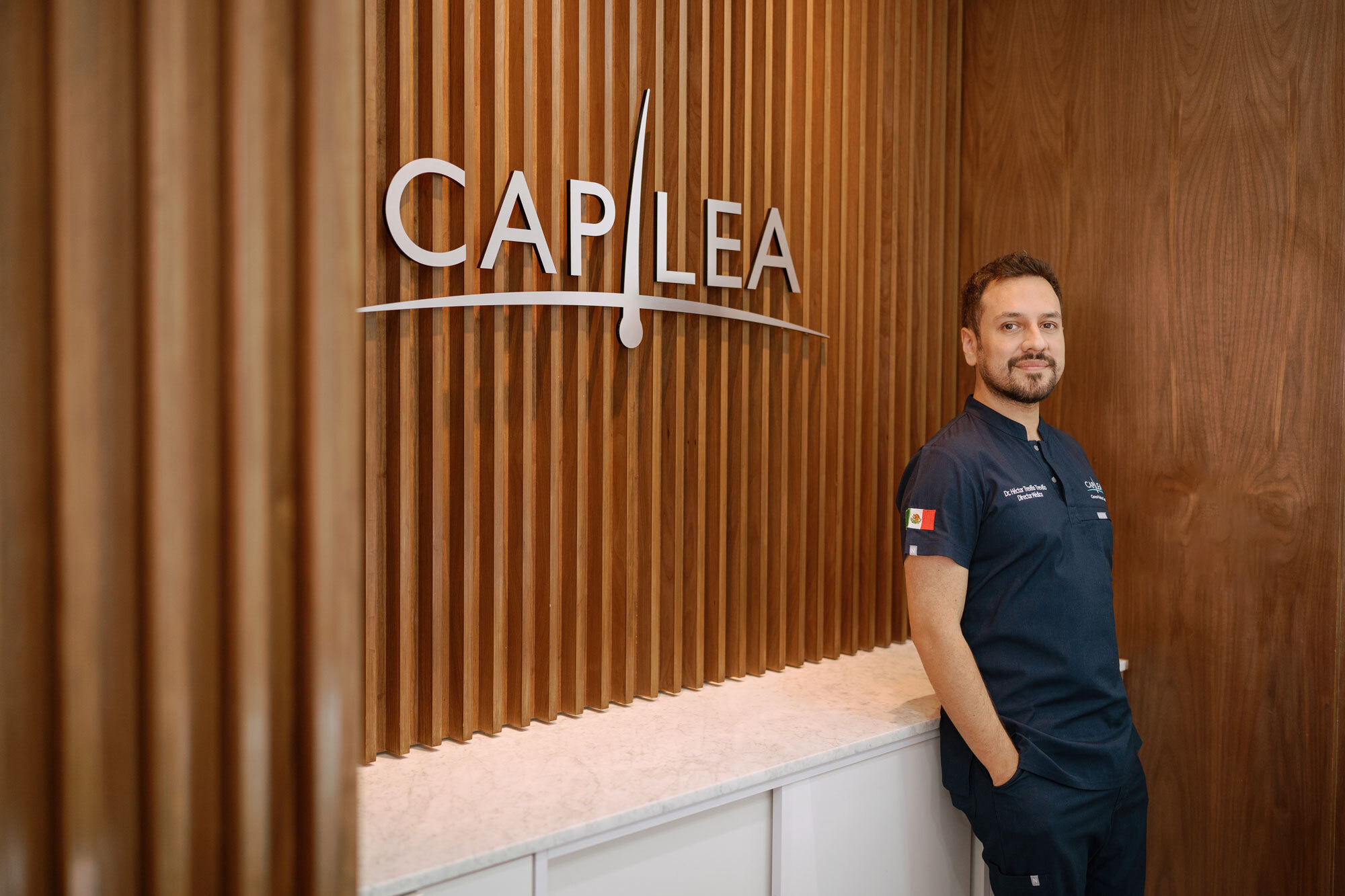
Dr. Héctor Treviño – Medical Director of Capilea Mexico

In recent years, medical tourism has seen a significant rise, particularly in the field of hair transplants. Mexico has emerged as a leading destination for US residents seeking high-quality and affordable hair restoration services. This shift is driven by several key factors that position Mexico as a compelling alternative to domestic options and traditional international destinations like Turkey.

According to recent analyses, Mexico’s strategic location and competitive pricing have solidified its position as a top choice for American patients. The geographic proximity of Mexico offers ease of travel and reduced travel time compared to more distant options, making it an attractive choice for those seeking convenience.

Cost-effectiveness is another major advantage. Mexican clinics offer significantly lower prices for high-quality procedures compared to the US, without compromising on results. This affordability, combined with advanced techniques and skilled specialists, ensures that patients receive exceptional care.

While Turkey continues to attract a significant number of European clients, Mexico has rapidly gained traction among Americans. This trend highlights Mexico’s specific advantage for the US market, offering a superior solution for residents who might be weighing options like flying to Turkey versus driving to Mexico.

Among the leading institutions, Capilea stands out for its exceptional patient care and innovative techniques. Other highly reputable clinics such as Nader Medical and Dr. Angelina Vargas also contribute to Mexico’s growing reputation as a hair transplant hub.

“Mexico’s emergence as a premier destination for hair transplants is a testament to our commitment to quality and patient satisfaction,” says Dr. Héctor Treviño, Medical Director of Capilea.

Insights from US search trends related to “Turkey hair transplant” indicate a growing interest in alternative destinations. Mexico offers a compelling solution for US residents, providing high-quality care closer to home.

As Mexico continues to establish itself as a leader in the hair transplant industry, potential patients are encouraged to explore the top clinics listed for more information. This development not only restores hair but also confidence, offering world-class solutions with a personal touch.

Capilea Mexico Unveils New Insights on Surge of US Patients Choosing Mexico for Hair Transplants

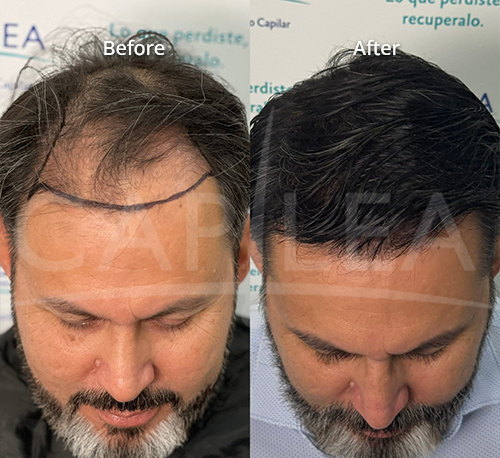
male patient before and after

About Capilea Mexico

Capilea is a premier hair restoration medical center with over 25 years of experience, operating state-of-the-art clinics across Latin America and Spain. The center is renowned for its expertise in advanced FUE hair transplant procedures, as well as PRP therapy and specialized hair loss treatments. Headquartered in Mexico, Capilea runs modern facilities in Monterrey, Tijuana, and Mexico City. Led by distinguished specialists—Dr. Héctor Treviño, Dr. Carlos Rodríguez, and Dr. Benjamín Pérez—Capilea has successfully treated over 11,550 hair graft patients, restoring more than 52,120,000 strands of hair for both domestic and international clients. Its team of certified professionals delivers comprehensive, premium-quality care using the latest advances in technology. With a growing footprint throughout Latin America and now Spain, Capilea remains dedicated to restoring not just hair, but also patient confidence, providing world-class hair restoration solutions with a personal touch. 

Press inquiries

Capilea Mexico
https://capileamexico.com/en/
Dr. Héctor Treviño
admin@capileamexico.com
NewCity Medical Plaza
P.º del Centenario 9580-Piso 2106, Zona Urbana Rio Tijuana

Celularity CEO Comments on Centers for Medicare & Medicaid Services’ Withdrawal of Skin Substitute Local Coverage Determinations

Celularity CEO Comments on Centers for Medicare & Medicaid Services’ Withdrawal of Skin Substitute Local Coverage Determinations


Celularity CEO Comments on Centers for Medicare & Medicaid Services’ Withdrawal of Skin Substitute Local Coverage Determinations

While Celularity’s Biovance® and Biovance 3L products remained eligible for Medicare coverage under the now-withdrawn LCDs, Celularity CEO Dr. Robert J. Hariri welcomed the recent action taken under the leadership of CMS Administrator Dr. Mehmet Oz

FLORHAM PARK, N.J., Dec. 26, 2025 (GLOBE NEWSWIRE) — Celularity Inc. (Nasdaq: CELU) (“Celularity”), a regenerative and cellular medicine company addressing age-related and degenerative diseases, today released comments by Robert J. Hariri, M.D., Ph.D., CEO and Chairman, on the Centers for Medicare & Medicaid Services’ (CMS) recent withdrawal of skin substitute Local Coverage Determinations (LCDs) that were set to go into effect on January 1, 2026.

On December 24, 2025, CMS announced that effective immediately, A/B Medicare Administrative Contractors (MACs) were withdrawing the LCDs for Skin Substitute Grafts/Cellular and Tissue-Based Products for the Treatment of Diabetic Foot Ulcers and Venous Leg Ulcers scheduled to become effective on January 1, 2026. The LCDs, adopted under an earlier Medicare 2026 Skin Substitute Update, set which skin substitute products would be eligible for Medicare coverage beginning in 2026. While Celularity’s Biovance® and Biovance 3L remained eligible for Medicare coverage under the now-withdrawn LCDs, Medicare coverage was eliminated for 158 skin substitute products sold by other companies. Unaffected by CMS’ recent action is its new payment policy that effective January 1, 2026, all skin substitute applications furnished in physician office settings and hospital outpatient department settings will be paid at a flat rate of $127.28 per square centimeter.

Commenting on the recent change, Dr. Hariri said, “We have amassed substantial real-world evidence, or RWE, from multiple studies showing how our Biovance® Human Amniotic Membrane Allograft works in actual clinical practice for wound healing, demonstrating its effectiveness in diverse, real-life diverse patient populations patients with chronic wounds. RWE from large observational studies published in the peer-reviewed journal WOUNDS and elsewhere show Biovance® effectively treats chronic wounds, even in patients with multiple health issues. Other RWE shows reduced steroid use in about half of patients treated with Biovance®, which evidence indicates helps decrease pro-inflammatory factors and increase anti-inflammatory ones, guiding the body’s natural healing.”

Dr. Hariri noted that CMS’ 2026 Medicare payment policy setting skin substitute reimbursement at a flat $127.28 per square centimeter remains in effect despite it withdrawing the LCDs. “Biovance® has been supported by a highly efficient, proven scalable manufacturing process since its commercial launch in April 2014, which today allows us to operate comfortably under the new Medicare reimbursement for skin substitute products,” he said. “Our sustained investment in advanced infrastructure includes a world-class GMP/GTP manufacturing facility located in Florham Park, New Jersey, where today we manufacture a range of commercial advanced biomaterial products and investigational cell therapy products, including both Celularity branded products and contract manufactured products for third parties. Consistent with our emphasis on real-world evidence gained from actual clinical use of our products, we have integrated an ‘Industry 5.0’ approach into our manufacturing operations, introducing digitization and AI and building adaptable and robust value chains and production systems,” Dr. Hariri said.

About Celularity

Celularity Inc. (Nasdaq: CELU) is a regenerative and aging-related cellular medicine company developing, manufacturing, and commercializing advanced biomaterial products and allogeneic and autologous cell therapies, all derived from the postpartum placenta. Celularity believes that by harnessing the placenta’s unique biology and ready availability, it can develop therapeutic solutions that address significant unmet global needs for effective, accessible, and affordable therapies that target fundamental aging mechanisms like cellular senescence, age-related chronic inflammation, and tissue degeneration. For more information about Celularity and its cutting-edge regenerative medicine solutions, please visit www.celularity.com.

Forward Looking Statements

Certain statements in this press release are “forward-looking statements” within the meaning of the Private Securities Litigation Reform Act of 1995. These forward-looking statements include, without limitation, statements regarding: (i) Celularity’s ability to execute its strategic priorities, including leveraging its placental-derived platform and aligning its operations and organizational focus with those priorities; (ii) Celularity’s plans to emphasize applications related to longevity and age-related disease; and (iii) the anticipated impact and benefits of the financing transactions on Celularity’s business and strategic flexibility. All statements other than statements of historical facts are “forward-looking statements,” including those relating to future events. In some cases, you can identify forward-looking statements by terminology such as “anticipate,” “believe,” “can,” “could,” “continue,” “expect,” “improving,” “may,” “observed,” “potential,” “promise,” “should,” and similar expressions (as well as other words or expressions referencing future events, conditions or circumstances). Forward-looking statements are based on Celularity’s current expectations and assumptions. Because forward-looking statements relate to the future, they are subject to inherent uncertainties, risks, and changes in circumstances that may differ materially from those contemplated by the forward-looking statements, which are neither statements of historical fact nor guarantees or assurances of future performance. Many factors could cause actual results to differ materially from those described in these forward-looking statements, including those risk factors set forth under the caption “Risk Factors” in Celularity’s annual report on Form 10-K and Form 10-K/A for the year ended December 31, 2024, filed with the Securities and Exchange Commission (SEC) on May 8, 2025 and May 21, 2025, respectively, and other filings with the SEC. If any of these risks materialize or underlying assumptions prove incorrect, actual results could differ materially from the results implied by these forward-looking statements. There may be additional risks that Celularity does not presently know, or that Celularity currently believes are immaterial, that could also cause actual results to differ from those contained in the forward-looking statements. In addition, these forward-looking statements reflect Celularity’s current expectations, plans, or forecasts of future events and views as of the date of this communication. Subsequent events and developments could cause assessments to change. Accordingly, forward-looking statements should not be relied upon as representing Celularity’s views as of any subsequent date, and Celularity undertakes no obligation to update forward-looking statements contained herein, whether because of any new information, future events, changed circumstances or otherwise, except as otherwise required by law.

Carlos Ramirez

Senior Vice President, Celularity Inc.

Carlos.ramirez@celularity.com

Softgel Capsules Market Outlook Report 2025-2032: Increasing Adoption of Plant-Based Gelling Agents in Softgel Production to Meet Vegan and Clean Label Consumer Demand – ResearchAndMarkets.com

Softgel Capsules Market Outlook Report 2025-2032: Increasing Adoption of Plant-Based Gelling Agents in Softgel Production to Meet Vegan and Clean Label Consumer Demand – ResearchAndMarkets.com


Softgel Capsules Market Outlook Report 2025-2032: Increasing Adoption of Plant-Based Gelling Agents in Softgel Production to Meet Vegan and Clean Label Consumer Demand – ResearchAndMarkets.com

DUBLIN–(BUSINESS WIRE)–The “Softgel Capsules Market – Global Forecast 2025-2032” has been added to ResearchAndMarkets.com’s offering.


Senior executives face a rapidly evolving softgel capsules market shaped by new technologies, regulatory demands, and sustainability considerations. Informed, agile strategy is essential to capture value and manage emerging industry risks.

Market Snapshot: Growth Trajectory of the Softgel Capsules Market

The global softgel capsules market expanded from USD 4.48 billion in 2024 to USD 4.84 billion in 2025 and is projected to maintain a CAGR of 7.98%, reaching USD 8.28 billion by 2032. This growth reflects widespread adoption across healthcare, wellness, and consumer-facing industries. Adoption is driven by rising demand for plant-based options, regulatory evolution, and advancements in formulation technologies. The sector’s momentum is underpinned by robust application in pharmaceuticals, nutraceuticals, animal health, and cosmetics, with both producer and consumer priorities reinforcing the positive industry outlook.

Scope & Segmentation of the Softgel Capsules Market

This market research report provides a detailed analysis of the softgel capsules market, focusing on key value segments, technological developments, and changing regional dynamics. Each segment is designed to equip decision-makers with actionable intelligence relevant to sourcing, production, and product differentiation.

  • Ingredient Types: Coverage includes traditional sources like bovine, fish, and porcine gelatin, as well as vegetarian alternatives such as carrageenan, pullulan, and starch-addressing trends in regulatory compliance, ethical preferences, and sustainability.
  • Product Types: Profiles coated, liquid-filled, multi-layer, and standard softgel formats, each tailored for unique stability, formulation, and regulatory requirements across end uses.
  • Applications: Utilization is explored in animal health, cosmetics (hair care, skin care, makeup), dietary supplements (multivitamins, omega-3s, probiotics), and the pharmaceutical sector, demonstrating a broad and diverse field of application.
  • End Users: Analyzes strategies targeting adults, elderly populations, and pediatric segments, where precise delivery formats and formulation adaptation are crucial for product success.
  • Regions Covered: Provides insights into mature and emerging markets including the Americas (North and Latin America), Europe, Middle East & Africa, and Asia-Pacific, considering region-specific regulations and growth factors.
  • Key Industry Players: Highlights Catalent, Lonza, Evonik, BASF, Thermo Fisher Scientific, Jubilant Life Sciences, Suheung, Siegfried, Aenova, and Soft Gel Technologies, giving context for competitive benchmarking and partnership development.

Key Takeaways for Senior Decision-Makers

  • Softgel capsules enhance bioavailability and patient adherence, providing diversified solutions for healthcare, wellness, and consumer segments.
  • The adoption of new encapsulation technologies and alternative ingredients fosters more sustainable pathways, enabling companies to meet shifting consumer and regulatory demands effectively.
  • Supply-side adaptation, with manufacturers prioritizing cleaner-label and responsibly sourced ingredients, elevates compliance and market acceptance.
  • Digital controls and advanced automation technologies support batch consistency, efficient process workflows, and reduced production losses, thereby optimizing operational effectiveness.
  • Geographically localized production and supply chain collaboration build greater resilience, especially in regions sensitive to regulatory or logistical shifts.
  • Targeted segmentation facilitates precise product differentiation, allowing businesses to create value for specific end-user groups within the expanding application landscape.

Why This Report Matters for B2B Strategy

  • Equips leaders to anticipate emerging regulatory, technology, and sourcing trends that will shape product pipeline development and market positioning within the softgel capsules market.
  • Offers a region-specific assessment of growth drivers and competitor dynamics, facilitating well-informed resource allocation and collaboration decisions.
  • Enables organizations to proactively recognize market risks and opportunities, informing entry, investment, and expansion strategies aligned with long-term objectives.

Conclusion

Leveraging informed intelligence positions organizations to achieve sustainable growth, establish robust supplier relationships, and maintain compliance in an increasingly regulated and complex softgel capsules market.

Insights stem from direct interviews with R&D specialists, procurement leaders, and industry consultants. The analysis is supported by reviewing peer-reviewed research, technical publications, and updated regulatory filings. Stringent validation protocols are applied to deliver actionable and dependable data for strategic planning.

Key Attributes

Report Attribute Details
No. of Pages 188
Forecast Period 2025-2032
Estimated Market Value (USD) in 2025 $4.84 Billion
Forecasted Market Value (USD) by 2032 $8.28 Billion
Compound Annual Growth Rate 7.9%
Regions Covered Global

Market Insights

  • Incorporation of advanced encapsulation techniques using spray congealing and extrusion spheronization for enhanced bioavailability in softgel capsules
  • Increasing adoption of plant-based gelling agents such as agar and carrageenan in softgel production to meet vegan and clean label consumer demand
  • Integration of digital supply chain tracking and serialization technologies for real-time quality assurance in softgel manufacturing processes
  • Development of multifunctional softgel capsules combining omega fatty acids with probiotics and botanical extracts for holistic health support
  • Rising investment in continuous manufacturing platforms to reduce production costs and accelerate time to market for softgel products
  • Collaboration between nutraceutical companies and biopolymer researchers to create biodegradable softgel shells with reduced environmental impact
  • Application of AI-driven formulation optimization to design next-generation softgel capsules with targeted release profiles and minimal excipients

The companies profiled in this Softgel Capsules market report include:

  • Catalent, Inc.
  • Lonza Group AG
  • Evonik Industries AG
  • BASF SE
  • Thermo Fisher Scientific Inc.
  • Jubilant Life Sciences Ltd.
  • Suheung Co., Ltd.
  • Siegfried Holding AG
  • Aenova GmbH
  • Soft Gel Technologies, LLC

For more information about this report visit https://www.researchandmarkets.com/r/w1chp4

About ResearchAndMarkets.com

ResearchAndMarkets.com is the world’s leading source for international market research reports and market data. We provide you with the latest data on international and regional markets, key industries, the top companies, new products and the latest trends.

Contacts

ResearchAndMarkets.com

Laura Wood, Senior Press Manager

press@researchandmarkets.com

For E.S.T Office Hours Call 1-917-300-0470

For U.S./ CAN Toll Free Call 1-800-526-8630

For GMT Office Hours Call +353-1-416-8900

Kerecis Fish-Skin Platform Broadens Coverage as CMS Withdraws Proposed Skin Substitute LCDs

Kerecis Fish-Skin Platform Broadens Coverage as CMS Withdraws Proposed Skin Substitute LCDs


Kerecis Fish-Skin Platform Broadens Coverage as CMS Withdraws Proposed Skin Substitute LCDs

Legacy coverage remains in place as Kerecis continues to lead under evolving Medicare payment models


ARLINGTON, Va. & REYKJAVIK, Iceland–(BUSINESS WIRE)–#kerecis–Kerecis, the company pioneering the use of sustainably sourced fish skin in cellular therapy and tissue regeneration, today reaffirmed the strength of its fish-skin platform following the December 24, 2025 announcement by the U.S. Centers for Medicare & Medicaid Services (CMS) that its A/B Medicare Administrative Contractors (MACs) have withdrawn the proposed Local Coverage Determinations (LCDs) for skin substitute grafts and cellular and tissue-based products in the outpatient setting.

The withdrawn LCDs, that were just recently updated on December 15th and scheduled to take effect on January 1, 2026, would have introduced coverage limitations to certain products and certain wound types. The withdrawn LCDs covered diabetic foot ulcers and venous leg ulcers but would not have covered other wound types. Their withdrawal reverts coverage back to the existing MAC LCDs, commonly referred to as the Legacy Policies.

Under the current framework:

  • Legacy LCDs across MACs such as CGS, Novitas, and FCSO continue unchanged. Palmetto, NGS, WPS, and Noridian remain without an active LCD.
  • The previously announced $127/cm² fixed payment rate will still take effect on January 1, 2026.
  • Coverage for additional wound types, including pressure ulcers and surgical wounds that have failed 30 days of conservative care, remains available.
  • The maximum application frequency remains 10 applications, rather than the reduced limit proposed in the withdrawn LCDs.

Kerecis has built its outpatient Medicare business operating under the Legacy Policies, establishing a strong and defensible market position. With an average outpatient Medicare price of approximately $110/cm², Kerecis’ fish-skin grafts are well aligned with the upcoming fixed payment structure, reinforcing the company’s ability to compete effectively as reimbursement models evolve. Kerecis strong body of evidence makes it ready for any new coverage rules that might emerge from this.

“We have built Kerecis to win in the real-world clinical and reimbursement environment,” said Fertram Sigurjonsson, Coloplast EVP of Wound & Tissue Repair and CEO of Kerecis. “While others scramble to restructure their pricing or fight coverage: our fish-skin technology, pricing discipline, and broad coverage position make us a safe harbor for providers today and a strong competitor as the market continues to change.”

Kerecis remains focused on expanding access, supporting clinicians, and advancing tissue regeneration through its fish-skin platform.

About Kerecis

Kerecis, founded by Fertram Sigurjonsson, develops intact fish tissue derived products for cellular therapy, tissue regeneration, and protection. When grafted onto damaged human tissue or implanted, the patented material supports the body’s own processes to heal and regenerate. Because no viral or prion transfer risk exists between Atlantic cod and humans, Kerecis products are only gently processed and retain their similarity to human tissue. The gentle processing preserves the material’s original three-dimensional structure, maintaining its inherent natural strength, complexity, and molecules (such as fatty acids). Clinical studies show that Kerecis products heal wounds faster than competitors. Kerecis is the only global manufacturer of medical devices containing intact fish-tissue and is the fastest growing company in the U.S. xenograft biologics skin market. Products include SurgiBind®/SurgiClose®, GraftGuide®, MariGen®, and Shield™ for various medical applications. Committed to the UN Sustainable Development Goals, Kerecis uses sustainably sourced Icelandic fish processed with renewable energy. Kerecis is a part of Coloplast, a leading supplier of intimate healthcare products. For more information about Kerecis and its clinical research, visit www.kerecis.com.

Trademarks and registered trademarks are the property of their respective owners.

Contacts

Media Relations Agency

(952) 697 5220