The Standard Process Brand Evolution Elevates Awareness of Whole Food Nutrition

The Standard Process Brand Evolution Elevates Awareness of Whole Food Nutrition


The Standard Process Brand Evolution Elevates Awareness of Whole Food Nutrition

The company’s 97-year commitment to restore nutritional integrity as the foundation of health

A Media Snippet accompanying this announcement is available by clicking on this link.

PALMYRA, Wis., Feb. 27, 2026 (GLOBE NEWSWIRE) — Standard Process believes the time is now to elevate whole food nutrition and its critical role in advancing public health. Through a bold, modern brand experience we are bringing renewed energy and visibility to whole food nutrition as a foundation for whole-person health.

Meeting Patient’s Nutritional Needs

Research shows that approximately 60% of children’s daily calories come from ultra-processed foods, which may disrupt their microbiome, digestion, and immune health, and can contribute to health concerns later in life. Additionally, nearly 80% of people don’t consume enough fruits and vegetables, increasing the risk of nutrient gaps that can affect cardiovascular health and healthy aging.

Standard Process is dedicated to helping practitioners and patients address these nutritional gaps with whole food-based solutions designed to support health at every stage of life. SP Children’s® ProSynbiotic, for example, provides a unique prebiotic and fiber blend for microbiome support, a good source of fiber that promotes healthy bowel movements. SP® Red Food, a whole food astaxanthin supplement, contains a mix of phytonutrients, supporting muscle and cardiovascular health.

“Restoring nutritional integrity as the foundation of health has been a guiding principle of Standard Process since 1929,” said Charlie DuBois, Standard Process President and CEO. “Our understanding of whole food nutrition continues to advance. There has never been a more important time to empower people in changing their lives.”

Whole Food. Whole Systems. Whole Health.

Located in Palmyra, Wisconsin, Standard Process believes whole food nutrition begins on our farm, with a foundational commitment to soil health. By prioritizing nutrient-rich soil, practitioners and their patients can rely on supplements derived from unique and nutritionally robust rather than depleted commodity ingredients.

“Understanding the origin of your ingredients is essential,” said Simone DuBois, Standard Process Senior Director of Business Development. “When they are grown on our certified organic farm or intentionally sourced, we can confidently stand behind their quality, purity, and nutrient density.”

Over 80% of the raw materials used to make Standard Process products come from our 1200-acre USDA-certified organic, family-owned farm. Standard Process leverages organic and regenerative farming practices, which include applying 500,000 pounds of its own organic compost annually. Soil mineral and nutrient levels are tested regularly to ensure consistent quality and integrity, laying the foundation for the most nutrient-dense crops.

Standard Process also stands apart through our investment in the industry’s only research center dedicated to whole food nutrition. Research at the Standard Process Nutrition Innovation Center (NIC) validates our whole food philosophy. Our research includes breeding more nutrient-dense crops, identifying unique food-based bioactive compounds, discovering underlying mechanisms of action, and developing ingredients and clinical formulas.

The Future of Nutrition is HereTM

Standard Process will kick off our whole food nutrition brand experience at the following events:

Practitioners in attendance will receive a clinical booklet featuring 100+ whole food-based protocols developed for patients’ nutritional needs.

Standard Process will continue rolling out elements of its brand evolution throughout 2026 to support healthcare practitioners and the patients they serve.

ABOUT STANDARD PROCESS

Founded in 1929, Standard Process is a fourth-generation, family-owned company committed to transforming lives through whole food nutrition. Partnering with healthcare practitioners, we provide science-based nutritional solutions grounded in certified organic agriculture and a systems-based approach to whole-person health.

Standard Process Contact:
Nicole McSwain, Marketing Communications Specialist
nmcswain@standardprocess.com

Media Contact: 
Laura Bastardi, MWW Health
Standardprocess@MWW.com

New Study Finds Half of Americans Don’t Know You Can Screen for Colorectal Cancer at Home

New Study Finds Half of Americans Don’t Know You Can Screen for Colorectal Cancer at Home


New Study Finds Half of Americans Don’t Know You Can Screen for Colorectal Cancer at Home

Knowledge Gaps and Dismissed Symptoms May Contribute to Rising Deaths in Younger Adults

WASHINGTON, Feb. 27, 2026 (GLOBE NEWSWIRE) — Colorectal cancer is now the leading cause of cancer-related death among adults under age 50, despite being one of the most preventable forms of cancer. New national survey data commissioned by the Colorectal Cancer Alliance (Alliance) and conducted by Wakefield Research reveal widespread gaps in awareness, screening follow-through, and patient-provider communication that may be contributing to this growing public health crisis. Of the top five deadliest cancers, colorectal cancer is the only one where the death rate continues to increase. The Alliance is rallying Americans to say “enough” and take action in March, National Colorectal Cancer Awareness Month.

According to the Alliance’s State of Screening Study:

  • One-third of Americans overall (33%) and nearly half of adults under 45 (45%) say their stomach or bowel symptoms were dismissed by a doctor, with those under 45 more likely to report repeated dismissal.
  • Among adults who were advised to get screened, more than one in four (26%) did not complete the screening.
  • Only half (50%) of Americans know that colorectal cancer can be screened for at home, potentially leading to dangerous delays in prevention or diagnosis.
  • On a positive note, most Americans are now willing to talk openly about screening with 84% willing to share details to encourage others and 88% seeing it as an act of love.

“Colorectal cancer is highly preventable, and it’s usually cured when caught early,” said Richard Wender, M.D., medical adviser to the Colorectal Cancer Alliance and Professor and Chair of Family Medicine and Community Health at the Perelman School of Medicine, University of Pennsylvania. “We can save lives by starting conversations sooner, taking symptoms seriously, and ensuring people have access to accurate information and screening options.”

Widespread Knowledge Gaps About Colorectal Cancer

The survey found that many Americans lack basic, potentially life-saving information about colorectal cancer and screening:

  • 52% do not know colorectal cancer is one of the most preventable cancers; 96% said they would be more likely to get screened if they knew it could prevent the disease.
  • 37% are unaware that colorectal cancer screening options include colonoscopy, stool tests, blood tests, CT colonography and flexible sigmoidoscopy.
  • 59% do not know that a positive result from a noninvasive screening test requires a follow-up colonoscopy.

Barriers to Screening and What Encourages Action

  • Among adults who are unsure about or opposed to colorectal cancer screening, the most commonly cited barriers include cost (48%), fear (47%), lack of knowledge about screening options (47%), perceived discomfort or embarrassment (33%) and being too busy (30%).
  • However, respondents said they would be more likely to get screened if they had a better understanding of their personal risk (63%), could avoid preparation/discomfort (54%) and had clearer information about available screening options (52%).

“Enough is enough. Too many young people are dying of colorectal cancer and more needs to be done,” said Michael Sapienza, CEO of the Colorectal Cancer Alliance. “Screening is a critical component, but this disease also needs more funding, research and action to save lives.”

Risk Factors and Symptoms

With colorectal cancer cases rising sharply among younger adults who are often diagnosed at later stages that are harder to treat, the Colorectal Cancer Alliance, the nation’s leading nonprofit dedicated to ending the disease, is working to accelerate science toward cures through its dynamic Project Cure CRC initiative. The Alliance urges Americans to know the risk factors and symptoms, get screened and get involved.

  • Risk factors for colorectal cancer include a family history of the disease, inherited genetic conditions such as Lynch syndrome, chronic inflammatory bowel diseases like Crohn’s disease or ulcerative colitis, and type 2 diabetes.
  • The most common symptom is no symptom, but when symptoms appear, they may include changes in bowel habits, rectal bleeding, abdominal discomfort, weakness or fatigue and unexplained weight loss.
  • Screening should begin at age 45, or sooner, if you have risk factors or symptoms.

To help individuals understand their risk and screening options, the Alliance offers a free quiz at getscreened.org. The Alliance also offers a variety of ways to join its community and make a lifesaving difference at colorectalcancer.org/March.

About the Colorectal Cancer Alliance

The Colorectal Cancer Alliance empowers a nation of passionate and determined allies to prevent, treat, and overcome colorectal cancer in their lives and communities. Founded in 1999 and headquartered in Washington, D.C., the Alliance advocates for prevention through initiatives like LEAD FROM BEHIND, magnifies support with BlueHQ, and accelerates science toward cures through Project Cure CRC. We are the largest national nonprofit dedicated to colorectal cancer, and we exist to end this disease in our lifetime. For more information, visit colorectalcancer.org.  

About the Survey

The Colorectal Cancer Alliance Survey was conducted by Wakefield Research among 1,000 nationally representative U.S. adults ages 18+, between November 24th and December 1st, 2025, using an email invitation and an online survey. The data has been weighted.

Media Contact:
Emily Blasi
eblasi@ccalliance.org
(202) 971-9964 

An infographic accompanying this announcement is available at https://www.globenewswire.com/NewsRoom/AttachmentNg/6a4dc54c-6aad-4a9b-ba18-c4633b76a059

MEDIROM Launches Partnership with Tools for Humanity in February; Projects Approximately $39 Million in Income Before Income Taxes Over Two Years Following Expansion to 3,000 Nationwide Locations

MEDIROM Launches Partnership with Tools for Humanity in February; Projects Approximately $39 Million in Income Before Income Taxes Over Two Years Following Expansion to 3,000 Nationwide Locations


MEDIROM Launches Partnership with Tools for Humanity in February; Projects Approximately $39 Million in Income Before Income Taxes Over Two Years Following Expansion to 3,000 Nationwide Locations

TOKYO, Feb. 27, 2026 (GLOBE NEWSWIRE) — MEDIROM Healthcare Technologies Inc. (Headquarters: Minato-ku, Tokyo; President and CEO: Kouji Eguchi; listed on the Nasdaq Capital Market: NASDAQ: MRM) announced that the Master Service Agreement (the “Agreement”) entered into with Tools for Humanity (co-founded by Sam Altman and Alex Blania) and World Foundation became effective on February 2, 2026.

Currently, Orbs are installed at more than 150 locations, primarily at relaxation studios “Re.Ra.Ku” operated by the MEDIROM Group. Cumulative authentications have surpassed 20,000 to date.

Based on the current authentication performance levels, if MEDIROM achieves its target of expanding to approximately 3,000 locations nationwide in Japan, the Company estimates that it could generate income before income taxes of approximately USD 39 million (approximately JPY 6.10 billion*) over the next two years under the Agreement.

*Exchange rate of USD 1 = JPY 156.36 as of February 25, 2026 (Source: Bloomberg)

■ About Tools for Humanity

image1.jpg

Tools for Humanity (TFH) is a global technology company established to build for humans in the age of AI. Founded by Sam Altman and Alex Blania, it led the initial development of World Network and operates World App. Tools for Humanity Corporation is headquartered in San Francisco, California and Munich, Germany. To learn more, visit: https://www.toolsforhumanity.com/

■ About MEDIROM Group

image2.png

MEDIROM Group operates approximately 300 wellness salons under the “Re.Ra.Ku®” brand nationwide. Since 2015, we have expanded into HealthTech, offering on-demand training apps like Lav® for specific health guidance and lifestyle improvement programs. In 2020, we started manufacturing the 24/7 recharge-free smart tracker “MOTHER Bracelet®,” which is now used in REMONY, our remote monitoring system for various industries including caregiving, transportation, construction, and manufacturing.

NASDAQ Symbol: MRM
Tradepia Odaiba, 2-3-1 Daiba, Minato-ku, Tokyo, Japan
Website: https://medirom.co.jp/en
Contact: ir@medirom.co.jp

■ Forward-Looking Statements Regarding MEDIROM
These forward-looking statements are based on MEDIROM’s current expectations, assumptions and internal projections and are subject to various known and unknown risks and uncertainties. They do not represent guaranteed future income or results, nor do they constitute binding contractual commitments. Actual results may differ materially from those expressed or implied by these forward-looking statements.

Certain statements in this press release are forward-looking statements for purposes of the safe harbor provisions under the U.S. Private Securities Litigation Reform Act of 1995. Forward-looking statements may include estimates or expectations about MEDIROM’s possible or assumed operational results, financial condition, business strategies and plans, market opportunities, competitive position, industry environment, and potential growth opportunities. In some cases, forward-looking statements can be identified by terms such as “may,” “will,” “should,” “designate,” “target,” “aim,” “hope,” “expect,” “could,” “intend,” “plan,” “anticipate,” “estimate,” “believe,” “continue,” “predict,” “project,” “potential,” “goal,” or other words that convey the uncertainty of future events or outcomes. These statements relate to future events or to MEDIROM’s future financial performance, and involve known and unknown risks, uncertainties and other factors that may cause MEDIROM’s actual results, levels of activity, performance, or achievements to be different from any future results, levels of activity, performance or achievements expressed or implied by these forward-looking statements. You should not place undue reliance on forward-looking statements because they involve known and unknown risks, uncertainties and other factors which are, in some cases, beyond MEDIROM’s control and which could, and likely will, affect actual results, levels of activity, performance or achievements. Any forward-looking statement reflects MEDIROM’s current views with respect to future events and is subject to these and other risks, uncertainties and assumptions relating to MEDIROM’s operations, results of operations, growth strategy and liquidity. Some of the factors that could cause actual results to differ materially from those expressed or implied by the forward-looking statements in this press release include:

  • MEDIROM’s ability to achieve its development goals for its business and execute and evolve its growth strategies, priorities and initiatives, including the full-scale adoption of World ID and deployment of Orb authentication terminals across 3,000 locations on the planned timeline, the establishment of appropriate training and operational oversight, Orb production capacity and delivery schedules, and achieving its targeted number of verifications;
  • the MSA being early terminated by the World parties for convenience or any other reason;
  • Changes in Japanese and global economic conditions and financial markets, including their effects on MEDIROM’s expansion in Japan and certain overseas markets;
  • MEDIROM’s ability to achieve and sustain profitability in its Digital Preventative Healthcare Segment;
  • the fluctuation of foreign exchange rates, which affects MEDIROM’s expenses and liabilities payable in foreign currencies;
  • MEDIROM’s ability to maintain and enhance the value of its brands and to enforce and maintain its trademarks and protect its other intellectual property;
  • MEDIROM’s ability to raise additional capital on acceptable terms or at all;
  • MEDIROM’s level of indebtedness and potential restrictions on MEDIROM under MEDIROM’s debt instruments;
  • changes in consumer preferences and MEDIROM’s competitive environment;
  • MEDIROM’s ability to respond to natural disasters, such as earthquakes and tsunamis, and to global pandemics, such as COVID-19; and
  • the regulatory environment in which MEDIROM operates.

More information on these risks and other potential factors that could affect MEDIROM’s business, reputation, results of operations, financial condition, and stock price is included in MEDIROM’s filings with the Securities and Exchange Commission (the “SEC”), including in the “Risk Factors” and “Operating and Financial Review and Prospects” sections of MEDIROM’s most recently filed periodic report on Form 20-F and subsequent filings, which are available on the SEC website at www.sec.gov. MEDIROM assumes no obligation to update or revise these forward-looking statements for any reason, or to update the reasons actual results could differ from those anticipated in these forward-looking statements, even if new information becomes available in the future.

Photos accompanying this announcement are available at

https://www.globenewswire.com/NewsRoom/AttachmentNg/0759f276-9c57-408d-ba90-201d65707c78

https://www.globenewswire.com/NewsRoom/AttachmentNg/995dc978-b8e7-4bbb-832d-06e8529d6b84

Orion Group Financial Statement documents 2025 and Remuneration Report published

Orion Group Financial Statement documents 2025 and Remuneration Report published


Orion Group Financial Statement documents 2025 and Remuneration Report published

ORION CORPORATION
STOCK EXCHANGE RELEASE – ANNUAL FINANCIAL REPORT
27 FEBRUARY 2026 at 11.05 EET
        

Orion Group Financial Statement documents 2025 and Remuneration Report published

Orion Group’s Financial Statement documents for 2025 have been published. The documents are available in Finnish and English on the Company’s website at https://www.orionpharma.com and are attached to this release. Financial Statement documents include the company’s Financial Statements, the Report by the Board of Directors, the Sustainability Statement (as part of the Report by the Board of Directors), and the Corporate Governance Statement (as part of the Report by the Board of Directors).

The Financial Statements are published in accordance with the European Single Electronic Format (ESEF) reporting requirements as xHTML file. The primary statements and notes to the Consolidated financial statements have been labelled with XBRL tags. Authorised Public Accountants KPMG Oy Ab has provided an independent auditor’s reasonable assurance report on Orion’s ESEF Financial Statements in accordance with ISAE 3000 (revised).

Orion’s Sustainability Statement is prepared according to the European Sustainability Reporting Standards (ESRS) and the Finnish Accounting Act’s Chapter 7 on sustainability reporting. Authorised Sustainability Audit Firm KPMG Oy Ab has assured the report at a limited assurance level in accordance with ISAE 3000 (revised).

The official Financial Statement documents in accordance with the requirements of the Finnish Accounting Act and the Companies Act, which include the Financial Statements, the Report by the Board of Directors, the Sustainability Statement (as part of the Report by the Board of Directors), the Corporate Governance Statement (as part of the Report by the Board of Directors), the Auditor’s Report, and the Assurance Report on the Sustainability Report are available in Finnish at http://www.orionpharma.com/yhtiokokous2026.

Orion’s Remuneration Report 2025 adopted by the Board of Directors has been published as a separate report in Finnish and English on the Company’s website at http://www.orionpharma.com and is attached to this release.

Orion Corporation

Liisa Hurme

President and CEO

    Mikko Kemppainen

General Counsel


Contact person:
Tuukka Hirvonen, Head of Investor Relations

tel. +358 10 426 2721


Publisher:
Orion Corporation
Communications
Orionintie 1A, FI-02200 Espoo, Finland
http://www.orionpharma.com

Orion Pharma is a globally operating Nordic pharmaceutical company – a builder of well-being for over a hundred years. We develop, manufacture and market human and veterinary pharmaceuticals as well as active pharmaceutical ingredients, combining our trusted expertise with continuous innovation. We have an extensive portfolio of proprietary and generic medicines and consumer health products. The core therapy areas of our pharmaceutical R&D are oncology and pain. Proprietary products developed by us are used to treat cancer, respiratory diseases and neurological diseases, among others. In 2025 our net sales amounted to EUR 1,890 million, and we employ about 4,000 professionals worldwide, dedicated to building well-being.

Attachments

Genenta Advances Transformation into Saentra Forge, Strengthens ATC Governance and Expands Strategic Industrial Consolidation Platform

Genenta Advances Transformation into Saentra Forge, Strengthens ATC Governance and Expands Strategic Industrial Consolidation Platform


Genenta Advances Transformation into Saentra Forge, Strengthens ATC Governance and Expands Strategic Industrial Consolidation Platform

Nature Medicine Accepts Manuscript Highlighting Clinical Results from the Company’s Glioblastoma Trial

MILAN, Feb. 27, 2026 (GLOBE NEWSWIRE) — Genenta Science S.p.A. (Nasdaq: GNTA) in transformation to Saentra Forge (Nasdaq: SAEN), a strategic industrial consolidator focused on biotech, defense, aerospace, and national-security-related technologies, today announced the appointment of Paolo Salvato to the Board of Directors of ATC, a manufacturer of tactical defense systems representing the Company’s initial entry into defense technology manufacturing. The Company also provided an update on its ongoing evaluation of majority-control acquisition opportunities in regulated national-security sectors.

Mr. Salvato previously served as Chief Executive Officer of Fiocchi Munizioni S.p.A. (CSG Group), where he led operational strengthening, international growth initiatives, and strategic positioning within the global defense ecosystem. He brings more than two decades of experience across defense industrial operations, with expertise spanning manufacturing execution, export markets, supply chain management, and regulatory compliance. Prior to Fiocchi Munizioni, he served as Chief Executive Officer of Thales Italia, and he held senior leadership roles at Leonardo S.p.A., deepening his experience across the European defense and aerospace ecosystem.

As part of its broader strategic transition into Saentra Forge, the Company continues to evaluate selected acquisition opportunities in the national-security regulated sectors1, with the object of building a next-generation strategic industrial consolidator of tech and scale-up companies. Management, now supported by Paolo Salvato, is reviewing potential targets that align with its capital allocation framework, focusing on profitable, majority-controlled, privately-held industrial businesses.

Acquired companies will be able to benefit from additional financial flexibility to support disciplined growth, as the Company may access the U.S. public capital markets through the Company’s Nasdaq listing, subject to market conditions and applicable regulatory requirements. This is further complemented by the strategic network of Fondazione Praexidia2, intended to support the development of institutional relationships and industrial partnerships.

On the biotech side, the Company today announced that Nature Medicine has accepted for publication a manuscript describing key clinical findings from its Glioblastoma Multiforme (GBM) trial. The publication is expected in the coming weeks, subject to the journal’s schedule, and represents an important validation of the Company’s scientific and clinical work.

Pierluigi Paracchi, Chief Executive Officer, commented, “Our transformation reflects a deliberate response to evolving market dynamics and long-term industrial opportunities. We believe advanced biotechnology and defense-related technologies increasingly intersect in areas of national resilience and strategic industrial capability, as evidenced by initiatives such as the NATO Innovation Fund and investment strategies of frontier-focused firms.”

“Our biotech program has reached clinical maturity, where a strategic partnership represents the most efficient path to advance development and maximize its long-term potential. Pursuing combination or registrational studies independently would require substantial additional capital and increase risk exposure. We are therefore evaluating potential partnership opportunities that could provide development expertise, shared risk, and capital support.”

“In parallel, we maintain financial resources to execute our industrial aggregation strategy. We are focused on acquiring profitable industrial scale-ups with positive EBITDA. As a publicly listed company, we believe we are well positioned to acquire privately held businesses at private market valuations and integrate them within a transparent, listed platform built for operational scale and long-term value creation.”

About: Genenta Science (Nasdaq: GNTA), which will be renamed as Saentra Forge (Nasdaq: SAEN, pending effectiveness), will be a next-generation strategic consolidator focused on privately held specialized companies operating in Italian national security regulated sectors, with activities spanning cybersecurity, defense, aerospace, and biotechnology/biosecurity.

Non-GAAP Information. This release includes EBITDA, which is a non-GAAP financial measure. EBITDA is defined as net loss adjusted to exclude interest income, income tax expense, and depreciation and amortization. This non-GAAP measure is not in accordance with, or an alternative for, measures prepared in accordance with generally accepted accounting principles (GAAP) and may be different from non-GAAP measures used by other companies. In addition, this non-GAAP measure is not based on any comprehensive set of accounting rules or principles. Genenta believes that this non-GAAP financial measure, when considered together with financial information prepared in accordance with GAAP, can enhance investors’ and analysts’ ability to meaningfully compare its results from period to period and to forward-looking guidance, and to identify operating trends in its business. However, non-GAAP information is not superior to financial measures calculated in accordance with GAAP, is presented for supplemental informational purposes only, has limitations as an analytical tool, and should not be considered in isolation or as a substitute for financial information presented in accordance with GAAP.

Forward-Looking Statements. Statements in this press release contain “forward-looking statements,” within the meaning of the U.S. Private Securities Litigation Reform Act of 1995, that are subject to substantial risks and uncertainties. All statements, other than statements of historical fact, contained in this press release are forward-looking statements. Forward-looking statements contained in this press release may be identified by the use of words such as “anticipate,” “believe,” “contemplate,” “could,” “estimate,” “expect,” “intend,” “seek,” “may,” “might,” “plan,” “potential,” “predict,” “project,” “suggest,” “target,” “aim,” “should,” “will,” “would,” or the negative of these words or other similar expressions, although not all forward-looking statements contain these words. Forward-looking statements are based on Genenta’s current expectations and are subject to inherent uncertainties, risks, and assumptions that are difficult to predict, including risks related to the transition to Saentra Forge, the expansion to a sovereign-aligned industrial consolidator, the legal proceedings with ENEA Tech, the funding provided by the recently acquired Mandatory Convertible Bond, the Phase 1/2a clinical trial for newly diagnosed GBM patients with uMGMT-GBM or any related studies, as well as Genenta’s ability to establish partnerships and fund its research and development plans. Further, certain forward-looking statements are based on assumptions as to future events that may not prove to be accurate. These and other risks and uncertainties are described more fully in the section titled “Risk Factors” in Genenta’s Annual Report on Form 20-F for the year ended December 31, 2024, and Genenta’s material disclosures on Form 6-K dated January 26, 2026, both filed with the Securities and Exchange Commission. Forward-looking statements contained in this announcement are made as of the date of this announcement, and Genenta undertakes no duty to update such information except as required under applicable law. This press release discusses product candidates that are under preclinical or clinical evaluation and that have not yet been approved for marketing by the U.S. Food and Drug Administration or any other regulatory authority. Until finalized in a clinical study report, clinical trial data presented herein remain subject to adjustment as a result of clinical site audits and other review processes. No representation is made as to the safety or effectiveness of these product candidates or the use for which such product candidates are being studied. Temferon™ is an investigational product candidate for which the effectiveness and safety have not been established. In addition, Temferon™ is not approved for use in any jurisdiction.

Genenta Science Media
Tiziana Pollio, Mobile: +39 348 23 15 143
e.mail: tiziana.pollio@genenta.com


1 No definitive agreements have been executed with respect to any such potential transactions. There can be no assurance that any transaction will be completed, nor as to the timing or terms of any potential transaction.
2 www.fondazionepraexidia.org

Santhera Announces Proposed Inclusion and Reimbursement of AGAMREE® (Vamorolone) within Spain’s National Health System for the Treatment of Duchenne Muscular Dystrophy

Santhera Announces Proposed Inclusion and Reimbursement of AGAMREE® (Vamorolone) within Spain’s National Health System for the Treatment of Duchenne Muscular Dystrophy


Santhera Announces Proposed Inclusion and Reimbursement of AGAMREE® (Vamorolone) within Spain’s National Health System for the Treatment of Duchenne Muscular Dystrophy

Pratteln, Switzerland, February 27, 2026 – Santhera Pharmaceuticals (SIX: SANN) today announces that the Spanish Interministerial Commission on Prices of Medicines, has proposed to include AGAMREE® (vamorolone), in the pharmaceutical coverage of the Spanish National Health System, making it eligible for reimbursement.

The conditions for such inclusion will be determined in a resolution by the Directorate-General of Pharmacy at the Spanish Ministry of Health. The company expects to receive the draft of such resolution shortly. Once the company accepts the draft, the product will be included in the database of products financed by the National Health System in Spain. Assuming this process proceeds along typical timelines, Santhera plans to start to make the product available across the various regions in Spain from early in the second quarter of 2026.

Agamree® is a product approved by the European Commission for treating Duchenne muscular dystrophy in patients from 4 years of age. Duchenne muscular dystrophy is a genetic disease that gradually causes weakness and loss of muscle function. To date, AGAMREE has been available in Spain through a paid named-patient program since mid-2024.

Dario Eklund, Chief Executive Officer of Santhera, said: “This positive announcement in Spain represents another important milestone in our mission to expand access to AGAMREE for patients with DMD in Europe and globally. This follows our commercial launches in Germany, Austria and the UK with a number of additional EU countries expected to follow during both the first and second halves of the year.”

About AGAMREE® (vamorolone)
AGAMREE is a novel drug with a mode of action based on binding to the same receptor as glucocorticoids but modifying its downstream activity. Moreover, it is not a substrate for the 11-β-hydroxysteroid dehydrogenase (11β-HSD) enzymes that may be responsible for local drug amplification and corticosteroid-associated toxicity in local tissues [2-5]. This mechanism has shown the potential to ‘dissociate’ efficacy from steroid safety concerns and therefore AGAMREE is positioned as a dissociative anti-inflammatory drug and an alternative to existing corticosteroids, the current standard of care in children and adolescent patients with DMD [2-5].

In the pivotal VISION-DMD study, AGAMREE met the primary endpoint Time to Stand (TTSTAND) velocity versus placebo (p=0.002) at 24 weeks of treatment and showed a good safety and tolerability profile [2, 5]. The most commonly reported side effects were cushingoid features, vomiting, weight increase and irritability. Side effects were generally of mild to moderate severity.

Currently available data show that AGAMREE, unlike corticosteroids, has no restriction of growth [6] and no negative effects on bone metabolism as demonstrated by normal bone formation and bone resorption serum markers [7].

▼ This medicinal product is subject to additional monitoring. This will allow quick identification of new safety information. Healthcare professionals are asked to report any suspected adverse reactions.

References:
[1]        Dang UJ et al. (2024) Neurology 2024;102:e208112. doi.org/10.1212/WNL.0000000000208112. Link.
[2]         Guglieri M et al (2022). JAMA Neurol. 2022;79(10):1005-1014. doi:10.1001/jamaneurol.2022.2480. Link.

[3]         Liu X et al (2020). Proc Natl Acad Sci USA 117:24285-24293
[4]         Heier CR et al (2019). Life Science Alliance DOI: 10.26508
[5]         Ward et al., WMS 2022, FP.27 – Poster 71. Link.
[6]        Hasham et al., MDA 2022 Poster presentation. Link.

About Santhera
Santhera Pharmaceuticals (SIX: SANN) is a Swiss specialty pharmaceutical company focused on the development and commercialization of innovative medicines for rare neuromuscular diseases with high unmet medical need. The Company has an exclusive license from ReveraGen for all indications worldwide to AGAMREE® (vamorolone), a dissociative steroid with novel mode of action, which was investigated in a pivotal study in patients with Duchenne muscular dystrophy (DMD) as an alternative to standard corticosteroids. AGAMREE for the treatment of DMD is approved in the U.S. by the Food and Drug Administration (FDA), in the EU by the European Commission (EC), in the UK by the Medicines and Healthcare products Regulatory Agency (MHRA), in Switzerland by Swissmedic, in China by the National Medical Products Administration (NMPA), in Hong Kong by the Department of Health (DoH) and in Canada by Health Canada. Santhera has out-licensed the rights to AGAMREE as follows: to Catalyst Pharmaceuticals for North America; to Sperogenix Therapeutics for China and certain countries in Southeast Asia; and to Nxera Pharma for Japan, South Korea, Australia, and New Zealand. For further information, please visit www.santhera.com.

AGAMREE® is a trademark of Santhera Pharmaceuticals.

For further information please contact:

Santhera
Catherine Isted, Chief Financial Officer:
IR@santhera.com

ICR Healthcare:
Santhera@icrhealthcare.com

Stifel                                           
Brough Ransom, Charles Hoare, Fred Walsh
+44 (0)20 7710 7600

Octavian                                        
Serge Monnerat, Marius Zuberbuehler
+41 (0)44 520 1588

Disclaimer / Forward-looking statements
This communication does not constitute an offer or invitation to subscribe for or purchase any securities of Santhera Pharmaceuticals Holding AG. This publication may contain certain forward-looking statements concerning the Company and its business. Such statements involve certain risks, uncertainties and other factors which could cause the actual results, financial condition, performance or achievements of the Company to be materially different from those expressed or implied by such statements. Readers should therefore not place undue reliance on these statements, particularly not in connection with any contract or investment decision. The Company disclaims any obligation to update these forward-looking statements.

# # #

Attachment

Herz P1 Smart Band 2026: What It Tracks, How It Works, and What Consumers Should Know Before Buying

Herz P1 Smart Band 2026: What It Tracks, How It Works, and What Consumers Should Know Before Buying


Herz P1 Smart Band 2026: What It Tracks, How It Works, and What Consumers Should Know Before Buying

A 2026 Informational Overview of the Herz P1 Smart Band’s Subscription-Free Health Monitoring Features, Heart Rate and HRV Tracking, Sleep Quality Analysis, Blood Oxygen and SpO2 Sensors, Stress and Temperature Monitoring, 30-Day Battery Life Claims, Companion App Functionality, Pricing Structure, Return Policy Terms, Sensor Technology Explained, Water Resistance Specifications, and What Consumers Should Independently Verify Before Purchasing Any Fitness Tracker or Wearable Health Device

Akron, OH, Feb. 26, 2026 (GLOBE NEWSWIRE) — This article is for informational purposes only. The Herz P1 Smart Band is a consumer wellness product and is not a medical device. It is not intended to diagnose, treat, cure, or prevent any disease or medical condition. Consumers should consult a qualified healthcare professional before making health decisions based on data from any wearable device. This article contains affiliate links. If you click through and make a purchase, a commission may be earned at no additional cost to you. This compensation does not influence the accuracy or integrity of the information presented.

The consumer wearable market continues to expand in 2026, with fitness trackers, smart bands, and health monitoring devices competing for attention across a crowded category. For consumers researching their options, sorting through feature claims, pricing models, and subscription structures can feel overwhelming. The Herz P1 Smart Band is one product that’s entered this space, marketed as a subscription-free wrist-worn health tracker with a long battery life and multi-metric monitoring capabilities.

This informational overview examines what the Herz P1 Smart Band offers, how its features are described by the company, what the pricing structure looks like, and what consumers should independently verify before purchasing any fitness wearable in this category. The wearable technology space moves quickly, and product specifications, pricing, and availability can change without notice.
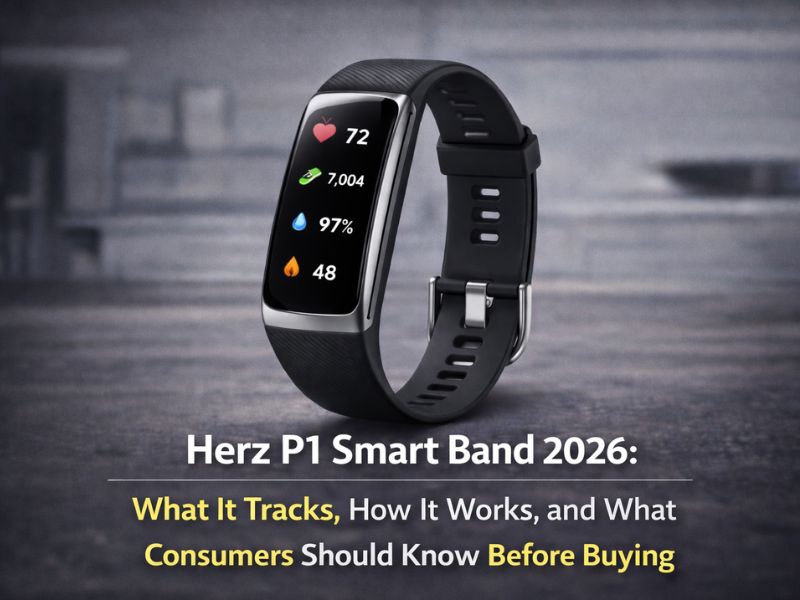
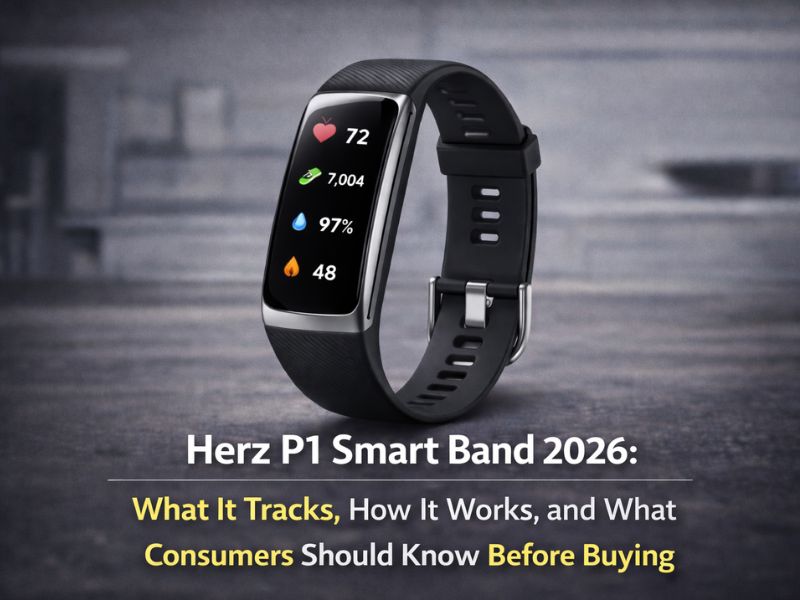
Herz P1 Smart Band 2026 What It Tracks, How It Works, and What Consumers Should Know Before Buying

Any product details are described as stated by the company and should be verified on the official site and directly with the manufacturer.

The Herz P1 Smart Band is a consumer wellness product, not an FDA-cleared or FDA-approved medical device, and health monitoring results are not guaranteed.

The information below is compiled from publicly available materials and does not represent clinical evaluation, independent laboratory testing, or editorial endorsement of the product or company.

To view the current Herz P1 Smart Band offer (official Herz P1 page), consumers can check the complete product details, pricing, and return policy directly.

What the Herz P1 Smart Band Is

The Herz P1 Smart Band is a wrist-worn consumer wellness and fitness tracker manufactured by WuzuTech LLC, a company based in Akron, Ohio. The company positions the device as a general wellness tool designed for continuous 24/7 health monitoring. It is not classified as a medical device, and the company’s own health disclaimer states that the product and related services “are for general wellness and fitness purposes only and are not intended to be used as a medical device or to replace professional medical advice, diagnosis, or treatment.”

The company states that the Herz P1 Smart Band tracks over 20 health and activity metrics using optical heart rate sensors, motion sensors, and temperature sensors built into the device. Data from the band syncs to the Herz companion app, which is available on both iOS and Android.

Per the company’s published materials, the device is a one-time purchase with no recurring subscription fees required to access health data or app features. Wearable products in this category use different pricing and app-access models — some include subscription-based features, while others are offered as one-time purchases. Consumers can verify current access terms on the official product page.

Regulatory Classification and General Wellness Wearables

In the United States, some consumer wearables are marketed as “general wellness” products. The FDA has published guidance describing its enforcement policy for low-risk general wellness products and how they differ from devices intended for diagnosis or treatment. These products may provide estimates and trend insights related to activity and wellness but aren’t intended to diagnose, treat, cure, or prevent disease.

The company markets the Herz P1 Smart Band for general wellness and fitness purposes, and states it is not intended to be used as a medical device or to replace professional medical advice. This means the data it provides — heart rate estimates, sleep pattern approximations, SpO2 readings, and activity metrics — should be understood as trend indicators, not clinical measurements.

Consumers should avoid using wearable readings as a substitute for clinical evaluation, especially for medical decisions involving heart conditions, oxygenation concerns, unusual temperature patterns, or sleep disorders. Anyone with specific health concerns should consult a licensed healthcare provider who can recommend appropriate monitoring tools.

How the Herz P1 Smart Band Works

The company’s materials describe the device as using a combination of sensor technologies to collect biometric and activity data from the wearer’s wrist throughout the day and night. The collected data is transmitted via Bluetooth to the Herz companion app (also referenced as QRing), where it’s organized into reports and insights.

Optical Heart Rate Sensors — the company states these continuously monitor heart rate and heart rate variability (HRV), providing data on cardiovascular patterns during both active and resting periods.

Motion Sensors — accelerometer technology is described as tracking steps, distance, calories burned, and activity intensity throughout the day.

Temperature Sensors — the company’s documentation references continuous skin temperature monitoring, which is described as helping users identify patterns related to recovery and overexertion.

Blood Oxygen (SpO2) Monitoring — the device is described as measuring blood oxygen saturation levels, which the company frames as relevant to understanding energy levels and respiratory patterns.

Per the company’s website, the band also includes stress tracking capabilities and sleep analysis features that monitor sleep stages and quality metrics overnight.

What the Herz P1 Smart Band Tracks

Based on publicly available information from the company, the Herz P1 Smart Band is described as monitoring the following categories of health and activity data:

Heart Rate and HRV — continuous heart rate monitoring and heart rate variability tracking, which the company describes as useful for understanding recovery and cardiovascular health patterns over time.

Sleep Quality and Analysis — the company states the band monitors sleep patterns overnight and provides sleep quality insights through the companion app.

Blood Oxygen (SpO2) — the device is described as tracking blood oxygen saturation, with data accessible through the app.

Skin Temperature — continuous temperature monitoring is referenced in the company’s feature descriptions.

Stress Tracking — the company’s materials describe real-time stress monitoring that shows when the body is under strain and how it recovers.

Activity Metrics — steps, distance, and calories burned are described as core tracking features.

Women’s Health Insights — the company references menstrual cycle tracking capabilities that provide insights into how the cycle affects energy, sleep, and mood.

All tracking capabilities described above come from the manufacturer’s publicly available materials. Wrist-worn consumer wellness devices use sensor technologies that provide estimates and trend data — not clinical measurements. Accuracy can vary based on device fit, skin type, motion, environmental conditions, and individual physiology. Consumers who need medically reliable biometric data should consult with a healthcare provider about appropriate monitoring tools.

Pricing and Purchase Structure

The Herz P1 Smart Band is sold as a one-time purchase through the company’s official website. Wearable products in this category use different pricing models — some require recurring subscriptions to unlock full feature access, while others include all features with a one-time purchase. The company states the Herz P1 Smart Band doesn’t require a recurring subscription to access its companion app features.

According to publicly available information on the official website at the time of publication, pricing may vary based on promotions, bundles, and inventory conditions. Consumers should check the official Herz P1 page to confirm the most current pricing, shipping costs, and policy terms before making any purchase decision.

The company’s materials state that the purchase includes the smart band, charging cable, and straps. Additional color bands may be sold separately.

The company references a 90-day return policy on its official page. Consumers should verify eligibility requirements, timelines, and return shipping responsibilities directly in the published policy before purchasing.

Battery Life, Build Quality, and Design

The company states the Herz P1 Smart Band contains a 175 mAh battery and describes the following performance characteristics:

Active Use Battery Life — the company states up to 25–30 days of regular use on a single charge.

Standby Battery Life — up to 60 days of standby time is referenced in the company’s materials.

Charging Time — the company states the device fully recharges in approximately 1 to 1.5 hours.

Regarding build quality, the company’s documentation describes the device as constructed from a lightweight zinc alloy frame with a durable nylon strap. The company states the band is water-resistant and sweat-proof, suitable for workouts and daily wear. The company’s official product page references water resistance but advises against swimming or full submersion.

The Herz P1 Smart Band is described as available in five color options: Midnight Black, Frosted White, Green Power, Navy Blue, and Rose Mist.

Battery life and water resistance claims come from the manufacturer. Actual performance may vary based on notification settings, sensor sampling frequency, Bluetooth connectivity, display behavior, device fit, and environmental conditions. Consumers should check the complete product specifications on the official site before purchasing.

Companion App and Data Access

The company states that the Herz P1 Smart Band syncs with a companion app available for both iOS and Android. The app is described as providing detailed health and fitness reports, goal-setting features, and progress tracking over time. Per the company’s materials, the app supports over 30 languages.

The band also includes offline data storage. The company states that if Bluetooth is disconnected, the device can store health data locally for several days. Once reconnected, stored data syncs automatically with the companion app.

Consumers should verify app compatibility with their specific device and operating system version before purchasing.

What Consumers Commonly Verify Before Purchasing

Based on common consumer research patterns in the wearable technology category, here are areas that prospective buyers typically investigate before purchasing a fitness tracker:

Accuracy Expectations: Consumer wellness wearables vary in accuracy across different metrics. No wrist-worn consumer device provides clinical-level precision. The company states its device tracks various metrics, but consumers seeking medically reliable data should consult a healthcare provider.

Return Policy Terms: The company references a 90-day return policy on its official page. Consumers should verify the specific terms, conditions, and process for returns directly on the company’s website before purchasing.

Company Background: WuzuTech LLC is listed as the manufacturer, based in Akron, Ohio. Consumers can verify the company’s business registration, customer service responsiveness, and fulfillment track record independently.

App Functionality: Checking the companion app’s current version, update frequency, and user feedback in the iOS App Store or Google Play Store before purchasing can provide additional perspective on the overall experience.

Comparison Shopping: Consumers often compare wearables based on sensor types, sampling frequency, battery life under real-world settings, return policy clarity, app permissions, and whether full feature access requires ongoing fees. Evaluating multiple products across these criteria helps inform a purchasing decision.

Water Resistance vs. Waterproofing: The company describes the device as water-resistant and suitable for sweat and splashes but advises against swimming or full submersion. Consumers should understand the difference between water resistance ratings before wearing any device in water.

Key Terminology for the Consumer Wearable Category

Heart Rate Variability (HRV): HRV measures the time variation between heartbeats. In consumer wellness contexts, it’s commonly used as an indicator of recovery and stress. HRV readings from consumer wearables are estimates and shouldn’t be used for medical diagnosis.

Blood Oxygen Saturation (SpO2): SpO2 refers to the percentage of oxygen-carrying hemoglobin in the blood. Consumer wearable SpO2 readings are approximations and aren’t equivalent to pulse oximeter readings obtained in clinical settings.

Photoplethysmography (PPG): PPG is the optical sensor technology commonly used in consumer wearables to detect blood volume changes beneath the skin. It’s the foundational technology behind heart rate and SpO2 monitoring in most fitness trackers and smart bands.

General Wellness Device: A category described in FDA guidance for products intended to promote a healthy lifestyle. General wellness devices aren’t intended to diagnose, treat, cure, or prevent disease and don’t follow the same regulatory pathway as medical devices.

Subscription-Free Model: In the wearable category, some manufacturers require monthly or annual subscriptions to access full data insights and features. Subscription-free models provide full feature access with a one-time purchase.

Fitness Tracker vs. Smartwatch: A fitness tracker or smart band typically focuses on health and activity monitoring with a lighter design and longer battery life. Smartwatches generally offer broader app functionality, larger displays, and shorter battery life. The Herz P1 Smart Band falls into the fitness tracker and smart band category.

Consumer Questions About the Herz P1 Smart Band

Is the Herz P1 Smart Band a medical device?

No. The company explicitly states that the Herz P1 Smart Band is a general wellness and fitness product. It isn’t intended to diagnose, treat, cure, or prevent any disease or medical condition. The company’s health disclaimer directs consumers to consult a qualified healthcare professional for medical advice.

Who manufactures the Herz P1 Smart Band?

The Herz P1 Smart Band is manufactured by WuzuTech LLC, a company based in Akron, Ohio. Consumers can verify the company’s business details and contact information independently.

Does the Herz P1 Smart Band require a monthly subscription?

The company states that no subscription is required. All health data and app features are described as accessible with the one-time device purchase. Consumers should verify this on the official website, as company policies can change.

What phone compatibility does the Herz P1 Smart Band support?

The company states the device works with both iOS and Android devices through a free companion app. Consumers should verify specific operating system version requirements before purchasing.

How long does the Herz P1 Smart Band battery last?

The company states up to 25–30 days of regular use on a single charge, with up to 60 days of standby time. Actual battery performance may vary based on usage patterns and settings. The company states charging takes approximately 1 to 1.5 hours.

Is the Herz P1 Smart Band waterproof?

The company describes the device as water-resistant and suitable for sweat, rain, and hand-washing. However, the company advises against swimming or fully submerging the device. Consumers should check the specific water resistance rating on the official product page.

What metrics does the Herz P1 Smart Band track?

The company states the device tracks over 20 health and activity metrics, including heart rate, HRV, SpO2, temperature, sleep quality, stress levels, steps, distance, and calories burned. All accuracy claims come from the manufacturer.

Does the Herz P1 Smart Band store data offline?

The company states the device can store health data locally for several days if Bluetooth is disconnected. Stored data syncs automatically once Bluetooth is reconnected.

What is the return policy for the Herz P1 Smart Band?

The company references a 90-day return policy on its official page. Consumers should verify eligibility requirements, timelines, and return shipping responsibilities directly in the published policy before purchasing.

How does the Herz P1 Smart Band compare to smartwatches?

Smart bands and smartwatches serve different purposes. Smart bands like the Herz P1 generally focus on health and fitness tracking with lighter designs and longer battery life. Smartwatches typically offer broader app ecosystems, larger displays, notification management, and shorter battery life. The right choice depends on individual priorities and what you’re looking for in a wearable.

Where can consumers purchase the Herz P1 Smart Band?

The company’s official website is the primary direct purchase channel. The product has also been listed on third-party retail platforms. Consumers should verify they’re purchasing from an authorized source.

What colors are available for the Herz P1 Smart Band?

The company’s materials reference five color options: Midnight Black, Frosted White, Green Power, Navy Blue, and Rose Mist. Availability may vary.

Additional Category Context

Consumers researching subscription-free fitness trackers often evaluate several areas beyond any single product’s feature list. Understanding how optical wrist sensors estimate heart rate and SpO2, what app privacy and data permissions look like, how battery life performs under real-world conditions, and what return and warranty terms actually require are all part of informed decision-making in this category.

This article focuses on those evaluation areas using publicly available product disclosures from the Herz P1 Smart Band manufacturer. Consumers are encouraged to apply the same research approach across any wearable they’re considering.

For additional context on the broader Herz P1 product line, a separate informational overview examines the company’s smart ring offering — including its features, pricing, accuracy context, and what consumers should verify before purchasing. Read the full informational analysis here.

A separate informational overview also examines the company’s smart scale product, including its 8-electrode BIA sensor technology, body composition metrics, and what consumers should verify about accuracy claims for any home health measurement device. Read the full informational overview here.

Both analyses were published for informational purposes and are not endorsements or recommendations.

A Consumer Verification Checklist for Any Health-Tracking Wearable

Before purchasing any health-tracking wearable — including the Herz P1 Smart Band — consumers can strengthen their decision-making by independently verifying the following areas. This checklist isn’t specific to any single product. It’s a framework that applies across the entire consumer wearable category.

Verify the App Name and Developer: Download and check out the companion app before purchasing the hardware. Look at who developed it, when it was last updated, and what the current user feedback looks like. The Herz P1 Smart Band syncs with an app referenced as the Herz app or QRing, available on iOS and Android.

Check App Permissions: Before installing any health-tracking app, look at what data permissions it requests. Common requests include Bluetooth, location, health data access, and notification permissions. Understand what data the app collects and how it’s stored or shared.

Confirm Data Export Options: Some consumers want to export their health data to share with healthcare providers or use with other platforms. Check whether the companion app allows data export and in what formats before committing to a device ecosystem.

Read the Return Policy in Full: Don’t rely on summary language. Read the actual return policy terms, including who pays return shipping, whether the device must be in original packaging, and how refunds are processed. The company states a return policy is available on the official Herz P1 website.

Check Warranty Terms: Look at what the warranty covers, how long it lasts, and what the claims process involves. Manufacturer warranties for consumer electronics vary significantly in scope and responsiveness.

Understand Sensor Limitations: Consumer wearables use optical sensors (PPG), accelerometers, and temperature sensors that provide estimates — not clinical measurements. Factors like skin tone, tattoos, wrist fit, motion, and environmental temperature can affect reading accuracy across all consumer wearable brands.

Clarify Water Resistance vs. Waterproofing: These terms mean different things. Check the specific rating. The Herz P1 Smart Band is described as water-resistant and suitable for sweat and splashes, but the company advises against swimming or full submersion.

Test Customer Support Responsiveness: Before purchasing, consider sending a pre-sale question to the company’s support team. Response time and quality can give you a sense of what post-purchase support looks like.

Ask About Firmware Updates: Wearable devices often receive firmware updates that can affect performance, features, and battery life. Check whether the manufacturer has a track record of providing updates and how they’re delivered.

Confirm Device Compatibility: Verify that your specific phone model and operating system version are compatible with the companion app before purchasing. Compatibility requirements can change with operating system updates.

Summary of Key Considerations

The Herz P1 Smart Band enters 2026 as a subscription-free consumer wellness wearable in a crowded fitness tracker category. The company’s advertised feature set — including 20+ health metrics, up to 30-day battery life, and no recurring fees — positions it as one option among many for consumers exploring accessible health monitoring.

As with any consumer wellness device, prospective buyers should understand that the Herz P1 Smart Band is not a medical device and shouldn’t be used as a substitute for professional medical advice, diagnosis, or treatment. All feature claims, accuracy statements, and performance specifications referenced in this article come from the manufacturer’s publicly available materials and haven’t been independently verified through clinical testing as part of this overview.

Consumers interested in the complete product details, current pricing, and return policy can view the current Herz P1 Smart Band offer (official Herz P1 page) directly.

Contact Information

WuzuTech LLC

839 E Market St, Ste 106 #165

Akron, OH 44305

United States

Email: support@wuzutech.com

Phone: (866) 479-1629

Website: https://herzp1.com

Disclaimers

Content and General Wellness Disclaimer: This article is for informational purposes only and does not constitute medical advice, professional health guidance, or a product endorsement. The Herz P1 Smart Band is a consumer wellness product, not a medical device. Statements regarding the product have not been evaluated by the Food and Drug Administration. The device is not intended to diagnose, treat, cure, or prevent any disease or medical condition. Consumers should consult with a qualified healthcare professional before making health-related decisions based on data from any consumer wearable device. All product descriptions, features, and specifications referenced in this article are based on the manufacturer’s publicly available materials and have not been independently verified through clinical testing.

Results, Pricing, and Availability Notice: Individual results and experiences with consumer wellness wearables vary based on usage patterns, device fit, individual physiology, environmental conditions, and other factors. No specific outcomes are guaranteed. Pricing referenced in this article reflects publicly available information at the time of publication and is subject to change without notice. Consumers should verify all current pricing, shipping costs, and return policy terms directly on the company’s official website before purchasing.

FTC Affiliate Disclosure and Publisher Responsibility: This article contains affiliate links. If you click through these links and make a purchase, a commission may be earned at no additional cost to you. This affiliate relationship does not influence the informational content, accuracy, or editorial independence of this article. The publisher is not responsible for the accuracy of information provided by the manufacturer, changes to the product or its availability, or the consumer’s individual experience with the product or company. Consumers are encouraged to conduct their own research and due diligence before making any purchase decision.

CONTACT: Email: support@wuzutech.com
Phone: (866) 479-1629

Herz P1 Smart Band 2026: What It Tracks, How It Works, and What Consumers Should Know Before Buying

Herz P1 Smart Band 2026: What It Tracks, How It Works, and What Consumers Should Know Before Buying


Herz P1 Smart Band 2026: What It Tracks, How It Works, and What Consumers Should Know Before Buying

A 2026 Informational Overview of the Herz P1 Smart Band’s Subscription-Free Health Monitoring Features, Heart Rate and HRV Tracking, Sleep Quality Analysis, Blood Oxygen and SpO2 Sensors, Stress and Temperature Monitoring, 30-Day Battery Life Claims, Companion App Functionality, Pricing Structure, Return Policy Terms, Sensor Technology Explained, Water Resistance Specifications, and What Consumers Should Independently Verify Before Purchasing Any Fitness Tracker or Wearable Health Device

Akron, OH, Feb. 26, 2026 (GLOBE NEWSWIRE) — This article is for informational purposes only. The Herz P1 Smart Band is a consumer wellness product and is not a medical device. It is not intended to diagnose, treat, cure, or prevent any disease or medical condition. Consumers should consult a qualified healthcare professional before making health decisions based on data from any wearable device. This article contains affiliate links. If you click through and make a purchase, a commission may be earned at no additional cost to you. This compensation does not influence the accuracy or integrity of the information presented.

The consumer wearable market continues to expand in 2026, with fitness trackers, smart bands, and health monitoring devices competing for attention across a crowded category. For consumers researching their options, sorting through feature claims, pricing models, and subscription structures can feel overwhelming. The Herz P1 Smart Band is one product that’s entered this space, marketed as a subscription-free wrist-worn health tracker with a long battery life and multi-metric monitoring capabilities.

This informational overview examines what the Herz P1 Smart Band offers, how its features are described by the company, what the pricing structure looks like, and what consumers should independently verify before purchasing any fitness wearable in this category. The wearable technology space moves quickly, and product specifications, pricing, and availability can change without notice.

Herz P1 Smart Band 2026 What It Tracks, How It Works, and What Consumers Should Know Before Buying

Any product details are described as stated by the company and should be verified on the official site and directly with the manufacturer.

The Herz P1 Smart Band is a consumer wellness product, not an FDA-cleared or FDA-approved medical device, and health monitoring results are not guaranteed.

The information below is compiled from publicly available materials and does not represent clinical evaluation, independent laboratory testing, or editorial endorsement of the product or company.

To view the current Herz P1 Smart Band offer (official Herz P1 page), consumers can check the complete product details, pricing, and return policy directly.

What the Herz P1 Smart Band Is

The Herz P1 Smart Band is a wrist-worn consumer wellness and fitness tracker manufactured by WuzuTech LLC, a company based in Akron, Ohio. The company positions the device as a general wellness tool designed for continuous 24/7 health monitoring. It is not classified as a medical device, and the company’s own health disclaimer states that the product and related services “are for general wellness and fitness purposes only and are not intended to be used as a medical device or to replace professional medical advice, diagnosis, or treatment.”

The company states that the Herz P1 Smart Band tracks over 20 health and activity metrics using optical heart rate sensors, motion sensors, and temperature sensors built into the device. Data from the band syncs to the Herz companion app, which is available on both iOS and Android.

Per the company’s published materials, the device is a one-time purchase with no recurring subscription fees required to access health data or app features. Wearable products in this category use different pricing and app-access models — some include subscription-based features, while others are offered as one-time purchases. Consumers can verify current access terms on the official product page.

Regulatory Classification and General Wellness Wearables

In the United States, some consumer wearables are marketed as “general wellness” products. The FDA has published guidance describing its enforcement policy for low-risk general wellness products and how they differ from devices intended for diagnosis or treatment. These products may provide estimates and trend insights related to activity and wellness but aren’t intended to diagnose, treat, cure, or prevent disease.

The company markets the Herz P1 Smart Band for general wellness and fitness purposes, and states it is not intended to be used as a medical device or to replace professional medical advice. This means the data it provides — heart rate estimates, sleep pattern approximations, SpO2 readings, and activity metrics — should be understood as trend indicators, not clinical measurements.

Consumers should avoid using wearable readings as a substitute for clinical evaluation, especially for medical decisions involving heart conditions, oxygenation concerns, unusual temperature patterns, or sleep disorders. Anyone with specific health concerns should consult a licensed healthcare provider who can recommend appropriate monitoring tools.

How the Herz P1 Smart Band Works

The company’s materials describe the device as using a combination of sensor technologies to collect biometric and activity data from the wearer’s wrist throughout the day and night. The collected data is transmitted via Bluetooth to the Herz companion app (also referenced as QRing), where it’s organized into reports and insights.

Optical Heart Rate Sensors — the company states these continuously monitor heart rate and heart rate variability (HRV), providing data on cardiovascular patterns during both active and resting periods.

Motion Sensors — accelerometer technology is described as tracking steps, distance, calories burned, and activity intensity throughout the day.

Temperature Sensors — the company’s documentation references continuous skin temperature monitoring, which is described as helping users identify patterns related to recovery and overexertion.

Blood Oxygen (SpO2) Monitoring — the device is described as measuring blood oxygen saturation levels, which the company frames as relevant to understanding energy levels and respiratory patterns.

Per the company’s website, the band also includes stress tracking capabilities and sleep analysis features that monitor sleep stages and quality metrics overnight.

What the Herz P1 Smart Band Tracks

Based on publicly available information from the company, the Herz P1 Smart Band is described as monitoring the following categories of health and activity data:

Heart Rate and HRV — continuous heart rate monitoring and heart rate variability tracking, which the company describes as useful for understanding recovery and cardiovascular health patterns over time.

Sleep Quality and Analysis — the company states the band monitors sleep patterns overnight and provides sleep quality insights through the companion app.

Blood Oxygen (SpO2) — the device is described as tracking blood oxygen saturation, with data accessible through the app.

Skin Temperature — continuous temperature monitoring is referenced in the company’s feature descriptions.

Stress Tracking — the company’s materials describe real-time stress monitoring that shows when the body is under strain and how it recovers.

Activity Metrics — steps, distance, and calories burned are described as core tracking features.

Women’s Health Insights — the company references menstrual cycle tracking capabilities that provide insights into how the cycle affects energy, sleep, and mood.

All tracking capabilities described above come from the manufacturer’s publicly available materials. Wrist-worn consumer wellness devices use sensor technologies that provide estimates and trend data — not clinical measurements. Accuracy can vary based on device fit, skin type, motion, environmental conditions, and individual physiology. Consumers who need medically reliable biometric data should consult with a healthcare provider about appropriate monitoring tools.

Pricing and Purchase Structure

The Herz P1 Smart Band is sold as a one-time purchase through the company’s official website. Wearable products in this category use different pricing models — some require recurring subscriptions to unlock full feature access, while others include all features with a one-time purchase. The company states the Herz P1 Smart Band doesn’t require a recurring subscription to access its companion app features.

According to publicly available information on the official website at the time of publication, pricing may vary based on promotions, bundles, and inventory conditions. Consumers should check the official Herz P1 page to confirm the most current pricing, shipping costs, and policy terms before making any purchase decision.

The company’s materials state that the purchase includes the smart band, charging cable, and straps. Additional color bands may be sold separately.

The company references a 90-day return policy on its official page. Consumers should verify eligibility requirements, timelines, and return shipping responsibilities directly in the published policy before purchasing.

Battery Life, Build Quality, and Design

The company states the Herz P1 Smart Band contains a 175 mAh battery and describes the following performance characteristics:

Active Use Battery Life — the company states up to 25–30 days of regular use on a single charge.

Standby Battery Life — up to 60 days of standby time is referenced in the company’s materials.

Charging Time — the company states the device fully recharges in approximately 1 to 1.5 hours.

Regarding build quality, the company’s documentation describes the device as constructed from a lightweight zinc alloy frame with a durable nylon strap. The company states the band is water-resistant and sweat-proof, suitable for workouts and daily wear. The company’s official product page references water resistance but advises against swimming or full submersion.

The Herz P1 Smart Band is described as available in five color options: Midnight Black, Frosted White, Green Power, Navy Blue, and Rose Mist.

Battery life and water resistance claims come from the manufacturer. Actual performance may vary based on notification settings, sensor sampling frequency, Bluetooth connectivity, display behavior, device fit, and environmental conditions. Consumers should check the complete product specifications on the official site before purchasing.

Companion App and Data Access

The company states that the Herz P1 Smart Band syncs with a companion app available for both iOS and Android. The app is described as providing detailed health and fitness reports, goal-setting features, and progress tracking over time. Per the company’s materials, the app supports over 30 languages.

The band also includes offline data storage. The company states that if Bluetooth is disconnected, the device can store health data locally for several days. Once reconnected, stored data syncs automatically with the companion app.

Consumers should verify app compatibility with their specific device and operating system version before purchasing.

What Consumers Commonly Verify Before Purchasing

Based on common consumer research patterns in the wearable technology category, here are areas that prospective buyers typically investigate before purchasing a fitness tracker:

Accuracy Expectations: Consumer wellness wearables vary in accuracy across different metrics. No wrist-worn consumer device provides clinical-level precision. The company states its device tracks various metrics, but consumers seeking medically reliable data should consult a healthcare provider.

Return Policy Terms: The company references a 90-day return policy on its official page. Consumers should verify the specific terms, conditions, and process for returns directly on the company’s website before purchasing.

Company Background: WuzuTech LLC is listed as the manufacturer, based in Akron, Ohio. Consumers can verify the company’s business registration, customer service responsiveness, and fulfillment track record independently.

App Functionality: Checking the companion app’s current version, update frequency, and user feedback in the iOS App Store or Google Play Store before purchasing can provide additional perspective on the overall experience.

Comparison Shopping: Consumers often compare wearables based on sensor types, sampling frequency, battery life under real-world settings, return policy clarity, app permissions, and whether full feature access requires ongoing fees. Evaluating multiple products across these criteria helps inform a purchasing decision.

Water Resistance vs. Waterproofing: The company describes the device as water-resistant and suitable for sweat and splashes but advises against swimming or full submersion. Consumers should understand the difference between water resistance ratings before wearing any device in water.

Key Terminology for the Consumer Wearable Category

Heart Rate Variability (HRV): HRV measures the time variation between heartbeats. In consumer wellness contexts, it’s commonly used as an indicator of recovery and stress. HRV readings from consumer wearables are estimates and shouldn’t be used for medical diagnosis.

Blood Oxygen Saturation (SpO2): SpO2 refers to the percentage of oxygen-carrying hemoglobin in the blood. Consumer wearable SpO2 readings are approximations and aren’t equivalent to pulse oximeter readings obtained in clinical settings.

Photoplethysmography (PPG): PPG is the optical sensor technology commonly used in consumer wearables to detect blood volume changes beneath the skin. It’s the foundational technology behind heart rate and SpO2 monitoring in most fitness trackers and smart bands.

General Wellness Device: A category described in FDA guidance for products intended to promote a healthy lifestyle. General wellness devices aren’t intended to diagnose, treat, cure, or prevent disease and don’t follow the same regulatory pathway as medical devices.

Subscription-Free Model: In the wearable category, some manufacturers require monthly or annual subscriptions to access full data insights and features. Subscription-free models provide full feature access with a one-time purchase.

Fitness Tracker vs. Smartwatch: A fitness tracker or smart band typically focuses on health and activity monitoring with a lighter design and longer battery life. Smartwatches generally offer broader app functionality, larger displays, and shorter battery life. The Herz P1 Smart Band falls into the fitness tracker and smart band category.

Consumer Questions About the Herz P1 Smart Band

Is the Herz P1 Smart Band a medical device?

No. The company explicitly states that the Herz P1 Smart Band is a general wellness and fitness product. It isn’t intended to diagnose, treat, cure, or prevent any disease or medical condition. The company’s health disclaimer directs consumers to consult a qualified healthcare professional for medical advice.

Who manufactures the Herz P1 Smart Band?

The Herz P1 Smart Band is manufactured by WuzuTech LLC, a company based in Akron, Ohio. Consumers can verify the company’s business details and contact information independently.

Does the Herz P1 Smart Band require a monthly subscription?

The company states that no subscription is required. All health data and app features are described as accessible with the one-time device purchase. Consumers should verify this on the official website, as company policies can change.

What phone compatibility does the Herz P1 Smart Band support?

The company states the device works with both iOS and Android devices through a free companion app. Consumers should verify specific operating system version requirements before purchasing.

How long does the Herz P1 Smart Band battery last?

The company states up to 25–30 days of regular use on a single charge, with up to 60 days of standby time. Actual battery performance may vary based on usage patterns and settings. The company states charging takes approximately 1 to 1.5 hours.

Is the Herz P1 Smart Band waterproof?

The company describes the device as water-resistant and suitable for sweat, rain, and hand-washing. However, the company advises against swimming or fully submerging the device. Consumers should check the specific water resistance rating on the official product page.

What metrics does the Herz P1 Smart Band track?

The company states the device tracks over 20 health and activity metrics, including heart rate, HRV, SpO2, temperature, sleep quality, stress levels, steps, distance, and calories burned. All accuracy claims come from the manufacturer.

Does the Herz P1 Smart Band store data offline?

The company states the device can store health data locally for several days if Bluetooth is disconnected. Stored data syncs automatically once Bluetooth is reconnected.

What is the return policy for the Herz P1 Smart Band?

The company references a 90-day return policy on its official page. Consumers should verify eligibility requirements, timelines, and return shipping responsibilities directly in the published policy before purchasing.

How does the Herz P1 Smart Band compare to smartwatches?

Smart bands and smartwatches serve different purposes. Smart bands like the Herz P1 generally focus on health and fitness tracking with lighter designs and longer battery life. Smartwatches typically offer broader app ecosystems, larger displays, notification management, and shorter battery life. The right choice depends on individual priorities and what you’re looking for in a wearable.

Where can consumers purchase the Herz P1 Smart Band?

The company’s official website is the primary direct purchase channel. The product has also been listed on third-party retail platforms. Consumers should verify they’re purchasing from an authorized source.

What colors are available for the Herz P1 Smart Band?

The company’s materials reference five color options: Midnight Black, Frosted White, Green Power, Navy Blue, and Rose Mist. Availability may vary.

Additional Category Context

Consumers researching subscription-free fitness trackers often evaluate several areas beyond any single product’s feature list. Understanding how optical wrist sensors estimate heart rate and SpO2, what app privacy and data permissions look like, how battery life performs under real-world conditions, and what return and warranty terms actually require are all part of informed decision-making in this category.

This article focuses on those evaluation areas using publicly available product disclosures from the Herz P1 Smart Band manufacturer. Consumers are encouraged to apply the same research approach across any wearable they’re considering.

For additional context on the broader Herz P1 product line, a separate informational overview examines the company’s smart ring offering — including its features, pricing, accuracy context, and what consumers should verify before purchasing. Read the full informational analysis here.

A separate informational overview also examines the company’s smart scale product, including its 8-electrode BIA sensor technology, body composition metrics, and what consumers should verify about accuracy claims for any home health measurement device. Read the full informational overview here.

Both analyses were published for informational purposes and are not endorsements or recommendations.

A Consumer Verification Checklist for Any Health-Tracking Wearable

Before purchasing any health-tracking wearable — including the Herz P1 Smart Band — consumers can strengthen their decision-making by independently verifying the following areas. This checklist isn’t specific to any single product. It’s a framework that applies across the entire consumer wearable category.

Verify the App Name and Developer: Download and check out the companion app before purchasing the hardware. Look at who developed it, when it was last updated, and what the current user feedback looks like. The Herz P1 Smart Band syncs with an app referenced as the Herz app or QRing, available on iOS and Android.

Check App Permissions: Before installing any health-tracking app, look at what data permissions it requests. Common requests include Bluetooth, location, health data access, and notification permissions. Understand what data the app collects and how it’s stored or shared.

Confirm Data Export Options: Some consumers want to export their health data to share with healthcare providers or use with other platforms. Check whether the companion app allows data export and in what formats before committing to a device ecosystem.

Read the Return Policy in Full: Don’t rely on summary language. Read the actual return policy terms, including who pays return shipping, whether the device must be in original packaging, and how refunds are processed. The company states a return policy is available on the official Herz P1 website.

Check Warranty Terms: Look at what the warranty covers, how long it lasts, and what the claims process involves. Manufacturer warranties for consumer electronics vary significantly in scope and responsiveness.

Understand Sensor Limitations: Consumer wearables use optical sensors (PPG), accelerometers, and temperature sensors that provide estimates — not clinical measurements. Factors like skin tone, tattoos, wrist fit, motion, and environmental temperature can affect reading accuracy across all consumer wearable brands.

Clarify Water Resistance vs. Waterproofing: These terms mean different things. Check the specific rating. The Herz P1 Smart Band is described as water-resistant and suitable for sweat and splashes, but the company advises against swimming or full submersion.

Test Customer Support Responsiveness: Before purchasing, consider sending a pre-sale question to the company’s support team. Response time and quality can give you a sense of what post-purchase support looks like.

Ask About Firmware Updates: Wearable devices often receive firmware updates that can affect performance, features, and battery life. Check whether the manufacturer has a track record of providing updates and how they’re delivered.

Confirm Device Compatibility: Verify that your specific phone model and operating system version are compatible with the companion app before purchasing. Compatibility requirements can change with operating system updates.

Summary of Key Considerations

The Herz P1 Smart Band enters 2026 as a subscription-free consumer wellness wearable in a crowded fitness tracker category. The company’s advertised feature set — including 20+ health metrics, up to 30-day battery life, and no recurring fees — positions it as one option among many for consumers exploring accessible health monitoring.

As with any consumer wellness device, prospective buyers should understand that the Herz P1 Smart Band is not a medical device and shouldn’t be used as a substitute for professional medical advice, diagnosis, or treatment. All feature claims, accuracy statements, and performance specifications referenced in this article come from the manufacturer’s publicly available materials and haven’t been independently verified through clinical testing as part of this overview.

Consumers interested in the complete product details, current pricing, and return policy can view the current Herz P1 Smart Band offer (official Herz P1 page) directly.

Contact Information

WuzuTech LLC

839 E Market St, Ste 106 #165

Akron, OH 44305

United States

Email: support@wuzutech.com

Phone: (866) 479-1629

Website: https://herzp1.com

Disclaimers

Content and General Wellness Disclaimer: This article is for informational purposes only and does not constitute medical advice, professional health guidance, or a product endorsement. The Herz P1 Smart Band is a consumer wellness product, not a medical device. Statements regarding the product have not been evaluated by the Food and Drug Administration. The device is not intended to diagnose, treat, cure, or prevent any disease or medical condition. Consumers should consult with a qualified healthcare professional before making health-related decisions based on data from any consumer wearable device. All product descriptions, features, and specifications referenced in this article are based on the manufacturer’s publicly available materials and have not been independently verified through clinical testing.

Results, Pricing, and Availability Notice: Individual results and experiences with consumer wellness wearables vary based on usage patterns, device fit, individual physiology, environmental conditions, and other factors. No specific outcomes are guaranteed. Pricing referenced in this article reflects publicly available information at the time of publication and is subject to change without notice. Consumers should verify all current pricing, shipping costs, and return policy terms directly on the company’s official website before purchasing.

FTC Affiliate Disclosure and Publisher Responsibility: This article contains affiliate links. If you click through these links and make a purchase, a commission may be earned at no additional cost to you. This affiliate relationship does not influence the informational content, accuracy, or editorial independence of this article. The publisher is not responsible for the accuracy of information provided by the manufacturer, changes to the product or its availability, or the consumer’s individual experience with the product or company. Consumers are encouraged to conduct their own research and due diligence before making any purchase decision.

CONTACT: Email: support@wuzutech.com
Phone: (866) 479-1629

QuickBurn BHB 2026: What Consumers Should Know About BHB Ketone Supplements Before Buying

QuickBurn BHB 2026: What Consumers Should Know About BHB Ketone Supplements Before Buying


QuickBurn BHB 2026: What Consumers Should Know About BHB Ketone Supplements Before Buying

An informational overview of the QuickBurn BHB exogenous ketone supplement — ingredients, BHB salt research, potential side effects, ketosis claims, and what to verify before ordering.

Largo, FL, Feb. 26, 2026 (GLOBE NEWSWIRE) — Disclaimer: This article is for informational purposes only. It is not medical advice. Always consult a qualified healthcare professional before starting supplements. If you purchase through links in this article, a commission may be earned at no additional cost to you.

If you have been researching exogenous ketones or BHB supplements lately, you are not alone. Interest in ketone-based metabolic support has grown steadily as more people explore options beyond traditional caloric restriction heading into 2026. The category has expanded rapidly — and with that expansion comes a wider range of products, marketing claims, and quality variations that can make evaluation difficult.

This article provides an informational overview of QuickBurn BHB, a dietary supplement formulated with beta-hydroxybutyrate salts and marketed by Trusted Nutra Products. This is not a recommendation or endorsement. The goal here is straightforward: lay out what this product contains, what the ingredient-level research does and does not support, and what to look into before making any decision about a BHB supplement — this one or any other.

QuickBurn BHB 2026 What Consumers Should Know About BHB Ketone Supplements Before Buying

This informational overview was prepared on behalf of Trusted Nutra Products. If you purchase through links in this article, a commission may be earned at no additional cost to you.

For those who want to look at the product page directly while reading this overview, current details are available here: View the current QuickBurn BHB offer (official Trusted Nutra Products page)

What QuickBurn BHB Actually Is

Before getting into ingredients or research, the classification matters — because it determines what kind of evidence standard applies.

QuickBurn BHB is a dietary supplement. That places it under the Dietary Supplement Health and Education Act (DSHEA) of 1994, which means it is regulated as a food product, not a drug. The practical implication: the FDA does not evaluate dietary supplements for safety or efficacy before they reach the market the way it does with pharmaceutical drugs. The manufacturer bears responsibility for ensuring the product is safe and that claims are substantiated.

This is standard across the entire supplement industry — not unique to QuickBurn BHB — but it is important context for evaluating any product in this category.

The company states the product is made in an FDA-inspected facility. That refers to facility-level oversight and compliance with Good Manufacturing Practices (GMP). It does not indicate FDA evaluation or approval of the finished product itself. Understanding that distinction helps set realistic expectations about what “FDA-inspected” actually means on a supplement label.

According to the product page, no prescription is required, and the product is sold exclusively through the company’s online storefront.

What Is Inside the Formula

According to the official product page, QuickBurn BHB contains three forms of beta-hydroxybutyrate salts:

Calcium BHB — An exogenous ketone salt that delivers BHB bound to calcium. The company describes this ingredient as supporting the body’s ability to enter ketosis faster and providing an energy source for the brain and muscles.

Magnesium BHB — A BHB salt bound to magnesium. According to the brand, this form supports muscle function and energy production while contributing to overall ketone levels in the blood.

Sodium BHB — A BHB salt bound to sodium. The company describes this form as supporting hydration and electrolyte balance during periods of carbohydrate restriction and helping maximize circulating ketone levels.

One note on ingredient transparency: the product page does not appear to disclose specific milligram amounts for each individual BHB salt per serving. Many BHB supplements on the market list ingredients under a “proprietary blend” total without breaking out individual quantities. This matters because published research protocols often report specific dosing amounts, and without per-ingredient quantities disclosed, it can be difficult to compare any given product’s formulation against those research protocols.

These descriptions reflect the brand’s marketing positioning rather than established outcomes for the finished product. That distinction matters — and the next section explains why.

What the Research Actually Says About BHB (And What It Does Not)

This is where it pays to be precise, because the conversation around exogenous ketones involves a lot of nuance that often gets lost in marketing.

Beta-hydroxybutyrate is one of three ketone bodies the human liver naturally produces during periods of carbohydrate restriction, fasting, or sustained exercise. When glucose availability drops, the body shifts toward fat metabolism and produces ketones as an alternative fuel source. That metabolic state — ketosis — is the foundation of ketogenic dieting.

There is a critical distinction between endogenous and exogenous ketosis that shapes how BHB supplements should be understood. Endogenous ketosis occurs when the body produces its own ketones through sustained carbohydrate restriction or fasting — this involves a comprehensive cascade of metabolic adaptations including changes in insulin signaling, fatty acid oxidation, and hormonal regulation. Exogenous ketosis occurs when ketone levels rise because someone consumed a BHB supplement. The blood ketone levels may look similar on a meter, but the underlying metabolic context is fundamentally different.

Exogenous BHB supplements like QuickBurn BHB deliver ketone bodies from an external source rather than through the body’s own internal production. Here is what the published research landscape looks like at the ingredient level:

Blood ketone elevation — established: Multiple studies confirm that oral BHB salt supplementation raises circulating blood ketone levels. A 2022 systematic review and meta-analysis published in Advances in Nutrition found that acute ingestion of exogenous ketones increased blood BHB concentrations, with ketone monoesters demonstrating significantly greater effects compared to BHB salts. Research indicates that BHB salt ingestion can raise circulating blood ketone levels in the short term, though the magnitude and duration vary by dose, formulation, and individual response.

Blood glucose effects — observed in acute settings: The same meta-analysis reported that exogenous ketone ingestion was associated with decreased blood glucose concentrations in acute study settings. Whether this translates to meaningful long-term metabolic benefits remains an active area of investigation.

Appetite signaling — preliminary: Some research has explored the relationship between elevated blood ketone levels and satiety hormones. These findings remain early-stage and should not be interpreted as established evidence that BHB supplements suppress appetite or control cravings in real-world settings.

Mental clarity and cognitive effects — mixed: Some proponents of exogenous ketones describe improved mental clarity and focus. Published research on BHB and cognitive function has produced mixed results across different protocols and populations. Ketone bodies can cross the blood-brain barrier and serve as an alternative energy substrate for the brain — this mechanism is well established. Whether supplemental BHB salts produce noticeable cognitive improvements in healthy adults at typical supplement dosages is less clear.

Keto flu and the adaptation period: Some individuals report that exogenous ketone supplements help ease the transition into a ketogenic diet — a period sometimes called “keto flu” — which can involve fatigue, headaches, and irritability as the body adjusts to using fat for fuel. The BHB salts in products like QuickBurn BHB also deliver electrolytes (calcium, magnesium, sodium), which may help address some of the mineral depletion that occurs during early carbohydrate restriction. This use case has limited formal clinical documentation but is one of the more commonly discussed applications among people following ketogenic dietary approaches.

Metabolic gene expression — animal model stage: Research published in the American Journal of Physiology has investigated exogenous BHB supplementation and its relationship to lipolytic gene expression in animal models. These are promising research directions, not finished conclusions applicable to human supplement use.

Safety profile — generally favorable in short-term studies: A study evaluating the safety of orally administered BHB in healthy adults found that secondary symptoms were reported after approximately 6% of doses, with the most common being mild gastrointestinal discomfort, headache, and temporary loss of appetite. No acid-base or electrolyte abnormalities were observed. Short-term studies in healthy populations have generally reported tolerability of exogenous ketone salts, though study designs and dosing protocols vary.

What the research has not established: No large-scale human clinical trials have demonstrated that exogenous BHB salt supplements produce significant, sustained weight loss independent of dietary modifications. Some research suggests exogenous ketone intake may affect fat-mobilization signals differently than diet-induced ketosis, which is one reason exogenous ketones are not metabolically equivalent to producing ketones through carbohydrate restriction. The metabolic adaptations that occur during nutritional ketosis from carbohydrate restriction are more comprehensive than simply elevating blood ketone levels through supplementation.

This is ingredient-level research. QuickBurn BHB as a finished product has not been independently studied in clinical trials. The published studies referenced here used varying dosages, delivery methods, and study populations that may not correspond to this specific formulation.

These individual findings do not mean QuickBurn BHB replaces prescribed treatment or eliminates the need for dietary and lifestyle modifications.

How the Company Describes the Product’s Intended Use

According to the official product page, the recommended usage is two capsules daily taken with water.

The company’s marketing describes QuickBurn BHB as intended to support ketosis, energy production from fat, craving management, and the body’s natural fat-burning processes. These descriptions reflect brand positioning rather than established outcomes for the finished product. While some research on exogenous ketones explores blood ketone elevation and metabolic signals in controlled settings, this does not establish that any specific BHB supplement produces sustained weight loss or appetite suppression for all users.

The company describes the product as formulated to support ketosis; however, individual responses vary, and exogenous ketones do not replicate the full metabolic adaptation of a carbohydrate-restricted diet.

The company does not publish a specific results timeline on its website, which is worth noting — individual experiences with any dietary supplement vary based on baseline metabolic health, dietary habits, physical activity, consistency of use, genetics, age, and numerous other factors. No specific outcome timeline can be guaranteed for any user.

The company states that U.S. shipping is typically five to seven business days for qualifying free-shipping orders; verify current estimates on the official website.

Pricing Disclosures

According to the official website at the time of publication (February 2026), QuickBurn BHB is offered in multiple supply options, and listed pricing varies by quantity selected. Because pricing, promotions, and availability can change, readers should verify current details directly on the official product page before making any purchase decision.

According to the company, the purchase is a one-time transaction with no automatic recurring charges or subscription billing.

Return Policy and Terms

The company states that purchases are covered by a 60-day return policy. Readers should review the official return policy for eligibility requirements, instructions, and any limitations that may apply.

Safety Considerations Worth Knowing

BHB salt supplements deliver ketone bodies bound to mineral salts — in this case, calcium, magnesium, and sodium. Depending on formulation and serving size, a supplement may contribute meaningful amounts of these minerals to daily intake. That matters for anyone monitoring mineral intake for health reasons, including individuals with kidney conditions, heart conditions, or hypertension.

Gastrointestinal effects are the most commonly reported issue with BHB salt supplements in published research and user accounts. These can include nausea, bloating, stomach discomfort, and diarrhea — particularly at higher doses or when taken on an empty stomach. These effects are generally mild and tend to diminish as the body adjusts, but they are worth being aware of before starting.

Individuals with diabetes or other conditions that affect ketone metabolism should consult a qualified clinician before using exogenous ketone supplements, as ketone management can be clinically important in certain contexts. This is not a medication. QuickBurn BHB is a dietary supplement and is not intended to diagnose, treat, cure, or prevent any disease.

According to the company’s FAQ, individuals currently on medications should consult their doctor before using the product. Do not change, adjust, or discontinue any medications or prescribed treatments without physician guidance and approval. Consult a qualified healthcare professional before starting any new supplement — especially if you are pregnant, nursing, taking medications, or managing chronic health conditions.

What to Verify Before Ordering Any BHB Supplement

Consumers conducting due diligence on dietary supplements — whether QuickBurn BHB or any other product in this category — commonly look into several areas:

Label transparency: Does the product label list specific ingredient quantities per serving, or only a proprietary blend total? Products that disclose only blend totals limit your ability to compare the formulation against dosages used in published research. This is one of the most important things to check with any BHB supplement.

Manufacturing standards: According to the company, QuickBurn BHB is manufactured in an FDA-inspected facility. Inquiring about GMP certification details and whether the company conducts third-party testing for purity, potency, and contaminants is a reasonable step.

Business verification: QuickBurn BHB is marketed by Trusted Nutra Products, with BuyGoods listed as the retailer of record. Business registration can typically be verified through state business entity databases. Knowing the retailer of record matters because it determines who processes refunds and handles order disputes.

Independent feedback: Evaluating product experiences across multiple independent platforms — rather than relying solely on brand-published feedback — provides broader perspective. Customer testimonials appear on the brand’s website; however, testimonials reflect individual experiences and are not intended to represent typical outcomes or predict results for other users.

Return policy terms: Understand the full terms, conditions, and process before purchasing rather than after. Eligibility requirements, timelines, and the specific steps for initiating a return vary by company.

How This Category Compares to Other Approaches

Understanding where exogenous ketone supplements fit relative to other metabolic support strategies helps with realistic expectation-setting:

Exogenous ketone supplements vs. ketogenic dieting: Traditional ketogenic diets achieve ketosis through sustained carbohydrate restriction (typically under 20–50 grams daily), triggering comprehensive metabolic adaptations including changes in insulin signaling, hormonal regulation, and fatty acid oxidation. Exogenous ketone supplements raise circulating ketone levels without requiring dietary restriction but do not replicate the full metabolic cascade associated with diet-induced ketosis. The company describes QuickBurn BHB as intended to support ketosis — but that support is supplemental, not a replacement for the dietary approach itself.

BHB salts vs. ketone esters: BHB salts, like those in QuickBurn BHB, are the most common consumer-available exogenous ketone form. Published research generally shows that ketone esters raise blood ketone levels more than ketone salts under controlled conditions, but they are typically more expensive, less widely available, and considerably less palatable. The choice involves trade-offs in efficacy, cost, and user experience.

BHB salts vs. MCT oil: Medium-chain triglyceride (MCT) oil is another commonly used ketone-supporting supplement. Unlike BHB salts, MCT oil does not contain ketones directly — instead, the liver converts the fatty acids into ketones after ingestion. MCT oil is generally less expensive but takes longer to raise ketone levels and may cause more gastrointestinal discomfort at effective doses.

Supplements vs. foundational lifestyle changes: Published research consistently supports dietary modification and physical activity as primary approaches to weight management. Supplements may complement these foundational strategies but are not substitutes for them. No exogenous ketone product — regardless of formulation — has been shown to produce meaningful weight loss without accompanying dietary and lifestyle changes.

How to Evaluate Whether a BHB Supplement Fits Your Goals

Rather than framing this as “who should buy,” the more useful question is whether this category of product — exogenous BHB ketone supplements — aligns with where you actually are in your health and wellness approach.

Consumers evaluating exogenous ketone supplements often consider this category if they:

Are already following or transitioning into a ketogenic or low-carbohydrate dietary approach and are looking for complementary metabolic support during the keto-adaptation period.

Want additional electrolyte support during early carbohydrate restriction, since BHB salts deliver calcium, magnesium, and sodium alongside the ketone bodies.

Prefer capsule-format supplements over ketone powders or liquids for convenience reasons.

Want a one-time purchase option without subscription commitments — the company states the product is sold as a single transaction.

Are researching the broader exogenous ketone category and want to compare formulations, ingredient transparency, and company policies across multiple options.

A different approach may be more appropriate if you:

Expect significant weight loss from supplementation alone. No exogenous ketone supplement has demonstrated the ability to produce meaningful weight loss independent of dietary changes in published clinical research.

Have kidney, heart, or blood pressure conditions that require monitoring mineral intake. BHB salts contribute additional calcium, magnesium, and sodium that should be discussed with a healthcare provider before starting.

Are looking for a replacement for any prescribed medical treatment. QuickBurn BHB is a dietary supplement, not a medical intervention.

Questions worth asking yourself before choosing any BHB supplement:

Does the product disclose individual ingredient amounts per serving, or only a proprietary blend total?

Does the company provide documentation of third-party testing for purity and potency?

What are the return policy terms, and are there conditions or timelines that limit eligibility?

Have you discussed exogenous ketone supplementation with a healthcare provider in the context of your individual health profile?

Your answers help determine which characteristics matter most for your specific situation — and whether this category is the right fit at all.

Summary of Key Considerations

QuickBurn BHB is a dietary supplement formulated with three forms of BHB salts (calcium, magnesium, and sodium) and marketed by Trusted Nutra Products for metabolic support. It operates within the standard regulatory framework for dietary supplements under DSHEA and has not been evaluated by the FDA as a finished product.

Ingredient-level research on exogenous BHB supplementation shows promise in several metabolic contexts — particularly blood ketone elevation and acute blood glucose effects — though the evidence base for weight management outcomes independent of dietary changes remains preliminary. Some research suggests exogenous ketones may affect fat-mobilization signals differently than diet-induced ketosis, which is an important nuance for anyone considering this category specifically for weight loss. QuickBurn BHB as a specific formulation has not been independently studied in clinical trials.

The company’s marketing describes the product as intended to support ketosis, energy, and craving management. These descriptions reflect brand positioning and should be evaluated against the broader evidence base and individual health considerations.

For individuals who have reviewed the information above and want to evaluate the product further, current details are available on the official page: View the current QuickBurn BHB offer (official Trusted Nutra Products page)

Contact Information

For questions regarding QuickBurn BHB, according to the company’s website:

Email: support@trustednutraproduct.com

Retailer: BuyGoods (retailer of record for products sold through the platform)

Order Support: Available through BuyGoods customer support portal

This informational overview was prepared on behalf of Trusted Nutra Products.

Disclaimers

Affiliate Disclosure: If you purchase products through links in this article, a commission may be earned at no additional cost to you. Always order through the official website to ensure authenticity and access to guarantees.

Medical Disclaimer: This content is for informational purposes only and is not a substitute for professional medical advice. QuickBurn BHB has not been evaluated by the FDA and is not intended to diagnose, treat, cure, or prevent any disease. Always consult a qualified healthcare professional before making changes to your diet, lifestyle, or supplement routine.

Product & Pricing Disclaimer: Product availability, customer experiences, and pricing may vary. Always confirm the latest details directly with the official brand before making a purchase decision.

Publisher Responsibility Disclaimer: The publisher of this article has made every effort to ensure accuracy at the time of publication. We do not accept responsibility for errors, omissions, or outcomes resulting from the use of the information provided. Readers are encouraged to verify all details directly with the official source before making a purchase decision.

CONTACT: Email: support@trustednutraproduct.com

QuickBurn BHB 2026: What Consumers Should Know About BHB Ketone Supplements Before Buying

QuickBurn BHB 2026: What Consumers Should Know About BHB Ketone Supplements Before Buying


QuickBurn BHB 2026: What Consumers Should Know About BHB Ketone Supplements Before Buying

An informational overview of the QuickBurn BHB exogenous ketone supplement — ingredients, BHB salt research, potential side effects, ketosis claims, and what to verify before ordering.

Largo, FL, Feb. 26, 2026 (GLOBE NEWSWIRE) — Disclaimer: This article is for informational purposes only. It is not medical advice. Always consult a qualified healthcare professional before starting supplements. If you purchase through links in this article, a commission may be earned at no additional cost to you.

If you have been researching exogenous ketones or BHB supplements lately, you are not alone. Interest in ketone-based metabolic support has grown steadily as more people explore options beyond traditional caloric restriction heading into 2026. The category has expanded rapidly — and with that expansion comes a wider range of products, marketing claims, and quality variations that can make evaluation difficult.

This article provides an informational overview of QuickBurn BHB, a dietary supplement formulated with beta-hydroxybutyrate salts and marketed by Trusted Nutra Products. This is not a recommendation or endorsement. The goal here is straightforward: lay out what this product contains, what the ingredient-level research does and does not support, and what to look into before making any decision about a BHB supplement — this one or any other.

QuickBurn BHB 2026 What Consumers Should Know About BHB Ketone Supplements Before Buying

This informational overview was prepared on behalf of Trusted Nutra Products. If you purchase through links in this article, a commission may be earned at no additional cost to you.

For those who want to look at the product page directly while reading this overview, current details are available here: View the current QuickBurn BHB offer (official Trusted Nutra Products page)

What QuickBurn BHB Actually Is

Before getting into ingredients or research, the classification matters — because it determines what kind of evidence standard applies.

QuickBurn BHB is a dietary supplement. That places it under the Dietary Supplement Health and Education Act (DSHEA) of 1994, which means it is regulated as a food product, not a drug. The practical implication: the FDA does not evaluate dietary supplements for safety or efficacy before they reach the market the way it does with pharmaceutical drugs. The manufacturer bears responsibility for ensuring the product is safe and that claims are substantiated.

This is standard across the entire supplement industry — not unique to QuickBurn BHB — but it is important context for evaluating any product in this category.

The company states the product is made in an FDA-inspected facility. That refers to facility-level oversight and compliance with Good Manufacturing Practices (GMP). It does not indicate FDA evaluation or approval of the finished product itself. Understanding that distinction helps set realistic expectations about what “FDA-inspected” actually means on a supplement label.

According to the product page, no prescription is required, and the product is sold exclusively through the company’s online storefront.

What Is Inside the Formula

According to the official product page, QuickBurn BHB contains three forms of beta-hydroxybutyrate salts:

Calcium BHB — An exogenous ketone salt that delivers BHB bound to calcium. The company describes this ingredient as supporting the body’s ability to enter ketosis faster and providing an energy source for the brain and muscles.

Magnesium BHB — A BHB salt bound to magnesium. According to the brand, this form supports muscle function and energy production while contributing to overall ketone levels in the blood.

Sodium BHB — A BHB salt bound to sodium. The company describes this form as supporting hydration and electrolyte balance during periods of carbohydrate restriction and helping maximize circulating ketone levels.

One note on ingredient transparency: the product page does not appear to disclose specific milligram amounts for each individual BHB salt per serving. Many BHB supplements on the market list ingredients under a “proprietary blend” total without breaking out individual quantities. This matters because published research protocols often report specific dosing amounts, and without per-ingredient quantities disclosed, it can be difficult to compare any given product’s formulation against those research protocols.

These descriptions reflect the brand’s marketing positioning rather than established outcomes for the finished product. That distinction matters — and the next section explains why.

What the Research Actually Says About BHB (And What It Does Not)

This is where it pays to be precise, because the conversation around exogenous ketones involves a lot of nuance that often gets lost in marketing.

Beta-hydroxybutyrate is one of three ketone bodies the human liver naturally produces during periods of carbohydrate restriction, fasting, or sustained exercise. When glucose availability drops, the body shifts toward fat metabolism and produces ketones as an alternative fuel source. That metabolic state — ketosis — is the foundation of ketogenic dieting.

There is a critical distinction between endogenous and exogenous ketosis that shapes how BHB supplements should be understood. Endogenous ketosis occurs when the body produces its own ketones through sustained carbohydrate restriction or fasting — this involves a comprehensive cascade of metabolic adaptations including changes in insulin signaling, fatty acid oxidation, and hormonal regulation. Exogenous ketosis occurs when ketone levels rise because someone consumed a BHB supplement. The blood ketone levels may look similar on a meter, but the underlying metabolic context is fundamentally different.

Exogenous BHB supplements like QuickBurn BHB deliver ketone bodies from an external source rather than through the body’s own internal production. Here is what the published research landscape looks like at the ingredient level:

Blood ketone elevation — established: Multiple studies confirm that oral BHB salt supplementation raises circulating blood ketone levels. A 2022 systematic review and meta-analysis published in Advances in Nutrition found that acute ingestion of exogenous ketones increased blood BHB concentrations, with ketone monoesters demonstrating significantly greater effects compared to BHB salts. Research indicates that BHB salt ingestion can raise circulating blood ketone levels in the short term, though the magnitude and duration vary by dose, formulation, and individual response.

Blood glucose effects — observed in acute settings: The same meta-analysis reported that exogenous ketone ingestion was associated with decreased blood glucose concentrations in acute study settings. Whether this translates to meaningful long-term metabolic benefits remains an active area of investigation.

Appetite signaling — preliminary: Some research has explored the relationship between elevated blood ketone levels and satiety hormones. These findings remain early-stage and should not be interpreted as established evidence that BHB supplements suppress appetite or control cravings in real-world settings.

Mental clarity and cognitive effects — mixed: Some proponents of exogenous ketones describe improved mental clarity and focus. Published research on BHB and cognitive function has produced mixed results across different protocols and populations. Ketone bodies can cross the blood-brain barrier and serve as an alternative energy substrate for the brain — this mechanism is well established. Whether supplemental BHB salts produce noticeable cognitive improvements in healthy adults at typical supplement dosages is less clear.

Keto flu and the adaptation period: Some individuals report that exogenous ketone supplements help ease the transition into a ketogenic diet — a period sometimes called “keto flu” — which can involve fatigue, headaches, and irritability as the body adjusts to using fat for fuel. The BHB salts in products like QuickBurn BHB also deliver electrolytes (calcium, magnesium, sodium), which may help address some of the mineral depletion that occurs during early carbohydrate restriction. This use case has limited formal clinical documentation but is one of the more commonly discussed applications among people following ketogenic dietary approaches.

Metabolic gene expression — animal model stage: Research published in the American Journal of Physiology has investigated exogenous BHB supplementation and its relationship to lipolytic gene expression in animal models. These are promising research directions, not finished conclusions applicable to human supplement use.

Safety profile — generally favorable in short-term studies: A study evaluating the safety of orally administered BHB in healthy adults found that secondary symptoms were reported after approximately 6% of doses, with the most common being mild gastrointestinal discomfort, headache, and temporary loss of appetite. No acid-base or electrolyte abnormalities were observed. Short-term studies in healthy populations have generally reported tolerability of exogenous ketone salts, though study designs and dosing protocols vary.

What the research has not established: No large-scale human clinical trials have demonstrated that exogenous BHB salt supplements produce significant, sustained weight loss independent of dietary modifications. Some research suggests exogenous ketone intake may affect fat-mobilization signals differently than diet-induced ketosis, which is one reason exogenous ketones are not metabolically equivalent to producing ketones through carbohydrate restriction. The metabolic adaptations that occur during nutritional ketosis from carbohydrate restriction are more comprehensive than simply elevating blood ketone levels through supplementation.

This is ingredient-level research. QuickBurn BHB as a finished product has not been independently studied in clinical trials. The published studies referenced here used varying dosages, delivery methods, and study populations that may not correspond to this specific formulation.

These individual findings do not mean QuickBurn BHB replaces prescribed treatment or eliminates the need for dietary and lifestyle modifications.

How the Company Describes the Product’s Intended Use

According to the official product page, the recommended usage is two capsules daily taken with water.

The company’s marketing describes QuickBurn BHB as intended to support ketosis, energy production from fat, craving management, and the body’s natural fat-burning processes. These descriptions reflect brand positioning rather than established outcomes for the finished product. While some research on exogenous ketones explores blood ketone elevation and metabolic signals in controlled settings, this does not establish that any specific BHB supplement produces sustained weight loss or appetite suppression for all users.

The company describes the product as formulated to support ketosis; however, individual responses vary, and exogenous ketones do not replicate the full metabolic adaptation of a carbohydrate-restricted diet.

The company does not publish a specific results timeline on its website, which is worth noting — individual experiences with any dietary supplement vary based on baseline metabolic health, dietary habits, physical activity, consistency of use, genetics, age, and numerous other factors. No specific outcome timeline can be guaranteed for any user.

The company states that U.S. shipping is typically five to seven business days for qualifying free-shipping orders; verify current estimates on the official website.

Pricing Disclosures

According to the official website at the time of publication (February 2026), QuickBurn BHB is offered in multiple supply options, and listed pricing varies by quantity selected. Because pricing, promotions, and availability can change, readers should verify current details directly on the official product page before making any purchase decision.

According to the company, the purchase is a one-time transaction with no automatic recurring charges or subscription billing.

Return Policy and Terms

The company states that purchases are covered by a 60-day return policy. Readers should review the official return policy for eligibility requirements, instructions, and any limitations that may apply.

Safety Considerations Worth Knowing

BHB salt supplements deliver ketone bodies bound to mineral salts — in this case, calcium, magnesium, and sodium. Depending on formulation and serving size, a supplement may contribute meaningful amounts of these minerals to daily intake. That matters for anyone monitoring mineral intake for health reasons, including individuals with kidney conditions, heart conditions, or hypertension.

Gastrointestinal effects are the most commonly reported issue with BHB salt supplements in published research and user accounts. These can include nausea, bloating, stomach discomfort, and diarrhea — particularly at higher doses or when taken on an empty stomach. These effects are generally mild and tend to diminish as the body adjusts, but they are worth being aware of before starting.

Individuals with diabetes or other conditions that affect ketone metabolism should consult a qualified clinician before using exogenous ketone supplements, as ketone management can be clinically important in certain contexts. This is not a medication. QuickBurn BHB is a dietary supplement and is not intended to diagnose, treat, cure, or prevent any disease.

According to the company’s FAQ, individuals currently on medications should consult their doctor before using the product. Do not change, adjust, or discontinue any medications or prescribed treatments without physician guidance and approval. Consult a qualified healthcare professional before starting any new supplement — especially if you are pregnant, nursing, taking medications, or managing chronic health conditions.

What to Verify Before Ordering Any BHB Supplement

Consumers conducting due diligence on dietary supplements — whether QuickBurn BHB or any other product in this category — commonly look into several areas:

Label transparency: Does the product label list specific ingredient quantities per serving, or only a proprietary blend total? Products that disclose only blend totals limit your ability to compare the formulation against dosages used in published research. This is one of the most important things to check with any BHB supplement.

Manufacturing standards: According to the company, QuickBurn BHB is manufactured in an FDA-inspected facility. Inquiring about GMP certification details and whether the company conducts third-party testing for purity, potency, and contaminants is a reasonable step.

Business verification: QuickBurn BHB is marketed by Trusted Nutra Products, with BuyGoods listed as the retailer of record. Business registration can typically be verified through state business entity databases. Knowing the retailer of record matters because it determines who processes refunds and handles order disputes.

Independent feedback: Evaluating product experiences across multiple independent platforms — rather than relying solely on brand-published feedback — provides broader perspective. Customer testimonials appear on the brand’s website; however, testimonials reflect individual experiences and are not intended to represent typical outcomes or predict results for other users.

Return policy terms: Understand the full terms, conditions, and process before purchasing rather than after. Eligibility requirements, timelines, and the specific steps for initiating a return vary by company.

How This Category Compares to Other Approaches

Understanding where exogenous ketone supplements fit relative to other metabolic support strategies helps with realistic expectation-setting:

Exogenous ketone supplements vs. ketogenic dieting: Traditional ketogenic diets achieve ketosis through sustained carbohydrate restriction (typically under 20–50 grams daily), triggering comprehensive metabolic adaptations including changes in insulin signaling, hormonal regulation, and fatty acid oxidation. Exogenous ketone supplements raise circulating ketone levels without requiring dietary restriction but do not replicate the full metabolic cascade associated with diet-induced ketosis. The company describes QuickBurn BHB as intended to support ketosis — but that support is supplemental, not a replacement for the dietary approach itself.

BHB salts vs. ketone esters: BHB salts, like those in QuickBurn BHB, are the most common consumer-available exogenous ketone form. Published research generally shows that ketone esters raise blood ketone levels more than ketone salts under controlled conditions, but they are typically more expensive, less widely available, and considerably less palatable. The choice involves trade-offs in efficacy, cost, and user experience.

BHB salts vs. MCT oil: Medium-chain triglyceride (MCT) oil is another commonly used ketone-supporting supplement. Unlike BHB salts, MCT oil does not contain ketones directly — instead, the liver converts the fatty acids into ketones after ingestion. MCT oil is generally less expensive but takes longer to raise ketone levels and may cause more gastrointestinal discomfort at effective doses.

Supplements vs. foundational lifestyle changes: Published research consistently supports dietary modification and physical activity as primary approaches to weight management. Supplements may complement these foundational strategies but are not substitutes for them. No exogenous ketone product — regardless of formulation — has been shown to produce meaningful weight loss without accompanying dietary and lifestyle changes.

How to Evaluate Whether a BHB Supplement Fits Your Goals

Rather than framing this as “who should buy,” the more useful question is whether this category of product — exogenous BHB ketone supplements — aligns with where you actually are in your health and wellness approach.

Consumers evaluating exogenous ketone supplements often consider this category if they:

Are already following or transitioning into a ketogenic or low-carbohydrate dietary approach and are looking for complementary metabolic support during the keto-adaptation period.

Want additional electrolyte support during early carbohydrate restriction, since BHB salts deliver calcium, magnesium, and sodium alongside the ketone bodies.

Prefer capsule-format supplements over ketone powders or liquids for convenience reasons.

Want a one-time purchase option without subscription commitments — the company states the product is sold as a single transaction.

Are researching the broader exogenous ketone category and want to compare formulations, ingredient transparency, and company policies across multiple options.

A different approach may be more appropriate if you:

Expect significant weight loss from supplementation alone. No exogenous ketone supplement has demonstrated the ability to produce meaningful weight loss independent of dietary changes in published clinical research.

Have kidney, heart, or blood pressure conditions that require monitoring mineral intake. BHB salts contribute additional calcium, magnesium, and sodium that should be discussed with a healthcare provider before starting.

Are looking for a replacement for any prescribed medical treatment. QuickBurn BHB is a dietary supplement, not a medical intervention.

Questions worth asking yourself before choosing any BHB supplement:

Does the product disclose individual ingredient amounts per serving, or only a proprietary blend total?

Does the company provide documentation of third-party testing for purity and potency?

What are the return policy terms, and are there conditions or timelines that limit eligibility?

Have you discussed exogenous ketone supplementation with a healthcare provider in the context of your individual health profile?

Your answers help determine which characteristics matter most for your specific situation — and whether this category is the right fit at all.

Summary of Key Considerations

QuickBurn BHB is a dietary supplement formulated with three forms of BHB salts (calcium, magnesium, and sodium) and marketed by Trusted Nutra Products for metabolic support. It operates within the standard regulatory framework for dietary supplements under DSHEA and has not been evaluated by the FDA as a finished product.

Ingredient-level research on exogenous BHB supplementation shows promise in several metabolic contexts — particularly blood ketone elevation and acute blood glucose effects — though the evidence base for weight management outcomes independent of dietary changes remains preliminary. Some research suggests exogenous ketones may affect fat-mobilization signals differently than diet-induced ketosis, which is an important nuance for anyone considering this category specifically for weight loss. QuickBurn BHB as a specific formulation has not been independently studied in clinical trials.

The company’s marketing describes the product as intended to support ketosis, energy, and craving management. These descriptions reflect brand positioning and should be evaluated against the broader evidence base and individual health considerations.

For individuals who have reviewed the information above and want to evaluate the product further, current details are available on the official page: View the current QuickBurn BHB offer (official Trusted Nutra Products page)

Contact Information

For questions regarding QuickBurn BHB, according to the company’s website:

Email: support@trustednutraproduct.com

Retailer: BuyGoods (retailer of record for products sold through the platform)

Order Support: Available through BuyGoods customer support portal

This informational overview was prepared on behalf of Trusted Nutra Products.

Disclaimers

Affiliate Disclosure: If you purchase products through links in this article, a commission may be earned at no additional cost to you. Always order through the official website to ensure authenticity and access to guarantees.

Medical Disclaimer: This content is for informational purposes only and is not a substitute for professional medical advice. QuickBurn BHB has not been evaluated by the FDA and is not intended to diagnose, treat, cure, or prevent any disease. Always consult a qualified healthcare professional before making changes to your diet, lifestyle, or supplement routine.

Product & Pricing Disclaimer: Product availability, customer experiences, and pricing may vary. Always confirm the latest details directly with the official brand before making a purchase decision.

Publisher Responsibility Disclaimer: The publisher of this article has made every effort to ensure accuracy at the time of publication. We do not accept responsibility for errors, omissions, or outcomes resulting from the use of the information provided. Readers are encouraged to verify all details directly with the official source before making a purchase decision.

CONTACT: Email: support@trustednutraproduct.com