Poxel to receive sales-based payment and higher level of royalties from Sumitomo Pharma in Q1 2025 for TWYMEEG® Achieving JPY 5 billion Net Sales in Japan

Poxel to receive sales-based payment and higher level of royalties from Sumitomo Pharma in Q1 2025 for TWYMEEG® Achieving JPY 5 billion Net Sales in Japan


Poxel to receive sales-based payment and higher level of royalties from Sumitomo Pharma in Q1 2025 for TWYMEEG® Achieving JPY 5 billion Net Sales in Japan

  • Poxel eligible for royalties equaling 10% of all TWYMEEG® net sales for 20241 and a one-time sales-based payment of JPY 500 million (EUR 3.1 million2)
  • Allocation of all revenues received to the repayment of the bond issue with OrbiMed, after deduction of Poxel’s obligation to Merck Serono
  • Allocation of the residual amount of USD 5.0 million (EUR 4.8 million2) from the reserve deposit account set up as part of the agreement with OrbiMed towards the partial repayment of debt to IPF Partners
  • Beyond Sumitomo Pharma’s 2024 fiscal year ending in March 2025, Poxel expects to receive increasing double-digit royalties and additional payments based on contractual sales thresholds

LYON, France–(BUSINESS WIRE)–Regulatory News:


POXEL SA (Euronext : POXEL – FR0012432516), a clinical stage biopharmaceutical company developing innovative treatments for chronic serious diseases with metabolic pathophysiology, including metabolic dysfunction-associated steatohepatitis (MASH) and rare metabolic disorders, today announced that net sales of TWYMEEG® in Japan reached JPY 5 billion (EUR 30.6 million2) in Sumitomo Pharma’s fiscal year 2024, making Poxel eligible for positive net royalties on net sales of the product and a sales-based payment of JPY 500 million. TWYMEEG® is Poxel’s first-in-class product marketed for the treatment of type 2 diabetes in Japan.

We are particularly proud that our product has reached this contractual sales threshold in Japan, paving the way for Poxel to receive positive royalties net of royalties payments to Merck Serono and a sales-based payment from our partner Sumitomo Pharma. Based on the agreement signed between Poxel and OrbiMed in September 2024, these funds will be used to repay the bonds issued to OrbiMed. Given the strong commercial momentum and Sumitomo Pharma’s ongoing discussions with the Japanese authorities to revise TWYMEEG®‘s package insert for Type-2 Diabetic patients with renal impairment, we are confident of receiving escalating positive net royalties beyond 2024”, stated Thomas Kuhn, Chief Executive Officer of Poxel.

Poxel has been informed by its partner Sumitomo Pharma that net sales of TWYMEEG® in Japan exceeded the contractual threshold of JPY 5 billion (EUR 30.6 million2) as of December 31, 2024, making Poxel eligible for royalties equaling 10% of all TWYMEEG® net sales achieved in Japan during Sumitomo Pharma’s 2024 fiscal year, and a sales-based payment of JPY 500 million (EUR 3.1 million2).

In accordance with the royalty monetization agreement signed with OrbiMed in September 2024, all these revenues for fiscal year 2024, after deduction of Poxel’s obligation to Merck Serono, i.e. the payment of an 8% fixed royalty based on net sales, will be used to repay the bond issue. In addition, the residual amount of USD 5.0 million (EUR 4.8 million2) from the reserve deposit account opened at the time of the agreement with OrbiMed, from which USD 1.25 million was withdrawn quarterly to repay the bonds issued until OrbiMed received sales-based payments and royalties based on TWYMEEG® sales in Japan, will be used to repay the debt contracted with IPF Partners.

As a result, Poxel expects that as of March 31, 2025, the level of IPF Partners’ debt will be around EUR 9.3 million, including the residual amount of EUR 4.8 million from the reserve deposit account and capitalized interest. The Company’s cash runway remains until the end of Q1 2025, following the non-adoption of the financial resolutions at the Company’s last Combined General Meeting, held on November 28, 2024.

Beyond 2024, Poxel expects to receive escalating double-digit royalties, as well as additional sales-based payments upon achievement of contractual based sales thresholds.

About Poxel SA

Poxel is a clinical stage biopharmaceutical company developing innovative treatments for chronic serious diseases with metabolic pathophysiology, including metabolic dysfunction-associated steatohepatitis (MASH) and rare disorders. For the treatment of MASH, PXL065 (deuterium-stabilized R-pioglitazone) met its primary endpoint in a streamlined Phase 2 trial (DESTINY-1). In rare diseases, development of PXL770, a first-in-class direct adenosine monophosphate-activated protein kinase (AMPK) activator, is focused on the treatment of adrenoleukodystrophy (ALD) and autosomal dominant polycystic kidney disease (ADPKD). TWYMEEG® (Imeglimin), Poxel’s first-in-class product that targets mitochondrial dysfunction, is now marketed for the treatment of type 2 diabetes in Japan by Sumitomo Pharma and Poxel expects to receive royalties and sales-based payments. Poxel has a strategic partnership with Sumitomo Pharma for Imeglimin in Japan. Listed on Euronext Paris, Poxel is headquartered in Lyon, France, and has subsidiaries in Boston, MA, and Tokyo, Japan.

For more information, please visit: www.poxelpharma.com

All statements other than statements of historical fact included in this press release about future events are subject to (i) change without notice and (ii) factors beyond the Company’s control. These statements may include, without limitation, any statements preceded by, followed by or including words such as “target,” “believe,” “expect,” “aim,” “intend,” “may,” “anticipate,” “estimate,” “plan,” “project,” “will,” “can have,” “likely,” “should,” “would,” “could” and other words and terms of similar meaning or the negative thereof. Forward-looking statements are subject to inherent risks and uncertainties beyond the Company’s control that could cause the Company’s actual results or performance to be materially different from the expected results or performance expressed or implied by such forward-looking statements. The Company does not endorse or is not otherwise responsible for the content of external hyperlinks referred to in this press release.

Glossary

You will find below a list of words and/or expressions that are used in this press release or in Poxel’s communication, with the aim to bring clarification and transparency:

  • Sumitomo Pharma fiscal year runs April to March. As an example, Fiscal Year 2024 is April 1, 2024, through March 31, 2025.
  • TWYMEEG royalties: As per the Sumitomo Pharma’s agreement, Poxel is entitled to receive royalties from the sales of TWYMEEG (Imeglimin) in Japan

    • Sumitomo Pharma communicates gross sales of TWYMEEG, while TWYMEEG royalties are calculated on net sales.
    • Net sales represent the amount of gross sales to which are deducted potential rebates, allowances, and costs such as prepaid freight, postage, shipping, customs duties and insurance charges.
    • Poxel is entitled to receive escalating royalties of 8-18% on TWYMEEG net sales from Sumitomo Pharma.
  • Positive net royalties: as part of the Merck Serono licensing agreement, Poxel pays Merck Serono a fixed 8% royalty based on the net sales of TWYMEEG, independent of the level of sales. All royalties that Poxel receives from TWYMEEG net sales above that 8% level are considered as positive net royalties. Net royalties will therefore be positive for Poxel when TWYMEEG net sales exceed JPY 5 billion in a fiscal year and royalties reach 10% and above.

1 Sumitomo Pharma fiscal year 2024 ends March 31, 2025

2 Converted at the exchange rate on December 31, 2024

Contacts

Investor relations / Media


NewCap

Nicolas Fossiez, Aurélie Manavarere / Arthur Rouillé

investors@poxelpharma.com
+33 1 44 71 94 94

Neuraly and Enigma Biomedical USA announce a Research License and Commercialization Option Agreement for PET Imaging Biomarker, PMI04

Neuraly and Enigma Biomedical USA announce a Research License and Commercialization Option Agreement for PET Imaging Biomarker, PMI04


Neuraly and Enigma Biomedical USA announce a Research License and Commercialization Option Agreement for PET Imaging Biomarker, PMI04

KNOXVILLE, Tenn.–(BUSINESS WIRE)–On January 16, 2025, Neuraly Inc. (Neuraly), a wholly owned subsidiary of D&D Pharmatech Inc., and Enigma Biomedical USA, Inc. (Enigma) announced the signing of a research license and commercialization option agreement for PMI04, a PET (Positron Emission Tomography) imaging biomarker of neuroinflammation developed by Neuraly.


Under the agreement, Enigma acquires an exclusive research license for PMI04, as well as the option to negotiate commercialization rights based on the research results. PMI04 is a PET imaging biomarker that selectively binds to CSF-1R (Colony Stimulating Factor 1 Receptor) expressed in activated microglia. It enables visualization of the pathological activity of microglia, the fundamental contributors to neuroinflammatory responses, aiding in the diagnosis of various neurodegenerative diseases such as Alzheimer’s disease, Parkinson’s disease, and multiple sclerosis. Enigma plans to focus its development efforts on utilizing PMI04 for the assessment of neurodegenerative diseases.

Currently, PET imaging targeting TSPO (Translocator Protein) is used in neuro research, but exhibits limited specificity, leading to challenging interpretation and quantitative assessment. In contrast, CSF-1R specifically binds to activated microglia, directly correlating with microglial proliferation and survival. This makes PMI04 a next-generation PET imaging biomarker capable of quantifying assessment, early detection, and pathological analysis of inflammation-related neurodegenerative diseases, which may ultimately benefit the development of therapeutics.

With successful conclusion of the research, a commercialization license agreement will be established between the two companies, granting Enigma exclusive development and commercialization rights for PMI04. Neuraly will receive an upfront payment and milestone payments based on development and commercialization progress, along with sales royalties upon the commercial sales in the future.

Seulki Lee, CEO of Neuraly stated “We hope this partnership will represent a significant step forward in providing alternatives for the diagnosis and treatment of neurodegenerative diseases. We will do our utmost to ensure that PMI04 is commercialized swiftly through close collaboration with Enigma.”

“We are delighted to have been selected as a development partner by Neuraly,” said Rick Hiatt, President and CEO of Enigma. “We will build on demonstrated successes with the best-in-class neuroimaging biomarkers MK-6240 (Cerveau Technologies) and NAV-4694 (Meilleur Technologies). We believe the Neuraly CSF-1R PET imaging biomarker has unique properties and will prove useful in developing current and future therapeutics for neurodegenerative disease. Our commitment is to expand the availability of this novel investigational imaging agent to the broader scientific community.”

About Enigma Biomedical USA, Inc.

Enigma Biomedical USA’s vision is to be the premier provider of imaging biomarkers for neurological pathologies, associated information technology, and related tools to accelerate the development, approval, and adoption of effective therapies to treat neurodegenerative diseases. Enigma’s neuroimaging biomarkers provide Pharma and Academic researchers with state-of-the-art tools for enabling Disease-Modifying Therapy development with the highest precision and accuracy. In pursuit of this vision, subsidiaries of Enigma have provided the best-in-class Tau and Amyloid PET imaging biomarkers, MK-6240 and NAV-4694, to our partners to enable their research efforts. Both tracers have recently been acquired by a third party for further development. Enigma also recently announced a partnership with AbbVie to explore their novel 4R Tau PET Imaging Biomarkers.

About D&D Pharmatech, Inc. and Neuraly Inc.

D&D Pharmatech Inc. (D&D), listed on the KOSDAQ in Korea, specializes in the development of GLP-1 receptor agonists. The company has established a long-term partnership with the Johns Hopkins University School of Medicine to develop imaging biomarkers related to neurodegenerative diseases. Additionally, D&D is conducting clinical trials for GLP-1 candidates in various indications, including a completion of a Phase 2 trial in the U.S. for the weekly injectable GLP-1 receptor agonist pegsebrenatide (NLY01) in Parkinson’s disease patients in 2023.

Neuraly Inc. (Neuraly), D&D’s wholly-owned subsidiary located in Gaithersburg, Maryland, USA, specializes in IND-enabling studies and clinical development for D&D’s programs targeting neurodegenerative, metabolic, and fibrotic diseases. Neuraly has successfully cleared multiple INDs and conducted five clinical trials to date, including four completed studies and an ongoing Phase 2 trial of DD01 for metabolic dysfunction-associated steatohepatitis (MASH).

Contacts

Rick Hiatt

CEO – Enigma Biomedical USA

6179062715

Cycle Pharma Acquires Banner Life Sciences, LLC

Cycle Pharma Acquires Banner Life Sciences, LLC


Cycle Pharma Acquires Banner Life Sciences, LLC

CAMBRIDGE, England & BOSTON–(BUSINESS WIRE)–Cycle Pharmaceuticals, Inc. (Cycle) announces today completion of the acquisition of Banner Life Sciences, LLC (Banner) which includes its BAFIERTAM® (monomethyl fumarate) product for the treatment of relapsing forms of multiple sclerosis (MS), in adults, approved by the US Food and Drug Administration (FDA).


MS affects an estimated 1 million people in the US with around 200 new cases being diagnosed each week.1 Approximately 85% of diagnoses are the relapsing-remitting form of the condition and, without treatment, about 50% of those progress to the more serious secondary-progressive form within 10 years.1

BAFIERTAM will become Cycle’s second branded product for the treatment of MS alongside TASCENSO ODT® (fingolimod). As with TASCENSO, BAFIERTAM patients will benefit from Cycle’s industry leading hub program, Cycle Vita™*. BAFIERTAM patients will continue to be supported by Banner’s established network during a transition period.

The purchase of Banner was funded from cash on hand and demonstrates the capability of Cycle to reinvest in products where it can provide the highest quality medicines and support to patients who need it most. This acquisition comes at a time of increasing attention to the long-standing concern about the substandard quality of generic medicines in the neurology community2, as most recently documented in MS by Professor Darin Okuda (UT Southwestern Medical Center, Dallas, TX).3

We are delighted to strengthen Cycle’s offer to the MS community by adding BAFIERTAM to our MS product portfolio. We will be able to support more patients via our best-in-class patient support hub Cycle Vita*, as well as giving patients full confidence in the medicines they are using to manage their MS,” says James Harrison – CEO of Cycle.

Ondra LLP served as exclusive financial advisor to Cycle, Goodwin Procter LLP acted as legal advisor.

Leerink Partners served as exclusive financial advisor to Banner and Skadden, Arps, Slate, Meagher & Flom LLP acted as legal advisor.

To find out more about BAFIERTAM, please visit www.bafiertam.com.

To find out more about TASCENSO ODT, please visit www.tascenso.com.

To find out more about Cycle Vita, please visit www.cyclevita.life or call 888-360-8482.

About BAFIERTAM® (monomethyl fumarate)

BAFIERTAM is a prescription medicine used to treat relapsing forms of multiple sclerosis (MS), to include clinically isolated syndrome, relapsing-remitting disease, and active secondary progressive disease, in adults. It is not known if BAFIERTAM is safe and effective in children.

SELECTED SAFETY INFORMATION

CONTRAINDICATIONS

BAFIERTAM is contraindicated in patients with known hypersensitivity to monomethyl fumarate, dimethyl fumarate, diroximel fumarate, or to any of the excipients of BAFIERTAM. BAFIERTAM should not be taken with dimethyl fumarate or diroximel fumarate.

WARNINGS AND PRECAUTIONS

Anaphylaxis and Angioedema – BAFIERTAM can cause anaphylaxis and angioedema after the first dose or at any time during treatment. Signs and symptoms in patients taking dimethyl fumarate (the prodrug of BAFIERTAM) have included difficulty breathing, urticaria, and swelling of the throat and tongue. Patients should be instructed to discontinue BAFIERTAM and seek immediate medical care should they experience signs and symptoms of anaphylaxis or angioedema.

Progressive Multifocal Leukoencephalopathy – Progressive multifocal leukoencephalopathy (PML) has occurred in patients with MS treated with dimethyl fumarate (the prodrug of BAFIERTAM). PML is an opportunistic viral infection of the brain caused by the JC virus (JCV) that typically only occurs in patients who are immunocompromised, and that usually leads to death or severe disability. A fatal case of PML occurred in a patient who received dimethyl fumarate for 4 years while enrolled in a clinical trial. During the clinical trial, the patient experienced prolonged lymphopenia (lymphocyte counts predominantly <0.5×10⁹/L for 3.5 years) while taking dimethyl fumarate. The patient had no other identified systemic medical conditions resulting in compromised immune system function and had not previously been treated with natalizumab, which has a known association with PML. The patient was also not taking any immunosuppressive or immunomodulatory medications concomitantly.

PML has also occurred in patients taking dimethyl fumarate in the postmarketing setting in the presence of lymphopenia (<0.9×10⁹/L). While the role of lymphopenia in these cases is uncertain, the PML cases have occurred predominantly in patients with lymphocyte counts <0.8×10⁹/L persisting for more than 6 months.

At the first sign or symptom suggestive of PML, withhold BAFIERTAM and perform an appropriate diagnostic evaluation. Typical symptoms associated with PML are diverse, progress over days to weeks, and include progressive weakness on one side of the body or clumsiness of limbs, disturbance of vision, and changes in thinking, memory, and orientation leading to confusion and personality changes.

Magnetic resonance imaging (MRI) findings may be apparent before clinical signs or symptoms. Cases of PML, diagnosed based on MRI findings and the detection of JCV DNA in the cerebrospinal fluid in the absence of clinical signs or symptoms specific to PML, have been reported in patients treated with other MS medications associated with PML. Many of these patients subsequently became symptomatic with PML. Therefore, monitoring with MRI for signs that may be consistent with PML may be useful, and any suspicious findings should lead to further investigation to allow for an early diagnosis of PML, if present. Lower PML-related mortality and morbidity have been reported following discontinuation of another MS medication associated with PML in patients with PML who were initially asymptomatic compared to patients with PML who had characteristic clinical signs and symptoms at diagnosis. It is not known whether these differences are due to early detection and discontinuation of MS treatment or due to differences in disease in these patients.

Herpes Zoster and Other Serious Opportunistic Infections – Serious cases of herpes zoster have occurred with dimethyl fumarate (the prodrug of BAFIERTAM), including disseminated herpes zoster, herpes zoster ophthalmicus, herpes zoster meningoencephalitis, and herpes zoster meningomyelitis. These events may occur at any time during treatment. Monitor patients on BAFIERTAM for signs and symptoms of herpes zoster. If herpes zoster occurs, appropriate treatment for herpes zoster should be administered.

Other serious opportunistic infections have occurred with dimethyl fumarate, including cases of serious viral (herpes simplex virus, West Nile virus, cytomegalovirus), fungal (Candida and Aspergillus), and bacterial (Nocardia, Listeria monocytogenes, Mycobacterium tuberculosis) infections. These infections have been reported in patients with reduced absolute lymphocyte counts (ALC) as well as in patients with normal ALC. These infections have affected the brain, meninges, spinal cord, gastrointestinal tract, lungs, skin, eye, and ear. Patients with symptoms and signs consistent with any of these infections should undergo prompt diagnostic evaluation and receive appropriate treatment.

Consider withholding BAFIERTAM treatment in patients with herpes zoster or other serious infections until the infection has resolved.

Lymphopenia – BAFIERTAM may decrease lymphocyte counts. In the MS placebo-controlled trials with dimethyl fumarate (the prodrug of BAFIERTAM), mean lymphocyte counts decreased by approximately 30% during the first year of treatment with dimethyl fumarate and then remained stable. Four weeks after stopping dimethyl fumarate, mean lymphocyte counts increased, but did not return to baseline. Six percent (6%) of dimethyl fumarate patients and <1% of placebo patients experienced lymphocyte counts <0.5×10⁹/L (lower limit of normal 0.91×10⁹/L). The incidence of infections (60% vs 58%) and serious infections (2% vs 2%) was similar in patients treated with dimethyl fumarate or placebo, respectively. There was no increased incidence of serious infections observed in patients with lymphocyte counts <0.8×10⁹/L or <0.5×10⁹/L in controlled trials, although one patient in an extension study developed PML in the setting of prolonged lymphopenia (lymphocyte counts predominantly <0.5×10⁹/L for 3.5 years).

In controlled and uncontrolled clinical trials with dimethyl fumarate, 2% of patients experienced lymphocyte counts <0.5 x 10⁹/L for at least six months, and in this group, the majority of lymphocyte counts remained <0.5×10⁹/L with continued therapy. In these patients with prolonged, severe lymphopenia, the median time for lymphocyte counts to return to normal after discontinuing dimethyl fumarate was 96.0 weeks.

In these controlled and uncontrolled clinical studies, among patients who did not experience prolonged, severe lymphopenia during treatment, the median times for lymphocyte counts to return to normal after discontinuing dimethyl fumarate were as follows:

  • 4.3 weeks in patients with mild lymphopenia (lymphocyte count ≥0.8×10⁹ /L) at discontinuation,
  • 10.0 weeks in patients with moderate lymphopenia (lymphocyte count 0.5 to <0.8×10⁹/L) at discontinuation, and
  • 16.7 weeks in patients with severe lymphopenia (lymphocyte count <0.5×10⁹/L) at discontinuation.

Neither BAFIERTAM nor dimethyl fumarate have been studied in patients with preexisting low lymphocyte counts.

Obtain a CBC, including lymphocyte count, before initiating treatment with BAFIERTAM, 6 months after starting treatment, and then every 6 to 12 months thereafter, and as clinically indicated. Consider interruption of BAFIERTAM in patients with lymphocyte counts less than 0.5 x 10⁹/L persisting for more than six months. Given the potential for delayed recovery of lymphocyte counts, continue to obtain lymphocyte counts until their recovery if BAFIERTAM is discontinued or interrupted because of lymphopenia. Consider withholding treatment from patients with serious infections until resolution. Decisions about whether or not to restart BAFIERTAM should be individualized based on clinical circumstances.

Liver Injury – Clinically significant cases of liver injury have been reported in patients treated with dimethyl fumarate (the prodrug of BAFIERTAM) in the postmarketing setting. The onset has ranged from a few days to several months after initiation of treatment with dimethyl fumarate. Signs and symptoms of liver injury, including elevation of serum aminotransferases to greater than 5-fold the upper limit of normal and elevation of total bilirubin to greater than 2-fold the upper limit of normal have been observed. These abnormalities resolved upon treatment discontinuation. Some cases required hospitalization. None of the reported cases resulted in liver failure, liver transplant, or death. However, the combination of new serum aminotransferase elevations with increased levels of bilirubin caused by drug-induced hepatocellular injury is an important predictor of serious liver injury that may lead to acute liver failure, liver transplant, or death in some patients.

Elevations of hepatic transaminases (most no greater than 3 times the upper limit of normal) were observed during controlled trials with dimethyl fumarate.

Obtain serum aminotransferase, alkaline phosphatase (ALP), and total bilirubin levels prior to treatment with BAFIERTAM and during treatment, as clinically indicated. Discontinue BAFIERTAM if clinically significant liver injury induced by BAFIERTAM is suspected.

Flushing – BAFIERTAM may cause flushing (e.g., warmth, redness, itching, and/or burning sensation). In clinical trials of dimethyl fumarate (the prodrug of BAFIERTAM), 40% of dimethyl fumarate-treated patients experienced flushing. Flushing symptoms generally began soon after initiating dimethyl fumarate and usually improved or resolved over time. In the majority of patients who experienced flushing, it was mild or moderate in severity. Three percent (3%) of patients discontinued dimethyl fumarate for flushing, and <1% had serious flushing symptoms that were not life-threatening but led to hospitalization. Studies with dimethyl fumarate show that administration of non-enteric coated aspirin (up to a dose of 325 mg) 30 minutes prior to dosing may reduce the incidence or severity of flushing. In the BAFIERTAM studies, the presence of food did not impact the incidence of flushing.

Serious Gastrointestinal Reactions – Serious gastrointestinal reactions, including perforation, ulceration, hemorrhage, and obstruction, some with fatal outcomes, have been reported in the postmarketing setting with the use of fumaric acid esters, including dimethyl fumarate, with or without concomitant aspirin use. The majority of these events have occurred within 6 months of fumaric acid ester treatment initiation. In controlled clinical trials, the incidence of serious gastrointestinal adverse events was 1% in patients treated with dimethyl fumarate; these events, none of which were fatal, included vomiting (0.3%) and abdominal pain (0.3%). Monitor patients, promptly evaluate, and discontinue BAFIERTAM for new or worsening severe gastrointestinal signs and symptoms.

DRUG INTERACTIONS

Concomitant Dimethyl Fumarate or Diroximel Fumarate – Both dimethyl fumarate and diroximel fumarate are metabolized to monomethyl fumarate. Therefore, BAFIERTAM is contraindicated in patients currently taking dimethyl fumarate or diroximel fumarate. BAFIERTAM may be initiated the day following discontinuation of either of these drugs.

USE IN SPECIFIC POPULATIONS

Pregnancy – There are no adequate data on the developmental risk associated with the use of BAFIERTAM in pregnant women.

Available data from a pregnancy registry for dimethyl fumarate (the prodrug of BAFIERTAM), observational studies, and pharmacovigilance with dimethyl fumarate use in pregnant women have not indicated an increased risk of major birth defects, miscarriage, or other adverse maternal or fetal outcomes. Most of the reported exposures to dimethyl fumarate occurred during the first trimester of pregnancy (see Data).

In animals, adverse effects on offspring survival, growth, sexual maturation, and neurobehavioral function were observed when dimethyl fumarate (DMF) was administered during pregnancy and lactation at clinically relevant doses (see Data).

The background risk of major birth defects and miscarriage for the indicated population is unknown. All pregnancies have a background risk of birth defect, loss, or other adverse outcomes. In the U.S. general population, the estimated background risk of major birth defects and miscarriage in clinically recognized pregnancies is 2-4% and 15-20%, respectively.

Lactation – There are no data on the presence of DMF or MMF in human milk. The effects on the breastfed infant and on milk production are unknown. Patients should call their healthcare provider if they are breastfeeding or plan to breastfeed because it is not known if BAFIERTAM passes into breast milk.

Pediatric Use – Safety and effectiveness in pediatric patients have not been established.

Geriatric Use – Clinical studies of dimethyl fumarate (the prodrug of BAFIERTAM) and of BAFIERTAM did not include sufficient numbers of patients aged 65 and over to determine whether they respond differently from younger patients.

Please click here for Important Safety Information and full Prescribing Information, including Patient Information for BAFIERTAM.

About TASCENSO ODT®

INDICATIONS

TASCENSO ODT is a prescription medicine used to treat relapsing forms of multiple sclerosis (MS), to include clinically isolated syndrome, relapsing-remitting disease, and active secondary progressive disease, in adults and children 10 years of age and older.

CONTRAINDICATIONS

Do not take TASCENSO ODT if:

  • In the last 6 months you experienced heart attack, unstable angina, stroke or mini-stroke (transient ischemic attack or TIA), or certain types of heart failure.
  • You have an irregular or abnormal heartbeat (arrhythmia), including a heart finding called prolonged QT as seen on an ECG, or if you take medicines that change your heart rhythm.
  • You are allergic to fingolimod or any of the other ingredients.

IMPORTANT SAFETY INFORMATION

Warnings and Precautions

TASCENSO ODT may cause serious side effects. TASCENSO ODT can slow your heart rate, therefore you will be monitored after the first dose. There is an increased risk of serious infections, some of which can be life threatening; contact your doctor if you develop any symptoms of infections. You may experience shortness of breath and increased blood pressure. Progressive Multifocal Leukoencephalopathy (PML), a rare brain infection, has occurred in patients taking fingolimod; call your doctor immediately if you experience symptoms including weakness on one side of the body or clumsiness of limbs, disturbance of vision, and changes in thinking, memory, and orientation leading to confusion and personality changes. If PML is confirmed, treatment should be stopped. Your doctor will monitor you for the development of Immune Reconstitution Inflammatory Syndrome (PML-IRIS), which has been reported in patients who stopped treatment after developing PML. Macular edema, a vision problem that can cause some of the same vision symptoms as an MS attack may occur; call your doctor immediately if you have any vision changes. TASCENSO ODT may cause liver damage; call your doctor immediately if you experience unexplained nausea, abdominal pain, fatigue, anorexia, jaundice and/or dark urine. Rare cases of Posterior Reversible Encephalopathy Syndrome in adults have been reported with fingolimod; call your doctor immediately if you experience sudden onset of severe headaches, altered mental status, visual disturbances or seizures. TASCENSO ODT may cause harm to your unborn baby; speak to your doctor before becoming pregnant. Stopping TASCENSO ODT may cause worsening of your MS symptoms, consult a doctor before stopping treatment. Malignancies have been associated with fingolimod treatment; limit exposure to sunlight and call your doctor if you have any changes in skin appearance. You may experience a hypersensitivity reaction; call your doctor if you experience rash, urticaria and angioedema. TASCENSO ODT remains in the blood and can continue to have effects up to two months after treatment.

Adverse Reactions

The most common side effects with fingolimod are headache, abnormal liver tests, diarrhea, cough, flu, inflammation of the sinuses, back pain, stomach pain, and pain in arms and legs.

If you have any new or worsening negative side effects whilst taking TASCENSO ODT you should immediately call you doctor.

Tell your doctor about all your medical conditions and all medicines you take, before starting treatment.

If you take too much TASCENSO ODT immediately call your doctor or go to the nearest hospital emergency room.

For more detailed information, please refer to the full Prescribing Information at www.tascenso.com/PI.

For more detailed information, please refer to the Medication Guide – www.tascenso.com/MG.

To report SUSPECTED ADVERSE REACTIONS, contact Cycle Pharmaceuticals Ltd at 1-888-533-1625 or the FDA at: 1-800-FDA-1088 or www.fda.gov/medwatch.

References

  1. Healthline. (2022). Multiple Sclerosis: Facts, Statistics, and You. [online] Available via: https://www.healthline.com/health/multiple-sclerosis/facts-statistics-infographic#risk-factors [Accessed Jan 13 2025].
  2. American Academy of Neurology. (2001). Substitution of Generic Drugs May Cause Problems for Epilepsy Patients. [online] Available via: https://www.aan.com/PressRoom/home/PressRelease/115 [Accessed Jan 13 2025].
  3. Okuda DT, et al. (2024). Clinical and radiological implications of subpotent generic fingolimod in multiple sclerosis: a case series. Therapeutic Advances in Neurological Disorders. 2024;17, 17562864241300047. Available at: https://doi/10.1177/17562864241300047 [Accessed: Jan 13 2025].

*Some areas of support may not be accessible to all patients. Eligibility criteria may apply to ensure compliance with all applicable federal and state requirements, and benefits may be limited to commercially insured patients only. For more detailed information about eligibility, terms and conditions, please contact the Cycle Vita team at 888-360-8482 or visit www.cyclevita.life.

BAFIERTAM® is a registered trademark of Banner Life Sciences, LLC. TASCENSO ODT® is a registered trademark of Handa Neuroscience, LLC. Cycle Vita™ is a trademark of Cycle Pharmaceuticals Limited.

©2025 Cycle Pharmaceuticals Limited. All rights reserved.

About Cycle Pharmaceuticals

Cycle Pharmaceuticals was founded in 2012 with the sole aim of delivering drug treatments and product support to the underserved rare disease patient community. Cycle focuses on rare metabolic, immunological, and neurological genetic conditions. Within neurological conditions, we focus on multiple sclerosis. Cycle is headquartered in Cambridge, UK and has offices in Boston, Massachusetts. For more information, please visit www.cyclepharma.com and follow us on X, LinkedIn and Facebook.

Contacts

Marketing@cyclepharma.com
Cycle Pharmaceuticals

Tel: +44 1223 354 118

REVEAL GENOMICS® Links Immune Tumor Response to Longevity in Breast Cancer Survivors

REVEAL GENOMICS® Links Immune Tumor Response to Longevity in Breast Cancer Survivors


REVEAL GENOMICS® Links Immune Tumor Response to Longevity in Breast Cancer Survivors

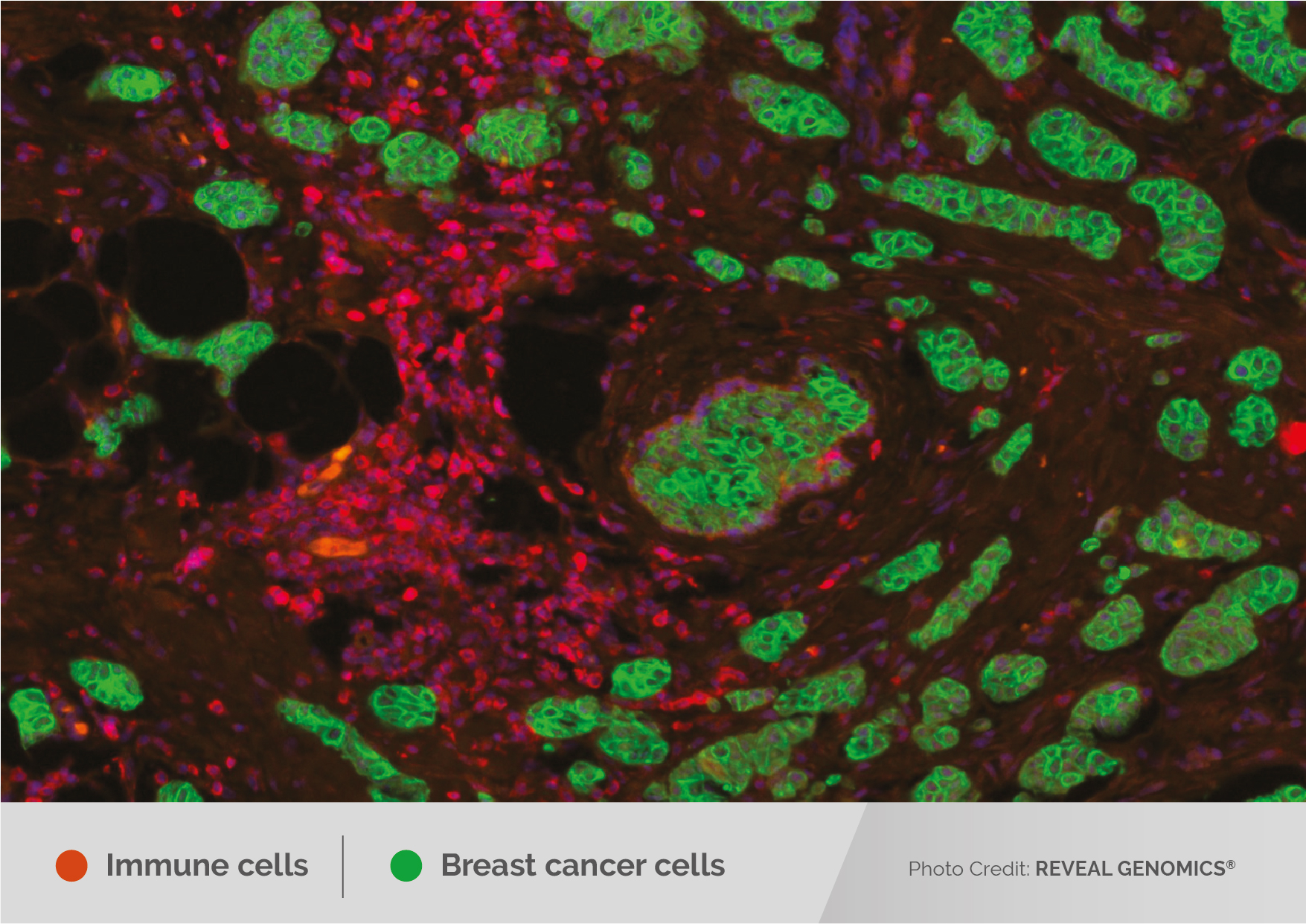
  • In collaboration with the Clínic Barcelona Campus, REVEAL GENOMICS® has identified a unique link between B-cell and T-cell immune infiltration and improved survival in breast cancer survivors.
  • These B-cell and T-cell immune genes are already incorporated into REVEAL GENOMICS®‘ HER2DX® and TNBCDX® genomic tests, demonstrating their value in clinical decision-making for HER2-positive and triple-negative breast cancer.
  • This discovery opens new avenues for understanding immune health and its role in long-term outcomes, paving the way for the development of personalized strategies and interventions to enhance patient care.

BARCELONA, Spain–(BUSINESS WIRE)–REVEAL GENOMICS, S.L., a Barcelona-based biotechnology start-up seeking to revolutionize precision oncology through biomarker innovation, has unveiled groundbreaking research that highlights a significant, previously unrecognized link between an anti-tumor adaptive immune response and improved survival outcomes in individuals who have apparently overcome breast cancer.


This study highlights the clinical value of REVEAL GENOMICS®‘ immune gene combinations, which identify key immune cells such as B-cells and T-cells linked to recurrence, metastasis, and treatment response in HER2-positive (HER2+) and triple-negative breast cancer (TNBC). The findings show that the immune signature correlates with reduced mortality in breast cancer survivors, regardless of age or type of breast cancer, advancing our understanding of survivorship.

Immune Genes: Key to Longevity in Early Breast Cancer

The study1 investigated the association between immune genes in tumor samples and overall survival (OS) in patients with early-stage breast cancer who have not experienced a relapse, termed as “longevity.” Analyzing comprehensive gene expression and clinical data from 9,638 patients across three distinct cohorts, a significant association was observed between immune expression and OS in patients without a documented relapse, independently of cancer subtype, tumor stage, or nodal status. Overall, patients with high immune tumors, characterized by significant immune system activity within its microenvironment, experienced a 41-47% reduction in mortality risk compared to low immune tumors. Importantly, prognostic tests, which are focused on tumor-cell features, did not show this association with longevity.

As Prof. Aleix Prat, cofounder and CSO of REVEAL GENOMICS®, explains, “Previous studies had demonstrated a very strong association between the immune signature and mortality, which we initially attributed to its ability to detect metastatic recurrences. We now know that while this is true, the immune signature also captures something much deeper—an intrinsic link to longevity in patients who have not relapsed. This finding opens new doors to understanding immune health and its role in long-term cancer outcomes.

Immune Signature and Longevity in Other Cancer Types

Analyses of the pan-cancer TCGA dataset reveal an association between the immune signature and overall survival in cervical cancer, head and neck cancer, lung adenocarcinoma, sarcoma, and melanoma. This study confirms that, as in breast cancer, the immune signature’s link to longevity is independent of cancer relapse and is particularly strong in melanoma.

Link to REVEAL GENOMICS®’ HER2DX® and TNBCDX® Tests

This discovery aligns with REVEAL GENOMICS®‘ mission to innovate precision oncology using sophisticated genomic tools. The HER2DX® and TNBCDX® genomic tests, developed by the company, incorporate the immune signature and/or related genes to predict outcomes for patients with HER2-positive and triple-negative breast cancer. By integrating these immune signatures, HER2DX® and TNBCDX® provide oncologists with powerful tools to tailor treatments more effectively and improve survival rates in breast cancer.

Opportunities for New Diagnostic Tools

Building on these findings, REVEAL GENOMICS® sees an opportunity to develop a new diagnostic tool specifically designed to assess the anti-tumor adaptive immune response in patients with early-stage breast cancer. This potential tool could help identify patients with a stronger immune-mediated protective effect, offering a novel method for stratifying risk and personalizing treatment strategies beyond breast cancer. By focusing on the immune system’s fitness during cancer development, this approach could lead to more effective, individualized therapies and better long-term outcomes for cancer survivors.

As Patricia Villagrasa, cofounder and CEO of REVEAL GENOMICS®, explains, “These findings unlock new possibilities for precision oncology and personalized medicine. Breast cancer offers a unique lens into a patient’s immune system function.” Villagrasa adds, “By uncovering the interplay between the immune system and breast cancer, we can enhance diagnostic tools to predict outcomes and assess overall health. At REVEAL GENOMICS®, our mission is to transform these insights into cutting-edge diagnostics that make a meaningful difference for patients worldwide.

Ongoing collaboration with OMNISCOPE

For this study, REVEAL GENOMICS® collaborated with OMNISCOPE (Barcelona, Spain), who performed single-cell CD45+ sequencing from tumor samples. This advanced analysis allowed for a more detailed characterization of the immune signature at cellular level, offering deeper insights into the composition and role of various immune cells in the tumor microenvironment and enhancing the understanding of HER2DX® and TNBCDX®’s impact on patient outcomes. Both companies are currently pursuing the possibility of tracking these immune features in blood, which could further enhance non-invasive monitoring and personalized treatment strategies.

About the HER2DX® and TNBCDX® tests

HER2DX®️ is the world’s first diagnostic test formulated specifically for HER2+ breast cancer. Marketed by REVEAL GENOMICS®️ since January 2022, HER2DX® is a standardized 27-gene expression test for patients with early-stage HER2+ breast cancer.

HER2DX®️ is a prognostic, predictive test based on clinical and genomic data. The test integrates clinical information (i.e. tumor size and nodal status) with biological information tracking immune response, luminal differentiation, tumor cell proliferation, and expression of the HER2 17q12-21 chromosomal amplicon, including the ERBB2 gene.

HER2DX®️ predicts:

  • Risk of relapse score (high vs. low): risk of recurrence in patients with newly diagnosed HER2+ breast cancer.
  • pCR likelihood score (high vs. medium vs. low): likelihood of a patient responding to anti-HER2-based treatment before surgery.
  • ERBB2 score (high vs. medium vs. low): quantitative expression of ERBB2 mRNA across HER2-negative, HER2-low and HER2+ breast cancer.

TNBCDX® is the first genomic test designed specifically for patients with early-stage Triple Negative Breast Cancer (TNBC). The test integrates clinical variables with key tumor and immune biological factors across 15 genes to provide a comprehensive risk assessment, guiding treatment decisions in a clinical setting. TNBCDX® includes two scores: a risk score and a pCR (pathological complete response) likelihood score. Additionally, the test measures the levels of ERBB2 to ensure that the tumor is accurately classified as TNBC. TNBCDX® is currently available in a Research Use Only (RUO) format. The company is currently standardizing the test, with plans to offer it through the Biomedical Diagnostic Center at Hospital Clínic (Barcelona) by 2025.

About Breast Cancer

Breast cancer is the most common cancer among women, with over 2.3 million new cases diagnosed annually, reflecting its clinical and biological heterogeneity. HER2+ and TNBC are two aggressive subtypes, accounting for 15-20% and 10-15% of cases, respectively. Together, these subtypes account for up to one-third of all breast cancer diagnoses. REVEAL GENOMICS® has developed HER2DX® and TNBCDX® to address this heterogeneity, offering genomic insights to predict prognosis, treatment response, and recurrence risk in these specific subtypes. REVEAL GENOMICS®’ groundbreaking discovery now links an anti-tumor adaptive immune response to reduced mortality across all breast cancer subtypes, independent of age or subtype, further advancing precision oncology for all patients.

About REVEAL GENOMICS®

REVEAL GENOMICS, S.L. is a biotechnology start-up seeking to change the way biomarkers are used in oncology. It is focused on developing innovative diagnostic tools to define the best therapeutic options for patients with cancer. The company uses pioneering techniques, sophisticated computer applications, and machine learning to reveal new cancer research data.

REVEAL GENOMICS, S.L. is a spin-off of Hospital Clínic de Barcelona, IDIBAPS, the University of Barcelona (U.B.), and the Vall d’Hebron Institute of Oncology (VHIO).

REVEAL GENOMICS®, HER2DX® and TNBCDX® are registered trademarks of REVEAL GENOMICS, S.L.

For more information, visit www.reveal-genomics.com or follow us on LinkedIn and X @revealgenomics.

References

1. Angelats L: Linking Tumor Immune Infiltration to Enhanced Longevity in Recurrence-Free Breast Cancer. ESMO Open, 2025 In Press https://www.esmoopen.com/article/S2059-7029(24)01880-5/fulltext

Contacts

Adriana Herrera, aherrera@reveal-genomics.com

Egle Therapeutics Strengthens its Executive Leadership Team With the Appointment of Christophe Quéva, Ph.D., as Chief Executive Officer

Egle Therapeutics Strengthens its Executive Leadership Team With the Appointment of Christophe Quéva, Ph.D., as Chief Executive Officer


Egle Therapeutics Strengthens its Executive Leadership Team With the Appointment of Christophe Quéva, Ph.D., as Chief Executive Officer

PARIS–(BUSINESS WIRE)–Egle Therapeutics, a clinical-stage biotechnology company advancing the next generation of regulatory T cell (Treg)-focused therapies for oncology and autoimmune diseases, today announced the appointment of experienced biotechnology industry executive, Christophe Quéva, Ph.D., as Chief Executive Officer (CEO). With over 20 years of experience in the biotechnology industry, Dr. Quéva brings a wealth of expertise as Egle transitions into the clinic its two lead drug candidates, EGL-001 and EGL-003.

I am thrilled to join Egle Therapeutics and collaborate with a team renowned for its deep scientific expertise in regulatory T cells and its strong track record in developing innovative drug candidates for immunology and oncology,” said Christophe Quéva, Ph.D. “Egle is uniquely positioned to demonstrate the therapeutic potential of harnessing regulatory T cells for treating both cancer and autoimmune diseases.

“As we transition from a company with preclinical assets to a fully-fledged clinical-stage biotech, we will benefit greatly from Christophe’s deep operational and strategic expertise. We are delighted to welcome Christophe to the Egle team and look forward to the successes he will drive,” said Vincent Brichard, M.D., Egle’s Interim CEO and Board member.

“Christophe’s appointment marks a pivotal moment for Egle, as we focus on clinical development and advancing our technology platform, his experience, knowledge and networks of the sector will ensure Egle continues to shape its future,” said Michel Detheux, Chairman of the board.

Christophe Quéva, Ph.D.

Dr. Christophe Quéva brings over two decades of experience in immuno-oncology, spanning portfolio development from target identification to clinical trials and regulatory approvals. Before joining Egle, he founded and led Ovie Therapeutics, a company focused on an innovative treatment for brain cancer. Since 2022, he has also served as Chief Scientific Officer at DEM BioPharma, driving the development of cancer macrophage-targeting therapies. Prior to this, Dr. Quéva was Chief Scientific Officer at Oncorus, where he advanced next-generation immunotherapies using oncolytic viruses and RNA therapeutics. He also held the same role at iTeos Therapeutics, overseeing the development of a groundbreaking immuno-oncology portfolio.

Earlier in his career, Dr. Quéva held leadership roles at Gilead Sciences, Amgen, and AstraZeneca, contributing to oncology and inflammation drug discovery. He holds a Ph.D. in Life and Health Sciences from the University of Lille in France and completed postdoctoral research in cancer biology at the Fred Hutchinson Cancer Research Center. Dr. Quéva’s extensive career includes numerous patents and publications in the oncology field, reflecting his commitment to advancing patient care through innovative science and leadership.

About Egle Therapeutics SAS (Egle)

Egle Therapeutics is a biotechnology company focused on developing immunotherapies targeting suppressive regulatory T cells. Egle is leveraging a proprietary discovery platform to unveil novel Treg specific targets and to develop innovative Treg-focused drug candidates for oncology and autoimmune diseases. Egle is evaluating its most advanced drug candidate in oncology, EGL-001 (a Treg-selective anti-CTLA4-IL-2m), in a Phase I/II clinical trial. In autoimmunity, Egle has completed IND-enabling studies for, EGL-003 (an IL-2 Treg engager), and is poised to commence a clinical trial in 2025.

Find out more at www.egle-tx.com.

Contacts

contact@egle-tx.com / 0033 (0)1 86 64 08 57

investor.relations@egle-tx.com / 0033 (0)1 86 64 08 57

GSK Enters Agreement to Acquire IDRx, Inc.

GSK Enters Agreement to Acquire IDRx, Inc.


GSK Enters Agreement to Acquire IDRx, Inc.

  • Acquisition includes IDRX-42, a highly selective KIT tyrosine kinase inhibitor (TKI) designed to treat gastrointestinal stromal tumours (GIST)
  • IDRX-42 offers potential to address all key KIT mutations in GIST that drive tumour growth and progression and improve tolerability, gaps in current therapies
  • Acquisition adds to GSK’s growing portfolio in gastrointestinal (GI) cancers
  • GSK to pay up to $1.15 billion

PLYMOUTH, Mass.–(BUSINESS WIRE)–GSK plc (LSE/NYSE: GSK) and IDRx, Inc. (IDRx) today announced that they have entered into an agreement under which GSK will acquire IDRx, a Boston-based, clinical-stage biopharmaceutical company dedicated to developing precision therapeutics for the treatment of GIST. Under the agreement, GSK will pay $1 billion upfront, with potential for an additional $150 million success-based regulatory approval milestone payment. The acquisition includes lead molecule, IDRX-42, a highly selective KIT TKI being developed as a first- and second-line therapy for the treatment of GIST.


GIST typically presents in the GI tract with 80% of cases driven by mutations in the KIT gene that lead to the growth, proliferation, and survival of tumour cells (primary or activating mutations).1 90% of patients treated in the first-line develop new KIT mutations (secondary or resistance mutations) that typically lead to relapse with limited therapeutic options.2 Currently, there are no approved TKIs that inhibit the full spectrum of clinically relevant primary and secondary mutations in KIT.

IDRX-42 has demonstrated activity against all key primary and secondary KIT mutations, designed to improve outcomes for patients with GIST. This breadth of mutational coverage, in addition to high selectivity which could improve tolerability, provides potential for a best-in-class profile.

Luke Miels, Chief Commercial Officer, GSK, said: IDRX-42 complements our growing portfolio in gastrointestinal cancers. This acquisition is consistent with our approach of acquiring assets that address validated targets and where there is clear unmet medical need, despite existing approved products.”

Tony Wood, Chief Scientific Officer, GSK, said:We are excited by the early data from IDRX-42 and its unique ability to target all clinically relevant KIT mutations present in GIST, a major gap in the current standard of care. We look forward to accelerating its development in 2025 to redefine treatment.”

Updated clinical data from StrateGIST 1, an ongoing phase I/Ib trial of IDRX-42 in patients with advanced GIST, were presented in an oral presentation at the Connective Tissue Oncology Society (CTOS) 2024 Annual Meeting. These data show promising anti-tumour activity of IDRX-42 in patients with advanced GIST with a manageable safety profile. Across patients with second-line or greater GIST, and amongst all KIT mutation subsets, the objective response rate (ORR) by modified RECIST v1.1 in the total efficacy evaluable population was 29% (n=87), including one complete response (CR) and 24 partial responses (PRs). Amongst patients who have had one prior line of therapy, the ORR was 53% (n=15) including one CR and 7 PRs.3

Across all patients, two of the PRs were awaiting confirmation at the time of the data cut, both of which were subsequently confirmed. The emerging durability data from StrateGIST 1 was also favourable. IDRX-42 was generally well-tolerated and treatment-related adverse events (TRAEs) were mainly low grade at the recommended phase Ib dose.4

Tim Clackson, CEO, IDRx, said:We are looking forward to working with GSK to advance IDRX-42 for patients with GIST given there have been no major advances to the standard of care for almost 20 years. Combining our experience to date with GSK’s expertise in GI cancers, global clinical development capability, and strong commercial presence in oncology will help to accelerate the development of this novel medicine for patients.”

GSK has a growing portfolio in development targeting the significant medical need in GI cancers, including ongoing trials with dostarlimab and GSK5764227 (GSK’227), a B7-H3-targeted antibody-drug conjugate. This agreement reflects GSK’s portfolio approach of identifying potentially best-in-class molecules with targeted mechanisms of action. The transaction supports GSK’s ambitions for growth through 2031 and beyond.

IDRx was founded in 2021 with a mission to address the limitations of today’s precision cancer medicines with highly potent and selective targeted therapies to stop key tumor escape mechanisms and prolong patients’ response to therapy. IDRx investors include Andreessen Horowitz (a16z), Casdin Capital, Nextech Invest, Forge Life Science Partners, RA Capital Management, Commodore Capital, Blackstone Multi-Asset Investing and Rock Springs Capital. IDRx co-founders include George Demetri, M.D., FACP, FASCO, FAACR, Nicholas Lydon, Ph.D., Alexis Borisy, Robert Forrester and Ben Auspitz.

Financial considerations

Under the terms of the agreement, GSK will acquire one hundred percent (100%) of the outstanding equity interests (including all options and other incentive equity) in IDRx for up to $1.15 billion of total cash consideration, comprising an upfront payment of $1 billion with potential for an additional $150 million success-based regulatory approval milestone payment. GSK will also be responsible for success-based milestone payments as well as tiered royalties for IDRX-42 owed to Merck KGaA, Darmstadt, Germany.

This transaction is subject to customary conditions, including applicable regulatory agency clearances under the Hart-Scott-Rodino Act in the US.

For IDRx, Centerview Partners LLC is acting as exclusive financial advisor and Goodwin Procter LLP as legal counsel. For GSK, Leerink Partners LLC is acting as the exclusive financial advisor.

About GIST

Gastrointestinal stromal tumours (GIST) are the most common subtype of soft tissue sarcoma, with about 80,000 to 120,000 patients diagnosed with GIST per year worldwide.5 GIST typically presents in the GI tract with 80% of cases driven by mutations in the KIT gene that lead to the growth, proliferation, and survival of tumour cells (primary or activating mutations in exons 9 and 11).6 Additionally, about 90% of patients treated in the first-line develop new KIT mutations (secondary or resistance mutations in exons 13 and 17) that typically lead to relapse with limited therapeutic options.7 There are no approved TKIs that inhibit the full spectrum of clinically relevant primary and secondary mutations in KIT.

About IDRX-42

IDRX-42 is a highly selective, investigational small molecule tyrosine kinase inhibitor (TKI) designed to target all key KIT mutations in GIST. The U.S. Food and Drug Administration (FDA) has granted IDRX-42 Fast Track designation for the treatment of patients with GIST after disease progression on or intolerance to imatinib, and Orphan Drug designations for the treatment of GIST.

About IDRx

IDRx is a clinical-stage biopharmaceutical company dedicated to transforming cancer care with intelligently designed precision therapies. IDRx aims to address the limitations of today’s precision cancer medicines with highly potent and selective targeted therapies to stop key tumour escape mechanisms and prolong response to therapy.

About GSK

GSK is a global biopharma company with a purpose to unite science, technology, and talent to get ahead of disease together. Find out more at gsk.com.

Cautionary statement regarding forward-looking statements

GSK cautions investors that any forward-looking statements or projections made by GSK, including those made in this announcement, are subject to risks and uncertainties that may cause actual results to differ materially from those projected. Such factors include, but are not limited to, those described under Item 3.D “Risk factors” in GSK’s Annual Report on Form 20-F for 2023, and GSK’s Q3 Results for 2024.

Registered in England & Wales:

No. 3888792

Registered Office:

79 New Oxford Street

London

WC1A 1DG

References

1 Bauer S, George S, von Mehren M, Heinrich MC. Early and Next-Generation KIT/PDGFRA Kinase Inhibitors and the Future of Treatment for Advanced Gastrointestinal Stromal Tumor. Front Oncol. 2021 Jul 12;11:672500.

2 Zhou S, Abdihamid O, Tan F, Zhou H, Liu H, Li Z, Xiao S, Li B. KIT mutations and expression: current knowledge and new insights for overcoming IM resistance in GIST. Cell Commun Signal. 2024 Feb 27;22(1):153.

3 George et al CTOS 2024

4 George et al CTOS 2024

5 Søreide K, Sandvik OM, Søreide JA, Giljaca V, Jureckova A, Bulusu VR. Global epidemiology of gastrointestinal stromal tumours (GIST): A systematic review of population-based cohort studies. Cancer Epidemiol. 2016 Feb;40:39-46.

6 Bauer S, George S, von Mehren M, Heinrich MC. Early and Next-Generation KIT/PDGFRA Kinase Inhibitors and the Future of Treatment for Advanced Gastrointestinal Stromal Tumor. Front Oncol. 2021 Jul 12;11:672500.

7 Zhou S, Abdihamid O, Tan F, Zhou H, Liu H, Li Z, Xiao S, Li B. KIT mutations and expression: current knowledge and new insights for overcoming IM resistance in GIST. Cell Commun Signal. 2024 Feb 27;22(1):153.

Contacts

IDRx Contacts

Media:

1AB

Katie Engleman

katie@1abmedia.com

Investors:

1AB

Steve Klass

steve@1abmedia.com

GSK enquiries

Media:

Tim Foley, +44 (0) 20 8047 5502 (London)

Sarah Clements, +44 (0) 20 8047 5502 (London)

Kathleen Quinn, +1 202 603 5003 (Washington DC)

Lyndsay Meyer, +1 202 302 4595 (Washington DC)

Investor Relations:

Annabel Brownrigg-Gleeson, +44 (0) 7901 101944 (London)

James Dodwell, +44 (0) 20 8047 2406 (London)

Mick Readey, +44 (0) 7990 339653 (London)

Camilla Campbell, +44 (0) 7803 050238 (London)

Steph Mountifield, +44 (0) 7796 707505 (London)

Jeff McLaughlin, +1 215 751 7002 (Philadelphia)

Frannie DeFranco, +1 215 751 4855 (Philadelphia)

Datopotamab Deruxtecan Granted Priority Review in the U.S. for Patients with Previously Treated Advanced EGFR-Mutated Non-Small Cell Lung Cancer

Datopotamab Deruxtecan Granted Priority Review in the U.S. for Patients with Previously Treated Advanced EGFR-Mutated Non-Small Cell Lung Cancer


Datopotamab Deruxtecan Granted Priority Review in the U.S. for Patients with Previously Treated Advanced EGFR-Mutated Non-Small Cell Lung Cancer

  • Application based on TROPION-Lung05 phase 2 trial and supported by data from TROPION-Lung01 phase 3 and TROPION-PanTumor01 phase 1 trials

TOKYO & BASKING RIDGE, N.J.–(BUSINESS WIRE)–Daiichi Sankyo (TSE: 4568) and AstraZeneca’s (LSE/STO/Nasdaq: AZN) Biologics License Application (BLA) for datopotamab deruxtecan (Dato-DXd) has been accepted and granted Priority Review in the U.S. for the treatment of adult patients with locally advanced or metastatic epidermal growth factor receptor-mutated (EGFR-mutated) non-small cell lung cancer (NSCLC) who have received prior systemic therapies, including an EGFR-directed therapy.


Datopotamab deruxtecan is a specifically engineered TROP2 directed DXd antibody drug conjugate (ADC) discovered by Daiichi Sankyo and being jointly developed by Daiichi Sankyo and AstraZeneca.

The U.S. Food and Drug Administration (FDA) grants Priority Review to applications for medicines that, if approved, would offer significant improvements over available options by demonstrating safety or efficacy improvements, preventing serious conditions or enhancing patient compliance. The Prescription Drug User Fee Act (PDUFA) date, the FDA action date for its regulatory decision, is July 12, 2025. Datopotamab deruxtecan was previously granted Breakthrough Therapy Designation (BTD) by the FDA for this patient population.

The BLA and BTD are based on data from the TROPION-Lung05 phase 2 trial and supported by data from the TROPION-Lung01 phase 3 trial. In addition, the BLA is supported by the TROPION-PanTumor01 phase 1 trial. In a pooled analysis of patients with previously treated advanced or metastatic EGFR-mutated NSCLC in the TROPION-Lung05 and TROPION-Lung01 trials presented at the European Society for Medical Oncology (ESMO) Asia 2024 Congress, datopotamab deruxtecan demonstrated clinically meaningful tumor response. The safety profile of datopotamab deruxtecan was consistent with previous reports from the TROPION-Lung05 and TROPION-Lung01 trials, with no new safety concerns identified.

Treating advanced EGFR-mutated non-small cell lung cancer presents a significant challenge due to the limited efficacy of available treatments once the disease has progressed following front-line therapies, including the use of an EGFR tyrosine kinase inhibitor,” said Ken Takeshita, MD, Global Head, R&D, Daiichi Sankyo. If approved, datopotamab deruxtecan could become the first TROP2 directed antibody drug conjugate for lung cancer, providing a promising option for patients.”

Acquired resistance to front-line therapies and, ultimately, disease progression are unfortunate realities for most patients with advanced EGFR-mutated non-small cell lung cancer,” said Susan Galbraith, MBBChir, PhD, Executive Vice President, Oncology R&D, AstraZeneca. “This Priority Review, and the previously granted Breakthrough Therapy Designation, recognize the potential for datopotamab deruxtecan to provide a much-needed option to patients whose disease has become resistant to current treatments.”

Daiichi Sankyo and AstraZeneca are evaluating datopotamab deruxtecan alone and in novel combinations as treatment for patients with NSCLC in seven phase 3 trials including the TROPION-Lung14 and TROPION-Lung15 trials of datopotamab deruxtecan alone and with osimertinib, AstraZeneca’s EGFR tyrosine kinase inhibitor (TKI), as treatment for patients with advanced or metastatic EGFRmutated nonsquamous NSCLC.

About TROPION-Lung05

TROPION-Lung05 is a global, multicenter, single-arm, open-label phase 2 trial evaluating the efficacy and safety of datopotamab deruxtecan in patients with locally advanced or metastatic NSCLC with actionable genomic alterations who have progressed on at least one TKI (with or without other systemic therapies) and on or after one regimen of platinum-based chemotherapy. Patients receiving up to four prior lines of treatment with tumors with one or more genomic alterations including EGFR, ALK, ROS1, NTRK, BRAF, RET or MET were eligible for the trial.

The primary trial endpoint of TROPION-Lung05 is objective response rate (ORR) as assessed by blinded independent central review (BICR). Secondary efficacy endpoints include duration of response (DoR), disease control rate (DCR), clinical benefit rate, progression-free survival (PFS), time to response (TTR), overall survival (OS) and safety.

TROPION-Lung05 enrolled 137 patients globally in Asia, Europe and North America. For more information visit ClinicalTrials.gov.

Primary results from TROPION-Lung05 were published in the Journal of Clinical Oncology in January 2025.

About TROPION-Lung01

TROPION-Lung01 is a global, randomized, multicenter, open-label phase 3 trial evaluating the efficacy and safety of datopotamab deruxtecan versus docetaxel in adult patients with locally advanced or metastatic NSCLC with and without actionable genomic alterations who require systemic therapy following prior treatment. Patients with actionable genomic alterations were previously treated with an approved targeted therapy and platinum-based chemotherapy. Patients without known actionable genomic alterations were previously treated, concurrently or sequentially, with platinum-based chemotherapy and a PD-1 or PD-L1 inhibitor.

The dual primary endpoints of TROPION-Lung01 are PFS as assessed by BICR and OS. Key secondary endpoints include investigator-assessed PFS, ORR, DoR, TTR, and DCR as assessed by both BICR and investigator, and safety.

TROPION-Lung01 enrolled approximately 600 patients in Asia, Europe, North America, Oceania and South America. For more information visit ClinicalTrials.gov.

Primary PFS results and interim OS results from TROPION-Lung01 were presented at the 2023 ESMO (#ESMO23) Congress. Final OS results were presented at IASLC 2024 World Conference on Lung Cancer hosted by the International Association for the Study of Lung Cancer (#WCLC24) and simultaneously published in the Journal of Clinical Oncology in September 2024.

About TROPION-PanTumor01

TROPION-PanTumor01 is a first-in-human, open-label, two-part, multicenter phase 1 trial evaluating the safety and preliminary efficacy of datopotamab deruxtecan in patients with advanced solid tumors that have relapsed or are refractory to standard treatment or for which no standard treatment is available. The dose escalation portion of the trial enrolled patients with NSCLC to assess the safety and tolerability of datopotamab deruxtecan to determine the recommended dose for expansion (6 mg/kg). The dose expansion part of TROPION-PanTumor01 enrolled several different cohorts including patients with NSCLC, triple negative breast cancer (TNBC), HR positive, HER2 low or negative breast cancer, small cell lung cancer, urothelial, gastric, pancreatic, castration resistant prostate and esophageal cancer.

Safety endpoints include dose-limiting toxicities and serious adverse events. Efficacy endpoints include ORR, DoR, TTR, PFS and OS. Pharmacokinetic, biomarker and immunogenicity endpoints also are being evaluated.

TROPION-PanTumor01 enrolled approximately 900 patients in Asia and North America. For more information visit ClinicalTrials.gov.

About Advanced Non-Small Cell Lung Cancer

Nearly 2.5 million lung cancer cases were diagnosed globally in 2022.1 Lung cancer is broadly split into small or non-small cell lung cancer, the latter accounting for about 80% of cases.2 Approximately 10% to 15% of patients with NSCLC in the U.S. and Europe, and 30% to 40% of patients in Asia have an EGFR mutation.3,4 The majority of EGFR mutations occur in tumors of nonsquamous histology.5

For patients with tumors that have an EGFR mutation, the established first-line treatment in the metastatic setting is an EGFR TKI.6 While EGFR TKIs have improved outcomes in the first-line setting, most patients eventually experience disease progression and receive subsequent therapies, such as chemotherapy.7,8,9,10

TROP2 is a protein broadly expressed in the majority of NSCLC tumors.11 There is currently no TROP2 directed ADC approved for the treatment of lung cancer.6,12

About Datopotamab Deruxtecan (Dato-DXd)

Datopotamab deruxtecan (Dato-DXd) is an investigational TROP2 directed ADC. Designed using Daiichi Sankyo’s proprietary DXd ADC Technology, datopotamab deruxtecan is one of six DXd ADCs in the oncology pipeline of Daiichi Sankyo, and one of the most advanced programs in AstraZeneca’s ADC scientific platform. Datopotamab deruxtecan is comprised of a humanized anti-TROP2 IgG1 monoclonal antibody, developed in collaboration with Sapporo Medical University, attached to a number of topoisomerase I inhibitor payloads (an exatecan derivative, DXd) via tetrapeptide-based cleavable linkers.

Datopotamab deruxtecan is approved in Japan under the brand name DATROWAY® for the treatment of adult patients with HR positive, HER2 negative (IHC 0, IHC 1+ or IHC 2+/ISH-) unresectable or recurrent breast cancer after prior chemotherapy based on the results of the TROPION-Breast01 trial. Datopotamab deruxtecan is an investigational medicine in all countries outside of Japan.

About the Datopotamab Deruxtecan Clinical Development Program

A comprehensive global clinical development program is underway with more than 20 trials evaluating the efficacy and safety of datopotamab deruxtecan across multiple cancers, including NSCLC, TNBC and HR positive, HER2 low or negative breast cancer. The program includes seven phase 3 trials in lung cancer and five phase 3 trials in breast cancer evaluating datopotamab deruxtecan as a monotherapy and in combination with other anticancer treatments in various settings.

About the Daiichi Sankyo and AstraZeneca Collaboration

Daiichi Sankyo and AstraZeneca entered into a global collaboration to jointly develop and commercialize ENHERTU® in March 2019 and datopotamab deruxtecan in July 2020, except in Japan where Daiichi Sankyo maintains exclusive rights for each ADC. Daiichi Sankyo is responsible for the manufacturing and supply of ENHERTU and datopotamab deruxtecan.

About the ADC Portfolio of Daiichi Sankyo

The Daiichi Sankyo ADC portfolio consists of seven ADCs in clinical development crafted from two distinct ADC technology platforms discovered in-house by Daiichi Sankyo.

The ADC platform furthest in clinical development is Daiichi Sankyo’s DXd ADC Technology where each ADC consists of a monoclonal antibody attached to a number of topoisomerase I inhibitor payloads (an exatecan derivative, DXd) via tetrapeptide-based cleavable linkers. The DXd ADC portfolio currently consists of ENHERTU, a HER2 directed ADC, and datopotamab deruxtecan (Dato-DXd), a TROP2 directed ADC, which are being jointly developed and commercialized globally with AstraZeneca.

Patritumab deruxtecan (HER3-DXd), a HER3 directed ADC, ifinatamab deruxtecan (I-DXd), a B7-H3 directed ADC, and raludotatug deruxtecan (R-DXd), a CDH6 directed ADC, are being jointly developed and commercialized globally with Merck & Co., Inc, Rahway, NJ, USA. DS-3939, a TA-MUC1 directed ADC, is being developed by Daiichi Sankyo.

The second Daiichi Sankyo ADC platform consists of a monoclonal antibody attached to a modified pyrrolobenzodiazepine (PBD) payload. DS-9606, a CLDN6 directed PBD ADC, is the first of several planned ADCs in clinical development utilizing this platform.

Ifinatamab deruxtecan, patritumab deruxtecan, raludotatug deruxtecan, DS-3939 and DS-9606 are investigational medicines that have not been approved for any indication in any country. Safety and efficacy have not been established.

About Daiichi Sankyo

Daiichi Sankyo is an innovative global healthcare company contributing to the sustainable development of society that discovers, develops and delivers new standards of care to enrich the quality of life around the world. With more than 120 years of experience, Daiichi Sankyo leverages its world-class science and technology to create new modalities and innovative medicines for people with cancer, cardiovascular and other diseases with high unmet medical need. For more information, please visit www.daiichisankyo.com.

_________________

References

1 World Health Organization. Global Cancer Observatory: Lung. Accessed January 2025.

2 American Cancer Society. Key Statistics for Lung Cancer. Accessed January 2025.

3 Szumera-Ciećkiewicz A, et al. Int J Clin Exp Pathol. 2013;6(12): 2800-2812.

4 Ellison G, et al. J Clin Pathol. 2013;66(2):79-89.

5 Prabhakar C. Translational Lung Cancer Research. 2015;4(2), 110-118.

6 American Cancer Society. Targeted Drug Therapy for Non-Small Cell Lung Cancer. Accessed January 2025.

7 Chen R, et al. J Hematol Oncol. 2020:13(1):58.

8 Majeed U, et al. J Hematol Oncol. 2021;14(1):108.

9 Morgillo F, et al. ESMO Open. 2016;1:e000060.

10 Han B, et al. Onco Targets Ther. 2018;11:2121-9.

11 Mito R, et al. Pathol Int. 2020;70(5):287-294.

12 Rodríguez-Abreau D, et al. Ann Onc. 2021 Jul;32(7): 881-895.

Contacts

Media Contacts

Global/US:

Jennifer Brennan

Daiichi Sankyo, Inc.

jennifer.brennan@daiichisankyo.com
+1 908 900 3183 (mobile)

Japan:
Daiichi Sankyo Co., Ltd.

DS-PR_jp@daiichisankyo.com

Investor Relations Contact:
DaiichiSankyoIR_jp@daiichisankyo.com

Avanzanite Bioscience Announces Appointment of Chief Technical Officer to Accelerate European Expansion and Drive Growth

Avanzanite Bioscience Announces Appointment of Chief Technical Officer to Accelerate European Expansion and Drive Growth


Avanzanite Bioscience Announces Appointment of Chief Technical Officer to Accelerate European Expansion and Drive Growth

  • Appointment of Jason Cameron as first Chief Technical Officer underscores Avanzanite’s strategic commitment to accelerating revenue growth and expanding its footprint across Europe and beyond.
  • With over 25 years of global pharmaceutical experience, Cameron is poised to enhance Avanzanite’s commercial distribution of orphan medicines and fuel the company’s ambitious growth trajectory.
  • In the short term, Cameron will focus on deepening Avanzanite’s presence in 26 European countries and spearheading the execution of strategic partnerships slated for 2025.

AMSTERDAM–(BUSINESS WIRE)–#innovation–Avanzanite Bioscience B.V., a leading commercial-stage specialty pharmaceutical company committed to bringing ground-breaking medicines for rare diseases to market, announced today the appointment of Jason Cameron as Chief Technical Officer (CTO). This move marks a significant step in Avanzanite’s mission to accelerate growth, expand its presence in Europe, and advance the company’s next phase of international partnerships and product launches.


As CTO, Cameron will initially focus on the strategic expansion of Avanzanite’s footprint into 26 European countries, driving revenue growth for the current portfolio while also preparing for key new partnerships expected to materialize in 2025.

With over 25 years of experience in pharmaceutical operations, Mr. Cameron brings unparalleled expertise in global product distribution, regulatory compliance, and manufacturing of orphan medicines. His career spans leadership roles at some of the industry’s most innovative biopharmaceutical companies, including Genzyme (Sanofi), Synageva, and Amicus Therapeutics, where he was instrumental in launching more than 17 rare disease treatments.

Prior to joining Avanzanite, Cameron was Chief Operations Officer of Orphan Drug Consulting. Most recently in a corporate role, Mr. Cameron served as Senior Vice President of Technical Operations at Amicus Therapeutics, overseeing global product supply for small molecules, biologics, and gene therapies. Earlier in his career, he played a pivotal role at Genzyme, where he helped establish and scale supply chain operations across Europe and led global commercial supply efforts.

“We are thrilled to welcome Jason to our leadership team, which we proudly refer to as “Avanzanite’s Champions League,” said Adam Plich, Founder and CEO of Avanzanite. “Jason’s deep experience in global pharmaceutical operations, especially in rare disease markets, will be invaluable as we continue to expand our reach and deliver life-changing treatments to patients across Europe and beyond.” Plich continued, “Our long-term vision is to ensure that no patient is left behind when facing a rare disease, and Jason’s expertise and shared commitment to this mission will be instrumental in our success.”

In his role, Cameron will oversee key operational functions, including supply chain management, manufacturing, quality assurance, regulatory compliance, and launch management. His leadership will ensure that Avanzanite can continue to provide timely, compliant, and high-quality product supply to patients across multiple regions while laying the groundwork for continued expansion into new markets.

“It’s an exciting opportunity to join Avanzanite and help realize its vision of improving access to orphan medicines for underserved patient populations,” said Jason Cameron. “I look forward to working closely with the talented Avanzanite team to strengthen our operational capabilities and further our mission to make a lasting difference in the lives of rare disease patients.” Cameron will be based in London, UK.

In 2024, Avanzanite continued its expansion in the European orphan drug market, reaching over 120 patients across 12 markets and generating revenue in six countries. With two authorized medicinal products in its portfolio, the Company is now poised to extend its presence to 26 European countries following the recent authorization of an orphan medicine for acanthamoeba keratitis.

About Avanzanite Bioscience

At Avanzanite Bioscience, we believe the world is full of untapped potential. Our mission is to unlock this potential, bringing life-changing treatments to underserved patient populations and overlooked markets. We are committed to ensuring that no patient is left behind when facing a debilitating rare disease. By acquiring, licensing, and distributing approved or late-stage medicines for rare diseases, we navigate European commercialization hurdles, ensuring that valuable medicines reach the markets and patient populations that need them most.

Founded in 2022 and headquartered in Amsterdam, the Netherlands, Avanzanite operates across Europe, with a growing infrastructure dedicated to serving patients and partners alike.

For more information, visit www.avanzanite.com.

Contacts

Avanzanite Bioscience B.V.

Phone: +31 20 301 21 13

Email: media@avanzanite.com
Website: www.avanzanite.com

Natera Announces Preliminary Fourth Quarter and Full-Year Results for 2024

Natera Announces Preliminary Fourth Quarter and Full-Year Results for 2024


Natera Announces Preliminary Fourth Quarter and Full-Year Results for 2024

2024 revenues are expected to increase by approximately 56% compared to 2023, which is approximately $53 million above top end of financial outlook

Additional business updates to be presented by Natera at the 43rd Annual J.P. Morgan Healthcare Conference on January 15, 2025

AUSTIN, Texas–(BUSINESS WIRE)–Natera, Inc. (NASDAQ: NTRA), a global leader in cell-free DNA and genetic testing, today released preliminary unaudited results for the fourth quarter and full year ended December 31, 2024. The Company expects the following:


  • Total revenues of approximately $472 million in the fourth quarter of 2024 compared to $311 million in the fourth quarter of 2023, an increase of approximately 52%.
  • Total revenues of approximately $1.7 billion in the full year 2024 compared to $1.1 billion in the full year 2023, an increase of approximately 56%.
  • Approximately 792,800 tests were processed in the fourth quarter of 2024 compared to 626,800 tests in the fourth quarter of 2023, an increase of 26.5%. This includes a record quarter for the Company’s three flagship products: Panorama™, Prospera™ and Signatera™.
  • Approximately 3,064,600 tests were processed in the full year 2024 compared to 2,496,100 tests in the full year 2023, an increase of 22.8%.
  • Approximately 150,800 oncology tests, including approximately 144,500 clinical oncology tests, were processed in the fourth quarter of 2024 compared to 97,500 oncology tests, including 90,500 clinical oncology tests, in the fourth quarter of 2023, an increase of 54.7%. Sequentially, clinical oncology tests increased by approximately 14,800 tests in the fourth quarter of 2024 over the third quarter of 2024.
  • Approximately 528,200 oncology tests, including approximately 498,300 clinical oncology tests, were processed in the full year 2024 compared to 341,000 oncology tests, including 305,400 clinical oncology tests, in the full year 2023, an increase of 54.9%.
  • The Company achieved positive cash inflows of approximately $45.8 million in the fourth quarter of 2024 compared to cash outflows of $60.8 million in the fourth quarter of 20231,2.
  • The Company achieved positive cash inflows of approximately $86.3 million in the full year 2024 compared to cash outflows of $267.1 million in 20231,2.

These results will be included in a presentation at the 43rd Annual J.P. Morgan Healthcare Conference on Wednesday, January 15, 2025, at 9:00 am PT, and also posted to the investor relations section of the Natera website at www.investor.natera.com. Natera will also present additional business updates at the J.P. Morgan conference.

Natera plans to release its complete fourth quarter and full year 2024 financial results during its earnings call in February 2025.

About Natera

Natera™ is a global leader in cell-free DNA and genetic testing, dedicated to oncology, women’s health, and organ health. We aim to make personalized genetic testing and diagnostics part of the standard of care to protect health and inform earlier, more targeted interventions that help lead to longer, healthier lives. Natera’s tests are validated by more than 250 peer-reviewed publications that demonstrate high accuracy. Natera operates ISO 13485-certified and CAP-accredited laboratories certified under the Clinical Laboratory Improvement Amendments (CLIA) in Austin, Texas, and San Carlos, California. For more information, visit www.natera.com.

Forward-Looking Statements

This release contains forward-looking statements, including our preliminary operational and financial results for the fourth quarter and fiscal year ended December 31, 2024. The preliminary operational and financial results for the fourth quarter and fiscal year ended December 31, 2024 have not been audited by our independent registered public accounting firm and are based on management’s initial review of our operations and results for the completed fiscal year. These preliminary operational and financial results are subject to revision based upon our year-end closing procedures, final adjustments and the audit to be conducted by our independent registered public accounting firm. As a result, our actual operational and financial results may differ materially from these preliminary results. In addition, these preliminary operational and financial results are not a comprehensive statement of our operational and financial results for the fourth quarter and for fiscal 2024, and should not be viewed as a substitute for full, audited financial statements prepared in accordance with generally accepted accounting principles. Any forward-looking statements contained in this release are based upon Natera’s current plans, estimates, and expectations as of the date of this release, and are not a representation that such plans, estimates, or expectations will be achieved. Subsequent events may cause these expectations to change, and Natera disclaims any obligation to update the forward-looking statements in the future.

Our forward-looking statements are subject to known and unknown risks and uncertainties that may cause actual results to differ materially, including: our preliminary operational and financial results for the fourth quarter and for fiscal 2024 are subject to material changes and adjustments as noted above; we face numerous uncertainties and challenges in achieving our financial projections and goals; we have incurred net losses since our inception and we anticipate that we will continue to incur net losses for the foreseeable future; our quarterly results may fluctuate from period to period; our estimates of market opportunity and forecasts of market growth may prove to be inaccurate. Additional risks and uncertainties that could affect our financial results are discussed in greater detail in the sections titled “Risk Factors” and “Management’s Discussion and Analysis of Financial Condition and Results of Operations” in our most recent filings on Forms 10-K and 10-Q and in other filings that we make with the SEC from time to time. These documents are available at www.investor.natera.com and on the SEC’s website at www.sec.gov.

1 Non-GAAP cash inflow for the quarter and year ended December 31, 2024 are estimated based on estimated unaudited GAAP Statement of Cash Flows amounts including net cash from operating activities, net cash from financing activities, and net cash from investing activities excluding amounts related to short term investments.

2 Non-GAAP cash outflow of $60.8 million for the quarter ended December 31, 2023 are derived from GAAP Statement of Cash Flows amounts including $58.1 million net cash from operating activities, $9.5 million net cash from investing activities excluding amounts related to short term investments offset by $6.8 million net cash from financing activities.

Non-GAAP cash outflow of $267.1 million for the year ended December 31, 2023 are derived from GAAP Statement of Cash Flows amounts including $246.9 million net cash from operating activities, $39.2 million net cash from investing activities excluding amounts related to short term investments, offset by $19.0 million net cash from financing activities excluding $235.4 million cash inflows from the September 2023 public offering.

Management uses non-GAAP cash flow as an indicator of the Company’s operational cash generating capabilities.

Contacts

Investor Relations: Mike Brophy, CFO, Natera, Inc., 650-249-9090, investor@natera.com
Media: Lesley Bogdanow, VP of Corporate Communications, Natera, Inc., pr@natera.com

Sage Therapeutics to Present 2025 Strategic Focus at 43rd Annual J.P. Morgan Healthcare Conference

Sage Therapeutics to Present 2025 Strategic Focus at 43rd Annual J.P. Morgan Healthcare Conference


Sage Therapeutics to Present 2025 Strategic Focus at 43rd Annual J.P. Morgan Healthcare Conference

Increased investment in ZURZUVAE to help accelerate market growth in postpartum depression with the goal of topline revenue growth in 2025

R&D and G&A expenses expected to decrease substantially in 2025

Company anticipates extended cash runway to mid-2027

CAMBRIDGE, Mass.–(BUSINESS WIRE)–Sage Therapeutics, Inc. (Nasdaq: SAGE) today announced that Chief Executive Officer Barry Greene will discuss the Company’s strategic focus areas for 2025 at the 43rd Annual J.P. Morgan Healthcare Conference in San Francisco, California.


As part of this presentation, Mr. Greene will discuss the ongoing commercialization and strategic growth plans for ZURZUVAE® (zuranolone), the first and only once-daily 14-day oral treatment for adults with postpartum depression (PPD). Mr. Greene will also discuss the Company’s recalibrated R&D approach and its prioritized pipeline focused on neurodevelopmental disorders and neuropsychiatry. R&D and G&A expenses are expected to decrease substantially in 2025.

ZURZUVAE’s first year has demonstrated its potential to become the standard of care for postpartum depression, a condition with significant need where treatment options were once limited. We are building on this foundation with a strategic plan to scale and accelerate growth and ultimately help more women with PPD, which is our top priority,” said Barry Greene, Chief Executive Officer, Sage Therapeutics. “With the commercial momentum behind ZURZUVAE, a focused approach to R&D, and an extended cash runway to mid-2027, we believe Sage is well positioned for commercial growth and value creation.”

2025 Areas of Focus:

ZURZUVAE: Sage is focused on the goal of establishing ZURZUVAE as the first line therapy and standard of care for women with PPD. The current commercialization investment plan includes joint sales force expansions and planned digital marketing campaigns to help expand market growth in PPD, along with increased disease state awareness efforts to support improved PPD screening and diagnosis. The Company anticipates these investments will help support the goal of topline revenue growth in 2025.

SAGE-319: SAGE-319 is an extrasynaptic-preferring GABAA receptor positive allosteric modulator (PAM) designed to have a novel pharmacology and a differentiated clinical profile from other GABAA PAMs in our portfolio. It is currently being investigated as a potential treatment for behavioral symptoms associated with certain neurodevelopmental disorders. The Company expects data from a Phase 1 multiple ascending dose (MAD) study by late 2025, and will evaluate next steps, if any, based on these data.

Areas In Evaluation:

SAGE-324: The Company is evaluating potential indications, including seizures in developmental and epileptic encephalopathies (DEEs), and expects to provide an update on next steps, if any, in mid-2025.

Early Discovery: The Company is continuing to explore targeted early discovery work within its NMDA NAMs platform.

Financial Guidance

Based upon the Company’s current operating plan, Sage anticipates that its existing cash, cash equivalents and marketable securities as of September 30, 2024, together with anticipated funding from ongoing collaborations and estimated revenues, will support its operations to mid-2027.​ While ZURZUVAE joint commercialization investment with Biogen will increase in 2025, the Company anticipates overall operating expenses will substantially decrease relative to 2024, reflecting reductions in R&D and G&A with pipeline prioritization and the cost savings from the 2024 reorganization expected to be realized starting in Q1 2025.

A live webcast of the presentation can be accessed on the Investor page of Sage’s website at investor.sagerx.com. A replay of the webcast will be available following the completion of the event and will be archived for up to 30 days.

About Sage Therapeutics

Sage Therapeutics (Nasdaq: SAGE) is a biopharmaceutical company committed to our mission of pioneering solutions to deliver life-changing brain health medicines, so every person can thrive. Sage developed the only two FDA-approved treatments indicated for postpartum depression and is advancing a pipeline to target unmet needs in brain health. Sage was founded in 2010 and is headquartered in Cambridge, Mass. Find out more at www.sagerx.com or engage with us on Facebook, LinkedIn, Instagram, and X.

Forward-Looking Statements

Various statements in this release concern Sage’s future expectations, plans and prospects, including without limitation our statements regarding: our plans, expectations and goals for commercialization of ZURZUVAE as a treatment for women with PPD, including our goals to establish ZURZUVAE as the first line treatment and standard of care in this indication, scale and accelerate growth, and prioritize helping more women with PPD; our belief in the potential for ZURZUVAE and that ZURZUVAE will be successful as a transformative treatment helping women with PPD; our plans to increase investment in ZURZUVAE to help accelerate market and topline revenue growth in 2025 and our overall expectations on the impact of such increased investment; our expectations regarding our cash runway and our anticipated reduction in operating expenses in 2025 relative to 2024; anticipated timelines for completion of enrollment in clinical trials and reporting of results with respect to certain of our other programs, including the expected timing of readout of the multiple ascending dose study for SAGE-319; our belief in the potential profile and benefit of our product candidates; potential indications for our product candidates; our plans to evaluate next steps, if any, for the SAGE-324 program and the timing of our announcement of next steps regarding the SAGE-324 program; our plans to explore targeted early discovery work within our NMDA NAMs platform; the potential for success of our programs, and the opportunity to help patients in various indications; our belief as to the key business drivers for our business and potential value creation opportunities; and the mission and goals for our business. These statements constitute forward-looking statements as that term is defined in the Private Securities Litigation Reform Act of 1995. These forward-looking statements are neither promises nor guarantees of future performance, and are subject to a variety of risks and uncertainties, many of which are beyond our control, which could cause actual results to differ materially from those contemplated in these forward-looking statements, including the risks that: our launch and commercialization efforts in the U.S. with respect to ZURZUVAE for the treatment of women with PPD may not be successful, and we may be unable to generate revenues from sales of ZURZUVAE at the levels or on the timing we expect or at levels or on the timing necessary to support our goals; the number of women with PPD, the unmet need for additional treatment options, and the potential market for ZURZUVAE for the treatment of women with PPD, may be significantly smaller than we expect; ZURZUVAE may not achieve the clinical benefit, clinical use or market acceptance for the treatment of PPD we expect or we may encounter reimbursement, market access, process-related or other issues, including competition in the market, that impact the success of our commercialization efforts; ZURZUVAE may never become the first line treatment and standard of care for women with PPD; our increased investment in the commercialization of ZURZUVAE for the treatment of women with PPD may not have the expected impacted; we may encounter delays in initiation, conduct, completion of enrollment or completion and reporting of data with respect to any of our ongoing clinical trials, such as the completion of the multiple ascending dose study for SAGE-319, including as a result of slower than expected site initiation, slower than expected enrollment, the need or decision to expand the trials or other changes, that may impact our ability to meet our expected timelines and may increase our costs; success in earlier clinical trials of any of our product candidates may not be repeated or observed in ongoing or future studies, and ongoing and future clinical trials may not meet their primary or key secondary endpoints, which may substantially impair development; unexpected concerns may arise from additional data, analysis or results from any of our completed studies; decisions or actions of the FDA or the timing of meetings with the FDA may affect the timing, design, size, progress and cost of clinical trials or the timing of data read-outs or our ability to proceed with further development or may impair the potential for successful development or the timing or success of filing for and gaining regulatory approval; we may encounter adverse events at any stage that negatively impact further development and the potential for approval of our product candidates or the potential for successful commercialization of any our products or that require additional nonclinical and clinical work, which may not yield positive results; the need to align with our collaborators may hamper or delay our development and commercialization efforts for the products or product candidates that are part of the collaboration or increase our costs; the anticipated benefits of our ongoing collaborations, including the receipt of payments or the successful development or commercialization of products and generation of revenue, may never be achieved at the levels or timing we expect or at all; our business may be adversely affected and our costs may increase if any of our key collaborators fails to perform its obligations or terminates our collaboration; the internal and external costs required for our ongoing, planned and other future activities, and the resulting impact on expense and use of cash, may be higher than expected, which may cause us to use cash more quickly than we expect or change or curtail some of our plans or both; our expectations as to expenses, cash usage, potential revenue, funding from collaborations, including milestones, cash runway and cash needs may prove not to be correct for other reasons such as changes in plans or actual events being different than our assumptions; we may not achieve anticipated cost savings from our October 2024 reorganization and pipeline prioritization efforts at the levels we expect; we may be opportunistic in our future financing plans even if available cash is sufficient; we may not be successful in our efforts to gain regulatory approval of products beyond ZURZUVAE and ZULRESSO; we may not achieve revenues from our products that may be successfully developed in the future at levels we expect; additional funding may not be available on acceptable terms when we need it, which could hamper our development and commercialization activities; any of the foregoing events could impair the drivers and value creation opportunities for our business; and we may encounter technical and other unexpected hurdles in the development and manufacture of our product candidates or the commercialization of any current or future marketed product, which may delay our timing or change our plans, increase our costs or otherwise negatively impact our business; as well as those risks more fully discussed in the section entitled “Risk Factors” in our most recent quarterly report, as well as discussions of potential risks, uncertainties, and other important factors in our subsequent filings with the Securities and Exchange Commission. In addition, any forward-looking statements represent our views only as of today and should not be relied upon as representing our views as of any subsequent date. We explicitly disclaim any obligation to update any forward-looking statements.

SELECT IMPORTANT SAFETY INFORMATION FOR ZURZUVAE

ZURZUVAE (zuranolone) CIV, is a neuroactive steroid gamma-aminobutyric acid (GABA) A receptor positive modulator indicated for the treatment of postpartum depression in adults.

This does not include all the information needed to use ZURZUVAE safely and effectively. See full prescribing information for ZURZUVAE.

ZURZUVAE may cause serious side effects, including decreased awareness and alertness, which can affect your ability to drive safely or safely do other dangerous activities. Do not drive, operate machinery, or do other dangerous activities until at least 12 hours after taking each dose. You may not be able to tell on your own if you can drive safely or tell how much ZURZUVAE is affecting you. ZURZUVAE may cause central nervous system (CNS) depressant effects including sleepiness, drowsiness, slow thinking, dizziness, confusion, and trouble walking. Taking alcohol, other medicines that cause CNS depressant effects such as benzodiazepines, or opioids while taking ZURZUVAE can make these symptoms worse and may also cause trouble breathing. ZURZUVAE is a federally controlled substance schedule IV because it contains zuranolone, which can be abused or lead to dependence. Tell your healthcare provider right away if you become pregnant or plan to become pregnant during treatment with ZURZUVAE. You should use effective birth control (contraception) during treatment with ZURZUVAE and for 1 week after the final dose. ZURZUVAE and other antidepressant medicines may increase the risk of suicidal thoughts and actions in people 24 years of age and younger. ZURZUVAE is not for use in children. The most common side effects of ZURZUVAE include sleepiness or drowsiness, dizziness, common cold, diarrhea, feeling tired, weak, or having no energy, and urinary tract infection.

Contacts

Investor Contact
Ashley Kaplowitz

Ashley.Kaplowitz@sagerx.com

Media Contact
Francesca Dellelci

Francesca.Dellelci@sagerx.com