Immersive AI Platform for Pathologists Set to Launch at CAP25 in Orlando

Immersive AI Platform for Pathologists Set to Launch at CAP25 in Orlando


Immersive AI Platform for Pathologists Set to Launch at CAP25 in Orlando

NORTHFIELD, Ill.–(BUSINESS WIRE)–A new virtual artificial intelligence (AI) platform for pathologists will debut at CAP25, September 13-16 in Orlando, to give pathologists experience with the technology.


The College of American Pathologists’ (CAP) platform, powered by PathPresenter’s technology, will provide CAP members a safe, simulated space to explore cutting-edge AI tools used in pathology. From image analysis to diagnostic support, pathologists can interact with models in realistic patient scenarios without impacting care.

“It’s no risk, no pressure. Just discovery,” said CAP President Donald Karcher, MD, FCAP. “This initiative is about giving pathologists a trusted environment to evaluate new tools and stay in control of how technology fits into pathology practice.”

Designed as both an educational tool and a discovery hub, the platform is set to become a go-to destination for pathologists exploring AI in real-world contexts when launched at CAP25.

“We wanted to give pathologists a space to explore how AI models can be used in real-world practice,” said M. E. (Doc) de Baca, MD, FCAP, CAP Council on Informatics and Pathology Innovation Chair. “This platform not only highlights the AI tools currently available and also offers a glimpse of what’s possible as we continue to investigate how AI can support and enhance the practice of pathology.”

The platform will feature a slate of AI tools for the pathology community to test drive, with participation from vendors across the industry. Pathologists will be able to engage with real models, not just screenshots or quick demos. It’s designed to meet the growing demand for meaningful, hands-on exploration of AI tools in a setting that supports learning and confidence.

“Pathologists are looking for more than marketing jargon,” said Rajendra Singh, MD, FCAP, co-founder of PathPresenter. “They want evidence. They want to see first-hand how these tools perform, what problems they solve, and how they fit into real pathology workflows. This platform brings together the best of both worlds: innovative AI models and expert users who know how to critically evaluate them.”

The initiative is guided by CAP leaders at the forefront of informatics, AI, and digital innovation, bringing deep expertise and a clear focus on what pathologists need most from emerging technologies.

About the College of American Pathologists

As the world’s largest organization of board-certified pathologists and leading provider of laboratory accreditation and proficiency testing programs, the College of American Pathologists (CAP) serves patients, pathologists, and the public by fostering and advocating excellence in the practice of pathology and laboratory medicine worldwide. For more information, visit the CAP Newsroom, CAP.org and yourpathologist.org to watch pathologists at work and see the stories of the patients who trust them with their care.

About PathPresenter

PathPresenter is an enterprise image management and workflow platform for digital pathology. We are on a mission to democratize access to the world’s pathology knowledge by connecting pathologists to the vast expertise of their colleagues globally and providing a practical platform to access and use best-in-class AI models. Founded by dermatopathologist and digital pathology pioneer Dr. Rajendra Singh, PathPresenter’s secure, scalable, vendor-agnostic enterprise pathology workflow software has been adopted by tier one medical institutions for clinical care, education, and research, and the company has built a thriving community of tens of thousands of users around the world to easily view and share digital pathology images and knowledge. Learn more at www.pathpresenter.com.

Contacts

Angela Panateri

apanate@cap.org

MAIA Biotechnology Announces New Responder in Non-Small Cell Lung Cancer Phase 2 Clinical Trial

MAIA Biotechnology Announces New Responder in Non-Small Cell Lung Cancer Phase 2 Clinical Trial


MAIA Biotechnology Announces New Responder in Non-Small Cell Lung Cancer Phase 2 Clinical Trial

CHICAGO–(BUSINESS WIRE)–MAIA Biotechnology, Inc. (NYSE American: MAIA) (“MAIA”, the “Company”), a clinical-stage biopharmaceutical company focused on developing targeted immunotherapies for cancer, today announced a new partial response (PR) was identified in a patient after 20 months of treatment in its Phase 2 THIO-101 clinical trial evaluating ateganosine (THIO), sequenced with Regeneron’s immune checkpoint inhibitor (CPI) cemiplimab (Libtayo®) in patients with advanced non-small cell lung cancer (NSCLC) who are resistant to immune therapy and chemotherapy. A partial response is defined as a decrease in tumor size of at least 30%.


“The patient remained on treatment and we observed stable disease for more than twenty months before the partial response was identified, highlighting the efficacy, safety and low toxicity of the treatment. Extended-term responses like this are not often seen in heavily pretreated patients in hard-to-treat diseases such as NSCLC, where the prognosis for the advanced-stage of the disease is typically poor,” said MAIA Chairman and CEO Vlad Vitoc, M.D. “We confirmed this response with a second scan, and we are highly confident that ateganosine could become an outstanding therapeutic alternative for third-line NSCLC patients.”

THIO-101 third line (3L) data cutoff from May 15, 2025, showed median overall survival (OS) of 17.8 months for the 22 NSCLC patients who received at least one dose of ateganosine in parts A and B of the trial. At the data cutoff, the patient with the longest survival in the trial had completed 32 cycles of therapy and had 24.3 months survival. Studies of standard-of-care (SOC) chemotherapy treatments for NSCLC in a similar setting have shown OS of 5 to 6 months.1

MAIA has announced the trial design for an expansion of its THIO-101 pivotal Phase 2 trial in NSCLC to assess overall response rates (ORR) in advanced NSCLC patients receiving third line (3L) therapy who were resistant to previous CPI treatment and chemotherapy.

About Ateganosine

Ateganosine (THIO, 6-thio-dG or 6-thio-2’-deoxyguanosine) is a first-in-class investigational telomere-targeting agent currently in clinical development to evaluate its activity in non-small cell lung cancer (NSCLC). Telomeres, along with the enzyme telomerase, play a fundamental role in the survival of cancer cells and their resistance to current therapies. The modified nucleotide 6-thio-2’-deoxyguanosine induces telomerase-dependent telomeric DNA modification, DNA damage responses, and selective cancer cell death. Ateganosine-damaged telomeric fragments accumulate in cytosolic micronuclei and activates both innate (cGAS/STING) and adaptive (T-cell) immune responses. The sequential treatment of ateganosine followed by PD-(L)1 inhibitors resulted in profound and persistent tumor regression in advanced, in vivo cancer models by induction of cancer type–specific immune memory. Ateganosine is presently developed as a second or later line of treatment for NSCLC for patients that have progressed beyond the standard-of-care regimen of existing checkpoint inhibitors.

About MAIA Biotechnology, Inc.

MAIA is a targeted therapy, immuno-oncology company focused on the development and commercialization of potential first-in-class drugs with novel mechanisms of action that are intended to meaningfully improve and extend the lives of people with cancer. Our lead program is ateganosine (THIO), a potential first-in-class cancer telomere targeting agent in clinical development for the treatment of NSCLC patients with telomerase-positive cancer cells. For more information, please visit www.maiabiotech.com.

Forward Looking Statements

MAIA cautions that all statements, other than statements of historical facts contained in this press release, are forward-looking statements. Forward-looking statements are subject to known and unknown risks, uncertainties, and other factors that may cause our or our industry’s actual results, levels or activity, performance or achievements to be materially different from those anticipated by such statements. The use of words such as “may,” “might,” “will,” “should,” “could,” “expect,” “plan,” “anticipate,” “believe,” “estimate,” “project,” “intend,” “future,” “potential,” or “continue,” and other similar expressions are intended to identify forward looking statements. However, the absence of these words does not mean that statements are not forward-looking. For example, all statements we make regarding (i) the initiation, timing, cost, progress and results of our preclinical and clinical studies and our research and development programs, (ii) our ability to advance product candidates into, and successfully complete, clinical studies, (iii) the timing or likelihood of regulatory filings and approvals, (iv) our ability to develop, manufacture and commercialize our product candidates and to improve the manufacturing process, (v) the rate and degree of market acceptance of our product candidates, (vi) the size and growth potential of the markets for our product candidates and our ability to serve those markets, and (vii) our expectations regarding our ability to obtain and maintain intellectual property protection for our product candidates, are forward looking. All forward-looking statements are based on current estimates, assumptions and expectations by our management that, although we believe to be reasonable, are inherently uncertain. Any forward-looking statement expressing an expectation or belief as to future events is expressed in good faith and believed to be reasonable at the time such forward-looking statement is made. However, these statements are not guarantees of future events and are subject to risks and uncertainties and other factors beyond our control that may cause actual results to differ materially from those expressed in any forward-looking statement. Any forward-looking statement speaks only as of the date on which it was made. We undertake no obligation to publicly update or revise any forward-looking statement, whether as a result of new information, future events or otherwise, except as required by law. In this release, unless the context requires otherwise, “MAIA,” “Company,” “we,” “our,” and “us” refers to MAIA Biotechnology, Inc. and its subsidiaries.

1 Girard N, et al. J Thorac Onc 2009;12:1544-1549.

Contacts

Investor Relations Contact
+1 (872) 270-3518

ir@maiabiotech.com

Publication in Vaccines Highlights Important Benefits of PharmaJet® Tropis® Intradermal Vaccination over Intramuscular Standard of Care

Publication in Vaccines Highlights Important Benefits of PharmaJet® Tropis® Intradermal Vaccination over Intramuscular Standard of Care


Publication in Vaccines Highlights Important Benefits of PharmaJet® Tropis® Intradermal Vaccination over Intramuscular Standard of Care

  • Substantial Improvements in Coverage of IPV2. Vaccine coverage of the second dose of inactivated polio vaccine (IPV2) administered with Tropis ID increased by 11.2% compared to the standard of care (SoC, full dose delivered by needle and syringe intramuscular delivery). On a relative basis, the odds of receiving 2 doses of IPV are doubled when using Tropis ID.
  • Preferred by Vast Majority of Healthcare Workers. Needle-free Tropis ID was the preferred method of vaccination for routine immunization (RI) as reported by 97% of healthcare workers surveyed, who cited that, compared to the SoC, Tropis ID was (i) easier to use (95%), and (ii) children experienced less discomfort (94%). 
  • Significant Cost Reductions. Incremental savings with needle-free could range from US$0.07 to US$1.00 per dose, with up to 47% total immunization cost savings compared to the SoC in a full-scale scenario. This equates to a potential savings of ~US$50 million over a 5-year period using Tropis ID for the Nigeria immunization program.

GOLDEN, Colo.–(BUSINESS WIRE)–PharmaJet®, a company that strives to improve the performance and outcomes of injectables with its enabling needle-free injection technology, today announced that Vaccines has published the results of an implementation research study entitled Evaluating the impact of needle-free delivery of inactivated polio vaccine on Nigeria’s routine immunization program: An implementation hybrid trial.1 The study, funded by a multi-year, US$1.5 million grant from the USAID Development Innovation Ventures Program, in collaboration with the Nigeria National Primary Health Care Development Agency (NPHCDA), Jhpiego, PATH, Sydani Group and Johns Hopkins Bloomberg School of Public Health, aimed to comparatively evaluate the vaccine coverage, cost, feasibility and acceptability of using Tropis ID for fIPV delivery compared to the SoC in a routine immunization program. A household survey was completed in Kano and Oyo States following a six-month implementation with children aged 3 to 12 months.


This study is the first to measure coverage benefits of Tropis ID in RI settings, adding to the evidence of the value of needle-free intradermal delivery in the global pursuit of polio eradication. While Nigeria improved full regimen coverage from 33% in 2016 to 57% in 2022,2 it is actively pursuing new approaches that may bring further improvements to coverage and reduce costs as the country prepares for transition from Gavi support,3 while navigating funding reductions in global health programs. Tropis ID, a WHO pre-qualified needle-free delivery system, is an easy-to-use, precise, intradermal delivery method that has already been successfully used in campaign and house-to-house settings in high-risk polio environments, with over 12 million injections administered to date.4

The Vaccines publication highlighted that when compared to the SoC, Tropis ID demonstrated:

  • Increased coverage: IPV2 coverage was 11.2% higher. On a relative basis, this means the odds of receiving 2 doses of IPV are doubled when Tropis ID is used.
  • Cost savings: Up to 47% total immunization costs savings can be realized when using Tropis ID for IPV delivery,4 which equates to a potential savings for the Nigeria immunization program of ~US$50 million over a 5-year period.
  • Acceptability: 97% of healthcare workers preferred Tropis ID for routine immunization, noting it is easy to operate, associated with less perceived discomfort by children during administration, and elicited a positive caregiver response.

“This study demonstrates that Tropis ID can improve the patient and caregiver experience over the standard of care for routine immunizations, resulting in increased vaccine compliance, which is an important element in eradicating polio,” said Paul LaBarre, Vice President Global Business Development, PharmaJet. “With the added benefits of intradermal dose sparing and the associated cost savings, Tropis ID is an ideal immunization tool. We look forward to collaborating with other African partners to assess the benefits needle-free ID delivery can provide for their immunization programs.”

Refer to Instructions for Use to ensure safe injections and to review risks.

1 Mohan, D et al, Evaluating the impact of needle-free delivery of inactivated polio vaccine on Nigeria’s routine immunization program: An implementation hybrid trial , Vaccines,16 May 2025, 13(5), p.533

2 2023: A Critical Year for polio eradication efforts in northern Nigeria. Global Polio Eradication Initiative. 2023. (accessed on 21 March 2025)

3 Presentation of Evidence by the Polio Disease Working Group. Presented at the meeting of the Nigerian Immunization Technical Advisory Group, Abuja, Nigeria, 24 July 2018.

4 Data on file

About PharmaJet

The PharmaJet mission is to improve the performance and outcomes of injectables with our enabling technology that better activates the immune system. We are committed to helping our partners realize their research and commercialization goals while making an impact on public health. PharmaJet Precision Delivery Systems™ can improve vaccine effectiveness, allow for a preferred patient and caregiver experience, and offer a proven path to commercialization. They are also safe, fast, and easy-to-use. Tropis® ID has CE Mark and WHO PQS certification for intradermal injections and is commercially available for global immunization programs. For more information or if you are interested in partnering with PharmaJet visit https://www.pharmajet.com or contact PharmaJet here. Follow us on LinkedIn.

About The Global Polio Eradication Strategy (GPEI)

In 1988, the Global Polio Eradication Initiative (GPEI) was launched after a resolution passed by the World Health Assembly, with over 350,000 children recorded as having paralytic polio across 125 countries. The GPEI’s goals are to detect and stop the spread of poliovirus and strengthen immunization programs globally. Post-eradication strategies, such as sustaining high vaccination rates and strengthening surveillance efforts, are important in the goal of eradicating polio. The GPEI Polio Eradication Strategy 2022–2026 set 2023 as a target year to interrupt all remaining type 1 wild poliovirus (WPV1) transmission (Goal One) and type 2 circulating vaccine-derived poliovirus (cVDPV) transmission (Goal Two), with the aim of reaching eradication by 2026.

Contacts

Nancy Lillie

Nancy.Lillie@PharmaJet.com
1-888-900-4321 Option 3

Sydnexis Announces European Commission Approval of SYD-101, the First and Only Pharmaceutical Treatment for Slowing the Progression of Pediatric Myopia

Sydnexis Announces European Commission Approval of SYD-101, the First and Only Pharmaceutical Treatment for Slowing the Progression of Pediatric Myopia


Sydnexis Announces European Commission Approval of SYD-101, the First and Only Pharmaceutical Treatment for Slowing the Progression of Pediatric Myopia

Exclusive-Licensing Partner Santen Will Commercialize SYD-101 Under the Brand Name Ryjunea® in the European Union

DEL MAR, Calif.–(BUSINESS WIRE)–Sydnexis, Inc., (www.sydnexis.com) a pre-commercial stage biopharmaceutical company today announced that the European Commission (EC) has granted marketing authorization for SYD-101, the company’s proprietary low-dose atropine formulation, for slowing the progression of pediatric myopia. As the first and only approved pharmaceutical treatment option to treat myopia progression in EU countries, this approval marks a significant advancement in pediatric eye care. The approval is backed by data from the STAR study, Sydnexis’ pivotal Phase 3 clinical trial evaluating its proprietary low-dose atropine formulation to slow the progression of pediatric myopia and the risk of associated co-morbidities in children 3 to 14 years old at treatment initiation.


“This marks a significant milestone for Sydnexis and, most importantly, for pediatric patients with progressive myopia, their families, and physicians as the first and only approved pharmaceutical treatment option in Europe,” said Perry Sternberg, Chief Executive Officer of Sydnexis. “This approval is an endorsement of the potential benefit SYD-101 can provide to millions of patients globally and reinforces the critical importance of early intervention.”

The marketing approval from the EC follows the recent positive opinion from the Committee for Medicinal Products for Human Use (CHMP). Santen, a Japan-based company specialized in eye health, offering innovative products and services in over 60 countries worldwide, licensed the rights from Sydnexis to commercialize SYD-101 in the regions of Europe, Middle East, and Africa (EMEA) and will launch SYD-101 under the brand name Ryjunea.

“The EU approval of SYD-101 is a recognition of the compelling safety and efficacy data generated from our landmark STAR study,” said Patrick Johnson, Ph.D., President of Sydnexis. “This validates the potential benefit that SYD-101 can provide to pediatric myopes in Europe and we are excited about our continued interactions with the Food and Drug Administration (FDA) leading up to our October 23 PDUFA date.”

Myopia is the most common eye disease in children, impacting approximately one-third of children and adolescents worldwide. By 2050, global prevalence is projected to increase and affect more than 740 million children and adolescents and 5 billion people in total. Once considered a benign refractive condition, even at low levels, myopia is now associated with many serious irreversible sight-threatening co-morbidities later in life.

“As a Pediatric Ophthalmologist with a rapidly growing number of myopia patients around the world, the EU approval of SYD-101 is truly exciting and it provides an important new tool for physicians to combat this global epidemic,” said Dr. Donny Suh, Gavin Herbert Eye Institute, University of California at Irvine. “The benefits of low-dose atropine have long been recognized in the eye care community, but we now finally have an approved and thoroughly vetted treatment option. This marks a new era in our ability to slow the progression of myopia and protect the vision of millions of children worldwide.”

About Sydnexis, Inc.:

Founded in 2014, Sydnexis, Inc. (www.sydnexis.com) is a privately held, pre-commercial stage biopharmaceutical company based in San Diego, California. Sydnexis recently completed its three-year primary endpoint in the pivotal Phase 3 clinical trial evaluating its proprietary low-dose atropine formulation to slow progression of pediatric myopia and the risk of associated co-morbidities. The Phase 3 clinical trial is now completing the fourth-year randomized withdrawal for exploratory endpoints and third year results will be announced upon completion of the fourth year of the study. The company is venture-backed by four major investors: Visionary Ventures, RA Capital, Longitude Capital, and Bluestem Capital.

Contacts

For media inquiries, please contact: media@launchlabpartners.com

Next Generation Biotherapeutics Market Research Report 2025: NGBTs Lead the Charge with Advanced Gene and Cell Therapies – Global Industry Size, Share, Trends, Opportunity, and Forecasts 2020-2030F – ResearchAndMarkets.com

Next Generation Biotherapeutics Market Research Report 2025: NGBTs Lead the Charge with Advanced Gene and Cell Therapies – Global Industry Size, Share, Trends, Opportunity, and Forecasts 2020-2030F – ResearchAndMarkets.com


Next Generation Biotherapeutics Market Research Report 2025: NGBTs Lead the Charge with Advanced Gene and Cell Therapies – Global Industry Size, Share, Trends, Opportunity, and Forecasts 2020-2030F – ResearchAndMarkets.com

DUBLIN–(BUSINESS WIRE)–The “Next Generation Biotherapeutics Market – Global Industry Size, Share, Trends, Opportunity, and Forecast, 2020-2030F” report has been added to ResearchAndMarkets.com’s offering.


The Next Generation Biotherapeutics Market was valued at USD 5.42 Billion in 2024, and is expected to reach USD 10.75 Billion by 2030, rising at a CAGR of 12.05%

NGBTs signify a transformative leap in biopharmaceutical innovation, utilizing advanced technologies such as gene therapy, cell therapy, RNA interference, and monoclonal antibodies to deliver precise and personalized treatment. These therapies are engineered to target specific disease mechanisms, improving treatment effectiveness while minimizing adverse effects.

Their application spans a wide range of conditions, offering new hope for patients unresponsive to conventional therapies. As the demand for tailored, data-driven healthcare solutions grows, NGBTs are rapidly gaining traction across global healthcare systems. By activating the body’s natural mechanisms and harnessing next-gen molecular strategies, these biotherapeutics are reshaping medical treatment paradigms. With continuous R&D breakthroughs, NGBTs are advancing the possibilities of treating complex and previously untreatable diseases, offering better clinical outcomes and redefining standards in patient care.

Key Market Drivers

Increasing Incidence of Cancer

The escalating global cancer burden is a major factor propelling the demand for Next Generation Biotherapeutics. Cancer rates are expected to rise by 77% by 2050 compared to 2022, highlighting an urgent need for more precise, effective treatment strategies. Traditional treatments like chemotherapy and radiation are often associated with systemic toxicity and limited efficacy.

In contrast, NGBT harnesses advanced genomic profiling to tailor therapies to an individual’s unique genetic profile, targeting cancer at its molecular root. These therapies are designed to overcome resistance mechanisms and minimize damage to healthy tissues, enhancing therapeutic precision and patient quality of life. As the need for more adaptable and less invasive therapies intensifies, NGBTs are positioned as a vital component in the evolving landscape of oncology treatment.

Key Market Trends

Increasing Aging Population

The global demographic shift toward an older population is a major trend fueling demand for NGBTs. By 2050, the population aged 65 and above is expected to grow to 16%, further increasing to 24% by 2100. With age comes a heightened prevalence of chronic and degenerative diseases such as cancer, cardiovascular disorders, and neurodegenerative conditions.

NGBTs provide targeted, innovative therapies tailored to the complex health needs of aging individuals. These biotherapeutics offer a high level of personalization, which is especially critical for elderly patients managing multiple comorbidities. Their potential to reduce hospitalizations and long-term care needs also makes them attractive for healthcare systems aiming to improve outcomes while controlling costs. As aging continues to drive global healthcare demand, NGBTs stand out as a promising solution for personalized, effective disease management in elderly populations.

Key Attributes:

Report Attribute Details
No. of Pages 185
Forecast Period 2024 – 2030
Estimated Market Value (USD) in 2024 $5.42 Billion
Forecasted Market Value (USD) by 2030 $10.75 Billion
Compound Annual Growth Rate 12.0%
Regions Covered Global

Report Scope:

Key Market Players

  • Xencor, Inc.
  • Regenxbio & Neurimmune AG
  • Takeda Pharmaceutical Company Limited
  • Pfizer, Inc.
  • AstraZeneca Plc.
  • F. Hoffmann-La Roche Ltd.
  • Kyowa Kirin Co., Ltd
  • Seattle Genetics, Inc
  • ImmunoGen, Inc
  • Ono Pharmaceuticals Co, Ltd

Next Generation Biotherapeutics Market, By Therapeutic Area:

  • Oncology
  • Autoimmune/ Inflammatory Diseases

Next Generation Biotherapeutics Market, By Technology:

  • Antibody-Drug Conjugates
  • Bispecific Antibodies
  • Antibody Fragments
  • Antibody-like Proteins
  • Others

Next Generation Biotherapeutics Market, By Region:

  • North America
  • United States
  • Canada
  • Mexico
  • Europe
  • France
  • United Kingdom
  • Italy
  • Germany
  • Spain
  • Asia-Pacific
  • China
  • India
  • Japan
  • Australia
  • South Korea
  • South America
  • Brazil
  • Argentina
  • Colombia
  • Middle East & Africa
  • South Africa
  • Saudi Arabia
  • UAE

For more information about this report visit https://www.researchandmarkets.com/r/puwv5z

About ResearchAndMarkets.com

ResearchAndMarkets.com is the world’s leading source for international market research reports and market data. We provide you with the latest data on international and regional markets, key industries, the top companies, new products and the latest trends.

Contacts

ResearchAndMarkets.com

Laura Wood, Senior Press Manager

press@researchandmarkets.com

For E.S.T Office Hours Call 1-917-300-0470

For U.S./ CAN Toll Free Call 1-800-526-8630

For GMT Office Hours Call +353-1-416-8900

Corcept Presents Results from Phase 2 Study of Dazucorilant in Patients with Amyotrophic Lateral Sclerosis (ALS) at ENCALS 2025 Annual Meeting

Corcept Presents Results from Phase 2 Study of Dazucorilant in Patients with Amyotrophic Lateral Sclerosis (ALS) at ENCALS 2025 Annual Meeting


Corcept Presents Results from Phase 2 Study of Dazucorilant in Patients with Amyotrophic Lateral Sclerosis (ALS) at ENCALS 2025 Annual Meeting

  • DAZALS did not meet its primary endpoint of improved outcome in the ALS Functional Rating Scale-Revised (ALSFRS-R) in patients who received dazucorilant compared to patients who received placebo
  • DAZALS met its secondary endpoint of improved overall survival at week 24 of the study in patients who received 300 mg of dazucorilant compared to patients who received placebo
  • Exploratory analysis at the one-year mark shows continued significant improvement in overall survival between patients who received 300 mg of dazucorilant and those who received placebo only
  • Corcept seeking guidance from United States and European regulators on optimum path forward

REDWOOD CITY, Calif.–(BUSINESS WIRE)–Corcept Therapeutics Incorporated (NASDAQ: CORT), a commercial-stage company engaged in the discovery and development of medications to treat severe endocrinologic, oncologic, metabolic and neurologic disorders by modulating the effects of the hormone cortisol, presented results from its DAZALS study of dazucorilant in patients with ALS at the European Network to Cure ALS (ENCALS) 2025 annual meeting. The presentation can be found here.


DAZALS is a randomized, double-blind, placebo-controlled Phase 2 study in which 249 patients with ALS were randomized to receive either 150 mg of dazucorilant, 300 mg of dazucorilant or placebo, daily for 24 weeks. Patients who completed the treatment period were eligible to enroll in a long-term extension study in which all patients received 300 mg of dazucorilant. The primary endpoint in DAZALS was the difference in ALSFRS-R between patients who received dazucorilant and those who received placebo. Overall survival was a secondary endpoint.

Although DAZALS did not meet its primary endpoint, patient survival significantly improved. At week 24 of the study, no deaths had occurred in the 83 patients who received 300 mg of dazucorilant, while there were five deaths in the 82-patient placebo group (p-value of 0.02).

An exploratory analysis conducted at the one-year mark shows the survival benefit has continued. Patients randomized to 300 mg of dazucorilant lived significantly longer than patients who received placebo and did not switch to 300 mg of dazucorilant in the extension study. The difference between groups was pronounced, with a hazard ratio of 0.16 (p-value: 0.0009). See Figure 1.

A similar survival benefit was observed in patients who received 300 mg of dazucorilant for greater than 24 weeks, either in the treatment period or in the extension study, compared to patients who received either placebo or 150 mg of dazucorilant for 24 weeks and did not receive dazucorilant in the extension study (hazard ratio: 0.36; p-value 0.02). See Figure 2. The extension study is ongoing.

Dazucorilant has demonstrated an acceptable safety profile, with 92 percent of adverse events being mild to moderate in severity. The frequency of severe and serious adverse events in patients who received dazucorilant was similar to those who received placebo. Mild to moderate, dose-related, transient abdominal pain was the most common adverse effect.

“The improvement in overall survival, first noted in the DAZALS study at six months, continues to be seen at one-year. This finding deserves our full attention in service to patients with this tragic disease. Progress in the development of new ALS treatments is of critical importance,” said Leonard H. van den Berg, M.D., Ph.D., Professor and Chair in the Department of Neurology, UMC Utrecht Brain Centre, Utrecht, The Netherlands, and Principal Investigator in the DAZALS study.

“Medications that can extend life for patients with ALS are urgently needed. We are working with regulatory authorities to determine the optimal path for advancing dazucorilant,” said Bill Guyer, PharmD, Corcept’s Chief Development Officer. “We would like to thank the patients, their families and care partners, as well as the investigators, doctors and clinic staff involved in this study.”

About the DAZALS Study

DAZALS is a randomized, double-blind, placebo-controlled Phases 2 trial in which 249 patients with ALS were randomized 1:1:1 to receive either 150 mg of dazucorilant, 300 mg of dazucorilant or placebo daily for 24 weeks. Patients who completed the treatment period were eligible to enroll in the long-term extension study in which all patients received 300 mg of dazucorilant. Baseline patient characteristics, including the ENCALS risk score, time from diagnosis, ALSFRS-R total score, and bulbar onset, were consistent across study arms.

The DAZALS primary endpoint was the difference in change from baseline during the study’s 24-week treatment period in ALSFRS-R score between patients who received dazucorilant and those who received placebo. Key secondary endpoints include overall survival and quality of life. DAZALS was conducted at sites in Europe, the United States and Canada.

About Amyotrophic Lateral Sclerosis (ALS)

ALS, also known as Lou Gehrig’s disease or motor neuron disease, is a fatal degenerative neurologic disorder that affects more than 55,000 people in the United States and Europe. ALS causes muscles to weaken and, as the disease progresses, severely impairs patients’ ability to speak, eat, move and breathe. There is increasing evidence that patients with ALS, particularly those with rapid disease progression, exhibit elevated or abnormal cortisol levels. A patient’s life expectancy after diagnosis is two to five years.

About Dazucorilant

Dazucorilant is a selective cortisol modulator that binds to the glucocorticoid receptor but does not bind to the body’s other hormone receptors. Corcept is studying it as a potential treatment for ALS and other neurologic disorders. Dazucorilant is proprietary to Corcept and is protected by composition of matter, method of use and other patents. The U.S. Food and Drug Administration has granted dazucorilant Fast Track Designation and orphan drug status for the treatment of ALS in the United States.

About Corcept Therapeutics

For over 25 years, Corcept has focused on cortisol modulation and its potential to treat patients with a wide variety of serious disorders and has discovered more than 1,000 proprietary selective cortisol modulators and glucocorticoid receptor antagonists. Corcept is conducting advanced clinical trials in patients with hypercortisolism, solid tumors, ALS and liver disease. In February 2012, the company introduced Korlym®, the first medication approved by the U.S. Food and Drug Administration for the treatment of patients with endogenous hypercortisolism. Corcept is headquartered in Redwood City, California. For more information, visit Corcept.com.

Forward-Looking Statements

Statements in this press release, other than statements of historical fact, are forward-looking statements based on our current plans and expectations, which are subject to risks and uncertainties that might cause our actual results to differ materially from those such statements express or imply. These risks and uncertainties are set forth in our SEC filings, which are available at our website and the SEC’s website.

In this press release, forward-looking statements include those concerning the development of dazucorilant as a treatment for patients with ALS, including the pace, conduct, timing and outcome of DAZALS and its associated long-term extension study, as well as oversight or requirements that may be imposed by the FDA or other regulatory authorities. We disclaim any intention or duty to update forward-looking statements made in this press release.

Contacts

Investor inquiries:

ir@corcept.com

Media inquiries:

communications@corcept.com
www.corcept.com

Biocytogen Secures Japan Patent for RenMab Platform, Expands Global Patent Portfolio for RenMice Fully Human Antibody/TCR Platform

Biocytogen Secures Japan Patent for RenMab Platform, Expands Global Patent Portfolio for RenMice Fully Human Antibody/TCR Platform


Biocytogen Secures Japan Patent for RenMab Platform, Expands Global Patent Portfolio for RenMice Fully Human Antibody/TCR Platform

BEIJING–(BUSINESS WIRE)–#Antibody–Biocytogen Pharmaceuticals (Beijing) Co., Ltd. (Biocytogen, HKEX: 02315) today announced that the key technology of its independently developed RenMab™ fully human antibody mouse platform has been granted an invention patent by the Japan Patent Office (JPO). This milestone marks a significant step in strengthening the global intellectual property portfolio of the RenMice® fully human antibody platform family. It underscores the continued advancement of Biocytogen’s comprehensive global patent strategy and highlights the innovation and international recognition of the company’s proprietary technologies.


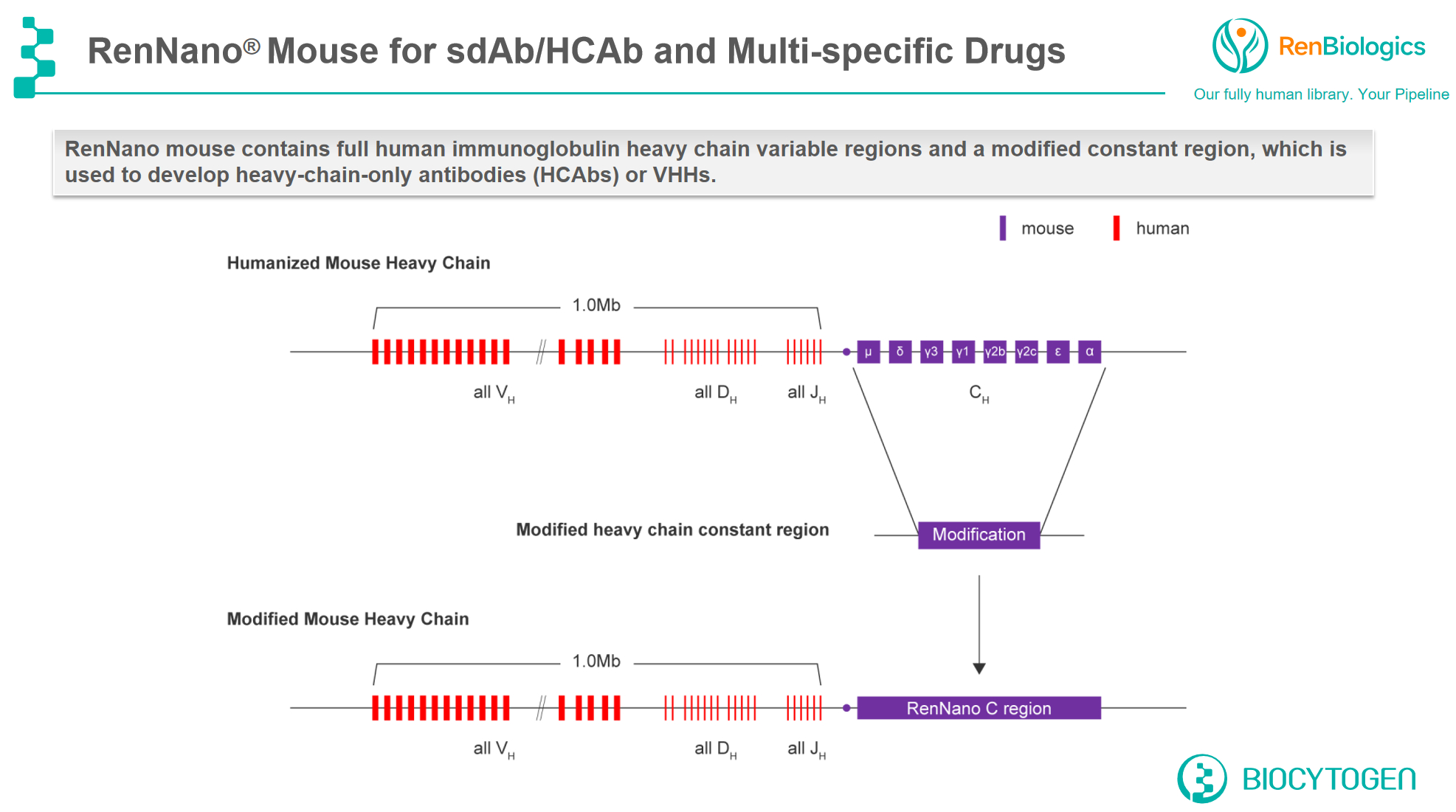
RenMab™ mice are a core member of Biocytogen’s independently developed RenMice® fully human antibody discovery platform family. Using Biocytogen’s proprietary Size-Unlimited and Precise Chromosome Engineering (SUPCE®) technology, the complete repertoire of murine immunoglobulin heavy chain and light chain variable region genes was precisely replaced in situ with their human counterparts. As a result, RenMab mice have the full repertoire of human antibody heavy chain VDJ and light chain VJ genes. It retains the ability to mount robust immune responses against diverse antigens, comparable to wild-type mice, and can generate fully human antibodies with native-like diversity, significantly improving the efficiency and success rate of discovering high-potential therapeutic candidates. Importantly, antibodies derived from RenMab mice require no additional humanization, effectively minimizing immunogenicity risks and streamlining the antibody drug development process.

With distinct advantages in discovering fully human antibodies and TCRs with low immunogenicity, high diversity, favorable affinity, and excellent physicochemical properties, Biocytogen’s RenMice platform series (RenMab™/RenLite®/RenNano®/RenTCR-mimic™/RenTCR™) has gained widespread recognition in the global biotech and biopharmaceutical industry. Licensing agreements have been established with 20+ companies, including Merck KGaA, Darmstadt, Germany, Janssen/ Johnson & Johnson, and BeiGene. Leveraging the RenMice platform, the RenBiologics™ program has generated over 1,000,000 fully human antibody sequences and numerous high-potential preclinical candidates against more than 1,000 therapeutic targets. As of December 31, 2024, approximately 200 agreements encompassing therapeutic antibody co-development, out-licensing, and asset transfers have been executed, highlighting the RenMice platform’s strong global competitiveness and significant commercial value.

With its sustained independent research and cutting-edge technological innovation capabilities, Biocytogen has been actively advancing its global patent portfolio and key technology protections for the RenMice® platform. To date, the RenMice platform has secured patent grants in nearly 10 countries, including the U.S., China, and Japan, while nearly 40 patent applications are under examination across 15 countries and regions. With the steady progress of the global patent strategy, additional patent grants are anticipated in the near term. This strong intellectual property protection framework will continue to deliver reliable assurance to Biocytogen’s partners worldwide.

About Biocytogen

Biocytogen (HKEX: 02315) is a global biotechnology company that drives the research and development of novel antibody-based drugs with innovative technologies. Founded on gene editing technology, Biocytogen leverages genetically engineered proprietary RenMice® (RenMab™/ RenLite®/ RenNano®/ RenTCR-mimic™ ) platforms for fully human monoclonal/bispecific/multispecific antibody discovery, bispecific antibody-drug conjugate discovery, nanobody discovery and TCR-mimic antibody discovery, and has established a sub-brand, RenBiologics™, to explore global partnerships for an off-the-shelf library of >1,000,000 fully human antibody sequences against over 1000 targets for worldwide collaboration. As of December 31, 2024, approximately 200 therapeutic antibody and multiple clinical asset co-development/out-licensing/transfer agreements and over 50 target-nominated RenMice® licensing projects have been established around the globe, including several partnerships with multinational pharmaceutical companies (MNCs). Biocytogen pioneered the generation of drug target knock-in humanized models for preclinical research, and currently provides a few thousand off-the-shelf animal and cell models under the company’s sub-brand, BioMice™, along with preclinical pharmacology and gene-editing services for clients worldwide. Headquartered in Beijing, Biocytogen has branches in China (Haimen Jiangsu, Shanghai), USA (Boston, San Francisco, San Diego), and Germany (Heidelberg). For more information, please visit http://en.biocytogen.com.cn.

Contacts

Biocytogen Contacts
Antibody assets and platforms: BD-Licensing@biocytogen.com
Media: pr@bbctg.com.cn

Fujirebio Announces Strategic Collaboration with Stanford Medicine to Advance Infectious Disease Research

Fujirebio Announces Strategic Collaboration with Stanford Medicine to Advance Infectious Disease Research


Fujirebio Announces Strategic Collaboration with Stanford Medicine to Advance Infectious Disease Research

TOKYO & SUNNYVALE, Calif.–(BUSINESS WIRE)–#IVD–Fujirebio, a leading innovator in in-vitro diagnostics, today announced a collaboration with Stanford Medicine (Location: Palo Alto, California, USA) to advance research and innovation in the field of infectious disease testing. This collaboration aims to accelerate the adoption of ultrasensitive immunoassays that incorporate single-molecule counting technology developed by Fujirebio’s Silicon Valley wholly-owned subsidiary, Fluxus, Inc. Greater test sensitivity can better inform treatment decisions in the clinic, as well as accelerate studies towards therapeutics and preventive strategies against infectious disease threats worldwide.


“Infectious diseases remain one of the greatest global health challenges of our time,” says Goki Ishikawa, President and CEO of Fujirebio Holdings, Inc. “By working with the Stanford Clinical Virology Laboratory under the direction of Professor Benjamin Pinsky and the Stanford Clinical Microbiology Laboratory under the direction of Professor Niaz Banaei, we are bringing together world-class scientific expertise, cutting-edge technology, and global health insights. This collaboration underscores our shared vision to create a healthier, more resilient world.”

“This collaboration represents a significant step forward in our mission to improve public health globally, by combining Fujirebio’s global IVD expertise and Fluxus’ ultrasensitive detection systems with Stanford’s world-renowned research,” says Dr. Peter Wagner, President and CEO of Fluxus, Inc. “We are thrilled to be working with Stanford University’s prestigious infectious disease experts.”

About Fujirebio

Fujirebio, a member of H.U. Group Holdings Inc., is an R&D-driven company constantly developing new IVD testing technologies and unique biomarkers with high clinical value. Our group mission is to create new value in healthcare and thereby contribute to human health and the future of medical care. Our global teams located in Japan, Asia, Europe, and the US focus on delivering products with the highest quality standards to our customers and partners. We value partnerships with other leading companies in the industry, sharing knowledge, capabilities, and critical materials to supply, develop, or manufacture diagnostic solutions on a wide variety of platforms. For more information, please visit http://www.fujirebio.com.

About Fluxus

Fluxus is an industry leader and innovator in optofluidic technologies that develops ultrasensitive detection systems and assay solutions to advance the diagnosis, monitoring, and treatment of diseases.

Contacts

H.U. Group Holdings, Inc.

For media:

Public Relations Section, Public Relations/Sustainability Dept.

Phone: +81-3-6279-0884  

Email: pr@hugp.com

For investors and analysts:

IR/SR Dept.

Phone: +81-3-6279-0926 

Email: ir@hugp.com

Eurofins Consumer Product Testing Announces State-of-the-Art Expansion of Bangalore Laboratory

Eurofins Consumer Product Testing Announces State-of-the-Art Expansion of Bangalore Laboratory


Eurofins Consumer Product Testing Announces State-of-the-Art Expansion of Bangalore Laboratory

BANGALORE, India–(BUSINESS WIRE)–The Eurofins Consumer Product Testing network of laboratories in India recently unveiled its expanded, state-of-the-art facilities in Hongasandra, Bangalore. This strategic investment doubles the Bangalore laboratory’s footprint and offers enhanced capabilities, enabling a significant leap in compliance and performance testing tailored to the evolving needs of India’s textile, apparel, footwear, and leather goods markets. The expansion directly addresses the growing demand for a one-stop solution for comprehensive quality, safety, and sustainability testing services across India’s rapidly advancing manufacturing supply chain landscape.


The Eurofins Consumer Product Testing network of laboratories in India is a trusted partner for global and domestic brands, retailers, and manufacturers. With these new upgrades, the Bangalore laboratory is well-positioned provide innovative and specialised testing services, including:

  • Advanced Dry Cleaning Testing Capabilities to ensure textile durability and performance across multiple cleaning methods;
  • Comprehensive testing for JIS Standards, in collaboration with KAKEN TEST CENTRE, Japan, reinforcing support to Japanese buyers’ compliance requirements.

With a modern layout, a compliance-first design, and a LEAN-aligned workflow, the enhanced laboratory streamlines operations and delivers a seamless service to clients. Dedicated spaces for innovation and future growth reflect the Eurofins Consumer Product Testing network of laboratories’ commitment to advancing India’s dynamic consumer product ecosystem, meeting future market demands, and offering testing expertise to meet the highest standards.

Backed by a global network of over 85 laboratories and more than 4,000 employees worldwide, the Eurofins network of Consumer Product Testing laboratories provides global clients with a wide array of industry leading testing services across Softlines & Hardlines (S&H), Cosmetics & Personal Care (C&PC), Electrical & Electronics (E&E), and Sustainability Services.

About Eurofins Consumer Product Testing

Backed by a global network of over 85 laboratories and more than 4,000 employees worldwide, the Eurofins Consumer Product Testing network of laboratories provides global clients with a wide array of industry-leading testing services across the Softlines & Hardlines (S&H), Cosmetics & Personal Care (C&PC), Electrical & Electronics (E&E), and Sustainability Services fields.

About Eurofins – the global leader in bio-analysis

Eurofins is Testing for Life. With ca. 63,000 staff across a network of more than 950 laboratories in over 1,000 companies in 60 countries, Eurofins offers a portfolio of over 200,000 analytical methods.

Eurofins Scientific S.E. shares are listed on Euronext Paris Stock Exchange.

Contacts

For further information:
Himanshi Aggarwal

Himanshi.Aggarwal@xoin.eurofinsasia.com

Acerand Therapeutics Initiates First-in-Human Phase I Clinical Trial of ACE-232, a Novel CYP11A1 Inhibitor for Advanced Prostate Cancer

Acerand Therapeutics Initiates First-in-Human Phase I Clinical Trial of ACE-232, a Novel CYP11A1 Inhibitor for Advanced Prostate Cancer


Acerand Therapeutics Initiates First-in-Human Phase I Clinical Trial of ACE-232, a Novel CYP11A1 Inhibitor for Advanced Prostate Cancer

SHANGHAI & INDIANAPOLIS–(BUSINESS WIRE)–Acerand Therapeutics, a clinical-stage biotech company focusing on the discovery and development of innovative small-molecule therapies in oncology, today announced the dosing of the first patient in its first-in-human Phase I clinical trial (NCT06801236) of ACE-232, a novel oral inhibitor of CYP11A1. The trial is being conducted in patients with metastatic castration-resistant prostate cancer (mCRPC).


This multicenter Phase I study is being conducted in both the United States and China. The study comprises two parts: a dose-escalation phase (Phase IA) and a dose-optimization phase (Phase IB). The primary objectives are to evaluate the safety, tolerability, pharmacokinetics (PK), pharmacodynamics (PD), as well as preliminary clinical activity of ACE-232, and to determine the recommended Phase II dose (RP2D). Professor Emmanuel Antonarakis, Director of Genitourinary Oncology at Masonic Cancer Center, University of Minnesota, is serving as the global coordinating Principal Investigator for the study. “I would like to congratulate the Acerand team, the research staff, and the first patient for helping us to reach this important milestone,” says Dr. Antonarakis.

Preclinical data demonstrated that ACE-232 possesses superior potency, efficacy, and pharmacokinetic properties (flat PK curve and long half-life profile) compared to other investigational CYP11A1 inhibitors, including MK-5684 (Opevesostat, formerly known as ODM-208). ACE-232 showed excellent tolerability in preclinical models, presenting a wide therapeutic window for clinical development.

The initiation of this trial marks a significant milestone for Acerand, representing its first clinical study in the United States and highlighting its strategic commitment to the global development of innovative cancer therapies that address major unmet medical needs.

About ACE-232

ACE-232 is a highly potent and selective small-molecule inhibitor of CYP11A1, a key adrenal enzyme involved in the first and rate-limiting step of steroid hormone biosynthesis. By targeting CYP11A1, ACE-232 aims to suppress the production of androgens and other steroid hormones, offering a novel therapeutic mechanism for the treatment of androgen-dependent (including enzalutamide or abiraterone-resistant) prostate cancer.

About Acerand Therapeutics

Acerand Therapeutics is a biotech company dedicated to discovering and developing novel small-molecule therapies for oncology and metabolic diseases. With research and development hubs in Shanghai, China, and Indianapolis, USA, ACE-232 leverages its proprietary innovation platform and operational efficiency to deliver a highly differentiated pipeline of drug candidates from discovery to clinical trials.

http://acerand.com/

Contacts

Acerand Therapeutics

info@acerand.com