Exelixis Announces Final Five-Year Follow-up Results from CheckMate -9ER Trial Evaluating CABOMETYX® (cabozantinib) in Combination with Opdivo® (nivolumab) in Patients with Advanced Kidney Cancer at ASCO GU 2025

Exelixis Announces Final Five-Year Follow-up Results from CheckMate -9ER Trial Evaluating CABOMETYX® (cabozantinib) in Combination with Opdivo® (nivolumab) in Patients with Advanced Kidney Cancer at ASCO GU 2025


Exelixis Announces Final Five-Year Follow-up Results from CheckMate -9ER Trial Evaluating CABOMETYX® (cabozantinib) in Combination with Opdivo® (nivolumab) in Patients with Advanced Kidney Cancer at ASCO GU 2025

– After more than five years of follow-up, CABOMETYX in combination with Opdivo continued to show survival benefit compared with sunitinib –

– Long-term efficacy seen across subgroups, including site of metastases –

ALAMEDA, Calif.–(BUSINESS WIRE)–Exelixis, Inc. (Nasdaq: EXEL) today announced final results from the phase 3 CheckMate -9ER pivotal trial evaluating CABOMETYX® (cabozantinib) in combination with Opdivo® (nivolumab) versus sunitinib for patients with previously untreated advanced renal cell carcinoma (RCC). After more than five years of follow-up, the findings demonstrated that efficacy benefits with CABOMETYX in combination with Opdivo were sustained long term. These results, including subgroup analyses, will be presented at 8:10 a.m. PT on February 15 during Oral Abstract Session C: Renal Cell Cancer and Testicular Cancer at the American Society of Clinical Oncology 2025 Genitourinary Cancers Symposium (ASCO GU).


In this evolving treatment landscape for renal cell carcinoma, patients are looking for options that have shown improved survival time in the long-term,” said Robert J. Motzer, M.D., Kidney Cancer Section Head, Genitourinary Oncology Service, Memorial Sloan Kettering Cancer Center. “These final five-year results from CheckMate -9ER demonstrated the durable clinical benefits of cabozantinib in combination with nivolumab—including for those with organ metastases or intermediate- or poor-risk disease classifications—and continue to support this combination regimen as a valuable first-line option for this patient population.”

At a median follow-up of 67.6 months, CABOMETYX in combination with Opdivo improved progression-free survival (PFS; hazard ratio [HR]: 0.58; 95% confidence interval [CI]: 0.49-0.70) and overall survival (OS; HR: 0.79; 95% CI: 0.65-0.96) compared with sunitinib in the intent-to-treat population. A subgroup analysis by International Metastatic RCC Database Consortium (IMDC) risk showed PFS and objective response rates (ORR) favored CABOMETYX in combination with Opdivo versus sunitinib regardless of IMDC risk group. Detailed results are shown in Table 1.

Table 1

CABOMETYX + Opdivo

Sunitinib

ITT population (n=651)

Median PFS, mo

16.4

8.3

PFS HR (95% CI)

0.58 (0.49-0.70)

Median OS, mo

46.5

35.5

OS HR (95% CI)

0.79 (0.65-0.96)

ORR, %

55.7

27.4

DOR, mo

22.0

15.2

Favorable IMDC risk (n=146)

Median PFS, mo

21.4

12.8

PFS HR (95% CI)

0.67 (0.46-0.97)

Median OS, mo

53.7

58.9

OS HR (95% CI)

1.08 (0.70-1.66)

ORR, %

66.2

43.1

Intermediate/poor IMDC risk (n=505)

Median PFS, mo

15.4

7.1

PFS HR (95% CI)

0.56 (0.46-0.69)

Median OS, mo

43.9

29.2

OS HR (95% CI)

0.74 (0.60-0.92)

ORR, %

52.6

23.0

CI: confidence interval; DOR: duration of response; HR: hazard ratio; IMDC: International Metastatic RCC Database Consortium; ITT: intent-to-treat; ORR: objective response rate; OS: overall survival; PFS: progression-free survival

In an analysis by baseline metastases sites, PFS, OS and ORR favored the combination regimen versus sunitinib in all three subgroups (liver, bone and lung). Detailed results are shown in Table 2.

Table 2

Liver

Bone

Lung

CABOMETYX

+ Opdivo

(n=73)

Sunitinib

(n=56)

CABOMETYX

+ Opdivo

(n=79)

Sunitinib

(n=75)

CABOMETYX

+ Opdivo

(n=241)

Sunitinib

(n=251)

Median PFS, mo

10.9

6.2

13.8

5.3

16.4

8.3

PFS HR (95% CI)

0.55 (0.37-0.82)

0.43 (0.30-0.64)

0.56 (0.46-0.69)

Median OS, mo

37.6

22.1

34.8

20.7

47.5

32.4

OS HR (95% CI)

0.65 (0.43-0.97)

0.66 (0.45-0.95)

0.75 (0.60-0.94)

ORR, %

52.1

21.4

49.4

9.3

57.3

27.9

CI: confidence interval; HR: hazard ratio; IMDC: ORR: objective response rate; OS: overall survival; PFS: progression-free survival

With now more than five years of follow-up, these results continue to support CABOMETYX in combination with Opdivo as a treatment regimen that can have enduring survival benefits for patients with previously untreated advanced kidney cancer,” said Amy Peterson, M.D., Executive Vice President, Product Development & Medical Affairs, and Chief Medical Officer, Exelixis. “The efficacy was sustained across multiple subgroups, further underscoring the potential of this regimen to benefit a broad population with variable disease burden. We are proud to have established such a compelling standard of care for this community and remain committed to developing much-needed treatment options for all patients living with advanced cancers.”

Safety and tolerability with long-term follow-up were manageable and consistent with previous analyses. No new safety signals were reported. Grade 3/4 adverse events (AEs) occurred in 68% of patients treated with CABOMETYX in combination with Opdivo versus 55% of patients treated with sunitinib, with the most frequent being diarrhea (7% versus 5%, respectively), palmar-plantar erythrodysesthesia (8% versus 8%), hypertension (13% versus 13%), fatigue (3% versus 5%), thrombocytopenia (<1% versus 5%) and alanine aminotransferase increased (6% versus 1%). One treatment-related death per investigator occurred with CABOMETYX in combination with Opdivo versus three with sunitinib. Treatment-related AEs leading to discontinuation occurred in 28% of patients treated with CABOMETYX in combination with Opdivo versus 11% of patients treated with sunitinib.

About CheckMate -9ER

CheckMate -9ER is an open-label, randomized, multi-national phase 3 trial evaluating patients with previously untreated advanced or metastatic RCC. A total of 651 patients (23% favorable risk, 58% intermediate risk, 20% poor risk; 25% tumor PD-L1≥1%) were randomized to receive CABOMETYX in combination with Opdivo (n=323) versus sunitinib (n=328). The primary endpoint is PFS. Secondary endpoints include OS and ORR. The primary efficacy analysis is comparing the doublet combination versus sunitinib in all randomized patients. The trial is sponsored by Bristol Myers Squibb and Ono Pharmaceutical Co. and co-funded by Exelixis, Inc., Ipsen Pharma SAS and Takeda Pharmaceutical Company Limited.

About RCC

Kidney cancer is among the top ten most commonly diagnosed forms of cancer among both men and women in the U.S.1 An estimated 80,980 Americans will be diagnosed with kidney cancer in 2025.1 If detected in its early stages, the five-year survival rate for RCC is high; for patients with advanced or late-stage metastatic RCC, however, the five-year survival rate is only 18%.2 In 2024, approximately 33,200 patients with advanced kidney cancer required systemic therapy in the U.S., with over 21,000 patients receiving first-line treatment.3

About CABOMETYX® (cabozantinib)

In the U.S., CABOMETYX tablets are approved as monotherapy for the treatment of patients with advanced RCC and in combination with nivolumab as a first-line treatment for patients with advanced RCC; for the treatment of patients with hepatocellular carcinoma (HCC) who have been previously treated with sorafenib; and for adult and pediatric patients 12 years of age and older with locally advanced or metastatic differentiated thyroid cancer (DTC) that has progressed following prior VEGFR-targeted therapy and who are radioactive iodine-refractory or ineligible. CABOMETYX tablets have also received regulatory approvals in over 65 countries outside the U.S. and Japan, including the European Union. In 2016, Exelixis granted Ipsen Pharma SAS exclusive rights for the commercialization and further clinical development of cabozantinib outside of the U.S. and Japan. In 2017, Exelixis granted exclusive rights to Takeda Pharmaceutical Company Limited for the commercialization and further clinical development of cabozantinib for all future indications in Japan. Exelixis holds the exclusive rights to develop and commercialize cabozantinib in the U.S.

IMPORTANT SAFETY INFORMATION

WARNINGS AND PRECAUTIONS

Hemorrhage: Severe and fatal hemorrhages occurred with CABOMETYX. The incidence of Grade 3 to 5 hemorrhagic events was 5% in CABOMETYX patients in RCC, HCC, and DTC studies. Discontinue CABOMETYX for Grade 3 or 4 hemorrhage and prior to surgery as recommended. Do not administer CABOMETYX to patients who have a recent history of hemorrhage, including hemoptysis, hematemesis, or melena.

Perforations and Fistulas: Fistulas, including fatal cases, occurred in 1% of CABOMETYX patients. Gastrointestinal (GI) perforations, including fatal cases, occurred in 1% of CABOMETYX patients. Monitor patients for signs and symptoms of fistulas and perforations, including abscess and sepsis. Discontinue CABOMETYX in patients who experience a Grade 4 fistula or a GI perforation.

Thrombotic Events: CABOMETYX increased the risk of thrombotic events. Venous thromboembolism occurred in 7% (including 4% pulmonary embolism) and arterial thromboembolism in 2% of CABOMETYX patients. Fatal thrombotic events occurred in CABOMETYX patients. Discontinue CABOMETYX in patients who develop an acute myocardial infarction or serious arterial or venous thromboembolic events that require medical intervention.

Hypertension and Hypertensive Crisis: CABOMETYX can cause hypertension, including hypertensive crisis. Hypertension was reported in 37% (16% Grade 3 and <1% Grade 4) of CABOMETYX patients. Do not initiate CABOMETYX in patients with uncontrolled hypertension. Monitor blood pressure regularly during CABOMETYX treatment. Withhold CABOMETYX for hypertension that is not adequately controlled with medical management; when controlled, resume at a reduced dose. Permanently discontinue CABOMETYX for severe hypertension that cannot be controlled with anti-hypertensive therapy or for hypertensive crisis.

Diarrhea: Diarrhea occurred in 62% of CABOMETYX patients. Grade 3 diarrhea occurred in 10% of CABOMETYX patients. Monitor and manage patients using antidiarrheals as indicated. Withhold CABOMETYX until improvement to ≤ Grade 1, resume at a reduced dose.

Palmar-Plantar Erythrodysesthesia (PPE): PPE occurred in 45% of CABOMETYX patients. Grade 3 PPE occurred in 13% of CABOMETYX patients. Withhold CABOMETYX until improvement to Grade 1 and resume at a reduced dose for intolerable Grade 2 PPE or Grade 3 PPE.

Hepatotoxicity: CABOMETYX in combination with nivolumab can cause hepatic toxicity with higher frequencies of Grades 3 and 4 ALT and AST elevations compared to CABOMETYX alone.

Monitor liver enzymes before initiation of and periodically throughout treatment. Consider more frequent monitoring of liver enzymes than when the drugs are administered as single agents. For elevated liver enzymes, interrupt CABOMETYX and nivolumab and consider administering corticosteroids.

With the combination of CABOMETYX and nivolumab, Grades 3 and 4 increased ALT or AST were seen in 11% of patients. ALT or AST >3 times ULN (Grade ≥2) was reported in 83 patients, of whom 23 (28%) received systemic corticosteroids; ALT or AST resolved to Grades 0-1 in 74 (89%). Among the 44 patients with Grade ≥2 increased ALT or AST who were rechallenged with either CABOMETYX (n=9) or nivolumab (n=11) as a single agent or with both (n=24), recurrence of Grade ≥2 increased ALT or AST was observed in 2 patients receiving CABOMETYX, 2 patients receiving nivolumab, and 7 patients receiving both CABOMETYX and nivolumab. Withhold and resume at a reduced dose based on severity.

Adrenal Insufficiency: CABOMETYX in combination with nivolumab can cause primary or secondary adrenal insufficiency. For Grade 2 or higher adrenal insufficiency, initiate symptomatic treatment, including hormone replacement as clinically indicated. Withhold CABOMETYX and/or nivolumab and resume CABOMETYX at a reduced dose depending on severity.

Adrenal insufficiency occurred in 4.7% (15/320) of patients with RCC who received CABOMETYX with nivolumab, including Grade 3 (2.2%), and Grade 2 (1.9%) adverse reactions. Adrenal insufficiency led to permanent discontinuation of CABOMETYX and nivolumab in 0.9% and withholding of CABOMETYX and nivolumab in 2.8% of patients with RCC.

Approximately 80% (12/15) of patients with adrenal insufficiency received hormone replacement therapy, including systemic corticosteroids. Adrenal insufficiency resolved in 27% (n=4) of the 15 patients. Of the 9 patients in whom CABOMETYX with nivolumab was withheld for adrenal insufficiency, 6 reinstated treatment after symptom improvement; of these, all (n=6) received hormone replacement therapy and 2 had recurrence of adrenal insufficiency.

Proteinuria: Proteinuria was observed in 8% of CABOMETYX patients. Monitor urine protein regularly during CABOMETYX treatment. For Grade 2 or 3 proteinuria, withhold CABOMETYX until improvement to ≤ Grade 1 proteinuria; resume CABOMETYX at a reduced dose. Discontinue CABOMETYX in patients who develop nephrotic syndrome.

Osteonecrosis of the Jaw (ONJ): ONJ occurred in <1% of CABOMETYX patients. ONJ can manifest as jaw pain, osteomyelitis, osteitis, bone erosion, tooth or periodontal infection, toothache, gingival ulceration or erosion, persistent jaw pain, or slow healing of the mouth or jaw after dental surgery. Perform an oral examination prior to CABOMETYX initiation and periodically during treatment. Advise patients regarding good oral hygiene practices. Withhold CABOMETYX for at least 3 weeks prior to scheduled dental surgery or invasive dental procedures, if possible. Withhold CABOMETYX for development of ONJ until complete resolution, resume at a reduced dose.

Impaired Wound Healing: Wound complications occurred with CABOMETYX. Withhold CABOMETYX for at least 3 weeks prior to elective surgery. Do not administer CABOMETYX for at least 2 weeks after major surgery and until adequate wound healing. The safety of resumption of CABOMETYX after resolution of wound healing complications has not been established.

Reversible Posterior Leukoencephalopathy Syndrome (RPLS): RPLS, a syndrome of subcortical vasogenic edema diagnosed by characteristic findings on MRI, can occur with CABOMETYX. Evaluate for RPLS in patients presenting with seizures, headache, visual disturbances, confusion, or altered mental function. Discontinue CABOMETYX in patients who develop RPLS.

Thyroid Dysfunction: Thyroid dysfunction, primarily hypothyroidism, has been observed with CABOMETYX. Based on the safety population, thyroid dysfunction occurred in 19% of patients treated with CABOMETYX, including Grade 3 in 0.4% of patients.

Patients should be assessed for signs of thyroid dysfunction prior to the initiation of CABOMETYX and monitored for signs and symptoms of thyroid dysfunction during CABOMETYX treatment. Thyroid function testing and management of dysfunction should be performed as clinically indicated.

Hypocalcemia: CABOMETYX can cause hypocalcemia. Based on the safety population, hypocalcemia occurred in 13% of patients treated with CABOMETYX, including Grade 3 in 2% and Grade 4 in 1% of patients. Laboratory abnormality data were not collected in CABOSUN.

In COSMIC-311, hypocalcemia occurred in 36% of patients treated with CABOMETYX, including Grade 3 in 6% and Grade 4 in 3% of patients.

Monitor blood calcium levels and replace calcium as necessary during treatment. Withhold and resume at reduced dose upon recovery or permanently discontinue CABOMETYX depending on severity.

Embryo-Fetal Toxicity: CABOMETYX can cause fetal harm. Advise pregnant women and females of reproductive potential of the potential risk to a fetus. Verify the pregnancy status of females of reproductive potential prior to initiating CABOMETYX and advise them to use effective contraception during treatment and for 4 months after the last dose.

ADVERSE REACTIONS

The most common (≥20%) adverse reactions are:

CABOMETYX as a single agent: diarrhea, fatigue, PPE, decreased appetite, hypertension, nausea, vomiting, weight decreased, and constipation.

CABOMETYX in combination with nivolumab: diarrhea, fatigue, hepatotoxicity, PPE, stomatitis, rash, hypertension, hypothyroidism, musculoskeletal pain, decreased appetite, nausea, dysgeusia, abdominal pain, cough, and upper respiratory tract infection.

DRUG INTERACTIONS

Strong CYP3A4 Inhibitors: If coadministration with strong CYP3A4 inhibitors cannot be avoided, reduce the CABOMETYX dosage. Avoid grapefruit or grapefruit juice.

Strong CYP3A4 Inducers: If coadministration with strong CYP3A4 inducers cannot be avoided, increase the CABOMETYX dosage. Avoid St. John’s wort.

USE IN SPECIFIC POPULATIONS

Lactation: Advise women not to breastfeed during CABOMETYX treatment and for 4 months after the final dose.

Hepatic Impairment: In patients with moderate hepatic impairment, reduce the CABOMETYX dosage. Avoid CABOMETYX in patients with severe hepatic impairment.

Please see accompanying full Prescribing Information https://www.cabometyx.com/downloads/CABOMETYXUSPI.pdf.

You are encouraged to report negative side effects of prescription drugs to the FDA. Visit www.FDA.gov/medwatch or call 1-800-FDA-1088.

About Exelixis

Exelixis is a globally ambitious oncology company innovating next-generation medicines and regimens at the forefront of cancer care. Powered by drug discovery and development excellence, we are rapidly evolving our product portfolio to target an expanding range of tumor types and indications with our clinically differentiated pipeline of small molecules, antibody-drug conjugates and other biotherapeutics. This comprehensive approach harnesses decades of robust investment in our science and partnerships to advance our investigational programs and extend the impact of our flagship commercial product, CABOMETYX® (cabozantinib). Exelixis is driven by a bold scientific pursuit to create transformational treatments that give more patients hope for the future. For information about the company and its mission to help cancer patients recover stronger and live longer, visit www.exelixis.com, follow @ExelixisInc on X (Twitter), like Exelixis, Inc. on Facebook and follow Exelixis on LinkedIn.

Forward-Looking Statements

This press release contains forward-looking statements, including, without limitation, statements related to: the presentation of final results from the CheckMate -9ER trial at ASCO GU 2025; the therapeutic potential of cabozantinib in combination with nivolumab and Exelixis’ belief that the regimen may provide enduring survival benefits for patients with previously untreated advanced kidney cancer; Exelixis’ belief in the ability of the regimen to benefit a broad population with variable disease burden; Exelixis’ commitment to developing much-needed treatment options for all patients living with advanced cancers; and Exelixis’ scientific pursuit to create transformational treatments that give more patients hope for the future. Any statements that refer to expectations, projections or other characterizations of future events or circumstances are forward-looking statements and are based upon Exelixis’ current plans, assumptions, beliefs, expectations, estimates and projections. Forward-looking statements involve risks and uncertainties. Actual results and the timing of events could differ materially from those anticipated in the forward-looking statements as a result of these risks and uncertainties, which include, without limitation: the availability of data at the referenced times; complexities and the unpredictability of the regulatory review and approval processes in the U.S. and elsewhere; Exelixis’ and Bristol Myers Squibb’s continuing compliance with applicable legal and regulatory requirements; the potential failure of cabozantinib in combination with nivolumab to demonstrate safety and/or efficacy in future clinical testing; unexpected concerns that may arise as a result of the occurrence of adverse safety events or additional data analyses of clinical trials evaluating cabozantinib; the costs of conducting clinical trials; Exelixis’ dependence on third-party vendors for the development, manufacture and supply of cabozantinib; Exelixis’ and Bristol Myers Squibb’s ability to protect their respective intellectual property rights; market competition, including the potential for competitors to obtain approval for generic versions of CABOMETYX; changes in economic and business conditions; and other factors affecting Exelixis and its development programs detailed from time to time under the caption “Risk Factors” in Exelixis’ most recent Annual Report on Form 10-K and subsequent Quarterly Reports on Form 10-Q, and in Exelixis’ future filings with the Securities and Exchange Commission. All forward-looking statements in this press release are based on information available to Exelixis as of the date of this press release, and Exelixis undertakes no obligation to update or revise any forward-looking statements contained herein, except as required by law.

Exelixis, the Exelixis logo and CABOMETYX are registered U.S. trademarks of Exelixis.

______________________________

1 Cancer Facts & Figures 2025. ACS. Available at: https://www.cancer.org/content/dam/cancer-org/research/cancer-facts-and-statistics/annual-cancer-facts-and-figures/2025/2025-cancer-facts-and-figures-acs.pdf. Accessed February 2025.

2 Survival Rates for Kidney Cancer. ACS. Available at: https://www.cancer.org/cancer/types/kidney-cancer/detection-diagnosis-staging/survival-rates.html. Accessed February 2025.

3 Citeline’s Datamonitor Healthcare: Renal Cell Carcinoma. March 2023 (internal data on file).

Contacts

Investors Contact:
Susan Hubbard
EVP, Public Affairs and
Investor Relations
Exelixis, Inc.
(650) 837-8194
shubbard@exelixis.com

Media Contact:
Claire McConnaughey
Senior Director, Public Affairs
Exelixis, Inc.
(650) 837-7052
cmcconn@exelixis.com

U.S. FDA Grants Full Approval of Deciphera’s ROMVIMZA™ (vimseltinib) for the Treatment of Symptomatic Tenosynovial Giant Cell Tumor (TGCT)

U.S. FDA Grants Full Approval of Deciphera’s ROMVIMZA™ (vimseltinib) for the Treatment of Symptomatic Tenosynovial Giant Cell Tumor (TGCT)


U.S. FDA Grants Full Approval of Deciphera’s ROMVIMZA™ (vimseltinib) for the Treatment of Symptomatic Tenosynovial Giant Cell Tumor (TGCT)

In the MOTION Phase 3 study, ROMVIMZA met primary endpoint of improved objective response rate (ORR) compared to placebo and all key secondary endpoints with statistically significant and clinically meaningful improvements in quality-of-life measures, and demonstrated well-tolerated safety profile

OSAKA, Japan & WALTHAM, Mass.–(BUSINESS WIRE)–Ono Pharmaceutical Co., Ltd. (Headquarters: Osaka, Japan; President: Toichi Takino; “Ono”) announced that the U.S. Food and Drug Administration (FDA) has approved ROMVIMZA™ (vimseltinib), a kinase inhibitor, for adult patients with symptomatic tenosynovial giant cell tumor (TGCT) for which surgical resection will potentially cause worsening functional limitation or severe morbidity. The FDA previously granted Fast Track designation and Priority Review for ROMVIMZA, which was developed by Deciphera Pharmaceuticals, Inc. (“Deciphera”), a wholly owned subsidiary of Ono.


The approval of ROMVIMZA provides a new, much-needed, well-tolerated, and effective treatment option for people suffering from TGCT,” said Hans Gelderblom, M.D., Ph.D., Chair of the Department of Medical Oncology at Leiden University Medical Center. “TGCT adversely affects the lives of patients, causing significant pain, limited mobility, and stiffness. The MOTION Phase 3 study demonstrated ROMVIMZA’s ability to shrink tumors along with being the first well-tolerated agent to demonstrate significant improvement in a number of other important quality-of-life measures without any observed liver injury as seen with other approved TGCT treatment. ROMVIMZA is a differentiated treatment that has the potential to address the significant unmet needs of the TGCT community.”

The FDA approval of ROMVIMZA for TGCT is a crucial advancement for the TGCT community and we believe ROMVIMZA has the potential to become the new standard of care for people with TGCT for which surgical resection will potentially cause worsening functional limitation or severe morbidity. This is also an important milestone for our organization, as it is the second approved therapy discovered using Deciphera’s proprietary switch-control kinase inhibitor platform,” said Ryota Udagawa, President and Chief Executive Officer of Deciphera Pharmaceuticals. “I’d like to extend my gratitude to the patients, families, caregivers, and healthcare providers who contributed to the success in ROMVIMZA’s clinical studies. Their commitment, along with the dedication of the Deciphera and Ono teams, enabled us to advance this impactful new treatment, which we look forward to delivering to patients.”

TGCT is a rare, non-malignant tumor that forms within or near joints. TGCT arises from the dysregulation of the CSF1 gene, resulting in an overproduction of CSF1. If left untreated or if the tumor repeatedly recurs, it can lead to damage and degeneration in the affected joint and surrounding tissues, potentially causing significant disability.

The FDA approval was based on the efficacy and safety results from the pivotal Phase 3 MOTION study of ROMVIMZA in patients with TGCT not amenable to surgery with no prior anti-CSF1/CSF1R therapy (prior therapy with imatinib or nilotinib allowed), compared to placebo, as well as the Phase 1/2 study of ROMVIMZA. In MOTION, ROMVIMZA demonstrated a statistically significant and clinically meaningful ORR at Week 25 in the intent-to-treat (ITT) population, as assessed by blinded independent radiologic review (IRR) per Response Evaluation Criteria in Solid Tumors version 1.1 (RECIST v1.1), versus placebo (40% in ROMVIMZA arm vs 0% in placebo arm, p <0.0001). The primary endpoint was supported by statistically significant and clinically meaningful improvements in active range of motion, patient-reported physical functioning, and patient-reported pain observed in the vimseltinib arm compared to the placebo arm at week 25. The safety profile of ROMVIMZA is manageable and consistent with results previously disclosed in the Phase 1/2 clinical trial.

Deciphera Pharmaceuticals plans to make ROMVIMZA commercially available in the U.S. next week. Learn more at www.ROMVIMZA.com.

In July of 2024, the Company announced the marketing authorization application (MAA) for ROMVIMZA for the treatment of patients with TGCT was accepted and is under review by the European Medicines Agency (EMA).

Deciphera is committed to supporting TGCT patients and providers in navigating coverage and access to ROMVIMZA. As part of that commitment, Deciphera AccessPointTM, a patient support program, is available to provide comprehensive access and financial assistance programs for eligible patients. For more information, visit DecipheraAccessPoint.com or call 1-833-4DACCES (1-833-432-2237), Monday-Friday, 8:00 AM to 8:00 PM Eastern Time (ET).

About MOTION Study

The MOTION study is a two-part, randomized, double-blind, placebo-controlled Phase 3 clinical study to assess the efficacy and safety of vimseltinib in patients with TGCT not amenable to surgery with no prior anti-CSF1/CSF1R therapy (prior therapy with imatinib or nilotinib allowed). The primary endpoint of the study is an objective response rate (ORR) at Week 25 in the intent-to-treat (ITT) population, as assessed by blinded independent radiologic review (IRR) per using Response Evaluation Criteria in Solid Tumors version 1.1 (RECIST v1.1), versus placebo. The secondary endpoints include ORR per tumor volume score (TVS), active range of motion (ROM), physical function, stiffness, quality of life, and pain, all assessed at Week 25.

This study consists of two Parts. In Part 1, patients were randomized to receive either vimseltinib or placebo for 24 weeks. In Part 2, patients randomized to placebo in Part 1 have the option to receive vimseltinib, and all patients receive vimseltinib for a long-term period in an open-label setting.

ROMVIMZA (vimseltinib) capsules

INDICATIONS AND USAGE

ROMVIMZA is indicated for treatment of adult patients with symptomatic tenosynovial giant cell tumor (TGCT) for which surgical resection will potentially cause worsening functional limitation or severe morbidity.

IMPORTANT SAFETY INFORMATION

WARNINGS AND PRECAUTIONS

Hepatotoxicity

  • Cases of serious and fatal liver injury have occurred with the use of another kinase inhibitor that targets CSF1R. Serious and fatal liver injury have not been observed with ROMVIMZA.
  • Elevated AST and ALT can occur with ROMVIMZA.
  • Avoid ROMVIMZA in patients with pre-existing increased serum transaminases; total bilirubin or direct bilirubin (>ULN); or active liver or biliary tract disease, including ALP.
  • Monitor liver function tests prior to initiation of ROMVIMZA, twice a month for the first two months and once every 3 months for the first year of therapy and as clinically indicated thereafter. Withhold and reduce the dose, or permanently discontinue ROMVIMZA based on the severity of the hepatotoxicity.

Embryo-Fetal Toxicity:

  • ROMVIMZA may cause fetal harm when administered to pregnant women. Advise pregnant women on the potential risk to the fetus.
  • Advise females of reproductive potential and males with female partners of reproductive potential to use effective contraception during treatment with ROMVIMZA and for 1 month after the last dose.

Allergic Reactions to FD&C Yellow No.5 (Tartrazine) and No. 6 (Sunset Yellow FCF):

  • ROMVIMZA 20 mg capsule contains FD&C Yellow No. 5 (tartrazine) which may cause allergic reactions (including bronchial asthma) in certain susceptible patients. FD&C Yellow No. 5 (tartrazine) sensitivity is frequently seen in patients who also have aspirin sensitivity.
  • Advise patients that ROMVIMZA 14 mg and 20 mg capsules contain FD&C Yellow No.6 (Sunset Yellow FCF), which may cause allergic reactions.

Increased Creatinine without Affecting Renal Function:

  • Increases in serum creatinine can occur with the use of ROMVIMZA. These increases in serum creatinine may not be associated with changes in renal function. Increases in creatinine reversed upon ROMVIMZA discontinuation. During ROMVIMZA treatment, use alternative measures that are not based on serum creatinine to assess renal function.

Adverse Reactions:

The most common (≥20%) adverse reactions, including laboratory abnormalities that occurred in patients receiving ROMVIMZA were increased AST, periorbital edema, fatigue, rash, increased cholesterol, peripheral edema, face edema, decreased neutrophils, decreased leukocytes, pruritus, and increased ALT.

Drug Interactions:

  • P-glycoprotein (P-gp) substrates: Avoid concomitant use of ROMVIMZA with P-gp substrates. If concomitant use cannot be avoided, take ROMVIMZA at least 4 hours prior to P-gp substrates.
  • Breast Cancer Resistance Protein (BCRP) substrates: Avoid concomitant use of ROMVIMZA with BCRP substrates.
  • Organic Cation Transporter 2 (OCT2) substrates: Avoid concomitant use of ROMVIMZA with OCT2 substrates.
  • Concomitant use of vimseltinib with P-gp substrates, BCRP substrates or OCT2 substrates may increase exposure of these substrates.

Lactation: Advise females not to breastfeed during treatment with ROMVIMZA.

Please see the accompanying full Prescribing Information.

About Tenosynovial Giant Cell Tumor (TGCT)

TGCT is a rare disease caused by a translocation in colony-stimulating factor 1 (CSF1) gene resulting in overexpression of CSF1 and recruitment of colony-stimulating factor 1 receptor (CSF1R)-positive inflammatory cells into the lesion. TGCT is a rare, non-malignant tumor that develops inside or near joints. TGCT is caused by dysregulation of the CSF1 gene leading to overproduction of CSF1. TGCT is also known as giant cell tumor of the tendon sheath (GCT-TS) or pigmented villonodular synovitis (PVNS), a diffuse-type of TGCT. Although non-malignant, these tumors can grow and cause damage to surrounding tissues and structures inducing pain, swelling, and limitation of movement of the joint. Surgery is the main treatment option; however, these tumors tend to recur, particularly in diffuse-type TGCT. If untreated or if the tumor continually recurs, damage and degeneration may occur in the affected joint and surrounding tissues, which may cause significant disability. For a subset of patients, surgical resection will potentially cause worsening functional limitation or severe morbidity, systemic treatment options are limited and a new therapeutic option for TGCT is needed.

About Deciphera Pharmaceuticals Inc.

(As of June 11, 2024, Deciphera became a member of Ono Pharmaceutical Co., Ltd.)

Deciphera is a biopharmaceutical company focused on discovering, developing, and commercializing important new medicines to improve the lives of people with cancer. We are leveraging our proprietary switch-control kinase inhibitor platform and deep expertise in kinase biology to develop a broad portfolio of innovative medicines. In addition to advancing multiple product candidates from our platform in clinical studies, QINLOCK® (ripretinib) is Deciphera’s switch-control inhibitor approved in many countries including the European Union and the United States for the treatment of fourth-line gastrointestinal stromal tumor (GIST). ROMVIMZA™ (vimseltinib) is a kinase inhibitor approved in the United States for adult patients with symptomatic tenosynovial giant cell tumor (TGCT) for which surgical resection will potentially cause worsening functional limitation or severe morbidity. For more information, visit www.deciphera.com and follow us on LinkedIn and Twitter (@Deciphera).

Cautionary Note Regarding Forward-Looking Statements

In this press release, statements made with respect to current plans, estimates, strategies and beliefs, and other statements that are not historical facts are forward-looking statements about the future performance of the company. These statements are based on current assumptions and beliefs in light of the information currently available and involve known and unknown risks and uncertainties. A number of factors could cause actual results to differ materially from those discussed in the forward-looking statements. Such factors include, but are not limited to: (i) changes in the business environment in the pharmaceutical market and amendments to relevant laws and regulations, (ii) disruptions to product supply due to stagnation or delays in production caused by natural disasters, fires, etc., (iii) the possibility that sales activities for new and existing products may not achieve the expected results, (iv) the emergence of new side effects in post-marketing drugs, and (v) infringements of intellectual property rights by third parties. Information about pharmaceutical products included in this press release is not intended to constitute an advertisement or medical advice.

Contacts

Ono Pharmaceutical Co., Ltd.
Corporate Communications

public_relations@ono-pharma.com

Deciphera Pharmaceuticals, Inc.
Investor Relations:

Maghan Meyers

Argot Partners

Deciphera@argotpartners.com
212-600-1902

Media:

David Rosen

Argot Partners

david.rosen@argotpartners.com
646-461-6387

Completion of the Pivotal Phase 3 Trial for Olanzapine LAI in Schizophrenia Conducted by Teva Pharmaceuticals

Completion of the Pivotal Phase 3 Trial for Olanzapine LAI in Schizophrenia Conducted by Teva Pharmaceuticals


Completion of the Pivotal Phase 3 Trial for Olanzapine LAI in Schizophrenia Conducted by Teva Pharmaceuticals

  • Medincell to receive a $5 million development milestone payment from Teva with SOLARIS study completion (last patient last visit)
  • Richard Malamut, Chief Medical Officer at Medincell comments: “Our partner is advancing the clinical development of the olanzapine LAI with plans for regulatory submission in the US. This structured approach highlights a strong commitment to addressing a critical unmet need. As a result of Medincell technology, a long-acting injectable formulation of olanzapine may be widely used by patients with schizophrenia.”

MONTPELLIER, France–(BUSINESS WIRE)–Medincell (Paris:MEDCL):


ACCESS HERE THE FULL PRESS RELEASE

Contacts

David Heuzé
Head of Corporate and Financial Communications, and ESG

david.heuze@Medincell.com / +33 (0)6 83 25 21 86

Grace Kim
Head of US Financial Strategy & IR

grace.kim@Medincell.com / +1 (646) 991-4023

Nicolas Mérigeau/ Arthur Rouillé
Media Relations

Medincell@newcap.eu / +33 (0)1 44 71 94 94

Louis-Victor Delouvrier/Alban Dufumier
Investor Relations France

Medincell@newcap.eu / +33 (0)1 44 71 94 94

PHC and CCRM Collaborate to Develop Primary T-Cell Expansion Culture Processes to Enhance Efficiency and Improve Cell Quality

PHC and CCRM Collaborate to Develop Primary T-Cell Expansion Culture Processes to Enhance Efficiency and Improve Cell Quality


PHC and CCRM Collaborate to Develop Primary T-Cell Expansion Culture Processes to Enhance Efficiency and Improve Cell Quality

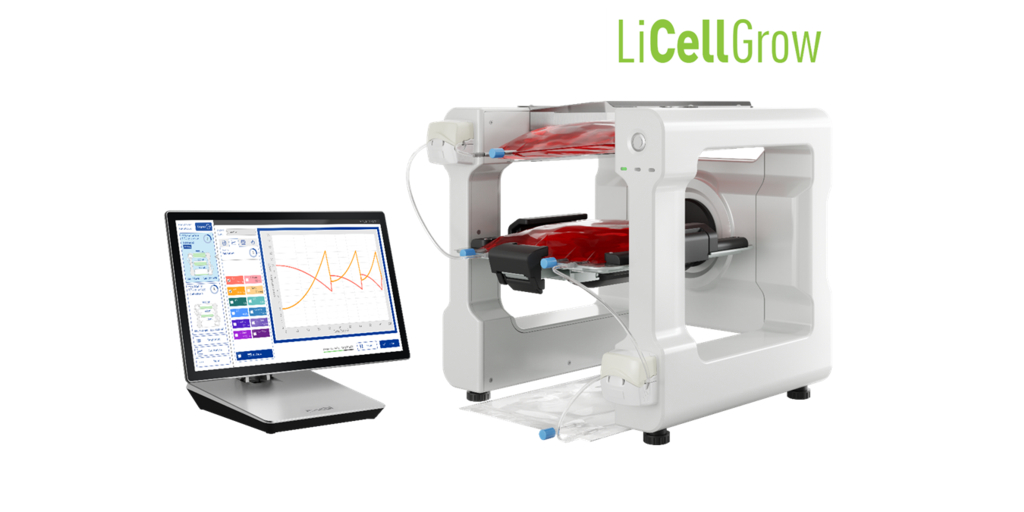
TOKYO & TORONTO–(BUSINESS WIRE)–PHC Corporation has signed a Master Collaboration Agreement with CCRM to work together on the development of primary T-cell(*1) expansion culture processes that will seek to accelerate the manufacturing of cell and gene therapy (CGT) products. This joint initiative will integrate “LiCellGrowTM(*2), PHC’s cell expansion system under development, with CCRM’s deep knowledge of regenerative medicine and biomanufacturing to establish new culture processes to improve cell culture efficiency and quality for CGTs.


Primary T-cells are used in process development and manufacturing for CGTs, such as in CAR-T cell therapy.(*3) However, primary T-cells derived directly from patients often exhibit significant variability in growth rates and quality, making it challenging for researchers to ensure stable cell counts and maintain quality throughout the culture process. To address these challenges and improve the quality of cell-based therapeutics, better cell culture processes are needed.

Chikara Takauo, Director of PHC and Head of the Biomedical Division that leads the company’s Life Science business, commented: “We are delighted to begin this joint research and development initiative with CCRM, a leader with 14 years of experience in the commercialization of regenerative medicine and CGT. By combining the technologies and expertise of both of our organizations, we aim to advance the manufacturing processes for cell-based therapeutics and cell culture technologies, contributing to the early practical application of CGT.”

PHC has developed proprietary In-Line monitoring technology to track key indicators of cell metabolism in real-time, which can help researchers address issues like cell quality and reproducibility, and establish optimal cell culture methods. This technology enables precise, continuous measurement of glucose uptake and lactate production during cell culture, providing a more precise understanding of changes in cell metabolism over time than is possible to observe using traditional sampling methods. In 2024, PHC launched the live-cell metabolic analyzer “LiCellMoTM(*4)” incorporating this technology in the United States, Canada, Europe and some Asian markets including Japan, China, Singapore and Taiwan.

Building on this technology, the company is also developing “LiCellGrow,” a cell expansion system designed to exchange media automatically based on the metabolic state of the cells and to maintain the culture environment in an optimal state. PHC aims to further expand its product lineup to seamlessly support research, process development, and commercial manufacturing of cell-based therapeutics.

“We are excited to collaborate with PHC to unlock new possibilities in cell culture,” explained Michael May, President and CEO of CCRM. “Technology development partnerships, like this one, are key to advancing the industry and making CGT more cost effective, and therefore more accessible to patients around the world.”

The joint research with CCRM will allow PHC to analyze culture conditions using “LiCellGrow” to establish optimal culture processes for primary T-cells. The collaboration will seek to accelerate LiCellGrow’s development, contributing to improved cell quality, enhanced manufacturing efficiency, and cost reduction in the production of cell-based therapeutics.

(*1) Primary T cells, or autologous T cells, refer to T cells that are directly isolated from the body. T cells are part of the immune system and develop from stem cells in the bone marrow. They help protect the body from infection and may help fight cancer.

https://www.cancer.gov/publications/dictionaries/cancer-terms/def/t-cell
https://www.cancer.gov/search/results?swKeyword=autologous

(*2) URL: http://www.phchd.com/us/biomedical/licellgrow

(*3) CAR T-cell therapy is a type of treatment in which a patient’s T cells (a type of immune system cell) are changed in the laboratory so they will attack cancer cells.

https://www.cancer.gov/publications/dictionaries/cancer-terms/def/car-t-cell-therapy

(*4) URL: https://www.phchd.com/us/biomedical/live-cell-metabolic-analyzer

About the Biomedical Division of PHC Corporation

Established in 1969, PHC Corporation is a Japanese subsidiary of PHC Holdings Corporation (TOKYO: 6523), a global healthcare company that develops, manufactures, sells, and services solutions across diabetes management, healthcare solutions, diagnostics and life sciences. The Biomedical Division supports the life sciences industry helping researchers and healthcare providers in around 110 countries and regions through its PHCbi-branded laboratory and equipment and services including CO2 incubators and ultra-low temperature freezers.

www.phchd.com/global/phc

About PHC Holdings Corporation (PHC Group)

PHC Holdings Corporation (TOKYO: 6523) is a global healthcare company with a mission of contributing to the health of society through healthcare solutions that have a positive impact and improve the lives of people. Its subsidiaries (referred to collectively as PHC Group) include PHC Corporation, Ascensia Diabetes Care, Epredia, LSI Medience Corporation, Wemex and Mediford. Together, these companies develop, manufacture, sell and service solutions across diabetes management, healthcare solutions, diagnostics and life sciences. PHC Group’s consolidated net sales in FY2023 were JPY 353.9 billion with global distribution of products and services in more than 125 countries.

www.phchd.com/global

About CCRM and OmniaBio

CCRM is a global, public-private partnership headquartered in Canada. It has received funding from the Government of Canada, the Province of Ontario, and leading academic and industry partners. CCRM supports the development of regenerative medicines and associated enabling technologies, with a specific focus on cell and gene therapy. A network of researchers, leading companies, investors, and entrepreneurs, CCRM accelerates the translation of scientific discovery into new companies and marketable products for patients with specialized teams, dedicated funding, and unique infrastructure. In 2022, CCRM established OmniaBio Inc., a commercial-stage CDMO for manufacturing cell and gene therapies. CCRM is hosted by the University of Toronto. Visit us at ccrm.ca.

Contacts

Contact for media inquiries:

Investor Relations & Corporate Communications Department

PHC Holdings Corporation

TEL: +81-3-6778-5311

E-mail: phc-pr@gg.phchd.com

Contact for product and service:

Marketing Department, Biomedical Division PHC Corporation

E-mail: masayo.okada@phchd.com

Contact for CCRM:

Stacey Johnson

1-647-309-1830

stacey.johnson@ccrm.ca

Global Healthy Living Foundation Says Hims & Hers Health Super Bowl Ad Omits Risks of Weight Loss Drug

Global Healthy Living Foundation Says Hims & Hers Health Super Bowl Ad Omits Risks of Weight Loss Drug


Global Healthy Living Foundation Says Hims & Hers Health Super Bowl Ad Omits Risks of Weight Loss Drug

GHLF Urges Greater Transparency and Patient Protections

UPPER NYACK, N.Y.–(BUSINESS WIRE)–The Global Healthy Living Foundation (GHLF), a leading worldwide patient advocacy organization, is raising concerns about the lack of full disclosure in the Hims & Hers Health Super Bowl ad to be aired tomorrow night. The ad promotes, without identifying, semaglutide, the compounded versions of the weight-loss drugs Ozempic and Wegovy, and tirzepatide, the compounded version of Zepbound.


While the ad describes the unnamed product’s benefits, it does not provide the viewer with the full safety information because technically it doesn’t have to. It is compounded, not an FDA-approved brand-name drug, so it only directs viewers to its website — which is not identified — in a three-second, light gray, small-type message at the end of the two $7 million commercials scheduled to air.

“A brief, hard-to-read disclaimer flashes on-screen for a few seconds with no accompanying audio. It fails to ensure patients understand the critical differences between compounded and FDA-approved medications and fails to provide safety information in the commercial itself,” said Steven Newmark, GHLF’s Chief Policy and Legal Officer.

Two Senators, Dick Durbin (D-Illinois) and Roger Marshall (R-Kansas) sent a letter Friday morning to FDA acting Commissioner Sara Brenner pointing out this patient safety loophole. They wrote that they worry that the Hims & Hers Health ad, which will be seen by millions of people during the big game on Sunday, “risks misleading patients by omitting any safety or side effect information” about the compounded weight loss drugs that it promotes.

“We applaud these Senators’ actions,” Mr. Newmark said. “And their plan to ‘introduce bipartisan legislation to close this regulatory loophole for the FDA’s authorities … so that patients are not deceived by advertisements that glaringly omit critical safety and side effect information.’” (The Durbin/Marshall letter is here.)

Companies such as Hims & Hers Health, Ro and Noom use loopholes in the law that allow FDA-approved drugs to be compounded to meet market demand. But this loophole does not require the same safety and side effects disclosures.

“When a medication is being marketed for widespread use, particularly one that involves weight loss and serious health implications, whether it is compounded or not, a full and transparent safety and side-effects disclosure must be prominent and accessible,” GHLF’s Chief Science Policy Officer, Robert Popovian, PharmD, said.

“Viewers should not have to hunt for critical safety information in fine print that they may never see,” Popovian added.

Contacts

Media Contact:

Louis Tharp

LTHARP@GHLF.ORG
845-323-8408

AceLink Therapeutics Presents Interim Results from a Phase 2 Trial of the GCS Inhibitor AL01211 in Treatment-Naïve, Classic Male Fabry Disease Patients at the WORLD Symposium 2025

AceLink Therapeutics Presents Interim Results from a Phase 2 Trial of the GCS Inhibitor AL01211 in Treatment-Naïve, Classic Male Fabry Disease Patients at the WORLD Symposium 2025


AceLink Therapeutics Presents Interim Results from a Phase 2 Trial of the GCS Inhibitor AL01211 in Treatment-Naïve, Classic Male Fabry Disease Patients at the WORLD Symposium 2025

SAN FRANCISCO & SHANGHAI–(BUSINESS WIRE)–AceLink Therapeutics, Inc., a clinical-stage biotech company developing next-generation oral substrate reduction therapies (SRTs), presented interim data from its ongoing Phase 2 clinical study of AL01211 in treatment-naïve, classic male Fabry disease patients. These findings were highlighted in a late-breaking oral platform presentation at the 2025 WORLD Symposium in San Diego, California.


The ongoing Phase 2 open-label study is evaluating the safety, pharmacokinetics, pharmacodynamics, and treatment effects of AL01211 in males with classic Fabry disease who have not received currently approved Fabry disease therapies. AceLink completed enrollment of 18 patients across six sites in China in December 2024. Topline data from this Phase 2 trial is expected in Q3 2025.

Interim results indicate that AL01211 is generally safe and well tolerated in classic male Fabry patients. Treatment with 30 mg once daily reduced GL3 levels by 50%, while a higher daily dose of 60 mg resulted in a faster and greater reduction of GL3 substrate levels. Preliminary clinical data suggest that AL01211 stabilizes Fabry disease symptoms, including eGFR and proteinuria levels, and shows positive trends in pain reduction, quality of life, and global disease symptom assessment.

Dr. Yan Ouyang, one of the investigators from our leading site Ruijing Hospital Professor Nan Chen’s team, presented at the meeting. “The interim results from AL01211 treatment are showing promising safety and efficacy trends, underscoring its potential to address critical gaps in Fabry disease treatment. I look forward to further validating these findings in our ongoing research and ultimately bringing this much-needed therapy to patients,” said Dr. Nan Chen.

Michael Babcock, Head of Research and Development at AceLink Therapeutics, stated: “With a robust pipeline and a commitment to advancing next-generation Substrate Reduction Therapies, AceLink Therapeutics is dedicated to transforming the treatment landscape for patients with Fabry disease and other glycosphingolipid-related disorders. We appreciate the invaluable support from the patient community and investigators as we strive to translate scientific discoveries into clinical solutions that benefit patients and address the challenges of rare disease treatments.”

About AL01211

AL01211 is a proprietary, non-brain-penetrant GCS inhibitor with high potency (single-digit nanomolar IC50), excellent selectivity, and favorable drug properties that support once-daily oral administration. AL01211 represents a much-needed oral small molecule therapy as an alternative to enzyme replacement therapy (ERT), eliminating the need for frequent intravenous infusions.

About GCS Inhibitors

GCS catalyzes the first step in the synthesis of glycosphingolipids, a class of bioactive molecules involved in various cellular processes and diseases. GCS inhibitors reduce glycosphingolipid synthesis, offering therapeutic benefits for conditions such as Fabry and Gaucher disease, which are characterized by the accumulation of these lipids.

About AceLink Therapeutics, Inc.

Founded in 2018, AceLink Therapeutics is a clinical-stage pharmaceutical company developing the next generation of oral substrate reduction therapies (SRTs) to address significant unmet medical needs and improve the quality of life for patients with inherited disorders of glycosphingolipid metabolism. The company’s pipeline includes a Phase 2 program for Fabry disease and Type 1 Gaucher disease.

For more information, please visit www.acelinktherapeutics.com.

Contacts

Email: info@acelinktherapeutics.com
US address: 39600 Eureka Dr., Suite 151, Newark, CA 94560, USA

China address: 1226 Shenbin South Road, RoomB343-345, Minhang, Shanghai, China

Gossamer Bio Announces Inducement Grant Under Nasdaq Listing Rule 5635(c)(4)

Gossamer Bio Announces Inducement Grant Under Nasdaq Listing Rule 5635(c)(4)


Gossamer Bio Announces Inducement Grant Under Nasdaq Listing Rule 5635(c)(4)

SAN DIEGO–(BUSINESS WIRE)–Gossamer Bio, Inc. (Nasdaq: GOSS), a clinical-stage biopharmaceutical company focused on the development and commercialization of seralutinib for the treatment of pulmonary arterial hypertension (PAH) and pulmonary hypertension associated with interstitial lung disease (PH-ILD), today announced that the Compensation Committee of Gossamer’s Board of Directors approved the grant, effective February 5, 2025, to three non-executive employees of non-qualified stock option awards to purchase up to an aggregate of 510,000 shares of the Company’s common stock under the Gossamer Bio, Inc. 2023 Employment Inducement Incentive Award Plan (“2023 Inducement Plan”). The awards were granted as an inducement material to the employees entering into employment with Gossamer in accordance with Nasdaq Listing Rule 5635(c)(4).


The options have an exercise price of $1.15 per share, which is equal to the closing price of Gossamer’s common stock as reported by The Nasdaq Global Select Market on February 5, 2025. The options have a ten-year term and will vest over four years, with 25% vesting on the one-year anniversary of the applicable vesting commencement date and the balance of the shares vesting in a series of 36 successive monthly installments thereafter, subject to each employee’s continued employment with Gossamer on such vesting dates. The options are subject to the terms and conditions of the 2023 Inducement Plan and the terms and conditions of a stock option agreement covering the grants.

About Gossamer Bio

Gossamer Bio is a clinical-stage biopharmaceutical company focused on the development and commercialization of seralutinib for the treatment of pulmonary hypertension. Its goal is to be an industry leader in, and to enhance the lives of patients living with, pulmonary hypertension.

Contacts

For Investors and Media:
Bryan Giraudo, Chief Operating Officer and Chief Financial Officer

Gossamer Bio Investor Relations

ir@gossamerbio.com

Devonian Reports Distribution Agreement Termination

Devonian Reports Distribution Agreement Termination


Devonian Reports Distribution Agreement Termination

QUEBEC CITY–(BUSINESS WIRE)–Devonian Health Group Inc. (“Devonian” or the “Corporation”) (TSXV: GSD; OTCQB: DVHGF), a clinical stage corporation focused on developing unique solutions to inflammatory diseases, today announced that its pharmaceutical distribution division, Altius Healthcare Group L.P. (“Altius“), has been informed that one of its licensor does not intend to exercise its contractual license renewal option for the distribution of Dexlansoprazole for an additional term. Revenue for Dexlansoprazole represented 86% and 92% of Devonian’s total reported revenues for the fiscal year ended July 31, 2024, and the quarter ended October 31,2024, respectively. The Corporation will continue selling Dexlansoprazole until April 17, 2025, when the licence agreement will terminate, and will continue to sell Pantoprazole Magnesium and Cleo-35® thereafter.


About Devonian

Devonian Health Group Inc. is a clinical stage pharmaceutical company specializing in the development of drugs for various auto-immune inflammatory conditions with novel therapeutic approaches to targeting unmet medical needs. Devonian’s core strategy is to develop prescription drugs for the treatment of inflammatory autoimmune diseases including but not limited to ulcerative colitis and atopic dermatitis. Based on a foundation of over 15 years of research, Devonian’s focus is further supported by a U.S. Food and Drug Administration set of regulatory guidelines favoring a more efficient drug development pathway for prescription botanical drug products over those of traditional prescription medicines.

Devonian is also involved in the development of high-value cosmeceutical products leveraging the same proprietary approach employed with their pharmaceutical offerings. Devonian also owns a commercialization subsidiary, Altius Healthcare Inc., focused on selling prescription pharmaceutical products in Canada, under license from brand name pharmaceutical companies.

Devonian Health Group Inc. was incorporated in 2015 and is headquartered in Montmagny, Canada where it owns a state-of-the art extraction facility with full traceability ‘from the seed to the pill’. Devonian is traded publicly on the TSX Venture Exchange (the “Exchange”) (TSXV: GSD) and on OTCQB exchange (OTCQB: DVHGF).

About Altius

Altius is a generic pharmaceutical distribution division of Devonian with a primary focus of acquiring and in-licensing safe and innovative medicines and healthcare products designed to help people of all ages live healthier lives. Altius then leverages its expertise in the commercialization activities required to successfully launch and distribute these medicines in Canada.

For more information, visit www.altiushealthcare.ca

Cautionary Note Regarding Forward-Looking Statements

All statements, other than statements of historical fact, contained in this press release including but, not limited to those relating to the economic impact of the termination of the distribution of the Dexlansoprazole and, generally, the above “About Devonian” and “About Altius” paragraphs, which essentially describes the Corporation’s outlook, constitute “forward-looking information” or “forward-looking statements” within the meaning of certain securities laws, and are based on expectations, estimates and projections as of the time of this press release.

Forward-looking statements are necessarily based upon a number of estimates and assumptions that, while considered reasonable by the Corporation as of the time of such statements, are inherently subject to significant business, economic and competitive uncertainties and contingencies. These estimates and assumptions may prove to be incorrect. Many of these uncertainties and contingencies can directly or indirectly affect, and could cause, actual results to differ materially from those expressed or implied in any forward-looking statements. There can be no assurance that these assumptions will prove to be correct and there can be no assurance that forward-looking statements will prove to be accurate, as actual results and future events could differ materially from those anticipated in such statements.

By their very nature, forward-looking statements involve inherent risks and uncertainties, both general and specific, and risks exist that estimates, forecasts, projections and other forward-looking statements will not be achieved or that assumptions do not reflect future experience. Forward-looking statements are provided for the purpose of providing information about management’s expectations and plans relating to the future. Readers are cautioned not to place undue reliance on these forward-looking statements as a number of important risk factors and future events could cause the actual outcomes to differ materially from the beliefs, plans, objectives, expectations, anticipations, estimates, assumptions and intentions expressed in such forward-looking statements. All of the forward-looking statements made in this press release are qualified by these cautionary statements and those made in our other filings with the applicable securities regulators of Canada. The Corporation disclaims any intention or obligation to update or revise any forward-looking statements or to explain any material difference between subsequent actual events and such forward-looking statements, except to the extent required by applicable law.

Neither the TSX Venture Exchange nor its Regulation Services Provider (as that term is defined in policies of the TSX Venture Exchange) accepts responsibility for the adequacy or accuracy of this release.

Contacts

Devonian Health Group Inc.
Mr. Luc Gregoire

President & CEO

E-mail: investors@groupedevonian.com

Renmark Financial Communications Inc.
Mr. Ben Ozerkevich

Telephone: (416) 644-2020 or (212) 812-7680

E-mail: bozerkevich@renmarkfinancial.com
www.renmarkfinancial.com

Mitate Zepto Technica Unveils RASEN Accelerator Prototype with BWA-Comparable Accuracy

Mitate Zepto Technica Unveils RASEN Accelerator Prototype with BWA-Comparable Accuracy


Mitate Zepto Technica Unveils RASEN Accelerator Prototype with BWA-Comparable Accuracy

— Verified 99.8% Concordance Rate Through Collaborative Study with Tohoku University —

TOKYO–(BUSINESS WIRE)–Mitate Zepto Technica (MZT, headquartered in Shibuya, Tokyo; CEO: Keisuke Harashima) announced today that its genome analysis-specific accelerator prototype, “RASEN,” has achieved precision equivalent to conventional methods. In a joint study with Tohoku University, RASEN demonstrated a 99.8% concordance rate compared to the widely used BWA tool, achieving a balance of speed and accuracy never before realized.


Summary of Verification Results

High Concordance:

• Achieved an average concordance rate of 99.8% across all 12 samples.

• Several samples showed a perfect 100% match.

Consistent Precision:

• Maintained a concordance rate above 99.6% across all samples.

• No bias observed related to ethnicity or gender.

Reliable Mapping Accuracy:

• Discrepancies were minimal and consistent across samples.

• High reliability was confirmed through detailed visual inspections.

Future Outlook

The RASEN prototype has already been validated to complete whole-genome sequencing within five minutes, as confirmed by MZT’s internal speed tests. These results showcase the feasibility of realizing a final product using advanced semiconductor technology.

Building on this success, MZT will accelerate the development of its semiconductor-integrated final product. The newly developed semiconductor will significantly enhance processing speed and energy efficiency.

RASEN aims to become a vital infrastructure for next-generation genome analysis, addressing the growing need for rapid, large-scale genomic data processing in clinical and research settings. By enabling researchers and medical institutions to quickly utilize data, it will contribute to advancements in personalized medicine and early detection of genetic disorders.

MZT will strengthen collaborations with domestic and international partners to incorporate real-world feedback, driving continuous improvement and optimization of the product.

Through RASEN, MZT is committed to addressing a wide range of needs from research to clinical applications, paving the way for groundbreaking innovations in genomics, medicine, and biotechnology.

Comment from Associate Professor Jun Takayama, Tohoku University School of Medicine

“The accuracy validation using the RASEN prototype demonstrates its capability to sufficiently achieve the design objective of accuracy equivalent to or better than BWA. This milestone highlights its potential for widespread use in genome analysis.”

Comment from Keisuke Harashima, CEO, MZT

“The precision verification results from Tohoku University represent a significant milestone for our technology. Confirming BWA-comparable accuracy, coupled with our speed verification, signifies that a new era of genome analysis powered by semiconductor technology is within reach.

Since our establishment, we have strived to create a world where genomic information is effortlessly accessible. We aim to deliver meaningful value in fields ranging from rapid clinical diagnostics to efficient large-scale research, with a focus on real-world applications.

As we move toward product commercialization, we will ensure that our semiconductor devices are user-friendly for medical and research institutions alike.”

Details of Validation with the RASEN Prototype

Reference Genome:

Japanese reference genome sequence JG2.1.

• Sample Selection: 12 samples (2 males and 2 females each from CEU, YRI, and JPT groups of the 1000 Genomes Project).

Target Analysis Regions:

Regions containing five known polymorphisms (2kb each):

• LCT gene (rs4988234)

• FADS1 gene (rs174570)

• ALDH2 gene (rs671)

• SLC24A5 gene (rs1426652)

• TP53 gene (rs1042522)

Validation Procedure:

1. Mapping analysis of fastq data from 12 samples across five SNP regions against JG2.1 using both RASEN and BWA.

2. Comparative analysis of mapping results.

3. Visual validation using IGV to ensure reliability.

Verification Environment

The validation utilized the FPGA-based RASEN prototype, a high-speed processing platform designed for semiconductor integration. The system configuration included a Ryzen 9 7900 CPU, simulating the performance of the final product.

About Mitate Zepto Technica

Mitate Zepto Technica is a pioneering venture leveraging cutting-edge semiconductor technology to revolutionize genome analysis. By enabling the efficient utilization of genomic data, MZT aims to address global challenges in medicine, food, and energy.

Contacts

For more information, visit: https://mitatezeptotechnica.com/en/
For inquiries regarding this press release, please contact:

Mitate Zepto Technica (MZT)

Contact: Kazuhiro Hashimoto

Email: pr_info@mitatezeptotechnica.com

Dxcover Accelerates Growth With New Funding Round and Strengthens the Leadership Team

Dxcover Accelerates Growth With New Funding Round and Strengthens the Leadership Team


Dxcover Accelerates Growth With New Funding Round and Strengthens the Leadership Team

New capital raise from existing investors, as well as new investors, Macmillan Cancer Support and Maven Capital Partners, to drive innovation and commercial opportunities

GLASGOW, Scotland–(BUSINESS WIRE)–#Dxcover–Dxcover Limited, a clinical-stage diagnostics company pioneering its multiomic spectral analysis (MOSA-Dx™) for early detection of solid tumor cancers, has announced its next key stage of growth with the closing of significant funding to drive innovation and expand its commercial presence.


The investment round, which will total $6.2 million, underpins the confidence of the investors in Dxcover’s mission to transform cancer diagnostics and save lives by delivering the earliest cancer diagnosis possible. This brings the total funding raised by Dxcover to $21.4M since spinning out from the University of Strathclyde in 2019.

This investment was led by existing investors Eos Advisory, alongside SIS Ventures, University of Strathclyde, and Norcliffe Capital. Notably, this round saw new investors the Investment Fund for Scotland (“IFS”) managed by Maven Capital Partners and delivered by the British Business Bank, as well as Macmillan Cancer Support, join and further diversify the investor base, enhancing Dxcover’s capability to accelerate growth.

With these acceleration funds, Dxcover will further advance the company’s proprietary technologies and scale its operations as it expands into new markets and indications. Dxcover, who incorporated in the US in 2024, will establish their US headquarters in Nashville, Tennessee, to serve the US market, as well as commercializing their Brain Cancer Liquid Biopsy test across the UK and Europe.

“This round of investment will further advance our mission to transform cancer diagnostics. It will accelerate our expansion into the United States and drive commercialization and translation in the UK & EU. This funding is a testament to our vision of improving outcomes and the quality of life by the earlier detection of cancer. It enables us to advance our differentiated technology and reach far more lives,” said Professor Matthew J. Baker, Co-Founder, CEO and President of Dxcover.

Andrew McNeill, Managing Partner, Eos, said: “The Dxcover technology combines deep technical innovation with machine learning to radically change the diagnostic landscape. Over the last three years they have conclusively shown the accuracy and ease of use of their diagnostic test across multiple cancer indications. This is very much aligned with Eos’ approach to investing in innovation that has the potential to impact positively in people’s lives. More recently the team at Dxcover have focused on building a world class international team on both sides of the Atlantic. This funding round is very much about commercialization in both the UK and the US.”

Felix Litzkow, Head of Impact Investments for Macmillan Cancer Support, said: “Macmillan is committed to doing whatever it takes to make sure people with cancer get the best possible care, right from the moment of diagnosis. For too many people affected by brain cancer, their experience is one of a long and anxious process that can involve countless visits to the doctor before they are referred into what are often stressful diagnostic tests. Dxcover’s new blood test has the very real potential to improve people’s experience of cancer care by speeding up brain cancer diagnosis and supporting healthcare decision making, while also relieving pressure on the NHS by reducing demand for complex and expensive scans.”

Leadership Development

To accelerate its leadership in cancer diagnostics, Dxcover announced key leadership appointments, with co-founders Dr David Palmer and Dr Holly Butler assuming the roles of Chief Scientific Officer and Chief Technical Officer, respectively. Drs Palmer and Butler have extensive experience in development of Dxcover’s proprietary technology and leadership of high growth teams. In addition, Dr David Eustace will take on the role of General Manager, assuming operational responsibility for UK and US sites. These positions reflect an expansion of the technical and leadership base, for the acceleration of Dxcover’s plans to expand into other territories and indications.

About Dxcover Limited

Dxcover’s proprietary PANAROMIC™ Platform shines light on the difficulty of early cancer diagnosis. By utilizing a multiomic spectral analysis (MOSA-Dx™) approach to detect cancer, the platform can detect the presence of disease with minute volumes of liquid sample, with a turnaround time of one day. This technology goes beyond other liquid biopsy methods by harnessing the power of AI to capture the promise of the multiome, allowing early-stage detection of a range of solid tumors. Dxcover’s unique AI algorithms are built on data; over 9000 patients and 250,000 spectra ensure robust diagnostic performance that can be tuned for high sensitivity or specificity. The test result is designed to be a valuable tool for clinicians to make rapid and appropriate patient management decisions. Dxcover’s proprietary technology is patented globally.

Dxcover’s HQ is in Glasgow, UK, with their USA HQ located in Nashville, Tennessee.

Dxcover’s vision is to be the world leader in liquid biopsy and artificial intelligence in the early detection of cancer for better survival and quality of life. The mission is to deploy the Dxcover Platform for the triage of high-mortality and hard to diagnose cancers in high-risk populations, enabling access to value-based cancer care.

For further information https://www.dxcover.com/science

Contacts

Media Contact
Julian Tyndale-Biscoe

Finn Partners

julian.tyndale-biscoe@finnpartners.com
(+44) 020 7046 8280