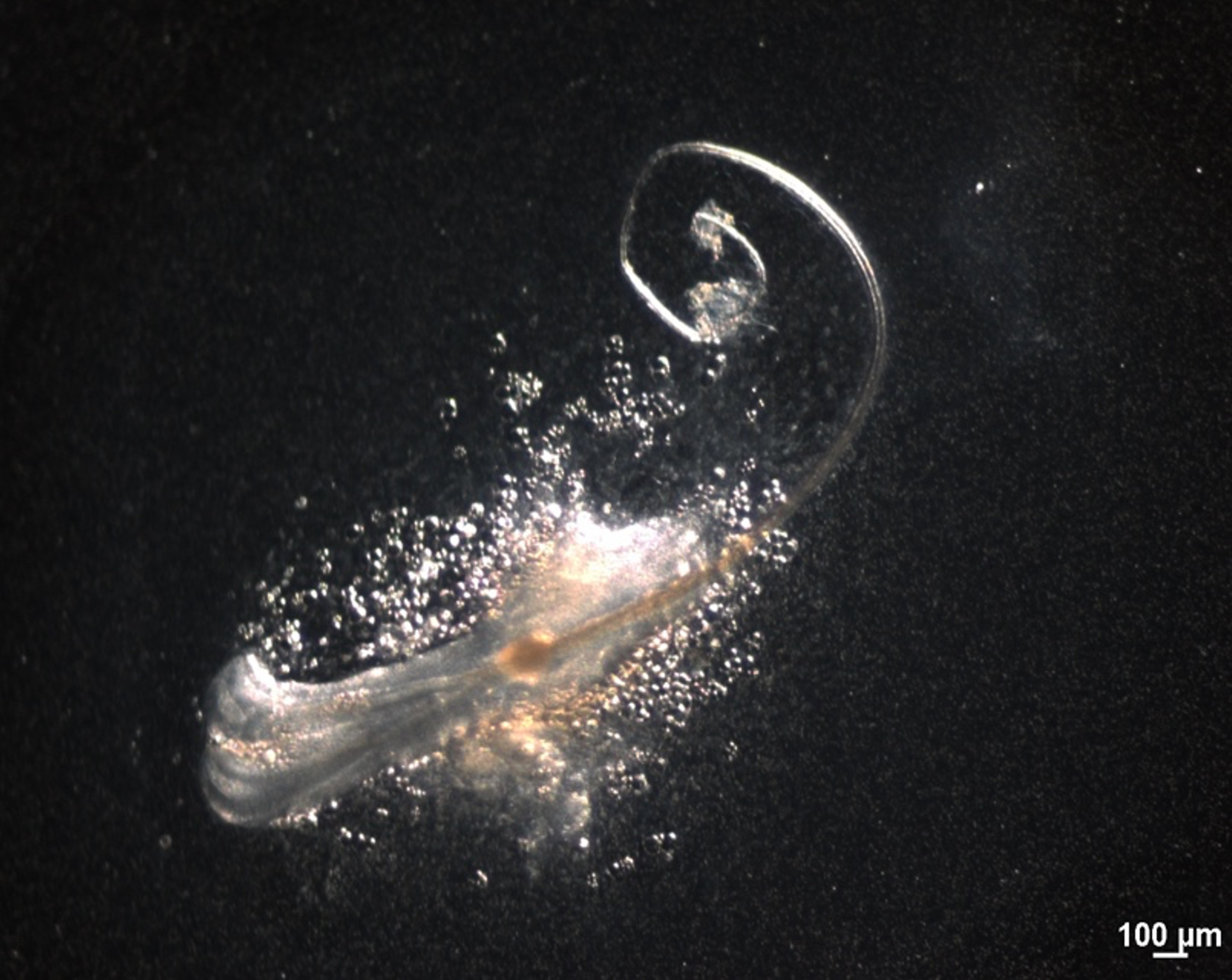
Rhythm Pharmaceuticals Announces Additional Positive Data from Phase 3 TRANSCEND trial of Setmelanotide in Patients with Acquired Hypothalamic Obesity

Rhythm Pharmaceuticals Announces Additional Positive Data from Phase 3 TRANSCEND trial of Setmelanotide in Patients with Acquired Hypothalamic Obesity


Rhythm Pharmaceuticals Announces Additional Positive Data from Phase 3 TRANSCEND trial of Setmelanotide in Patients with Acquired Hypothalamic Obesity

— –18.8% placebo-adjusted difference in BMI reduction achieved in all patients (N=142) at 52 weeks, including 12 Japanese patients and 10 supplemental patients with acquired hypothalamic obesity —

— March 20, 2026 PDUFA goal date for sNDA for setmelanotide in acquired hypothalamic obesity —

BOSTON, March 01, 2026 (GLOBE NEWSWIRE) — Rhythm Pharmaceuticals, Inc. (Nasdaq: RYTM), a global commercial-stage biopharmaceutical company focused on transforming the lives of patients living with rare neuroendocrine diseases, today announced additional positive data from its global Phase 3 TRANSCEND trial of setmelanotide in patients with acquired hypothalamic obesity (HO). This new data set includes 12 patients from a Japanese cohort and 10 supplemental patients who were enrolled in addition to the primary 120-patient pivotal cohort.

Highlights from these 52-week data include:

  • -18.8% placebo-adjusted difference1 in BMI reduction (N=142);
  • Primary endpoint of mean BMI reduction of -16.4% from baseline for all patients on setmelanotide therapy (n=94) compared with +2.4% BMI change for patients on placebo (n=48) at 52 weeks (95% CI; p<0.0001); and
  • Among patients aged 12 and older (n=98), the setmelanotide group (n=66) showed an average weekly reduction of 2.5 points in the weekly average most hunger score, compared with a 1.3‑point reduction in the placebo group (n=32) (p=0.0015).

“Building off our strong pivotal data, these efficacy data further support setmelanotide’s potential to become the first therapy approved for patients living with the hunger, reduced energy expenditure, accelerated weight gain, and obesity of acquired hypothalamic obesity,” said David Meeker, M.D., Chairman, Chief Executive Officer and President of Rhythm. “We look forward to continuing our positive dialogue with regulators, and we are well prepared to bring setmelanotide to patients with acquired HO, pending U.S. Food and Drug Administration (FDA) approval.”

Rhythm previously announced the TRANSCEND trial met its primary and key secondary endpoints when it disclosed topline data from the pre-specified 120-patient pivotal cohort in April 2025. The Company’s supplemental New Drug Application (sNDA) is under review by the U.S. Food and Drug Administration (FDA) with a PDUFA goal date of March 20, 2026. Rhythm will submit the final data package to the FDA on March 2, 2026 ahead of the previously agreed upon submission date for the supplemental data.  

The European Medicines Agency (EMA) is reviewing Rhythm’s Type II variation submission to the Marketing Authorization Application (MAA) for setmelanotide for the same indication. The Company anticipates the Committee for Medicinal Products for Human Use (CHMP) would issue an opinion to the European Commission (EC) in the second quarter of 2026 with potential marketing authorization in the second half of 2026. The Company will also submit the full data package to Japan’s Pharmaceuticals and Medical Devices Agency (PMDA) and plans to seek marketing authorization for setmelanotide to treat acquired hypothalamic obesity there, as well.

About Acquired Hypothalamic Obesity
Acquired hypothalamic obesity is a rare disease characterized by accelerated and sustained weight gain caused by an injury to the hypothalamus. Hypothalamic injury may lead to decreased alpha-melanocyte-stimulating hormone (α-MSH) production and impairment of MC4R pathway signaling. The MC4R pathway is responsible for regulating energy balance and body weight. Acquired hypothalamic obesity most frequently follows the growth or treatment of craniopharyngioma, astrocytoma or other hypothalamic-pituitary tumors. Additional causes of injury may include traumatic brain injury, stroke or inflammation. Due to impairment of the MC4R pathway, patients experience accelerated and sustained weight gain, often accompanied by hyperphagia and/or decreased energy expenditure. Acquired hypothalamic obesity can occur as early as six months following hypothalamic injury. Rhythm estimates 10,000 patients living with acquired HO in the United States, approximately 10,000 patients in Europe and between 5,000 to 8,000 people living with acquired hypothalamic obesity in Japan.

About Rhythm Pharmaceuticals
Rhythm is a commercial-stage biopharmaceutical company committed to transforming the lives of patients and their families living with rare neuroendocrine diseases. Rhythm’s lead asset, IMCIVREE® (setmelanotide), an MC4R agonist designed to treat hyperphagia and severe obesity, is approved by the U.S. Food and Drug Administration (FDA) to reduce excess body weight and maintain weight reduction long term in adult and pediatric patients 2 years of age and older with syndromic or monogenic obesity due to Bardet-Biedl syndrome (BBS) or genetically confirmed pro-opiomelanocortin (POMC), including proprotein convertase subtilisin/kexin type 1 (PCSK1), deficiency or leptin receptor (LEPR) deficiency. Both the European Commission (EC) and the UK’s Medicines & Healthcare Products Regulatory Agency (MHRA) have authorized setmelanotide for the treatment of obesity and the control of hunger associated with genetically confirmed BBS or genetically confirmed loss-of-function biallelic POMC, including PCSK1, deficiency or biallelic LEPR deficiency in adults and children 2 years of age and above. Additionally, Rhythm is advancing a broad clinical development program for setmelanotide in other rare diseases, as well as investigational MC4R agonists bivamelagon and RM-718, and a preclinical suite of small molecules for the treatment of congenital hyperinsulinism. Rhythm’s headquarters is in Boston, MA.

Setmelanotide Indication
In the United States, setmelanotide is indicated to reduce excess body weight and maintain weight reduction long term in adult and pediatric patients aged 2 years and older with syndromic or monogenic obesity due to Bardet-Biedl syndrome (BBS) or Pro-opiomelanocortin (POMC), proprotein convertase subtilisin/kexin type 1 (PCSK1), or leptin receptor (LEPR) deficiency as determined by an FDA-approved test demonstrating variants in POMC, PCSK1, or LEPR genes that are interpreted as pathogenic, likely pathogenic, or of uncertain significance (VUS).

In the European Union and the United Kingdom, setmelanotide is indicated for the treatment of obesity and the control of hunger associated with genetically confirmed BBS or loss-of-function biallelic POMC, including PCSK1, deficiency or biallelic LEPR deficiency in adults and children 2 years of age and above. In the European Union and the United Kingdom, setmelanotide should be prescribed and supervised by a physician with expertise in obesity with underlying genetic etiology.

Limitations of Use

Setmelanotide is not indicated for the treatment of patients with the following conditions as setmelanotide would not be expected to be effective:

  • Obesity due to suspected POMC, PCSK1, or LEPR deficiency with POMC, PCSK1, or LEPR variants classified as benign or likely benign
  • Other types of obesity not related to BBS or POMC, PCSK1, or LEPR deficiency, including obesity associated with other genetic syndromes and general (polygenic) obesity

Contraindication

Prior serious hypersensitivity to setmelanotide or any of the excipients in IMCIVREE. Serious hypersensitivity reactions (e.g., anaphylaxis) have been reported.

WARNINGS AND PRECAUTIONS

Disturbance in Sexual Arousal: Spontaneous penile erections in males and sexual adverse reactions in females have occurred. Inform patients that these events may occur and instruct patients who have an erection lasting longer than 4 hours to seek emergency medical attention.

Depression and Suicidal Ideation: Depression, suicidal ideation and depressed mood have occurred. Monitor patients for new onset or worsening depression or suicidal thoughts or behaviors. Consider discontinuing IMCIVREE if patients experience suicidal thoughts or behaviors, or clinically significant or persistent depression symptoms occur.

Hypersensitivity Reactions: Serious hypersensitivity reactions (e.g., anaphylaxis) have been reported. If suspected, advise patients to promptly seek medical attention and discontinue IMCIVREE.

Skin Hyperpigmentation, Darkening of Pre-existing Nevi, and Development of New Melanocytic Nevi: Generalized or focal increases in skin pigmentation, darkening of pre-existing nevi, development of new melanocytic nevi and increase in size of existing melanocytic nevi have occurred. Perform a full body skin examination prior to initiation and periodically during treatment to monitor pre-existing and new pigmented lesions.

Risk of Serious Adverse Reactions Due to Benzyl Alcohol Preservative in Neonates and Low Birth Weight Infants: IMCIVREE is not approved for use in neonates or infants. Serious and fatal adverse reactions including “gasping syndrome” can occur in neonates and low birth weight infants treated with benzyl alcohol preserved drugs.

ADVERSE REACTIONS

Most common adverse reactions (incidence ≥20%) included skin hyperpigmentation, injection site reactions, nausea, headache, diarrhea, abdominal pain, vomiting, depression, and spontaneous penile erection.

USE IN SPECIFIC POPULATIONS

Treatment with IMCIVREE is not recommended when breastfeeding. Discontinue IMCIVREE when pregnancy is recognized unless the benefits of therapy outweigh the potential risks to the fetus.

To report SUSPECTED ADVERSE REACTIONS, contact Rhythm Pharmaceuticals at +1 (833) 789-6337 or FDA at 1-800-FDA-1088 or www.fda.gov/medwatch. See section 4.8 of the Summary of Product Characteristics for information on reporting suspected adverse reactions in Europe.

Please see the full Prescribing Information for additional Important Safety Information.

Forward-looking Statements

This press release contains forward-looking statements within the meaning of the Private Securities Litigation Reform Act of 1995. All statements contained in this press release that do not relate to matters of historical fact should be considered forward-looking statements, including without limitation statements regarding our pivotal Phase 3 TRANSCEND study evaluating setmelanotide for the treatment of acquired hypothalamic obesity, including the additional data set of 12 patients from a Japanese cohort and 10 supplemental patients enrolled in addition to the primary 120-patient pivotal cohort; the potential for setmelanotide to treat hypothalamic obesity; the safety, efficacy, potential benefits of, and clinical design or progress of any of our products or product candidates at any dosage or in any indication; our expectations surrounding potential regulatory submissions, progress, or approvals and timing thereof for any of our product candidates, including the sNDA to the FDA and the PDUFA goal date of March 20, 2026, including the submission of the final data package to the FDA, the Type II variation request to the EMA and the anticipated decision by the CHMP to issue an opinion to EC and potential marketing authorization in the second half of 2026; as well as the Company’s engagement with PMDA and plans to seek authorization for setmelanotide to treat acquired hypothalamic obesity in Japan; the estimated market size and addressable population for our drug products, including setmelanotide for the treatment of hypothalamic obesity in the United States, the EU and Japan; and presentation of the full data from the TRANSCEND study at an upcoming medical meeting; including the content, date and timing of any of the foregoing. Statements using words such as “expect”, “anticipate”, “believe”, “may”, “will” and similar terms are also forward-looking statements. Such statements are subject to numerous risks, uncertainties and other important factors, including those discussed under the caption “Risk Factors” in Rhythm’s Annual Report on Form 10-K for the year ended December 31, 2025, and our other filings with the Securities and Exchange Commission. Except as required by law, we undertake no obligations to make any revisions to the forward-looking statements contained in this release or to update them to reflect events or circumstances occurring after the date of this release, whether as a result of new information, future developments or otherwise.

Corporate Contact:
David Connolly
Head of Investor Relations and Corporate Communications
Rhythm Pharmaceuticals, Inc.
857-264-4280
dconnolly@rhythmtx.com

Media Contact:
Layne Cosgrove
Real Chemistry
(410) 916-1035
llitsinger@realchemistry.com

1 ANCOVA model with unequal variance to account for possible unequal residual variances was used to estimate the difference between treatment groups. Rubin’s Rule was used to provide the overall estimates of differences in least square (LS) means, corresponding CI and p-value.

Upstream Bio Presents Additional Analyses from the Phase 2 VIBRANT Trial of Verekitug in Chronic Rhinosinusitis with Nasal Polyps at 2026 AAAAI Annual Meeting

Upstream Bio Presents Additional Analyses from the Phase 2 VIBRANT Trial of Verekitug in Chronic Rhinosinusitis with Nasal Polyps at 2026 AAAAI Annual Meeting


Upstream Bio Presents Additional Analyses from the Phase 2 VIBRANT Trial of Verekitug in Chronic Rhinosinusitis with Nasal Polyps at 2026 AAAAI Annual Meeting

– Primary endpoint of endoscopic nasal polyp score (NPS) showed reduction of –1.95 (p < 0.0001) in new analysis with adjustment for concomitant rescue therapy use –

– Secondary endpoints also provided strong efficacy data in new analyses, including reduction in nasal congestion score (NCS) by -0.96 (p < 0.0001) –

WALTHAM, Mass., March 01, 2026 (GLOBE NEWSWIRE) — Upstream Bio, Inc. (Nasdaq:UPB), a clinical-stage company developing treatments for inflammatory diseases, with an initial focus on severe respiratory disorders, today presented additional data from the Phase 2 VIBRANT clinical trial evaluating verekitug in participants with chronic rhinosinusitis with nasal polyps (CRSwNP). The additional analyses incorporated a worst-observation carried-forward (WOCF) statistical approach to adjust for concomitant rescue therapy use, including nasal polyp surgery, systemic corticosteroids, or escalation of background treatments. The data support previously reported positive top-line results and were presented in a late-breaking poster session at the American Academy of Allergy Asthma & Immunology (AAAAI) 2026 Annual Meeting in Philadelphia.

Dosed 100 mg every 12 weeks, verekitug met the study’s primary endpoint using both the WOCF and primary (treatment policy) analyses, demonstrating an improved placebo-adjusted reduction in NPS of -1.95 (p < 0.0001) in the WOCF analysis as compared to a reduction of -1.77 (p < 0.0001) in the primary analysis at week 24.

The trial also showed a placebo-adjusted reduction in the patient-reported NCS, a key secondary endpoint, of -0.96 (p < 0.0001) in the WOCF analysis as compared to -0.77 (p = 0.0003) in the primary analysis.

As previously reported in the top-line results, verekitug reduced the need for surgery or systemic corticosteroids by 76% (p = 0.03) compared with placebo, and was generally well tolerated, demonstrating a favorable safety profile consistent with previous studies, with no SAEs observed.

“The strong results in clinical effect we saw in these additional analyses are an important validation of verekitug’s impact on endpoints that take into consideration the use of rescue medication, which was substantially reduced with verekitug treatment in VIBRANT. As this approach more closely aligns with that used in other recent studies of agents in CRSwNP, it also enhances our understanding of verekitug’s potential to add to the existing armamentarium for this serious disease. The presentation of these data continues to reinforce verekitug’s differentiated profile, comprising robust clinical activity with far less-frequent dosing, relative to currently available biologics as a potential treatment of CRSwNP,” said Aaron Deykin, MD, Chief Medical Officer and Head of Research & Development at Upstream Bio. “As we prepare to initiate our Phase 3 trials in CRSwNP and severe asthma, we believe that verekitug’s unique mechanism of action and differentiated product profile could position it to significantly advance the standard of care for people with serious respiratory diseases.”

“The magnitude of improvement observed with verekitug across both analytical approaches, along with the previously reported reduction in rescue interventions, suggests the potential for meaningful benefit for people living with chronic rhinosinusitis with nasal polyps,” said Joseph Han, MD, Professor in the Department of Otolaryngology & Head and Neck Surgery and the Chief for the Division of Allergy at Old Dominion University (Eastern Virginia Medical School), and principal investigator on the VIBRANT trial. “Additionally, the efficacy outcomes we observed in VIBRANT, combined with the every 12-week dosing interval, suggest that verekitug could represent a valuable new treatment option for people living with this challenging condition.”

VIBRANT (NCT06164704) was a Phase 2 global, randomized, double-blind, placebo-controlled, parallel group clinical trial that evaluated the efficacy and safety of verekitug over 24 weeks in 81 adults with CRSwNP.

Upstream Bio designed the VIBRANT trial using endpoints that, pending interactions with regulatory authorities, could produce data to support submissions for product approval. Planning activities for Phase 3 trials in CRSwNP and severe asthma have commenced, and the Company intends to initiate registrational trials in both indications, following planned regulatory interactions.

About CRSwNP
CRSwNP is a chronic inflammatory disease of the upper airway, marked by inflammation in the nose and sinuses and the presence of nasal polyps. CRSwNP has four main symptoms: runny nose or postnasal drip, nasal congestion, facial pressure and/or pain and loss of smell and/or taste. Despite available treatments such as corticosteroids, surgery and, more recently, biologics, the quality-of-life studies and post-surgical recurrence rates clearly show that many people with CRSwNP have uncontrolled symptoms that are impacting their daily life and current treatments are not meeting their needs. It is estimated that CRSwNP affects up to 4% of the general population, of whom 40% have uncontrolled disease.

Nasal polyps are associated with significant disease burden and debilitating symptoms; it is estimated that over 40% of people with severe asthma also have CRSwNP and that up to 70% of people with CRSwNP also have asthma, demonstrating a strong association between the two conditions.

About the Phase 2 VIBRANT Trial
The Phase 2 VIBRANT trial (NCT06164704) was a global, randomized, placebo-controlled, parallel group clinical trial, which was designed to assess the efficacy and safety of verekitug in adults with CRSwNP who were receiving concurrent intranasal corticosteroid therapy. Participants received either 100 mg of verekitug or placebo subcutaneously every 12 weeks for 24 weeks. The primary endpoint was change in endoscopic nasal polyp score at Week 24, a primary endpoint that has been used in several registrational trials for other biologic treatments for CRSwNP. Secondary endpoints included: nasal congestion score, sinus opacification, difficulty with sense of smell, total symptom score, percentage of participants requiring systemic corticosteroids or nasal polyp surgery, and time to first such interventions up to Week 24.

About Verekitug
Verekitug is a novel recombinant fully human immunoglobulin G1 (IgG1) monoclonal antibody that binds to the thymic stromal lymphopoietin (TSLP) receptor and inhibits proinflammatory signaling initiated by TSLP. It is the only known antagonist currently in clinical development that targets and inhibits the TSLP receptor.

TSLP is a cytokine that is a key driver of the inflammatory response in major allergic and inflammatory diseases, such as asthma, where disruption of TSLP signaling has been clinically validated as an effective therapeutic strategy. TSLP activation is one of the first events in the inflammatory cascade stimulated by allergens, viruses and other triggers, initiating the activation of downstream targets such as IL-4, IL-5, IL-13, IL-17 and IgE. Because TSLP is a target upstream in the inflammatory cascade, blocking the TSLP receptor presents an opportunity for a single treatment to impact the drivers of multiple pathological inflammatory processes across a broad set of diseases.

Verekitug has advanced into three separate global, placebo-controlled, randomized Phase 2 clinical trials including the recently completed positive VIBRANT trial (NCT06164704) in patients with CRSwNP and VALIANT trial (NCT06196879) in patients with severe asthma. The VENTURE trial (NCT06981078) in patients with moderate-to-severe chronic obstructive pulmonary disease (COPD) is ongoing. Additionally, in May 2025, Upstream Bio initiated the VALOUR trial (NCT06966479), a long-term extension study in eligible participants with severe asthma who completed the VALIANT Phase 2 clinical trial.

About Upstream Bio
Upstream Bio is a clinical-stage biotechnology company developing treatments for inflammatory diseases, with an initial focus on severe respiratory disorders. The Company is developing verekitug, the only known antagonist currently in clinical development that targets the receptor for thymic stromal lymphopoietin (TSLP), a cytokine which is a clinically validated driver of inflammatory response positioned upstream of multiple signaling cascades that affect a variety of immune mediated diseases. The Company has evaluated this highly potent monoclonal antibody in separate Phase 2 trials for the treatment of chronic rhinosinusitis with nasal polyps (CRSwNP), severe asthma, and an ongoing Phase 2 trial in chronic obstructive pulmonary disease (COPD). Upstream Bio’s team is committed to maximizing verekitug’s unique attributes to address the substantial unmet needs for patients underserved by today’s standard of care. To learn more, please visit www.upstreambio.com.

Forward-Looking Statements
This press release contains “forward-looking statements” within the meaning of Section 27A of the Securities Act of 1933 and Section 21E of the Securities Exchange Act of 1934, each as amended. These statements may be identified by words such as “aims,” “anticipates,” “believes,” “continue,” “could,” “estimates,” “expects,” “forecasts,” “goal,” “intends,” “may,” “plans,” “possible,” “potential,” “predict,” “project,” “seeks,” “should,” “target,” “will” and variations of these words or similar expressions. Any statements in this press release that are not statements of historical fact may be deemed to be forward-looking statements. These forward-looking statements include, without limitation, express or implied statements regarding: the global development of verekitug for the treatment of severe asthma, CRSwNP and COPD, including the initiation, timing, progress and results of ongoing and planned clinical trials; expectations for future discussions with regulatory authorities and the potential of the endpoints of the Company’s clinical trials to produce data that could support submissions for product approval; expectations regarding the differentiation, safety, efficacy, tolerability, and/or extended dosing interval of verekitug; and expectations for the size and growth potential of the market for verekitug in CRSwNP and the Company’s ability to serve that market. Any forward-looking statements in this press release are based on the Company’s current expectations, estimates and projections only as of the date of this release and are subject to a number of risks and uncertainties that could cause actual results to differ materially and adversely from those set forth in or implied by such forward-looking statements. Readers are cautioned that actual results, levels of activity, safety, efficacy, performance or events and circumstances could differ materially from those expressed or implied in the Company’s forward-looking statements due to a variety of risks and uncertainties, which include, without limitation, risks and uncertainties related to: Upstream Bio’s ability to advance verekitug through clinical development, and to obtain regulatory approval of and ultimately commercialize verekitug on the expected timeline, if at all; the initiation, timing, progress and results of clinical trials; Upstream Bio’s ability to fund its development activities and achieve development goals; Upstream Bio’s dependence on third parties to conduct clinical trials and manufacture verekitug, and commercialize verekitug, if approved; Upstream Bio’s ability to attract, hire and retain key personnel, and protect its intellectual property; Upstream Bio’s financial condition and need for substantial additional funds in order to complete development activities and commercialize verekitug, if approved; regulatory developments and approval processes of the U.S. Food and Drug Administration and comparable foreign regulatory authorities; Upstream Bio’s competitors and industry; and other risks and uncertainties described in greater detail under the caption “Risk Factors” in Upstream Bio’s most recent Annual Report on Form 10-K and Quarterly Report on Form 10-Q, as well as any subsequent filings with the SEC. Any forward-looking statements represent Upstream Bio’s views only as of today and should not be relied upon as representing its views as of any subsequent date. Upstream Bio explicitly disclaims any obligation or undertaking to update any forward-looking statements contained herein to reflect any change in its expectations or any changes in events, conditions or circumstances on which any such statement is based except to the extent required by law, and claims the protection of the safe harbor for forward-looking statements contained in the Private Securities Litigation Reform Act of 1995.

Investor and Media Contact:
Meggan Buckwell
Director, Corporate Communications and Investor Relations
ir@upstreambio.com

Septerna Announces Positive Phase 1 Data for SEP-631, an Oral MRGPRX2 NAM for the Treatment of Mast Cell-Driven Diseases, and Outlines Initial Phase 2 Development Strategy

Septerna Announces Positive Phase 1 Data for SEP-631, an Oral MRGPRX2 NAM for the Treatment of Mast Cell-Driven Diseases, and Outlines Initial Phase 2 Development Strategy


Septerna Announces Positive Phase 1 Data for SEP-631, an Oral MRGPRX2 NAM for the Treatment of Mast Cell-Driven Diseases, and Outlines Initial Phase 2 Development Strategy

SEP-631 Demonstrated Robust, Dose-Dependent Inhibition of Icatibant-Induced Skin Wheal Formation, with Complete Inhibition Observed at Doses as Low as 10 mg Once-Daily 

Well-Tolerated Across All Doses Studied with an Adverse Event Profile Comparable to Placebo; Pharmacokinetic Profile Supports Once-Daily Oral Dosing

Phase 2 Development Planned to Begin with Chronic Spontaneous Urticaria in the Second Half of 2026

Company to Host Conference Call and Webcast on Monday, March 2, 2026, at 8:00 a.m. ET

SOUTH SAN FRANCISCO, Calif., March 01, 2026 (GLOBE NEWSWIRE) — Septerna, Inc. (Nasdaq: SEPN), a clinical-stage biotechnology company pioneering oral small molecule GPCR-targeted medicines, today announced positive results from its Phase 1 clinical trial evaluating SEP-631, a potent and selective oral negative allosteric modulator (NAM) of Mas-related G protein-coupled receptor X2 (MRGPRX2). Based on these results, Septerna plans to advance SEP-631 into Phase 2 development for chronic spontaneous urticaria (CSU) and continue evaluation of additional mast cell-driven indications.

“These data mark an important milestone for the SEP-631 program and more broadly for our Native Complex Platform®, which enables new approaches to GPCR drug discovery by reconstituting functional GPCR complexes outside of cells,” said Jae Kim, M.D., chief medical officer of Septerna. “Importantly, the robust inhibition of icatibant-induced wheal formation observed is consistent with the differentiated insurmountable NAM mechanism we characterized preclinically and provides clinical proof-of-mechanism for the MRGPRX2 pathway. Overall, we believe the strength and consistency of these results position SEP-631 as a potentially differentiated oral treatment for patients living with mast cell-driven diseases. With a clear path into Phase 2 development in chronic spontaneous urticaria, we are focused on translating this early validation into meaningful outcomes for patients and exploring additional high-need indications where MRGPRX2 biology is implicated.”

Phase 1 Results
SEP-631 was evaluated in a randomized, double-blind, placebo-controlled Phase 1 trial in healthy volunteers, including single-ascending dose, multiple-ascending dose and food-effect cohorts. The study assessed safety, tolerability, pharmacokinetics (PK) and pharmacodynamic (PD) activity.

SEP-631 was well-tolerated across all doses studied:

  • Adverse event profile comparable to placebo
  • No severe or serious adverse events
  • No clinically meaningful laboratory or ECG abnormalities

SEP-631 demonstrated a PK profile supportive of convenient once-daily oral dosing, including:

  • Half-life of approximately 24 hours
  • No clinically meaningful effect of food on exposure, supporting dosing without food restrictions

Pharmacodynamic activity was assessed using icatibant-induced skin wheal formation, an established skin test used to measure mast cell activation and target engagement, as a translational model of MRGPRX2-mediated mast cell activation. Use of short-wave infrared imaging technology enabled accurate and precise measurement of the skin test wheals. SEP-631 produced robust suppression of wheal formation across evaluated dose levels, with complete inhibition observed at doses as low as 10 mg once daily following the 10 µg/mL icatibant challenge. Following the 100 µg/mL icatibant challenge, inhibition was dose-dependent, with progressively greater suppression observed at increasing SEP-631 doses with near to complete inhibition achieved at 90 and 200 mg once daily. These findings are consistent with the insurmountable NAM mechanism of SEP-631 observed preclinically and support potent target engagement and functional blockade of MRGPRX2 signaling in humans, providing clinical proof-of-mechanism.

Phase 2 Development Strategy
Septerna plans to initiate a Phase 2b clinical trial of SEP-631 in chronic spontaneous urticaria (CSU) in the second half of this year, following the completion of ongoing long-term toxicology studies.

The planned Phase 2b study will be a randomized, double-blind, placebo-controlled, global trial evaluating once-daily oral SEP-631 in adult patients with moderate-to-severe CSU who remain symptomatic despite treatment with second-generation antihistamines. Following the CSU study initiation, the company also plans to pursue an open-label study in chronic inducible urticaria (CIndU), specifically in patients with symptomatic dermatographism.

Beyond urticaria, Septerna is evaluating additional mast cell-driven diseases with high unmet medical need and evidence of MRGPRX2 expression, and has initially prioritized atopic dermatitis, interstitial cystitis, migraine and asthma for further assessment.

Conference Call and Webcast Information
Septerna will host a conference call and webcast on Monday, March 2, 2026, at 8:00 a.m. ET to discuss the Phase 1 results and initial Phase 2 development strategy for SEP-631. The live webcast will be available in the investors section of the company’s website at www.septerna.com. A replay will be available shortly after the event and will be archived for at least 30 days.

About SEP-631
Septerna is developing SEP-631, a selective oral small molecule Mas-related G protein-coupled receptor X2 (MRGPRX2) negative allosteric modulator (NAM) for the treatment of patients with chronic spontaneous urticaria (CSU) and other mast-cell driven diseases. MRGPRX2 is known to play an important role in mast cell activation and degranulation which, in combination with other inflammatory mediators, lead to debilitating symptoms for patients. In a Phase 1 clinical trial, SEP-631 demonstrated favorable tolerability, once-daily pharmacokinetics and pharmacodynamic evidence of MRGPRX2 pathway inhibition. Septerna plans to advance SEP-631 into Phase 2 development in CSU and chronic inducible urticaria and is evaluating its potential in additional mast cell-driven indications, including atopic dermatitis, interstitial cystitis, migraine and asthma.

About Septerna
Septerna, Inc. is a clinical-stage biotechnology company with a world-class team of GPCR experts and drug developers advancing cutting-edge science to unlock the full potential of GPCR therapies for patients with significant unmet needs. The company’s proprietary Native Complex Platform® is designed to enable new approaches to GPCR drug discovery and has led to the development of a diverse pipeline of novel oral small molecule drug candidates. Septerna is advancing programs in endocrinology, immunology and inflammation, metabolic diseases and additional therapeutic areas, both independently and with partners. For more information, please visit www.septerna.com.

Forward-Looking Statements
This press release contains forward-looking statements within the meaning of the Private Securities Litigation Reform Act of 1995, as amended, including, without limitation, implied and express statements about Septerna’s beliefs and expectations regarding: the continued advancement of SEP-631, including the plan to initiate a Phase 2b clinical study in CSU in the second half of 2026 subject to the successful completion of long-term preclinical toxicology studies; the role of MRGPRX2 in mast cell-driven diseases; the potential of SEP-631 to provide a convenient oral treatment option for patients with CSU and other mast cell-driven diseases; expectations regarding the anticipated once-daily dosing frequency of SEP-631; the ability of the SEP-631 Phase 1 safety and efficacy observations to successfully translate into clinical outcomes in patients; the potential of its proprietary Native Complex Platform®; the size and growth potential of the markets for its current and future product candidates; its expectations regarding strategic plans for its business, product candidates, and technology; and the scope of protection it is able to establish and maintain for intellectual property rights covering its Native Complex Platform® and its product candidates. The words “anticipate,” “believe,” “continue,” “could,” “estimate,” “expect,” “intend,” “may,” “might,” “objective,” “ongoing,” “plan,” “predict,” “project,” “potential,” “should,” or “would,” or the negative of these terms, or other comparable terminology are intended to identify forward-looking statements, although not all forward looking statements contain these identifying words.

Any forward-looking statements in this press release are based on management’s current expectations and beliefs and are subject to a number of risks, uncertainties and important factors that may cause actual events or results to differ materially from those expressed or implied by any forward-looking statements contained in this press release, including, without limitation, risks associated with: Septerna’s product candidates successfully entering and advancing through clinical trials (including SEP-631) including uncertainties related to opening INDs and other regulatory approvals; risks related to clinical development outcomes including unexpected safety or efficacy findings; the results of preclinical studies including the long-term toxicology studies for SEP-631, or clinical studies not being predictive of future clinical outcomes; risks related to the timing of initiating clinical studies and future availability of clinical data; and the scope of protection Septerna is able to establish and maintain for intellectual property rights covering its Native Complex Platform® and its product candidates. These and other risks and uncertainties are described in greater detail in the section entitled “Risk Factors” in Septerna’s Annual Report on Form 10-K for the year ended December 31, 2024, as well as any subsequent filings with the Securities and Exchange Commission. In addition, any forward-looking statements represent Septerna’s views only as of today and should not be relied upon as representing its views as of any subsequent date. Septerna explicitly disclaims any obligation to update any forward-looking statements subject to any obligations under applicable law. No representations or warranties (expressed or implied) are made about the accuracy of any such forward-looking statements.

Investor Contact:
Renee Leck, THRUST
renee@thrustsc.com

Media Contact:
Carly Scaduto, THRUST
carly@thrustsc.com

Celldex Presents Positive Data Demonstrating Barzolvolimab Retreatment Achieves Similar Profound Efficacy to First Exposure in Patients with Cold Urticaria (ColdU) and Symptomatic Dermographism (SD) Further Demonstrating First-in-Class and Best-in-Disease Barzolvolimab Profile at AAAAI 2026

Celldex Presents Positive Data Demonstrating Barzolvolimab Retreatment Achieves Similar Profound Efficacy to First Exposure in Patients with Cold Urticaria (ColdU) and Symptomatic Dermographism (SD) Further Demonstrating First-in-Class and Best-in-Disease Barzolvolimab Profile at AAAAI 2026


Celldex Presents Positive Data Demonstrating Barzolvolimab Retreatment Achieves Similar Profound Efficacy to First Exposure in Patients with Cold Urticaria (ColdU) and Symptomatic Dermographism (SD) Further Demonstrating First-in-Class and Best-in-Disease Barzolvolimab Profile at AAAAI 2026

– Late breaking Poster Presentation at AAAAI –
– Ability to retreat facilitates a real-world paradigm in which treatment for ColdU and SD may be intermittent with barzolvolimab –

HAMPTON, N.J., March 01, 2026 (GLOBE NEWSWIRE) — Celldex (NASDAQ:CLDX) presented new positive data from the Phase 2 ColdU and SD Open Label Extension (OLE), highlighting that retreatment with barzolvolimab leads to rapid improvement in urticaria control after symptom recurrence. Barzolvolimab is a humanized monoclonal antibody with a completely novel mechanism of action that uniquely targets the root cause of ColdU and SD—the mast cell. The data were shared today in a late breaking poster presentation at the 2026 American Academy of Allergy, Asthma & Immunology’s (AAAAI) Annual Meeting being held in Philadelphia, PA. The data were presented by Jonathan A. Bernstein, MD, trial investigator and Professor of Clinical Medicine in the Department of Internal Medicine at the University of Cincinnati College of Medicine.

“Patients and physicians need treatment options that provide durable, symptom-free complete response and the potential for flexibility that reflects real world treatment paradigms,” said Diane Young, MD, Senior Vice President and Chief Medical Officer of Celldex. “We previously presented data in chronic spontaneous urticaria showing that up to 41% of patients continued to experience a complete response seven months after receiving their final dose on study. The data presented today from our inducible urticaria study demonstrate that when disease symptoms do recur, patients can be retreated and, importantly, achieve the same high levels of complete response they experienced on initial treatment. We believe barzolvolimab’s unique mechanism of action, which targets the root cause of these forms of chronic urticaria—the mast cell, drives this effect and supports barzolvolimab’s profile as a best-in-class, best-in-disease potential treatment option for patients with chronic urticarias.”

In the main portion of the Phase 2 study, 193 patients with ColdU (n=96) or SD (n=97) received 150 mg Q4W, 300 mg Q8W barzolvolimab, or placebo for 20 weeks. Patients with disease recurrence during the main study follow-up period qualified for the OLE. 121 patients entered the OLE, 61 patients with ColdU and 60 patients with SD, and 116 patients completed treatment in the OLE. Patients treated with placebo in the main study entered the OLE faster than patients treated with barzolvolimab (median time of 56 days versus 105 days from last dose in main study).

Barzolvolimab re-treatment achieved similar profound efficacy to first exposure in patients with ColdU and SD.

  • With barzolvolimab re-treatment, 62% of patients with ColdU and 60% of patients with SD had a complete response at Week 20 in the OLE. These findings are consistent with the complete response rates in these patients to their initial treatment of 66% for ColdU and 49% for SD at Week 20 in the main study.
  • Among patients with ColdU who achieved a complete response in the main study (n = 22), in the OLE, 82% of these patients achieved a complete response again and 95% achieved complete or partial response at Week 20.
  • Among patients with SD who achieved a complete response in main study (n = 21), in the OLE, 86% of these patients achieved a complete response again and 100% achieved either a complete or partial response at Week 20.
  • Marked, rapid reduction in critical temperature and friction thresholds were observed upon re-treatment,
  • Barzolvolimab re-treatment resulted in clinically meaningful improvements in urticaria control, achieving a high rate of well controlled disease: up to 68% of patients with ColdU and 69% of patients with SD. 
  • Barzolvolimab was well tolerated with a safety profile consistent with prior studies,
  • The ability to re-treat facilitates a real-world paradigm in which treatment for CIndU may be intermittent.
  • A global Phase 3 trial (EMBARQ-ColdU and SD) (NCT07266402) designed to establish the efficacy and safety of barzolvolimab in adult patients with ColdU and SD who remain symptomatic despite H1 antihistamine treatment initiated in late 2025 and is enrolling patients.

About Chronic Inducible Urticaria (CIndU), Cold Urticaria (ColdU), Symptomatic Dermographism (SD)
CIndU is characterized by the occurrence of hives or wheals that have an attributable trigger associated with them. ColdU symptoms include itching, burning wheals/hives and angioedema when skin is exposed to cold temperatures. SD symptoms include the development of wheals in response to stroking, scratching or rubbing of the skin. For these diseases, mast cell activation leading to release of soluble mediators is thought to be the driving mechanism leading to the wheals and other symptoms. There are currently no approved therapies for chronic inducible urticarias other than antihistamines and patients attempt to manage symptoms associated with their disease through avoidance of triggers.

About Barzolvolimab
Barzolvolimab is a humanized monoclonal antibody with a novel mechanism of action that targets mast cells by binding with high specificity to a unique part of the KIT receptor and potently inhibiting its activity. The KIT receptor is abundantly expressed by mast cells and critical for their function and survival. Mast cells are drivers of inflammatory responses such as hypersensitivity and allergic reactions and, in certain inflammatory diseases, such as chronic urticarias, mast cell activation plays a central role in the onset and progression of the disease. Based on data from robust, randomized, placebo controlled Phase 2 studies, barzolvolimab has significant potential as a first-in-class and best-in-disease treatment option for patients with chronic spontaneous urticaria (CSU), cold urticaria (ColdU) and symptomatic dermographism (SD). Barzolvolimab is currently being studied in Phase 3 studies in CSU and ColdU/SD and Phase 2 studies in prurigo nodularis (PN) and atopic dermatitis (AD), with additional indications planned for the future.

About Celldex
Celldex is pioneering new horizons in immunology to deliver life-changing therapies. We are relentless in our pursuit of novel antibody-based treatments that engage the human immune system and directly affect critical pathways to improve the lives of patients with allergic, inflammatory and autoimmune disorders.
Visit www.celldex.com.

Forward Looking Statement
This release contains “forward-looking statements” made pursuant to the safe harbor provisions of the Private Securities Litigation Reform Act of 1995. These statements are typically preceded by words such as “believes,” “expects,” “anticipates,” “intends,” “will,” “may,” “should,” or similar expressions. These forward-looking statements reflect management’s current knowledge, assumptions, judgment and expectations regarding future performance or events. Although management believes that the expectations reflected in such statements are reasonable, they give no assurance that such expectations will prove to be correct or that those goals will be achieved, and you should be aware that actual results could differ materially from those contained in the forward-looking statements. Forward-looking statements are subject to a number of risks and uncertainties, including, but not limited to, our ability to successfully complete research and further development and commercialization of Company drug candidates, including barzolvolimab (also referred to as CDX-0159) and CDX-622, in current or future indications; the uncertainties inherent in clinical testing and accruing patients for clinical trials; our limited experience in bringing programs through Phase 3 clinical trials; our ability to manage and successfully complete multiple clinical trials and the research and development efforts for our multiple products at varying stages of development; the availability, cost, delivery and quality of clinical materials produced by our own manufacturing facility or supplied by contract manufacturers, who may be our sole source of supply; the timing, cost and uncertainty of obtaining regulatory approvals; the failure of the market for the Company’s programs to continue to develop; our ability to protect the Company’s intellectual property; the loss of any executive officers or key personnel or consultants; competition; changes in the regulatory landscape or the imposition of regulations that affect the Company’s products; our ability to continue to obtain capital to meet our long-term liquidity needs on acceptable terms, or at all, including the additional capital which will be necessary to complete the clinical trials that we have initiated or plan to initiate; and other factors listed under “Risk Factors” in our annual report on Form 10-K and quarterly reports on Form 10-Q.

All forward-looking statements are expressly qualified in their entirety by this cautionary notice. You are cautioned not to place undue reliance on any forward-looking statements, which speak only as of the date of this release. We have no obligation, and expressly disclaim any obligation, to update, revise or correct any of the forward-looking statements, whether as a result of new information, future events or otherwise.

Company Contact
Sarah Cavanaugh
Senior Vice President, Corporate Affairs & Administration
(508) 864-8337
scavanaugh@celldex.com

Patrick Till
Meru Advisors
(484) 788-8560
ptill@meruadvisors.com

OrganTech Defines Minimal Stem Cell Set Enabling Functional Hair Follicle Regeneration In Vitro

OrganTech Defines Minimal Stem Cell Set Enabling Functional Hair Follicle Regeneration In Vitro


OrganTech Defines Minimal Stem Cell Set Enabling Functional Hair Follicle Regeneration In Vitro

TOKYO, March 01, 2026 (GLOBE NEWSWIRE) — OrganTech, Inc. announced that its research team has defined a minimal stem cell set required for functional hair follicle regeneration in vitro, establishing a defined cellular framework that may inform next-generation regenerative strategies for alopecia and related indications.

Published in Biochemical and Biophysical Research Communications, the study further validates OrganTech’s organ-level regeneration platform built upon epithelial–mesenchymal interaction biology.

In vitro–regenerated murine hair follicles

In vitro–regenerated murine hair follicles

A collaborative research team led by Koh-ei Toyoshima (General Manager of Research and Development, OrganTech., Inc.), Miho Ogawa (Director and Chief Technology Officer, OrganTech., Inc.), and Takashi Tsuji (former Team Leader, Organ Induction Research Team, RIKEN Center for Biosystems Dynamics Research) identified a previously uncharacterized accessory mesenchymal cell population—designated hair follicle regeneration–supporting cells—as an essential component for functional follicle regeneration under defined in vitro conditions.

In this study, the investigators established a controlled culture system for hair follicle reconstruction. Adult hair follicle–derived epithelial stem cells and dermal papilla cells were combined to reconstruct follicle organ germs. While these structures formed hair bulbs, they required an additional accessory mesenchymal population to achieve sustained downgrowth and hair shaft production.

By incorporating the newly identified supporting cell population, the team generated three–stem-cell–derived organ germs capable of regenerating fully functional hair follicles under defined in vitro conditions. The reconstructed follicles exhibited hair bulb formation, sustained downgrowth, and hair shaft production, demonstrating hair cycle–associated functionality.

Unlike current pharmacological treatments such as minoxidil or finasteride, which primarily slow hair loss progression, OrganTech’s approach is designed to reconstruct functional hair follicle units at the organ level through precisely defined cellular architecture.

Alopecia affects tens of millions of individuals worldwide and represents a significant and expanding commercial opportunity. The global hair restoration market is projected to exceed $15 billion within the coming decade, reflecting growing demand for durable, biologically based treatment solutions.

“This work defines a foundational cellular configuration for functional hair follicle regeneration,” said Yoshio Shimo, Representative Director and CEO of OrganTech. “Beyond hair biology, it reinforces our broader strategy of organ-level regenerative medicine, where precisely orchestrated epithelial and mesenchymal interactions enable stable and functional tissue reconstruction.”

The study advances understanding of hair follicle development, regeneration, and hair cycle regulation while providing a defined cellular blueprint for translational research. More broadly, it underscores a key principle in three-dimensional organ regeneration: sustained organ maturation may require accessory cell populations in addition to canonical epithelial–mesenchymal cell pairs.

OrganTech has filed international patent applications covering its organ germ–based regenerative technologies and is advancing a staged clinical translation strategy targeting alopecia and related regenerative indications.

Publication Information

Title
Fully Functional Hair Follicle Organ Regeneration Using Organ-Inductive Potential Stem Cells with an Accessory Mesenchymal Cell Population in an In Vitro Culture System
Authors
Koh-ei Toyoshima, Ayako Tsuchiya, Miho Ogawa, Miki Takase, Tarou Irié, Masayuki Yanagisawa, Richard H. Kaszynski, Hiroshi Fujimaki, Kyoko Baba, Takayuki Sugimoto, Akira Takeda, Akio Sato, and Takashi Tsuji
Journal
Biochemical and Biophysical Research Communications
DOI
10.1016/j.bbrc.2026.153459

About OrganTech, Inc.

OrganTech is a regenerative medicine company founded on the organ germ method, a technology platform originally developed through pioneering research in epithelial–mesenchymal interaction–driven organogenesis. The company is advancing next-generation bioengineered organ technologies, including hair follicle regeneration, dental bio-hybrid implants, and three-dimensional artificial skin systems. OrganTech aims to establish scalable organ-level regenerative solutions addressing large unmet medical needs worldwide.

Contact Information

OrganTech, Inc.
Email: info@organ-tech.jp

A photo accompanying this announcement is available at:
https://www.globenewswire.com/NewsRoom/AttachmentNg/8b1a7e0a-9427-4651-9f08-73a343c58e8a

WriteUpp Automated Reminders and Smart Booking Tools Drive Double-Digit Reductions in Healthcare No Show Rates

WriteUpp Automated Reminders and Smart Booking Tools Drive Double-Digit Reductions in Healthcare No Show Rates


WriteUpp Automated Reminders and Smart Booking Tools Drive Double-Digit Reductions in Healthcare No Show Rates

WriteUpp practice management platform combines automated SMS reminders and configurable booking rules to help healthcare providers recover lost revenue and keep appointment schedules full

WriteUpp Automated Reminders and Smart Booking Tools Drive Double-Digit Reductions in Healthcare No Show Rates

LONDON, Feb. 28, 2026 (GLOBE NEWSWIRE) — WriteUpp, a practice management platform serving more than 50,000 healthcare professionals across the UK, Ireland, and Canada, has highlighted the measurable impact that automated appointment reminders and smart booking tools are having on no-show rates across healthcare practices. According to published research, missed appointments cost the US healthcare system approximately $150 billion annually, with individual practices losing an average of $150,000 per year to empty slots. No-show rates range from 5.5 percent to 50 percent, depending on practice type and the presence of existing reminder systems.

WriteUpp’s platform addresses this through built-in SMS and email reminders that send automatically at configurable intervals before each appointment. Patients can confirm attendance or request rescheduling through two-way messaging without requiring staff to make manual calls. Smart booking tools enable practices to define appointment types, set buffer times between sessions, and control availability rules, ensuring schedules reflect actual clinician capacity.

Multiple independent studies have found that SMS reminders reduce no-show rates by 38 percent compared to patients who received no reminder, and systematic reviews have found an average 41 percent reduction in missed appointments across all reminder channels.

“Practices often underestimate how much revenue they lose to no shows until they track it for a month,” said Eric Lalonde, CEO of WriteUpp. “A practice seeing 150 patients a week with a 10 percent no-show rate is losing over £60,000 a year in recoverable revenue. Automated reminders address the most preventable portion of that loss.“

The platform is available in the UK from £19.95 per month and in Canada from $34.95 per month on flexible month-to-month subscriptions. Canadian practices signing up in 2026 can access a 50 percent discount for the first 12 months. A 30-day free trial is available through the WriteUpp website.

Visit WriteUpp to learn more about automated appointment reminders and practice management software for healthcare professionals.

About WriteUpp
WriteUpp is a practice management platform built for regulated and non-regulated healthcare professionals, combining scheduling, documentation, telehealth, invoicing, and payments in one ISO 27001-certified system. The platform serves more than 50,000 healthcare professionals across the UK, Ireland, and Canada, with human support averaging a 7-minute response time. More information is available on their website.

Contact
Victoria Scott, Head of Growth
WriteUpp
victoria.scott@writeupp.com

A photo accompanying this announcement is available at https://www.globenewswire.com/NewsRoom/AttachmentNg/45889c1b-4956-4594-9d05-f3dcb72ff9af

DBV Technologies Highlights Additional Data from Successful Phase 3 VITESSE Study at the AAAAI 2026 Annual Meeting

DBV Technologies Highlights Additional Data from Successful Phase 3 VITESSE Study at the AAAAI 2026 Annual Meeting


DBV Technologies Highlights Additional Data from Successful Phase 3 VITESSE Study at the AAAAI 2026 Annual Meeting

Châtillon, France, February 28, 2026

DBV Technologies Highlights Additional Data from Successful Phase 3 VITESSE Study at the AAAAI 2026 Annual Meeting

  • Approximately 83% of children treated with the VIASKIN® Peanut Patch increased their eliciting dose at month 12, compared to approximately 48% in the placebo group
  • Approximately 60% of children treated with the VIASKIN® Peanut Patch increased their eliciting dose by at least two doses at month 12, compared to 23% in the placebo group
  • 24% of children on placebo decreased their eliciting dose between the baseline and month 12 double-blind, placebo-controlled food challenge, compared to only 6.4% of children treated with the VIASKIN® Peanut Patch

DBV Technologies (Euronext: DBV – ISIN: FR0010417345 – Nasdaq Stock Market: DBVT), a late-stage biopharmaceutical company, today announced that the company shared additional positive data from the successful Phase 3 VITESSE clinical trial as an oral presentation today at the American Academy of Allergy, Asthma, and Immunology (AAAAI) 2026 Annual Meeting, in Philadelphia, PA. VITESSE, the largest food allergy immunotherapy trial to date, is a Phase 3 study assessing DBV’s VIASKIN® Peanut Patch for the treatment of peanut-allergic children aged 4 to 7 years.

The VITESSE study met its primary endpoint whereby VIASKIN Peanut demonstrated a statistically significant treatment effect (p<0.001), with 46.6% of children in the VIASKIN Peanut arm meeting the treatment responder criteria* at 12 months, as compared to 14.8% of children in the placebo arm (difference in response rates = 31.8%; 95% confidence interval (CI) = (24.5, 39.0%)), exceeding the lower bound prespecified threshold of 15%.

Highlights from the data presented at AAAAI 2026:

  • 82.8% of subjects treated with the VIASKIN® Peanut Patch increased their eliciting dose by at least one dose, or one incremental step in a double-blind placebo-controlled food challenge, at month 12, compared to approximately 48% in the placebo group.
  • 60.1% of the treated subjects increased their eliciting dose by at least two doses of the double-blind, placebo-controlled food challenge at month 12, compared to 23.4% in the placebo group.
  • 24% of subjects on placebo decreased their eliciting dose between the baseline and month 12 double-blind, placebo-controlled food challenge, compared to only 6.4% of treated subjects.
  • All sensitivity analyses were statistically significant with the 95% CI exceeding the lower bound prespecified threshold of 15%, ranging from 22.1% to 27.8%, confirming the robustness of the primary endpoint analysis.
  • In both baseline eliciting dose (ED) strata, a significantly greater proportion of children treated with the VIASKIN® Peanut Patch were treatment responders as compared to the placebo group.
    • Among children with a baseline ED ≤ 30mg, 49.3% were responders versus 14.7% in the placebo group (△=34.6%; 95% CI: 24.93, 44.24).
    • Among children with a baseline ED = 100mg, 43.1% were responders versus 14.6% in the placebo group (△=28.5%; 95% CI: 17.51, 39.5).
  • The VIASKIN® Peanut Patch was well tolerated; the majority of treatment emergent adverse events (TEAEs) were mild local application site reactions, consistent with DBV’s previous Phase 3 studies.

“Building on the statistically significant topline results from the VITESSE Phase 3 study, the additional data presented at this year’s AAAAI Annual Meeting suggest a broad and consistent treatment effect of the VIASKIN® Peanut Patch, regardless of baseline eliciting dose strata or study population analysis,” stated David Fleischer M.D., Professor of Pediatrics at Children’s Hospital Colorado and Global Principal Investigator of the VITESSE study. “The increases in eliciting dose seen are clinically meaningful and may reflect a reduced risk of an allergic reaction. Conversely, nearly four times as many children on placebo saw their eliciting dose decrease, becoming more sensitized over the twelve-month period. These results not only support the VIASKIN® Peanut Patch as a potential treatment option for peanut-allergic children, if approved, but also reinforce the importance of prioritizing a proactive treatment for this specific patient population.”

“We believe the additional data presented today demonstrate that the VIASKIN® Peanut Patch consistently induced desensitization among subjects irrespective of study subgroup or baseline characteristics,” stated Pharis Mohideen M.D., Chief Medical Officer of DBV Technologies. “If approved, the VIASKIN® Peanut Patch would provide caregivers with a non-invasive option that fits into daily activities. To that end, these data support a Biologics License Application, which we are planning to submit to FDA in the first half of this year.”

The presentation will be made available on the Scientific Publication & Presentations page on the Company’s website at https://dbv-technologies.com/events/aaaai-annual-meeting-2026/.

*Responders were defined as children with a baseline eliciting dose (ED) ≤30 mg who achieved an ED ≥300 mg of peanut protein at month 12, or children with a baseline ED = 100 mg who achieved an ED ≥600 mg of peanut protein at month 12, as measured by a double-blind, placebo-controlled food challenge (DBPCFC). The ED is the amount of peanut protein that induced an allergic reaction.

About DBV Technologies
DBV Technologies is a late-stage biopharmaceutical company developing treatment options for food allergies and other immunologic conditions with significant unmet medical need. DBV Technologies is currently focused on investigating the use of its proprietary VIASKIN® patch technology to address food allergies, which are caused by a hypersensitive immune reaction and characterized by a range of symptoms varying in severity from mild to life-threatening anaphylaxis. Millions of people live with food allergies, including young children. Through epicutaneous immunotherapy (EPIT), the VIASKIN® Patch is designed to introduce microgram amounts of a biologically active compound to the immune system through intact skin. EPIT is a new class of non-invasive treatment that seeks to modify an individual’s underlying allergy by re-educating the immune system to become desensitized to allergen by leveraging the skin’s immune tolerizing properties. DBV Technologies is committed to transforming the care of food allergic people. The Company’s food allergy programs include ongoing clinical trials of the VIASKIN® Peanut Patch in peanut allergic toddlers (1 through 3 years of age) and children (4 through 7 years of age).

DBV Technologies is headquartered in Châtillon, France, with North American operations in Warren, NJ. The Company’s ordinary shares are traded on segment B of Euronext Paris (DBV, ISIN code: FR0010417345) and the Company’s ADSs (each representing five ordinary shares) are traded on the Nasdaq Capital Market (DBVT – CUSIP: 23306J309).

For more information, please visit www.dbv-technologies.com and engage with us on X (formerly Twitter) and LinkedIn.

Forward Looking Statements
This press release may contain forward-looking statements and estimates, including statements regarding the therapeutic potential of VIASKIN® Peanut patch and EPIT, results of DBV’s clinical trials, DBV’s planned regulatory and clinical efforts including timing and results of communications with regulatory agencies, plans and expectations with respect to the submission of BLAs to FDA, and the ability of any of DBV’s product candidates, if approved, to improve the lives of patients with food allergies. These forward-looking statements and estimates are not promises or guarantees and involve substantial risks and uncertainties. At this stage, DBV’s product candidates have not been authorized for sale in any country. Among the factors that could cause actual results to differ materially from those described or projected herein include uncertainties associated generally with research and development, clinical trials and related regulatory reviews and approvals, and DBV’s ability to successfully execute on its budget discipline measures. A further list and description of risks and uncertainties that could cause actual results to differ materially from those set forth in the forward-looking statements in this press release can be found in DBV’s regulatory filings with the French Autorité des Marchés Financiers (“AMF”), DBV’s filings and reports with the U.S. Securities and Exchange Commission (“SEC”), including in DBV’s Annual Report on Form 10-K for the year ended December 31, 2024, filed with the SEC on April 11, 2025, as amended by Amendment No. 1 on Form 10-K/A filed with the SEC on April 28, 2025, and as amended further by Amendment No. 2 on Form 10-K/A filed with the SEC on May 14, 2025, and future filings and reports made with the AMF and SEC by DBV. Existing and prospective investors are cautioned not to place undue reliance on these forward-looking statements and estimates, which speak only as of the date hereof. Other than as required by applicable law, DBV Technologies undertakes no obligation to update or revise the information contained in this Press Release.

The Company reminds that the going concern assessment is made as of the date of this press release based on management’s current assumptions. In accordance with U.S. GAAP, IFRS, SEC and AMF rules, the Company will update its going‑concern evaluation as of the issuance of its Annual Report on Form 10‑K and the universal registration document.

VIASKIN is a registered trademark of DBV Technologies.

Investor Relations Contact
Jonathan Neely
DBV Technologies
jonathan.neely@dbv-technologies.com

Media Contact
Brett Whelan
DBV Technologies
brett.whelan@dbv-technologies.com

Attachment

Cogent Biosciences Highlights Additional Data with Six Bezuclastinib Posters from SUMMIT Trial at 2026 AAAAI Annual Meeting

Cogent Biosciences Highlights Additional Data with Six Bezuclastinib Posters from SUMMIT Trial at 2026 AAAAI Annual Meeting


Cogent Biosciences Highlights Additional Data with Six Bezuclastinib Posters from SUMMIT Trial at 2026 AAAAI Annual Meeting

  • Bezuclastinib mean TSS reduction deepens to –32.0 points at 48 weeks of treatment with further improvement shown across all measured symptoms
  • 99% of patients achieve >50% reduction in serum tryptase at 48 weeks, with 83% rate of normalization
  • Strong evidence of bezuclastinib’s potential as first disease modifying agent for NonAdvSM patient population given clear correlation between objective measures of disease burden and symptomatic improvement

WALTHAM, Mass. and BOULDER, Colo., Feb. 28, 2026 (GLOBE NEWSWIRE) — Cogent Biosciences, Inc. (Nasdaq: COGT), a biotechnology company focused on developing precision therapies for genetically defined diseases, today announced additional clinical results from the pivotal SUMMIT trial with bezuclastinib in patients with NonAdvanced Systemic Mastocytosis (NonAdvSM) at the American Academy of Allergy Asthma & Immunology (AAAAI) Annual Meeting. As previously reported, bezuclastinib demonstrated clinically meaningful and highly statistically significant improvements across the primary and all key secondary endpoints. New results highlight the deepening of clinical benefit over longer treatment duration, the benefit of bezuclastinib in populations with high unmet need, and bezuclastinib’s impact on bone mineral density as additional evidence of disease modification.

“The additional SUMMIT data presented at AAAAI today reinforce our belief that bezuclastinib can rapidly and meaningfully improve a wide variety of symptoms that impact the daily lives of patients with NonAdvanced SM,” said Andrew Robbins, Cogent’s President and Chief Executive Officer. “These posters underscore the significance of our findings and build upon the data we shared at ASH last year. Adding
all these results together, bezuclastinib’s profile continues to be a very active, well-tolerated option for NonAdvSM patients, which we believe has the opportunity to become the preferred standard of care.”

Data Highlights from the SUMMIT Posters

  • Treatment with bezuclastinib resulted in rapid, durable, statistically significant symptomatic improvements which continued to deepen out to 48 weeks:

    • Patients on bezuclastinib reported a -32.0 point mean change in TSS, representing a 56% relative improvement in TSS from baseline
    • 86% of patients achieved a clinically meaningful threshold of 30% improvement in symptoms
    • 99% of patients had at least 50% reduction in serum tryptase, with 83.3% of patients achieving normalization
  • Patients treated with bezuclastinib reported clear improvements across all relevant organ systems as evidenced by relative improvement at 48 weeks:
Symptom/Domain Mean Change from
Baseline
Relative Improvement
from Baseline
Dermatologic -13.94 -65.0%
Neurocognitive -12.77 -53.6%
Gastrointestinal -6.63 -62.5%
Pain -5.43 -45.8%
Fatigue -3.02 -41.3%

  • Bezuclastinib demonstrates strong evidence of disease modification in NonAdvSM patients based on:

    • Significant correlation shown between serum tryptase reduction and symptomatic improvement as measured by TSS (primary endpoint), all symptom domains, and 10/11 individual symptoms
    • Clinically meaningful improvements in bone mineral density (BMD) at week 24 for patients treated with bezuclastinib, regardless of baseline bone health severity.
    • 50% of patients reported a dose reduction and/or discontinuation of best supportive care medicines during the treatment period at week 48
  • Bezuclastinib demonstrates consistent biomarker and symptomatic improvement in patients with smoldering SM, a subgroup of NonAdvSM with high unmet need.

As previously reported, bezuclastinib demonstrated a favorable safety and tolerability profile, supporting its potential for chronic use in patients with NonAdvSM. 

Copies of Cogent’s data presentations from the AAAAI Annual Meeting will be available in the Posters and Publications section of the company’s website at cogentbio.com.

Inducement Grants Under Nasdaq Listing Rule 5635(c)(4)
Cogent also announced today that, on February 25, 2026, the Compensation Committee of Cogent’s Board of Directors, made up entirely of independent directors, approved the grants of “inducement” equity awards to three new employees under the company’s 2020 Inducement Plan with a grant date of February 25, 2026. The awards were approved in accordance with Listing Rule 5635(c)(4) of the corporate governance rules of the Nasdaq Stock Market. The employees received, in the aggregate, (i) nonqualified options to purchase 24,000 shares of Cogent common stock and (ii) 21,000 restricted stock units (RSUs). Each option has a 10-year term, an exercise price equal to the closing price of Cogent’s common stock on the grant date, and a 4-year vesting schedule with 25% vesting on the 1-year anniversary of the grant date and the remainder vesting in equal monthly installments over the subsequent 36 months, provided such employee remains employed through each such vesting date. The RSUs vest annually in equal installments over 4 years from the grant date, provided such employee remains employed through each such vesting date.      

About Cogent Biosciences, Inc.
Cogent Biosciences is a biotechnology company focused on developing precision therapies for genetically defined diseases. The most advanced clinical program, bezuclastinib, is a selective tyrosine kinase inhibitor that is designed to potently inhibit the KIT D816V mutation as well as other mutations in KIT exon 17. KIT D816V is responsible for driving systemic mastocytosis, a serious disease caused by unchecked proliferation of mast cells. Exon 17 mutations are also found in patients with advanced gastrointestinal stromal tumors (GIST), a type of cancer with strong dependence on oncogenic KIT signaling. The company also has an ongoing Phase 1 study of its novel internally discovered FGFR2/3 inhibitor. In addition, the Cogent Research Team is developing a portfolio of novel targeted therapies to help patients fighting serious, genetically driven diseases targeting mutations in ErbB2, PI3Kα, KRAS and JAK2. Cogent Biosciences is based in Waltham, MA and Boulder, CO. Visit our website for more information at www.cogentbio.com. Follow Cogent Biosciences on social media: X (formerly known as Twitter) and LinkedIn. Information that may be important to investors will be routinely posted on our website and X.

Forward Looking Statements
This press release contains forward-looking statements within the meaning of the Private Securities Litigation Reform Act of 1995, including, but not limited to, statements regarding: bezuclastinib’s potential to be the first disease modifying agent for patients with NonAdvSM; the company’s belief that bezuclastinib can rapidly and meaningfully improve a wide variety of symptoms that impact the daily lives of patients with NonAdvSM; the company’s belief that bezuclastinib has the opportunity to become the preferred standard of care for patients with NonAdvSM; and the potential for bezuclastinib’s chronic use in patients with NonAdvSM. The use of words such as, but not limited to, “anticipate,” “believe,” “continue,” “could,” “estimate,” “expect,” “intend,” “may,” “might,” “plan,” “potential,” “predict,” “project,” “should,” “target,” “will,” or “would” and similar words expressions are intended to identify forward-looking statements. Forward-looking statements are neither historical facts nor assurances of future performance. Instead, they are based on our current beliefs, expectations and assumptions regarding the future of our business, future plans and strategies, our clinical results, the rate of enrollment in our clinical trials and other future conditions. New risks and uncertainties may emerge from time to time, and it is not possible to predict all risks and uncertainties. No representations or warranties (expressed or implied) are made about the accuracy of any such forward-looking statements. We may not actually achieve the forecasts or milestones disclosed in our forward-looking statements, and you should not place undue reliance on our forward-looking statements. Such forward-looking statements are subject to a number of material risks and uncertainties including but not limited to those set forth under the caption “Risk Factors” in Cogent’s most recent Quarterly Report on Form 10-Q filed with the SEC. Any forward-looking statement speaks only as of the date on which it was made. Neither we, nor our affiliates, advisors or representatives, undertake any obligation to publicly update or revise any forward-looking statement, whether as result of new information, future events or otherwise, except as required by law. These forward-looking statements should not be relied upon as representing our views as of any date subsequent to the date hereof.

Contact:
Christi Waarich
Senior Director, Investor Relations
christi.waarich@cogentbio.com
617-830-1653

KEYTRUDA® (pembrolizumab) Plus WELIREG® (belzutifan) Given as Adjuvant Therapy Reduced the Risk of Disease Recurrence or Death by 28% Compared to KEYTRUDA Monotherapy in Certain Patients With Earlier-Stage Renal Cell Carcinoma (RCC)

KEYTRUDA® (pembrolizumab) Plus WELIREG® (belzutifan) Given as Adjuvant Therapy Reduced the Risk of Disease Recurrence or Death by 28% Compared to KEYTRUDA Monotherapy in Certain Patients With Earlier-Stage Renal Cell Carcinoma (RCC)


KEYTRUDA® (pembrolizumab) Plus WELIREG® (belzutifan) Given as Adjuvant Therapy Reduced the Risk of Disease Recurrence or Death by 28% Compared to KEYTRUDA Monotherapy in Certain Patients With Earlier-Stage Renal Cell Carcinoma (RCC)

This is the first positive Phase 3 trial for WELIREG in earlier-stage disease, the first positive results for a HIF-2α inhibitor and immunotherapy combination and the first study in earlier-stage disease, regardless of tumor type, to demonstrate a disease-free survival improvement compared to KEYTRUDA

Based on these data, the U.S. FDA has accepted for priority review supplemental applications for WELIREG in combination with KEYTRUDA or KEYTRUDA QLEX™ for the adjuvant treatment of certain patients with RCC

RAHWAY, N.J.–(BUSINESS WIRE)–$MRK #MRK–Merck (NYSE: MRK), known as MSD outside of the United States and Canada, today announced the presentation of results from the pivotal Phase 3 LITESPARK-022 trial evaluating KEYTRUDA® (pembrolizumab), Merck’s anti-PD-1 therapy, in combination with WELIREG® (belzutifan), Merck’s first-in-class, oral hypoxia-inducible factor-2 alpha (HIF-2α) inhibitor, given in the adjuvant setting, for patients with clear cell renal cell carcinoma (RCC) following nephrectomy. These late-breaking data will be presented for the first time today during an oral abstract session at the 2026 American Society of Clinical Oncology (ASCO) Genitourinary (GU) Cancers Symposium (abstract #LBA418) and are included in the official ASCO GU Press Program.


At the first pre-specified interim analysis (median follow-up of 28.4 months [range, 15.0-40.1 months]), KEYTRUDA plus WELIREG given in the adjuvant setting significantly improved disease-free survival (DFS), the study’s primary endpoint, reducing the risk of disease recurrence or death by 28% (HR=0.72 [95% CI 0.59-0.87]; p=0.0003) compared to KEYTRUDA plus placebo. Median DFS was not reached in either arm; the estimated 24-month DFS rate was 80.7% (95% CI, 77.7-83.2) for the KEYTRUDA plus WELIREG arm and was 73.7% (95% CI, 70.6-76.6) for the KEYTRUDA plus placebo arm. As previously reported, the trial will continue to evaluate overall survival (OS), a key secondary endpoint.

“Approximately 40% of patients with renal cell cancer may experience tumor growth after initial treatment. Results from LITESPARK-022 mark an important step forward for certain patients with renal cell cancer, showing a significant reduction in the risk of disease recurrence or death compared to pembrolizumab alone,” said Dr. Toni K. Choueiri, director, Lank Center for Genitourinary Oncology, Dana-Farber Cancer Institute and Jerome and Nancy Kohlberg professor of medicine, Harvard Medical School. “The combination of pembrolizumab and belzutifan is the first ever regimen in the adjuvant setting for renal cell cancer to demonstrate an improvement in disease-free survival over pembrolizumab monotherapy, positioning this regimen to potentially reshape clinical practice.”

“LITESPARK-022 is a critical part of our comprehensive RCC clinical development program, and the Phase 3 results presented at ASCO GU underscore the importance of KEYTRUDA and WELIREG in helping to treat patients with certain types of renal cell carcinoma,” said Dr. M. Catherine Pietanza, vice president, Global Clinical Development, Merck Research Laboratories. “These findings represent the first positive Phase 3 data for WELIREG in earlier stages of disease, as well as the first positive Phase 3 results for a HIF‑2α inhibitor and immunotherapy combination, reinforcing our commitment to exploring novel treatment approaches to improve upon established treatment paradigms for patients in need.”

The safety profile of KEYTRUDA plus WELIREG was consistent with that observed in previously reported studies for both agents; no new safety signals were observed. Of patients enrolled, 69.5% of those in the KEYTRUDA plus WELIREG arm and 71.1% of those in the KEYTRUDA plus placebo arm completed the assigned treatment. Among treated patients, Grade ≥3 treatment-emergent adverse events (TEAEs) occurred in 52.1% of patients who received KEYTRUDA plus WELIREG and 30.2% of patients who received KEYTRUDA plus placebo. The most common Grade ≥3 TEAEs were anemia (12.1% versus 0.5%), increased alanine aminotransferase (ALT) (6.4% versus 2.0%) and hypoxia (4.6% versus 0%). Grade 5 treatment-emergent (1.1% versus 1.2%) and treatment-related adverse events (0.3% versus 0.3%) were similar between treatment arms.

Based on data from the LITESPARK-022 trial, the U.S. Food and Drug Administration (FDA) has accepted for priority review supplemental applications seeking approval of WELIREG in combination with KEYTRUDA or KEYTRUDA QLEX™ (pembrolizumab and berahyaluronidase alfa-pmph) for the adjuvant treatment of adult patients with RCC with a clear cell component with increased risk of recurrence following nephrectomy. The FDA has set a Prescription Drug User Fee Act (PDUFA), or target action date, of June 19, 2026 for the WELIREG sNDA and the KEYTRUDA and KEYTRUDA QLEX sBLAs. Merck will also discuss these data with global regulatory authorities.

KEYTRUDA is approved for the adjuvant treatment of certain patients with RCC in the U.S., Canada, European Union (EU), Japan and other countries worldwide based on data from KEYNOTE-564.

WELIREG is approved in over 45 countries including the U.S., Canada, EU, and Japan for the treatment of adult patients with advanced RCC following a PD-1/PD-L1 inhibitor and 1-2 VEGF-TKIs based on results from the Phase 3 LITESPARK-005 trial.

Merck has an industry-leading clinical development program in RCC, leveraging multiple approved therapeutic options across multiple settings, including adjuvant and advanced disease.

About LITESPARK-022

LITESPARK-022 is a multicenter, randomized, double-blind Phase 3 trial (ClinicalTrials.gov, NCT05239728) evaluating WELIREG in combination with KEYTRUDA compared to KEYTRUDA plus placebo for the treatment of patients with clear cell RCC following nephrectomy. The primary endpoint is DFS, and key secondary endpoints include OS, safety and quality of life outcomes. The trial enrolled 1,841 patients who were randomized to receive either:

  • WELIREG (120 mg orally once daily for approximately one year) plus KEYTRUDA (400 mg intravenously every six weeks for approximately one year), or;
  • KEYTRUDA plus placebo.

About renal cell carcinoma

Renal cell carcinoma is the most common type of kidney cancer, with about nine out of 10 kidney cancer diagnoses being RCC. In 2022, there were about 435,000 new cases of kidney cancer diagnosed and approximately 156,000 deaths from the disease worldwide. Renal cell carcinoma is about twice as common in men as in women. Most cases of RCC are discovered incidentally during imaging tests for other abdominal diseases. Approximately 30% of patients with kidney cancer are diagnosed at an advanced stage.

About Merck’s early-stage cancer clinical program

Finding cancer at an earlier stage may give patients a greater chance of long-term survival. Many cancers are considered most treatable and potentially curable in their earliest stage of disease. Building on the strong understanding of the role of KEYTRUDA in later-stage cancers, Merck is evaluating our portfolio of medicines and pipeline candidates in earlier disease states, with more than 30 ongoing registrational studies across multiple types of cancer.

About Merck’s research in genitourinary cancers

Merck is advancing research aimed at helping transform the treatment landscape and broaden options for people with genitourinary (GU) cancers, including bladder, kidney and prostate cancers. Globally, GU cancers account for an estimated 2.6 million new cancer diagnoses each year, equaling over 1 in 8 of all cancer incidences. Through a robust clinical development program with more than 50 ongoing clinical trials evaluating more than 22,000 patients around the world, Merck is investigating the potential of several portfolio medicines and pipeline assets, leveraging multiple novel combination strategies, across various stages of disease, to help address unmet needs in GU cancers.

About WELIREG® (belzutifan) 40 mg tablets, for oral use

WELIREG, Merck’s first-in-class hypoxia-inducible factor 2 alpha (HIF-2α) inhibitor, is an orally administered small-molecule designed to reduce transcription and expression of HIF-2α target genes associated with cellular proliferation, angiogenesis and tumor growth. By inhibiting HIF-2α signaling, WELIREG aims to disrupt key pathways certain tumors may use to adapt to low-oxygen conditions, including those that help promote abnormal blood vessel formation and support tumor survival.

WELIREG has received regulatory approvals in patients with certain von Hippel-Lindau (VHL) disease-associated tumors, renal cell carcinoma (RCC) and in pheochromocytoma or paraganglioma (PPGL). As part of a broader clinical program, Merck continues to research WELIREG monotherapy and combination approaches for people with RCC and selected solid tumors across a range of treatment settings, to further define where HIF-2a inhibition may provide clinical benefit.

WELIREG® (belzutifan) Indications in the U.S.

Certain von Hippel-Lindau (VHL) disease-associated tumors

WELIREG is indicated for the treatment of adult patients with von Hippel-Lindau (VHL) disease who require therapy for associated renal cell carcinoma (RCC), central nervous system (CNS) hemangioblastomas, or pancreatic neuroendocrine tumors (pNET), not requiring immediate surgery.

Advanced Renal Cell Carcinoma (RCC)

WELIREG is indicated for the treatment of adult patients with advanced renal cell carcinoma (RCC) with a clear cell component following a programmed death receptor-1 (PD-1) or programmed death ligand 1 (PD-L1) inhibitor and a vascular endothelial growth factor tyrosine kinase inhibitor (VEGF-TKI).

Pheochromocytoma or Paraganglioma (PPGL)

WELIREG is indicated for the treatment of adult and pediatric patients 12 years and older with locally advanced, unresectable, or metastatic pheochromocytoma or paraganglioma (PPGL).

Selected Safety Information for WELIREG

Warning: Embryo-Fetal Toxicity

Exposure to WELIREG during pregnancy can cause embryo-fetal harm. Verify pregnancy status prior to the initiation of WELIREG. Advise patients of these risks and the need for effective non-hormonal contraception as WELIREG can render some hormonal contraceptives ineffective.

Anemia

WELIREG can cause severe anemia that can require blood transfusion. Monitor for anemia before initiation of, and periodically throughout, treatment. Transfuse patients as clinically indicated. For patients with hemoglobin <8 g/dL, withhold WELIREG until ≥8 g/dL, then resume at the same or reduced dose or permanently discontinue WELIREG, depending on the severity of anemia. For life-threatening anemia or when urgent intervention is indicated, withhold WELIREG until hemoglobin ≥8 g/dL, then resume at a reduced dose or permanently discontinue WELIREG.

In LITESPARK-004 (N=61), decreased hemoglobin occurred in 93% of patients with VHL disease and 7% had Grade 3 events. Median time to onset of anemia was 31 days (range: 1 day to 8.4 months).

The safety of erythropoiesis-stimulating agents (ESAs) for treatment of anemia in patients with VHL disease treated with WELIREG has not been established.

In LITESPARK-005 (n=372), decreased hemoglobin occurred in 88% of patients with advanced RCC with a clear cell component and 29% had Grade 3 events. Median time to onset of anemia was 29 days (range: 1 day to 16.6 months). Of the patients with anemia, 22% received transfusions only, 20% received ESAs only, and 12% received both transfusion and ESAs.

In LITESPARK-015, anemia occurred in 96% of patients and 22% had Grade 3 events. Median time to onset of anemia was 29 days (range: 1 day to 22.1 months). Of the patients with anemia, 20% received transfusions only, 26% received ESAs only, and 6% received both transfusion and ESAs.

Hypoxia

WELIREG can cause severe hypoxia that may require discontinuation, supplemental oxygen, or hospitalization.

Monitor oxygen saturation before initiation of, and periodically throughout, treatment. For decreased oxygen saturation with exercise (e.g., pulse oximeter <88% or PaO2 ≤55 mm Hg), consider withholding WELIREG until pulse oximetry with exercise is greater than 88%, then resume at the same dose or a reduced dose. For decreased oxygen saturation at rest (e.g., pulse oximeter <88% or PaO2 ≤55 mm Hg) or when urgent intervention is indicated, withhold WELIREG until resolved and resume at a reduced dose or discontinue. For life-threatening hypoxia or recurrent symptomatic hypoxia, permanently discontinue WELIREG. Advise patients to report signs and symptoms of hypoxia immediately to a healthcare provider.

In LITESPARK-004, hypoxia occurred in 1.6% of patients.

In LITESPARK-005, hypoxia occurred in 15% of patients and 10% had Grade 3 events. Of the patients with hypoxia, 69% were treated with oxygen therapy. Median time to onset of hypoxia was 30.5 days (range: 1 day to 21.1 months).

In LITESPARK-015, hypoxia occurred in 13% of patients and 10% had Grade 3 hypoxia. Median time to onset of hypoxia was 35 days (range: 6 days to 23.9 months). Of the patients with hypoxia, 67% were treated with oxygen therapy.

Embryo-Fetal Toxicity

Based on findings in animals, WELIREG can cause fetal harm when administered to a pregnant woman.

Advise pregnant women and females of reproductive potential of the potential risk to the fetus. Advise females of reproductive potential to use effective non-hormonal contraception during treatment with WELIREG and for 1 week after the last dose. WELIREG can render some hormonal contraceptives ineffective. Advise male patients with female partners of reproductive potential to use effective contraception during treatment with WELIREG and for 1 week after the last dose.

Adverse Reactions

Adverse Reactions in LITESPARK-004

Serious adverse reactions occurred in 15% of patients, including anemia, hypoxia, anaphylaxis reaction, retinal detachment, and central retinal vein occlusion (1 patient each). WELIREG was permanently discontinued due to adverse reactions in 3.3% of patients for dizziness and opioid overdose (1.6% each).

Dosage interruptions due to an adverse reaction occurred in 39% of patients. Those which required dosage interruption in >2% of patients were fatigue, decreased hemoglobin, anemia, nausea, abdominal pain, headache, and influenza-like illness.

Dose reductions due to an adverse reaction occurred in 13% of patients. The most frequently reported adverse reaction which required dose reduction was fatigue (7%).

The most common adverse reactions (≥25%), including laboratory abnormalities, that occurred in patients who received WELIREG were decreased hemoglobin (93%), fatigue (64%), increased creatinine (64%), headache (39%), dizziness (38%), increased glucose (34%), and nausea (31%).

Adverse Reactions in LITESPARK-005

Serious adverse reactions occurred in 38% of patients. The most frequently reported serious adverse reactions were hypoxia (7%), anemia (5%), pneumonia (3.5%), hemorrhage (3%), and pleural effusion (2.2%). Fatal adverse reactions occurred in 3.2% of patients who received WELIREG, including sepsis (0.5%) and hemorrhage (0.5%).

WELIREG was permanently discontinued due to adverse reactions in 6% of patients. Adverse reactions which resulted in permanent discontinuation (≥0.5%) were hypoxia (1.1%), anemia (0.5%), and hemorrhage (0.5%).

Dosage interruptions due to an adverse reaction occurred in 39% of patients. Of the patients who received WELIREG, 28% were 65 to 74 years, and 10% were 75 years and over. Dose interruptions occurred in 48% of patients ≥65 years of age and in 34% of younger patients. Adverse reactions which required dosage interruption in ≥2% of patients were anemia (8%), hypoxia (5%), COVID-19 (4.3%), fatigue (3.2%), and hemorrhage (2.2%).

Dose reductions due to an adverse reaction occurred in 13% of patients. Dose reductions occurred in 18% of patients ≥65 years of age and in 10% of younger patients. The most frequently reported adverse reactions which required dose reduction (≥1.0%) were hypoxia (5%) and anemia (3.2%).

The most common (≥25%) adverse reactions, including laboratory abnormalities, were decreased hemoglobin (88%), fatigue (43%), musculoskeletal pain (34%), increased creatinine (34%), decreased lymphocytes (34%), increased alanine aminotransferase (32%), decreased sodium (31%), increased potassium (29%), and increased aspartate aminotransferase (27%).

Adverse Reactions in LITESPARK-015

Serious adverse reactions occurred in 36% of patients. The most frequently reported serious adverse reactions were anemia and hypertension (4.2% each) and pyelonephritis, pneumonia, hypoxia, dyspnea and hemorrhage (2.8% each).

WELIREG was permanently discontinued due to adverse reactions in 2 patients (2.8%). Adverse reactions which resulted in permanent discontinuation were increased alanine aminotransferase and paraparesis (1.4% each).

Dosage interruptions due to an adverse reaction occurred in 40% of patients. Of the patients who received WELIREG, 13% were ≥65 years old and 4.2% were ≥75 years. Adverse reactions which required dosage interruption in >3% of patients were hypoxia, nausea and fatigue (4.2% each).

Dose reductions due to an adverse reaction occurred in 14% of patients. The most frequently reported adverse reaction which required dose reduction was hypoxia (4.2%).

The most common (≥25%) adverse reactions, including laboratory abnormalities, that occurred in patients were anemia (96%), fatigue (56%), musculoskeletal pain (56%), decreased lymphocytes (54%), increased alanine aminotransferase (51%), increased aspartate aminotransferase (42%), increased calcium (34%), dyspnea (33%), increased potassium (31%), decreased leukocytes (30%), headache (29%), increased alkaline phosphatase (25%), dizziness (26%) and nausea (25%).

Drug Interactions

Coadministration of WELIREG with inhibitors of UGT2B17 or CYP2C19 increases plasma exposure of belzutifan, which may increase the incidence and severity of adverse reactions. Monitor for anemia and hypoxia and reduce the dosage of WELIREG as recommended.

Coadministration of WELIREG with CYP3A4 substrates decreases concentrations of CYP3A4 substrates, which may reduce the efficacy of these substrates or lead to therapeutic failures. Avoid coadministration with sensitive CYP3A4 substrates. If coadministration cannot be avoided, increase the sensitive CYP3A4 substrate dosage in accordance with its Prescribing Information. Coadministration of WELIREG with hormonal contraceptives may lead to contraceptive failure or an increase in breakthrough bleeding.

Lactation

Because of the potential for serious adverse reactions in breastfed children, advise women not to breastfeed during treatment with WELIREG and for 1 week after the last dose.

Females and Males of Reproductive Potential

WELIREG can cause fetal harm when administered to a pregnant woman. Verify the pregnancy status of females of reproductive potential prior to initiating treatment with WELIREG.

Use of WELIREG may reduce the efficacy of hormonal contraceptives. Advise females of reproductive potential to use effective non-hormonal contraception during treatment with WELIREG and for 1 week after the last dose. Advise males with female partners of reproductive potential to use effective contraception during treatment with WELIREG and for 1 week after the last dose.

Based on findings in animals, WELIREG may impair fertility in males and females of reproductive potential and the reversibility of this effect is unknown.

Pediatric Use

The safety and effectiveness of WELIREG have been established in pediatric patients aged 12 years and older for the treatment of locally advanced, unresectable, or metastatic pheochromocytoma or paraganglioma.

Renal Impairment

For patients with severe renal impairment (eGFR 15-29 mL/min estimated by MDRD), monitor for increased adverse reactions and modify the dosage as recommended.

Hepatic Impairment

WELIREG has not been studied in patients with severe hepatic impairment (total bilirubin >1.5 x ULN and any AST). For patients with moderate and severe hepatic impairment, monitor for increased adverse reactions and modify the dosage as recommended.

Please see Prescribing Information, including information for the Boxed Warning about embryo-fetal toxicity, for WELIREG (belzutifan) at https://www.merck.com/product/usa/pi_circulars/w/welireg/welireg_pi.pdf and Medication Guide for WELIREG at https://www.merck.com/product/usa/pi_circulars/w/welireg/welireg_mg.pdf.

About KEYTRUDA® (pembrolizumab) injection for intravenous use, 100 mg

KEYTRUDA is an anti-programmed death receptor-1 (PD-1) therapy that works by increasing the ability of the body’s immune system to help detect and fight tumor cells. KEYTRUDA is a humanized monoclonal antibody that blocks the interaction between PD-1 and its ligands, PD- L1 and PD-L2, thereby activating T lymphocytes which may affect both tumor cells and healthy cells.

Merck has the industry’s largest immuno-oncology clinical research program. There are currently more than 1,600 trials studying KEYTRUDA across a wide variety of cancers and treatment settings. The KEYTRUDA clinical program seeks to understand the role of KEYTRUDA across cancers and the factors that may predict a patient’s likelihood of benefitting from treatment with KEYTRUDA, including exploring several different biomarkers.

About KEYTRUDA QLEX™ (pembrolizumab and berahyaluronidase alfa-pmph) injection for subcutaneous use

KEYTRUDA QLEX is a fixed-combination drug product of pembrolizumab and berahyaluronidase alfa. Pembrolizumab is a programmed death receptor-1 (PD-1) blocking antibody and berahyaluronidase alfa enhances dispersion and permeability to enable subcutaneous administration of pembrolizumab. KEYTRUDA QLEX is administered as a subcutaneous injection into the thigh or abdomen, avoiding the 5 cm area around the navel, over one minute every three weeks (2.4 mL) or over two minutes every six weeks (4.8 mL).

Selected KEYTRUDA® (pembrolizumab) Indications in the U.S.

Renal Cell Carcinoma

KEYTRUDA and KEYTRUDA QLEX are each indicated, in combination with axitinib, for the first-line treatment of adult patients with advanced renal cell carcinoma (RCC).

KEYTRUDA and KEYTRUDA QLEX are each indicated for the adjuvant treatment of adult patients with renal cell carcinoma (RCC) at intermediate high or high risk of recurrence following nephrectomy, or following nephrectomy and resection of metastatic lesions.

See additional selected KEYTRUDA indications in the U.S. after the Selected Important Safety Information.

Selected Important Safety Information for KEYTRUDA and KEYTRUDA QLEX

Contraindications

KEYTRUDA QLEX is contraindicated in patients with known hypersensitivity to berahyaluronidase alfa, hyaluronidase or to any of its excipients.

Severe and Fatal Immune-Mediated Adverse Reactions

KEYTRUDA and KEYTRUDA QLEX are monoclonal antibodies that belong to a class of drugs that bind to either the programmed death receptor-1 (PD-1) or the programmed death ligand 1 (PD-L1), blocking the PD-1/PD-L1 pathway, thereby removing inhibition of the immune response, potentially breaking peripheral tolerance and inducing immune-mediated adverse reactions. Immune-mediated adverse reactions, which may be severe or fatal, can occur in any organ system or tissue, can affect more than one body system simultaneously, and can occur at any time after starting treatment or after discontinuation of treatment.

Contacts

Media Contacts

Julie Cunningham

(617) 519-6264

Michael McArdle

(908) 447-9453

Investor Contacts:

Peter Dannenbaum

(732) 594-1579

Steven Graziano

(732) 594-1583

Read full story here

WELIREG® (belzutifan) Plus LENVIMA® (lenvatinib) Reduced the Risk of Disease Progression or Death by 30% Compared to Cabozantinib in Certain Previously Treated Patients With Advanced Renal Cell Carcinoma (RCC)

WELIREG® (belzutifan) Plus LENVIMA® (lenvatinib) Reduced the Risk of Disease Progression or Death by 30% Compared to Cabozantinib in Certain Previously Treated Patients With Advanced Renal Cell Carcinoma (RCC)


WELIREG® (belzutifan) Plus LENVIMA® (lenvatinib) Reduced the Risk of Disease Progression or Death by 30% Compared to Cabozantinib in Certain Previously Treated Patients With Advanced Renal Cell Carcinoma (RCC)

This is the first positive Phase 3 trial of a HIF-2 alpha inhibitor in combination with a multi-targeted tyrosine kinase inhibitor, the first for patients with RCC whose disease progressed on or after treatment with anti-PD-1/L1 therapy, and the first to improve PFS compared to a modern tyrosine kinase inhibitor

Based on these data, the U.S. FDA has accepted for review two supplemental New Drug Applications for WELIREG plus LENVIMA in certain previously treated patients with advanced RCC

RAHWAY, N.J. & NUTLEY, N.J.–(BUSINESS WIRE)–$MRK #MRK–Merck (NYSE: MRK), known as MSD outside of the United States and Canada, and Eisai today announced the first presentation of results from the Phase 3 LITESPARK-011 trial evaluating the dual oral regimen of WELIREG® (belzutifan), Merck’s first-in-class oral hypoxia-inducible factor-2 alpha (HIF-2α) inhibitor, plus LENVIMA® (lenvatinib), an orally available multiple receptor tyrosine kinase inhibitor (TKI) discovered by Eisai, for the treatment of patients with advanced renal cell carcinoma (RCC) whose disease progressed on or after treatment with anti-programmed death receptor-1 (PD-1)/programmed death-ligand 1 (PD-L1) therapy. These data are being presented as a late-breaking oral abstract at the 2026 American Society of Clinical Oncology (ASCO) Genitourinary (GU) Cancers Symposium (abstract #LBA417) and are included in the official ASCO GU Press Program.


At a pre-specified interim analysis with a median follow-up of 29.0 months (range, 19.3-49.2), WELIREG plus LENVIMA demonstrated a statistically significant and clinically meaningful improvement in the primary endpoint of progression-free survival (PFS), reducing the risk of disease progression or death by 30% (HR=0.70 [95% CI, 0.59-0.84]; p=0.00007) compared to cabozantinib. For WELIREG plus LENVIMA, the median PFS was 14.8 months (95% CI, 11.2-16.6) versus 10.7 months (95% CI, 9.2-11.1) for cabozantinib. A trend toward improvement in overall survival (OS), the trial’s other primary endpoint, was also observed for WELIREG plus LENVIMA (HR=0.85 [95% CI, 0.68-1.05]; p=0.06075). The median OS was 34.9 months (95% CI, 27.5-NR) for WELIREG plus LENVIMA versus 27.6 months (95% CI, 24.0-31.4) for cabozantinib. The trial is continuing, and OS will be evaluated at a subsequent analysis per the clinical trial protocol.

Based on data from the LITESPARK-011 trial, the U.S. Food and Drug Administration (FDA) has accepted two supplemental New Drug Applications (sNDA) for review seeking approval for WELIREG plus LENVIMA for the treatment of adult patients with advanced RCC with a clear cell component following a PD-1 or PD-L1 inhibitor. The FDA set a Prescription Drug User Fee Act (PDUFA), or target action date, of October 4, 2026 for both the WELIREG and LENVIMA sNDAs. Merck and Eisai will also discuss these data with regulatory authorities worldwide to support potential submissions outside the United States.

“Choosing the right treatment for patients with advanced renal cell carcinoma after immunotherapy has been an ongoing challenge, and treatment options in this setting had not previously been evaluated against a current standard of care tyrosine kinase inhibitor in a Phase 3 trial,” said Dr. Robert Motzer, Principal Investigator and Genitourinary Medical Oncologist, Memorial Sloan Kettering Cancer Center. “The LITESPARK-011 study demonstrated a 30% reduction in the risk of disease progression or death with belzutifan plus lenvatinib compared to cabozantinib, and 52.6% of patients experienced a response to treatment. These findings mark a critical step forward for these patients.”

“The LITESPARK-011 trial highlights the potential of this first-of-its-kind combination regimen to deliver a meaningful benefit for patients with advanced renal cell carcinoma whose disease progresses after PD-1/L1 therapy,” said Dr. M. Catherine Pietanza, Vice President, Global Clinical Development, Merck Research Laboratories. “These WELIREG plus LENVIMA data demonstrate important progress for patients with advanced renal cell carcinoma and reinforce our commitment to improving the lives of patients through innovative treatment strategies.”

“The LITESPARK-011 results reinforce LENVIMA’s established role in renal cell carcinoma and highlight the potential of this novel combination to address an area of significant unmet need,” said Dr. Corina Dutcus, Senior Vice President, Oncology Global Clinical Development Lead at Eisai. “The acceptance of this regulatory filing is an important milestone, and we remain committed to working toward approval to bring this option to patients as soon as possible. We are grateful to the patients, their families, and the investigators, whose dedication made this research possible.”

Additional findings

Data for objective response rate (ORR) and duration of response (DOR), two key secondary endpoints, were also reported. At the first interim analysis with a median follow-up of 19.6 months (range, 9.9-39.8), WELIREG plus LENVIMA met ORR, demonstrating a statistically significant improvement compared to cabozantinib. A confirmed ORR of 52.6% (95% CI, 47.3-57.7) was observed for WELIREG plus LENVIMA versus 39.6% (95% CI, 34.6-44.8) for cabozantinib. At the second interim analysis with a median follow-up of 29.0 months, the median DOR was 23.0 months (95% CI, 2.0-44.3+) for WELIREG plus LENVIMA versus 12.3 months (95% CI, 1.8+-35.9+) for cabozantinib.

WELIREG plus LENVIMA was administered to 370 patients and cabozantinib was administered to 371 patients. Grade ≥3 treatment-related adverse events (TRAEs) occurred in 71.6% of patients receiving WELIREG plus LENVIMA versus 65.8% of patients receiving cabozantinib. Adverse events led to the discontinuation of 11.1% of patients receiving WELIREG plus LENVIMA versus 11.3% of patients receiving cabozantinib, respectively. Serious adverse events were observed in 51.6% of patients receiving WELIREG plus LENVIMA versus 43.9% of patients receiving cabozantinib, and AEs led to death in 5.4% of patients (two were treatment-related: thrombotic microangiopathy [n=1] and pneumonitis [n=1]) versus 3.2% (one was treatment-related: hemoptysis [n=1]) of patients, respectively.

LITESPARK-011 is part of a comprehensive late-stage clinical development program for WELIREG comprised of several Phase 2 and Phase 3 trials in pheochromocytoma and paraganglioma, von Hippel-Lindau disease-associated neoplasms and RCC.

The Phase 3 LITESPARK-012 trial is evaluating the addition of WELIREG to KEYTRUDA® (pembrolizumab), Merck’s anti-PD-1 therapy, plus LENVIMA in the first-line advanced RCC disease setting.

WELIREG is approved in the U.S., European Union (EU), Japan and other countries for the treatment of adult patients with advanced clear cell RCC following a PD-1/PD-L1 inhibitor and 1-2 VEGF-TKIs based on results from the Phase 3 LITESPARK-005 trial.

KEYTRUDA plus LENVIMA is approved in the U.S., the EU, Japan and other countries for the treatment of advanced RCC. Lenvatinib is approved as KISPLYX for advanced RCC in the EU.

LENVIMA in combination with everolimus is approved in the U.S., EU and other regions for the treatment of adult patients with advanced RCC following one prior anti-angiogenic therapy.

Dr. Motzer has provided consulting and advisory services for Merck and Eisai.

About LITESPARK-011

LITESPARK-011 is a randomized, open-label Phase 3 trial (ClinicalTrials.gov, NCT04586231) evaluating WELIREG in combination with LENVIMA compared to cabozantinib for the treatment of patients with advanced clear cell RCC that has progressed on or after anti-PD-1/L1 therapy. The dual primary endpoints are PFS per Response Evaluation Criteria in Solid Tumors version 1.1 (RECIST v1.1) as assessed by blinded independent central review (BICR) and OS. Key secondary endpoints include ORR per RECIST v1.1 as assessed by BICR, DOR per RECIST v1.1 as assessed by BICR, and safety. The trial enrolled 747 patients who were randomized to receive WELIREG (120 mg orally once daily) plus LENVIMA (20 mg orally once daily) or cabozantinib (60 mg orally once daily).

About renal cell carcinoma

Renal cell carcinoma is the most common type of kidney cancer, with about nine out of 10 kidney cancer diagnoses being RCC. In 2022, there were about 435,000 new cases of kidney cancer and approximately 156,000 deaths from the disease worldwide. RCC is about twice as common in men as in women. Most cases of RCC are discovered incidentally during imaging tests for other abdominal diseases. Approximately 30% of patients with kidney cancer are diagnosed at an advanced stage.

About Merck’s research in genitourinary cancers

Merck is advancing research aimed at helping transform the treatment landscape and broaden options for people with genitourinary (GU) cancers, including bladder, kidney and prostate cancers. Globally, GU cancers account for an estimated 2.6 million new cancer diagnoses each year, equaling over 1 in 8 of all cancer incidences. Through a robust clinical development program with more than 50 ongoing clinical trials evaluating more than 22,000 patients around the world, Merck is investigating the potential of several portfolio medicines and pipeline assets, leveraging multiple novel combination strategies, across various stages of disease, to help address unmet needs in GU cancers.

About WELIREG® (belzutifan) 40 mg tablets, for oral use

WELIREG, Merck’s first-in-class hypoxia-inducible factor 2 alpha (HIF-2α) inhibitor, is an orally administered small-molecule designed to reduce transcription and expression of HIF-2α target genes associated with cellular proliferation, angiogenesis and tumor growth. By inhibiting HIF-2α signaling, WELIREG aims to disrupt key pathways certain tumors may use to adapt to low-oxygen conditions, including those that help promote abnormal blood vessel formation and support tumor survival.

WELIREG has demonstrated antitumor activity in certain von Hippel-Lindau (VHL) disease-associated tumors, renal cell carcinoma and in pheochromocytoma or paraganglioma. As part of a broader clinical program, Merck continues to research WELIREG monotherapy and combination approaches for people with genitourinary, breast and gynecologic cancers across a range of treatment settings to further define where HIF-2α inhibition may provide clinical benefit and to better understand which patients are most likely to respond.

Indications in the U.S.

Certain von Hippel-Lindau (VHL) disease-associated tumors

WELIREG is indicated for the treatment of adult patients with von Hippel-Lindau (VHL) disease who require therapy for associated renal cell carcinoma (RCC), central nervous system (CNS) hemangioblastomas, or pancreatic neuroendocrine tumors (pNET), not requiring immediate surgery.

Advanced Renal Cell Carcinoma (RCC)

WELIREG is indicated for the treatment of adult patients with advanced renal cell carcinoma (RCC) with a clear cell component following a programmed death receptor-1 (PD-1) or programmed death ligand 1 (PD-L1) inhibitor and a vascular endothelial growth factor tyrosine kinase inhibitor (VEGF-TKI).

Pheochromocytoma or Paraganglioma (PPGL)

WELIREG is indicated for the treatment of adult and pediatric patients 12 years and older with locally advanced, unresectable, or metastatic pheochromocytoma or paraganglioma (PPGL).

Selected Safety Information for WELIREG

Warning: Embryo-Fetal Toxicity

Exposure to WELIREG during pregnancy can cause embryo-fetal harm. Verify pregnancy status prior to the initiation of WELIREG. Advise patients of these risks and the need for effective non-hormonal contraception as WELIREG can render some hormonal contraceptives ineffective.

Anemia

WELIREG can cause severe anemia that can require blood transfusion. Monitor for anemia before initiation of, and periodically throughout, treatment. Transfuse patients as clinically indicated. For patients with hemoglobin <8 g/dL, withhold WELIREG until ≥8 g/dL, then resume at the same or reduced dose or permanently discontinue WELIREG, depending on the severity of anemia. For life-threatening anemia or when urgent intervention is indicated, withhold WELIREG until hemoglobin ≥8 g/dL, then resume at a reduced dose or permanently discontinue WELIREG.

In LITESPARK-004 (N=61), decreased hemoglobin occurred in 93% of patients with VHL disease and 7% had Grade 3 events. Median time to onset of anemia was 31 days (range: 1 day to 8.4 months).

The safety of erythropoiesis-stimulating agents (ESAs) for treatment of anemia in patients with VHL disease treated with WELIREG has not been established.

In LITESPARK-005 (n=372), decreased hemoglobin occurred in 88% of patients with advanced RCC with a clear cell component and 29% had Grade 3 events. Median time to onset of anemia was 29 days (range: 1 day to 16.6 months). Of the patients with anemia, 22% received transfusions only, 20% received ESAs only, and 12% received both transfusion and ESAs.

In LITESPARK-015, anemia occurred in 96% of patients and 22% had Grade 3 events. Median time to onset of anemia was 29 days (range: 1 day to 22.1 months). Of the patients with anemia, 20% received transfusions only, 26% received ESAs only, and 6% received both transfusion and ESAs.

Hypoxia

WELIREG can cause severe hypoxia that may require discontinuation, supplemental oxygen, or hospitalization.

Monitor oxygen saturation before initiation of, and periodically throughout, treatment. For decreased oxygen saturation with exercise (e.g., pulse oximeter <88% or PaO2 ≤55 mm Hg), consider withholding WELIREG until pulse oximetry with exercise is greater than 88%, then resume at the same dose or a reduced dose. For decreased oxygen saturation at rest (e.g., pulse oximeter <88% or PaO2 ≤55 mm Hg) or when urgent intervention is indicated, withhold WELIREG until resolved and resume at a reduced dose or discontinue. For life-threatening hypoxia or recurrent symptomatic hypoxia, permanently discontinue WELIREG. Advise patients to report signs and symptoms of hypoxia immediately to a healthcare provider.

In LITESPARK-004, hypoxia occurred in 1.6% of patients.

In LITESPARK-005, hypoxia occurred in 15% of patients and 10% had Grade 3 events. Of the patients with hypoxia, 69% were treated with oxygen therapy. Median time to onset of hypoxia was 30.5 days (range: 1 day to 21.1 months).

In LITESPARK-015, hypoxia occurred in 13% of patients and 10% had Grade 3 hypoxia. Median time to onset of hypoxia was 35 days (range: 6 days to 23.9 months). Of the patients with hypoxia, 67% were treated with oxygen therapy.

Embryo-Fetal Toxicity

Based on findings in animals, WELIREG can cause fetal harm when administered to a pregnant woman.

Advise pregnant women and females of reproductive potential of the potential risk to the fetus. Advise females of reproductive potential to use effective non-hormonal contraception during treatment with WELIREG and for 1 week after the last dose. WELIREG can render some hormonal contraceptives ineffective. Advise male patients with female partners of reproductive potential to use effective contraception during treatment with WELIREG and for 1 week after the last dose.

Adverse Reactions

Adverse Reactions in LITESPARK-004

Serious adverse reactions occurred in 15% of patients, including anemia, hypoxia, anaphylaxis reaction, retinal detachment, and central retinal vein occlusion (1 patient each).

WELIREG was permanently discontinued due to adverse reactions in 3.3% of patients for dizziness and opioid overdose (1.6% each).

Dosage interruptions due to an adverse reaction occurred in 39% of patients. Those which required dosage interruption in >2% of patients were fatigue, decreased hemoglobin, anemia, nausea, abdominal pain, headache, and influenza-like illness.

Dose reductions due to an adverse reaction occurred in 13% of patients. The most frequently reported adverse reaction which required dose reduction was fatigue (7%).

The most common adverse reactions (≥25%), including laboratory abnormalities, that occurred in patients who received WELIREG were decreased hemoglobin (93%), fatigue (64%), increased creatinine (64%), headache (39%), dizziness (38%), increased glucose (34%), and nausea (31%).

Adverse Reactions in LITESPARK-005

Serious adverse reactions occurred in 38% of patients. The most frequently reported serious adverse reactions were hypoxia (7%), anemia (5%), pneumonia (3.5%), hemorrhage (3%), and pleural effusion (2.2%). Fatal adverse reactions occurred in 3.2% of patients who received WELIREG, including sepsis (0.5%) and hemorrhage (0.5%).

WELIREG was permanently discontinued due to adverse reactions in 6% of patients. Adverse reactions which resulted in permanent discontinuation (≥0.5%) were hypoxia (1.1%), anemia (0.5%), and hemorrhage (0.5%).

Dosage interruptions due to an adverse reaction occurred in 39% of patients. Of the patients who received WELIREG, 28% were 65 to 74 years, and 10% were 75 years and over. Dose interruptions occurred in 48% of patients ≥65 years of age and in 34% of younger patients. Adverse reactions which required dosage interruption in ≥2% of patients were anemia (8%), hypoxia (5%), COVID-19 (4.3%), fatigue (3.2%), and hemorrhage (2.2%).

Dose reductions due to an adverse reaction occurred in 13% of patients. Dose reductions occurred in 18% of patients ≥65 years of age and in 10% of younger patients. The most frequently reported adverse reactions which required dose reduction (≥1.0%) were hypoxia (5%) and anemia (3.2%).

The most common (≥25%) adverse reactions, including laboratory abnormalities, were decreased hemoglobin (88%), fatigue (43%), musculoskeletal pain (34%), increased creatinine (34%), decreased lymphocytes (34%), increased alanine aminotransferase (32%), decreased sodium (31%), increased potassium (29%), and increased aspartate aminotransferase (27%).

Adverse Reactions in LITESPARK-015

Serious adverse reactions occurred in 36% of patients. The most frequently reported serious adverse reactions were anemia and hypertension (4.2% each) and pyelonephritis, pneumonia, hypoxia, dyspnea and hemorrhage (2.8% each)

WELIREG was permanently discontinued due to adverse reactions in 2 patients (2.8%). Adverse reactions which resulted in permanent discontinuation were increased alanine aminotransferase and paraparesis (1.4% each).

Dosage interruptions due to an adverse reaction occurred in 40% of patients. Of the patients who received WELIREG, 13% were ≥65 years old and 4.2% were ≥75 years. Adverse reactions which required dosage interruption in >3% of patients were hypoxia, nausea and fatigue (4.2% each).

Dose reductions due to an adverse reaction occurred in 14% of patients. The most frequently reported adverse reaction which required dose reduction was hypoxia (4.2%).

The most common (≥25%) adverse reactions, including laboratory abnormalities, that occurred in patients were anemia (96%), fatigue (56%), musculoskeletal pain (56%), decreased lymphocytes (54%), increased alanine aminotransferase (51%), increased aspartate aminotransferase (42%), increased calcium (34%), dyspnea (33%), increased potassium (31%), decreased leukocytes (30%), headache (29%), increased alkaline phosphatase (25%), dizziness (26%) and nausea (25%).

Drug Interactions

Coadministration of WELIREG with inhibitors of UGT2B17 or CYP2C19 increases plasma exposure of belzutifan, which may increase the incidence and severity of adverse reactions. Monitor for anemia and hypoxia and reduce the dosage of WELIREG as recommended.

Coadministration of WELIREG with CYP3A4 substrates decreases concentrations of CYP3A4 substrates, which may reduce the efficacy of these substrates or lead to therapeutic failures. Avoid coadministration with sensitive CYP3A4 substrates. If coadministration cannot be avoided, increase the sensitive CYP3A4 substrate dosage in accordance with its Prescribing Information. Coadministration of WELIREG with hormonal contraceptives may lead to contraceptive failure or an increase in breakthrough bleeding.

Lactation

Because of the potential for serious adverse reactions in breastfed children, advise women not to breastfeed during treatment with WELIREG and for 1 week after the last dose.

Females and Males of Reproductive Potential

WELIREG can cause fetal harm when administered to a pregnant woman. Verify the pregnancy status of females of reproductive potential prior to initiating treatment with WELIREG.

Use of WELIREG may reduce the efficacy of hormonal contraceptives. Advise females of reproductive potential to use effective non-hormonal contraception during treatment with WELIREG and for 1 week after the last dose. Advise males with female partners of reproductive potential to use effective contraception during treatment with WELIREG and for 1 week after the last dose.

Based on findings in animals, WELIREG may impair fertility in males and females of reproductive potential and the reversibility of this effect is unknown.

Pediatric Use

The safety and effectiveness of WELIREG have been established in pediatric patients aged 12 years and older for the treatment of locally advanced, unresectable, or metastatic pheochromocytoma or paraganglioma.

Renal Impairment

For patients with severe renal impairment (eGFR 15-29 mL/min estimated by MDRD), monitor for increased adverse reactions and modify the dosage as recommended.

Hepatic Impairment

WELIREG has not been studied in patients with severe hepatic impairment (total bilirubin >1.5 x ULN and any AST). For patients with moderate and severe hepatic impairment, monitor for increased adverse reactions and modify the dosage as recommended.

Please see Prescribing Information, including information for the Boxed Warning about embryo-fetal toxicity, for WELIREG (belzutifan) at https://www.merck.com/product/usa/pi_circulars/w/welireg/welireg_pi.pdf and Medication Guide for WELIREG at https://www.merck.com/product/usa/pi_circulars/w/welireg/welireg_mg.pdf.

About LENVIMA® (lenvatinib); available as 10 mg and 4 mg capsules

LENVIMA, discovered and developed by Eisai, is an orally available multiple receptor tyrosine kinase inhibitor that inhibits the kinase activities of vascular endothelial growth factor (VEGF) receptors VEGFR1 (FLT1), VEGFR2 (KDR), and VEGFR3 (FLT4). LENVIMA inhibits other kinases that have been implicated in pathogenic angiogenesis, tumor growth, and cancer progression in addition to their normal cellular functions, including fibroblast growth factor (FGF) receptors FGFR1-4, the platelet derived growth factor receptor alpha (PDGFRα), KIT, and RET. In syngeneic mouse tumor models, LENVIMA decreased tumor-associated macrophages, increased activated cytotoxic T cells, and demonstrated greater antitumor activity in combination with an anti-PD-1 monoclonal antibody compared to either treatment alone. The combination of LENVIMA and everolimus showed increased antiangiogenic and antitumor activity as demonstrated by decreased human endothelial cell proliferation, tube formation, and VEGF signaling in vitro and tumor volume in mouse xenograft models of human renal cell cancer greater than each drug alone.

LENVIMA® (lenvatinib) Indications in the U.S.

  • For the treatment of adult patients with locally recurrent or metastatic, progressive, radioactive iodine-refractory differentiated thyroid cancer (DTC).
  • In combination with pembrolizumab, for the first-line treatment of adult patients with advanced renal cell carcinoma (RCC).

Contacts

Media Contacts:

Merck:

Julie Cunningham

(617) 519-6264

John Infanti

(609) 500-4714

Eisai:

Marie Ronda

(551) 284-9465

Investor Contacts:

Merck:

Peter Dannenbaum

(732) 594-1579

Steven Graziano

(732) 594-1583

Read full story here