Egle Therapeutics Receives €9.3 Million in State Funding Under the “Innovations in Biotherapies and Bioproduction” Call for Projects from France 2030

Egle Therapeutics Receives €9.3 Million in State Funding Under the “Innovations in Biotherapies and Bioproduction” Call for Projects from France 2030


Egle Therapeutics Receives €9.3 Million in State Funding Under the “Innovations in Biotherapies and Bioproduction” Call for Projects from France 2030

Egle Therapeutics receives significant non-dilutive funding to accelerate the clinical development of its lead immuno-oncology therapeutic candidate, EGL-001, as part of the “Innovations in Biotherapies and Bioproduction” call for projects under the French government’s France 2030 initiative.

PARIS–(BUSINESS WIRE)–Egle Therapeutics, a clinical-stage biotechnology company developing therapies targeting regulatory T cells (Tregs) for immuno-oncology and autoimmune diseases, today announced that it has secured €9.3 million in state funding under the “Innovations in Biotherapies and Bioproduction” call for projects from the France 2030 plan, managed on behalf of the French government by Bpifrance.

Founded in 2020 as a spin-off from Institut Curie, Egle Therapeutics is a clinical-stage biotechnology company specializing in immunomodulation, with the ambition to develop novel approaches to the modulation of Treg activity for the treatment of cancer and autoimmune diseases.

Egle Therapeutics has developed a proprietary translational platform to identify novel tumor-infiltrating Treg targets, with the aim of developing antibody-based candidate drugs to disable Treg function and restore an effective antitumor immune response.

In June 2020, Egle Therapeutics entered a strategic partnership with Takeda Pharmaceuticals, establishing a three-year research collaboration with an option agreement. Since its inception, the company has successfully raised nearly €56 million through equity financing and non-dilutive public funding, including the i-Lab Innovation Competition and DeepTech Development Grant.

During its Series A financing round in October 2021, the company raised €47 million, attracting renowned investors, including EQT Life Sciences, Bpifrance (INNOBIO 2 and Innovation 1), Fund Plus, Bioqube Factory Fund, T1D Fund, and Takeda Ventures.

In 2024, Egle Therapeutics achieved key milestones, including the launch of its Phase I/II clinical trial for EGL-001, the appointment of Michel Detheux as Chairman, and the appointment of Christophe Quéva as Chief Executive Officer.

“We are honored to receive this funding from the French government through France 2030. This recognition and immense support will help Egle Therapeutics advance its research and development programs in regulatory T cell modulation. The funding granted under the ‘Innovations in Biotherapies and Bioproduction’ call for projects will enable us to accelerate the development of EGL-001, our lead immuno-oncology therapeutic candidate. EGL-001 is currently being evaluated in a Phase I/II clinical trial in France and Spain.”

Christophe Quéva, CEO of Egle Therapeutics

About Egle Therapeutics

Egle Therapeutics is a biotechnology company specializing in the development of immunotherapies targeting regulatory T cells. Through its proprietary discovery platform, Egle identifies novel Treg-specific targets and develops innovative Treg-targeting therapeutic candidates for the treatment of cancer and autoimmune diseases.

Egle Therapeutics’ lead immuno-oncology candidate, EGL-001, is currently being evaluated in a Phase I/II clinical trial. In autoimmunity, the company has completed the regulatory studies and manufacturing for a CTA filing for EGL-003 and is preparing to launch a clinical trial in 2025.

For more information www.egle-tx.com

About France 2030

✔ A dual ambition: France 2030 aims to transform key economic sectors (such as healthcare, energy, automotive, aerospace, and space industries) through technological innovation while positioning France not just as a participant but as a global leader in tomorrow’s world. From fundamental research to idea generation, product development, and industrialization, France 2030 supports the entire innovation lifecycle.

✔ Unprecedented scale: France 2030 will invest €54 billion to help French companies, universities, and research institutions navigate ecological and economic transitions, ensuring they remain competitive and emerge as leaders in strategic industries. France 2030 commits to allocating 50% of its funding to decarbonization and 50% to emerging innovators, while adhering to sustainable investment principles (Do No Significant Harm).

✔ Collaborative implementation: Designed and deployed in consultation with economic, academic, local, and European stakeholders, France 2030 determines its strategic priorities through an open, competitive, and selective project application process. Selected projects receive state support to drive innovation and industrial growth.

✔ Led by the General Secretariat for Investment, on behalf of the Prime Minister, France 2030 is implemented by ADEME (Agency for Ecological Transition), ANR (National Research Agency), Bpifrance, and Banque des Territoires.

For more information: france2030.gouv.fr | @SGPI_avenir

About the Call for Projects “Innovations in Biotherapies and Bioproduction”

The call for projects “Innovations in Biotherapies and Bioproduction” is a funding initiative within the France 2030 strategy, specifically under the “Biotherapies and Bioproduction of Innovative Therapies” acceleration plan. Led by the Health Innovation Agency within the Secretariat General for Investment, the program supports excellence in biotherapy research by accelerating technology transfer and ensuring a continuous pipeline of innovations from bench to bedside.

About Bpifrance

Bpifrance provides funding solutions to businesses at every stage of their development, including loans, guarantees, and equity investment. Bpifrance also supports innovation and international expansion through offers a wide range of export financing solutions.

Additionally, Bpifrance provides advisory services, networking opportunities, and business acceleration programs for startups, small- and mid-sized enterprises. With 50 regional offices, Bpifrance ensures entrepreneurs receive close and effective support to tackle their challenges.

For more information: www.bpifrance.fr

Contacts

contact@egle-tx.com / 0033 (0)1 86 64 08 57

investor.relations@egle-tx.com / 0033 (0)1 86 64 08 57

Enveric Biosciences Participating in BIO-Europe Spring®

Enveric Biosciences Participating in BIO-Europe Spring®


Enveric Biosciences Participating in BIO-Europe Spring®

CAMBRIDGE, Mass.–(BUSINESS WIRE)–Enveric Biosciences, Inc. (NASDAQ: ENVB) (“Enveric” or the “Company”), a biotechnology company dedicated to the development of novel neuroplastogenic small-molecule therapeutics for the treatment of anxiety, depression, and addiction disorders, today announced its participation in BIO-Europe Spring®, which is being held in Milan, Italy, March 17-19, 2025.


During the Spring partnering event, members of Enveric’s management team are conducting one-on-one meetings with registered investors and potential partners, showcasing the company’s business and clinical development strategy, recent corporate achievements, and anticipated milestones.

“We anticipate a highly productive meeting at BIO-Europe Spring as we continue to garner interest in our strategic approach to developing neuroplastogenic molecules, led by EB-003, for the treatment of underserved mental health conditions. Our ongoing discussions with leaders in the pharmaceutical industry clearly indicate that eliminating or substantially reducing the hallucinatory effect common to N,N-Dimethyltryptamine (DMT), mescaline and related analogs will be key to commercial success,” said Joseph Tucker, Ph.D., Director and Chief Executive Officer of Enveric.

About Enveric Biosciences

Enveric Biosciences (NASDAQ: ENVB) is a biotechnology company dedicated to the development of novel neuroplastogenic small-molecule therapeutics for the treatment of depression, anxiety, and addiction disorders. Leveraging its unique discovery and development platform, the Psybrary™, which houses proprietary information on the use and development of existing and novel molecules for specific mental health indications, Enveric seeks to develop a robust intellectual property portfolio of novel drug candidates. Enveric’s lead molecule, EB-003, is a potential first-in-class neuroplastogen designed to promote neuroplasticity, without inducing hallucinations, in patients suffering from difficult-to-address mental health disorders. Enveric is focused on advancing EB-003 towards clinical trials for the treatment of neuropsychiatric disorders while out-licensing all other novel, patented Psybrary™ drug candidates to third-party licensees advancing non-competitive market strategies for patient care. Enveric is headquartered in Naples, FL with offices in Cambridge, MA and Calgary, AB Canada. For more information, please visit www.enveric.com.

Forward-Looking Statements

This press release contains forward-looking statements and forward-looking information within the meaning of applicable securities laws. These statements relate to future events or future performance. All statements other than statements of historical fact may be forward-looking statements or information. Generally, forward-looking statements and information may be identified by the use of forward-looking terminology such as “plans,” “expects” or “does not expect,” “proposes,” “budgets,” “explores,” “schedules,” “seeks,” “estimates,” “forecasts,” “intends,” “anticipates” or “does not anticipate,” or “believes,” or variations of such words and phrases, or by the use of words or phrases which state that certain actions, events or results may, could, should, would, or might occur or be achieved. Forward-looking statements may include statements regarding beliefs, plans, expectations, or intentions regarding the future and are based on the beliefs of management as well as assumptions made by and information currently available to management. Actual results could differ materially from those contemplated by the forward-looking statements as a result of certain factors, including, but not limited to, the ability of Enveric to: finalize and submit its IND filing to the U.S. Food and Drug Administration; carry out successful clinical programs; achieve the value creation contemplated by technical developments; avoid delays in planned clinical trials; establish that potential products are efficacious or safe in preclinical or clinical trials; establish or maintain collaborations for the development of therapeutic candidates; obtain appropriate or necessary governmental approvals to market potential products; obtain future funding for product development and working capital on commercially reasonable terms; scale-up manufacture of product candidates; respond to changes in the size and nature of competitors; hire and retain key executives and scientists; secure and enforce legal rights related to Enveric’s products, including patent protection; identify and pursue alternative routes to capture value from its research and development pipeline assets; continue as a going concern; and manage its future growth effectively.

A discussion of these and other factors, including risks and uncertainties with respect to Enveric, is set forth in Enveric’s filings with the Securities and Exchange Commission, including Enveric’s Annual Report on Form 10-K and its Quarterly Reports on Form 10-Q. Enveric disclaims any intention or obligation to revise any forward-looking statements, whether as a result of new information, future events or otherwise, except as required by law.

Contacts

Investor Relations

Tiberend Strategic Advisors, Inc.
David Irish

(231) 632-0002

dirish@tiberend.com

Media Relations

Tiberend Strategic Advisors, Inc.
Casey McDonald

(646) 577-8520

cmcdonald@tiberend.com

Astronauts’ Health During Space Missions: Nichi BRITE and Neu REFIX Beta Glucans Could Benefit by Neutrophil-to-Lymphocyte Ratio, IL-6 Control, the Immune Biomarkers of Aging and Longevity

Astronauts’ Health During Space Missions: Nichi BRITE and Neu REFIX Beta Glucans Could Benefit by Neutrophil-to-Lymphocyte Ratio, IL-6 Control, the Immune Biomarkers of Aging and Longevity


Astronauts’ Health During Space Missions: Nichi BRITE and Neu REFIX Beta Glucans Could Benefit by Neutrophil-to-Lymphocyte Ratio, IL-6 Control, the Immune Biomarkers of Aging and Longevity

TOKYO–(BUSINESS WIRE)–#astronaut–Neutrophil to Lymphocyte ratio (NLR) is a critical biomarker of health of astronauts during space mission, and that of aging related illnesses, inflammaging, longevity and cancer prognosis. Oral consumption of AFO-202 strain of Aureobasidium pullulans produced Nichi BRITE and N-163 strain produced Neu REFIX together in pre-clinical and clinical studies having safely and beneficially modified NLR, are considered holding potential to help maintain astronauts health during space flight and also to bridge the gap between health span and life span by ‘Me-Byo’ phenomenon as published in Frontiers in Immunology while Neu REFIX standalone yielding enhanced dystrophin, an additional benefit that might help prevent muscle loss during space missions.


Astronauts during space travel are exposed to ionizing radiation, circadian rhythm disruption and microgravity leading to stress, inflammation and immune dysfunction which reflects as an increase in NLR. There has been no safe intervention using a food supplement reported yet beneficially modifying NLR, according to the authors. They added that Nichi BRITE reporting immune enhancement and anti-cancer effects, Neu REFIX for its immune modulation and anti-fibrotic effects apart from enhanced gravisensing dystrophin in pre-clinical and clinical studies; when consumed together efficiently enhances butyrate, an indicator of health and longevity through beneficial gut microbiome modulation are worth further research in simulated microgravity and for vulnerable populations, specially immunocompromised and in auto-immune diseases. These potentials may bridge the gap between health span and lifespan. Neu REFIX has been granted ODD and RPD by US FDA for treatment of Duchenne Muscular Dystrophy (DMD).

Hastening process of aging & inflammaging during space flight and muscle mass reduction similar to old age reflected by NLR and dystrophin levels, being beneficially modified by these unique exo-polysaccharide beta glucans manufactured in Japan as food supplements open a new area of research which could help space travel and also aging & longevity related health indices. Research could also be of help in the health and resilience of individuals working in harsh environmental conditions such as deep-sea researchers, high-altitude climbers, polar expeditions and workers prone to radiation hazards.

*B-1,3-1,6 glucan is a listed food additive in MHLW, Japan; Not a drug or remedy to any illness. Research findings should not be construed as medical advice. Not GRAS, EFSA certified.

Contacts

Samuel JK Abraham

info@gncorporation.com

U.S. FDA Accepts Supplemental New Drug Application Under Priority Review for New Indication for KERENDIA® (finerenone) in Patients with Heart Failure with Left Ventricular Ejection Fraction of ≥40%

U.S. FDA Accepts Supplemental New Drug Application Under Priority Review for New Indication for KERENDIA® (finerenone) in Patients with Heart Failure with Left Ventricular Ejection Fraction of ≥40%


U.S. FDA Accepts Supplemental New Drug Application Under Priority Review for New Indication for KERENDIA® (finerenone) in Patients with Heart Failure with Left Ventricular Ejection Fraction of ≥40%

  • KERENDIA® (finerenone) is the first non-steroidal, selective mineralocorticoid receptor antagonist (nsMRA) to meet a primary cardiovascular (CV) endpoint in a Phase III study investigating patients with heart failure (HF) with mildly reduced or preserved ejection fraction (left ventricular ejection fraction [LVEF] of ≥40%)1
  • Approximately 6.7 million adults in the U.S. live with HF, of which about 55% have a LVEF ≥40%2
  • Despite guideline-directed medical treatment, HF hospitalization and mortality remain high, particularly among those with comorbidities3
  • The FDA grants Priority Review designation for the evaluation of medicines that, if approved, would provide a significant improvement in the safety or effectiveness of the treatment, prevention, or diagnosis of a serious condition4
  • Regulatory submission is based on positive data from the Phase III FINEARTS-HF trial,1 part of the ongoing Phase III MOONRAKER clinical trial program, expected to be one of the largest Phase III HF study programs to date5
  • KERENDIA is currently approved to reduce the risk of CV death, hospitalization for HF, non-fatal myocardial infarction (MI), sustained estimated glomerular filtration rate (eGFR) decline, and end-stage kidney disease in adult patients with chronic kidney disease (CKD) associated with type 2 diabetes (T2D)6

WHIPPANY, N.J.–(BUSINESS WIRE)–Bayer announced today that the U.S. Food and Drug Administration (FDA) accepted its supplemental new drug application (sNDA) and granted Priority Review designation for KERENDIA® (finerenone) for the treatment of adult patients with heart failure (HF) with a left ventricular ejection fraction (LVEF) of ≥40%, i.e., mildly reduced LVEF (HFmrEF) or preserved LVEF (HFpEF).

The FDA grants Priority Review designation for the evaluation of medicines that, if approved, would provide a significant improvement in the safety or effectiveness of the treatment, prevention, or diagnosis of a serious condition.4

Approximately 6.7 million adults in the U.S. live with HF,2 a complex clinical syndrome with symptoms and signs that result from any structural or functional impairment of ventricular filling or ejection of blood.7 Of these patients, about 55% have a LVEF ≥40%.2 Most are balancing multiple comorbidities, such as obesity, diabetes, hypertension and chronic kidney disease (CKD).7

“People with heart failure with mildly reduced or preserved ejection fraction face substantial challenges in diagnosis, treatment and follow-up care,” said Robert Perkins, M.D., MPH, FACP, Vice President, US Medical Affairs, Bayer. “In fact, a 2024 report on heart failure trends and outcomes published in the Journal of Cardiac Failure showed that in patients with heart failure with preserved ejection fraction, 5-year mortality was 75.7%.8 The FDA’s decision to grant Priority Review designation to our application underlines the significant unmet need these patients face.”

“KERENDIA is already an established pillar of therapy to improve cardiovascular outcomes for patients with type 2 diabetes and chronic kidney disease, and Bayer is committed to investigating KERENDIA’s benefits in other patient populations, including heart failure,” said Alanna Morris-Simon, M.D., MSc, Senior Medical Director of U.S. Medical Affairs, Bayer. “If approved for patients with heart failure with a left ventricular ejection fraction of ≥40%, KERENDIA will be an important new treatment option with the potential to become a pillar of therapy to provide cardiovascular benefits in another patient population with unmet need.”

The regulatory submission was based on the positive results from the Phase III FINEARTS-HF trial, which showed finerenone achieved a statistically significant reduction of the composite of CV death and total (first and recurrent) HF events, defined as either a hospitalization for HF or an urgent HF visit, by 16% in patients with HF and a LVEF of ≥40% compared to placebo in addition to a patient’s prescribed treatment regimen. Serious adverse events were comparable between treatment groups, occurring in 38.7% (1,157/2,993) of the finerenone group and 40.5% (1,213/2,993) of the placebo group. Detailed results were presented at ESC Congress 2024 and simultaneously published in the New England Journal of Medicine.1 FINEARTS-HF is part of KERENDIA’s MOONRAKER program. MOONRAKER is expected to be one of the largest HF study programs to date with more than 15,000 patients in total and aims to establish a comprehensive body of evidence for finerenone across a broad spectrum of patients and clinical settings.5

About FINEARTS-HF9

The FINEARTS-HF trial, a randomized, double-blind, placebo-controlled, multicenter, event-driven Phase III trial investigated the efficacy and safety of finerenone for the reduction of risk of cardiovascular (CV) death and heart failure (HF) events in patients with a diagnosis of symptomatic HF (New York Heart Association class II-IV) with a left ventricular ejection fraction (LVEF) of ≥40%, measured by local imaging measurement within the last 12 months as well as receiving diuretic treatment for at least 30 days prior to randomization. The primary endpoint of FINEARTS-HF was the composite of CV and total (first and recurrent) HF events, defined as hospitalizations for HF or urgent HF visits. Approximately 6,000 patients were randomized to receive finerenone or placebo once daily for up to 42 months.

Results from FINEARTS-HF, which were published in The New England Journal of Medicine, showed the trial met its primary endpoint, achieving a 16% (rate ratio, 0.84; 95% confidence interval [CI], 0.74 to 0.95; P = 0.007) relative risk reduction of the composite primary endpoint of CV death and total (first and recurrent) HF events (defined as hospitalizations for HF or urgent HF visits) compared to placebo in addition to a patients’ prescribed treatment regimen.1

In the FINEARTS-HF trial, no new safety signals were identified compared with those seen in previous studies with the compound.1 Serious adverse events were comparable between treatment groups, occurring in 38.7% (1,157/2,993) of the finerenone group and 40.5% (1,213/2,993) of the placebo group. Discontinuation of the trial drug for reasons other than death was similar between groups, with 20.4% (611/2,993) in the finerenone group and 20.6% (616/2,993) in the placebo group.1

Increases in creatinine and potassium levels were more frequent in patients receiving finerenone compared to placebo, with investigator-reported hyperkalemia in 9.7% (289/2,993) of finerenone-treated patients versus 4.2% (125/2,993) in the placebo group. Serum potassium levels >6 mmol/L were observed in 3% (n=86) of the finerenone group compared to 1.4% (41/2,993) in the placebo group. Hyperkalemia was more common with finerenone; it led to hospitalization in 0.5% [16/2,993] in the finerenone group versus 0.2% [6/2,993] in the placebo group, and no cases resulted in death.1

About Finerenone’s Clinical Trial Program

Finerenone’s clinical trial program—called FINEOVATE—currently comprises 10 Phase III studies with dedicated programs in heart failure (HF) (MOONRAKER) and chronic kidney disease (CKD) (THUNDERBALL) respectively. The MOONRAKER program includes FINEARTS-HF, as well as the ongoing collaborative, investigator-sponsored studies REDEFINE-HF10, CONFIRMATION-HF11, and FINALITY-HF12. The THUNDERBALL CKD program consists of the completed studies FIDELIO-DKD and FIGARO-DKD, as well as the ongoing studies FIND-CKD13, FIONA14, FIONA-OLE15, FINE-ONE16, and the Phase II study CONFIDENCE.17

About KERENDIA® (finerenone)6

KERENDIA is a non-steroidal mineralocorticoid receptor antagonist (nsMRA) and was approved by the U.S. Food and Drug Administration (FDA) in July 2021 to reduce the risk of sustained estimated glomerular filtration rate (eGFR) decline, end-stage kidney disease, cardiovascular (CV) death, non-fatal myocardial infarction (MI), and hospitalization for HF in adult patients with chronic kidney disease (CKD) associated with type 2 diabetes (T2D).

In adults with CKD associated with T2D, KERENDIA has been recommended to improve CV outcomes and reduce the risk of CKD progression by the American Diabetes Association (ADA)18 and reduce CV and kidney failure risk on top of standard of care by the European Society of Cardiology (ESC).19

IMPORTANT SAFETY INFORMATION

CONTRAINDICATIONS:

  • Concomitant use with strong CYP3A4 inhibitors
  • Patients with adrenal insufficiency

WARNINGS AND PRECAUTIONS:

  • Hyperkalemia: KERENDIA can cause hyperkalemia. The risk for developing hyperkalemia increases with decreasing kidney function and is greater in patients with higher baseline potassium levels or other risk factors for hyperkalemia. Measure serum potassium and eGFR in all patients before initiation of treatment with KERENDIA and dose accordingly. Do not initiate KERENDIA if serum potassium is >5.0 mEq/L.

    Measure serum potassium periodically during treatment with KERENDIA and adjust dose accordingly. More frequent monitoring may be necessary for patients at risk for hyperkalemia, including those on concomitant medications that impair potassium excretion or increase serum potassium.

MOST COMMON ADVERSE REACTIONS:

  • From the pooled data of 2 placebo-controlled studies, the adverse reactions reported in ≥1% of patients on KERENDIA and more frequently than placebo were hyperkalemia (14% versus 6.9%), hypotension (4.6% versus 3.9%), and hyponatremia (1.3% versus 0.7%).

DRUG INTERACTIONS:

  • Strong CYP3A4 Inhibitors: Concomitant use of KERENDIA with strong CYP3A4 inhibitors is contraindicated. Avoid concomitant intake of grapefruit or grapefruit juice.
  • Moderate and Weak CYP3A4 Inhibitors: Monitor serum potassium during drug initiation or dosage adjustment of either KERENDIA or the moderate or weak CYP3A4 inhibitor and adjust KERENDIA dosage as appropriate.
  • Strong and Moderate CYP3A4 Inducers: Avoid concomitant use of KERENDIA with strong or moderate CYP3A4 inducers.

USE IN SPECIFIC POPULATIONS:

  • Lactation: Avoid breastfeeding during treatment with KERENDIA and for 1 day after treatment.
  • Hepatic Impairment: Avoid use of KERENDIA in patients with severe hepatic impairment (Child Pugh C) and consider additional serum potassium monitoring with moderate hepatic impairment (Child Pugh B).

Please click here for full Prescribing Information for KERENDIA.

About Bayer

Bayer is a global enterprise with core competencies in the life science fields of health care and nutrition. In line with its mission, “Health for all, Hunger for none,” the company’s products and services are designed to help people and the planet thrive by supporting efforts to master the major challenges presented by a growing and aging global population. Bayer is committed to driving sustainable development and generating a positive impact with its businesses. At the same time, the Group aims to increase its earning power and create value through innovation and growth. The Bayer brand stands for trust, reliability and quality throughout the world. In fiscal 2023, the Group employed approximately 100,000 people and had sales of 47.6 billion euros. R&D expenses before special items amounted to 5.8 billion euros. For more information, go to www.bayer.com.

Find more information at https://pharma.bayer.com/
Follow us on Facebook: http://www.facebook.com/bayer
Follow us on X: @BayerPharma

Forward-Looking Statements

This release may contain forward-looking statements based on current assumptions and forecasts made by Bayer management. Various known and unknown risks, uncertainties and other factors could lead to material differences between the actual future results, financial situation, development or performance of the company and the estimates given here. These factors include those discussed in Bayer’s public reports, which are available on the Bayer website at www.bayer.com. The company assumes no liability whatsoever to update these forward-looking statements or to conform them to future events or developments.

References

  1. Solomon S, et al. Finerenone in Heart Failure with Mildly Reduced or Preserved Ejection Fraction. New England Journal of Medicine. https://www.nejm.org/doi/full/10.1056/NEJMoa2407107. Accessed February 21, 2025.
  2. Bozkurt A, et al. Heart Failure Epidemiology and Outcomes Statistics: A Report of the Heart Failure Society of America. J Card Fail. 2023; Oct;29(10):1412-1451. doi: 10.1016/j.cardfail.2023.07.006. Epub 2023 Sep 26. PMID: 37797885; PMCID: PMC10864030.
  3. Desai N, et al. Heart failure with mildly reduced and preserved ejection fraction: A review of disease burden and remaining unmet medical needs within a new treatment landscape. Heart Fail Rev. 2024;29(3):631-662. https://www.ncbi.nlm.nih.gov/pmc/articles/PMC11035416/. Accessed November 20, 2024.
  4. U.S. Food and Drug Administration. “Priority Review.” https://www.fda.gov/patients/fast-track-breakthrough-therapy-accelerated-approval-priority-review/priority-review. Accessed March 5, 2025.
  5. Data on file.
  6. Bayer Pharmaceuticals. Kerendia (finerenone) [package insert]. U.S. Food and Drug Administration. Available at: https://www.accessdata.fda.gov/drugsatfda_docs/label/2021/215341s000lbl.pdf. Accessed February 21, 2025.
  7. Heidenreich P, et al. 2022 AHA/ACC/HFSA Guideline for the Management of Heart Failure: A Report of the American College of Cardiology/American Heart Association Joint Committee on Clinical Practice Guidelines. J Am Coll Cardiol. 2023. https://pubmed.ncbi.nlm.nih.gov/35379503. Accessed November 20, 2024.
  8. Bozkurt A, et al. HF STATS 2024: Heart Failure Epidemiology and Outcomes Statistics: An Updated 2024 Report from the Heart Failure Society of America. J Card Fail. 2025 Jan;31(1):66-116. Doi: 10.1016/j.cardfail.2024.07.001. Epub 2024 Sep 24.
  9. Trial to Evaluate the Efficacy (Effect on Disease) and Safety of Finerenone on Morbidity (Events Indicating Disease Worsening) & Mortality (Death Rate) in Participants With Heart Failure and Left Ventricular Ejection Fraction (Proportion of Blood Expelled Per Heart Stroke) Greater or Equal to 40% (FINEARTS-HF). Clinical trial registration No. NCT04435626. https://clinicaltrials.gov/study/NCT04435626. Accessed February 21, 2025.
  10. A Study to Determine the Efficacy and Safety of Finerenone on Morbidity and Mortality Among Hospitalized Heart Failure Patients (REDEFINE-HF). Clinical trial registration No. NCT 06008197. https://www.clinicaltrials.gov/study/NCT06008197. Accessed March 10, 2025.
  11. A Study to Determine the Efficacy and Safety of Finerenone and SGLT2i in Combination in Hospitalized Patients with Heart Failure (CONFIRMATION-HF) (CONFIRMATION). Clinical trial registration No. NCT06024746. https://www.clinicaltrials.gov/study/NCT06024746. Accessed March 10, 2025.
  12. A Study to Evaluate Finerenone on Clinical Efficacy and Safety in Patients with Heart Failure Who are Intolerant or Not Eligible for Treatment with Steroidal Mineralocorticoid Receptor Antagonists (FINALITY-HF). Clinical trial registration No. NCT06033950. https://www.clinicaltrials.gov/study/NCT06033950. Accessed March 10, 2025.
  13. A Trial to Learn How Well Finerenone Works and How Safe it is in Adult Participants With Non-diabetic Chronic Kidney Disease (FIND-CKD). Clinical trial registration No. NCT05047263. https://www.clinicaltrials.gov/study/NCT05047263. Accessed March 10, 2025.
  14. A Study to Learn More About How Well the Study Treatment Finerenone Works, How Safe it is, How it Moves Into, Through and Out of the Body, and the Effects it Has on the Body When Taken With an ACE Inhibitor or Angiotensin Receptor Blocker in Children with Chronic Kidney Disease and Proteinuria (FIONA). Clinical trial registration No. NCT05196035. https://www.clinicaltrials.gov/study/NCT05196035. Accessed March 10, 2025.
  15. A Study to Learn More About How Safe the Study Treatment Finerenone is in Long-term Use When Taken With an ACE Inhibitor or Angiotensin Receptor Blocker Over 18 Months of Use in Children and Young Adults From 1 to 18 Years of Age With Chronic Kidney Disease and Proteinuria (FIONA OLE). Clinical trial registration No. NCT05457283. https://www.clinicaltrials.gov/study/NCT05457283. Accessed March 10, 2025.
  16. A Study to Learn How Well the Study Treatment Finerenone Works and How Safe it is in People With Long-term Decrease in the Kidneys’ Ability to Work Properly (Chronic Kidney Disease) Together With Type 1 Diabetes (FINE-ONE). Clinical trial registration No. NCT05901831. https://www.clinicaltrials.gov/study/NCT05901831. Accessed March 10, 2025.
  17. A Study to Learn How Well the Treatment Combination of Finerenone and Empagliflozin Works and How Safe it is Compared to Each Treatment Alone in Adult Participants With Long-term Kidney Disease (Chronic Kidney Disease) and Type 2 Diabetes (CONFIDENCE). Clinical trial registration No. NCT05254002. https://www.clinicaltrials.gov/study/NCT05254002. Accessed March 10, 2025.
  18. American Diabetes Association (Section 10: Cardiovascular disease and risk management: standards of care in diabetes—2024.). Diabetes Care. 2024;47(Suppl. 1):S179-S218. doi:10.2337/dc24-S010.
  19. Marx N, et al. ESC Guidelines for the management of cardiovascular disease in patients with diabetes. Eur Heart J . 2023;44(39):4043-4140. doi:10.1093/eurheartj/ehad192.

Contacts

Media Contact:
Elaine Colón

Bayer Media Relations

Elaine.colon@bayer.com
+1-732-236-1587

GenSight Biologics Announces LUMEVOQ® Scientific Updates at NANOS 2025

GenSight Biologics Announces LUMEVOQ® Scientific Updates at NANOS 2025


GenSight Biologics Announces LUMEVOQ® Scientific Updates at NANOS 2025

PARIS–(BUSINESS WIRE)–Regulatory News:


GenSight Biologics (Euronext: SIGHT, ISIN: FR0013183985, PEA-PME eligible), a biopharma company focused on discovering and developing innovative gene therapies for retinal neurodegenerative diseases and central nervous system disorders, today announced that new scientific data and analyses on the gene therapy LUMEVOQ® will be presented at the 51st Annual Meeting of the North American Neuro-Ophthalmology Society (NANOS) in Tucson, Arizona, USA (March 15-20, 2025).

Leading Leber Hereditary Optic Neuropathy (LHON) Key Opinion Leaders will share new data on predictive factors of response to LUMEVOQ® treatment; on a comparison of the treatment outcomes from idebenone and LUMEVOQ®; on real-world experience with LUMEVOQ®; and on long-term outcomes from bilateral treatment with the gene therapy.

Poster presentation: “Predictive Factors of Improved Final Visual Outcome in Patients with Leber Hereditary Optic Neuropathy Treated with Lenadogene Nolparvovec Gene Therapy”

  • Presenter: Robert C. Sergott, MD, Wills Eye Hospital, Philadelphia, USA
  • Poster Number 209
  • Time: Monday, March 17th, 2025, 5:00 pm – 6:00 pm (MDT)
  • Location: Arizona Ballroom 1-6

Poster presentation: “Efficacy of Lenadogene Nolparvovec Gene Therapy Versus Idebenone: Two Matched Adjusted Indirect Comparisons”

  • Presenter: Patrick Yu-Wai-Man, MD, PhD, University of Cambridge, Moorfields Eye Hospital, and the UCL Institute of Ophthalmology, UK
  • Poster Number 186
  • Time: Monday, March 17th, 2025, 6:00 pm – 7:00 pm (MDT)
  • Location: Arizona Ballroom 1-6

Poster presentation: “Efficacy and Safety of Lenadogene Nolparvovec Gene Therapy for Leber Hereditary Optic Neuropathy in the Real-Life Setting

  • Presenter: Mark L. Moster, MD, Wills Eye Hospital, Philadelphia, USA
  • Poster Number 12
  • Time: Sunday, March 16th, 2025, 2:00 pm – 3:00 pm (MDT)
  • Location: Arizona Ballroom 1-6

Platform presentation: “Long-Term Outcomes of Bilateral Injection of Lenadogene Nolparvovec Gene Therapy for Leber Hereditary Optic Neuropathy”

  • Presenter: Nancy J. Newman, MD, Emory University School of Medicine, Atlanta, USA
  • Scientific Platform Session I
  • Time: Monday, March 17th, 2025, 11:45 am – 12:00 pm (MDT)
  • Location: Tucson Ballroom

About GenSight Biologics

GenSight Biologics S.A. is a clinical-stage biopharma company focused on discovering and developing innovative gene therapies for retinal neurodegenerative diseases and central nervous system disorders. GenSight Biologics’ pipeline leverages two core technology platforms, the Mitochondrial Targeting Sequence (MTS) and optogenetics, to help preserve or restore vision in patients suffering from blinding retinal diseases. GenSight Biologics’ lead product candidate, GS010, is in Phase III trials in Leber Hereditary Optic Neuropathy (LHON), a rare mitochondrial disease that leads to irreversible blindness in teens and young adults. Using its gene therapy-based approach, GenSight Biologics’ product candidates are designed to be administered in a single treatment to each eye by intravitreal injection to offer patients a sustainable functional visual recovery.

About Leber Hereditary Optic Neuropathy (LHON)

Leber Hereditary Optic Neuropathy (LHON) is a rare maternally inherited mitochondrial genetic disease, characterized by the degeneration of retinal ganglion cells that results in brutal and irreversible vision loss that can lead to legal blindness, and mainly affects adolescents and young adults. LHON is associated with painless, sudden loss of central vision in the 1st eye, with the 2nd eye sequentially impaired. It is a symmetric disease with poor functional visual recovery. 97% of subjects have bilateral involvement at less than one year of onset of vision loss, and in 25% of cases, vision loss occurs in both eyes simultaneously.

About LUMEVOQ® (GS010; lenadogene nolparvovec)

LUMEVOQ® (GS010; lenadogene nolparvovec) targets Leber Hereditary Optic Neuropathy (LHON) by leveraging a mitochondrial targeting sequence (MTS) proprietary technology platform, arising from research conducted at the Institut de la Vision in Paris, which, when associated with the gene of interest, allows the platform to specifically address defects inside the mitochondria using an AAV vector (Adeno-Associated Virus). The gene of interest is transferred into the cell to be expressed and produces the functional protein, which will then be shuttled to the mitochondria through specific nucleotidic sequences in order to restore the missing or deficient mitochondrial function. “LUMEVOQ” was accepted as the invented name for GS010 (lenadogene nolparvovec) by the European Medicines Agency (EMA) in October 2018. LUMEVOQ® (GS010; lenadogene nolparvovec) has not been registered in any country at this stage.

Contacts

GenSight Biologics
Chief Financial Officer

Jan Eryk Umiastowski

jeumiastowski@gensight-biologics.com

LifeSci Advisors
Investor Relations

Guillaume van Renterghem

gvanrenterghem@lifesciadvisors.com
+41 (0)76 735 01 31

Murata Announces Production of “CELLNETTA” – the World’s First Metal Cell Fractionation Filter

Murata Announces Production of “CELLNETTA” – the World’s First Metal Cell Fractionation Filter


Murata Announces Production of “CELLNETTA” – the World’s First Metal Cell Fractionation Filter

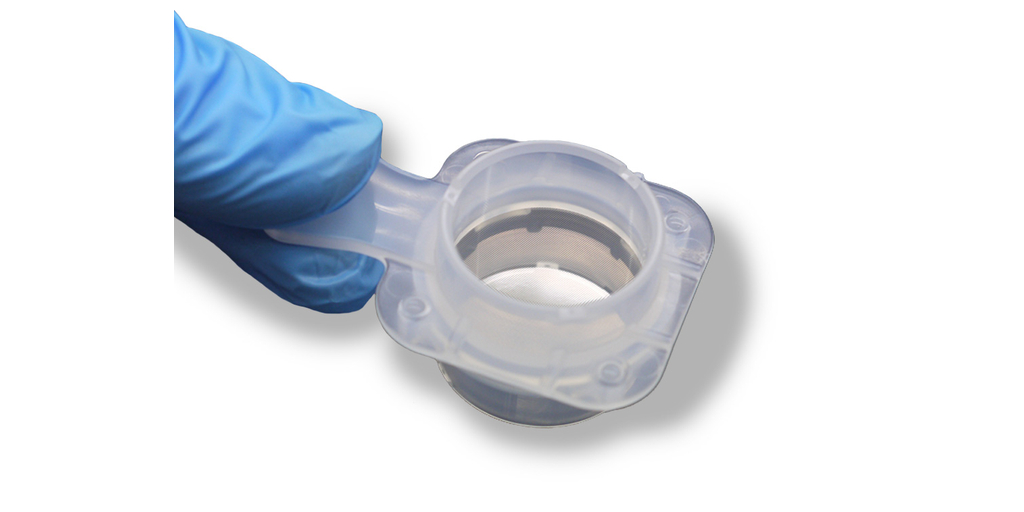
KYOTO, Japan–(BUSINESS WIRE)–Murata Manufacturing Co., Ltd. (TOKYO: 6981) (ISIN: JP3914400001) announced today that has successfully commercialized and mass produced “CELLNETTA,” the world’s first*1 metal cell fractionation filter designed for the rapid and precise selection and recovery of target cells from cell suspensions*2 used in regenerative medicine and cell pharmaceutical research and development. Target applications include fractionation (selection and recovery), concentration, and filtration in research and development for regenerative medicine technologies or cellular pharmaceuticals, as well as biotechnology across agriculture, forestry, food, and energy industries. The product will be showcased at the 24th Annual Meeting of the Japanese Society for Regenerative Medicine happening March 20-22, 2025 at Pacifico Yokohama North.


*1 According to our research (as of March 16, 2025)

In recent years, regenerative medicine and cell therapy have gained worldwide recognition for their potential to treat previously incurable diseases by restoring lost cells or bodily functions. However, these advancements face significant challenges, including the substantial costs and time required for research and development. To accelerate the delivery of effective medical technologies and pharmaceuticals to clinical settings, innovative methods that can streamline the R&D process are urgently needed.

In developing this product, the Company focused on the process of selecting and recovering target cells from cell suspensions – a critical step in research related to regenerative medicine and cell therapy. The CELLNETTA solution features microscale pores arranged in a mesh structure on a thin metallic film, created using advanced thin-film microfabrication technology honed over years of electronic component manufacturing. By precisely controlling the pore sizes on the thin metal film, which minimizes cell adhesion, this filter enables efficient selection and recovery of target cells without leaving residues.

Historically, selecting and recovering target cells required skilled personnel and equipment, such as centrifuges*3, or the use of membrane filters made from fibers or resins. CELLNETTA simplifies this process by eliminating the need for specialized skills and bulky devices, enabling quicker selection and recovery of target cells compared to fiber- or resin-based filters. This innovative method not only streamlines tasks that were once considered challenging with conventional techniques but also offers high-precision fractionation. Key features include:

  • Rapid Separation of Target Cells

    The filter’s large open area enables efficient separation of target cells from liquid media without the need for pumps; simply pouring the cell suspension is sufficient.

Case Study 1: Time taken to pass 50 ml of Phosphate-Buffered Saline (PBS) through a membrane filter with a pore size of 5 µm compared to CELLNETTA.

Membrane Filter: Approx. 5 minutes

CELLNETTA: Approx. 20 seconds

Note: Since the membrane filter relies on applied pressure for fluid passage, it is not feasible to measure the flow times under identical conditions.

Case Study 2: Time required to process a 10 ml cell suspension of HL-60 cells at a concentration of 1×10⁵ cells/ml using a centrifuge versus CELLNETTA.

Centrifuge: Approx. 5 to 15 minutes

CELLNETTA: Approx. 50 seconds

  • High Precision in Cell Fractionation

    Featuring uniform micrometer-scale pores, the filter allows for precise fractionation tailored to target cell sizes by selecting the appropriate mesh size.
  • Considerations for Biocompatibility and Hygiene

    The filter is made from biocompatible metal materials designed to minimize any impact on processed cells. Each product is individually packaged and sterilized using gamma-ray irradiation.
  • Wide Range of Product Options

    The filter is offered in six mesh sizes (5µm, 10µm, 15µm, 20µm, 100µm, 200µm), making it adaptable for a wide range of target cells and suitable for various applications.

Murata is dedicated to fostering innovation across various sectors, including healthcare, while providing solutions that address pressing social challenges. For more details, please visit here. For inquiries regarding CELLNETTA, click here.

*CELLNETTA is not intended for use in the diagnosis, cure, mitigation, treatment, or prevention of disease or any other medical condition. CELLNETTA is not designed, manufactured, or marketed as a medical device as defined by applicable laws and regulations.

*2 A cell suspension refers to a fluid that has cells or microorganisms suspended (floating or dispersed) in a liquid medium during culture. In research and technology development related to regenerative medicine, biotechnology, and cell biology, cell suspensions are managed throughout various processes such as tissue collection, cell purification, culture, passaging/splitting, administration, pre-surgical preparation, concentration, and quality inspection while selecting and recovering target cells.

*3 Centrifugation: A method that utilizes differences in density to separate and recover target cells through centrifugal force.

Contacts

For more information, please contact:

Murata Manufacturing Co., Ltd.

Tatsuki Ichioka

prsec_mmc@murata.com
Corporate Communications Department

Scholar Rock Presents New Phase 3 SAPPHIRE Data at the 2025 Muscular Dystrophy Association Clinical & Scientific Conference

Scholar Rock Presents New Phase 3 SAPPHIRE Data at the 2025 Muscular Dystrophy Association Clinical & Scientific Conference


Scholar Rock Presents New Phase 3 SAPPHIRE Data at the 2025 Muscular Dystrophy Association Clinical & Scientific Conference

  • Primary endpoint showed clinically meaningful improvement in patients with SMA receiving apitegromab as measured by gold standard Hammersmith Functional Motor Scale Expanded (HFMSE) versus placebo (p=0.0192), with consistent outcomes across all major sub-groups including age, SMN-targeted background therapy, and age at initiation of SMN-targeted therapy
  • Pre-specified secondary endpoint showed that 30.4% of patients receiving apitegromab had ≥ 3-point improvement in HFMSE versus 12.5% of patients on placebo (nominal p-value = 0.0156), despite all study patients receiving ongoing SMN-targeted background therapy
  • In other pre-specified secondary endpoints, patients with SMA receiving apitegromab showed consistent improvement at 52 weeks compared to placebo as measured by Revised Upper Limb Module (RULM) and WHO motor development milestones despite all study patients receiving ongoing SMN-targeted background therapy

CAMBRIDGE, Mass.–(BUSINESS WIRE)–Scholar Rock (NASDAQ: SRRK), a late-stage biopharmaceutical company focused on advancing innovative treatments for neuromuscular diseases, cardiometabolic disorders, and other serious diseases where protein growth factors play a fundamental role, today announced that new efficacy and safety data from the Phase 3 pivotal SAPPHIRE trial (NCT05156320) will be presented in multiple clinical presentations at the 2025 Muscular Dystrophy Association (MDA) Clinical & Scientific Conference in Dallas, Texas. The Phase 3 SAPPHIRE trial evaluated the efficacy and safety of apitegromab, an investigational muscle-targeted therapy that is being developed to provide clinically meaningful improvement in motor function for people living with SMA who are receiving SMN-targeted treatments.


During this week’s 2025 MDA Conference, the SAPPHIRE trial presentations highlight new data including secondary endpoint analyses. In addition to achieving the SAPPHIRE trial’s primary endpoint as previously announced in October 2024, apitegromab demonstrated a clinically meaningful and consistent benefit in motor function across pre-specified patient subgroups (patient age, SMA background therapy, and patient age at initiation of SMN background therapy). Efficacy was also consistent across patient outcome measures of motor function including Hammersmith Functional Motor Scale Expanded (HFMSE), Revised Upper Limb Module (RULM), and World Health Organization (WHO) motor development milestones.

“While the gains possible with SMN-targeting therapies is dramatic, there remains residual weakness, and functional decline is now evident in many people with SMA. The impact that this weakness has on SMA patients’ ability to maintain their daily activities and independence is substantial,” said Thomas O. Crawford, M.D., Professor of Neurology and Pediatrics, Johns Hopkins University and SAPPHIRE Principal Investigator. “The findings from the SAPPHIRE trial are very exciting as they support the hypothesis that targeting muscle can provide functional improvement for patients with SMA on top of SMN-targeted therapy. Importantly, the improvements in function were observed consistently across multiple validated metrics used to assess patient functional outcomes in SAPPHIRE.”

2025 MDA Conference Phase 3 SAPPHIRE Trial Data Presentation Highlights:

Primary Endpoint (HFMSE) Analysis

  • As previously announced, the Phase 3 SAPPHIRE trial achieved its primary endpoint, demonstrating a statistically significant and clinically meaningful improvement for apitegromab versus placebo in motor function as measured by the gold standard HFMSE in patients with SMA on chronic dosing of standard of care therapies (either nusinersen or risdiplam).
  • The mean difference in change from baseline in HFMSE was 1.8 points (p=0.0192) for all patients receiving apitegromab 10 mg/kg and 20 mg/kg (n=106) compared to placebo (n=50) in the main efficacy population (ages 2-12). Patients receiving 20 mg/kg of apitegromab (n=53) showed a 1.4 point mean difference compared to placebo (p=0.1149).
  • New analysis performed in the pooled population (ages 2-21) showed clinically meaningful and consistent improvement in HFMSE across pre-specified subgroups (type of SMN-targeted therapy, age at SMN-targeted therapy initiation) and geographic region.

Secondary Endpoints

For secondary endpoints measured on patients ages 2-12 receiving apitegromab (10 mg/kg and 20 mg/kg) or placebo, the following improvements were observed:

  • A greater proportion of patients treated with apitegromab had improvements of ≥3 points in their HFMSE scores compared to placebo with odds ratio of 3.0 (nominal p-value = 0.0256). Additionally, 30.4% of patients receiving apitegromab had ≥ 3-point improvement in HFMSE versus 12.5% of patients on placebo (nominal p-value= 0.0156).
  • Consistent improvement in motor function with a greater proportion of participants on apitegromab achieving HFMSE improvements versus placebo across all five-point thresholds (from ≥ 0-points to ≥ 4-points) at 52 weeks.
  • Consistent improvement across other motor function outcome measures, including RULM and WHO motor development milestones.

Safety and Pharmacokinetics (PK)

  • Treatment with apitegromab was well-tolerated across all age groups, consistent with the established safety profile and with no clinically relevant differences by dose.
  • Serious adverse events (SAEs) were consistent with underlying disease and SMN-targeted therapy. There were no SAEs assessed as related to apitegromab.
  • PK and pharmacodynamic (PD) data demonstrated similar levels of target engagement across the 10 mg/kg and 20 mg/kg dose groups.

“We are looking forward to sharing the SAPPHIRE data with the medical community at the MDA conference in Dallas. These new data from the SAPPHIRE trial reinforce apitegromab’s potential as a transformative muscle-targeted therapy by demonstrating statistically significant and clinically meaningful improvements in motor function for individuals living with SMA,” said Jay Backstrom, M.D., MPH, President and Chief Executive Officer of Scholar Rock. “Progressive muscle weakness robs many people with SMA of the motor function needed for the most basic activities, despite current SMN-targeted treatments, and the SMA community has clearly been asking for more. We are thrilled with the consistency of clinical benefit demonstrated across important outcome measures in all patient subgroups and now are urgently preparing to commercialize apitegromab in the US, Europe and additional countries where patients with SMA can benefit from therapy.”

Additional 2025 MDA Conference Apitegromab Presentation Information:

Oral Presentation

Title: Efficacy and safety of apitegromab in individuals with type 2 and type 3 spinal muscular atrophy evaluated in the phase 3 SAPPHIRE trial

Presenter: Thomas O. Crawford, M.D., Professor of Neurology and Pediatrics, Johns Hopkins University

Location: Hilton Anatole Dallas, Coronado ABCD

Date and time: Wednesday, March 19, 10:45-11:00 a.m. CT

Poster Presentations

Title: Efficacy and safety of apitegromab in individuals with type 2 and type 3 spinal muscular atrophy evaluated in the phase 3 SAPPHIRE trial

Presenter: Thomas O. Crawford, M.D., Professor of Neurology and Pediatrics, Johns Hopkins University

Location: Hilton Anatole Dallas, Trinity Exhibit Hall (Poster #O284)

Date and time: Sunday, March 16 – Tuesday, March 18, 6:00-8:00 p.m. CT

Title: muSRK-015 builds muscle mass and strength in combination with dystrophin upregulation in a mouse model of DMD

Presenter: Adam I. Fogel, Ph.D., Director, Discovery Biology, Scholar Rock

Location: Hilton Anatole Dallas, Trinity Exhibit Hall (Poster #P160)

Date and time: Sunday, March 16 – Tuesday, March 18, 6:00-8:00 p.m. CT

Presentations will be made available in the Publications & Posters section of Scholar Rock’s website.

About Apitegromab

Apitegromab is an investigational fully human monoclonal antibody inhibiting myostatin activation by selectively binding the pro- and latent forms of myostatin in the skeletal muscle. It is the first muscle-targeted treatment candidate in spinal muscular atrophy (SMA) to demonstrate clinical success in a pivotal phase 3 clinical trial. Myostatin, a member of the TGFβ superfamily of growth factors, is expressed primarily by skeletal muscle cells, and the absence of its gene is associated with an increase in muscle mass and strength in multiple animal species, including humans. Scholar Rock believes that its highly selective targeting of pro- and latent forms of myostatin with apitegromab may lead to a clinically meaningful improvement in motor function in patients with SMA. The U.S. Food and Drug Administration (FDA) has granted Fast Track, Orphan Drug and Rare Pediatric Disease designations, and the European Medicines Agency (EMA) has granted Priority Medicines (PRIME) and Orphan Medicinal Product designations, to apitegromab for the treatment of SMA. Apitegromab has not been approved for any use by the FDA or any other regulatory agency.

About the Phase 3 SAPPHIRE Trial

SAPPHIRE was a randomized, double-blind, placebo-controlled Phase 3 clinical trial that evaluated the safety and efficacy of apitegromab in nonambulatory patients with Types 2 and 3 SMA who were receiving current standard of care (either nusinersen or risdiplam). SAPPHIRE enrolled 156 patients aged 2-12 years old in the main efficacy population. These patients were randomized 1:1:1 to receive either apitegromab 10 mg/kg, apitegromab 20 mg/kg, or placebo by intravenous (IV) infusion every 4 weeks for 12 months. An exploratory population including 32 patients aged 13-21 years old was also evaluated. These patients were randomized 2:1 to receive either apitegromab 20 mg/kg or placebo every 4 weeks for 12 months.

The SAPPHIRE trial met its primary endpoint for the main efficacy population with a statistically significant 1.8-point improvement (p=0.0192) based on apitegromab combined dose (10 mg/kg and 20 mg/kg) and standard of care (SOC) versus placebo and SOC (Hochberg multiplicity adjustment) as measured by the Hammersmith Functional Motor Scale-Expanded at week 52. Patients receiving 20 mg/kg of apitegromab (n=53) showed a 1.4 point mean difference compared to placebo (p=0.1149). Additional details can be found here.

About Scholar Rock

Scholar Rock is a biopharmaceutical company that discovers, develops, and delivers life-changing therapies for people with serious diseases that have high unmet need. As a global leader in the biology of the transforming growth factor beta (TGFβ) superfamily and named for the visual resemblance of a scholar rock to protein structures, the clinical-stage company is focused on advancing innovative treatments where protein growth factors are fundamental. Over the past decade, Scholar Rock has created a pipeline with the potential to advance the standard of care for neuromuscular disease, cardiometabolic disorders, cancer, and other conditions where growth factor-targeted drugs can play a transformational role.

This commitment to unlocking fundamentally different therapeutic approaches is powered by broad application of a proprietary platform, which has developed novel monoclonal antibodies to modulate protein growth factors with extraordinary selectivity. By harnessing cutting-edge science in disease spaces that are historically under-addressed through traditional therapies, Scholar Rock works every day to create new possibilities for patients. Learn more about our approach at ScholarRock.com and follow @ScholarRock and on LinkedIn.

Scholar Rock® is a registered trademark of Scholar Rock, Inc.

Availability of Other Information About Scholar Rock

Investors and others should note that we communicate with our investors and the public using our company website www.scholarrock.com, including, but not limited to, company disclosures, investor presentations and FAQs, Securities and Exchange Commission filings, press releases, public conference call transcripts and webcast transcripts, as well as on X (formerly known as Twitter) and LinkedIn. The information that we post on our website or on X (formerly known as Twitter) or LinkedIn could be deemed to be material information. As a result, we encourage investors, the media and others interested to review the information that we post there on a regular basis. The contents of our website or social media shall not be deemed incorporated by reference in any filing under the Securities Act of 1933, as amended.

Forward-Looking Statements

This press release contains “forward-looking statements” within the meaning of the Private Securities Litigation Reform Act of 1995, including, but not limited to, statements regarding Scholar Rock’s future expectations, plans and prospects, including without limitation, Scholar Rock’s expectations regarding its growth, strategy, progress and plans for apitegromab, including expectations relating to commercial launch in the US in the fourth quarter of 2025, and subsequent launch in Europe. The use of words such as “may,” “might,” “could,” “will,” “should,” “expect,” “plan,” “anticipate,” “believe,” “estimate,” “project,” “intend,” “future,” “potential,” or “continue,” and other similar expressions are intended to identify such forward-looking statements. All such forward-looking statements are based on management’s current expectations of future events and are subject to a number of risks and uncertainties that could cause actual results to differ materially and adversely from those set forth in or implied by such forward-looking statements. These risks and uncertainties include, without limitation, whether the results from the Phase 3 clinical trial of apitegromab, are not predictive of, may be inconsistent with, or more favorable than, data generated from future or ongoing clinical trials of the same product candidates, and may not be sufficient for regulatory approval; Scholar Rock’s ability to provide the financial support, resources and expertise necessary to identify and develop product candidates on the expected timeline; the data generated from Scholar Rock’s nonclinical studies and clinical trials; information provided or decisions made by regulatory authorities; competition from third parties that are developing products for similar uses; Scholar Rock’s ability to obtain, maintain and protect its intellectual property; Scholar Rock’s dependence on third parties for development and manufacture of product candidates including, without limitation, supply for apitegromab; and Scholar Rock’s ability to manage expenses and to obtain additional funding when needed to support its business activities and establish and maintain strategic business alliances; its ability to receive priority or expedited regulatory review or to obtain regulatory approval of apitegromab; its ability to expand globally and the anticipated commercial launch in the United States of apitegromab in the fourth quarter of 2025 and new business initiatives; as well as those risks more fully discussed in the section entitled “Risk Factors” in Scholar Rock’s Annual Report on Form 10-K for the year ended December 31, 2024, as well as discussions of potential risks, uncertainties, and other important factors in Scholar Rock’s subsequent filings with the Securities and Exchange Commission. Any forward-looking statements represent Scholar Rock’s views only as of today and should not be relied upon as representing its views as of any subsequent date. All information in this press release is as of the date of the release, and Scholar Rock undertakes no duty to update this information unless required by law.

Contacts

Scholar Rock:

Investors & Media
Rushmie Nofsinger

ir@scholarrock.com
media@scholarrock.com
857-259-5573

Agomab Announces Positive Topline Phase 2a Interim Results for AGMB-129 in Fibrostenosing Crohn’s Disease

Agomab Announces Positive Topline Phase 2a Interim Results for AGMB-129 in Fibrostenosing Crohn’s Disease


Agomab Announces Positive Topline Phase 2a Interim Results for AGMB-129 in Fibrostenosing Crohn’s Disease

— AGMB-129 hit all primary and secondary endpoints in interim read-out from 44 patients after 12 weeks treatment —

— Detailed interim STENOVA results to be presented at future scientific conference —

— STENOVA clinical trial on track to report full results in the fourth quarter of 2025 —

— Open-label extension study initiated —

ANTWERP, Belgium–(BUSINESS WIRE)–Agomab Therapeutics NV (‘Agomab’) today announced positive interim results from 44 patients completing treatment in the ongoing STENOVA1 Phase 2a clinical trial for AGMB-129, an oral gastro-intestinal (GI)-restricted small molecule inhibitor of ALK5 (TGF-β RI or ALK5) for the potential treatment of Fibrostenosing Crohn’s Disease (FSCD).


STENOVA is a randomized, double-blind, placebo-controlled study in a total of 90 patients with symptomatic FSCD. Patients are randomized to receive one of two doses of AGMB-129 or placebo for 12 weeks on top of standard of care, including biologics. The multi-center study is global with investigational sites in the USA, Canada and Europe. The primary endpoints are the safety and tolerability of AGMB-129 in FSCD patients. Secondary endpoints include the pharmacokinetics and target engagement at the site of the ileal strictures as measured through transcriptomics. All primary and secondary endpoints were met.

The company has also initiated the open-label treatment extension of the STENOVA study with AGMB-129. Study participants who have completed the double-blind 12-week treatment period are eligible to participate and can receive treatment for up to an additional 48 weeks.

“The positive interim data for the STENOVA Phase 2a clinical trial represent a significant milestone for this program, and we look forward to presenting the detailed results at a scientific conference in the near-term,” said Philippe Wiesel, Chief Medical Officer at Agomab Therapeutics. “We want to thank all patients and investigators for participating in this trailblazing study, which aims to address the high unmet medical need that exists in the field of Fibrostenosing Crohn’s disease.”

AGMB-129 is an investigational drug and not approved by any regulatory authority. Its efficacy and safety have not been established.

About AGMB-129

AGMB-129 is an oral, small molecule GI-restricted inhibitor of ALK5 (or TGF-β RI) currently in clinical development for the treatment of Fibrostenosing Crohn’s Disease (FSCD). TGF-β is a major driver of fibrosis. AGMB-129 is specifically designed to inhibit ALK5/TGF-β in the GI-tract. Rapid first-pass metabolism in the liver prevents clinically relevant systemic exposure, potentially delivering an improved safety profile over systemically available inhibitors in this class. In a Phase 1 trial in healthy subjects, single- and multiple-dose AGMB-129 was generally well-tolerated at all doses tested. In addition, the trial showed high local exposure to AGMB-129 in the ileum but no clinically relevant systemic exposure, demonstrating that the GI restricted mechanism may operate efficiently in humans. Fibrostenosing complications occur in nearly 50% of Crohn’s disease patients and are the leading cause of bowel resection surgery, however there are no approved specific therapies for FSCD. AGMB-129 has received U.S. FDA Fast Track Designation.

About Agomab

Agomab is focused on achieving disease modification by modulating inflammation and fibrosis in chronic indications such as Fibrostenosing Crohn’s Disease and Idiopathic Pulmonary Fibrosis. We do this by targeting biologically validated pathways, including Transforming Growth Factor β, and by applying specialized capabilities in organ-restricted small molecules. With a differentiated clinical pipeline across several fibrotic disorders, end-to-end research and development capabilities, a proven track-record and a strong investor base, Agomab is building a transformational company with the aim to have a real impact on patients.

1 Study Details | STENOVA – A Study to Evaluate Safety, Tolerability, PK and PD of AGMB-129 in Patients With Fibrostenotic Crohn’s Disease | ClinicalTrials.gov

Contacts

For Agomab Therapeutics

Sofie Van Gijsel

VP of Investor Relations

E-Mail: sofie.vangijsel@agomab.com
Phone: +1 781 296 1143

Media Requests for Agomab
Dr. Stephanie May

Trophic Communications

E-Mail: agomab@trophic.eu
Phone: +49 171 1855682

Groundbreaking Study Confirms Clinical Decision Impact of HER2DX® Genomic Assay in Early-Stage HER2-Positive Breast Cancer

Groundbreaking Study Confirms Clinical Decision Impact of HER2DX® Genomic Assay in Early-Stage HER2-Positive Breast Cancer


Groundbreaking Study Confirms Clinical Decision Impact of HER2DX® Genomic Assay in Early-Stage HER2-Positive Breast Cancer

  • This is the first prospective real-world investigation assessing the impact of HER2DX® results on treatment decision-making in clinical practice.
  • HER2DX® impacted treatment decisions in ~50% of cases, leading to more personalized therapy approaches.
  • Most treatment modifications resulted in reduced chemotherapy or anti-HER2 therapy intensity without compromising outcomes.
  • The study highlights potential costs savings with the use of HER2DX®.

BARCELONA, Spain–(BUSINESS WIRE)–REVEAL GENOMICS®, a pioneering Barcelona-based biotech company dedicated to advancing precision oncology, is proud to announce the publication of a groundbreaking study demonstrating the clinical impact of HER2DX®, its genomic diagnostic test designed for early-stage HER2-positive (HER2+) breast cancer.


The study, now published in ESMO Real World Data and Digital Oncology, is the first prospective real-world investigation assessing the impact of HER2DX® results on treatment decision-making in clinical practice.

The study, led by Dr. Olga Martínez-Sáez, Dr. Juan Miguel Cejalvo, and Dr. Antonio Llombart-Cussac, evaluated how HER2DX® impacted treatment decisions in a cohort of 297 patients with stage I-III HER2+ breast cancer across multiple hospitals in Spain. The primary findings reveal that HER2DX® led to a modification in the treatment plan in 48.1% of cases, with most changes (75.5%) leading to a reduction in treatment intensity, reducing chemotherapy and/or anti-HER2 without compromising outcomes.

HER2DX® also demonstrated strong predictive capability, accurately identifying patients with a higher likelihood of achieving a pathologic complete response (pCR), reinforcing its role as a crucial tool in therapy selection.

Additionally, oncologists reported a significant increase in confidence when making treatment decisions based on HER2DX® data. Finally, the study also underscored the economic benefits of incorporating HER2DX® into clinical practice, with healthcare cost savings when drug costs and type of vein access were taken into account, further validating its role in optimizing treatment strategies and reducing unnecessary interventions.

Dr. Olga Martínez Sáez, breast medical oncologist at Clinic Barcelona Comprehensive Cancer Center and Principal Investigator (PI) of the study, added: “This study represents a significant step forward in personalized oncology. HER2DX® enables physicians to make precision-guided decisions with greater confidence, improving patient care.”

Dr. Juan Miguel Cejalvo, breast medical oncologist at Hospital Clínico Universitario de Valencia/INCLIVA, and co-PI of the study, emphasized the importance of integrating genomic tools into routine clinical practice, “These results confirm that HER2DX® provides valuable information that can refine treatment strategies, allowing for more personalized care while maintaining excellent outcomes.”

Dr. Antonio Llombart-Cussac, head of the medical oncology department at Hospital Arnau de Vilanova in Valencia, and investigator of the study, highlighted the impact on clinical practice, “The capacity to forecast a patient’s therapeutic response prior to treatment initiation allows oncologists to adjust treatment intensity appropriately, effectively reducing unnecessary toxicity and healthcare costs.

Patricia Villagrasa, CEO of REVEAL GENOMICS®, underscored the company’s mission, “Our goal is to revolutionize cancer care with cutting-edge genomic insights, helping oncologists make more informed decisions and benefiting patients. The results of this first clinical utility study confirms HER2DX® as a key tool in precision medicine for HER2+ breast cancer.

About HER2DX®

HER2DX® is the world’s first diagnostic test formulated specifically for HER2+ breast cancer. Marketed by REVEAL GENOMICS® since January 2022, HER2DX® is a standardized 27-gene expression test for patients with early-stage HER2+ breast cancer.

HER2DX® is a prognostic and, predictive assay based on clinical and genomic data. The test integrates clinical information (i.e. tumor size and nodal status) with biological information tracking immune response, luminal differentiation, tumor cell proliferation, and expression of the HER2 17q12-21 chromosomal amplicon, including the ERBB2 gene.

HER2DX® predicts:

  • Risk of relapse score (high vs. low): the risk of recurrence in patients with newly diagnosed HER2+ breast cancer.
  • pCR likelihood score (high vs. medium vs. low): the likelihood of a patient responding to anti-HER2-based treatment before surgery.
  • ERBB2 score (high vs. medium vs. low): the quantitative expression of ERBB2 mRNA across HER2-negative, HER2-low and HER2+ breast cancer.

About HER2+ breast cancer

HER2+ breast cancer accounts for 20% of all diagnosed breast tumors. This represents more than 390,000 new cases diagnosed worldwide every year, meaning that, on average, 3 women are diagnosed with HER2+ breast cancer every 4 minutes. HER2+ breast cancer is clinically and biologically heterogeneous, and standard clinical-pathological assessment has proven insufficient in capturing this heterogeneity. Understanding this biological heterogeneity is key to identifying the prognosis of each patient and the benefit from systemic therapies that target HER2.

About REVEAL GENOMICS®

REVEAL GENOMICS, S.L. is a biotechnology start-up dedicated to redefining the role of biomarkers in oncology. The company focuses on developing innovative diagnostic tools that optimize therapeutic decision-making for patients with cancer. By leveraging advanced genomic technologies, sophisticated computational algorithms, and machine learning, REVEAL GENOMICS® generates novel insights into cancer biology and treatment response.

The company has developed HER2DX®, TNBCDX®, and DNADX®, state-of-the-art genomic assays that provide prognostic and predictive information to guide personalized cancer treatment strategies. REVEAL GENOMICS, S.L. is a spin-off of Hospital Clínic of Barcelona, IDIBAPS, the University of Barcelona (U.B.), and the Vall d’Hebron Institute of Oncology (VHIO), bringing together expertise from leading academic and clinical institutions to advance precision oncology.

For further information visit: http://www.reveal-genomics.com

Contacts

Further information: Adriana Herrera, aherrera@reveal-genomics.com

Data of InnoCare’s ICP-488 for the Treatment of Psoriasis Presented at Late Breaking Oral Presentation of 2025 AAD

Data of InnoCare’s ICP-488 for the Treatment of Psoriasis Presented at Late Breaking Oral Presentation of 2025 AAD


Data of InnoCare’s ICP-488 for the Treatment of Psoriasis Presented at Late Breaking Oral Presentation of 2025 AAD

BEIJING–(BUSINESS WIRE)–InnoCare Pharma (HKEX: 09969; SSE: 688428), a leading biopharmaceutical company focusing on the treatment of cancer and autoimmune diseases, announced today that the data of the novel TYK2 inhibitor ICP-488 developed by the Company for the treatment of patients with moderate-to-severe plaque psoriasis has been released at the 2025 American Academy of Dermatology (AAD) Annual Meeting as a late-breaking oral presentation.

Late-breaking Oral Presentation

Efficacy and Safety of a Highly Selective Oral TYK2 Inhibitor, ICP-488, in Patients with Moderate-to-Severe Plaque Psoriasis: A Phase II, Randomized, Double-blinded, Placebo-Controlled Trial

The study results demonstrated that ICP-488 is highly effective in treating psoriasis patients at both 6 mg QD and 9 mg QD doses. Moreover, ICP-488 exhibited favorable safety and tolerability profiles, reinforcing its potential as a valuable treatment option for moderate-to-severe psoriasis patients.

A total of 129 psoriasis patients were randomized into three groups to receive once daily oral doses of ICP-488 at 6 mg, 9 mg, or placebo for twelve weeks. The primary endpoint was the percentage of subjects who achieved at least a 75% improvement from baseline in the Psoriasis Area and Severity Index score (PASI 75) at week 12.

At week 12, the percentage of patients achieving PASI 75 was significantly superior in the ICP-488 6 mg QD group (77.3%) and the 9 mg QD group (78.6%) than that of the placebo group (11.6%) (P<0.0001); the percentages of subjects achieving PASI 90 and sPGA of 0 (clear) or 1 (almost clear) were also significantly higher in the ICP-488 6 mg QD group (36.4%, 70.5%) and 9 mg QD group (50.0%, 71.4%) compared to the placebo group (0%, 9.3%)(P<0.0001). All treatment emergent adverse events (TEAEs) and treatment-related adverse events (TRAEs) and were mild or moderate.

Psoriasis is a chronic, recurrent, inflammatory, and immune-mediated systemic disease influenced by genetic and environmental factors, significantly impacting patients’ quality of life.

The 2025 AAD Annual Meeting is held from March 7 to 11 in Orlando, Florida, USA. It is the most influential international event in dermatology.

About InnoCare

InnoCare is a commercial stage biopharmaceutical company committed to discovering, developing, and commercializing first-in-class and/or best-in-class drugs for the treatment of cancers and autoimmune diseases with unmet medical needs in China and worldwide. InnoCare has branches in Beijing, Nanjing, Shanghai, Guangzhou, Hong Kong, and the United States.

Contacts

Media
Chunhua Lu

86-10-66609879

chunhua.lu@innocarepharma.com

Investors
86-10-66609999

ir@innocarepharma.com