
Lysoway Therapeutics Announces Phase I Readiness of Brain-Penetrant TRPML1 Agonist LW-1017 and Nomination of a TMEM175 Development Candidate

Lysoway Therapeutics Announces Phase I Readiness of Brain-Penetrant TRPML1 Agonist LW-1017 and Nomination of a TMEM175 Development Candidate


Lysoway Therapeutics Announces Phase I Readiness of Brain-Penetrant TRPML1 Agonist LW-1017 and Nomination of a TMEM175 Development Candidate

CAMBRIDGE, Mass.–(BUSINESS WIRE)–#CNSDrugDevelopment–Lysoway Therapeutics, Inc., a biotechnology company advancing structure-guided small-molecule modulators of lysosomal ion channels to treat age-related neurodegeneration, today announced that its lead TRPML1 agonist, LW-1017, is Phase I ready. A first-in-human (FIH) study is planned in Australia, with first patient first dose (FPFD) targeted for May 2026. The Company also announced the formal nomination of a development candidate for its TMEM175 agonist program, reflecting the reproducibility of its discovery platform.


All IND-enabling studies for LW-1017 have been completed with wide safety margins, supporting the initiation of human dosing. The planned Phase I study will assess safety, tolerability, and human pharmacokinetics to inform subsequent global development.

TRPML1 is a lysosomal calcium channel that coordinates autophagy–lysosomal responses to cellular stress by promoting autophagy–lysosomal flux, lysosomal exocytosis, and activation of the transcription factors TFEB and TFE3, thereby enhancing lysosomal biogenesis and cellular clearance. Genetic, cellular, and disease-model evidence implicates impaired TRPML1 signaling in age-associated neurodegenerative processes, positioning TRPML1 as an upstream regulator of neuronal homeostasis.

In preclinical studies, LW-1017 demonstrated robust pharmacodynamic activity consistent with restoration of age-impaired autophagy–lysosomal pathway function. Oral administration achieved sustained central nervous system exposure and modulation of lysosomal and autophagy biomarkers, supporting effective target engagement in aged systems. Therapeutic relevance was demonstrated across two mechanistically related aged models of neurodegeneration. In aged Parkinson’s disease models, LW-1017 reduced pathological alpha-synuclein, preserved nigrostriatal dopaminergic integrity, and improved motor performance. In aged Alzheimer’s disease models, LW-1017 reduced amyloid and phosphorylated tau pathology, preserved neuronal integrity, and improved cognitive performance. Efficacy was observed at low oral doses, consistent with efficient brain penetration.

In parallel, Lysoway has formally nominated a development candidate for its TMEM175 agonist program. TMEM175 is supported by human genetics linking the target to Parkinson’s disease risk and lysosomal dysfunction. Nomination of a TMEM175 development candidate underscores Lysoway’s ability to reproducibly translate genetically validated, technically challenging lysosomal ion-channel targets into development-ready, brain-penetrant small molecules.

For ubiquitously expressed lysosomal ion channels, high brain exposure is essential for both efficacy and safety. TRPML1 and TMEM175 are broadly expressed in peripheral tissues, creating a narrow therapeutic window for compounds lacking sufficient central nervous system penetration. Accordingly, high brain penetration is not an advantage but a necessity. Using its structure-guided approach, Lysoway engineered agonists with brain-to-plasma AUC ratios greater than 1.5 for LW-1017 and greater than 1.0 for TMEM175 agonists in preclinical studies, supporting robust central target engagement while preserving systemic safety margins.

“Age-related decline of the autophagy–lysosomal pathway is a convergent driver of neurodegeneration, leading to toxic protein accumulation, neuroinflammation, and neuronal dysfunction across multiple diseases,” said Yongchang Qiu, PhD, Founder and Chief Executive Officer of Lysoway Therapeutics. “Lysosomal ion channels sit at key regulatory nodes of this system yet have historically been extremely difficult drug targets, particularly for CNS indications. We are proud to have overcome these challenges through a structure-guided approach that enables highly brain-penetrant agonists. LW-1017’s Phase I readiness, together with the formal nomination of a TMEM175 development candidate, demonstrates both the clinical momentum of our lead program and the reproducibility of our platform in drugging lysosomal ion channels for CNS indications.”

About Lysoway Therapeutics

Lysoway Therapeutics is a biotechnology company pioneering therapeutics targeting lysosomal ion channels to counteract age-related neurodegeneration. Leveraging structure-based drug design, high-resolution cryo-EM, and proprietary insights into lysosomal biology, Lysoway is developing highly brain-penetrant small-molecule agonists of TRPML1 and TMEM175 to restore coordinated autophagy–lysosomal function and cellular homeostasis. For more information, visit www.lysoway.com.

Forward-Looking Statements

This press release contains forward-looking statements related to planned development activities and timelines, which are subject to risks and uncertainties.

Contacts

Media contact: Info@lysoway.com
Lysoway Therapeutics Announces Phase I Readiness of Brain-Penetrant TRPML1 Agonist LW-1017 and Nomination of a TMEM175 Development Candidate

Lysoway Therapeutics Announces Phase I Readiness of Brain-Penetrant TRPML1 Agonist LW-1017 and Nomination of a TMEM175 Development Candidate


Lysoway Therapeutics Announces Phase I Readiness of Brain-Penetrant TRPML1 Agonist LW-1017 and Nomination of a TMEM175 Development Candidate

CAMBRIDGE, Mass.–(BUSINESS WIRE)–#CNSDrugDevelopment–Lysoway Therapeutics, Inc., a biotechnology company advancing structure-guided small-molecule modulators of lysosomal ion channels to treat age-related neurodegeneration, today announced that its lead TRPML1 agonist, LW-1017, is Phase I ready. A first-in-human (FIH) study is planned in Australia, with first patient first dose (FPFD) targeted for May 2026. The Company also announced the formal nomination of a development candidate for its TMEM175 agonist program, reflecting the reproducibility of its discovery platform.


All IND-enabling studies for LW-1017 have been completed with wide safety margins, supporting the initiation of human dosing. The planned Phase I study will assess safety, tolerability, and human pharmacokinetics to inform subsequent global development.

TRPML1 is a lysosomal calcium channel that coordinates autophagy–lysosomal responses to cellular stress by promoting autophagy–lysosomal flux, lysosomal exocytosis, and activation of the transcription factors TFEB and TFE3, thereby enhancing lysosomal biogenesis and cellular clearance. Genetic, cellular, and disease-model evidence implicates impaired TRPML1 signaling in age-associated neurodegenerative processes, positioning TRPML1 as an upstream regulator of neuronal homeostasis.

In preclinical studies, LW-1017 demonstrated robust pharmacodynamic activity consistent with restoration of age-impaired autophagy–lysosomal pathway function. Oral administration achieved sustained central nervous system exposure and modulation of lysosomal and autophagy biomarkers, supporting effective target engagement in aged systems. Therapeutic relevance was demonstrated across two mechanistically related aged models of neurodegeneration. In aged Parkinson’s disease models, LW-1017 reduced pathological alpha-synuclein, preserved nigrostriatal dopaminergic integrity, and improved motor performance. In aged Alzheimer’s disease models, LW-1017 reduced amyloid and phosphorylated tau pathology, preserved neuronal integrity, and improved cognitive performance. Efficacy was observed at low oral doses, consistent with efficient brain penetration.

In parallel, Lysoway has formally nominated a development candidate for its TMEM175 agonist program. TMEM175 is supported by human genetics linking the target to Parkinson’s disease risk and lysosomal dysfunction. Nomination of a TMEM175 development candidate underscores Lysoway’s ability to reproducibly translate genetically validated, technically challenging lysosomal ion-channel targets into development-ready, brain-penetrant small molecules.

For ubiquitously expressed lysosomal ion channels, high brain exposure is essential for both efficacy and safety. TRPML1 and TMEM175 are broadly expressed in peripheral tissues, creating a narrow therapeutic window for compounds lacking sufficient central nervous system penetration. Accordingly, high brain penetration is not an advantage but a necessity. Using its structure-guided approach, Lysoway engineered agonists with brain-to-plasma AUC ratios greater than 1.5 for LW-1017 and greater than 1.0 for TMEM175 agonists in preclinical studies, supporting robust central target engagement while preserving systemic safety margins.

“Age-related decline of the autophagy–lysosomal pathway is a convergent driver of neurodegeneration, leading to toxic protein accumulation, neuroinflammation, and neuronal dysfunction across multiple diseases,” said Yongchang Qiu, PhD, Founder and Chief Executive Officer of Lysoway Therapeutics. “Lysosomal ion channels sit at key regulatory nodes of this system yet have historically been extremely difficult drug targets, particularly for CNS indications. We are proud to have overcome these challenges through a structure-guided approach that enables highly brain-penetrant agonists. LW-1017’s Phase I readiness, together with the formal nomination of a TMEM175 development candidate, demonstrates both the clinical momentum of our lead program and the reproducibility of our platform in drugging lysosomal ion channels for CNS indications.”

About Lysoway Therapeutics

Lysoway Therapeutics is a biotechnology company pioneering therapeutics targeting lysosomal ion channels to counteract age-related neurodegeneration. Leveraging structure-based drug design, high-resolution cryo-EM, and proprietary insights into lysosomal biology, Lysoway is developing highly brain-penetrant small-molecule agonists of TRPML1 and TMEM175 to restore coordinated autophagy–lysosomal function and cellular homeostasis. For more information, visit www.lysoway.com.

Forward-Looking Statements

This press release contains forward-looking statements related to planned development activities and timelines, which are subject to risks and uncertainties.

Contacts

Media contact: Info@lysoway.com

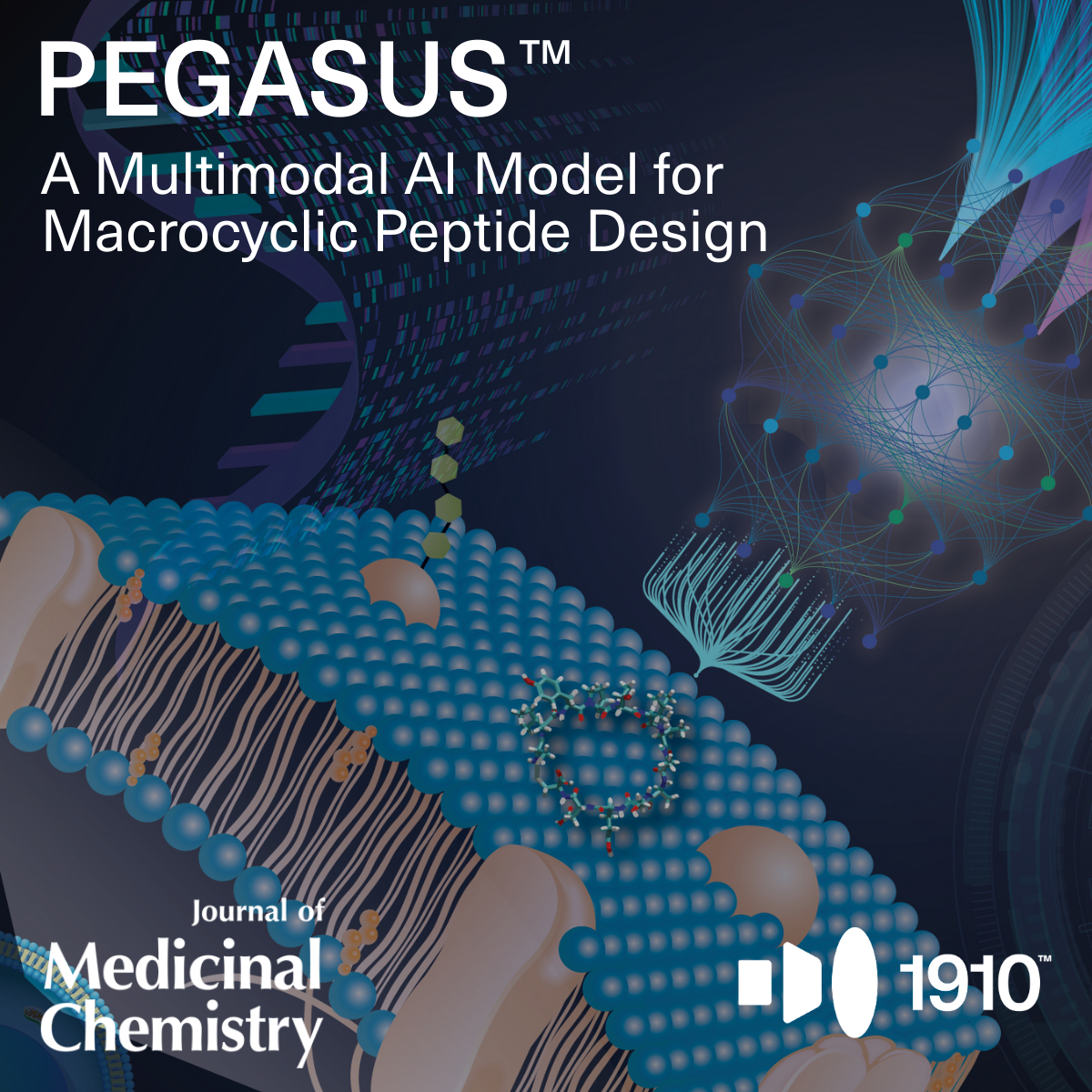
1910 Publishes PEGASUS™, a Multimodal AI Model that Engineers Novel Drug-Like Macrocyclic Peptides

1910 Publishes PEGASUS™, a Multimodal AI Model that Engineers Novel Drug-Like Macrocyclic Peptides


1910 Publishes PEGASUS™, a Multimodal AI Model that Engineers Novel Drug-Like Macrocyclic Peptides

  • PEGASUS™ is an industry-first in peptide design: It achieves AI-driven generative design of the first permeable macrocyclic peptide with more than two polar or ionizable fragments.
  • Surrogate assays are a breakthrough for AI model training. 1910 developed a high throughput surrogate wet lab assay that replaces the industry standard low-throughput biological assay for training PEGASUS™.
  • PEGASUS™ was published as a Featured Article in the Journal of Medicinal Chemistry based on its exceptional novelty and significant scientific merit, and was hailed as a breakthrough innovation in peptide design by practitioners who are typically skeptical of AI.

BOSTON–(BUSINESS WIRE)–1910, the only AI-native biotech pioneering small and large molecule therapeutics discovery, today announced the publication of PEGASUS™, a multimodal AI model that achieves state-of-the-art accuracy in predicting and designing cell-permeable macrocyclic peptides.


As featured in the Journal of Medicinal Chemistry, PEGASUS™ generated the first reported macrocyclic peptides containing more than two polar or charged fragments that demonstrate in vitro cell permeability, addressing a longstanding barrier in peptide drug design. The publication, titled “PEGASUS: Unlocking Polarity in Cell-Permeable Cyclic Peptides Using AI Models Built on Massively Parallel Biological Assays,” is available here.

Macrocyclic peptides are a promising therapeutic class with the potential for oral bioavailability and intracellular activity, yet efforts to design them have been constrained by the intrinsic difficulty of achieving cell permeability. And although AI could help overcome this barrier, progress has been limited by a lack of permeability data: existing datasets are scarce, sparse, and biased toward hydrophobic peptides, limiting the ability of AI models to generalize beyond a narrow chemical space.

PEGASUS™ overcomes these challenges by integrating three data modalities:

  • Wet-lab proxy biological data generated through 1910’s high-throughput Permeability Proxy Assay (1910 PPA™), which fractionated 2.7 billion macrocyclic peptides by hydrophobicity;
  • Computational simulation data from solvent-dependent quantum mechanical models; and
  • Geometric and biological embeddings that learn structural features relevant to permeability.

These combined datasets enable PEGASUS™ to learn permeability-relevant features across the full landscape of macrocyclic peptide chemistry, including regions with high polarity and charge that have historically been inaccessible to rational design. Access to this space is critical: limiting designs to low-polarity, hydrophobic peptides both increases the risk of off-target binding and in vivo toxicity, and shrinks the number of allowable peptide sequences by 96.7%, excluding peptide structures that more closely resemble existing FDA-approved therapeutics.

“In drug discovery, AI has always been constrained by the lack of large, high-quality biological datasets,” said Jen Asher, Ph.D., Founder and CEO of 1910. “PEGASUS™ closes that gap. By generating billions of experimental data points and integrating them with physics-based simulations, we built a model that expands the therapeutic possibilities for macrocyclic peptides.”

In retrospective validation, the PEGASUS™ predictive framework improved hit rates by 13.1% when used as a pre-synthesis filter, outperforming existing deep learning approaches. The integrated generative component (CycPepVAE) produced 33 macrocyclic peptides that resemble FDA-approved therapeutics in polarity and charge; among those synthesized and tested, four achieved permeability consistent with in vivo oral bioavailability – a first for peptides in this chemical regime.

“Cell permeability is essential for oral drug delivery, yet there remains limited chemical overlap between macrocyclic peptides that are routinely designed to be permeable and those that have achieved clinical success,” said Cole Baker, AI Research Scientist II at 1910 and lead author of the publication. “Our work helps bridge this gap to enable the design of orally bioavailable macrocyclic peptide therapeutics.”

Developed within 1910’s ITO™ platform, PEGASUS™ functions both as a high-accuracy predictor of permeability for large, polar macrocyclic peptides and as a generative system that designs drug-like peptide candidates with improved solubility, polarity, and charge characteristics.

The publication establishes PEGASUS™ as the most comprehensive AI system for macrocyclic peptide permeability to date and provides a blueprint for using multimodal data integration to advance new therapeutic modalities.

About 1910

1910 is the only AI-native biotech pioneering small and large molecule therapeutics discovery by integrating massive multimodal data, frontier AI models, and high-throughput lab automation into an infrastructure for AI-enabled drug discovery.

Contacts

Media Contact:
media@1910.ai

VivoSim Labs Appoints Amar Sethi, M.D., Ph.D. as Chief Scientific Officer

VivoSim Labs Appoints Amar Sethi, M.D., Ph.D. as Chief Scientific Officer


VivoSim Labs Appoints Amar Sethi, M.D., Ph.D. as Chief Scientific Officer

Distinguished drug-development and biomarker leader to advance NAMkind™ scientific strategy, translational insights, and next-generation toxicology platforms

SAN DIEGO, Jan. 06, 2026 (GLOBE NEWSWIRE) — VivoSim Labs, Inc. (Nasdaq: VIVS) (the “Company” or “VivoSim Labs”), a pharmaceutical and biotechnology services company that is focused on providing testing of drugs and drug candidates in three-dimensional (“3D”) human tissue models of liver and intestine, announces it has appointed Amar Sethi, M.D., Ph.D. as its Chief Scientific Officer. 

Dr. Sethi is a transformational R&D executive with three decades of experience encompassing pharmaceutical drug development, CRO leadership, translational medicine, and diagnostic innovation. He has led global Phase I–IV clinical programs, FDA breakthrough and orphan drug designations, BLA filings, and advanced biomarker strategies across metabolic disorders, nephrology, hematology, rare diseases, and cardiovascular biology. His expertise includes establishing CAP/CLIA/GCP/GLP-compliant infrastructures, scaling bioanalytical and biomarker teams, and guiding scientific strategy for both early and late-stage assets.

At VivoSim, Dr. Sethi will lead scientific strategy across toxicology, translational models, bioanalytics, and next-generation new approach methodologies (NAMs) methodologies. He will expand the company’s biomarker and mechanistic insight capabilities, strengthen scientific governance for pharmaceutical sponsors, and collaborate closely with R&D, platform engineering, and AI teams to enhance multi-parametric toxicity prediction using human-relevant systems.

Dr. Sethi’s career bridges drug-development leadership with biomarker innovation. At Omeros Corp, he led a pivotal global Phase 3 program for a Breakthrough Therapy/Orphan-designated biologic and supported multiple monoclonal antibody programs now approved or advancing into late stages. As President & Chief Medical Officer of Pacific Biomarkers, he drove 70% business growth, led successful M&A initiatives, and developed FDA-qualified novel biomarker platforms, including a gold-standard Acute Kidney Injury panel uniquely qualified by the FDA. His tenure at NIH and Copenhagen University Hospitals further established him as a scientific authority in clinical chemistry, cardiometabolic research, and translational diagnostics.

“VivoSim’s NAMkind platform is redefining human-relevant toxicology,” said Dr. Amar Sethi, Chief Scientific Officer, VivoSim Labs. “By integrating advanced 3D biology with AI-driven analytics, we can generate mechanistic clarity and decision-ready insights earlier—helping sponsors mitigate risk, accelerate development, and optimize portfolio strategy.”

“Amar brings an exceptional combination of scientific depth, clinical insight, and operational leadership,” said Keith Murphy, Executive Chairman, VivoSim Labs. “His expertise in biomarkers, translational medicine, and regulatory-grade data generation strengthens VivoSim at a pivotal moment. As sponsors increasingly adopt 3D NAM systems, Amar will ensure that VivoSim remains the scientific partner of choice.”

The Thorough Group, an independent recruitment firm specializing in the life sciences, assisted VivoSim with the placement of Dr. Sethi.

About VivoSim Labs

VivoSim Labs, Inc. (“VivoSim” and the “Company”), is a pharmaceutical and biotechnology services company that is focused on providing testing of drugs and drug candidates in three-dimensional (“3D”) human tissue models of liver and intestine. The Company offers partners liver and intestinal toxicology insights using its new approach methodologies (“NAM”) models. The Company anticipates accelerated adoption of human tissue models following the U.S. Food and Drug Administration (“FDA”) announcement on April 10, 2025 to refine animal testing requirements in favor of these non-animal NAM methods. VivoSim Labs operates from San Diego, CA. Visit www.vivosim.ai.

Forward-Looking Statements

Any statements contained in this press release that do not describe historical facts constitute forward-looking statements as that term is defined in the Private Securities Litigation Reform Act of 1995. Any forward-looking statements contained herein are based on current expectations but are subject to a number of risks and uncertainties. Forward-looking statements include statements regarding expansion of the Company’s San Diego-based services; the potential for the Company’s organ-specific 3D models and AI-driven analytics to deliver decision-ready insights earlier in development; the market opportunity and market size of gastrointestinal in-vitro models and toxicology services; and the ability of the Company’s services to improve signal-to-noise in dose-response calls or help project teams prioritize candidates and studies with greater confidence. Such forward-looking statements are not guarantees of performance and actual actions or events could differ materially from those contained in such statements. These risks and uncertainties and other factors are identified and described in more detail in the Company’s filings with the SEC, including its Annual Report on Form 10-K filed with the SEC on June 5, 2025, as such risk factors are updated in its most recently filed Quarterly Report on Form 10-Q filed with the SEC on November 6, 2025. You should not place undue reliance on these forward-looking statements, which speak only as of the date that they were made. These cautionary statements should be considered with any written or oral forward-looking statements that the Company may issue in the future. Except as required by applicable law, including the securities laws of the United States, the Company does not intend to update any of the forward-looking statements to conform these statements to reflect actual results, later events, or circumstances or to reflect the occurrence of unanticipated events. 

Contact
Investor Relations
info@vivosim.ai
VivoSim Labs, Inc.

Stereotaxis Receives FDA Approval for MAGiC Ablation Catheter

Stereotaxis Receives FDA Approval for MAGiC Ablation Catheter


Stereotaxis Receives FDA Approval for MAGiC Ablation Catheter

ST. LOUIS, Jan. 06, 2026 (GLOBE NEWSWIRE) — Stereotaxis (NYSE: STXS), a pioneer and global leader in surgical robotics for minimally invasive endovascular intervention, today announced it obtained U.S. Food and Drug Administration (FDA) approval for the MAGiC™ Magnetic Interventional Ablation Catheter.

“FDA approval of MAGiC is a significant milestone for Stereotaxis and the community of physicians pioneering robotics in electrophysiology. It ensures the benefits of Robotic Magnetic Navigation can support patients with complex and critical heart rhythm disorders, represents a major advance in robotic cardiac ablation technology, and provides a foundation for continued technological and clinical progress,” said David Fischel, Stereotaxis Chairman and CEO. “We want to thank and recognize the team members, partners, clinicians and reviewers who made this milestone possible. We look forward to seeing MAGiC serve as a key pillar in our effort to continue making robotics broadly impactful and beneficial in electrophysiology.”

Stereotaxis’ MAGiC catheter is a robotically-navigated magnetic ablation catheter designed to perform cardiac ablation procedures that treat heart arrhythmia. The catheter is designed to expand access to minimally-invasive cardiac ablation therapy in complex underserved patient populations. The catheter is navigated by highly-precise computer-controlled magnetic fields, offering levels of catheter maneuverability, precision and stability often not possible with traditional catheters.

“Robotic Magnetic Navigation has played a central role in the treatment of complex arrhythmias, and FDA approval of MAGiC is a critical milestone in the advancement of the technology and ensuring its continued positive impact on the care of challenging electrophysiology patients,” said Dr. J. Peter Weiss, Cardiac Electrophysiologist and Associate Professor of Medicine at Banner University of Arizona Medical Center.

“The MAGiC catheter is an important innovation in the robotic treatment of arrythmias, and will support our efforts to offer safe and effective therapy to otherwise underserved patients,” said Dr. J. David Burkhardt, Cardiac Electrophysiologist, Texas Cardiac Arrhythmia Institute at St. David’s Medical Center. “We look forward to using MAGiC, and its unique advantages, to continue pioneering the leading edge of electrophysiology.”

The MAGiC Magnetic Interventional Ablation Catheter is indicated for cardiac electrophysiological mapping, delivering diagnostic pacing stimuli, and for the creation of endocardial lesions to treat supraventricular tachycardia (e.g., macroreentrant atrial tachycardia, focal atrial tachycardia, atrioventricular nodal reentrant tachycardia, and atrioventricular reentrant tachycardia) in patients with congenital heart disease in whom vascular or target chamber access by conventional manual catheter navigation is limited due to underlying anatomic abnormalities and/or previous surgical interventions.

About Stereotaxis
Stereotaxis (NYSE: STXS) is a pioneer and global leader in innovative surgical robotics for minimally invasive endovascular intervention. Its mission is the discovery, development and delivery of robotic systems, instruments, and information solutions for the interventional laboratory. These innovations help physicians provide unsurpassed patient care with robotic precision and safety, expand access to minimally invasive therapy, and enhance the productivity, connectivity, and intelligence in the operating room. Stereotaxis technology has been used to treat over 150,000 patients across the United States, Europe, Asia, and elsewhere. For more information, please visit www.stereotaxis.com.

This press release includes statements that may constitute “forward-looking” statements within the meaning of Section 27A of the Securities Act of 1933 and Section 21E of the Securities Act of 1934, including statements regarding the completion of the Company’s offering and the anticipated use of proceeds therefrom, usually containing the words “believe”, “estimate”, “project”, “expect” or similar expressions. Forward-looking statements inherently involve risks and uncertainties that could cause actual results to differ materially. Factors that would cause or contribute to such differences include, but are not limited to, the Company’s ability to manage expenses at sustainable levels, acceptance of the Company’s products in the marketplace, the effect of global economic conditions on the ability and willingness of customers to purchase its technology, competitive factors, changes resulting from healthcare policy, dependence upon third-party vendors, timing of regulatory approvals, the impact of pandemics or other disasters, and other risks discussed in the Company’s periodic and other filings with the SEC. By making these forward-looking statements, the Company undertakes no obligation to update these statements for revisions or changes after the date of this press release. There can be no assurance that the Company will recognize revenue related to customer purchase orders and other commitments because some of these purchase orders and other commitments are subject to contingencies that are outside of the Company’s control and may be revised, modified, delayed, or canceled.

Stereotaxis Contacts:
David L. Fischel
Chairman and Chief Executive Officer

Kimberly Peery
Chief Financial Officer

314-678-6100
Investors@Stereotaxis.com

Mdxhealth and University of Oxford to validate GPS test in largest randomized trial of treatment effectiveness in patients with localized prostate cancer

Mdxhealth and University of Oxford to validate GPS test in largest randomized trial of treatment effectiveness in patients with localized prostate cancer


Mdxhealth and University of Oxford to validate GPS test in largest randomized trial of treatment effectiveness in patients with localized prostate cancer

Mdxhealth and University of Oxford to validate GPS test in largest randomized trial of treatment effectiveness in patients with localized prostate cancer

IRVINE, CA – January XX, 2026 (GlobeNewswire) – Mdxhealth SA (NASDAQ: MDXH) (the “Company” or “mdxhealth”), a leading precision diagnostics company, today announced the next major phase of its collaboration with the University of Oxford: the initiation of Genomic Prostate Score (GPS) testing in the landmark UK ProtecT trial (Prostate Testing for Cancer and Treatment). This study is designed to establish GPS as the first genomic classifier supported by randomized clinical trial evidence in an Active Surveillance cohort, further validating the clinical utility of GPS in predicting prostate cancer progression and long-term treatment outcomes.

Michael K. McGarrity, Chief Executive Officer of mdxhealth, commented: “This is a transformative moment for prostate cancer precision diagnostics – no other patient cohort combines this level of rigor, long-term follow-up, and potential impact on clinical practice guidelines, payer coverage and provider adoption for patients diagnosed with localized prostate cancer.”

The ProtecT Trial

The UK ProtecT (Prostate Testing for Cancer and Treatment) trial is widely regarded as the world’s largest randomized clinical trial of treatment effectiveness in localized prostate cancer. Following more than 1,500 men with localized disease for over two decades, the study provides unmatched long-term clinical outcome data across AS/AM, Radical Prostatectomy (RP), and Radiotherapy (RT).

Professor Hamdy, University of Oxford, commented: “The ProtecT trial has contributed to shaping international standards for prostate cancer management. By incorporating the Genomic Prostate Score (GPS) test, we are building on decades of outcomes data with genomic insights that could redefine how physicians evaluate risk and personalize care for patients worldwide.”

This study builds on the partnership announced in September 2023, in which mdxhealth and Oxford began evaluating the correlation between GPS and prostate cancer progression using samples from the well-annotated ProMPT cohort. With the ProMPT validation successfully completed, the initiation of the GPS-ProtecT study will now leverage one of the most definitive, long-term prostate cancer sample- and data-sets in the world to demonstrate the predictive power of GPS in the context of a mature prospective, randomized trial.

About Mdxhealth

Mdxhealth is a leading precision diagnostics company that provides actionable molecular information to personalize patient diagnosis and treatment. The Company’s tests are based on proprietary genomic, epigenetic (methylation), exosomal and other molecular technologies and assist physicians with the diagnosis and prognosis of prostate cancer and other urologic diseases. The Company’s U.S. headquarters and laboratory operations are in Irvine, California, with additional laboratory operations in Waltham, Massachusetts and Plano, Texas. European headquarters are in Herstal, Belgium. For more information, visit mdxhealth.com and follow us on social media at: twitter.com/mdxhealth, facebook.com/mdxhealth and linkedin.com/company/mdxhealth.

Forward-Looking Statement: This press release contains forward-looking statements and estimates with respect to the anticipated future performance of MDxHealth and the market in which it operates, all of which involve certain risks and uncertainties. These statements are often, but are not always, made through the use of words or phrases such as “potential,” “expect,” “will,” “goal,” “next,” “potential,” “aim,” “explore,” “forward,” “future,” and “believes” as well as similar expressions. Forward-looking statements contained in this release include, but are not limited to, statements regarding expected future product development and performance results; our strategies, positioning, resources, capabilities and expectations for future events or performance; and the anticipated timing and benefits of our acquisitions, including estimated synergies and other financial impacts. Such statements and estimates are based on assumptions and assessments of known and unknown risks, uncertainties and other factors, which were deemed reasonable but may not prove to be correct. Actual events are difficult to predict, may depend upon factors that are beyond the company’s control, and may turn out to be materially different. Examples of forward-looking statements include, among others, statements we make regarding expected future operating results, product development efforts, our strategies, positioning, resources, capabilities and expectations for future events or performance. Important factors that could cause actual results, conditions and events to differ materially from those indicated in the forward-looking statements include, among others, the following: our ability to successfully and profitably market our products; the acceptance of our products and services by healthcare providers; our ability to achieve and maintain adequate levels of coverage or reimbursement for our current and future solutions we commercialize or may seek to commercialize; the willingness of health insurance companies and other payers to cover our products and services and adequately reimburse us for such products and services; our ability to obtain and maintain regulatory approvals and comply with applicable regulations; timing, progress and results of our research and development programs; the period over which we estimate our existing cash will be sufficient to fund our future operating expenses and capital expenditure requirements; our ability to remain in compliance with financial covenants made to and make scheduled payments to our creditors; the possibility that the anticipated benefits from our business acquisitions like our acquisition of the ExoDx business and GPS prostate cancer business will not be realized in full or at all or may take longer to realize than expected; and the amount and nature of competition for our products and services. Other important risks and uncertainties are described in the Risk Factors sections of our most recent Annual Report on Form 20-F and in our other reports filed with the Securities and Exchange Commission. MDxHealth expressly disclaims any obligation to update any such forward-looking statements in this release to reflect any change in its expectations with regard thereto or any change in events, conditions or circumstances on which any such statement is based unless required by law or regulation. This press release does not constitute an offer or invitation for the sale or purchase of securities or assets of MDxHealth in any jurisdiction. No securities of MDxHealth may be offered or sold within the United States without registration under the U.S. Securities Act of 1933, as amended, or in compliance with an exemption therefrom, and in accordance with any applicable U.S. securities laws.

NOTE: The mdxhealth logo, mdxhealth, Confirm mdx, Select mdx, Resolve mdx, Genomic Prostate Score, Exosome Diagnostics, ExosomeDx, ExoDx, ExoDx Prostate Intelliscore (EPI), and Monitor mdx are trademarks or registered trademarks of MDxHealth SA and its affiliates. The GPS test was formerly known as and is frequently referenced in guidelines, coverage policies, reimbursement decisions, manuscripts and other literature as Oncotype DX Prostate, Oncotype DX GPS, Oncotype DX Genomic Prostate Score, and Oncotype Dx Prostate Cancer Assay, among others.  The Oncotype DX trademark, the Bio-Techne trademark, and all other trademarks and service marks, are the property of their respective owners.

For more information: 
info@mdxhealth.com

LifeSci Advisors (IR & PR)
John Fraunces
Managing Director
Tel: +1 917 355 2395
Jfraunces@lifesciadvisors.com
ir@mdxhealth.com

Attachment

Syncromune Continues to Strengthen Executive and Clinical Leadership with Appointment of Dr. Stephen P. Dale, M.D., as Chief Medical Officer

Syncromune Continues to Strengthen Executive and Clinical Leadership with Appointment of Dr. Stephen P. Dale, M.D., as Chief Medical Officer


Syncromune Continues to Strengthen Executive and Clinical Leadership with Appointment of Dr. Stephen P. Dale, M.D., as Chief Medical Officer

FORT LAUDERDALE, Fla. and WEST DES MOINES, Iowa, Jan. 06, 2026 (GLOBE NEWSWIRE) — Syncromune® Inc., a clinical-stage biopharmaceutical company dedicated to the development of SYNC-T™, an in situ platform combination immunotherapy optimized for solid tumor cancers, today announced the appointment of Stephen P. Dale, M.D., as Chief Medical Officer.

“Our priority at Syncromune is to develop therapies that meaningfully improve the lives of patients facing some of the most challenging cancers,” said Chuck Link, M.D., Adjunct Professor at the Lankenau Institute for Medical Research (LIMR) and Co-Founder and Executive Chairman at Syncromune. “By combining Dr. Dale’s physician perspective and patient-focused approach to clinical development, we will ensure our programs prioritize safety and impact as we advance our clinical objectives.”

Dr. Dale brings more than 20 years of global oncology research and development (R&D) leadership to Syncromune, with deep experience across both biotechnology and large pharmaceutical organizations. He has led early- and late-stage clinical development and translational strategy efforts, contributing to multiple regulatory approvals. His expertise includes guiding programs through pivotal trial design, first-in-class dose optimization, and IND-enabling studies in alignment with evolving FDA and EMA guidance.

Prior to joining Syncromune, Dr. Dale served as Head of R&D and Chief Medical Officer at Kura Oncology. He previously held senior oncology R&D and clinical leadership roles at Kyowa Kirin and AstraZeneca, where he led global development programs across solid and hematological tumors, immuno-oncology, precision oncology, and rare diseases. He obtained his Doctor of Medicine and MBChB degrees from the University of Manchester Medical School.

As Chief Medical Officer of Syncromune, Dr. Dale will lead the clinical development of SYNC-T, provide strategic and medical oversight for the company’s expanding pipeline, and play a central role in shaping Syncromune’s clinical, regulatory, and translational roadmap moving forward.

Eamonn Hobbs, Co-Founder, President, and Chief Executive Officer of Syncromune added, “Dr. Dale’s oncology experience and proven leadership in advancing innovative therapies through clinical development make him an exceptional addition to our team. His expertise will be invaluable as we progress SYNC-T Therapy SV-102 through Phase 2 and broaden the platform’s potential across solid tumors. We are thrilled to welcome him at this important stage of Syncromune’s growth.”

“I’m honored to join Syncromune at this pivotal juncture in its evolution,” said Dr. Dale. “Syncromune’s vision to deliver multi-target immunotherapies that activate the immune system locally while minimizing systemic exposure and toxicity reflects the patient-centered innovation that has guided my career. I’m eager to partner with the team to accelerate therapies that offer new possibilities for patients with few or no effective treatment options.”  

About Syncromune® and SYNC-T™ Therapy

Syncromune is a privately held, clinical-stage biopharmaceutical company dedicated to the development of SYNC-T, a potentially first-in-class platform immunotherapy designed to address major unmet medical needs and treatment challenges of metastatic solid tumor cancers. SYNC-T is an in situ personalized cancer therapy engineered to synchronize the location of three components critical to T cell activation and an anti-tumor immune response. SYNC-T features a novel proprietary needle-like device delivery system that is optimized for combination drug/device immunotherapy. First, the system lyses a portion of a target tumor via a proprietary freeze/thaw method to rupture tumor cells and release patient-specific tumor antigens into the tumor microenvironment (TME) that helps to activate the immune system. Next, the delivery system facilitates the infusion of our proprietary multi-target biologic drug directly into the lysed area of the tumor. This approach of location synchronization is designed to unite the three critical components of patient-specific tumor antigens, immune cells, and our multi-target biologic drug together in the draining lymphatics where the immune system optimally functions. The combination therapy targets numerous mechanisms of cancer, promoting in situ immune activation while also battling immune suppression and minimizing systemic drug exposure. The goal is to educate the immune system and activate T cells that can recognize and attack cancer throughout the body and defend with immune memory. Our lead candidate, SYNC-T Therapy SV-102 for metastatic castration-resistant prostate cancer (mCRPC), is being evaluated in the LEGION-100 U.S., multicenter, Phase 2 trial. For more information, please visit www.legion100trial.com.

This press release includes forward-looking statements concerning our business, operations and financial performance and condition, as well as our plans, objectives and expectations for our business operations and financial performance and condition. Any statements contained in this press release or expressed orally in connection herewith that are not statements of historical fact may be deemed to be forward-looking statements. In some cases, forward-looking statements can be identified by phrases such as “plans,” “intends,” “believes,” “expects,” “anticipates,” “foresees,” “forecasts,” “estimates” or other words or phrases of similar import. Similarly, statements herein that describe our business strategy, outlook, objectives, plans, intentions or goals also are forward-looking statements. All such forward-looking statements are subject to certain risks and uncertainties that could cause actual results to differ materially from those in the forward-looking statements. Accordingly, you should not place undue reliance on our forward-looking statements. The forward-looking statements contained in this press release or expressed orally in connection herewith are made only as of the date of this press release and we undertake no obligation to update the forward-looking statements to reflect subsequent events or circumstances, except as required by applicable law. None of Syncromune, Inc., its affiliates or their respective directors, officers, employees or agents gives any representation or warranty, express or implied, as to: (i) the achievement or reasonableness of future projections, management targets, estimates or prospects contained in this press release; or (ii) the accuracy or completeness of any information contained in this press release, any other written information or oral information provided in connection herewith or any data that any of them generates. This press release was prepared by us for informational purposes only and does not constitute an offer, or solicitation of an offer, to sell any securities at any time. None of Syncromune’s securities have been registered under the Securities Act of 1933, as amended, or any state securities law. Such securities have not been approved or disapproved by the Securities and Exchange Commission or by any state securities regulatory authority, nor has the Securities and Exchange Commission or any such state authority passed on the accuracy or adequacy of this press release. Any representation to the contrary is a criminal offense. Some of the information contained in this press release may be derived from information provided by industry sources. We believe that such information is accurate and that the sources from which it has been obtained are reliable; however, we cannot guarantee the accuracy of such information and have not independently verified such information.

Contact

Maggie Whitney
LifeSci Communications
mwhitney@lifescicomms.com

Danielle Hobbs
Syncromune, Inc.
EVP, Marketing & Commercial Strategy
media@syncromune.com

CG Oncology to Present at the 44th Annual J.P. Morgan Healthcare Conference

CG Oncology to Present at the 44th Annual J.P. Morgan Healthcare Conference


CG Oncology to Present at the 44th Annual J.P. Morgan Healthcare Conference

IRVINE, Calif., Jan. 06, 2026 (GLOBE NEWSWIRE) — CG Oncology, Inc. (NASDAQ: CGON), a late-stage clinical biopharmaceutical company focused on developing and commercializing a potential backbone bladder-sparing therapeutic for patients with bladder cancer, today announced that Arthur Kuan, Chairman & Chief Executive Officer, and Ambaw Bellete, President & Chief Operating Officer, will present at the 44th Annual J.P. Morgan Healthcare Conference on January 15, 2026, at 8:15 am PT / 11:15 am ET. The conference is taking place at the Westin St. Francis San Francisco, California.

Interested parties may access the live audio webcast for this conference from the Investor Relations section of the company’s website at www.cgoncology.com. The webcast replay will be available shortly after the conclusion of the live presentation and archived for approximately 90 days.

About CG Oncology
CG Oncology is a late-stage clinical biopharmaceutical company focused on developing and commercializing a potential backbone bladder-sparing therapeutic for patients afflicted with bladder cancer. CG Oncology sees a world where urologic cancer patients may benefit from our innovative immunotherapies to live with dignity and have an enhanced quality of life. To learn more, please visit: www.cgoncology.com.

Contacts
Media
Sarah Connors
Vice President, Communications and Patient Advocacy, CG Oncology
sarah.connors@cgoncology.com

Investor Relations
Megan Knight
Vice President, Investor Relations, CG Oncology
megan.knight@cgoncology.com

Cogent Biosciences Announces Presentation at the 44th Annual J.P. Morgan Healthcare Conference

Cogent Biosciences Announces Presentation at the 44th Annual J.P. Morgan Healthcare Conference


Cogent Biosciences Announces Presentation at the 44th Annual J.P. Morgan Healthcare Conference

WALTHAM, Mass. and BOULDER, Colo., Jan. 06, 2026 (GLOBE NEWSWIRE) — Cogent Biosciences, Inc. (Nasdaq: COGT), a biotechnology company focused on developing precision therapies for genetically defined diseases, today announced that Andrew Robbins, President and Chief Executive Officer, will present at the 44th Annual J.P. Morgan Healthcare Conference in San Francisco on Tuesday, January 13, 2026 at 8:15 a.m. PT/11:15 a.m. ET.

A live webcast will be available on the Investors & Media page of Cogent’s website at investors.cogentbio.com. A replay of the webcast will be available approximately two hours after the completion of the event and will be archived for up to 30 days.

About Cogent Biosciences, Inc.
Cogent Biosciences is a biotechnology company focused on developing precision therapies for genetically defined diseases. The most advanced clinical program, bezuclastinib, is a selective tyrosine kinase inhibitor that is designed to potently inhibit the KIT D816V mutation as well as other mutations in KIT exon 17. KIT D816V is responsible for driving systemic mastocytosis, a serious disease caused by unchecked proliferation of mast cells. Exon 17 mutations are also found in patients with advanced gastrointestinal stromal tumors (GIST), a type of cancer with strong dependence on oncogenic KIT signaling. The company also has an ongoing Phase 1 study of its novel internally discovered FGFR2/3 inhibitor. In addition, the Cogent Research Team is developing a portfolio of novel targeted therapies to help patients fighting serious, genetically driven diseases targeting mutations in ErbB2, PI3Kα, KRAS and JAK2. Cogent Biosciences is based in Waltham, MA and Boulder, CO. Visit our website for more information at www.cogentbio.com. Follow Cogent Biosciences on social media: X (formerly known as Twitter) and LinkedIn. Information that may be important to investors will be routinely posted on our website and X.

Contact:
Christi Waarich
Senior Director, Investor Relations
christi.waarich@cogentbio.com
617-830-1653

aap successfully places a 5.7% capital increase from authorised capital at EUR 1.34, excluding subscription rights

aap Implantate AG

/ Key word(s): Capital Increase

aap successfully places a 5.7% capital increase from authorised capital at EUR 1.34, excluding subscription rights

06.01.2026 / 10:00 CET/CEST

The issuer is solely responsible for the content of this announcement.


  • The cash inflow will strengthen investments in the approval of innovative antibacterial implant technology

aap Implantate AG (“aap” or “Company”) successfully completed the 5.7% capital increase announced on 4 December 2025, excluding subscription rights, at a placement price of EUR 1.34. This will provide the Company with cash proceeds of EUR 1,056,121.00. This cash inflow will strengthen investments in the approval costs for the innovative antibacterial implant technology. The capital increase was oversubscribed.


———————————————————————————————————————————————————————————————————————-

aap Implantate AG (ISIN DE0005066609) – General Standard/Regulated Market – All German stock exchanges –


About aap Implantate AG

aap Implantate AG is a global medical technology company based in Berlin, Germany. The company develops, manufactures and markets products for traumatology. In addition to the innovative LOQTEQ® anatomical plate system, its IP-protected portfolio includes a wide range of screw plates. Furthermore, aap Implantate AG has an innovation pipeline with promising development projects, such as antibacterial silver coating technology and magnesium-based implants. These technologies address critical problems in traumatology that have not yet been adequately solved. aap Implantate AG sells its products in Germany directly to hospitals, purchasing groups and hospital networks, while at the international level it primarily uses a broad network of distributors in around 31 countries. In the USA, the company relies on a sales strategy via distribution agents through its subsidiary aap Implants Inc. The shares of aap Implantate AG are listed in the General Standard of the Frankfurt Stock Exchange (XETRA: AAQ.DE). For further information, please visit our website at www.aap.de.

The figures presented in this press release may contain technical rounding differences that do not affect the overall statement.


Forward-looking statements

This press release may contain forward-looking statements based on the current expectations, assumptions and forecasts of the Management Board and the information currently available to it. Forward-looking statements are not guarantees of future developments and results. Various known and unknown risks, uncertainties and other factors could lead to the actual results, financial position, development or performance of the company differing materially from the estimates given here. These factors also include those described by aap in published reports. Forward-looking statements are therefore only valid on the day they are made. We undertake no obligation to update the forward-looking statements made in this announcement or to adapt them to future events or developments.


If you have any questions, please contact: aap Implantate AG; Rubino Di Girolamo, Chairman of the Executive Board/CEO, Lorenzweg 5; 12099 Berlin

Tel.: +49 (0)30 75019 – 170 ; Fax : +49 (0)30 75019 – 290 ; Email : r.digirolamo@aap.de


06.01.2026 CET/CEST Dissemination of a Corporate News, transmitted by EQS News – a service of EQS Group.
The issuer is solely responsible for the content of this announcement.

The EQS Distribution Services include Regulatory Announcements, Financial/Corporate News and Press Releases.


Language: English
Company: aap Implantate AG
Lorenzweg 5
12099 Berlin
Germany
Phone: +49 (0) 30 75 019-0
Fax: +49 (0) 30 75 019-111
E-mail: info@aap.de
Internet: www.aap.de
ISIN: DE000A3H2101
WKN: A3H210
Listed: Regulated Market in Frankfurt (General Standard); Regulated Unofficial Market in Berlin, Dusseldorf, Hamburg, Munich, Stuttgart, Tradegate Exchange
EQS News ID: 2254990

 
End of News EQS News Service

2254990  06.01.2026 CET/CEST