Epsilogen announces CTA approval for Phase Ib trial of MOv18 IgE in platinum-resistant ovarian cancer

Phase Ib study expected to initiate in H2 2024

Previously reported Phase I results showed MOv18 IgE to be safe and well tolerated, with evidence of anti-tumour activity

LONDON–(BUSINESS WIRE)–Epsilogen, a global leader in the development of immunoglobulin E (IgE) antibodies to treat cancer, today announces that the Clinical Trial Application for the Phase Ib trial of MOv18 IgE has been approved by the UK Medicines and Healthcare products Regulatory Agency (MHRA).

The Phase Ib study is expected to initiate later in 2024 and will evaluate the efficacy of MOv18 IgE in patients with platinum-resistant ovarian cancer (PROC).

Dr Tim Wilson, Chief Executive Officer of Epsilogen, said: “This CTA is another significant milestone for Epsilogen and the clinical development of MOv18 IgE. We look forward to progressing MOv18 IgE into a Phase Ib efficacy study later this year as we continue to demonstrate the potential of IgE antibodies as a new, differentiated class of cancer treatments.”

About MOv18 IgE

MOv18 IgE is an immunoglobulin E (IgE) antibody targeting the folate receptor alpha (FR alpha) antigen. FR alpha is present on a variety of cancers including ovarian, endometrial, lung and triple negative breast cancer. Epsilogen has successfully completed a Phase I safety study of MOv18 IgE in PROC patients. The results of the study, published in Nature Communications, found MOv18 IgE to be safe and well tolerated, with evidence of anti-tumour activity observed. Epsilogen, alongside its partner Lonza, also announced the successful completion of large-scale Good Manufacturing Practice (GMP) manufacturing of MOv18 IgE earlier this year.

About the Phase Ib study

The Phase Ib study is designed to confirm the safety and tolerability of MOv18 IgE and demonstrate efficacy in PROC. Following the dose escalation, an expansion cohort will be recruited to make a preliminary assessment of the anti-tumour activity of MOv18 IgE at a selected dose. In addition, delay to disease progression will be assessed along with a number of translational elements to generate further understanding of MOv18 IgE in the study population.

About Epsilogen Ltd

Epsilogen is a global leader in the development of immunoglobulin E (IgE) antibodies to treat cancer. IgE’s natural function is to provide immunological defence against certain parasites. This functionality makes it an ideal treatment of solid tumours due to its strong potency, enhanced tumour access and long tissue half-life.

Epsilogen’s lead product candidate, MOv18 IgE, is the first therapeutic IgE antibody to enter the clinic and encouraging data from a completed Phase I trial demonstrated MOv18 IgE to be safe and well tolerated with early signs of clinical activity. Epsilogen has recently successfully completed large scale GMP manufacture of MOv18 IgE (the first time this has been achieved for an IgE antibody) and will initiate a Phase Ib trial in platinum-resistant ovarian cancer patients later this year. The company is also developing a pipeline of IgE therapies in oncology as well as proprietary platforms including IgE bispecifics and unique IgE/IgG combination antibody molecules (IgEGs) with enhanced functionality.

Epsilogen began operations in 2017 as a spin-out of King’s College London and has attracted venture capital financing from Epidarex Capital, Novartis Venture Fund, 3B Future Health, British Patient Capital, ALSA Ventures and Schroders Capital amongst others. Find out more at epsilogen.com.

Contacts

Communications advisor to Epsilogen Ltd:

Simon Conway

Senior Managing Director

FTI Consulting

epsilogen@fticonsulting.com
+44 (0)20 3727 1000

Genentech Provides Update on Phase II/III SKYSCRAPER-06 Study in Metastatic Non-Squamous Non-Small Cell Lung Cancer

– SKYSCRAPER-06 evaluating tiragolumab plus Tecentriq and chemotherapy did not meet the primary endpoints of progression-free survival at primary analysis and overall survival at first interim analysis –

– The combination of tiragolumab plus Tecentriq and chemotherapy showed reduced efficacy compared to the comparator arm –

– Safety was consistent with previous studies, however we intend to halt the trial due to reduced efficacy compared to the comparator arm –

SOUTH SAN FRANCISCO, Calif.–(BUSINESS WIRE)–Genentech, a member of the Roche Group (SIX: RO, ROG; OTCQX: RHHBY), announced today that the Phase II/III SKYSCRAPER-06 study, evaluating tiragolumab plus Tecentriq® (atezolizumab) and chemotherapy versus pembrolizumab and chemotherapy as an initial (first-line) treatment for people with previously untreated, locally advanced unresectable or metastatic non-squamous non-small cell lung cancer (nSq NSCLC), did not meet its primary endpoints of progression-free survival (PFS) at its primary analysis with a hazard ratio (HR) of 1.27 [95% CI: 1.02,1.57] and overall survival (OS) at its first interim analysis with a HR of 1.33 [95% CI: 1.02, 1.73], which was immature. The combination of tiragolumab plus Tecentriq and chemotherapy showed reduced efficacy in both PFS and OS compared to the comparator arm in the intent-to-treat population, which includes Phase II and Phase III cohorts. The overall safety profile remains consistent with the safety profile previously observed for the combination of tiragolumab plus Tecentriq and chemotherapy, and no new or unexpected findings were identified. Based on these results, patients and investigators will be unblinded and we intend to halt the study. A communication will be sent to the investigators and results will be shared with health authorities and subsequently presented at an upcoming medical meeting.

“These results are disappointing as it was our hope that this combination might yield improved outcomes for people living with metastatic non-squamous lung cancer,” said Levi Garraway, M.D., Ph.D., chief medical officer and head of Global Product Development. “We are thankful to all of the patients and healthcare professionals involved in the study, and we will leverage the learnings to inform our scientific understanding of the anti-TIGIT pathway and new avenues in cancer research.”

Ongoing Phase III studies are investigating treatment settings and indications distinct from SKYSCRAPER-06. Based on today’s results, we will evaluate any relevant changes needed to the ongoing tiragolumab program.

About SKYSCRAPER-06 study

SKYSCRAPER-06 is a global Phase II/III, randomized, placebo-controlled and double-blinded study evaluating tiragolumab plus Tecentriq® (atezolizumab) and chemotherapy as an initial (first-line) treatment versus pembrolizumab and chemotherapy in 542 people with non-squamous non-small cell lung cancer. Primary endpoints are overall survival (OS) and progression-free survival (PFS).

About tiragolumab

Tiragolumab is an investigational novel immune checkpoint inhibitor with an intact Fc region. Tiragolumab selectively binds to TIGIT, a novel inhibitory immune checkpoint which suppresses the immune response to cancer. Based on preclinical research, tiragolumab is thought to work as an immune amplifier with other cancer immunotherapies such as Tecentriq® (atezolizumab). The TIGIT pathway is distinct but complementary to the PD-L1/PD-1 pathway. Dual blockade with tiragolumab and Tecentriq may help overcome immune suppression and restore the immune response.

About Tecentriq® (atezolizumab)

Tecentriq is a monoclonal antibody designed to bind with a protein called PD-L1. Tecentriq is designed to bind to PD-L1 expressed on tumor cells and tumor-infiltrating immune cells, blocking its interactions with both PD-1 and B7.1 receptors. By inhibiting PD-L1, Tecentriq may enable the re-activation of T cells. Tecentriq may also affect normal cells.

Tecentriq U.S. Indications

Tecentriq is a prescription medicine used to treat adults with:

Adults with a type of lung cancer called non-small cell lung cancer (NSCLC).

  • Tecentriq may be used alone as a treatment for their lung cancer:

    • to help prevent their lung cancer from coming back after their tumor(s) has been removed by surgery and they have received platinum-based chemotherapy, and
    • they have stage 2 to 3A NSCLC (patients should talk to their healthcare provider about what these stages mean), and
    • their cancer tests positive for “PD-L1.”
  • Tecentriq may be used alone as their first treatment when their lung cancer:

    • has spread or grown, and
    • their cancer tests positive for “high PD-L1,” and
    • their tumor does not have an abnormal “EGFR” or “ALK” gene.
  • Tecentriq may be used with the medicines bevacizumab, paclitaxel, and carboplatin as their first treatment when their lung cancer:

    • has spread or grown, and
    • is a type called “non-squamous NSCLC,” and
    • their tumor does not have an abnormal “EGFR” or “ALK” gene.
  • Tecentriq may be used with the medicines paclitaxel protein-bound and carboplatin as their first treatment when their lung cancer:

    • has spread or grown, and
    • is a type called “non-squamous NSCLC,” and
    • their tumor does not have an abnormal “EGFR” or “ALK” gene.
  • Tecentriq may be used alone when their lung cancer:

    • has spread or grown, and
    • if they have tried chemotherapy that contains platinum, and it did not work or is no longer working.
    • if their tumor has an abnormal “EGFR” or “ALK” gene, they should have also tried an FDA-approved therapy for tumors with these abnormal genes, and it did not work or is no longer working.

It is not known if Tecentriq is safe and effective when used in children for the treatment of NSCLC.

Important Safety Information

What is the most important information about Tecentriq?

Tecentriq can cause the immune system to attack normal organs and tissues in any area of the body and can affect the way they work. These problems can sometimes become severe or life-threatening and can lead to death. Patients can have more than one of these problems at the same time. These problems may happen anytime during their treatment or even after their treatment has ended.

Patients should call or see their healthcare provider right away if they develop any new or worse signs or symptoms, including:

Lung problems

  • cough
  • shortness of breath
  • chest pain

Intestinal problems

  • diarrhea (loose stools) or more frequent bowel movements than usual
  • stools that are black, tarry, sticky, or have blood or mucus
  • severe stomach-area (abdomen) pain or tenderness

Liver problems

  • yellowing of the skin or the whites of the eyes
  • severe nausea or vomiting
  • pain on the right side of their stomach area (abdomen)
  • dark urine (tea colored)
  • bleeding or bruising more easily than normal

Hormone gland problems

  • headaches that will not go away or unusual headaches
  • eye sensitivity to light
  • eye problems
  • rapid heartbeat
  • increased sweating
  • extreme tiredness
  • weight gain or weight loss
  • feeling more hungry or thirsty than usual
  • urinating more often than usual
  • hair loss
  • feeling cold
  • constipation
  • their voice gets deeper
  • dizziness or fainting
  • changes in mood or behavior, such as decreased sex drive, irritability, or forgetfulness

Kidney problems

  • decrease in their amount of urine
  • blood in their urine
  • swelling of their ankles
  • loss of appetite

Skin problems

  • rash
  • itching
  • skin blistering or peeling
  • painful sores or ulcers in mouth or nose, throat, or genital area
  • fever or flu-like symptoms
  • swollen lymph nodes

Problems can also happen in other organs.

These are not all of the signs and symptoms of immune system problems that can happen with Tecentriq. Patients should call or see their healthcare provider right away for any new or worse signs or symptoms, including:

  • Chest pain, irregular heartbeat, shortness of breath, or swelling of ankles
  • Confusion, sleepiness, memory problems, changes in mood or behavior, stiff neck, balance problems, tingling or numbness of the arms or legs
  • Double vision, blurry vision, sensitivity to light, eye pain, changes in eyesight
  • Persistent or severe muscle pain or weakness, muscle cramps
  • Low red blood cells, bruising

Infusion reactions that can sometimes be severe or life-threatening. Signs and symptoms of infusion reactions may include:

  • chills or shaking
  • itching or rash
  • flushing
  • shortness of breath or wheezing
  • dizziness
  • feeling like passing out
  • fever
  • back or neck pain

Complications, including graft-versus-host disease (GVHD), in people who have received a bone marrow (stem cell) transplant that uses donor stem cells (allogeneic). These complications can be serious and can lead to death. These complications may happen if patients undergo transplantation either before or after being treated with Tecentriq. A healthcare provider will monitor for these complications.

Getting medical treatment right away may help keep these problems from becoming more serious. A healthcare provider will check patients for these problems during their treatment with Tecentriq. A healthcare provider may treat patients with corticosteroid or hormone replacement medicines. A healthcare provider may also need to delay or completely stop treatment with Tecentriq if patients have severe side effects.

Before receiving Tecentriq, patients should tell their healthcare provider about all of their medical conditions, including if they:

  • have immune system problems such as Crohn’s disease, ulcerative colitis, or lupus
  • have received an organ transplant
  • have received or plan to receive a stem cell transplant that uses donor stem cells (allogeneic)
  • have received radiation treatment to their chest area
  • have a condition that affects their nervous system, such as myasthenia gravis or Guillain-Barré syndrome
  • are pregnant or plan to become pregnant. Tecentriq can harm an unborn baby. Patients should tell their healthcare provider right away if they become pregnant or think they may be pregnant during treatment with Tecentriq. Females who are able to become pregnant:

    • A healthcare provider should do a pregnancy test before they start treatment with Tecentriq
    • They should use an effective method of birth control during their treatment and for at least 5 months after the last dose of Tecentriq
  • are breastfeeding or plan to breastfeed. It is not known if Tecentriq passes into the breast milk. Patients should not breastfeed during treatment and for at least 5 months after the last dose of Tecentriq.

Patients should tell their healthcare provider about all the medicines they take, including prescription and over-the-counter medicines, vitamins, and herbal supplements.

The most common side effects of Tecentriq when used alone include:

  • feeling tired or weak
  • decreased appetite
  • nausea
  • cough
  • shortness of breath

The most common side effects of Tecentriq when used in lung cancer with other anti-cancer medicines include:

  • feeling tired or weak
  • nausea
  • hair loss
  • constipation
  • diarrhea
  • decreased appetite

Tecentriq may cause fertility problems in females, which may affect the ability to have children. Patients should talk to their healthcare provider if they have concerns about fertility.

These are not all the possible side effects of Tecentriq. Patients should ask their healthcare provider or pharmacist for more information about the benefits and side effects of Tecentriq.

Report side effects to the FDA at 1-800-FDA-1088 or http://www.fda.gov/medwatch. Report side effects to Genentech at 1-888-835-2555.

Please see http://www.Tecentriq.com for full Prescribing Information and additional Important Safety Information.

About Genentech

Founded more than 40 years ago, Genentech is a leading biotechnology company that discovers, develops, manufactures and commercializes medicines to treat patients with serious and life-threatening medical conditions. The company, a member of the Roche Group, has headquarters in South San Francisco, California. For additional information about the company, please visit http://www.gene.com.

Contacts

Media Contact:

Nicolette Baker (650) 467-6800

Advocacy Contact:

Meg Harrison (617) 694-7060

Investor Contacts:

Loren Kalm (650) 225-3217

Bruno Eschli +41616875284

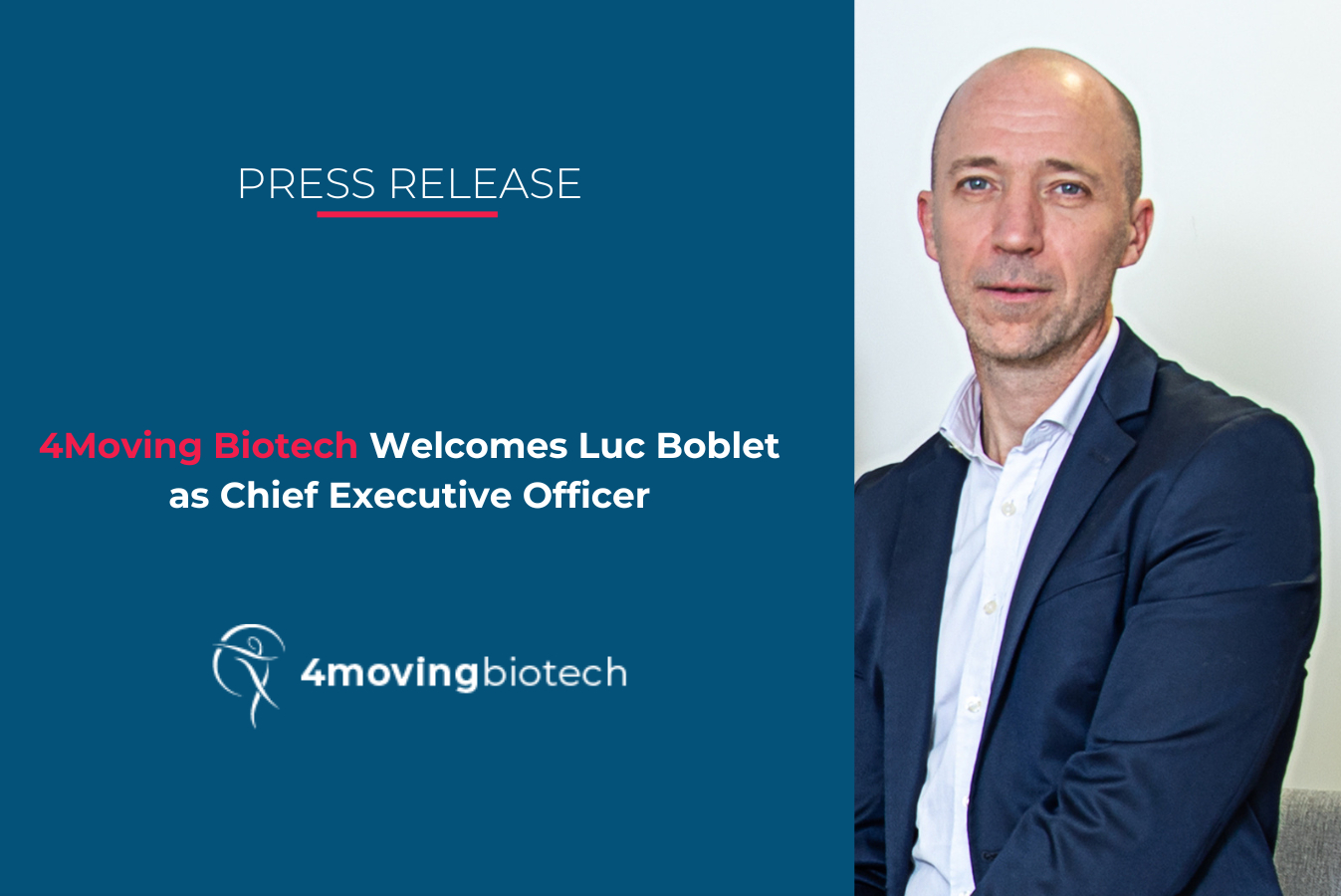
4Moving Biotech welcomes Luc Boblet as Chief Executive Officer to lead next phase of growth

LILLE & PARIS, France–(BUSINESS WIRE)–4Moving Biotech (4MB), a clinical-stage subsidiary of 4P-Pharma specializing in immuno-inflammation and osteoarthritis, is pleased to announce the appointment of Luc Boblet as Chief Executive Officer. The company, having successfully completed its Phase I clinical trial and a preparatory in silico Phase 2 analysis, looks to Luc Boblet’s seasoned expertise in biotech entrepreneurship and strategic development to guide the forthcoming stages of clinical proof of concept and early market access.

Luc Boblet, a biotech entrepreneur with two decades of experience, joins 4MB following his tenure at Egle Therapeutics, where his leadership was essential in advancing novel immunotherapies and securing a robust Series A funding backed by a big pharma strategic alliance. His previous roles included founding and leading companies such as H-IMMUNE – acquired by HiFiBIO – and Pathoquest, where he excelled in driving innovation, closing fundraising and forging strategic partnerships as instrumental catalyst of growth.

Luc’s appointment comes at a turning point for 4Moving Biotech as we have concluded a milestone Phase I trial for our leading drug candidate and are advancing strategic discussions with the FDA, toward potential accelerated approval” said Revital Rattenbach, founder and CEO of 4P-Pharma and co-founder of 4Moving. His track record in steering biotech ventures and his strategic approach to partnerships will be invaluable as we advance our clinical programs and explore opportunities for pharma co-development and partnership.”

As CEO of 4Moving Biotech, Luc Boblet’s immediate focus will be on overseeing the design and implementation of the development strategy for the upcoming Phase II clinical trials, as well as cultivating partnerships that align with the company’s vision for growth and patient access to innovative treatments.

Luc Boblet, CEO of 4Moving Biotech said: “The opportunity to lead 4Moving Biotech at this juncture is one that is aligned with my commitment to bringing pioneering therapies for untreated severe diseases. The company’s progress in drug development and the potential to significantly improve patient outcomes in osteoarthritis is a strong foundation for future success. I am looking forward to applying my experience in corporate strategy business development to deliver our value proposal and establish meaningful partnerships.”

About 4Moving Biotech

4Moving Biotech, a subsidiary of 4P-Pharma, is dedicated to developing advanced first in class therapies in the field of immuno-inflammation and osteoarthritis. With a commitment to improving patient care, 4MB is actively engaged in the clinical development of novel treatments poised to enhance quality of life for patients worldwide.

Biography of Luc Boblet, CEO of 4Moving Biotech.

Luc Boblet is a serial biotech entrepreneur with 20 years of experience in entrepreneurship, business development, corporate finance and early drug development. Luc is coming from Egle Therapeutics, spin out of Institut Curie dedicated to developing novel Regulatory T-cells based immunotherapies for oncology and autoimmune diseases, he has co-founded in early 2020. As a founding CEO, he built Egle Tx with a vision to become a game changer in the field of Tregs immunomodulation catalyzed by strategic alliance with Takeda Pharmaceutical and backed by 45M€ Series A from a high-quality syndicate of renowned international investors. Before creating Egle Tx, Luc co-founded and ran H-IMMUNE, start-up spun out of French Nuclear Agency (CEA), developing novel anti-check-point immunotherapies against T-effector and Tregs for oncology. He paved H-IMMUNE corporate path through partnerships with Pierre Fabre Laboratories and Norther Biologics and have exited H-IMMUNE through an acquisition by HiFiBIO in 2018. Before co-founding H-IMMUNE, Luc co-founded and ran Pathoquest, a start-up company spun out of Institute Pasteur, which develops disruptive unbiased NGS-based diagnostics in the field of infectious diseases. Under his guidance, Pathoquest raised two VC-backed rounds of financing, closed strategic collaborations and corporate partnerships with leading pharma companies (CERBA Laboratories and Covance), and launched several clinicals trials in France and the U.S.

From 2011 to 2015, he served on the board of directors of the BioAster Technological Research Institute.

He started his career in technology transfer, consulting in finance and business development for toxicogenomics R&D. Luc Boblet holds a biotech engineering degree, master’s degree in Virology and has been trained as a PhD in Virology from University Paris VII.

About 4Moving Biotech

Incorporated in mid 2020 as a spin-off of 4P-Pharma, 4Moving Biotech is a clinical stage biotechnology company dedicated to the development of the Disease-Modifying Osteoarthritis Drug (DMOAD). Its mission is to provide a sustainable therapeutic solution to the significant unmet medical need of osteoarthritis. The company is headquartered at the Pasteur Institute in Lille, France.

Website: https://www.4movingbiotech.com/
LinkedIn: https://fr.linkedin.com/company/4moving-biotech
X: https://twitter.com/4Moving_Biotech

The only version of the 4Moving Biotech press release that is legally binding is the one in its original language. Translations must always be compared to the source text, which will establish precedence. The press release text resulting from a translation should not be considered official in any way.

Contacts

Press:
Emmanuel Dadje

Communication Manager – emmanuel.dadje@4P-Pharma.com
+33 6 30 06 12 13

Marea Therapeutics Launches with $190 Million to Accelerate a New Generation of Medicines for Cardiometabolic Diseases

Leveraging large-scale human genetics to advance clinical-stage pipeline of first-in-class treatments that target critical, unaddressed and genetically validated causes of cardiometabolic diseases

Lead program, MAR001, is a first-in-class ANGPTL4 inhibitor in Phase 2 clinical development aiming to address the untreated lipid and metabolic drivers of cardiovascular events in high-risk patients

Company incubated by Third Rock Ventures with distinguished scientific founders and leading investor syndicate including Sofinnova Investments, Forbion, Perceptive Xontogeny Venture Fund, venBio, Omega Funds, Alpha Wave Global and Surveyor Capital (a Citadel company)

SOUTH SAN FRANCISCO, Calif.–(BUSINESS WIRE)–Marea Therapeutics, a clinical-stage biotechnology company incubated by Third Rock Ventures to develop a new generation of medicines for cardiometabolic diseases, launched today with $190 million in combined Series A and B financings. The Series A round was led by Third Rock Ventures and the Series B round was led by Sofinnova Investments and co-led by Forbion, Perceptive Xontogeny Venture Fund and venBio, with the participation of Alpha Wave Global, Omega Funds, Surveyor Capital (a Citadel company) and founding investor Third Rock Ventures. This financing will fund the company’s MAR001 Phase 2 development plan and further progression of additional pipeline programs.

Marea aims to transform the way cardiometabolic diseases are treated by leveraging large-scale human genetics and expertise in adipose function and biology to pursue genetically validated targets focusing on central – but unaddressed – drivers of cardiometabolic disease risk,” said Josh Lehrer, M.D., M.Phil., FACC, chief executive officer of Marea. “This approach could be the next frontier for patients with cardiometabolic disease who remain at very high risk, despite currently available therapies.”

With initial clinical validation, world-class scientific founders and investors, and an experienced board and leadership team, Marea is poised to become a premier cardiometabolic disease company,” said Jeffrey Tong, Ph.D., board member and partner, Third Rock Ventures. “We aim to accelerate a new generation of medicines, including MAR001, that treat key unaddressed drivers of cardiometabolic disease, potentially providing important new therapeutic options for millions of patients.”

Targeting Cardiometabolic Diseases at their Source

Marea’s lead program, MAR001, is a monoclonal antibody that targets ANGPTL4, a protein that is highly expressed in adipose tissue. By inhibiting ANGPTL4 and thereby preferentially augmenting adipose tissue lipoprotein lipase (LPL) activity, MAR001 aims to lower remnant cholesterol, improve adipose tissue and metabolic function, and reduce cardiovascular events. Remnant cholesterol is carried by triglyceride-rich lipoproteins, is highly atherogenic, and drives cardiovascular events independent of classical risk factors like LDL cholesterol, diabetes or obesity1. There are currently no available targeted therapies to lower remnant cholesterol and improve metabolic function.

Human genetics has demonstrated ANGPTL4 as a highly promising therapeutic target to lower remnant cholesterol with loss of function alleles leading to remnant cholesterol clearance, improved triglyceride distribution, improved insulin sensitivity, and protection from both cardiovascular disease and type 2 diabetes all via an adipose specific mechanism.

Preclinical models with MAR001 demonstrated reduction in triglycerides, remnant cholesterol and ectopic fat (storage of triglycerides in tissues other than adipose tissue), and improved insulin sensitivity. MAR001 has demonstrated strong Phase 1 results and is in Phase 2 clinical development for adults with metabolic dysfunction.

ANGPTL4 human genetics shows the potential to essentially reverse the adipose dysfunction responsible for the metabolic syndrome- which is not adequately treated by current therapies including weight loss and LDL cholesterol treatment. More than five million cardiovascular patients in the U.S. alone have elevated remnant cholesterol putting them at risk for a heart attack,” said Ethan J. Weiss, M.D., co-founder and chief scientific officer of Marea. “MAR001 has the potential to provide unique benefit to these patients by correcting the underlying adipose dysfunction leading to both elevated remnant cholesterol and metabolic dysfunction.”

In a Phase 1 trial, a single dose of MAR001 significantly lowered remnant cholesterol levels and improved metabolic biomarkers. We are very excited about this compound’s potential,” said Maha Katabi, Ph.D., general partner, Sofinnova Investments. “Led by renowned experts in genetics and cardiometabolic diseases, Marea is well positioned to advance MAR001 and other pipeline programs, potentially unlocking a new era in cardiovascular care.”

Marea is also advancing a pipeline of additional candidates aimed to address additional untapped nodes driving cardiometabolic diseases.

Management and Organization

Marea is led by a dynamic team of scientists and company builders with deep know-how and experience in human genetics, adipocyte biology and cardiometabolic disease drug development.

Marea founders include:

  • Charles Homcy, M.D., partner emeritus, Third Rock Ventures
  • Sir Stephen O’Rahilly, M.D., FRS, professor of clinical biochemistry and medicine, University of Cambridge
  • Joshua Rabinowitz, M.D., Ph.D., professor of chemistry & integrative genomics, Princeton University
  • Ethan J. Weiss, M.D., chief scientific officer

Marea management team members include:

  • Christine Garrett, Ph.D., chief strategy officer
  • Mark Joing, MBA, chief development operations officer
  • Josh Lehrer, M.D., M.Phil., FACC, chief executive officer
  • Ethan J. Weiss, M.D., scientific founder and chief scientific officer

Marea board members include:

  • Ted Love, M.D., chairman, former president and chief executive officer of Global Blood Therapeutics (acquired by Pfizer) and chairman, Biotechnology Innovation Organization (BIO)
  • Antoine Boulanger, Ph.D., principal, Forbion
  • Jung Choi, MBA, entrepreneur in residence, Third Rock Ventures
  • Chris Garabedian, venture portfolio manager, Perceptive Advisors
  • Maha Katabi, Ph.D., general partner, Sofinnova Investments
  • Josh Lehrer, M.D., M.Phil., FACC, chief executive officer
  • Aaron Royston, M.D., managing partner, venBio
  • Jeffrey Tong, Ph.D., partner, Third Rock Ventures

With its focused scientific approach and differentiated first-in-class development programs, Marea has the potential to become a leading company in the cardiometabolic disease space,” said Dr. Love. “I am thrilled to partner with this talented board and management team to advance MAR001 and other programs for patients who are in need of breakthrough cardiometabolic disease therapies.”

About Marea

Marea Therapeutics is a clinical-stage biotechnology company harnessing the latest advances in human genetics to develop first-in-class, next-generation medicines for cardiometabolic diseases. The company’s lead program, MAR001, is in Phase 2 clinical development to lower remnant cholesterol in adults with metabolic dysfunction and high risk for cardiovascular disease. Marea is led by a dynamic team of scientists and company builders with deep know-how and experience in cardiometabolic diseases, human genetics and adipocyte biology. To learn more, please visit www.mareatx.com and follow us on LinkedIn and X.

1 https://doi.org/10.1161/CIRCIMAGING.121.012615Circulation: Cardiovascular Imaging. 2021;14:e012615

Contacts

Media:

1AB

Katie Engleman

katie@1abmedia.com

Investors:

1AB

Steve Klass

steve@1abmedia.com

Agomab Receives FDA Orphan Drug Designation for AGMB-447 in Idiopathic Pulmonary Fibrosis

— AGMB-447 is an inhaled lung-restricted ALK5-inhibitor currently in a Phase 1 clinical trial —

ANTWERP, Belgium–(BUSINESS WIRE)–Agomab Therapeutics NV (‘Agomab’) today announced that it has received Orphan Drug Designation from the U.S. Food and Drug Administration (FDA) for AGMB-447, its inhaled, small molecule inhibitor of ALK5. Agomab is evaluating AGMB-447 as a potential treatment for Idiopathic Pulmonary Fibrosis (IPF) in a Phase 1 clinical trial (NCT06181370).

The FDA’s Orphan Drug Designation program is designed to facilitate development of medicinal treatments for rare diseases that affect fewer than 200,000 people in the U.S. The designation provides companies with various development and commercial benefits, including market exclusivity and a range of financial incentives, such as tax relief for clinical research costs.

Receiving Orphan Drug Designation from the FDA provides further support that AGMB-447’s mechanism of action has the potential to achieve meaningful therapeutic benefits to IPF patients,” said Philippe Wiesel, Chief Medical Officer at Agomab Therapeutics. “As we progress through our ongoing first-in-human Phase 1 trial, we look forward to evaluating the data from the single ascending dose and multiple ascending dose evaluation of AGMB-447 in healthy subjects and IPF patients.”

AGMB-447 is an investigational drug and not approved by any regulatory authority. Its efficacy and safety have not been established.

About AGMB-447

AGMB-447 is a small molecule lung-restricted inhibitor of ALK5 (or TGFβRI) for the treatment of Idiopathic Pulmonary Fibrosis (IPF) and other fibrotic respiratory indications. IPF is a devastating disease affecting 100,000 patients in the U.S. IPF is characterized by unregulated production of fibrotic, scar-like tissue that builds up in the lungs. As a result, the fibrotic lung becomes stiff which hampers breathing and reduces the absorption of inhaled oxygen in the blood. Even though some medicinal treatments are available, without a lung transplant, the average survival following diagnosis is only three to five years. TGFβ is a known master regulator of fibrosis in IPF and preliminary clinical data supports targeting the pathway. AGMB-447 is specifically designed to potently and safely inhibit ALK5 only in the lung due to its rapid metabolism through hydrolysis in plasma, which prevents clinically relevant systemic exposure.

About Agomab

Agomab is focused on achieving disease modification by modulating fibrosis and regeneration in chronic indications such as Fibrostenosing Crohn’s Disease and Idiopathic Pulmonary Fibrosis. We do this by targeting biologically validated pathways – including Transforming Growth Factor β and Hepatocyte Growth Factor – and by applying specialized capabilities in organ-restricted small molecules and high affinity antibodies. With a differentiated clinical pipeline across several fibrotic disorders, end-to-end research and development capabilities, a proven BD track-record and a strong investor base, Agomab is building a leading European biopharma company.

Contacts

For Agomab Therapeutics

Tim Knotnerus, CEO

E-Mail: tim.knotnerus@agomab.com

Media Requests for Agomab
Dr. Stephanie May or Gretchen Schweitzer

Trophic Communications

Phone: + 49 (0) 172 861 8540

E-Mail: agomab@trophic.eu

Promising Anti-tumor Activity of Novel Costimulatory Bispecific Antibody REGN7075 (EGFRxCD28) in Combination with Libtayo® (cemiplimab) to be Reported at ASCO

Oral presentation to highlight activity of REGN7075 in combination with Libtayo from dose-escalation portion of trial in patients with microsatellite stable colorectal cancer, which has historically proven unresponsive to immunotherapy

Ongoing REGN7075 Phase 1/2 trial is investigating a potentially first-in-class combination across a range of advanced solid tumors

TARRYTOWN, N.Y., May 23, 2024 (GLOBE NEWSWIRE) — Regeneron Pharmaceuticals, Inc. (NASDAQ: REGN) today announced positive new results from an ongoing Phase 1/2 trial evaluating its first-in-class costimulatory bispecific antibody, REGN7075 (EGFRxCD28), in combination with Libtayo® (cemiplimab) in patients with advanced solid tumors. Data from the dose-escalation portion of the trial showed the investigational combination led to anti-tumor responses in patients with microsatellite stable colorectal cancer (MSS CRC). REGN7075 is one of the first immunotherapies to demonstrate clinical activity in MSS CRC, including in a patient with liver metastases. The results will be shared during an oral session at the American Society of Clinical Oncology (ASCO) 2024 Annual Meeting in Chicago.

“Microsatellite stable colorectal cancer has historically been unresponsive to immunotherapy,” said Neil H. Segal, M.D., Ph.D., Medical Oncologist and Research Director in the Division of Gastrointestinal Oncology at Memorial Sloan Kettering Cancer Center, and a trial investigator. “The early results for this novel investigational EGFRxCD28 costimulatory bispecific in combination with Libtayo are encouraging, showing anti-tumor responses in a highly difficult-to-treat cancer. This combination is one of the first immunotherapy regimens to show clinical activity in microsatellite stable colorectal cancer, and we are excited to advance this trial in additional tumor types.”

In the dose-escalation portion of the trial, patients with metastatic and locally advanced solid tumors – who had exhausted standard treatment options, and most of whom also had liver metastases – received combination therapy with REGN7075 and Libtayo, following a REGN7075 monotherapy lead-in dose. Among 94 patients treated as of data cutoff, 65% (n=61) had MSS CRC, of which 51 MSS CRC patients were treated at an active dose level. Efficacy results among these 51 patients were as follows:

  • 6% (n=3) overall response rate (ORR) and 29% (n=15) disease control rate (DCR). This included one complete response (CR), two partial responses (PR), and 12 patients with stable disease. At data cutoff, all responders were without liver metastases.
  • Among the subset of 15 patients without liver metastases, there was a 20% ORR (n=3) and 80% DCR (n=12).
  • Among the subset of 36 patients with liver metastases, three patients had stable disease as of data cutoff, and one patient achieved a PR following data cutoff.

Safety was assessed in 84 patients across multiple solid tumor types at a variety of doses of REGN7075. REGN7075 and Libtayo showed an acceptable safety profile, and the maximum tolerated dose was not reached. Treatment-emergent adverse events (TEAEs) of any grade occurred in 98% of patients; Grade 3 and 4 TEAEs occurred in 35% of patients. Treatment-related adverse events (TRAEs) occurred in 90% of patients, with 7% of cases reported as grade 3 or 4. The majority of TRAEs were Grade 1 to 2 (83%), with the most common being infusion-related reactions (58%) that were manageable with premedication and dosing adjustments. TRAEs led to discontinuation in 5% of patients, and three patients discontinued treatment due to Grade 2 infusion-related reactions. As of data cutoff, there have been no dose-limiting toxicities, no reports of cytokine release syndrome, and no treatment-related deaths.

“Regeneron is focused on developing a unique investigational portfolio of oncology medicines including checkpoint inhibitors, CD3 bispecifics and CD28 costimulatory bispecifics. Over the past several years, we have made progress in our programs across checkpoint inhibitors and the CD3 class and are now showing promising activity with two costimulatory bispecific antibodies,” said Israel Lowy, M.D., Ph.D., Senior Vice President, Translational and Clinical Oncology at Regeneron. “Our costimulatory bispecifics were designed with the goal of turning cancer cells into antigen presenting cells, thereby converting historically immunotherapy unresponsive tumors from ‘cold’ to ‘hot’. These early data speak to the potential of REGN7075 in combination with Libtayo and add to a growing body of evidence supporting novel costimulatory bispecifics that are in clinical trials for a range of solid tumors and blood cancers.”

The combination of REGN7075 and Libtayo is currently under clinical development, and its safety and efficacy have not been fully evaluated by any regulatory authority. While the dose escalation portion of the trial across multiple solid tumor types including non-small cell lung cancer, colorectal cancer, head and neck cancer and other tumor types is ongoing, expansion cohorts in several tumor types have also been initiated.

About the Phase 1/2 Trial
The Phase 1/2, first-in-human, open-label trial investigating REGN7075 in combination with Libtayo is currently enrolling patients with metastatic and locally advanced solid tumors who have exhausted standard treatment options. The trial includes an ongoing Phase 1 dose-escalation portion and a Phase 2 dose-expansion period. In the Phase 1 dose-escalation portion, patients first receive a weekly lead-in dose of REGN7075 monotherapy for three weeks to assess its safety and efficacy alone. This is followed by treatment with combination therapy, with Libtayo dosed once every three weeks and REGN7075 dosed either every week or every three weeks. The primary endpoints are assessing safety and tolerability, while the secondary endpoints are assessing efficacy, pharmacokinetics and immunogenicity. Expansion cohorts in several tumor types have been initiated. For more information, visit the Regeneron clinical trials website, or contact via clinicaltrials@regeneron.com or 844-734-6643.

About Regeneron in Cancer
We aspire to turn revolutionary discoveries into medicines that can transform the lives of those impacted by cancer. Our team around the world is driven to solve the needs and challenges of those affected by one of the most serious diseases of our time.

Backed by our legacy of scientific innovation and a deep understanding of biology, genetics and the immune system, we’re pursuing potential therapies across more than 30 types of solid tumors and blood cancers. Our cancer strategy is powered by cutting-edge technologies and therapies that can be flexibly combined to investigate potentially transformative treatments for patients. Oncology assets in clinical development comprise nearly half of Regeneron’s pipeline, and include checkpoint inhibitors, bispecific antibodies and costimulatory bispecific antibodies. Our approved PD-1 inhibitor Libtayo serves as the backbone of many of our investigational combinations.

To complement our extensive in-house capabilities, we collaborate with patients, healthcare providers, governments, biopharma companies and each other to further our shared goals. Together, we are united in the mission to serve as a beacon of transformation in cancer care.

About Libtayo
Libtayo is a fully human monoclonal antibody targeting the immune checkpoint receptor PD-1 on T cells and was invented using Regeneron’s proprietary VelocImmune® technology. By binding to PD-1, Libtayo has been shown to block cancer cells from using the PD-1 pathway to suppress T-cell activation. In the U.S. and other countries Libtayo is indicated in certain patients with advanced basal cell carcinoma (BCC), advanced cutaneous squamous cell carcinoma (CSCC) and advanced non-small cell lung cancer (NSCLC), as well as in advanced cervical cancer in the European Union, Canada and Brazil. Libtayo is developed and marketed globally by Regeneron.

In the U.S., the generic name for Libtayo in its approved indications is cemiplimab-rwlc, with rwlc as the suffix designated in accordance with Nonproprietary Naming of Biological Products Guidance for Industry issued by the U.S. Food and Drug Administration (FDA). Outside of the U.S., the generic name of Libtayo in its approved indication is cemiplimab.

The extensive clinical program for Libtayo is focused on difficult-to-treat cancers. Libtayo is currently being investigated in trials as a monotherapy, as well as in combination with either conventional or novel therapeutic approaches for other solid tumors and blood cancers. These potential uses are investigational, and their safety and efficacy have not been evaluated by any regulatory authority.

U.S. FDA-approved Indications
Libtayo is a prescription medicine used to treat:

  • People with a type of skin cancer called cutaneous squamous cell carcinoma (CSCC) that has spread or cannot be cured by surgery or radiation.
  • People with a type of skin cancer called basal cell carcinoma (BCC) when your BCC cannot be removed by surgery (locally advanced BCC) or when it has spread (metastatic BCC) and have received treatment with a hedgehog pathway inhibitor (HHI), or cannot receive treatment with a HHI.
  • Adults with a type of lung cancer called non-small cell lung cancer (NSCLC).
    • LIBTAYO may be used in combination with chemotherapy that contains a platinum medicine as your first treatment when your lung cancer has not spread outside your chest (locally advanced lung cancer) and you cannot have surgery or chemotherapy with radiation, or your lung cancer has spread to other areas of your body (metastatic lung cancer), and your tumor does not have an abnormal “EGFR,” “ALK,” or “ROS1” gene.
    • LIBTAYO may be used alone as your first treatment when your lung cancer has not spread outside your chest (locally advanced lung cancer) and you cannot have surgery or chemotherapy with radiation, or your lung cancer has spread to other areas of your body (metastatic lung cancer), and your tumor tests positive for high “PD-L1,” and your tumor does not have an abnormal “EGFR,” “ALK,” or “ROS1” gene.

It is not known if Libtayo is safe and effective in children.

IMPORTANT SAFETY INFORMATION FOR U.S. PATIENTS

What is the most important information I should know about LIBTAYO?
LIBTAYO is a medicine that may treat certain cancers by working with your immune system. LIBTAYO can cause your immune system to attack normal organs and tissues in any area of your body and can affect the way they work. These problems can sometimes become severe or life-threatening and can lead to death. You can have more than one of these problems at the same time. These problems may happen anytime during treatment or even after your treatment has ended.

Call or see your healthcare provider right away if you develop any new or worsening signs or symptoms, including:

  • Lung problems: cough, shortness of breath, or chest pain
  • Intestinal problems: diarrhea (loose stools) or more frequent bowel movements than usual, stools that are black, tarry, sticky or have blood or mucus, or severe stomach-area (abdomen) pain or tenderness
  • Liver problems: yellowing of your skin or the whites of your eyes, severe nausea or vomiting, pain on the right side of your stomach-area (abdomen), dark urine (tea colored), or bleeding or bruising more easily than normal
  • Hormone gland problems: headache that will not go away or unusual headaches, eye sensitivity to light, eye problems, rapid heartbeat, increased sweating, extreme tiredness, weight gain or weight loss, feeling more hungry or thirsty than usual, urinating more often than usual, hair loss, feeling cold, constipation, your voice gets deeper, dizziness or fainting, or changes in mood or behavior, such as decreased sex drive, irritability, or forgetfulness
  • Kidney problems: decrease in your amount of urine, blood in your urine, swelling of your ankles, or loss of appetite
  • Skin problems: rash, itching, skin blistering or peeling, painful sores or ulcers in mouth or nose, throat, or genital area, fever or flu-like symptoms, or swollen lymph nodes
  • Problems can also happen in other organs and tissues. These are not all of the signs and symptoms of immune system problems that can happen with LIBTAYO. Call or see your healthcare provider right away for any new or worsening signs or symptoms, which may include: chest pain, irregular heartbeat, shortness of breath or swelling of ankles, confusion, sleepiness, memory problems, changes in mood or behavior, stiff neck, balance problems, tingling or numbness of the arms or legs, double vision, blurry vision, sensitivity to light, eye pain, changes in eyesight, persistent or severe muscle pain or weakness, muscle cramps, low red blood cells, or bruising
  • Infusion reactions that can sometimes be severe or life-threatening. Signs and symptoms of infusion reactions may include: nausea, vomiting, chills or shaking, itching or rash, flushing, shortness of breath or wheezing, dizziness, feel like passing out, fever, back or neck pain, or facial swelling
  • Rejection of a transplanted organ. Your healthcare provider should tell you what signs and symptoms you should report and monitor you, depending on the type of organ transplant that you have had
  • Complications, including graft-versus-host disease (GVHD), in people who have received a bone marrow (stem cell) transplant that uses donor stem cells (allogeneic). These complications can be serious and can lead to death. These complications may happen if you underwent transplantation either before or after being treated with LIBTAYO. Your healthcare provider will monitor you for these complications

Getting medical treatment right away may help keep these problems from becoming more serious. Your healthcare provider will check you for these problems during your treatment with LIBTAYO. Your healthcare provider may treat you with corticosteroid or hormone replacement medicines. Your healthcare provider may also need to delay or completely stop treatment with LIBTAYO if you have severe side effects.

Before you receive LIBTAYO, tell your healthcare provider about all your medical conditions, including if you:

  • have immune system problems such as Crohn’s disease, ulcerative colitis, or lupus
  • have received an organ transplant
  • have received or plan to receive a stem cell transplant that uses donor stem cells (allogeneic)
  • have received radiation treatment to your chest area
  • have a condition that affects your nervous system, such as myasthenia gravis or Guillain-Barré syndrome
  • are pregnant or plan to become pregnant. LIBTAYO can harm your unborn baby
  • are breastfeeding or plan to breastfeed. It is not known if LIBTAYO passes into your breast milk. Do not breastfeed during treatment and for at least 4 months after the last dose of LIBTAYO

Females who are able to become pregnant:

  • Your healthcare provider will give you a pregnancy test before you start treatment
  • You should use an effective method of birth control during your treatment and for at least 4 months after your last dose of LIBTAYO. Talk to your healthcare provider about birth control methods that you can use during this time
  • Tell your healthcare provider right away if you become pregnant or think you may be pregnant during treatment with LIBTAYO

Tell your healthcare provider about all the medicines you take, including prescription and over-the-counter medicines, vitamins, and herbal supplements.

The most common side effects of LIBTAYO when used alone include tiredness, muscle or bone pain, rash, diarrhea, and low levels of red blood cells (anemia). The most common side effects of LIBTAYO when used in combination with platinum-containing chemotherapy include hair loss, muscle or bone pain, nausea, tiredness, numbness, pain, tingling, or burning in your hands or feet, and decreased appetite. These are not all the possible side effects of LIBTAYO. Call your doctor for medical advice about side effects. You may report side effects to FDA at 1-800-FDA-1088. You may also report side effects to Regeneron Pharmaceuticals at 1-877-542-8296.

Please see full Prescribing Information, including Medication Guide.

About Regeneron’s VelocImmune Technology
Regeneron’s VelocImmune technology utilizes a proprietary genetically engineered mouse platform endowed with a genetically humanized immune system to produce optimized fully human antibodies. When Regeneron’s co-Founder, President and Chief Scientific Officer George D. Yancopoulos was a graduate student with his mentor Frederick W. Alt in 1985, they were the first to envision making such a genetically humanized mouse, and Regeneron has spend decades inventing and developing VelocImmune and related VelociSuite® technologies. Dr. Yancopoulos and his team have used VelocImmune technology to create a substantial proportion of all original, FDA-approved or authorized fully human monoclonal antibodies. This includes REGEN-COV® (casirivimab and imdevimab), Dupixent® (dupilumab), Libtayo®, Praluent® (alirocumab), Kevzara® (sarilumab), Evkeeza® (evinacumab-dgnb), Inmazeb® (atoltivimab, maftivimab and odesivimab-ebgn) and Veopoz® (pozelimab-bbfg).

About Regeneron
Regeneron (NASDAQ: REGN) is a leading biotechnology company that invents, develops and commercializes life-transforming medicines for people with serious diseases. Founded and led by physician-scientists, our unique ability to repeatedly and consistently translate science into medicine has led to numerous approved treatments and product candidates in development, most of which were homegrown in our laboratories. Our medicines and pipeline are designed to help patients with eye diseases, allergic and inflammatory diseases, cancer, cardiovascular and metabolic diseases, neurological diseases, hematologic conditions, infectious diseases, and rare diseases.

Regeneron pushes the boundaries of scientific discovery and accelerates drug development using our proprietary technologies, such as VelociSuite®, which produces optimized fully human antibodies and new classes of bispecific antibodies. We are shaping the next frontier of medicine with data-powered insights from the Regeneron Genetics Center® and pioneering genetic medicine platforms, enabling us to identify innovative targets and complementary approaches to potentially treat or cure diseases.
For more information, please visit www.Regeneron.com or follow Regeneron on LinkedIn, Instagram, Facebook or X.

Dr. Segal has financial interests related to Regeneron Pharmaceuticals.

Forward-Looking Statements and Use of Digital Media
This press release includes forward-looking statements that involve risks and uncertainties relating to future events and the future performance of Regeneron Pharmaceuticals, Inc. (“Regeneron” or the “Company”), and actual events or results may differ materially from these forward-looking statements. Words such as “anticipate,” “expect,” “intend,” “plan,” “believe,” “seek,” “estimate,” variations of such words, and similar expressions are intended to identify such forward-looking statements, although not all forward-looking statements contain these identifying words. These statements concern, and these risks and uncertainties include, among others, the nature, timing, and possible success and therapeutic applications of products marketed or otherwise commercialized by Regeneron and/or its collaborators or licensees (collectively, “Regeneron’s Products”) and product candidates being developed by Regeneron and/or its collaborators or licensees (collectively, “Regeneron’s Product Candidates”) and research and clinical programs now underway or planned, including without limitation REGN7075 in combination with Libtayo® (cemiplimab) and other of Regeneron’s Product Candidates discussed or referenced in this press release; the likelihood, timing, and scope of possible regulatory approval and commercial launch of Regeneron’s Product Candidates and new indications for Regeneron’s Products, such as REGN7075 in combination with Libtayo in patients with advanced solid tumors and the other clinical programs discussed or referenced in the press release; uncertainty of the utilization, market acceptance, and commercial success of Regeneron’s Products and Regeneron’s Product Candidates and the impact of studies (whether conducted by Regeneron or others and whether mandated or voluntary), including the studies discussed or referenced in this press release, on any of the foregoing or any potential regulatory approval of Regeneron’s Products and Regeneron’s Product Candidates (such as REGN7075 in combination with Libtayo); the ability of Regeneron’s collaborators, licensees, suppliers, or other third parties (as applicable) to perform manufacturing, filling, finishing, packaging, labeling, distribution, and other steps related to Regeneron’s Products and Regeneron’s Product Candidates; the ability of Regeneron to manage supply chains for multiple products and product candidates; safety issues resulting from the administration of Regeneron’s Products and Regeneron’s Product Candidates (such as REGN7075 in combination with Libtayo) in patients, including serious complications or side effects in connection with the use of Regeneron’s Products and Regeneron’s Product Candidates in clinical trials; determinations by regulatory and administrative governmental authorities which may delay or restrict Regeneron’s ability to continue to develop or commercialize Regeneron’s Products and Regeneron’s Product Candidates; ongoing regulatory obligations and oversight impacting Regeneron’s Products, research and clinical programs, and business, including those relating to patient privacy; the availability and extent of reimbursement of Regeneron’s Products from third-party payers, including private payer healthcare and insurance programs, health maintenance organizations, pharmacy benefit management companies, and government programs such as Medicare and Medicaid; coverage and reimbursement determinations by such payers and new policies and procedures adopted by such payers; competing drugs and product candidates that may be superior to, or more cost effective than, Regeneron’s Products and Regeneron’s Product Candidates; the extent to which the results from the research and development programs conducted by Regeneron and/or its collaborators or licensees may be replicated in other studies and/or lead to advancement of product candidates to clinical trials, therapeutic applications, or regulatory approval; unanticipated expenses; the costs of developing, producing, and selling products; the ability of Regeneron to meet any of its financial projections or guidance and changes to the assumptions underlying those projections or guidance; the potential for any license, collaboration, or supply agreement, including Regeneron’s agreements with Sanofi and Bayer (or their respective affiliated companies, as applicable), to be cancelled or terminated; the impact of public health outbreaks, epidemics, or pandemics (such as the COVID-19 pandemic) on Regeneron’s business; and risks associated with intellectual property of other parties and pending or future litigation relating thereto (including without limitation the patent litigation and other related proceedings relating to EYLEA® (aflibercept) Injection), other litigation and other proceedings and government investigations relating to the Company and/or its operations (including the pending civil proceedings initiated or joined by the U.S. Department of Justice and the U.S. Attorney’s Office for the District of Massachusetts), the ultimate outcome of any such proceedings and investigations, and the impact any of the foregoing may have on Regeneron’s business, prospects, operating results, and financial condition. A more complete description of these and other material risks can be found in Regeneron’s filings with the U.S. Securities and Exchange Commission, including its Form 10-K for the year ended December 31, 2023 and its Form 10-Q for the quarterly period ended March 31, 2024. Any forward-looking statements are made based on management’s current beliefs and judgment, and the reader is cautioned not to rely on any forward-looking statements made by Regeneron. Regeneron does not undertake any obligation to update (publicly or otherwise) any forward-looking statement, including without limitation any financial projection or guidance, whether as a result of new information, future events, or otherwise.
Regeneron uses its media and investor relations website and social media outlets to publish important information about the Company, including information that may be deemed material to investors. Financial and other information about Regeneron is routinely posted and is accessible on Regeneron’s media and investor relations website (https://investor.regeneron.com) and its LinkedIn page (https://www.linkedin.com/company/regeneron-pharmaceuticals).


Contacts:Media Relations
Taylor Skott
Tel: +1 914-409-2381
taylor.ramsey@regeneron.com
Investor Relations
Vesna Tosic
Tel: +1 914-847-5443
vesna.tosic@regeneron.com

Cardurion Pharmaceuticals Presents Positive Clinical Results from CARDINAL‑HF Phase 2a Clinical Trial of PDE9 Inhibitor in Patients With Heart Failure

PDE9 inhibitor, CRD-740, demonstrated favorable safety profile and achieved statistical significance for the trial’s primary endpoint, median increase in plasma cyclic guanosine monophosphate (cGMP) –

This clinical trial confirms that high levels of PDE9 inhibition lead to increases in cGMP, reflecting increased activation of the myocardial natriuretic peptide (NP) signaling pathway –

Targeting PDE9 represents a novel approach to activating the NP signaling pathway, a highly validated pathway with established clinical benefits in heart failure –

Clinical results presented today at the Annual Congress of the Heart Failure Association of the European Society of Cardiology –

BURLINGTON, Mass.–(BUSINESS WIRE)–Cardurion Pharmaceuticals, Inc. (“Cardurion”), a clinical-stage biotechnology company developing next-generation therapeutics for the treatment of cardiovascular diseases, today announced the presentation of positive clinical data from CARDINAL‑HF, the first Phase 2 proof-of-concept clinical trial of a phosphodiesterase-9 (PDE9) inhibitor in patients with heart failure. These data were presented today at the Annual Congress of the Heart Failure Association of the European Society of Cardiology taking place on May 11-14 in Lisbon, Portugal.

In the CARDINAL-HF Phase 2a trial, CRD-740 met the primary endpoint in patients with heart failure with reduced ejection fraction (HFrEF), demonstrating a statistically significant median increase in plasma cyclic guanosine monophosphate (cGMP) after four weeks of treatment. Plasma cGMP is a biomarker for intracellular cGMP whose levels reflect the activity of the protective myocardial natriuretic peptide (NP) signaling pathway, which has proven clinical benefits in heart failure. CRD-740 was generally well tolerated in the trial.

“These very promising data from the first Phase 2 proof-of-concept clinical trial of a PDE9 inhibitor in patients with heart failure represent an important next step in the development of this novel mechanism,” said James Udelson, MD, Chief of Cardiology at Tufts Medical Center and Principal Investigator for the CARDINAL-HF trial. “The results of this trial are impressive, showing robust PDE9 inhibition with significant increases in plasma and urinary cGMP, along with a favorable safety profile, both of which support moving into further clinical testing in heart failure.”

“Therapeutic targeting of the NP signaling pathway is precedented by today’s standard of care treatment for patients with heart failure, and PDE9 inhibition represents a new mechanism for activating this pathway to seek improved patient outcomes. Significant unmet needs remain, as heart failure is a prevalent and growing chronic condition that causes significant morbidity and mortality for millions of people,” said Scott D. Solomon, MD, Professor of Medicine at Harvard Medical School.

The oral presentation of these results, entitled, “A Phase 2, Randomized, Double-Blind, Placebo-Controlled Study to Assess the Tolerability and Pharmacodynamic Effects of CRD-740, a PDE9 Inhibitor, in Participants with Chronic Heart Failure,” were presented today by James Udelson, M.D., Principal Investigator of CARDINAL-HF and Chief of Cardiology at Tufts Medical Center, in the “Late-Breaking Clinical Trials: Medical Therapy” session at the Annual Congress of the Heart Failure Association of the European Society of Cardiology. Key findings presented include:

  • CRD-740 was generally well-tolerated in patients with HFrEF, a disease representing approximately one-half of patients with chronic heart failure.
  • PDE9 inhibition with CRD-740 achieved statistically significant median increases in plasma cGMP at four weeks, compared to placebo, which was the primary endpoint in the trial. Statistically significant median increases in urinary cGMP were also observed in the patients who received CRD-740, compared to placebo.
  • Increases in cGMP of the magnitude seen in the trial demonstrate that CRD-740 achieves high levels of PDE9 inhibition, which prevents cGMP metabolism by the PDE9 enzyme and leads to increased activation of the NP signaling pathway. Activation of the clinically validated NP signaling pathway has been shown to benefit patients with chronic heart failure in outcome studies with sacubitril/valsartan.
  • These increases in plasma and urinary cGMP were observed in patients who received CRD‑740 with and without background treatment with sacubitril/valsartan, supporting the potential for CRD-740 as a monotherapy, and as a new approach to augment efficacy in the setting of sacubitril/valsartan therapy and to further activate the NP signaling pathway.

Based on the results of the CARDINAL-HF Phase 2a trial, Cardurion has launched two Phase 2 clinical trials in 640 patients, including a dose-ranging trial in patients with HFrEF and a proof-of-concept trial in patients with heart failure with preserved ejection fraction (HFpEF).

“These findings from Cardurion’s pioneering program in PDE9 support our conviction that PDE9 inhibition presents an important new mechanism for independently targeting and further activating the well-validated NP signaling pathway. The data from this trial suggest that PDE9 inhibition has the potential to provide benefit to patients when administered alone or in combination with guideline directed medical therapy, and ultimately become standard of care for patients with both types of heart failure,” said Peter Lawrence, Chief Executive Officer of Cardurion Pharmaceuticals.

“We are delighted to share these clinical results for CRD-740 as our team advances PDE9 inhibition as a novel approach to addressing the unmet needs of patients with chronic heart failure,” said Howard Surks, MD, Chief Medical and Scientific Officer of Cardurion Pharmaceuticals. “We thank our patients and investigators for their partnership and look forward to continuing the development of our PDE9 inhibitors to improve outcomes for patients.”

About the CARDINAL-HF clinical trial

CARDINAL-HF is the first Phase 2 proof-of-concept trial of a PDE9 inhibitor for the treatment of patients with heart failure. The Phase 2a clinical trial is a randomized, placebo-controlled trial of 60 chronic, stable patients with heart failure with reduced ejection fraction (HFrEF) who were receiving guideline-directed medical therapy (GDMT). The primary endpoints of the trial are safety and tolerability of CRD-740 and changes in plasma cGMP at four weeks, a precedented biomarker for activation of the NP signaling pathway. Other endpoints include changes in urinary cGMP and N-terminal pro b-type natriuretic peptide (NTpro-BNP) and effect of CRD-740 administration on the Kansas City Cardiomyopathy questionnaire (KCCQ), which measures symptoms, physical and social limitations, and quality of life in patients with heart failure.

The Executive Committee for the CARDINAL-HF trial includes Dr. James Udelson, Principal Investigator and Chief of Cardiology at Tufts Medical Center; Dr. Scott Solomon, Professor of Medicine at Harvard Medical School; and Dr. John McMurray, Professor of Medical Cardiology and Deputy Director of the Institute of Cardiovascular and Medical Sciences at the University of Glasgow. Drs. Udelson, Solomon and McMurray, along with Dr. Eugene Braunwald, the Distinguished Hersey Professor of Medicine at Harvard Medical School, also lead Cardurion’s Clinical Advisory Board. The CARDINAL-HF Steering Committee is further comprised of leading international heart failure clinical investigators.

About PDE9 inhibition

PDE9 inhibitors target phosphodiesterase (PDE) 9, an enzyme whose elevated activity in patients with heart failure reduces the beneficial effects of the natriuretic peptide (NP) pathway, fundamental to cardiovascular homeostasis. The beneficial effects of the NP signaling pathway in the heart muscle cell are mediated by cyclic guanosine monophosphate (cGMP) and activation of its downstream signaling molecule protein kinase G1. PDE9 is an enzyme that selectively degrades cGMP; therefore, by inhibiting PDE9, our goal is to preserve cGMP generation and enhance the beneficial natriuretic peptide signaling within heart muscle cells.

About Chronic Heart Failure

Heart failure is a prevalent and growing condition that is responsible for substantial morbidity and mortality. Approximately 6.5 million people in the United States suffer from heart failure, and 50 percent of these patients die from the condition within five years of diagnosis. One in five patients with heart failure are hospitalized annually, and 25% of these patients will be admitted again within a month of discharge. Approximately half of all patients with heart failure have reduced ejection fraction (HFrEF) and half have preserved ejection fraction (HFpEF). Despite the availability of drugs indicated to reduce morbidity and mortality in patients with both types of heart failure, substantial unmet medical need remains.

About Cardurion Pharmaceuticals

Cardurion Pharmaceuticals is a clinical-stage biotechnology company focused on the discovery and development of novel, next-generation therapeutics for the treatment of cardiovascular diseases. Cardurion was founded by physician-scientists with world-class expertise in cardiovascular signaling pathways, and a shared passion to find and develop a pipeline of novel treatment options to improve the lives of patients. Cardurion has two groundbreaking clinical programs in development, a PDE9 inhibitor targeting heart failure and the first ever CaMKII inhibitor in clinical development targeting multiple cardiovascular indications.

Cardurion Pharmaceuticals has facilities in Burlington, Massachusetts and Shonan, Japan. For more information, please visit the company’s website at https://cardurion.com.

Contacts

Kathryn Morris

The Yates Network

kathryn@theyatesnetwork.com

Inmagene Reports Positive Interim Results from Phase 2a Trial of IMG-007, a Nondepleting Anti-OX40 Monoclonal Antibody with an Extended Half-life, for the Treatment of Atopic Dermatitis

  • Treatment with IMG-007, the only clinical-stage nondepleting anti-OX40 monoclonal antibody (mAb), led to rapid, marked, and durable improvement of skin signs in patients with atopic dermatitis (AD).
  • Overall, IMG-007 was well-tolerated, without any reports of pyrexia or chills.
  • IMG-007 is also being evaluated for the treatment of alopecia areata (AA).
  • Final results are anticipated in Q3 2024.

SAN DIEGO, May 06, 2024 (GLOBE NEWSWIRE) — Inmagene Biopharmaceuticals (“Inmagene” or the “Company”), a clinical-stage biotechnology company developing innovative and differentiated therapies for immunological and inflammatory (I&I) diseases, today announced positive interim data from Phase 2a trial of IMG-007 in patients with AD.

Inmagene

IMG-007 is a nondepleting anti-OX40 mAb, bioengineered to have a silenced antibody-dependent cellular cytotoxicity (ADCC) function and a prolonged half-life. In a prior Phase 1 single-dose study in healthy adults, IMG-007 demonstrated a favorable safety and tolerability profile, with no reports of pyrexia or chills, which is consistent with the abolished ADCC function. Furthermore, IMG-007 showed a slow antibody clearance and a 31-day half-life at anticipated therapeutic dose levels, which could enable it to be dosed every 12 weeks (Q12W) for induction therapy, and even less frequently for maintenance therapy in AD treatment.

The Phase 2a trial (NCT05984784) evaluates the safety, pharmacokinetics, and efficacy of IMG-007 in adult patients with moderate-to-severe AD who had inadequate response to and/or intolerant of topical therapies. Patients who had received prior systemic agents, such as biologics, were also included in the trial. Topical or systemic AD medications were not permitted during the study. Eligible patients were to receive three intravenous infusions of 300 mg IMG-007 over 4 weeks (Baseline, Week 2 and 4) and to be followed up for up to 24 weeks. Key study endpoints include safety and percent change from baseline in eczema area and severity index (EASI) over time.

A total of 13 patients were enrolled from 6 centers in the U.S. and Canada. Baseline key disease characteristics included mean EASI of 29.5, mean body surface area (BSA) of 52.0%, and 61.5% patients with investigator’s global assessment (IGA=3) and 38.5% with IGA=4.

IMG-007 treatment resulted in a rapid and marked improvement from baseline in EASI score as early as Week 1 and continued improvement over time after the last dose of IMG-007 at Week 4. The mean percent improvement from baseline in EASI was 23%, 29%, 47%, 66%, 68%,77%, and 87% at Weeks 1, 2, 4, 8, 12, 16, and 20, respectively.

By Week 20, a total of 69%, 54%, and 31% of patients achieved EASI improvement of at least 50% (EASI-50), at least 75% (EASI-75), and at least 90% (EASI-90), respectively.

There were no serious adverse events (SAEs), and no adverse events (AEs) leading to treatment discontinuation, and no treatment-related AEs. There were no reports of pyrexia or chills.

“Inhibiting OX40-OX40L signaling is an exciting potential therapeutic approach to treating AD,” said Jonathan Silverberg, M.D., Ph.D., Professor of Dermatology at The George Washington University School of Medicine and Health Sciences. “By uniquely targeting the OX40 receptor without depleting T cells and with its long half-life, IMG-007 presents a best-in-class potential to not only minimize safety risks associated with T cell depletion, but also provide patients with a more convenient dosing regimen such as Q12W.”

“We are highly encouraged by the remarkable efficacy seen with a short 4-week treatment period. Future studies of continuous treatment with IMG-007 in patients with AD could potentially drive more robust efficacy than seen in this proof-of-concept study,” said Yufang Lu, M.D., Ph.D., Chief Medical Officer of Inmagene. “Given the important role of the OX40-OX40L axis in the pathogenesis of a spectrum of I&I diseases, IMG-007 could be suitable for a number of indications. We are working hard to accelerate the clinical development of IMG-007 in AD with our subcutaneous formulation.”

In addition to the Phase 2a trial in patients with AD for which final results are anticipated in Q3 2024, IMG-007 is also being evaluated in a global study in adult patients with AA with anticipated initial data readout in Q4 2024.

About Inmagene

Inmagene is a global clinical-stage biotechnology company developing novel therapeutics for immunological and inflammatory (I&I) diseases. The company’s highly differentiated clinical-stage pipeline has multiple candidates with best-in-class potential. The lead asset IMG-007, a nondepleting anti-OX40 mAb, is in two global Phase 2a clinical trials in atopic dermatitis and alopecia areata (AA). IMG-004, a non-covalent reversible BTK inhibitor with an extended half-life and pharmacodynamic effect, enabling its potential for once-daily dosing, is completing a Phase 1 multiple-dose study. IMG-008, a long-acting anti-IL-36R mAb is entering global Phase 1 clinical development.

For more information, please visit www.inmagenebio.com.

About IMG-007

IMG-007 is a humanized anti-OX40 IgG1 mAb, with a silenced ADCC function and an extended half-life. The OX40-OX40L axis is important in T cell activation, expansion, and survival, thereby having an important role in the pathogenesis of a spectrum of I&I diseases. In nonclinical studies, IMG-007 potently blocked the signaling between OX40 and OX40L. Phase 1 single dose study demonstrated a 31-day half-life at anticipated therapeutic dose levels, enabling the potential for once every 12 weeks (Q12W) dosing for induction therapy and even less frequently for maintenance therapy, and a favorable safety profile, without any reports of pyrexia or chills. IMG-007 is being evaluated for the treatment of moderate-to-severe atopic dermatitis and alopecia areata in two Phase 2a studies.

Forward-Looking Statements

This press release contains forward-looking statements. While Inmagene believes the projections to be based on reasonable assumptions, these forward-looking statements may be called into question by a number of hazards and uncertainties, so that actual results may differ materially from those anticipated in such forward-looking statements.

For further information, please contact:
Inmagene:
Anna Vardanyan, MD, PhD
Vice President of Business Development
public.relations@inmagenebio.com

Investor Relations:
Bruce Mackle
LifeSci Advisors, LLC
bmackle@lifesciadvisors.com

TAR-210 results show 90 percent recurrence-free survival and 90 percent complete response in patients with high-risk and intermediate-risk non-muscle-invasive bladder cancer, respectively

Updated results reinforce the potential of TAR-210 to transform treatment of non-muscle-invasive bladder cancer with fibroblast growth factor receptor (FGFR) alterations1

BEERSE, BELGIUM, May 05, 2024 (GLOBE NEWSWIRE) — Janssen-Cilag International NV, a Johnson & Johnson company, announced today updated results from an open-label, multicentre, multi-cohort Phase 1 study of the safety and efficacy of TAR-210, an intravesical targeted releasing system designed to provide sustained, local release of erdafitinib into the bladder, in patients with non-muscle-invasive bladder cancer (NMIBC) with select FGFR alterations.1 These data were featured today in an Oral Presentation Session (Abstract #PD48-02)1 at the 2024 American Urological Association (AUA) Annual Meeting taking place 3-6 May, 2024, in San Antonio, Texas.

Results featured updated data from Cohort 1 (C1); patients with recurrent, Bacillus Calmette-Guérin (BCG)-unresponsive high-risk (HR) NMIBC (high-grade Ta/T1; papillary only) who refused or were ineligible for radical cystectomy and Cohort 3 (C3); patients with recurrent, intermediate-risk (IR) NMIBC (Ta/T1) low-grade papillary disease left in situ as tumour marker lesions.1 First results were featured at the European Society for Medical Oncology 2023 Congress, with interim results presented at the European Association of Urology (EAU) 2024 Annual Congress.2,3

“Advancement in the treatment landscape of high or intermediate-risk non-muscle-invasive bladder cancer has remained stagnant for more than 50 years,” said Antoni Vilaseca*, M.D., Ph.D., of the Hospital Clínic de Barcelona, presenting author of the Phase 1 TAR-210 study. “Results presented today further underscore that TAR-210 for the localised treatment of bladder cancer may offer a promising alternative for patients with limited treatment options.”

At the data cutoff of 22 March, 2024, 64 patients had been treated with TAR-210 across the two cohorts.1 Of the 21 patients in C1 with HR-NMIBC, the 12-month recurrence free (RF) survival rate was 90 percent (95 percent confidence interval (CI), 66-97).1 In C3, 31 patients were efficacy evaluable with 28/31 achieving a complete response (CR) rate of 90 percent (95 percent CI, 74-98).1

The most common treatment-related emergent adverse events (TEAEs) were Grade 1/2 lower urinary tract events.1 There were no dose-limiting toxicities and no deaths.1 Two patients (3 percent) discontinued the study due to TEAEs of low-grade urinary symptoms and two patients had serious TEAEs with pyelonephritis and sepsis or UTI (urinary tract infection) and sepsis, respectively.1

FGFR genetic alterations are most common in NMIBC,” said Sabine Brookman-May, M.D., Vice President, Late Development Oncology, Johnson & Johnson Innovative Medicine. “These results further support the potential of TAR-210 with quarterly administration as a bladder-sparing and BCG-free treatment option, underscoring our deep commitment to pioneering novel therapies for patients who face limited treatment avenues.”

“At Johnson & Johnson, we are committed to transforming bladder cancer treatment with novel drug delivery technology and precision-based therapies,” said Henar Hevia, Senior Director, EMEA Therapeutic Area Lead, Oncology at Johnson and Johnson Innovative Medicine. “As the data continue to mature, it is encouraging to see sustained positive responses to treatment. We look forward to investigating the full potential of TAR-210 in patients with FGFR-altered non-muscle invasive bladder cancer through an ongoing and comprehensive clinical development programme.”

Europe has one of the highest rates of bladder cancer in the world4 with nearly 225,000 patients diagnosed in 2022,5 a 10 percent increase from 2020.6 NMIBC constitutes approximately 75 percent of all newly diagnosed bladder cancers.7 Currently, adjuvant intravesical immunotherapy with BCG or intravesical chemotherapy is the standard of care for patients with intermediate- and high-risk NMIBC.8 Between 30 to 40 percent of patients do not respond to BCG, facing disease recurrence or progression.9 In such scenarios of HR-NMIBC, radical cystectomy (removal of the bladder) emerges as the primary treatment option.9 This major abdominal procedure requires a urinary diversion to be created to collect and store urine.10

About TAR-210
TAR-210 is an investigational erdafitinib intravesical targeted releasing system.11 The safety and efficacy of TAR-210 is being evaluated in a Phase 1 study (NCT05316155)12 in patients with muscle-invasive bladder cancer (MIBC) and NMIBC. The study categorises patients into four cohorts based on their disease presentation.13 Cohort 1 (C1) includes patients with recurrent, BCG-unresponsive HR-NMIBC with concomitant high-grade papillary disease who have refused or are ineligible for radical cystectomy (RC).13 Cohort 2 (C2) includes patients with the same presentation, but who are scheduled for RC.13 Cohort 3 (C3) includes patients with recurrent, intermediate-risk NMIBC with a history of low-grade papillary disease.13 To be eligible for C3, the presence of visible tumour(s) is required. Cohort 4 (C4) includes patients with MIBC.13 The primary endpoint of the study is safety (adverse events, including dose-limiting toxicity).13 Secondary endpoints include pharmacokinetics (PK), RF survival in patients in C1 and C2, CR rate and duration of CR in patients in C3 and pathologic CR rate in C4.13

About Erdafitinib
Erdafitinib is a once-daily, oral pan-fibroblast growth factor receptor (FGFR) tyrosine kinase inhibitor being evaluated by Johnson & Johnson Innovative Medicine in Phase 2 and 3 clinical trials in patients with advanced urothelial cancer.14 In addition to the Phase 1 study (NCT05316155)12 in patients with MIBC and NMIBC, erdafitinib is also being studied in the Phase 3 THOR study (NCT03390504),15 a study assessing whether erdafitinib provided a survival advantage versus chemotherapy in patients with advanced or metastatic urothelial cancer (mUC) with select FGFR alterations; the Phase 2 THOR-2/BLC2003 (NCT04172675)16 study examining erdafitinib versus investigator choice of intravesical chemotherapy in participants who received BCG and recurred with HR-NMIBC; the Phase 1b/2 NORSE (NCT03473743)17 study of erdafitinib in combination with cetrelimab in patients with locally advanced or mUC and FGFR3 or FGFR2 gene alterations; the Phase 2 RAGNAR (NCT04083976)18 study evaluating the safety and efficacy of erdafitinib in patients with advanced solid tumours, regardless of cancer type or tumour location (tumour-agnostic), driven by FGFR1–4 alterations.

In addition to the marketing authorisation application submitted to the European Medicines Agency (EMA) in September 2023, Johnson & Johnson also submitted a Supplemental New Drug Application to the U.S. Food and Drug Administration (FDA), in August 2023, based upon the Phase 3 THOR study.19,20

In 2008, Janssen Pharmaceuticals entered into an exclusive worldwide licence and collaboration agreement with Astex Pharmaceuticals to develop and commercialise erdafitinib.21

About Urothelial Carcinoma
Urothelial carcinoma (UC), also known as transitional cell carcinoma, starts in the innermost lining of the bladder.22 Almost all bladder cancers – more than 90 percent – are UCs.23 Up to one in five patients (20 percent) diagnosed with mUC have a FGFR genetic alteration.24 FGFRs are a family of receptor tyrosine kinases that can be activated by genetic alterations in a variety of tumour types, and these alterations may lead to increased tumour cell growth and survival.25 FGFRs play a key role in several biological processes including tissue repair, inflammatory response and metabolism.26 Fusions or mutations in the genes that control FGFR (known as FGFR1–4 alterations) may lead to the development and progression of certain cancers by increasing tumour cell growth and survival.27 Patients with advanced UC, including FGFR-driven tumours, face a poor prognosis and the need for innovative therapies remains high.28 The five-year survival rate for patients with metastatic bladder cancer that has spread to distant parts of the body is currently eight percent.29

About High-Risk Non-Muscle-Invasive Bladder Cancer
High-risk non-muscle-invasive bladder cancer (HR-NMIBC) is a type of non-invasive bladder cancer that is more likely to recur or spread beyond the lining of the bladder, called the urothelium, and progress to invasive bladder cancer compared to low-risk NMIBC.30 HR-NMIBC is characterised by a combination of high-grade, large tumour size, presence of multiple tumours, and carcinoma in situ (CIS).30 Radical cystectomy is currently recommended for HR-NMIBC patients who fail BCG therapy, with over 90 percent cancer-specific survival if performed before muscle-invasive progression.30 Given that NMIBC typically affects older patients, many may be unwilling or unfit to undergo radical cystectomy.30 The high rates of recurrence and progression can pose significant morbidity and distress for these patients.30

About Johnson & Johnson
At Johnson & Johnson, we believe health is everything. Our strength in healthcare innovation empowers us to build a world where complex diseases are prevented, treated, and cured, where treatments are smarter and less invasive, and solutions are personal. Through our expertise in Innovative Medicine and MedTech, we are uniquely positioned to innovate across the full spectrum of healthcare solutions today to deliver the breakthroughs of tomorrow, and profoundly impact health for humanity.

Learn more at https://www.jnj.com/emea. Follow us at https://twitter.com/JNJInnovMedEMEA and https://www.linkedin.com/company/jnj-innovative-medicine-emea/ for our latest news. Janssen-Cilag International NV, Janssen Pharmaceutica NV, and Janssen Research & Development, LLC are Johnson & Johnson companies.

Cautions Concerning Forward-Looking Statements
This press release contains “forward-looking statements” as defined in the Private Securities Litigation Reform Act of 1995 regarding product development and the potential benefits and treatment impact of TAR-210 or erdafitinib. The reader is cautioned not to rely on these forward-looking statements. These statements are based on current expectations of future events. If underlying assumptions prove inaccurate or known or unknown risks or uncertainties materialize, actual results could vary materially from the expectations and projections of Janssen-Cilag International NV, Janssen Pharmaceutica NV, and Janssen Research & Development, LLC and Johnson & Johnson. Risks and uncertainties include, but are not limited to: challenges and uncertainties inherent in product research and development, including the uncertainty of clinical success and of obtaining regulatory approvals; uncertainty of commercial success; competition, including technological advances, new products and patents attained by competitors; challenges to patents; changes in behavior and spending patterns of purchasers of health care products and services; changes to applicable laws and regulations, including global health care reforms; and trends toward health care cost containment. A further list and descriptions of these risks, uncertainties and other factors can be found in Johnson & Johnson’s Annual Report on Form 10-K for the fiscal year ended December 31, 2023, including in the sections captioned “Cautionary Note Regarding Forward-Looking Statements” and “Item 1A. Risk Factors,” and in Johnson & Johnson’s subsequent Quarterly Reports on Form 10-Q and other filings with the Securities and Exchange Commission. Copies of these filings are available online at www.sec.gov , www.jnj.com or on request from Johnson & Johnson. None of Janssen-Cilag International NV, Janssen Pharmaceutica NV, and Janssen Research & Development, LLC nor Johnson & Johnson undertakes to update any forward-looking statement as a result of new information or future events or developments.

© Janssen-Cilag International NV, Inc. 2024. All rights reserved.

*Dr. Vilaseca has not been paid for any media work.


1 Vilaseca A, et al. First-in-Human Study of TAR-210 Erdafitinib Intravesical Delivery System in Patient With Non-Muscle-Invasive Bladder Cancer With Select FGFR Alterations. 2024 Annual Urological Association. Oral presentation, 2024 American Urological Association Annual Meeting. May 2024.
2 Vilaseca A, et al. First Safety and Efficacy Results of the TAR-210 Erdafitinib Intravesical Delivery System in Patients with Non–Muscle-Invasive Bladder Cancer (NMIBC) With Select FGFR Alterations. 2023 European Society for Medical Oncology. Oral presentation, 2023 ESMO Annual Meeting. October 22, 2023. Available at: https://www.jnj.com/media-center/press-releases/first-results-with-erdafitinib-releasing-intravesical-delivery-system-tar-210-show-early-evidence-of-positive-clinical-activity-in-patients-with-non-muscle-invasive-bladder-cancer-with-select-fibroblast-growth-factor-receptor-alterations. Last accessed May 2024.
3 Guerrero-Ramos F, et al. First Safety and Efficacy Results of the TAR-210 Erdafitinib Intravesical Delivery System in Patients With Non–Muscle-Invasive Bladder Cancer With Select FGFR Alterations. Poster presented at 2024 EAU Congress. Last accessed May 2024.
4 Wong MCS, et al. The global epidemiology of bladder cancer: a joinpoint regression analysis of its incidence and mortality Itrends and projection. Scientific Reports. 2018;8:11.29.
5 Globocan 2022. Europe Cancer Factsheet. Available at: https://gco.iarc.who.int/media/globocan/factsheets/cancers/30-bladder-fact-sheet.pdf. Last accessed May 2024.
6 Globocan 2020. Europe Cancer Factsheet. Available at: https://gco.iarc.fr/today/data/factsheets/populations/908-europe-fact-sheets.pdf. Last accessed May 2024.
7 Jubber I, et al. Epidemiology of Bladder Cancer in 2023: A Systematic Review of Risk Factors. Europ Urol. 2023; 84:176–190. Available at: https://www.europeanurology.com/article/S0302-2838(23)02707-0/pdf. Last accessed May 2024.
8 Laukhtina E, et al. Urothelial carcinoma working group. Intravesical Therapy in Patients with Intermediate-risk Non-muscle-invasive Bladder Cancer: A Systematic Review and Network Meta-analysis of Disease Recurrence. Eur Urol Focus. 2022 Mar;8(2):447-456. doi: 10.1016/j.euf.2021.03.016. Epub 2021 Mar 21. PMID: 33762203.
Zlotta AR, et al. The management of BCG failure in non-muscle-invasive bladder cancer: an update. Can Urol Assoc J. 2013 May 1;3(6-S4):199
10 Bcan.org. Bladder removal surgery: What is a radical cystectomy? https://bcan.org/bladder-removal-surgery/. Last accessed May 2024.
11 Clinicaltrials.gov. Study of Erdafitinib Intravesical Delivery System for Localized Bladder Cancer. Available at: https://classic.clinicaltrials.gov/ct2/show/NCT05316155. Last accessed May 2024.
12 Vilaseca A, et al. Safety and efficacy of the erdafitinib (erda) intravesical delivery system, TAR-210, in patients (pts) with non–muscle-invasive bladder cancer (NMIBC) or muscle-invasive bladder cancer (MIBC) harboring select FGFR mutations or fusions: Phase 1 first-in-human study. Poster presented at ASCO GU 2023 Congress. Abstract available at: https://ascopubs.org/doi/abs/10.1200/JCO.2023.41.6_suppl.TPS583. Last accessed May 2024.
13 Tabernero J, et al. Phase I dose-escalation study of JNJ-42756493, an oral pan-fibroblast growth factor receptor inhibitor, in patients with advanced solid tumours. J Clin Oncol. 2015;33:3401–3408
14 Clinicaltrials.gov. A Study of Erdafitinib Compared With Vinflunine or Docetaxel or Pembrolizumab in Participants With Advanced Urothelial Cancer and Selected Fibroblast Growth Factor Receptor (FGFR) Gene Aberrations (THOR). Available at: https://clinicaltrials.gov/study/NCT03390504. Last accessed May 2024.
15 Clinicaltrials.gov. A Study of Erdafitinib Versus Investigator Choice of Intravesical Chemotherapy in Participants Who Received Bacillus Calmette-Guérin (BCG) and Recurred With High Risk Non-Muscle-Invasive Bladder Cancer (NMIBC). Available at: https://classic.clinicaltrials.gov/ct2/show/NCT04172675. Last accessed May 2024.
16 Clinicaltrials.gov. A Study of Erdafitinib in Participants With Metastatic or Locally Advanced Urothelial Cancer. Available at: https://clinicaltrials.gov/study/NCT03473743. Last accessed May 2024.
17 Clincaltrials.gov. A Study of Erdafitinib in Participants With Advanced Solid Tumors and Fibroblast Growth Factor Receptor (FGFR) Gene Alterations (RAGNAR). Available at: https://clinicaltrials.gov/study/NCT04083976. Last accessed May 2024.
19 Jnj.com. Janssen Submits Supplemental New Drug Application to the U.S. Food and Drug Administration Seeking Full Approval of BALVERSA® (erdafitinib) for the Treatment of Patients with Locally Advanced or Metastatic Urothelial Carcinoma and Selected Fibroblast Growth Factor Receptor Gene Alterations. Available at: https://www.jnj.com/media-center/press-releases/janssen-submits-supplemental-new-drug-application-to-the-u-s-food-and-drug-administration-seeking-full-approval-of-balversa-erdafitinib-for-the-treatment-of-patients-with-locally-advanced-or-metastatic-urothelial-carcinoma-and-selected-fibroblast-growth-factor-receptor-gene-alterations. Last accessed May 2024.
20 Janssen.com/EMEA. Janssen Submits Marketing Authorisation Application to the European Medicines Agency Seeking Approval of Erdafitinib for the Treatment of Patients with Locally Advanced or Metastatic Urothelial Cancer with Susceptible FGFR Alterations. Available at: https://www.janssen.com/emea/sites/www_janssen_com_emea/files/balversa_filing_press_release_september_2023_0.pdf. Last accessed May 2024.
21 Astex Therapeutics Limited. Astex Announces New Drug Discovery Alliance with Janssen Pharmaceutica N.V. 2008. Available at: https://astx.com/wpcontent/uploads/2016/11/ASTX_News_2008_6_9_General_Releases.pdf. Last accessed May 2024.
22 Tanaka M & Sonpavde G. Diagnosis and Management of Urothelial Carcinoma of the Bladder. Postgraduate Medicine. 2011;123(3):43-55.
23 Milojevic B, et al. Urothelial carcinoma: Recurrence and risk factors. J BUON. 2015;20(2):391-8.
24 Montazeri K & Bellmunt J. Erdafitinib for the treatment of metastatic bladder cancer. Expert Rev Clin Pharmacol. 2020 Jan;13(1):1-6. doi: 10.1080/17512433.2020.1702025. Epub 2019 Dec 22.
25 Presta M et al. Fibroblast growth factors (FGFs) in cancer: FGF traps as a new therapeutic approach. Pharmacol Ther. 2017;179:171-187.
26 Xie Y, et al. FGF/FGFR signaling in health and disease. Sig Transduct Target Ther 5, 181 (2020). https://doi.org/10.1038/s41392-020-00222-7.
27 Katoh M. Fibroblast growth factor receptors as treatment targets in clinical oncology. Nat Rev Clin Oncol. 2019;16(2):105-122.
28 Loriot Y, et al. Erdafitinib in Locally Advanced or Metastatic Urothelial Carcinoma. N Engl J Med 2019; 381(4):338-348.
29 American Cancer Society. Survival Rates for Bladder Cancer. Available at: https://www.cancer.org/cancer/types/bladder-cancer/detection-diagnosis-staging/survival-rates.html. Last accessed May 2024.
30 Brooks NA, O’Donnell MA. Treatment options in non-muscle-invasive bladder cancer after BCG failure. Indian J Urol. 2015;31(4):312-319. doi:10.4103/0970-1591.166475. Last accessed May 2024.

May 2024
CP-449918

CONTACT: Media contact:
Zayn Qureshi
zqureshi@its.jnj.com
+44 7760 334666 

Investor contact:
Raychel Kruper
investor-relations@its.jnj.com

Astrocyte Pharmaceuticals Announces FDA Clearance of its Investigational New Drug Application for AST-004

Green Light for Phase 2 Trial of AST-004 in Acute Ischemic Stroke Patients

GROTON, Conn., March 12, 2024 (GLOBE NEWSWIRE) — Astrocyte Pharmaceuticals Inc., a clinical-stage biopharmaceutical company committed to advancing cerebroprotective therapies for individuals suffering from stroke, traumatic brain injury (TBI), and concussion, has announced today the U.S. Food and Drug Administration (FDA) has cleared the company’s Investigational New Drug (IND) application for its lead program, AST-004, for acute ischemic stroke. The company is preparing to initiate a Phase 2 clinical trial. The IND application clearance also paves the way for additional studies further exploring AST-004 in stroke, as well as TBI, and concussion.

Currently, only ~5% of stroke patients receive pharmaceutical therapy, largely due to the short treatment windows of available thrombolytic medicines, as well as their need for imaging before those treatments can be initiated. AST-004 was developed with the potential to treat all stroke patients. Unlike existing therapies, treatment with AST-004 is designed for use without the need for imaging in the emergency room and for use at any point after diagnosis. And it has the potential to treat stroke occurring in any sized blood vessel in the brain.

The upcoming Phase 2 trial in acute ischemic stroke patients builds upon the recent successful stroke clinical trial designs used by medical device companies, heralding a new era in patient care. “The past decade has witnessed a transformative shift in stroke trials, thanks to sophisticated imaging techniques that enable high-quality real-time characterization of stroke and ensure selection of homogeneous study groups,” said Dr. Kevin Sheth, Co-Director of the Center for Brain & Mind Health at the Yale School of Medicine and Chief Medical Advisor to Astrocyte. “The new study of AST-004 will first focus on treating those stroke patients with large vessel occlusions, offering hope to significantly diminish brain damage.”

AST-004 is an innovative small molecule therapy that has demonstrated exceptional promise in preclinical studies. In a critical non-human primate stroke model, a significant reduction in brain lesion growth by 64% and an overall lesion size decrease by 45% were observed with a high dose (as reported in ‘The Journal Stroke’ in 2022). Astrocyte previously completed two Phase 1 safety trials in Europe, involving 80 participants in total, and saw no significant adverse effects or safety concerns.

Dr. William Korinek, CEO of Astrocyte Pharmaceuticals, commented, “Since our founding in 2014, we have been focused on demonstrating the potential of cerebroprotective benefits of AST-004. Our robust preclinical program and Phase 1 studies have laid the foundation for our ongoing development efforts, and we are eager to move forward with the planned Phase 2 study. Stroke is the second leading cause of death globally, and the need for advances in treatment is enormous. We believe AST-004 can be part of that solution.”

About Astrocyte Pharmaceuticals Inc.

Astrocyte Pharmaceuticals Inc. is a privately held, clinical-stage drug discovery and development company dedicated to accelerating the recovery and well-being of brain injury patients. The company is committed to proving the cerebroprotective benefits of enhancing astrocyte function and advancing breakthrough therapeutic agents for treating brain injury resulting from stroke, traumatic brain injury, concussion, and neurodegenerative disorders such as Alzheimer’s disease. For more information on Astrocyte Pharmaceuticals Inc. and the AST-004 program, please visit us at Astrocyte Pharmaceuticals Inc.  

Forward-Looking Statement

This press release contains certain forward-looking statements regarding, among other things, statements relating to goals, plans, and projections regarding the company’s financial position, results of operations, market position, product development, and business strategy. Such forward-looking statements are based on current expectations and involve inherent risks and uncertainties, including factors that could delay, divert, or change any of them and could cause actual outcomes and results to differ materially from current expectations. No forward-looking statements can be guaranteed, and actual results may differ materially from such statements. The information in this release is provided only as of the date of this release, and the company undertakes no obligation to update any forward-looking statements contained in this release on account of new information, future events, or otherwise, except as required by law.

Media contact:
Kimberly Macleod – kim@kmacconnect.com
info@astrocytepharma.com